
Introduction
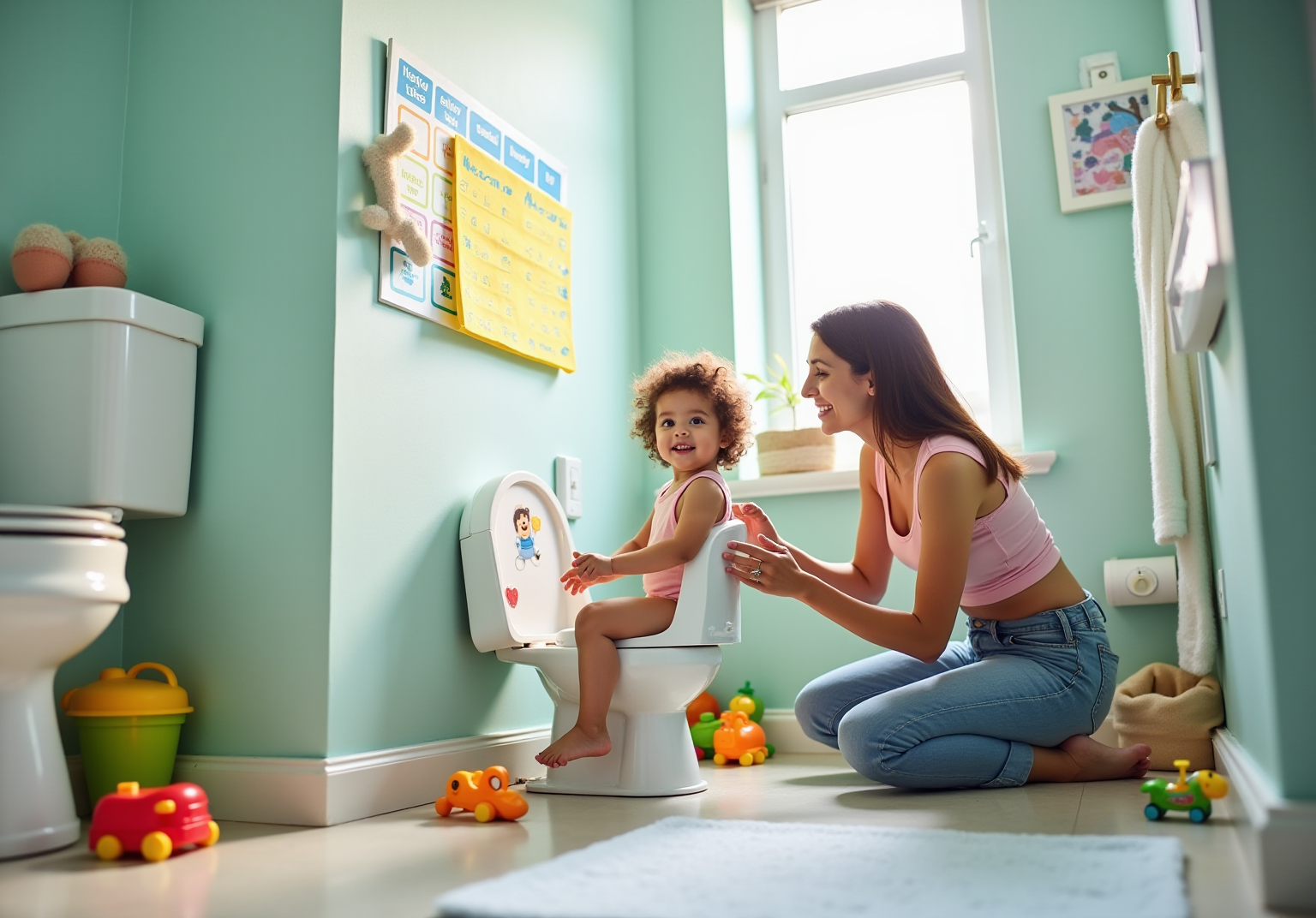
Toilet training can feel like a big hurdle, especially for children with autism who might face some unique challenges along the way. It’s important for parents and caregivers to understand the ins and outs of this process to help their little ones gain independence and confidence. In this article, we’ll explore ten essential tips for successful ABA toilet training, offering practical strategies that can turn what seems like an overwhelming task into a positive experience.
How can caregivers navigate the complexities of toilet training while ensuring their child feels supported and understood throughout this journey? Let’s dive in together!
Assess Child’s Readiness for Toilet Training
Evaluating a young person’s readiness for bathroom use is so important, especially for kids with autism. Every child’s developmental journey is unique, and recognizing this can make a big difference. Key signs of readiness include:
- Staying dry for longer periods
- Showing interest in the bathroom
- Being able to communicate their needs effectively
Research shows that children with autism often reach a bit later than their peers. For instance, a study from 1992 found that the average age for urination was around 3.8 years, while bowel control came at about 4.7 years. In comparison, 95% of typically developing kids are dry during the day by age 5. It’s crucial for parents to watch for , like constipation or pain, and to consult pediatricians to rule out any underlying medical issues.
Using tips for , and applying can really enhance the learning experience. is key here, as it equips parents with , providing that lead to better decision-making and improved outcomes. For example, using and social narratives can help kids understand the bathroom process better.
Pediatricians emphasize that readiness should be assessed for both the child and the parent. This ensures a supportive environment for such an important milestone. Let’s explore this together! We’re here to !

Establish a Consistent Toilet Training Routine
is so important, especially for kids with autism, and utilizing tips for can greatly assist in this process. Setting specific times for bathroom breaks – like after meals or before bedtime – helps little ones know when to expect to use the toilet. This can really ease their anxiety and confusion. Did you know that research shows the success rates for the Azrin and Foxx method can be as high as 100% for toddlers under 25 months? And follow-up success rates are between 96 to 97%!
Using can make this routine even easier for your child to follow. that routines provide a sense of security and predictability, which is super beneficial for autistic individuals who thrive on structure. It’s also important to remember that can affect about 2 to 3% of kids.
To help your little one feel more comfortable, try gradually increasing the time they spend on the seat until they reach about 3 minutes. This can really help them get used to the process. By sticking to a consistent approach and using , you can significantly improve your child’s bathroom training experience by following . This leads to !
And hey, don’t forget to schedule a . We’re here to help you every step of the way!

Utilize Positive Reinforcement Techniques
Let’s talk about something that can be a bit tricky for parents: ! One great way to make this journey smoother is by using . When your little one successfully uses the bathroom, reward them right away! Think about what makes them smile – maybe it’s a big cheer, a shiny sticker, or even a small treat. Research shows that kids who get during potty training tend to pick it up faster, often learning to ask for bathroom breaks all on their own in just 7 to 11 days.
Celebrating those little wins not only but also keeps them motivated. It creates a fun and supportive atmosphere that encourages them to keep trying. For example, giving social praise immediately after a successful attempt helps them connect the dots between their actions and the rewards. Plus, setting up a simple can make the whole experience more enjoyable for your child, turning it into a positive habit they’ll stick with long-term.
And don’t forget, as caregivers, you can use some handy tips for ! Keeping track of your child’s progress and adjusting rewards based on what works best for them can really make a difference. By , you can make choices that positively impact your child’s development, leading to and utilizing for a smoother process overall. We’re here to help you every step of the way!

Create a Structured Toilet Training Environment
One of the essential tips for successful is to create a calm and distraction-free bathroom setup! 🛁 Make sure the potty or toilet is easy for your little one to reach and comfortable, as this can really boost their willingness to join in. Occupational therapists often point out how important a is. A familiar and cozy space can help ease anxiety and make your child feel more at home during this process.
Did you know that 20% of parents have noticed ? That’s a big reason why a is so crucial. Using , can also guide your child through the bathroom routine, making it a lot easier for them. Plus, statistics show that distractions can really get in the way of potty training success. Kids who start later often face challenges like constipation.
By that meets your child’s needs, you can apply tips for to foster a that encourages independence. Let’s explore this together! We’re here to !

Break Down Toilet Training Steps
Toilet training can feel like a big task, but breaking it down into smaller, achievable steps makes it much easier! Start by introducing the idea of using the toilet. Encourage your little one to sit on the potty, and then gradually move on to flushing and washing hands. Practicing each step repeatedly helps your child gain confidence and skill before moving to the next phase.
This gradual approach is super important! Research shows that kids who benefit from during their first attempts are much more likely to complete the process successfully and quickly. Additionally, using tips for successful ABA toilet training can actually shorten the length of the . Kids who have consistent training tend to succeed in a shorter time frame, especially when following tips for successful ABA toilet training.
Creating a can really help your child feel more comfortable and understand the process better. is key, too! By providing them with , Rori Care ensures they can make informed choices that positively impact their child’s progress.
The include . This not only fosters but also empowers caregivers, reducing stress and improving family dynamics.
Let’s explore this together! Remember, you’re not alone in this journey!

Involve Parents and Caregivers in Training
Getting all caregivers involved in the bathroom habits process is super important for keeping things consistent across different settings. Did you know that 74% of parents believe both daycare providers and parents should be equally engaged in ? This really shows how crucial it is to have a !
But it’s not always easy. About 17% of parents have shared feelings of uncertainty, stress, or frustration when it comes to toilet training. That’s where ! At Rori Care, we empower caregivers with , offering tips for to help them support their little ones’ through knowledge and active participation.
Sharing approaches and progress reports among caregivers helps maintain that consistency. Plus, using the same terminology and reinforcement methods can really cut down on confusion for the kiddos. This teamwork creates a , making the educational experience so much better!
And let’s not forget, can provide tailored strategies, which include , that fit each child’s unique needs, boosting the chances of successful toilet education. As family therapist Pat McMillan wisely says, ” doesn’t just happen naturally. It is a product of process, skill, climate, relationship and hard work.”
So, let’s explore this together! We’re here to help you every step of the way!

Practice Patience and Understanding
can feel like a winding road, especially for kids with autism. It’s all about patience, and that’s key to making this journey smoother for everyone involved. Remember, accidents are just part of the process! Recognizing this can ease the stress for both you and your little one.
Research shows that setbacks are pretty common, especially during those stressful times in life. So, keeping a is super important. Celebrate those , like using the bathroom or staying dry for a while! These moments can really boost and encourage your child to get more involved in the process.
Experts suggest that a , paired with steady support, can significantly enhance the chances of developing , along with tips for . As one specialist wisely said, ‘Understanding that it’s a gradual process can help parents stay patient.’ By creating a , you can help your child tackle the challenges of toilet training with confidence and strength.
Let’s explore this together! We’re here to !

Monitor Progress and Adjust Strategies
Keeping an eye on your little one’s toilet training journey provides tips for that are super important for success! It helps to jot down a log of their wins and any little hiccups along the way. This can reveal patterns that guide your approach. For example, if a certain technique isn’t working, don’t hesitate to try something new! By regularly checking in on this info, you can stay ahead of the game, making sure your child gets the support they need to thrive.
Did you know that kids who score below 6 on the are 5.43 times more likely to take over a month to finish toilet training? This really highlights how , which are important tips for successful ABA toilet training. By creating a responsive training environment, you can to make the learning experience smoother and help your child gain independence.
At Rori Care, we truly believe in the power of and setting measurable goals in our behavioral programs. Our based on progress data, ensuring that each child’s unique needs are met. With , along with , you can provide to your little one’s journey. Let’s explore this together!

Address Potential Challenges in Training
Toilet training can be quite the journey for parents of children with autism. It often comes with its own set of challenges, like resistance to using the toilet, , and even the possibility of regression. Did you know that nearly half of individuals with autism spectrum disorder (ASD) face ? That’s significantly higher than the 23.6% seen in youth with developmental delays and just 8.0% in the general population! Understanding why your child might hesitate is key.
For example, if your little one is sensitive to the sound of flushing, a potty chair could be a more comfortable option. Plus, sensory sensitivities can make the bathroom feel overwhelming. Taking a moment to evaluate things like temperature and noise can help create a more inviting space. And let’s not forget about – constipation affects about 35.0% of kids with ASD, which can complicate the bathroom process.
Open communication and a good dose of patience are essential here. As one specialist puts it, “Comprehending why we utilize the restroom instead of a diaper can appear perplexing to a young one, particularly when the idea seems intangible.” Tackling these challenges with empathy and tailored approaches, like or , along with tips for , can really help make toilet training a more positive experience for your child.
Moreover, arming caregivers with knowledge of , including tips for successful ABA toilet training, can enhance their ability to provide consistent support at home. This leads to better and boosts confidence in handling these challenges. To make these plans work, caregivers should think about setting specific goals and keeping track of progress to ensure a smooth transition.
Let’s explore this together! We’re here to !

Seek Professional Support from Rori Care – ABA Therapy
If your family is facing ongoing challenges with bathroom habits, reaching out to Rori Care can truly make a difference. Our offer and expert guidance tailored to your little one’s unique needs, making the whole experience much smoother. Did you know that research shows kids who receive at least 25 hours of ABA therapy each week often benefit from tips for and see significant improvements in various skills?
With our skilled experts by your side, we’ll create a that not only addresses specific hurdles but also fosters a for your child. This structured approach has proven effective, with studies indicating that within just 8-12 weeks of starting intervention.
Plus, our empowers families by providing essential ABA principles and strategies, like and data collection methods. This way, you’ll feel more equipped to support your loved one’s behavioral goals. By partnering with Rori Care, you can navigate the complexities of toilet training with confidence, using to ensure your child gains the independence and dignity they truly deserve. Let’s explore this journey together!

Conclusion
Toilet training is a big milestone for kids, especially for those with autism. Understanding some essential tips for successful ABA toilet training can really help make this journey smoother and more effective. Every child is unique, so recognizing their readiness, establishing a consistent routine, and using positive reinforcement are key steps that can empower caregivers and help kids gain independence.
Throughout this article, we’ve highlighted some key strategies. Creating a structured environment, breaking down the toilet training process into manageable steps, and involving all caregivers in this journey can make a world of difference. These practices not only enhance the child’s learning experience but also ensure that parents and caregivers feel supported and equipped with the right tools. Plus, keeping an eye on progress and being flexible with strategies is super important, as it allows for adjustments based on each child’s specific needs and challenges.
Ultimately, toilet training isn’t just about reaching a goal; it’s about nurturing confidence and independence in our little ones. By putting these tips into action and seeking professional support when needed, families can create a positive and encouraging atmosphere that celebrates every small victory. So, embrace this journey with patience and understanding, knowing that each step taken is a stride towards greater independence for your child. Let’s explore this together!
Frequently Asked Questions
What are the key signs that a child is ready for toilet training?
Key signs of readiness for toilet training include staying dry for longer periods, showing interest in the bathroom, and being able to communicate their needs effectively.
How does the toilet training timeline differ for children with autism compared to typically developing children?
Research indicates that children with autism often reach toilet training milestones later than their peers. For example, the average age for urination is around 3.8 years and bowel control is about 4.7 years for children with autism, while 95% of typically developing children are dry during the day by age 5.
What should parents watch for during toilet training?
Parents should watch for signs of distress during elimination, such as constipation or pain, and consult pediatricians to rule out any underlying medical issues.
What strategies can enhance the toilet training experience for children with autism?
Strategies include creating a consistent routine, using positive reinforcement, and employing visual schedules and social narratives to help children understand the bathroom process better.
Why is it important to assess readiness for both the child and the parent?
Assessing readiness for both the child and the parent ensures a supportive environment for this important milestone, making the process smoother for everyone involved.
How can a consistent toilet training routine benefit children with autism?
A consistent toilet training routine provides a sense of security and predictability, which is beneficial for autistic individuals who thrive on structure. Setting specific times for bathroom breaks helps reduce anxiety and confusion.
What is the Azrin and Foxx method, and what are its success rates?
The Azrin and Foxx method is a toilet training approach that can have success rates as high as 100% for toddlers under 25 months, with follow-up success rates between 96 to 97%.
What role does positive reinforcement play in potty training?
Positive reinforcement, such as immediate rewards for successful bathroom use, helps children learn faster and encourages them to request bathroom breaks on their own. Celebrating successes boosts their confidence and motivation.
How can caregivers track their child’s progress during toilet training?
Caregivers can track their child’s progress by keeping a record of successful attempts and adjusting rewards based on what motivates the child, which can lead to better bathroom habits.
Where can parents seek additional support for toilet training?
Parents can schedule a free consultation with a Board Certified Behavior Analyst at Rori Care for personalized assistance and guidance throughout the toilet training process.
List of Sources
- Assess Child’s Readiness for Toilet Training
- What to Know About Toilet Training Your Child with Autism – SPARK for Autism (https://sparkforautism.org/discover_article/toilet-training-autism)
- Toilet Training and Autism (https://medium.com/autisticaldata/toilet-training-and-autism-e71d122dc2c9)
- Does Autism Affect Potty Training – A Full Breakdown (https://biermanautism.com/resources/blog/does-autism-affect-potty-training)
- Autism toilet training dilemma | Autism Speaks (https://autismspeaks.org/expert-opinion/autism-bathroom-issues)
- Toilet Training in Children with Autism Spectrum Disorder (https://consultqd.clevelandclinic.org/toilet-training-in-children-with-autism-spectrum-disorder)
- Establish a Consistent Toilet Training Routine
- Toilet Training (https://aafp.org/pubs/afp/issues/2008/1101/p1059.html)
- What to Know About Toilet Training Your Child with Autism – SPARK for Autism (https://sparkforautism.org/discover_article/toilet-training-autism)
- Are Children Toilet Training Later? Yes, The Results Are In! (https://cheekywipes.com/blog/are-children-toilet-training-later-yes-the-results-are-in.html?srsltid=AfmBOope-rLi3N85MB2JUxBsNGrEOUCAXjihLnYxOoNmQq-ai_bcnn4a)
- Effective Toilet Training Strategies for Children with Autism – Autism Treatment | Autism Behavior Services, Inc. (https://autismbehaviorservices.com/health/toilet-training-strategies-autism)
- An Evidence-Based Approach to Potty Training (https://psychologytoday.com/us/blog/parenting-translator/202205/an-evidence-based-approach-to-potty-training)
- Utilize Positive Reinforcement Techniques
- Toilet training interventions for children with autism spectrum disorder: A systematic review (https://sciencedirect.com/science/article/abs/pii/S1750946722001362)
- Investigation of a reinforcement-based toilet training procedure for children with autism – PubMed (https://pubmed.ncbi.nlm.nih.gov/12401483)
- Toilet Training Children With Autism and Developmental Delays: An Effective Program for School Settings – PMC (https://pmc.ncbi.nlm.nih.gov/articles/PMC3592490)
- The Power of Positive Reinforcement in Toilet Training – Positive Solutions Behavior Group (https://positivesolutionsbehaviorgroup.com/the-power-of-positive-reinforcement-in-toilet-training)
- ABA Therapy for Toilet Training Success in Children with Autism | Mestre Behavior (https://mestrebehavior.com/aba-therapy-toilet-training)
- Create a Structured Toilet Training Environment
- Personal and familial factors associated with toilet training – PMC (https://pmc.ncbi.nlm.nih.gov/articles/PMC7712689)
- Study: Potty training challenges common, with anxiety and setbacks affecting many families | Contemporary Pediatrics (https://contemporarypediatrics.com/view/study-potty-training-challenges-common-with-anxiety-and-setbacks-affecting-many-families)
- The association of age of toilet training and dysfunctional voiding – PMC (https://pmc.ncbi.nlm.nih.gov/articles/PMC4199658)
- What to Know About Toilet Training Your Child with Autism – SPARK for Autism (https://sparkforautism.org/discover_article/toilet-training-autism)
- The science of toilet training: What research tells us about timing (https://parentingscience.com/science-of-toilet-training)
- Break Down Toilet Training Steps
- What to Know About Toilet Training Your Child with Autism – SPARK for Autism (https://sparkforautism.org/discover_article/toilet-training-autism)
- Autism toilet training dilemma | Autism Speaks (https://autismspeaks.org/expert-opinion/autism-bathroom-issues)
- Toilet Training Readiness Scale for 0–5-Year-Old Children: A New Measurement Tool Based on a Child-Centred Approach – PMC (https://pmc.ncbi.nlm.nih.gov/articles/PMC11429537)
- Sequential Acquisition of Toilet-Training Skills: A Descriptive Study of Gender and Age Differences in Normal Children (https://publications.aap.org/pediatrics/article/109/3/e48/79784/Sequential-Acquisition-of-Toilet-Training-Skills-A)
- What to Know About Potty Training | ParentData by Emily Oster (https://parentdata.org/potty-training-best-advice)
- Involve Parents and Caregivers in Training
- 35 Quotes about Communication to Inspire Collaboration (https://vibe.us/blog/35-quotes-about-communication?srsltid=AfmBOoqbpKENiJMqKp6mwtkWH0ZckzyLkCzsidJZFQ0kqz9xX4wDWndK)
- Toilet training in healthy children: results of a questionnaire study involving parents who make use of day-care at least once a week – PubMed (https://pubmed.ncbi.nlm.nih.gov/23495098)
- What to Know About Toilet Training Your Child with Autism – SPARK for Autism (https://sparkforautism.org/discover_article/toilet-training-autism)
- 25 Quotes on Collaboration (https://psychologytoday.com/us/blog/here-there-and-everywhere/201205/25-quotes-on-collaboration)
- 25 Quotes on Collaboration – Stephanie Sarkis PhD (https://stephaniesarkis.com/blog/25-quotes-on-collaboration)
- Practice Patience and Understanding
- Potty pressure: 1 in 5 parents report struggles with toilet training (https://michiganmedicine.org/health-lab/potty-pressure-1-5-parents-report-struggles-toilet-training)
- What to Know About Toilet Training Your Child with Autism – SPARK for Autism (https://sparkforautism.org/discover_article/toilet-training-autism)
- Toilet Training in Children with Autism Spectrum Disorder (https://consultqd.clevelandclinic.org/toilet-training-in-children-with-autism-spectrum-disorder)
- Toilet training children: when to start and how to train – PMC (https://pmc.ncbi.nlm.nih.gov/articles/PMC3307553)
- An Evidence-Based Approach to Potty Training (https://psychologytoday.com/us/blog/parenting-translator/202205/an-evidence-based-approach-to-potty-training)
- Monitor Progress and Adjust Strategies
- Sequential Acquisition of Toilet-Training Skills: A Descriptive Study of Gender and Age Differences in Normal Children (https://publications.aap.org/pediatrics/article/109/3/e48/79784/Sequential-Acquisition-of-Toilet-Training-Skills-A)
- Toilet Training for Long-Term Success: A Comprehensive Guide for Parents of Children with Developmental Delays (https://grahambehavior.com/toilet-training-for-long-term-success)
- How to Use ABA Strategies to Support Toilet Training | Discovery ABA (https://discoveryaba.com/aba-therapy/how-to-use-aba-strategies-to-support-toilet-training)
- Toilet Training Readiness Scale for 0–5-Year-Old Children: A New Measurement Tool Based on a Child-Centred Approach – PMC (https://pmc.ncbi.nlm.nih.gov/articles/PMC11429537)
- Address Potential Challenges in Training
- What to Know About Toilet Training Your Child with Autism – SPARK for Autism (https://sparkforautism.org/discover_article/toilet-training-autism)
- Common Challenges in Potty Training Children With Autism (https://handscenter.com/common-challenges-in-potty-training-children-with-autism)
- Toileting Resistance Among Preschool Age Children With and Without Autism Spectrum Disorder – PMC (https://pmc.ncbi.nlm.nih.gov/articles/PMC9050947)
- Does Autism Affect Potty Training – A Full Breakdown (https://biermanautism.com/resources/blog/does-autism-affect-potty-training)
- Toilet Training in Children with Autism Spectrum Disorder (https://consultqd.clevelandclinic.org/toilet-training-in-children-with-autism-spectrum-disorder)
- Seek Professional Support from Rori Care – ABA Therapy
- ABA Therapy for Toilet Training Success in Children with Autism | Mestre Behavior (https://mestrebehavior.com/aba-therapy-toilet-training)
- How ABA Therapy Helps with Toilet Training (https://thetreetop.com/aba-therapy/how-aba-therapy-helps-with-toilet-training)
- Success Rates of ABA Therapy (https://alumacare.com/blog/success-rates-of-aba-therapy)
- How ABA Therapy Helps with Potty Training for Children with Autism (https://magnetaba.com/blog/how-aba-therapy-helps-with-potty-training-for-children-with-autism)
- 10 Rock Star Phrases to Encourage Toilet Training (https://carrotsareorange.com/toilet-training)