In a world that increasingly values independence and self-sufficiency, developing life skills is essential for children to truly thrive. These skills—ranging from personal care and communication to financial literacy and social interactions—are the building blocks of a child's ability to navigate daily challenges and build resilience. Organizations like Rori Care emphasize that for children on the autism spectrum, mastering these skills can significantly enhance their quality of life and foster meaningful connections within their communities.
With so many students enrolled in schools today, the urgency to weave life skills training into educational frameworks has never been more critical. This article will explore the importance of life skills, share innovative activities to nurture these abilities, and highlight the pivotal role caregivers play in supporting children's growth toward a more independent future. Let’s explore this together!
Life competencies include a varied range of abilities that help young people handle everyday tasks and obstacles effectively. These skills cover , communication, , and social interactions. By offering these vital , parents and caregivers nurture independence, self-assurance, and resilience in their children.
At Rori Care, we’re dedicated to empowering youth, especially those on the autism spectrum, through compassionate . Mastering essential abilities can significantly enhance their quality of life, allowing them to engage more fully with peers and their communities.
Current statistics highlight the urgent need for personal development among young people. As of August 2023, the Current Population Survey revealed that 73.8 million students are enrolled in school, representing 23.5% of the population aged three years and older. This underscores the importance of integrating into educational systems, equipping youngsters for future independence—something we’re passionate about at Rori Care.
Studies show that greatly influence the independence of young individuals, particularly those with autism. By focusing on these activities, they learn to manage daily tasks, boosting their . , led by trained therapists, enhances social interactions and communication, fostering better relationships.
Experts agree that are crucial for youngsters with autism. They not only improve their ability to operate independently but also enhance their social interactions and overall well-being.
plays a vital role in supporting development through ABA, improving informed decision-making and behavioral outcomes. Case studies demonstrate the effectiveness of personal development training programs designed for youth with autism. Innovative technology in behavioral therapy has shown to support families by providing resources that explore the impact of .
At Rori Care, we’re committed to building a future where every young person has the chance to thrive, equipped with the tools and knowledge they need for success.
Looking ahead to 2025, the importance of essential abilities for youngsters with autism remains crucial. As they express concerns about their financial futures, incorporating into everyday training becomes even more essential. By addressing these needs, we can help young individuals develop the necessary life skills for independence and success in adulthood.
Ultimately, teaching abilities to young individuals with autism isn’t just about sharing information; it’s about empowering them to lead fulfilling lives. As Steven R. Covey wisely said, "Seek first to understand, then to be understood," highlighting the importance of empathy and understanding in the developmental process. By focusing on essential abilities, we can ensure that youngsters with autism are not only ready for the challenges of everyday life but also empowered to succeed.
Our skilled behavior analysts play a crucial role in creating tailored plans for and skill development, ensuring that each individual’s unique needs are met with ongoing assessment and support.
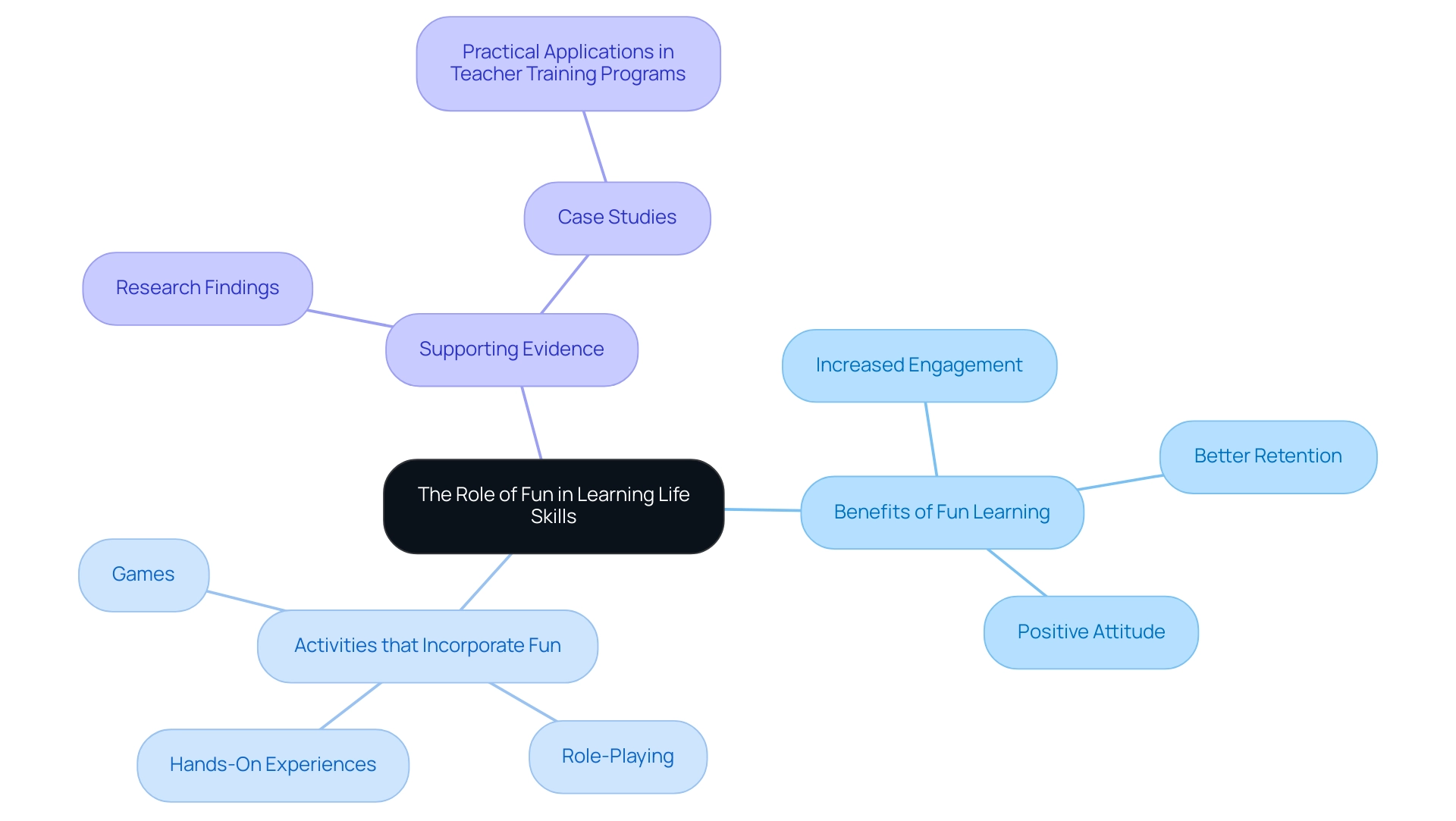
Integrating enjoyment into is so important for capturing young people's interest and keeping their motivation high. Research shows that when learning is fun, young learners are more likely to engage actively and really retain what they learn. Activities that mix in games, role-playing, and hands-on experiences can turn ordinary lessons into exciting challenges!
This fun approach not only boosts enjoyment but also nurtures a .
Statistics reveal that see better academic outcomes as kids grow. This really highlights how essential are in shaping young people's development. Educators emphasize that weaving enjoyment into education not only aids in knowledge acquisition but also helps young people adapt their views on the link between play and learning.
As points out, "These findings indicate that young individuals may be more adaptable in their perceptions of the overlap between play and learning."
Experts suggest that —can significantly boost young people's involvement in acquiring vital skills. By turning traditional educational methods into interactive experiences, young learners are more likely to participate and flourish. Case studies show how effective enjoyable learning activities can be, especially for individuals with autism, proving that fun, interactive approaches lead to better .
To make enjoyable, think about incorporating elements that resonate with kids' interests. You might use familiar games to teach or create role-playing scenarios that let youngsters practice in a safe environment. By putting fun at the forefront of learning, we can empower young learners to gain independence while enjoying the process.
Rori Care – ABA Therapy is all about providing resources for families on , ensuring that everyone has the chance to thrive with specialized support and compassionate guidance. Let’s explore this together!
are a fun and effective way to introduce to our young ones! Activities like 'The Budgeting Game' let kids take charge of a virtual budget, where they make important choices about spending and saving. And let’s not forget classic board games like Monopoly—they create a playful setting for teaching essential .
These interactive experiences help kids grasp the value of money while highlighting the . Did you know that in 2022, the average estimated loss per person due to financial illiteracy was $1,819? This really shows how crucial is!
Research tells us that kids who play games tend to have a . For instance, studies reveal that youngsters who engage with display improved financial decision-making skills, which can lead to better outcomes in their future financial journeys.
Experts in financial education emphasize the impact of these games, noting that they provide a practical framework for teaching budgeting to young people. As TIAA points out, students from more affluent backgrounds tend to have higher levels, scoring an average of 555 out of 1,000 on the latest international student assessment program. By blending fun with education, these games lay the groundwork for lifelong financial savvy.
As Rori Behavioral Innovations Inc. champions the development of essential , incorporating into their programs aligns perfectly with their mission to and equip every young person with the tools they need to thrive. Their commitment to , as highlighted in their case study, complements the strategy of using to foster independence and in kids. Plus, the NFEC's add credibility to the use of these games as effective tools for teaching budgeting techniques.
This cohesive narrative really emphasizes the importance of preparing our young ones with and financial abilities for a bright future. Let’s explore this together and ensure our kids have the resources they need to succeed!
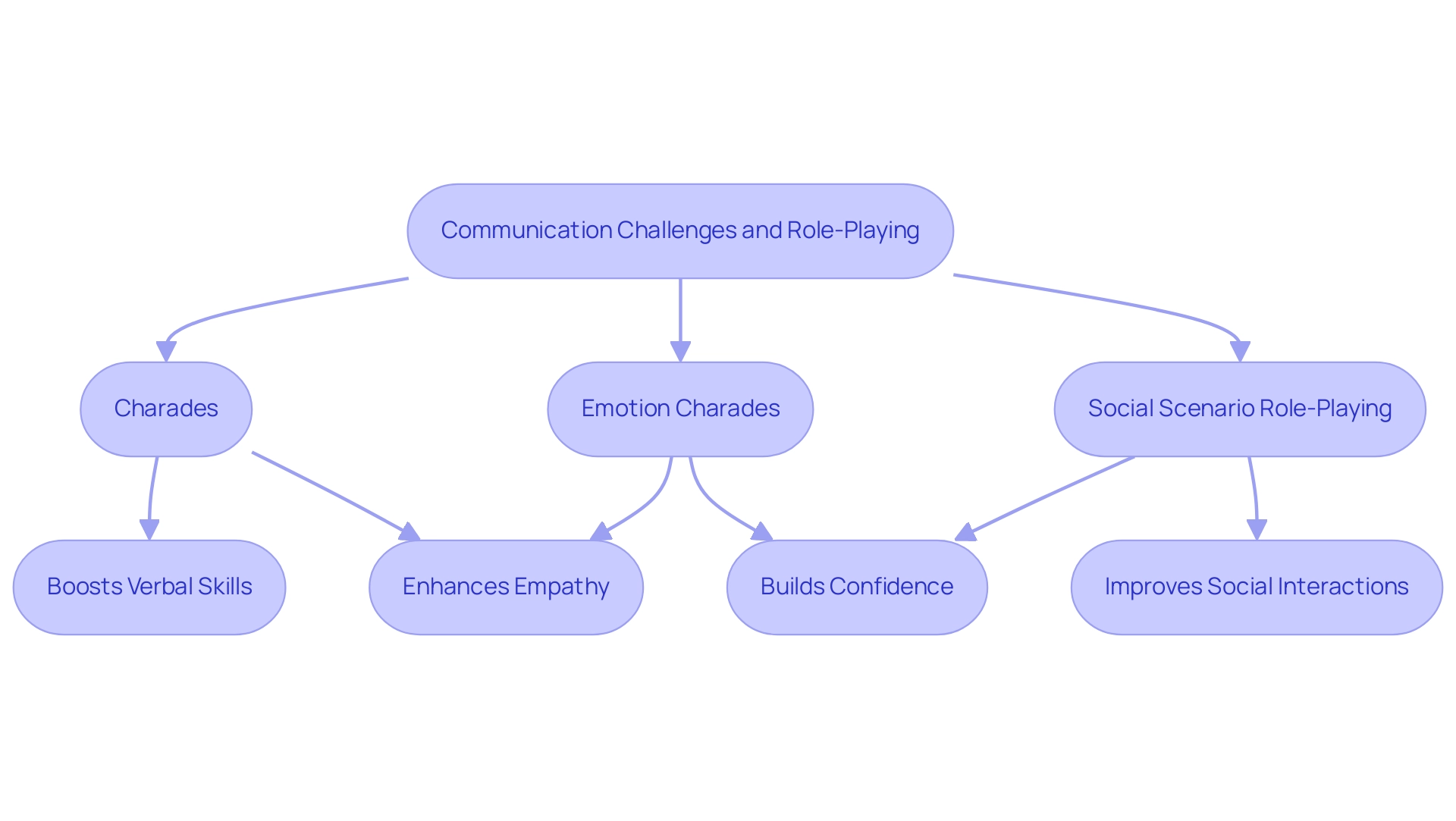
Involving young ones in communication challenges and can really boost their verbal and non-verbal skills! 🎉 Activities like 'Charades' or 'Emotion Charades' not only encourage kids to express themselves but also help them understand the emotions of others, fostering empathy and connection. Imagine your child role-playing different social scenarios—like ordering food at a restaurant or greeting a friend. This offers a safe space for them to practice essential , which is so important for their overall growth.
Studies show that older youth feel more (p = 0.016). This highlights the importance of in . EIBI is especially vital for children with autism, as it significantly enhances their learning, verbal, and social abilities. At Rori Care – ABA Therapy, we believe every individual deserves the chance to thrive! A study on developing underscores the need to monitor early communication to support social-emotional competencies, helping prevent potential issues later in childhood.
Speech therapists often emphasize the role of play in improving communication. like role-playing create engaging environments where kids can learn and practice. For instance, role-playing can help children navigate complex social interactions, enhancing their ability to communicate effectively in real-life situations. As Josh Hillman, Director of Education at the Nuffield Foundation, beautifully put it, "Children’s is important, not only in its own right, but in supporting their capacity to learn and achieve in school, which in turn can bolster their longer-term outcomes."
Incorporating , including role-playing, into daily routines not only boosts but also prepares kids for future independence. By simulating real-world scenarios, they can build confidence and competence in their interactions, contributing to their overall success. At Rori Care – ABA Therapy, we support families by providing and empowering them with ABA principles and strategies to help their loved ones achieve their behavioral goals through active involvement and data collection.
Moreover, Rori Care offers , enhancing young people's interactions and communication in a group environment. This fosters improved competence and relationships, creating a sense of community. Let’s explore this together! We’re here to help you every step of the way! 😊
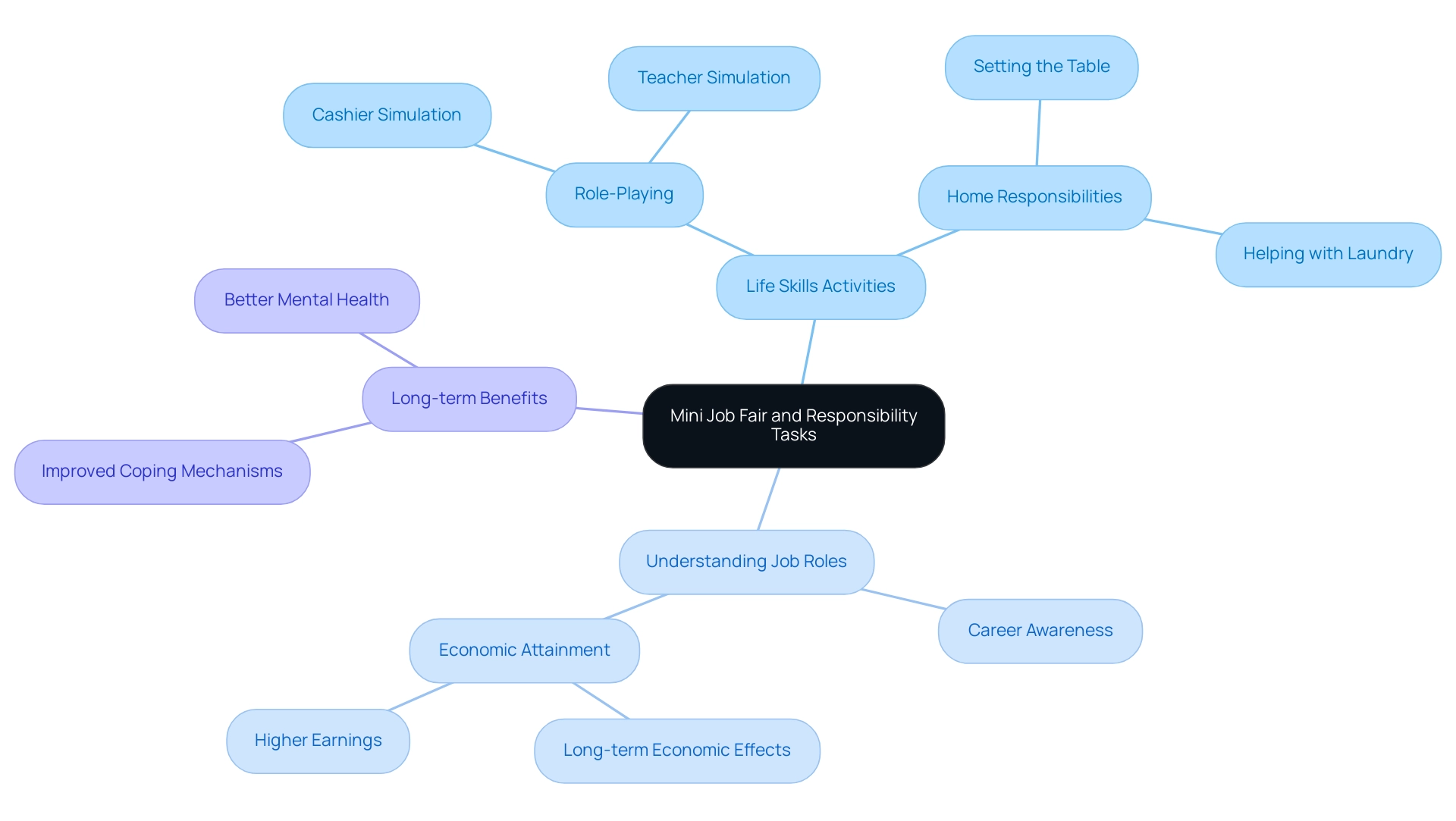
Arranging a mini job fair gives young people a wonderful chance to explore different career paths and understand the responsibilities that come with them. Engaging in —like or teacher—helps youngsters grasp the abilities needed for various professions. Research from September 2018 to June 2021 shows that individuals who participate in structured job role scenarios develop a clearer understanding of job roles and responsibilities, which is so important for their future career choices.
At Rori Care, we empower your young one with the skills they need to navigate the world independently. Our mission is all about . Our compassionate clinical leadership team values and is dedicated to ensuring that every individual has the opportunity to succeed. Besides , —like assigning age-appropriate responsibilities at home, such as setting the table or helping with laundry—instill a sense of accountability and the value of hard work.
These not only teach young individuals about responsibility but also prepare them for real-world job expectations. They reinforce the principles of that we advocate for.
A recent case study titled "Employment and Economic Attainment" highlights the long-term economic effects of on wages and occupational status in adulthood. This reinforces the and responsibility. Plus, high-quality work experiences during high school have been linked to improved personal outcomes, including better coping mechanisms and mental health, even years after graduation.
To enrich the learning experience, parents can incorporate mini job fair activities tailored for 2025. Think of interactive booths, hands-on demonstrations, and discussions with local professionals! Career counselors emphasize the importance of role-play as one of the key in teaching responsibility. It helps young individuals connect their interests with potential career paths. As JE stated, "A practical implication of these findings is that parents need to be made aware of the roles their own gender-role behavior, as well as their offspring’s gender identity, play in the of their offspring."
By nurturing these abilities from a young age, especially for kids with autism, parents can enable their offspring to flourish in their future pursuits. This aligns beautifully with Rori Care's dedication to and ensuring every individual has the chance to succeed. Let’s explore this together!
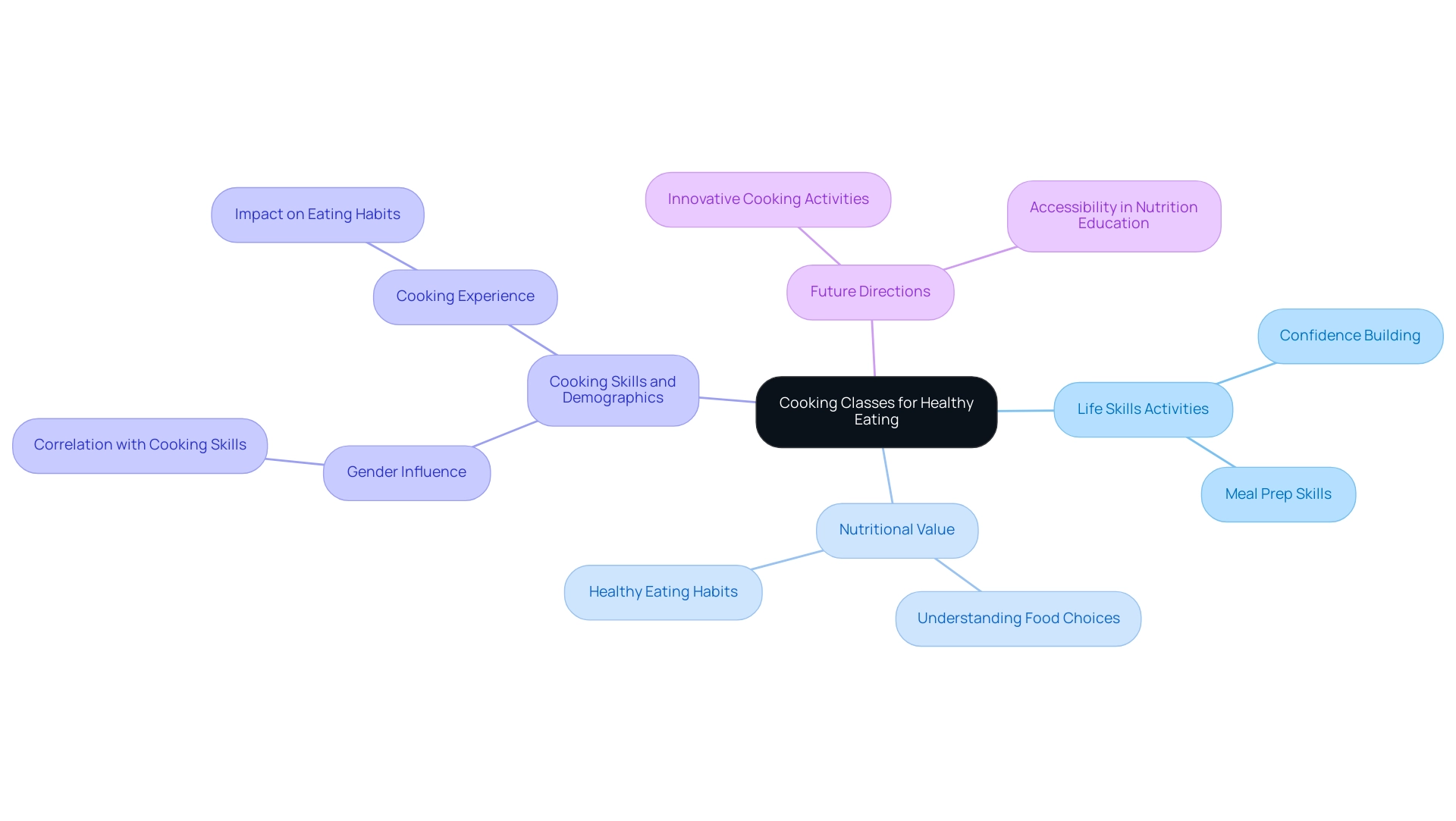
are more than just lessons; they’re life skills activities that create a fun and interactive space for young people to explore while picking up essential cooking skills. When kids dive into meal prep, they learn to whip up simple dishes—think fruit salads or sandwiches—and they also gain insight into the nutritional value of different foods. This hands-on experience empowers them to take charge of their meals, nurturing a .
Did you know that studies reveal youngsters who can prepare over 20 dishes often boast higher eating habit index scores? This highlights the strong connection between . Interestingly, a multivariate analysis found a significant link between and being female (OR 1.33; p < 0.0001), hinting that demographic factors might play a role in cooking abilities.
Moreover, a narrative review titled "" shines a light on food literacy as a crucial trait for fostering healthy and sustainable diets. It advocates for —key components for developing healthier eating habits. This perfectly aligns with Rori Behavioral Innovations Inc.'s mission to and provide families with the tools they need to support their children’s growth.
Experts like Melissa Plugh Prescott stress the importance of evaluating cooking interventions. While it can be a bit pricey, the rewards of teaching kids to cook are truly priceless. not only equip youngsters with but also build —traits that are essential for their future.
Looking ahead to 2025, innovative cooking activities designed for young learners will keep evolving, making nutrition education both enjoyable and accessible. These classes can be a game changer in shaping young people's eating habits, ensuring they’re well-equipped to make healthy choices as they grow. By weaving cooking into their daily routines, families can create an environment where healthy eating feels like a natural part of life. Let’s explore this together!
Getting kids involved in a digital scavenger hunt is a fantastic way to help them develop while having a blast! With tablets or computers in hand, they set off on a quest to find specific items or information online. This fun activity not only boosts their research skills and but also teaches them how to navigate technology. Plus, it encourages teamwork and problem-solving as they collaborate to complete the hunt.
Did you know that studies show is crucial for ? In fact, 77% of households have a broadband subscription, highlighting just how important digital skills are in today’s world. Educators agree that incorporating tech-based activities into learning can help bridge gaps, especially for underserved communities. As Michele Knobel points out, the challenges surrounding technology can worsen existing educational inequalities. That’s why it’s so important to provide equal access to , especially through engaging activities like that boost .
By adding , these activities make learning enjoyable while following expert recommendations for teaching tech skills through play. For example, USAID's Digital Strategy stresses the need for coordinated efforts to improve digital competencies in education systems, ensuring no one gets left behind. This strategy shows how can fit into larger initiatives aimed at enhancing and addressing the , including life skills activities. Looking ahead to 2025, these hunts can be customized to teach various tech skills, like coding basics or online research techniques, making them versatile tools for skill development.
As kids navigate these hunts, they build confidence in using technology effectively, preparing them for future independence and career opportunities. Let’s explore this together and see how we can support our children in becoming tech-savvy individuals!
Mindfulness and are incredibly helpful for young individuals in managing stress and regulating their emotions. Engaging activities like , yoga, and simple meditation not only teach kids how to calm their minds and bodies but also nurture a sense of emotional resilience. pointed out that bringing into schools can significantly boost for both staff and students, creating a positive school culture.
This study's reliability was found to be 87%, based on the consensus among coders, which really highlights the validity of its findings. To make these practices even more appealing, adding fun elements like colorful mats, calming music, or interactive games can really enhance engagement. , specifically designed for stress management, have shown promising results in improving in young individuals. In 2025, we can expect various to continue gaining traction, emphasizing the importance of weaving these techniques into daily routines.
Insights from psychologists emphasize how crucial relaxation techniques are for youngsters. Early exposure to mindfulness can lead to better attention and . As Aylin Sop, an author in the field, noted, "Considering the data obtained from the results, it benefits teachers and educators to make common for youth's emotion, attention, and from an early age." Plus, the case study titled "Implementing Mindfulness in Schools" offers recommendations on how to effectively weave into school settings, stressing the importance of building consistency and gaining school-wide support for these initiatives.
By carving out dedicated time for mindfulness practice, individuals can engage in life skills activities that will support them throughout their lives, ultimately contributing to their independence and overall development. The ongoing call for more empirical research on in early childhood underscores the need for evidence-based approaches in this area. Let’s explore this together and see how we can support our kids in their journey!
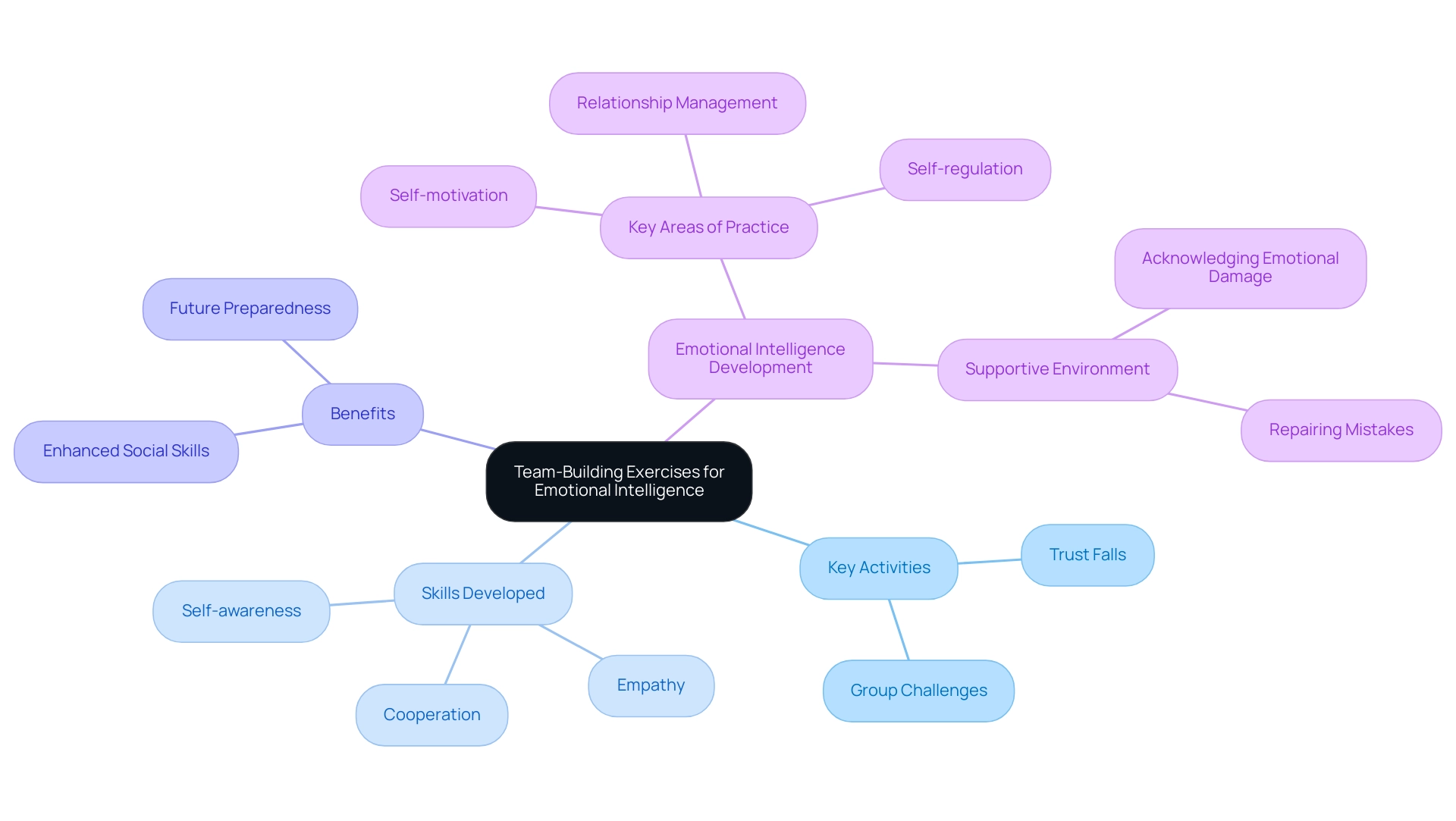
are so important for boosting in our young ones! They really help foster . Activities like 'Trust Falls' and 'Group Challenges' not only encourage collaboration but also teach kids how to support each other in different situations. These fun exercises show the value of teamwork, which is essential for developing strong interpersonal skills needed to build .
Research tells us that can be nurtured through practice in key areas like empathy, self-awareness, and social skills. When kids participate in , they learn to navigate group dynamics, which enhances their ability to manage relationships effectively. For instance, young people involved in organized group challenges often demonstrate , highlighting the positive impact of cooperative exercises on .
Experts emphasize the importance of teamwork activities for kids in 2025, noting that these experiences not only support emotional development but also prepare them for future s. Interestingly, studies show no gender differences in for kids aged 10 and 11, suggesting that these activities can benefit all youngsters equally. By incorporating group therapy led by qualified therapists at Rori Care – ABA Therapy, we aim to create a nurturing environment where each young individual, especially those with Autism Spectrum Disorders, ADHD, Social Communication Disorders, and Anxiety Disorders, can truly thrive.
This reinforces the idea that is a vital part of achieving personal and professional success. 💪 Additionally, recognizing and addressing emotional damage when mistakes happen is key to creating a supportive atmosphere during these activities. This aligns with findings from Brackett et al., which suggest that EI intervention programs benefit both boys and girls. In summary, life skills activities, along with , are essential for in young individuals, equipping them with the tools to cooperate and empathize with others.
As they engage in these life skills activities, they not only grasp the importance of collaboration but also cultivate the essential abilities needed for healthy connections throughout their lives. Let’s explore this together!
Parents play a crucial role in strengthening important abilities at home, which can greatly improve their children's independence and self-assurance. To make the most of these opportunities, it’s helpful to set aside specific times each week for personal development practice. This organized approach not only creates a routine but also highlights how significant these skills are in everyday life.
Encouraging kids to take the lead in tasks—like planning meals, budgeting for family outings, or managing their own schedules—fosters a sense of responsibility and ownership. Research shows that parental involvement is key; for example, . This suggests that active engagement can help mitigate challenges and promote positive behaviors. It’s a clear reminder of the direct link between parental involvement and reducing behavior issues, emphasizing how vital it is for parents to actively participate in their children’s lives.
Moreover, offering consistent , no matter how small, can significantly boost a young person’s motivation and self-esteem. This kind of reinforcement helps kids recognize their progress and encourages them to face new challenges with confidence.
is essential for . Parents can achieve this by modeling positive behaviors, , and teaching stress management techniques. These strategies not only enhance young people's life skills but also contribute to their overall well-being.
Additionally, , like those offered by Rori Care – ABA Therapy, equip parents with . This empowers them to make informed decisions that positively impact their children’s progress and behavioral outcomes. These programs complement professional interventions, ensuring a consistent approach to supporting youth.
Including home-based activities for daily living has been shown to significantly influence children's independence. Case studies reveal that parents who actively participate in teaching essential skills contribute greatly to their children's development as they navigate school and social environments. Understanding the dynamics between parental involvement and youth achievement can guide effective strategies for enhancing at home.
For instance, , can be utilized to evaluate parental involvement variables, providing a data-driven perspective on the impact of engagement.
As parenting experts emphasize, fostering independence in youngsters is a collaborative effort. By partnering with educators and being proactive in their involvement, parents can create a nurturing atmosphere that empowers youth to thrive. This partnership is vital, as one educator aptly noted, "."
By embracing this collaborative approach and leveraging the knowledge gained from caregiver education, parents can effectively teach life skills that will serve their children well into adulthood. Let’s explore this journey together!
Empowering our children with essential life skills is truly a transformative journey! It sets the stage for their independence and success. These skills cover a wide array of abilities—from personal care and communication to financial literacy and emotional intelligence. Organizations like Rori Care are making a significant impact, especially for children on the autism spectrum, providing tailored support that enhances their quality of life and fosters meaningful community connections.
Engaging activities, such as budgeting games, cooking classes, and team-building exercises, not only make learning enjoyable but also reinforce the practical application of these skills. Research shows that when kids engage in fun, interactive experiences, they’re more likely to retain what they learn and gain confidence in their abilities. This approach not only boosts their personal growth but also prepares them for the real-world challenges they’ll face.
Ultimately, it’s up to caregivers and educators to create nurturing environments for these skills to flourish. By prioritizing life skills training at home and in schools, and actively engaging with children in their learning journeys, we can lay a solid foundation for their independence. The collaborative efforts of parents, educators, and organizations like Rori Care are crucial in empowering our children to thrive. Together, we can ensure they have the tools they need for a successful and fulfilling future. As our world continues to change, fostering these life skills will remain vital in helping our children navigate their paths with confidence and resilience. Let’s explore this together and make a difference in their lives!
What are life competencies and why are they important for young people?
Life competencies are a range of abilities that help young people manage everyday tasks and challenges effectively. These skills include personal care, communication, financial literacy, and social interactions. They are important as they nurture independence, self-assurance, and resilience in children.
How does Rori Care support youth, particularly those on the autism spectrum?
Rori Care empowers youth, especially those on the autism spectrum, through compassionate Applied Behavior Analysis (ABA) treatment. By mastering essential abilities, these young individuals can significantly enhance their quality of life and engage more fully with peers and their communities.
What do current statistics indicate about the need for personal development among young people?
As of August 2023, 73.8 million students are enrolled in school, representing 23.5% of the population aged three years and older. This highlights the importance of integrating life skills activities into educational systems to prepare youngsters for future independence.
How do life skills activities influence the independence of young individuals with autism?
Life skills activities greatly influence the independence of young individuals with autism by teaching them to manage daily tasks, which boosts their self-sufficiency and confidence. Group therapy led by trained therapists also enhances their social interactions and communication.
Why is caregiver education vital in supporting youth development through ABA?
Caregiver education is crucial as it improves informed decision-making and behavioral outcomes for youth with autism. It helps caregivers effectively support the development of essential life skills through ABA.
What role does enjoyable learning play in life skills activities?
Integrating enjoyment into life skills activities captures young people's interest and keeps their motivation high. Fun learning experiences, such as games and role-playing, enhance engagement and retention of skills.
How do budgeting games contribute to financial literacy in young people?
Budgeting games, like 'The Budgeting Game' and classic board games like Monopoly, provide interactive experiences that help kids understand money management, the value of saving, and making smart financial choices.
What evidence supports the effectiveness of financial literacy games for children?
Research shows that children who engage with financial literacy games tend to have a better understanding of money management, leading to improved financial decision-making skills and better outcomes in their future financial journeys.
How does Rori Behavioral Innovations Inc. incorporate budgeting games into their programs?
Rori Behavioral Innovations Inc. incorporates budgeting games into their programs to empower families and equip young people with essential life skills and financial abilities, aligning with their mission to foster independence and success.