
Introduction
Understanding the nuances of behavioral management can feel overwhelming for many parents. When it comes to implementing effective strategies like negative punishment, it’s easy to wonder where to start. This approach, often used in Applied Behavior Analysis (ABA) therapy, aims to reduce unwanted behaviors by removing positive stimuli. It’s all about fostering accountability and growth in our children. But here’s the challenge: how can we apply these techniques effectively without causing harm or confusion?
Let’s dive into ten essential examples of negative punishment that every parent should know. We’ll explore insights and practical applications to help you navigate this complex terrain. Together, we can make sense of it all and find ways to support our kids while ensuring they learn and grow in a positive environment. Let’s explore this journey together!
Rori Care – ABA Therapy: Effective Strategies for Negative Punishment
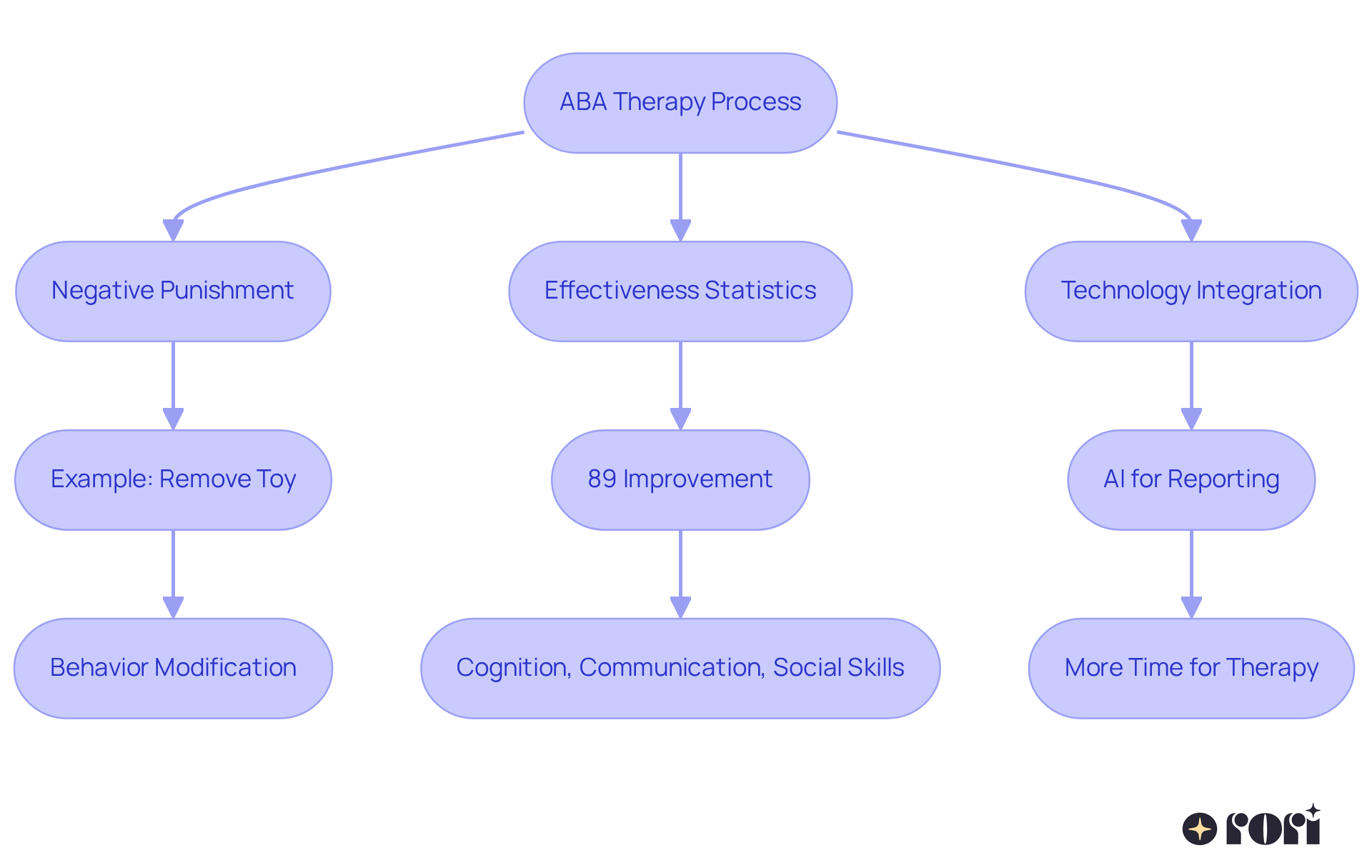
At Rori Care, we use Applied Behavior Analysis (ABA) therapy as a core method to help young people with autism navigate their . One effective strategy we incorporate is , which means taking away something enjoyable to help reduce unwanted behaviors. For instance, if a child throws a toy, the therapist might temporarily remove it, which serves as , teaching them that such actions lead to a loss of privileges. This approach not only helps modify behaviors but also educates children about consequences in a supportive environment.
Research shows that over 89% of studies report , including . The US Surgeon General even recognizes ABA as an . At Rori Care, we understand that half of the time spent in goes toward writing reports. To tackle this, we blend to track and prebuild progress reports, giving therapists 50% more time to focus on the children.
This fresh approach allows our skilled analysts to design tailored plans that include , ensuring ongoing assessment and adjustments to meet each child’s unique needs. By incorporating these strategies within a comprehensive ABA framework that emphasizes early intervention and individualized treatment, we can significantly boost the effectiveness of therapy. Our ABA therapists emphasize that these techniques are great for encouraging positive changes, helping children learn to connect their actions with specific outcomes, and ultimately fostering better decision-making skills.
Let’s explore this journey together! We’re here to !
Response Cost: Understanding Its Role in Negative Punishment
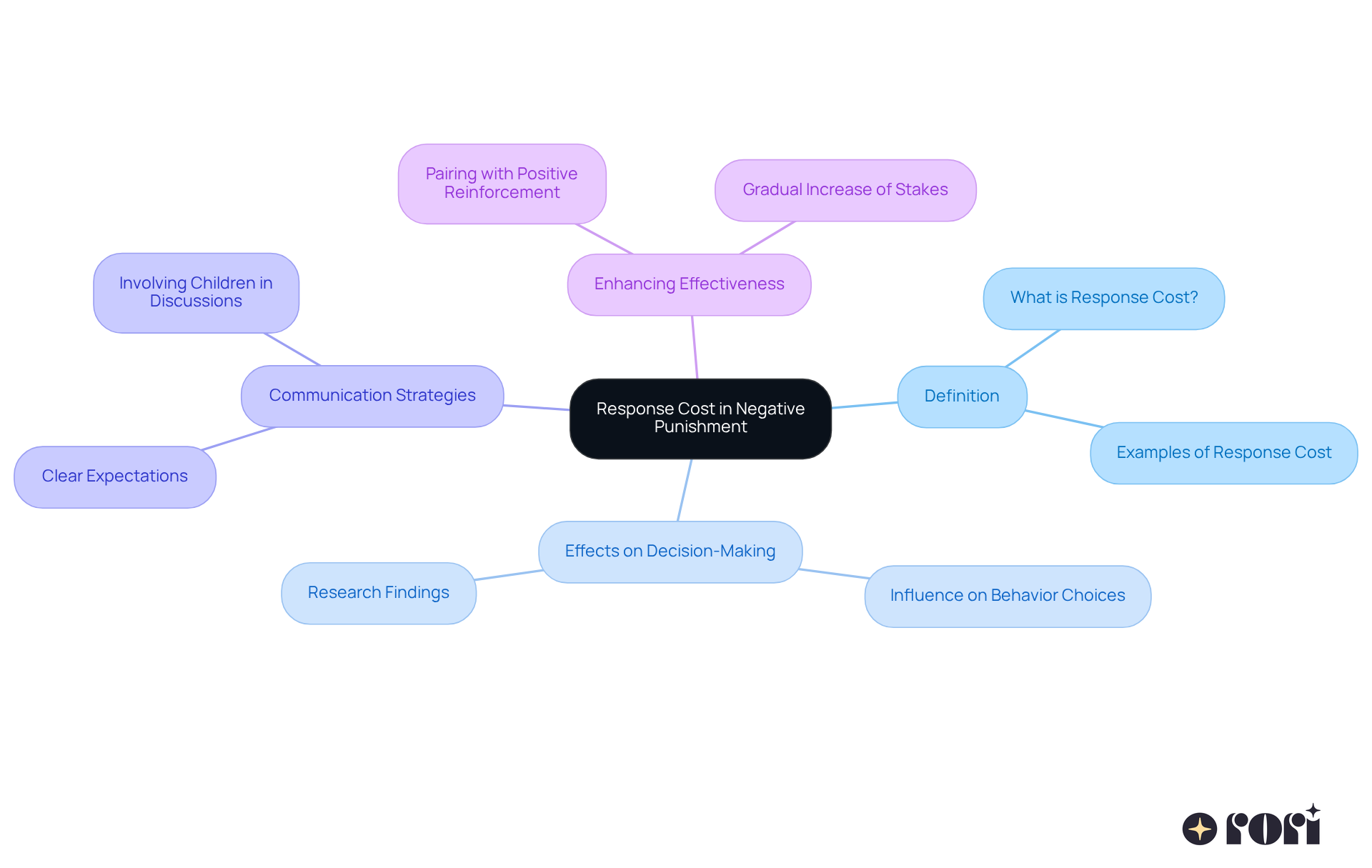
is a specific type of in ABA examples where a young person loses access to a valued item or privilege due to . For instance, if a young person forgets to finish their homework, such an incident can serve as in ABA examples, leading them to miss out on screen time. This approach teaches that their , encouraging them to in the future.
Research shows that can significantly influence ‘s decision-making, reinforcing the connection between actions and results. To make this method even more effective, parents should about which behaviors will lead to a . It’s important that kids understand the expectations and consequences involved.
You might find it helpful to gradually increase the stakes or . This can enhance the strategy’s impact, particularly for individuals with autism. By fostering a space of open communication and support, parents can help their children navigate the complexities of behavior more effectively. Let’s explore this together and see how we can support each other in this journey!
Time-Out: A Common Negative Punishment Technique Explained
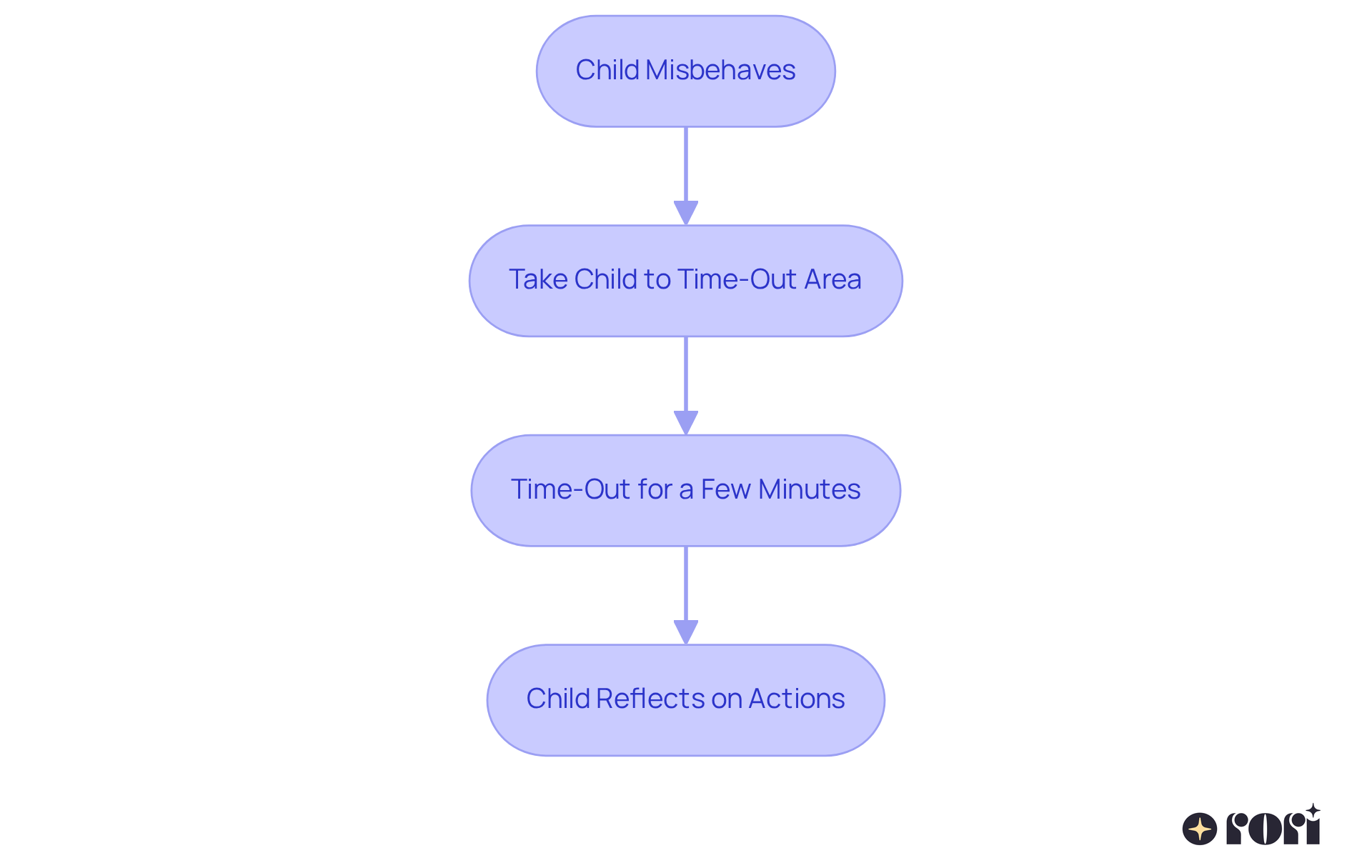
, where a youth is temporarily taken away from a fun environment after some mischief. For instance, if a child , might involve asking them to sit in a for a few minutes. This little break helps them relax and think about their actions, which serves as by reinforcing the idea that certain behaviors can lead to missing out on enjoyable activities.
What’s really great about ABA is that it’s a , adjusting to each child’s . When are applied consistently and fairly, they can be quite effective! This approach is especially crucial in (EIBI), which aims to in young individuals with autism. Let’s explore this together and see how it can make a difference in your child’s journey!
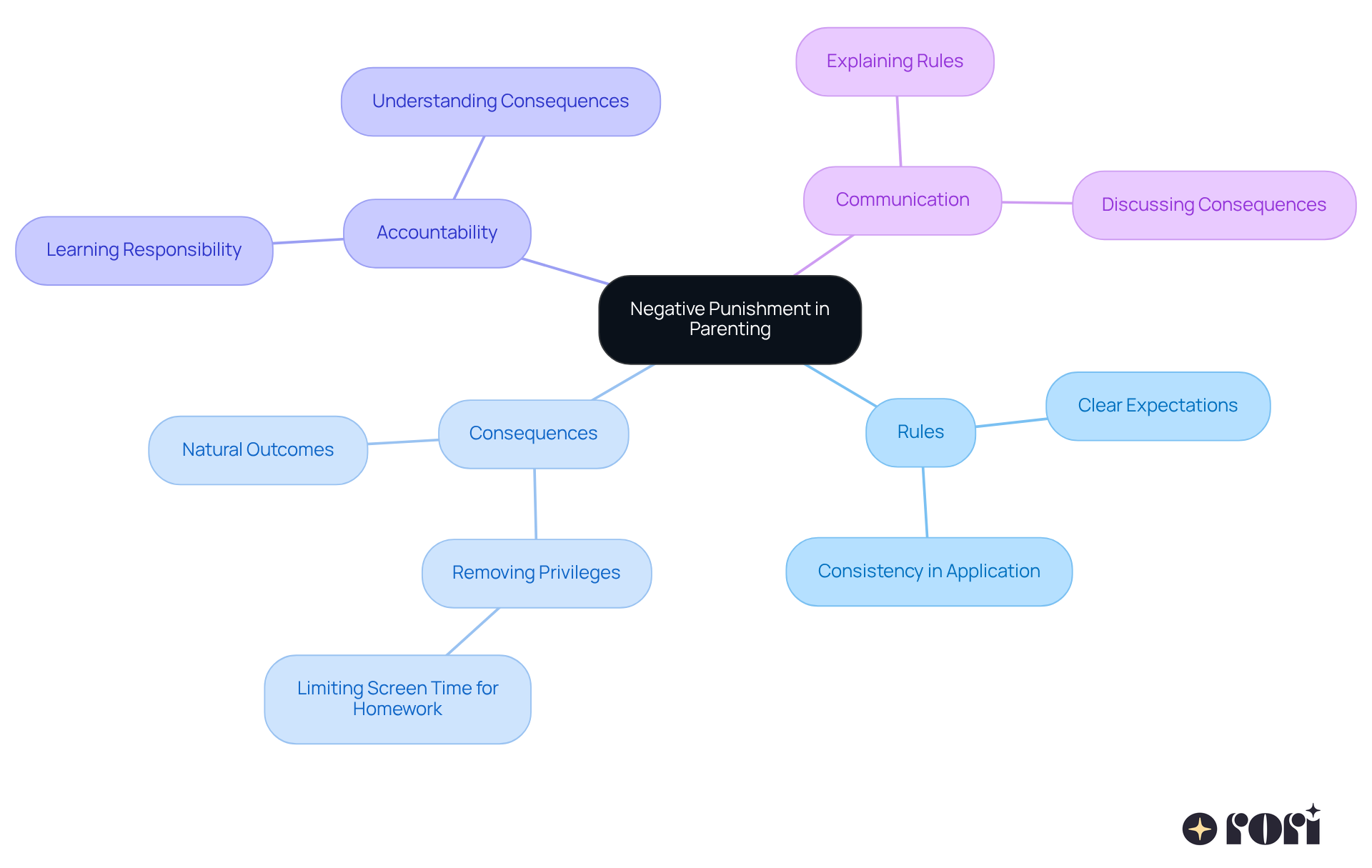
Loss of Privileges: Implementing Negative Punishment at Home
is one of the that can be a really . Think about it: if a child skips their bedtime, they might miss out on watching their favorite show the next day. To make this work, it’s super important for parents to and the consequences that come with breaking them. Consistency is key here! Every time the undesired behavior occurs, indicate that privileges should be taken away to effectively reinforce the lesson.
Research shows that . Child development experts often highlight how crucial it is to , which can be seen as . This not only sets clear expectations but also helps kids feel that things are fair.
Let’s look at a real-life example. Imagine a parent who implements by . This reinforces the importance of being responsible. By keeping the lines of communication open and , parents can and improve their behavior.
Let’s explore this together! Remember, you’re not alone in this journey, and we’re here to help you every step of the way!
Response Cost in the Classroom: Managing Behavior with Negative Punishment
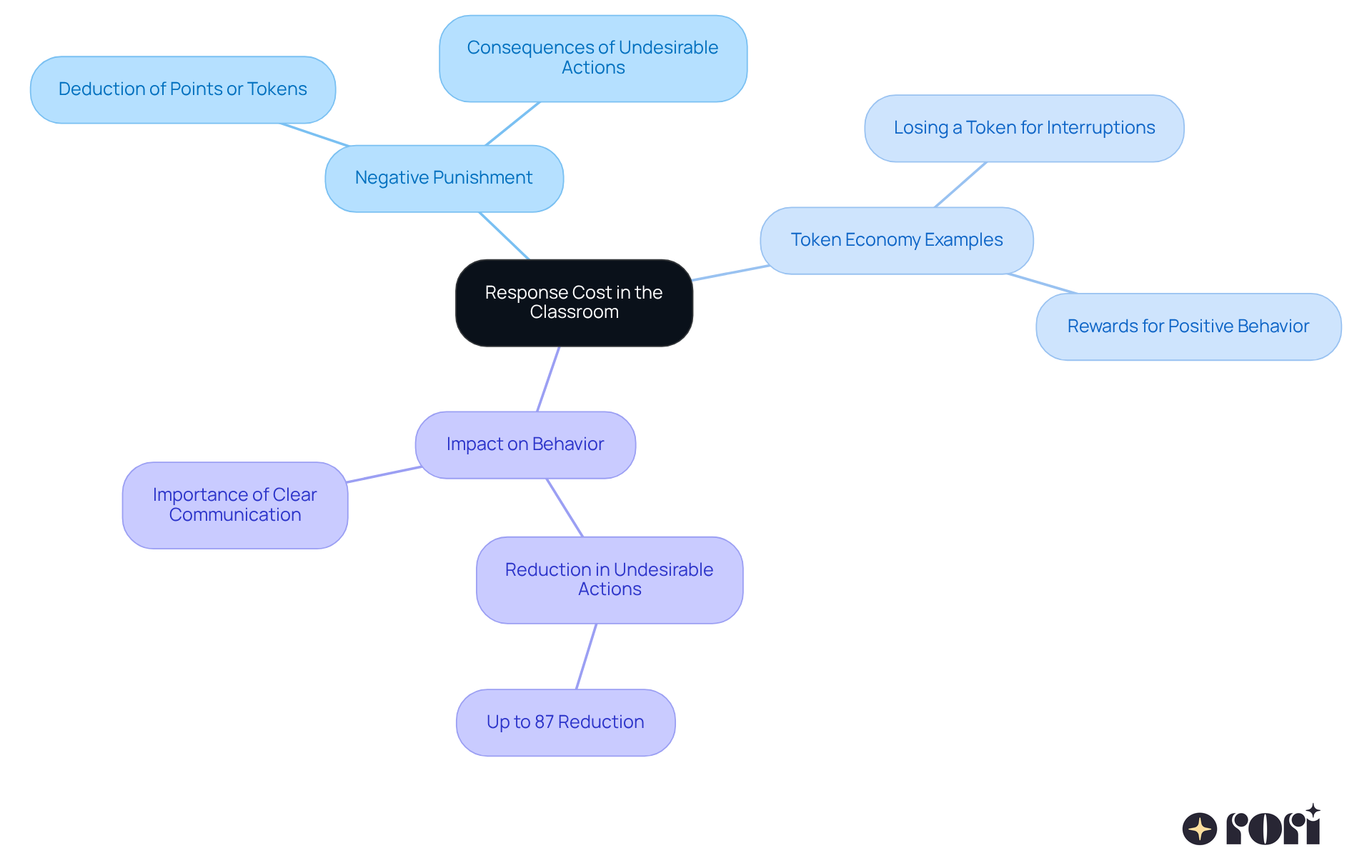
In classroom settings, can be a helpful tool! The method employs by subtracting points or tokens from a student’s reward system when they engage in . For instance, if a student interrupts the class, they might lose a token that could have been traded for something fun, like extra playtime or a small prize. This method provides by not only discouraging unwanted behavior but also encouraging students to think about how their actions relate to their rewards.
Research shows that when are used effectively, they can by up to 87%! To make this approach even more effective, it’s crucial for educators to ensure that students fully and the consequences of their actions. really helps create a , which can lead to better behavior and . Let’s explore this together and see how we can make a positive impact!
Natural Consequences: Teaching Through Negative Punishment
happen when kids face the without parents stepping in. For example, if a little one decides not to wear a coat on a chilly day, they’ll feel that cold right away! This real experience helps them grasp the .
Allowing these , in a safe environment, creates a where kids can think about their decisions. Research shows this method not only boosts but also nurtures a sense of responsibility.
Developmental psychologists point out that these can significantly shape how young people learn to manage rules and expectations in life. Picture this: if a child forgets to clean up their toys, they might find their favorite toy damaged. This reinforces the value of .
By facing these results, kids are more likely to make better choices in the future, as they learn to connect their actions with their outcomes. Let’s explore this together!

Behavior Contracts: Structuring Negative Punishment for Better Outcomes
are like organized pacts between parents and youth, laying out for not meeting them. For example, a contract might say that if a student finishes their homework on time, they get some . However, if they miss that deadline, they lose that privilege, illustrating one of the . To really work, these contracts need to be by everyone involved, creating a and understanding.
Regularly checking in on the contract highlights the importance of those agreed-upon actions, making sure both parties stay engaged and motivated. This not only but also empowers young individuals to take responsibility for their choices. In the end, this can lead to . Let’s explore this together and see how these agreements can make a difference in your family!

Token Economies: Balancing Reinforcement and Negative Punishment
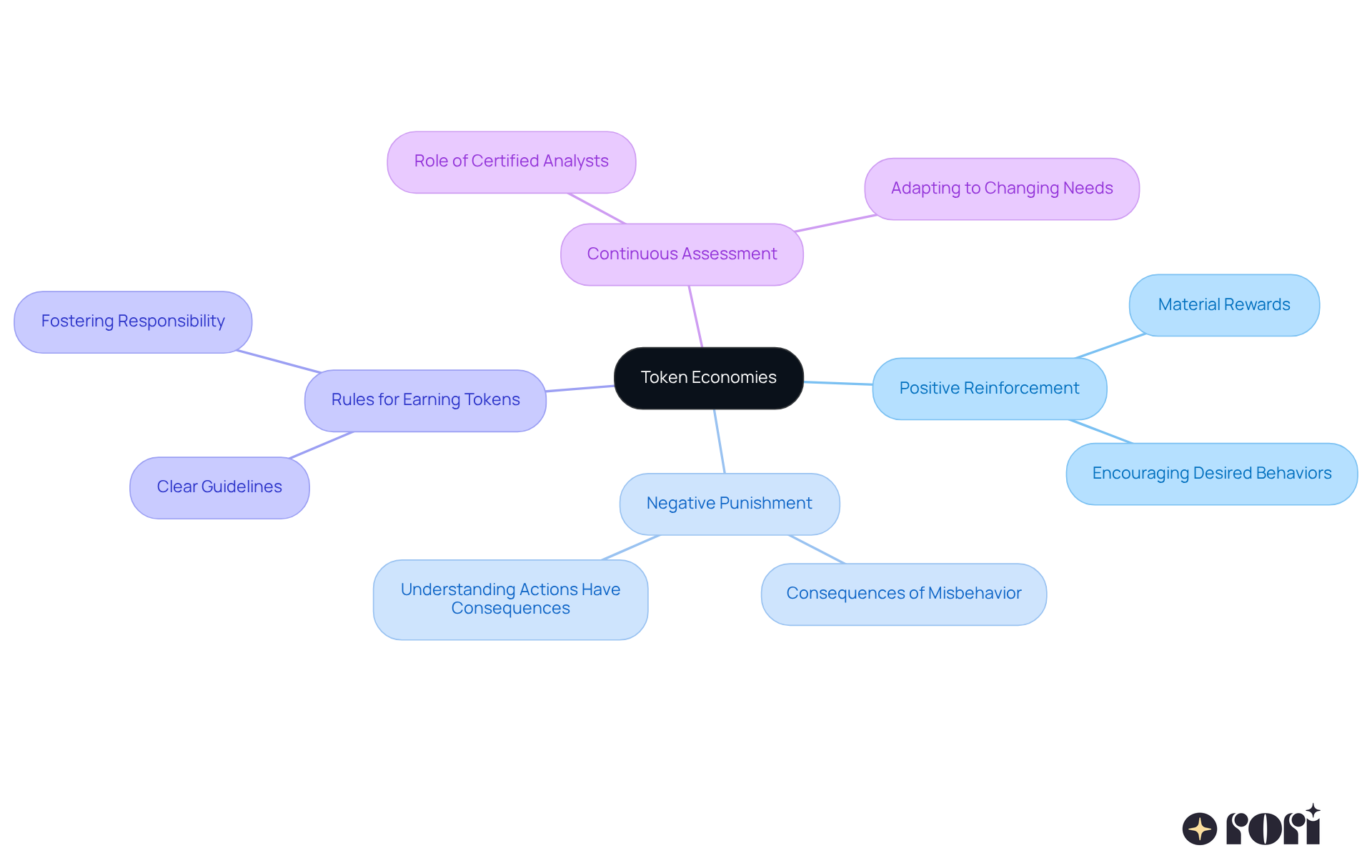
are like organized frameworks that reward young individuals with tokens when they exhibit preferred actions. These tokens can later be traded for ! This system not only encourages but also includes . For instance, show that if a young person , it helps them understand that certain actions have consequences. This dual approach effectively nudges kids to engage in while steering them away from negative ones.
To really make the most of a token economy, it’s essential for parents to set and ensure that kids fully grasp how they can earn and lose tokens. This clarity fosters a sense of responsibility and helps young individuals connect their behaviors to the outcomes. Plus, having a continuously assess and adjust the program can make it even more responsive to a child’s changing needs. This way, can be applied effectively, guiding our young ones toward success! Let’s explore this together and see how we can support our kids every step of the way!
Consistency in Application: Key to Effective Negative Punishment
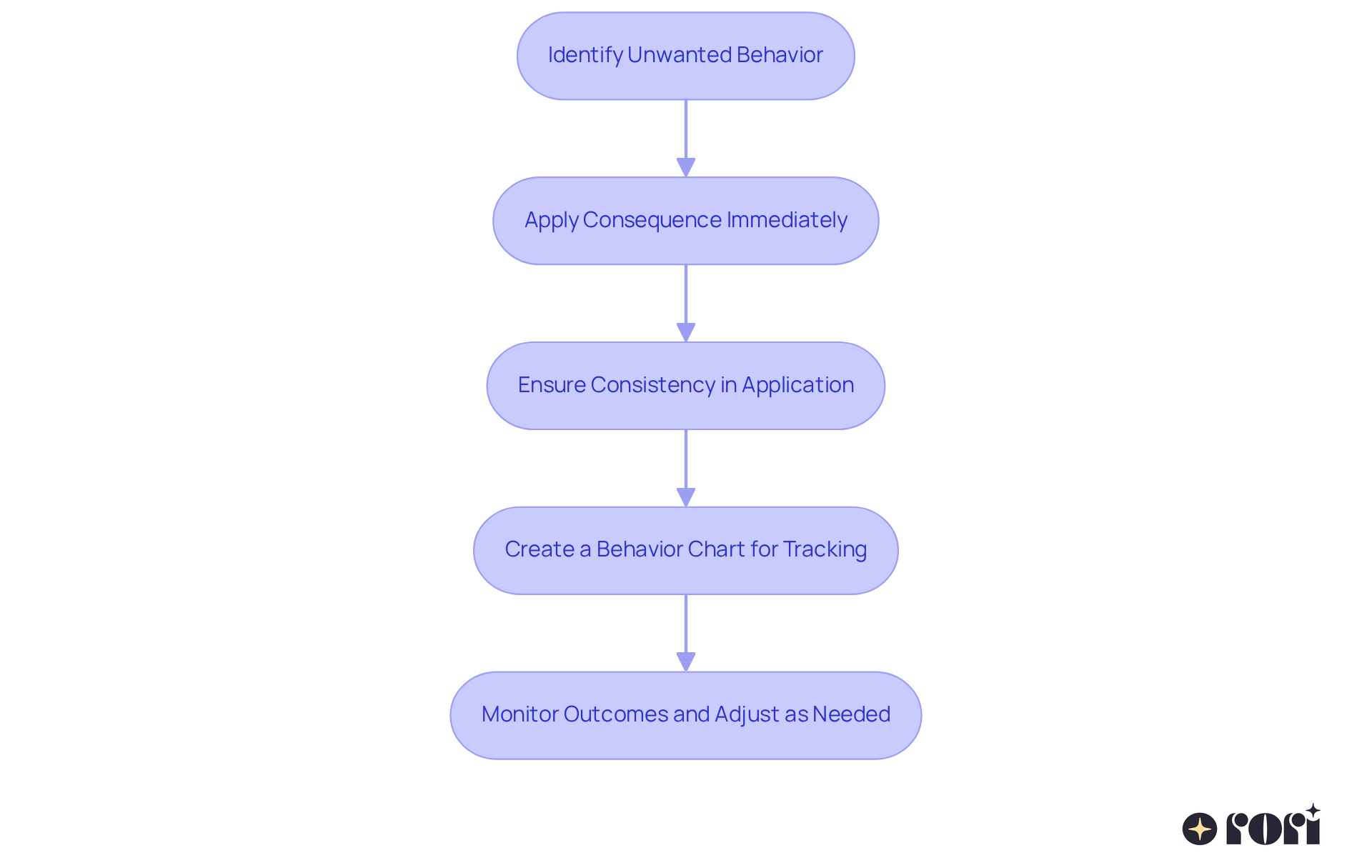
For to really work, they need to be applied consistently. When kids notice that a certain action only sometimes leads to a consequence, it can be tough for them to . For instance, if a child loses playtime for speaking out of turn just occasionally, they might not see the link, which can lead to confusion and continued mischief. Research shows that can significantly hinder a child’s understanding of what’s appropriate, often resulting in more .
That’s why it’s so important for parents to , . This consistency not only helps but also makes expectations clearer, ultimately encouraging kids to adjust their behavior more effectively. Plus, when caregivers are educated on , it boosts their confidence and ability to support their children’s behavioral goals, leading to better decision-making and outcomes.
As Roy F. Baumeister wisely said, “,” highlighting the for kids to learn and grow. So, how can parents effectively implement consistent punishment strategies? One great way is to create a that tracks rules and outcomes, ensuring clarity and accountability. Let’s explore this together!
Ethical Considerations: Navigating Negative Punishment in ABA
Implementing can be a tricky endeavor, and it’s important to think about their . As parents, prioritizing your child’s dignity and is crucial. You want to ensure that punishment doesn’t create feelings of shame or fear. 🌟
Having open conversations about the reasons behind certain outcomes can really help kids understand their purpose. This approach promotes comprehension rather than bitterness, which is so important! Research shows that can hurt a young person’s self-esteem and their relationship with authority figures. This can lead to , and we definitely want to avoid that.
So, finding a balance between is essential for that fosters growth and resilience. By focusing on teaching instead of just enforcing consequences, you can cultivate a more positive and constructive atmosphere for your children. Let’s explore this together! We’re here to help you every step of the way!
Conclusion
Implementing negative punishment within the framework of ABA therapy provides a structured way for parents to manage their children’s behavior effectively. This approach focuses on removing enjoyable activities or privileges to discourage undesirable actions, ultimately guiding children toward making better choices and taking responsibility. By understanding and applying techniques like response cost, time-out, and loss of privileges, parents can create a supportive environment that nurtures learning and growth.
Throughout this article, we’ve highlighted several key strategies. Clear communication about expectations is crucial, as is the consistency in applying consequences. Ethical considerations surrounding punishment also play a significant role. Each technique—whether it’s using behavior contracts or implementing token economies—reinforces the connection between actions and their consequences, helping children understand the impact of their behavior at home and in school.
Ultimately, the goal of negative punishment isn’t just to discipline; it’s about educating children on their choices and the outcomes that follow. By balancing discipline with support, parents can cultivate an environment that encourages responsibility and resilience. Embracing these strategies empowers caregivers to guide their children effectively, ensuring they have the tools to navigate their behavioral challenges successfully. Let’s explore this together, and remember, we’re here to help you every step of the way!
Frequently Asked Questions
What is Rori Care’s approach to ABA therapy for young people with autism?
Rori Care uses Applied Behavior Analysis (ABA) therapy as a core method to help young people with autism manage their behavioral challenges, incorporating strategies like negative punishment to modify behaviors and educate children about consequences.
How does negative punishment work in ABA therapy?
Negative punishment involves taking away something enjoyable to reduce unwanted behaviors. For example, if a child throws a toy, it may be temporarily removed to teach them that such actions lead to a loss of privileges.
What evidence supports the effectiveness of ABA therapy?
Research indicates that over 89% of studies report significant improvements in children undergoing ABA therapy, including enhanced cognition, communication, social skills, and adaptive behaviors. The US Surgeon General recognizes ABA as an evidence-based best practice for autism treatment.
How does Rori Care utilize technology in ABA therapy?
Rori Care combines personalized therapy with innovative AI technology to track and prebuild progress reports, allowing therapists to focus 50% more time on the children rather than paperwork.
What is response cost in the context of negative punishment?
Response cost is a specific type of negative punishment where a young person loses access to a valued item or privilege due to undesirable behavior, such as missing out on screen time for not completing homework.
How can parents effectively implement response cost?
Parents should clearly communicate which behaviors will lead to a response cost, ensuring that children understand the expectations and consequences involved. Gradually increasing the stakes or pairing response cost with positive reinforcement can enhance its effectiveness.
What is the role of time-out in ABA therapy?
Time-out is a common negative punishment technique where a child is temporarily removed from a fun environment after misbehavior, allowing them to relax and think about their actions, reinforcing the idea that certain behaviors can lead to missing out on enjoyable activities.
How can time-out be effectively applied in therapy?
When time-out is applied consistently and fairly, it can be an effective strategy, especially in early intensive behavioral intervention (EIBI), which aims to improve learning, communication, and social skills in young individuals with autism.
List of Sources
- Rori Care – ABA Therapy: Effective Strategies for Negative Punishment
- Patient Outcomes After Applied Behavior Analysis for Autism Spectrum Disorder – PMC (https://pmc.ncbi.nlm.nih.gov/articles/PMC8702444)
- ABA Therapy Effectiveness for Autism | Connect n Care (https://connectncareaba.com/blog/aba-therapy-effectiveness-for-autism)
- Resources | Golden Steps ABA (https://goldenstepsaba.com/resources/success-rates-of-aba-therapy)
- Success Rates of ABA Therapy | Advanced Autism Services (https://advancedautism.com/post/success-rates-of-aba-therapy)
- Applied Behavior Analysis in Children and Youth with Autism Spectrum Disorders: A Scoping Review – PMC (https://pmc.ncbi.nlm.nih.gov/articles/PMC9458805)
- Response Cost: Understanding Its Role in Negative Punishment
- ybgr.org (https://ybgr.org/17-quotes-on-coaching-kids-through-behaviors)
- goldstarrehab.com (https://goldstarrehab.com/parent-resources/response-cost-in-aba-therapy)
- thriveworks.com (https://thriveworks.com/blog/greatest-psychology-quotes-ever)
- johnspence.com (https://johnspence.com/90-quotes-change)
- Inspiring Quotes on Child Learning and Development (https://vincegowmon.com/inspiring-quotes-on-child-learning-and-development)
- Time-Out: A Common Negative Punishment Technique Explained
- The truth about ‘time out’ (https://bbc.com/future/article/20220607-what-should-you-do-when-a-child-misbehaves)
- thetreetop.com (https://thetreetop.com/aba-therapy/positive-vs-negative-punishment)
- goldenstepsaba.com (https://goldenstepsaba.com/resources/positive-vs-negative-punishment)
- Loss of Privileges: Implementing Negative Punishment at Home
- fastercapital.com (https://fastercapital.com/content/Effective-Punishment-Strategies–Insights-from-Behavioralists.html)
- cliffsnotes.com (https://cliffsnotes.com/study-notes/1030395)
- thetreetop.com (https://thetreetop.com/aba-therapy/positive-vs-negative-punishment)
- Response Cost in the Classroom: Managing Behavior with Negative Punishment
- rori.care (https://rori.care/post/is-response-cost-negative-punishment-a-parents-guide)
- 10 Great Quotes on Promoting Positive Behavior – Brookes Blog (https://blog.brookespublishing.com/10-great-quotes-on-promoting-positive-behavior)
- ldonline.org (https://ldonline.org/ld-topics/classroom-management/behavior-modification-classroom)
- goldenstepsaba.com (https://goldenstepsaba.com/resources/response-cost-in-aba-therapy)
- keystepstosuccess.com (https://keystepstosuccess.com/2016/02/quotes-from-punished-by-rewards-the-trouble-with-gold-stars-incentive-plans-as-praise-and-other-bribes-by-alfie-cohn)
- Natural Consequences: Teaching Through Negative Punishment
- psychologytoday.com (https://psychologytoday.com/us/blog/social-instincts/202408/how-to-teach-a-child-that-actions-have-consequences)
- raisingchildren.net.au (https://raisingchildren.net.au/preschoolers/behaviour/rules-consequences/consequences)
- azquotes.com (https://azquotes.com/quotes/topics/natural-consequences.html)
- Behavior Contracts: Structuring Negative Punishment for Better Outcomes
- ybgr.org (https://ybgr.org/17-quotes-on-coaching-kids-through-behaviors)
- Harnessing the Benefits of Behavior Contracts | Brighter Strides ABA (https://brighterstridesaba.com/blog/behavior-contract-in-aba)
- Token Economies: Balancing Reinforcement and Negative Punishment
- B.F. Skinner’s Quote Reminds Us About The Fallback Of Punishment | So Much PETential (https://somuchpetential.com/b-f-skinners-quote-reminds-us-about-the-fallback-of-punishment)
- sciencedirect.com (https://sciencedirect.com/science/article/abs/pii/S0022440511000495)
- Inspirational ABA and Autism Quotes – Mrs. Moe’s Modifications (https://mrsmoesmodifications.com/inspirational-aba-and-autism-quotes)
- brainyquote.com (https://brainyquote.com/authors/b-f-skinner-quotes)
- Understanding the Role of Token Economies in ABA Therapy | Advanced Autism Services (https://advancedautism.com/post/understanding-the-role-of-token-economies-in-aba-therapy)
- Consistency in Application: Key to Effective Negative Punishment
- B.F. Skinner’s Quote Reminds Us About The Fallback Of Punishment | So Much PETential (https://somuchpetential.com/b-f-skinners-quote-reminds-us-about-the-fallback-of-punishment)
- scottmiker.com (https://scottmiker.com/improving-systems-and-habits/2019/8/16/consistency-is-more-important-than-severity)
- study.com (https://study.com/academy/lesson/negative-punishment-definition-examples-quiz.html)
- verywellmind.com (https://verywellmind.com/what-is-punishment-2795413)
- autismcoe.com (https://autismcoe.com/blog/aba-therapy/reinforcement-vs-punishment-in-aba-therapy)
- Ethical Considerations: Navigating Negative Punishment in ABA
- B.F. Skinner’s Quote Reminds Us About The Fallback Of Punishment | So Much PETential (https://somuchpetential.com/b-f-skinners-quote-reminds-us-about-the-fallback-of-punishment)
- ybgr.org (https://ybgr.org/17-quotes-on-coaching-kids-through-behaviors)
- researchgate.net (https://researchgate.net/publication/341763631_A_Systematic_Review_of_the_Ethics_of_Punishment-Based_Procedures_for_Young_Children_With_Disabilities)
- aprilaba.com (https://aprilaba.com/resources/aba-therapy-and-consequence-interventions)