

Introduction
Handling meltdowns in children with autism can feel overwhelming for caregivers, right? It often takes a deep understanding of what’s really going on beneath the surface. In this article, we’ll explore four essential steps that not only help clarify the difference between meltdowns and tantrums but also provide effective strategies for calming things down.
As you navigate the ups and downs of sensory overload and emotional triggers, the real challenge is finding those calming techniques that can help your child recover and build resilience. What if I told you that the key to turning these tough moments into opportunities for growth might just be in these structured approaches? Let’s explore this together!
Understand the Difference Between Meltdowns and Tantrums
Handling difficult behaviors in youth with autism can be quite a journey, especially when it comes to , and is key.
Meltdowns are those overwhelming moments when a young person feels like they just can’t cope anymore. They might cry, scream, or even act out physically. These reactions often arise from sensory overload, emotional distress, or unexpected changes in their routine, highlighting the importance of . It’s tough to watch, and these episodes can last anywhere from a few minutes to several hours. During this time, is essential for , allowing them to regain their footing.
On the flip side, we have tantrums. These are more about getting something they want, like attention or a favorite toy. They usually happen when a child feels frustrated or their desires aren’t met. The good news? and can be resolved by simply addressing their needs. Once they feel heard or their requests are met, they tend to settle down.
Recognizing these differences is so important for caregivers. When a meltdown occurs, the focus should be on providing a supportive space for . For tantrums, it might help to redirect their attention or negotiate a solution. Understanding these nuances not only aids in but also fosters a .
And let’s not forget about the power of ABA principles! Equipping caregivers with this knowledge can significantly enhance their ability to support their child’s , leading to better outcomes. Education is vital here; it empowers parents to make informed decisions and offer consistent support at home. Plus, it’s worth noting that that’s covered by insurance, making it a viable option for families seeking effective interventions.
Let’s explore this together! Your journey as a caregiver is important, and we’re here to help you every step of the way!

Recognize Triggers: Sensory Overload and Emotional Factors
Recognizing triggers is essential for . Let’s take a look at some common triggers that might resonate with you:
- : Imagine being in a crowded shopping center, where loud noises and bright lights bombard your senses. It can be overwhelming, right? For many kids, this kind of environment can lead to increased anxiety and even in children with autism spectrum disorder. Did you know that around 90% of individuals with autism experience some form of ? That’s why it’s crucial to spot these triggers early on.
- Emotional Factors: or unexpected events can really throw a child off balance. Think about it-when your little one is tired or hungry, they might be more prone to . can escalate quickly, whether it’s from frustration or excitement, highlighting the importance of to prevent a breakdown.
To in children with autism spectrum disorder, caregivers can keep a journal to . This practice can reveal patterns, allowing for proactive adjustments to the environment or routine. By doing this, we can create a more .
Let’s explore this together! Keeping track of these moments can really make a difference.

Implement Calming Techniques During a Meltdown
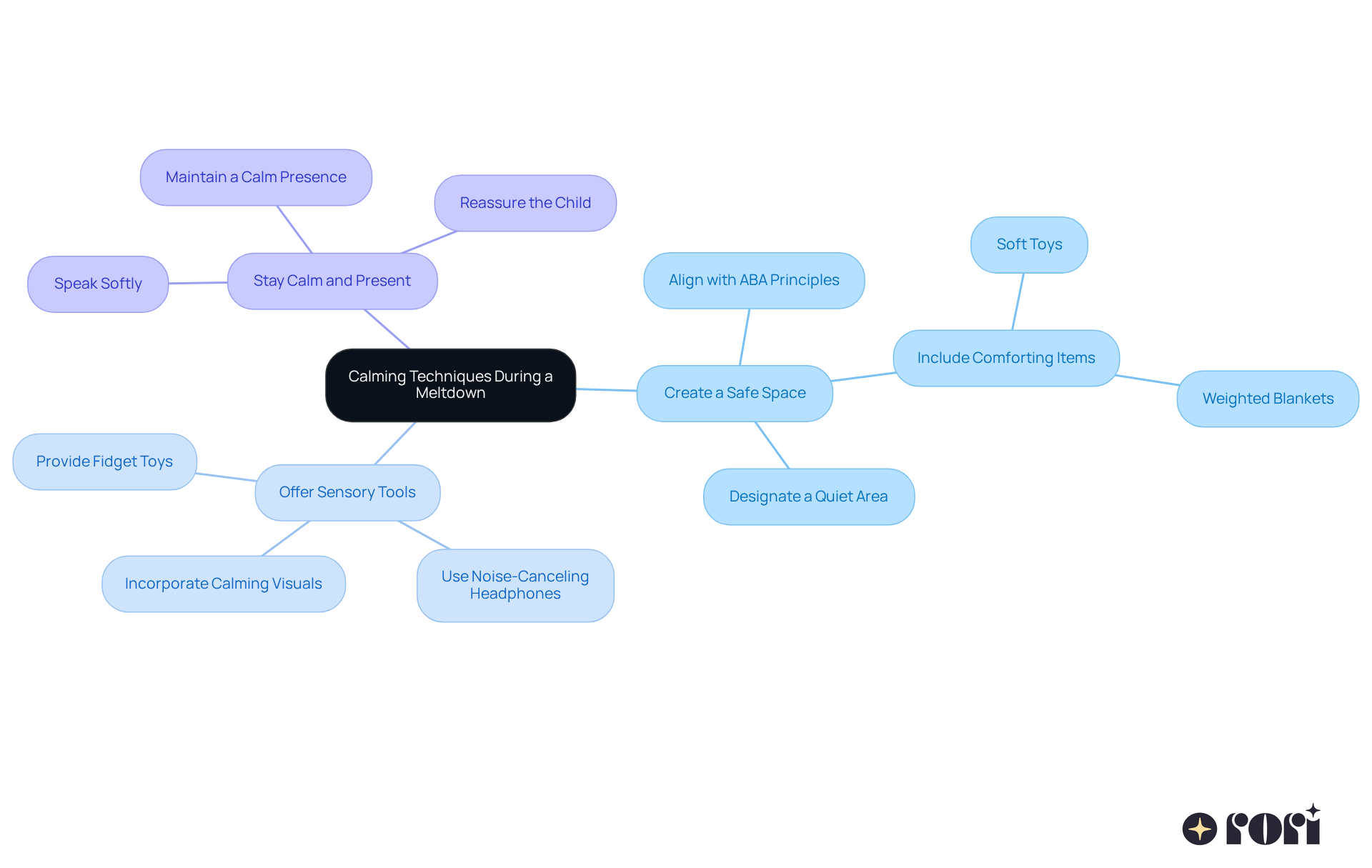
When an emotional outburst happens, can really help your little one regain their composure. Let’s explore some effective strategies together:
- Create a : Designate a quiet area free from distractions where your child can retreat. This space should include comforting items like soft toys or weighted blankets, giving them a sense of security and helping them calm down. Research shows that autistic meltdowns often occur when a child’s brain and body reach their limit, so having a is essential for recovery. This aligns with the principles of , which emphasizes adapting to each child’s unique needs.
Encourage your child to take . You can model this by inhaling slowly through your nose and exhaling gently through your mouth. This helps them focus on their breath and reduces anxiety. Your involvement is crucial here; consistently reinforcing this technique at home can lead to .
- Offer : Provide soothing items like fidget toys, noise-canceling headphones, or calming visuals. These tools can help your child manage sensory overload and regain control during overwhelming moments. Access to significantly supports , which is a key aspect of behavioral interventions aimed at in children with autism spectrum disorder.
- : Your demeanor has a big impact on your child’s emotional state. Speak softly and maintain a calm presence, reassuring them that they are safe and supported. This approach fosters a sense of security, allowing your child to feel more at ease as they navigate their emotions. Empowering yourself with ABA principles enhances your ability to provide effective support, particularly in in children with autism spectrum disorder, leading to improved behavioral outcomes.
Remember, you’re not alone in this journey! Let’s keep the conversation going and share our experiences.
Support Recovery: Strategies for After the Meltdown
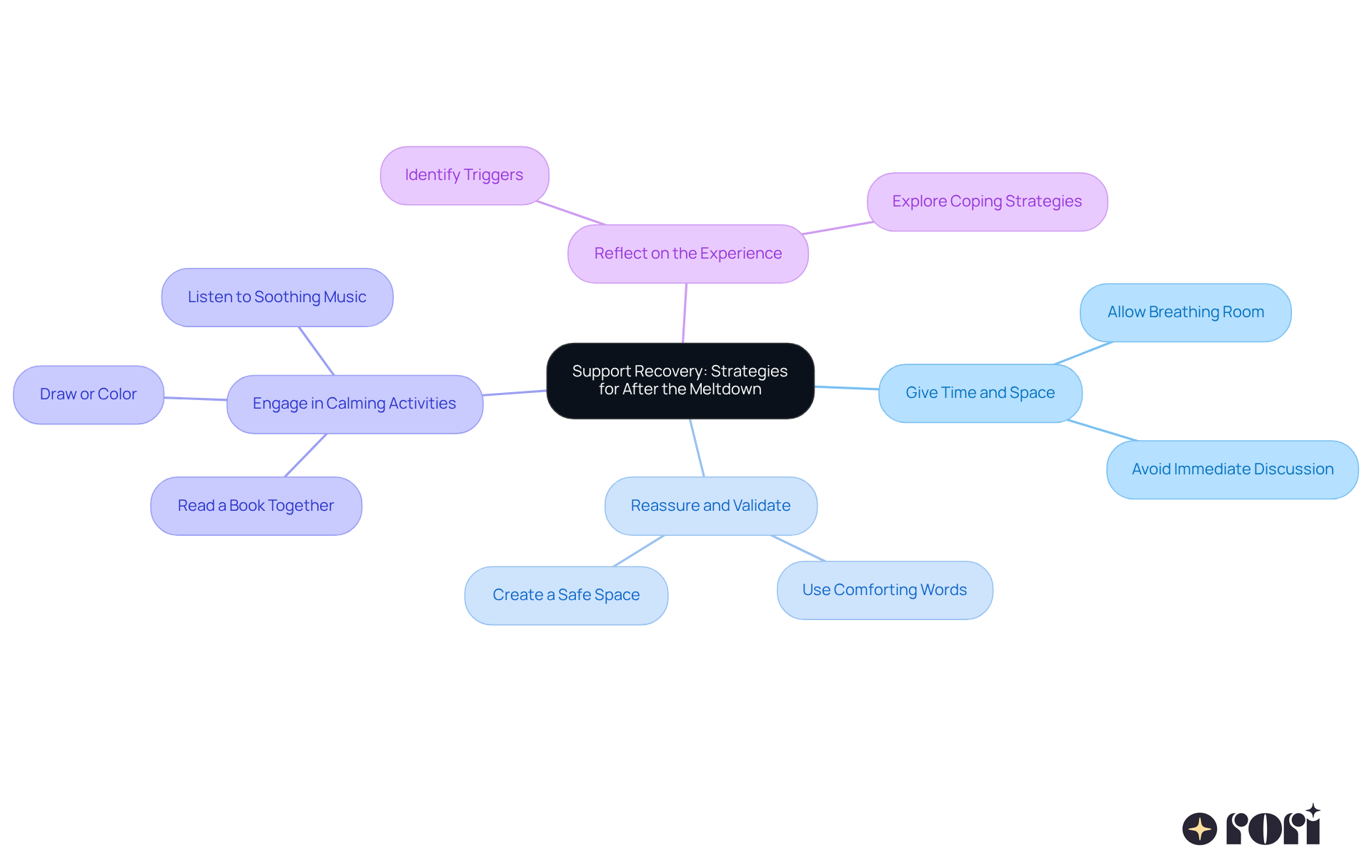
It is crucial for a young person’s mental well-being to have support in after an . Here are some friendly strategies to make this process a bit easier:
- Give Time and Space: Let the child take a breather without the pressure to talk about what happened right away. This little bit of time can help them regain their composure and feel safe again.
- : It’s crucial to let them know that feeling overwhelmed is totally okay and that they’re not alone in this. Using comforting words can create a safe space, and that reassurance can really help them heal emotionally.
- Engage in : Once they’re ready, join them in some . Whether it’s reading a book, drawing, or listening to some soothing music, these moments can help them relax and refocus.
- : When they’re calm, gently talk about what happened. Help them identify triggers and explore different ways to cope next time. This reflection can empower them to handle their emotions better, building resilience and understanding.
Alongside these strategies, it’s also essential for educators to be trained in . By understanding , caregivers can provide better , complementing professional help and creating consistency. This informed approach leads to , as active involvement from caregivers aligns with therapeutic strategies, ultimately empowering families and easing stress.
Let’s explore this together! We’re here to !
Conclusion
Understanding how to effectively de-escalate meltdowns in children with autism is so important for creating a supportive and nurturing environment. By recognizing the differences between meltdowns and tantrums, caregivers can tailor their responses to meet the unique needs of each situation. This thoughtful approach not only helps manage those immediate outbursts but also promotes long-term emotional resilience in children.
Throughout this article, we’ve highlighted key strategies that can make a real difference. For instance, recognizing triggers like sensory overload and emotional factors is crucial. Implementing calming techniques during a meltdown and providing support for recovery afterward can really help. Creating a safe space, using sensory tools, and maintaining a calm demeanor are essential practices that empower caregivers to guide their children through challenging moments. Plus, reflecting on experiences after a meltdown can foster understanding and improve coping mechanisms for the future.
Ultimately, supporting children with autism is a journey that requires patience, education, and compassion. By equipping ourselves with knowledge and effective strategies, we can truly make a significant difference in our child’s emotional well-being. Embracing these steps not only enhances the quality of life for our children but also strengthens the bond between caregiver and child, paving the way for a more harmonious and understanding relationship.
Let’s explore this together! Remember, you’re not alone in this journey, and we’re here to help you every step of the way!
Frequently Asked Questions
What is the difference between a meltdown and a tantrum in children with autism?
A meltdown is an overwhelming reaction to sensory overload, emotional distress, or unexpected changes, often resulting in crying, screaming, or physical acting out. In contrast, a tantrum is a behavior aimed at getting something the child wants, such as attention or a toy, usually occurring when their desires are unmet.
How long do meltdowns typically last?
Meltdowns can last anywhere from a few minutes to several hours.
What should caregivers focus on during a meltdown?
Caregivers should focus on creating a safe and calming environment to help de-escalate the situation and allow the child to regain their footing.
How can tantrums be resolved?
Tantrums can often be resolved by addressing the child’s needs, such as providing attention or fulfilling their request, leading them to settle down once they feel heard.
Why is it important for caregivers to recognize the difference between meltdowns and tantrums?
Recognizing the differences helps caregivers manage behaviors effectively and approach situations with compassion, tailoring their responses to the specific needs of the child.
What role do ABA principles play in supporting children with autism?
ABA (Applied Behavior Analysis) principles equip caregivers with knowledge and strategies to support their child’s behavioral goals, leading to better outcomes.
Is ABA therapy covered by insurance?
Yes, ABA therapy is the only scientifically proven treatment for autism that is covered by insurance, making it a viable option for families seeking effective interventions.
List of Sources
- Understand the Difference Between Meltdowns and Tantrums
- goodreads.com (https://goodreads.com/quotes/tag/tantrums)
- Handling Autism Tantrums (https://magnetaba.com/blog/handling-autism-tantrums)
- supportivecareaba.com (https://supportivecareaba.com/statistics/autism-therapy-statistics)
- gratefulcareaba.com (https://gratefulcareaba.com/blog/autism-meltdowns-prevention)
- Temper Tantrums A Sign Of Autism | Double Cara ABA Blog (https://doublecareaba.com/post/temper-tantrums-a-sign-of-autism)
- Recognize Triggers: Sensory Overload and Emotional Factors
- The Connection Between Autism and Sensory Processing Disorder (https://mastermindbehavior.com/post/the-connection-between-autism-and-sensory-processing-disorder)
- Managing Sensory Overload in Autism | Advanced Autism Services (https://advancedautism.com/post/managing-sensory-overload-in-autism)
- What Triggers Autism Meltdowns? Top 5 Triggers Revealed (https://totalcareaba.com/autism/what-triggers-autism-meltdowns)
- Study finds 3 percent of children have elevated sensory issues that seemingly worsen throughout early childhood, a pattern strongly linked to autism | USC Chan Division of Occupational Science and Occupational Therapy (https://chan.usc.edu/news/latest/study-finds-3-percent-of-children-have-elevated-sensory-issues-that-seemingly-worsen-throughout-early-childhood-a-pattern-strongly-linked-to-autism)
- gratefulcareaba.com (https://gratefulcareaba.com/blog/autism-sensory-overload-and-overstimulation)
- Implement Calming Techniques During a Meltdown
- The Community Foundation Northern Ireland – charitable foundation (https://communityfoundationni.org/page/3?cat=case_studies)
- How to Calm an Autistic Child: Tips for Dealing with Meltdowns (https://easchools.org/how-to-calm-an-autistic-child-ohio)
- Meltdowns & Calming Techniques in Autism (https://autism.org/meltdowns-calming-techniques-in-autism)
- Support Recovery: Strategies for After the Meltdown
- Meltdowns & Calming Techniques in Autism (https://autism.org/meltdowns-calming-techniques-in-autism)
- ybgr.org (https://ybgr.org/15-quotes-on-emotional-healing)
- A Guide to Handling Autistic Meltdowns | Above and Beyond Therapy (https://abtaba.com/blog/autism-meltdowns)
- Strategies for Reducing Transition-Related Meltdowns | Links (https://linksaba.com/strategies-for-reducing-transition-related-meltdowns)