

Introduction
Collaboration between therapists and educators in autism treatment isn’t just beneficial; it’s absolutely essential for nurturing the growth and development of children with autism. When these professionals join forces, they create a supportive environment that not only enhances the effectiveness of interventions but also ensures consistency in care.
But let’s be real – many teams face challenges with communication and role confusion. This raises an important question: how can we tackle these hurdles to maximize the impact of autism treatment? 🤔
In this article, we’ll explore four actionable steps that can bridge the gap between therapy and education. Together, we can work towards improved outcomes for children on the autism spectrum. Let’s dive in!
Define Collaboration in Autism Treatment: Roles of Therapists and Educators
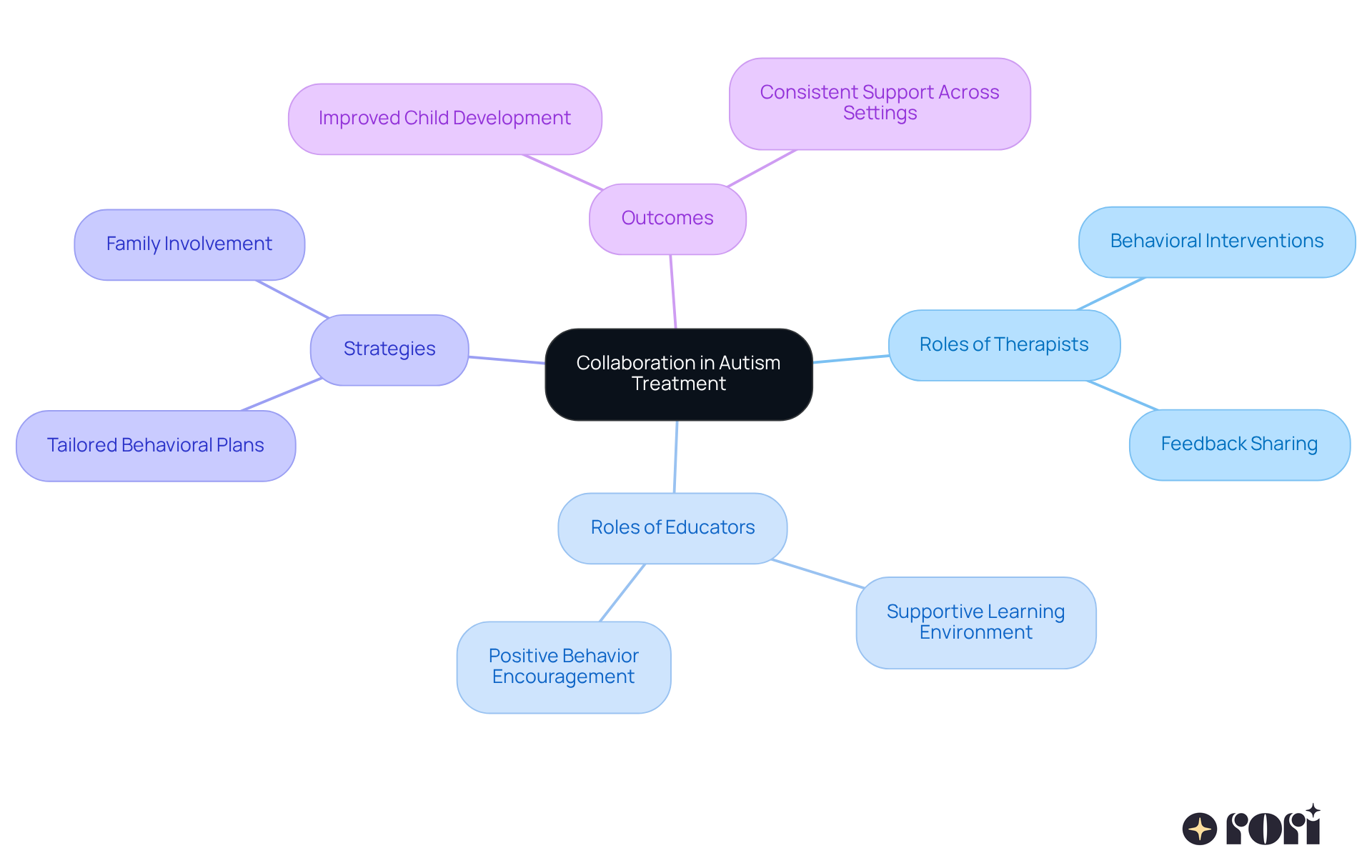
The resembles a growing friendship, with each bringing their unique insights to help young people thrive. At Rori Care, our professionals trained in focus on . This means that every is crafted to highlight the individual strengths and challenges of the young person.
In the classroom, educators put these strategies into action, creating a that reinforces what’s learned during therapy. The is crucial for providing consistent support across different settings. For example, counselors can share specific techniques with teachers to encourage , while instructors can offer valuable feedback on how the student is doing in school.
This kind of synergy not only boosts the effectiveness of interventions but also ensures that everyone is on the same page, ultimately benefiting the child’s overall development. Experts in the field emphasize that the is key to maximizing the impact of autism care.
With about 1 in 35 youths diagnosed with in the U.S. and , the necessity for is more important than ever. Plus, the highlights how essential the truly is. Families play a vital role in supporting and reinforcing the skills learned during therapy sessions.
By empowering caregivers with ABA principles and strategies – like evidence-based methods and ongoing assessments – Rori Care helps them support their children’s behavioral goals. This leads to better outcomes and a more nurturing home environment. Let’s explore this together! We’re here to help you every step of the way!
Establish Collaborative Frameworks: Steps for Effective Teamwork
To establish effective collaborative frameworks in autism care, let’s consider a few friendly steps:
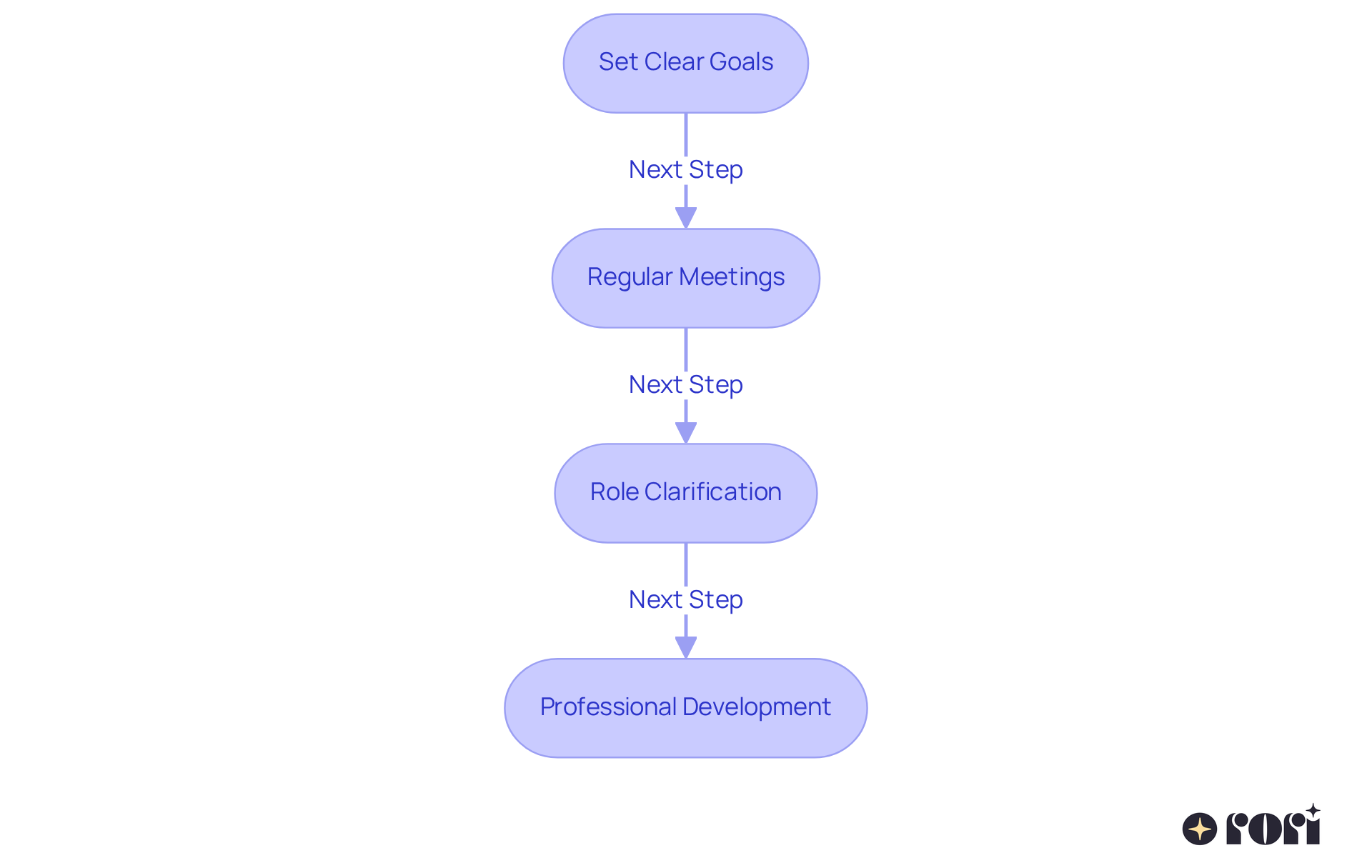
- Set : It’s important to define shared objectives that align with your child’s . Research shows that having is key to successful outcomes. When everyone is on the same page, it enhances the , emphasizing the need for in !
- : Scheduling consistent group meetings can really make a difference. These gatherings allow everyone to discuss progress, share insights, and adjust strategies as needed. Open communication fosters responsibility, which is crucial for maintaining a unified approach to your young one’s care, particularly through in .
- : Clearly outlining each group member’s responsibilities helps avoid overlap and ensures that all of your child’s needs are covered. This clarity streamlines efforts and enhances the group’s ability to address various aspects of your child’s development through in .
- : Engaging in keeps everyone updated on the best practices in and collaboration techniques. Continuous education not only enhances the group’s efficiency but also ensures they’re ready to adapt to your child’s changing needs.
By employing these strategies, professionals can create a nurturing and efficient environment that fosters in to achieve the best possible results for individuals with autism. Let’s explore this together and make a !
Explore Benefits of Collaboration: Enhancing Treatment Outcomes
The at Rori Care brings a host of benefits that can truly make a difference for your child.
- : When everyone is on the same page, it’s easier to keep track of your child’s progress and challenges. Regular chats among team members lead to timely interventions. Our clinical leadership team really values neurodiversity, making sure that each child’s unique needs are met through open and effective communication.
- : Imagine the power of having therapists and educators working hand in hand! This of , allowing for consistent strategies across different settings, which is essential for helping skills stick. Plus, it empowers caregivers with .
A is achieved through . Insights from both therapy and educational settings come together to inform treatment plans. At Rori Care, we’re dedicated to the success of young people, ensuring that every viewpoint is considered when creating .
- Enhanced Motivation: Kids thrive when they see their therapists and educators collaborating. This teamwork can boost their motivation and engagement in learning. By fostering a collaborative environment, Rori Care .
Let’s explore this together! We’re here to !

Identify Challenges in Collaboration: Strategies for Overcoming Obstacles
The process of autism care often involves a , which can sometimes feel like a bit of a puzzle, right? One of the biggest challenges we face is . These can lead to misunderstandings among team members, which is the last thing we want! To tackle this, it’s super important to set up and ensure , creating an environment where everyone feels comfortable chatting openly. can greatly improve the , helping to keep everyone on the same page.
Another hurdle is . It’s not uncommon for team members to feel unsure about their specific responsibilities, which can lead to overlaps or gaps in care delivery. To clear things up, it’s a good idea to revisit and clarify roles during meetings. This way, everyone knows exactly how they contribute to the overall treatment plan through the .
Time constraints can also get in the way of . With our busy schedules, finding time for face-to-face interactions can be tough. But don’t worry, as the can help. Prioritizing regular check-ins and using technology for virtual meetings can help keep the lines of communication open without needing to meet in person.
Lastly, differing perspectives on can sometimes create a bit of tension within the group. It’s so important to , where team members feel comfortable sharing their thoughts. Encouraging discussions that aim for consensus can greatly enhance the , aligning treatment strategies and boosting the .
Let’s explore this together! We’re here to help you every step of the way!

Conclusion
The collaboration between therapists and educators in autism treatment is so important for creating a space where children can truly thrive. When these professionals come together, they blend their expertise to form a comprehensive approach that meets each child’s unique needs while reinforcing learning in different settings. This partnership is key to ensuring that strategies are consistent, effective, and supportive of the child’s overall development.
Key insights from the article remind us of the importance of:
- Setting clear goals
- Keeping communication open
- Clarifying roles
- Engaging in ongoing professional development
These elements help build a solid collaborative framework that enhances treatment outcomes. Plus, tackling challenges like communication gaps and role confusion is essential for maximizing the effectiveness of autism care, making sure every team member plays a meaningful part in the child’s progress.
Ultimately, we can’t underestimate the significance of collaboration in autism treatment. It not only boosts communication and consistency but also sparks motivation among children, leading to better engagement and learning outcomes. By embracing collaborative practices, therapists, educators, and families can join forces to create a nurturing environment that empowers children with autism to reach their full potential.
So, let’s take those actionable steps toward effective teamwork! Together, we can pave the way for more successful interventions and a brighter future for those affected by autism. We’re here to help you every step of the way!
Frequently Asked Questions
What is the role of therapists in autism treatment?
Therapists, particularly those trained in Applied Behavior Analysis (ABA), focus on creating behavioral interventions tailored to each child’s unique strengths and challenges.
How do educators contribute to autism treatment?
Educators implement the strategies developed by therapists in the classroom, creating a supportive learning environment that reinforces therapeutic learning.
Why is collaboration between therapists and educators important?
Collaboration is crucial for providing consistent support across different settings, enhancing the effectiveness of interventions, and ensuring everyone involved is aligned in supporting the child’s development.
How can therapists and educators share techniques?
Counselors can share specific techniques with teachers to encourage positive behaviors, while educators can provide feedback on the student’s progress in school.
What is the prevalence of autism spectrum disorder (ASD) in the U.S.?
Approximately 1 in 35 youths is diagnosed with autism spectrum disorder (ASD) in the U.S.
What percentage of youths with ASD receive ABA therapy?
About 64% of youths diagnosed with autism spectrum disorder receive Applied Behavior Analysis (ABA) therapy.
What role do families play in autism treatment?
Families are vital in supporting and reinforcing the skills learned during therapy sessions, and Rori Care empowers caregivers with ABA principles and strategies to help achieve better outcomes.
How does Rori Care assist families in autism treatment?
Rori Care provides families with evidence-based methods and ongoing assessments to support their children’s behavioral goals, fostering a nurturing home environment.
List of Sources
- Define Collaboration in Autism Treatment: Roles of Therapists and Educators
- 20 Autism Awareness Month quotes (https://ensorahealth.com/blog/20-quotes-to-share-this-autism-awareness-month)
- supportivecareaba.com (https://supportivecareaba.com/statistics/autism-therapy-statistics)
- goldstarrehab.com (https://goldstarrehab.com/parent-resources/autism-therapy-statistics)
- Autism Therapy Statistics | Discovery ABA (https://discoveryaba.com/aba-therapy/autism-therapy-statistics)
- Establish Collaborative Frameworks: Steps for Effective Teamwork
- Autism Therapy: Key Statistics (https://ambitionsaba.com/resources/autism-therapy-statistics)
- Autism Therapy Statistics (https://goldenstepsaba.com/resources/autism-therapy-statistics)
- Voices of Strength and Understanding: Insights and Inspiration on Autism – apricott ABA (https://apricott.com/resources/autism-quotes)
- Inspiring Autism Quotes for Understanding and Acceptance – Kids First (https://kidsfirstservices.com/first-insights/autism-quotes)
- Explore Benefits of Collaboration: Enhancing Treatment Outcomes
- Success Rates of ABA Therapy | Advanced Autism Services (https://advancedautism.com/post/success-rates-of-aba-therapy)
- The Benefits of Cross-Disciplinary Collaboration in Autism Treatment (https://mastermindbehavior.com/post/the-benefits-of-cross-disciplinary-collaboration-in-autism-treatment)
- Autism Quotes | Intellistars – ABA Therapy (https://intellistarsaba.com/blog/autism-quotes)
- discoveryaba.com (https://discoveryaba.com/aba-therapy/the-benefits-of-multidisciplinary-collaboration-in-aba-programs)
- Identify Challenges in Collaboration: Strategies for Overcoming Obstacles
- Autism Therapy Statistics (https://goldenstepsaba.com/resources/autism-therapy-statistics)
- Inspiring and Insightful Autism Quotes | Advanced Autism Services (https://advancedautism.com/post/autism-quotes)
- The Numbers Don’t Lie: Revealing Autism Therapy Statistics | Above and Beyond Therapy (https://abtaba.com/blog/autism-therapy-statistics)
- Autism Therapy: Key Statistics (https://ambitionsaba.com/resources/autism-therapy-statistics)
- Best Autism Quotes to Raise Awareness and Understanding (https://yellowbusaba.com/post/autism-quotes)