

Introduction
Building a strong connection with children is fundamental to their emotional and social development. Yet, many caregivers often overlook the profound impact this relationship can have. By effectively using building rapport quotes, caregivers can create an environment that encourages children to express themselves and engage in meaningful conversations.
But how can one navigate the challenges of selecting and integrating these quotes into everyday interactions? It’s all about making those words resonate with a child’s unique experiences. Let’s explore this together!
Imagine a moment when a simple quote sparked a conversation with your child. Those small, relatable phrases can open up a world of dialogue. As caregivers, we have the opportunity to foster deeper connections, but it requires a bit of thoughtfulness and creativity.
Remember, every child is different, and what works for one might not work for another. This is where the challenge lies. However, by sharing quotes that align with their feelings, we can help children feel understood and valued.
So, as we navigate this journey, let’s embrace the power of words and their ability to connect us. We’re here to help you every step of the way!
Understand the Importance of Rapport in Child Development
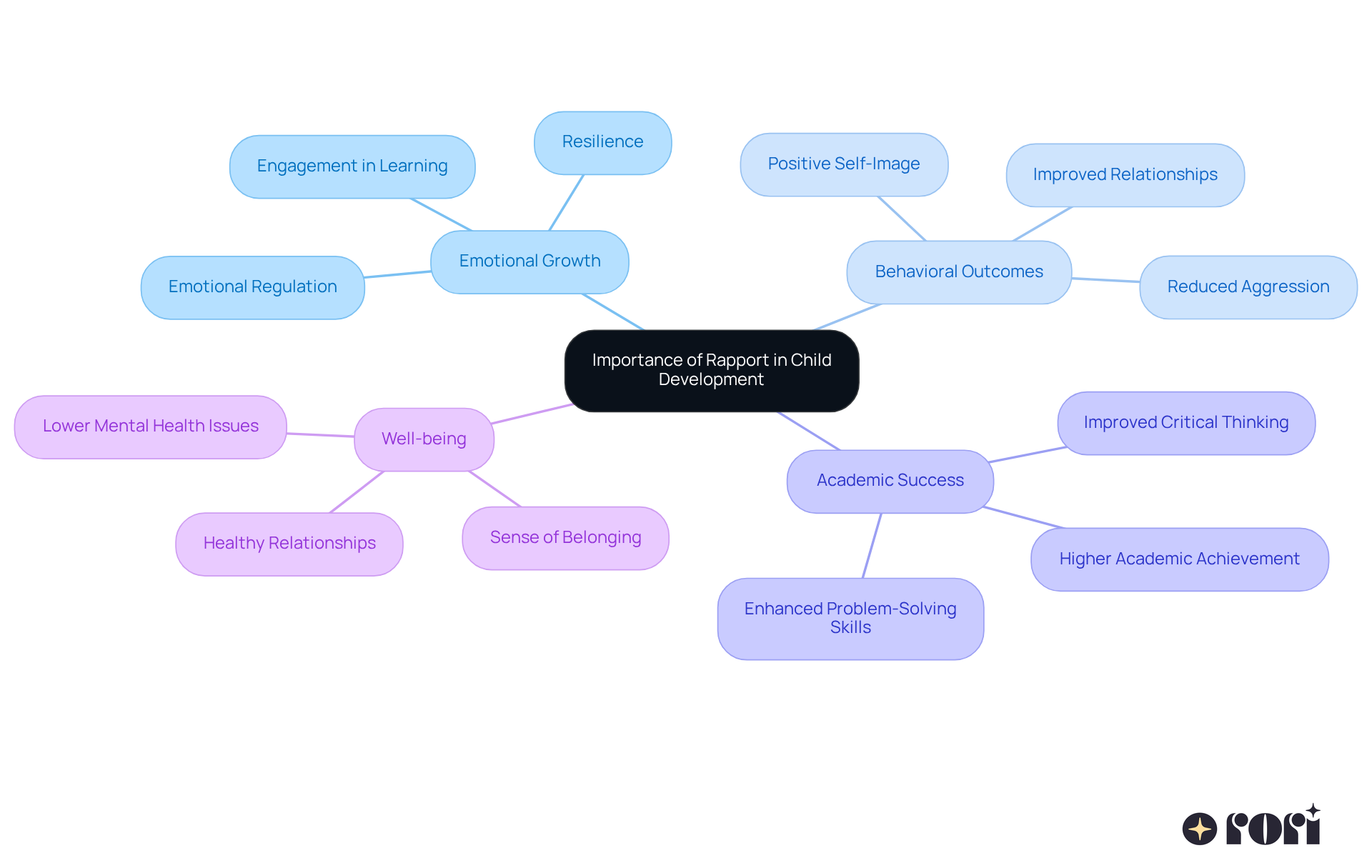
Building a connection with young people is so important for their . When they , they’re much more likely to engage in learning and express themselves openly. This connection creates a supportive environment where kids can thrive, helping caregivers guide them through various challenges.
Research shows that lead to better . Kids who feel securely attached tend to have improved and resilience. For instance, children with stable attachments are more likely to develop critical thinking skills and achieve higher over time.
By prioritizing this rapport, caregivers , which is crucial for a young person’s overall well-being, as illustrated by many . As we know, ‘Children with and are less prone to mental health issues like depression and anxiety.’ This really underscores how vital .
Let’s explore this together!
Select and Utilize Building Rapport Quotes Effectively
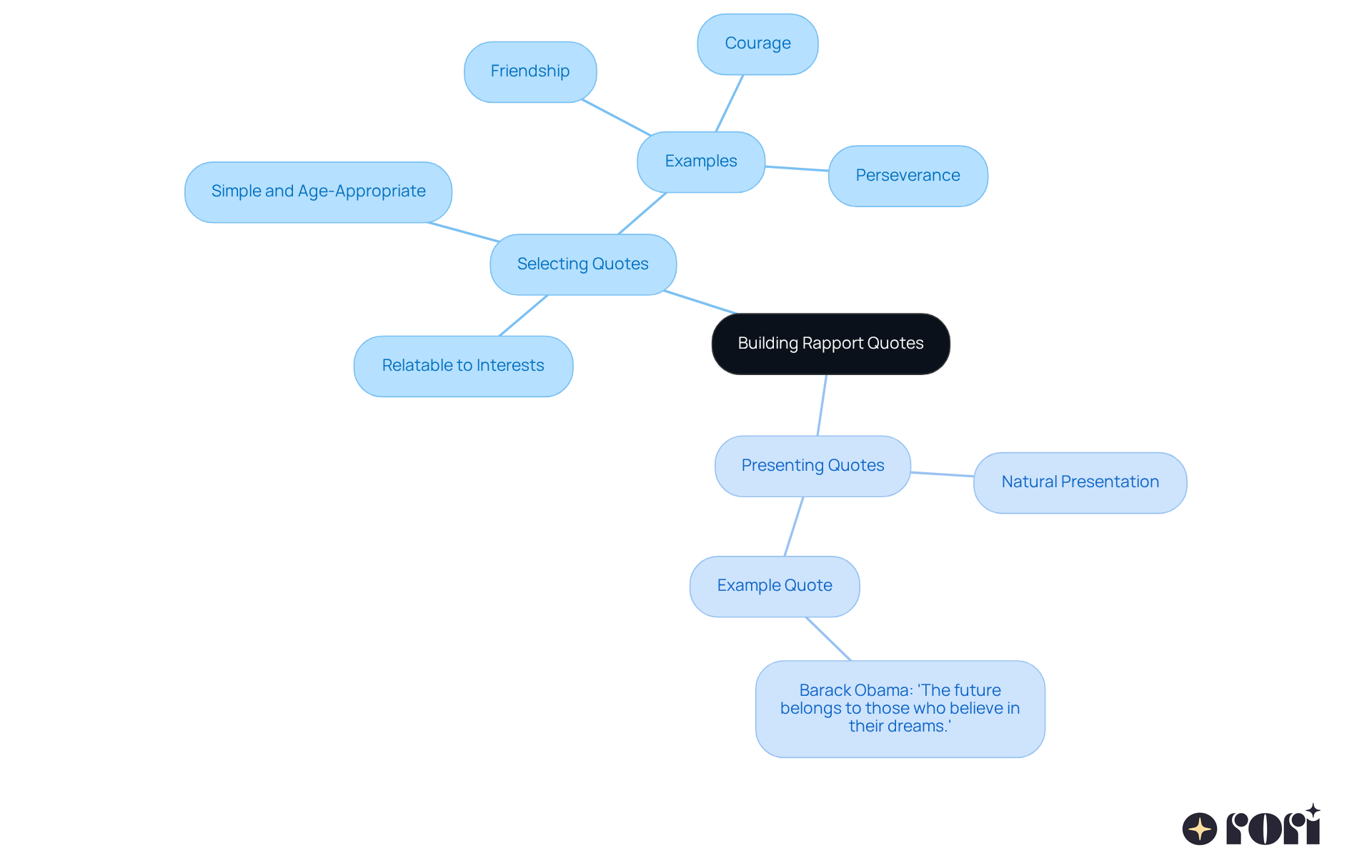
To effectively utilize citations in building rapport, start by selecting with your child’s interests and experiences. Look for that are simple and relatable, making them suitable for various ages. For example, can . As Barack Obama said, ‘.’ This can inspire children to share their aspirations.
Once you have a few quotes in mind, think about how to . You might say, ‘I found this saying that made me think of you
Incorporate Quotes into Daily Interactions and Activities
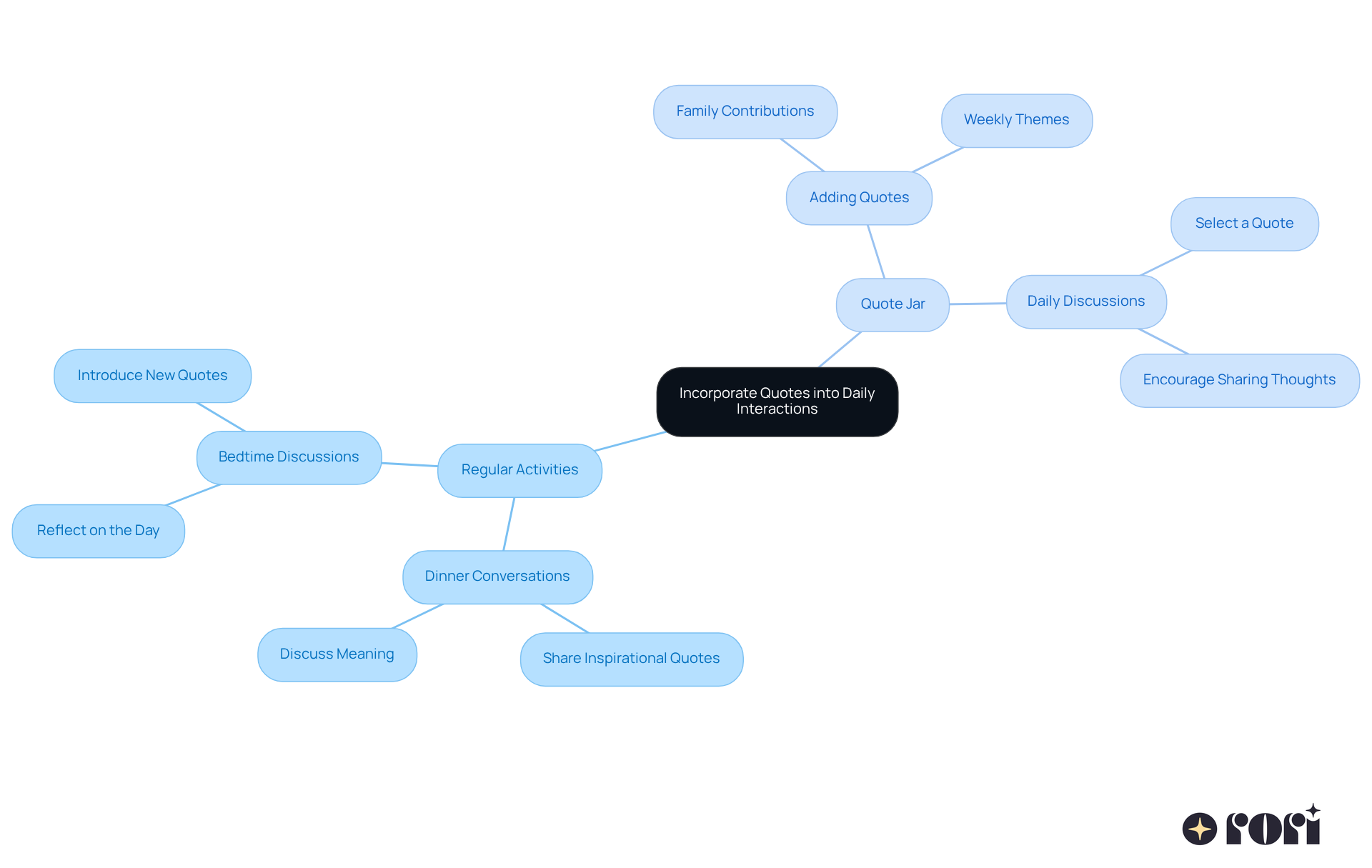
Integrating citations into our everyday conversations can be both enjoyable and influential! Start by weaving in sayings during regular activities, like mealtime or bedtime. For example, you might say, ‘As we eat dinner, remember what Helen Keller said: “Alone we can do so little; together we can do so much.” Let’s chat about how we can today!’
Additionally, consider creating a where you and your little ones can add your . Each day, pick one to discuss, encouraging your child to share their about it. This practice not only but also and listened to. Let’s explore this together!
Troubleshoot Common Challenges in Using Quotes
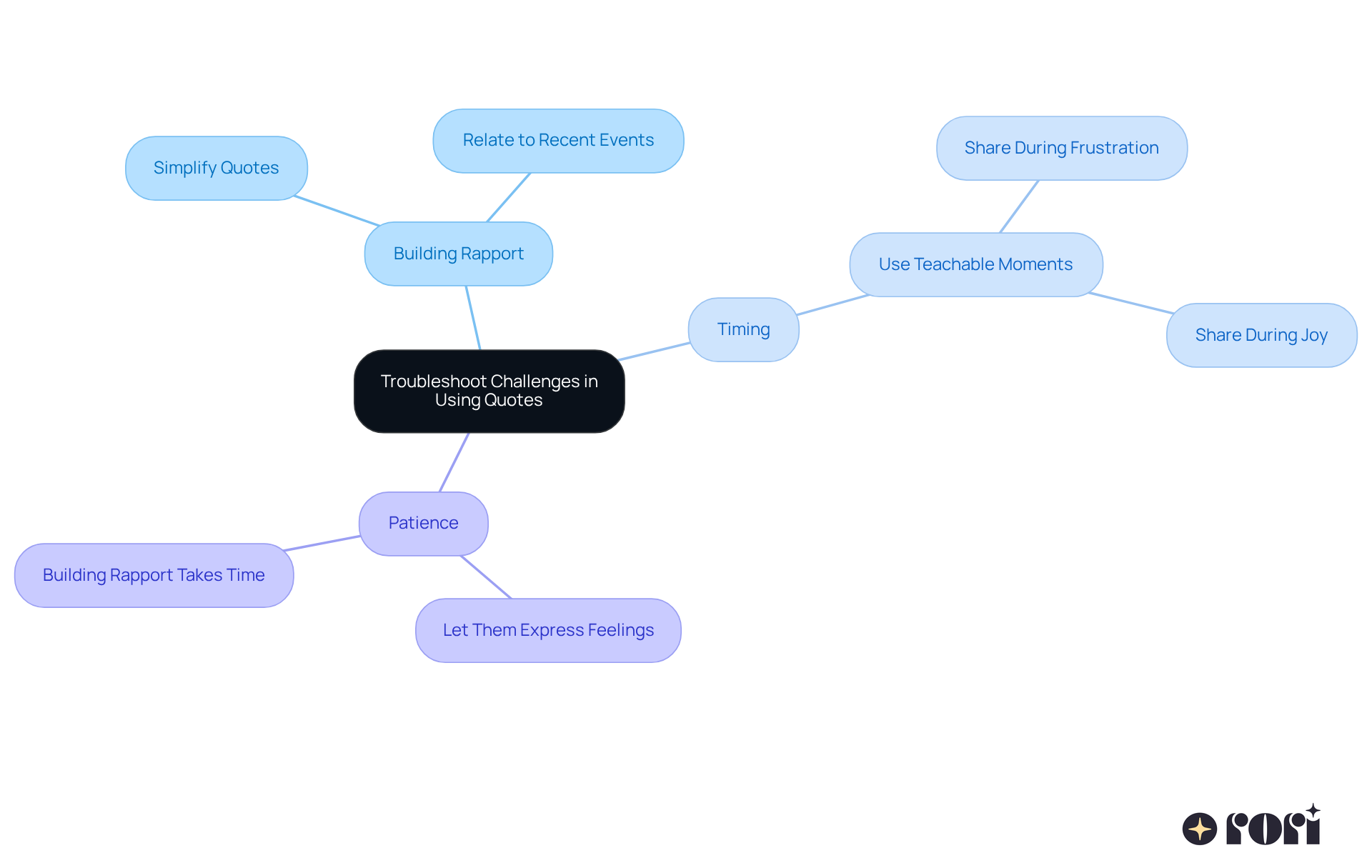
Utilizing can really help in with young ones, but it’s not always easy—especially when a child seems disinterested or confused. If a child isn’t connecting with a saying, consider simplifying it or tying it to something recent. For example, if you’re discussing a , you might say, ‘Remember when we worked together to build that fort?’ That’s exactly what this saying is about! This way, it .
Timing is also super important when sharing citations. Look for those , like when your child is feeling frustrated or joyful, to share relevant sayings. For instance, if your child is feeling down about a setback, a can really offer some encouragement and perspective.
If your child seems resistant to sayings, . Let them express their feelings and thoughts about the quote. takes time, and persistence is essential. Remember, 58% of middle school students use smartphones, which can distract them from traditional learning tools. So, weaving in citations during conversations about their interests can help bridge that gap and strengthen your bond. As William James wisely said, ‘Act as if what you do makes a difference. It does.’ This really highlights the .
Conclusion
Building rapport with children is such a vital part of nurturing their emotional and social growth. When caregivers forge a strong connection, they create a loving environment that supports learning, self-expression, and resilience. This article highlights how effective communication and relatable quotes can significantly strengthen these bonds.
So, how can we weave building rapport quotes into our daily interactions? It’s all about choosing age-appropriate sayings, incorporating them into our routines, and being mindful of the right moments to share them. By using quotes that resonate with what children experience, caregivers can ignite meaningful conversations and inspire personal reflection. It’s also important to tackle common hurdles, like disinterest or confusion, reminding us of the patience and flexibility needed to nurture these precious relationships.
Ultimately, embarking on the journey of building rapport with children is a fulfilling adventure that lays the groundwork for their future success. By actively engaging in this process, caregivers not only uplift their child’s emotional well-being but also contribute to their overall development. Embracing the power of words and fostering open communication can cultivate lasting connections that empower children to thrive. Let’s explore this together!
Frequently Asked Questions
Why is building rapport important in child development?
Building rapport is crucial for children’s emotional and social growth. When children feel understood and secure, they are more likely to engage in learning and express themselves openly.
How do strong relationships between caregivers and children affect behavioral outcomes?
Research indicates that strong relationships lead to better behavioral outcomes. Children who feel securely attached tend to have improved emotional regulation and resilience.
What are the benefits of stable attachments in children?
Children with stable attachments are more likely to develop critical thinking skills and achieve higher academic success over time.
How does prioritizing rapport impact a child’s sense of belonging?
Prioritizing rapport helps caregivers cultivate a sense of belonging and security, which is essential for a young person’s overall well-being.
What is the relationship between secure attachments and mental health in children?
Children with secure attachments are more likely to develop a positive self-image and are less prone to mental health issues like depression and anxiety.
What role does consistent and responsive caregiving play in a child’s future success?
Consistent and responsive caregiving is vital in shaping a young person’s future success by fostering secure attachments that contribute to emotional and social development.
List of Sources
- Understand the Importance of Rapport in Child Development
- pausetalklisten.com (https://pausetalklisten.com/articles/building-rapport-children-dialogue-parenting-techniques)
- The Importance of Rapport (https://psychologytoday.com/us/blog/the-heart-of-healing/202206/the-importance-of-rapport)
- nature.com (https://nature.com/articles/s41598-025-10151-6)
- janpetersoncdc.com (https://janpetersoncdc.com/blog/the-role-of-caregiver-child-attachment-in-early-development)
- pmc.ncbi.nlm.nih.gov (https://pmc.ncbi.nlm.nih.gov/articles/PMC8528226)
- Select and Utilize Building Rapport Quotes Effectively
- shumee.in (https://shumee.in/blogs/new-parent-guides/motivational-quotes-for-kids?srsltid=AfmBOooge2UeoRUDZsvjvuP2KiaKoAfYwXsOzzPCtv6Bc29aEPEe-bFI)
- findingbalance.mom (https://findingbalance.mom/quotes-about-loving-children)
- Inspiring Quotes on Child Learning and Development (https://vincegowmon.com/inspiring-quotes-on-child-learning-and-development)
- Motivational Quotes for Kids That Help Build Positive Relationships (https://rootsofaction.com/motivational-quotes-kids)
- Incorporate Quotes into Daily Interactions and Activities
- thatssomontessori.com (https://thatssomontessori.com/fun-activities-with-quotes)
- 30 inspirational quotes for students (https://canva.com/learn/30-inspiring-quotes-students)
- 5 Ways to Use Quotations in the Classroom – The Teacher Next Door (https://the-teacher-next-door.com/5-ways-to-use-quotations-in-the-classroom)
- momjunction.com (https://momjunction.com/articles/educational-quotes-for-kids_00466762)
- brightchamps.com (https://brightchamps.com/blog/thought-of-the-day-for-kids)
- Troubleshoot Common Challenges in Using Quotes
- apa.org (https://apa.org/monitor/2015/06/grabbing-students)
- 101+ Inspiring Growth Mindset Quotes for Kids to Fuel Their Success | Lemonade Day (https://lemonadeday.org/blog/growth-mindset-quotes-for-kids)
- Inspiring Quotes on Child Learning and Development (https://vincegowmon.com/inspiring-quotes-on-child-learning-and-development)
- agile-ed.com (https://agile-ed.com/resources/discover-learning-loss-statistics-and-trends)
- nces.ed.gov (https://nces.ed.gov/whatsnew/press_releases/7_18_2024.asp)