
Introduction
Understanding sensory processing is so important for supporting individuals with autism. Their experiences of the world can be quite different from those of neurotypical individuals. In this article, we’ll explore some essential strategies that parents and caregivers can use to navigate sensory challenges effectively, creating a nurturing environment for their loved ones.
But how can caregivers tailor their approaches to meet the unique sensory needs of each child? Especially in a world that can feel overwhelming with stimuli? Let’s dive into this together! 😊
Understand Sensory Processing in Autism
is all about how our brains interpret and respond to the sensory stimuli around us. For individuals with autism, this processing can be a bit different, leading to either heightened or diminished sensitivity to things like sounds, lights, textures, and smells. For parents and caregivers : tips for parents, understanding these differences is crucial to provide the best support.
At Rori Care, our clinical leadership team is dedicated to embracing neurodiversity and helping youth with autism thrive. We believe it’s important to equip caregivers with principles and strategies that can help achieve behavioral goals through active participation and data collection.
- Recognize Sensory Profiles: Every individual has their own unique sensory profile. Some might be hypersensitive (over-responsive) to stimuli, while others may show hyposensitivity (under-responsive). For example, a hypersensitive child might cover their ears when they hear loud noises, while a hyposensitive child may not react to pain or temperature changes.
- : Keep an eye on how your child reacts in different environments. Do they seem overwhelmed in crowded places? Do they seek out specific textures or movements? These observations can provide valuable insights into their sensory needs and help guide your strategies for support.
- : It’s essential to learn about common . Resources such as articles, workshops, and support groups can offer valuable information and strategies for parents : tips for parents. Did you know that recent studies suggest around 69% to 95% of kids with autism face processing difficulties? That really highlights how important this topic is!
- Implement : Incorporating tailored activities like swinging, jumping, and tactile play can make a big difference in how your child responds to stimuli. These fun activities can promote calmness and focus, helping with emotional regulation and social participation.
- : Teaming up with occupational therapists (OTs) can be a game-changer in developing effective, personalized strategies. Their expertise can lead to customized interventions that address specific processing challenges, ultimately enhancing your child’s quality of life.
By understanding and addressing these processing differences, you can create a supportive environment that empowers your child to thrive. Let’s explore this together!

Identify Common Sensory Challenges
Children with autism often face a range of perceptual challenges that can really impact their daily lives. Understanding these sensitivities is essential for parents navigating : tips for developing . Let’s take a look at some common sensory issues that might resonate with you:
- Auditory Sensitivity: Did you know that between 50% and 70% of kids with autism experience ? This can lead to distress or meltdowns when they encounter loud or sudden noises, like vacuum cleaners, sirens, or even the chatter in a busy room. For instance, a young person might cover their ears or try to escape a loud environment, showing just how much auditory stimuli can affect their emotions.
- Visual Sensitivity: Many children feel overwhelmed by bright lights or busy patterns, which can cause agitation or discomfort. They might shield their eyes or feel uneasy in places with harsh lighting or visual clutter. This sensitivity can make it tough for them to engage in social settings or classrooms where visual stimuli are everywhere.
- : is quite common, with some kids avoiding certain fabrics or food textures altogether. For example, a child might refuse to wear clothes with tags or eat foods with specific textures, leading to discomfort and behavioral challenges. This can complicate daily routines and social interactions.
- Olfactory Sensitivity: Strong scents can trigger negative reactions, causing kids to reject certain foods or avoid areas with intense smells. This sensitivity might limit their willingness to try new foods or join in social gatherings, which can affect their overall quality of life.
- Proprioceptive and Vestibular Sensitivity: Kids can have different responses to movement. Some actively seek out activities like swinging or jumping, while others may feel uneasy with such movements. This can influence their participation in physical activities and social play, highlighting the need for tailored strategies to meet their unique needs.
Recognizing these perceptual challenges is the first step in navigating : tips for parents to create nurturing environments where young individuals can thrive. At Rori Care, our qualified design that include measurable goals and evidence-based strategies. These might involve , using noise-canceling headphones, and establishing structured routines to encourage positive behavior changes and skill development. As one caregiver, Tom, shared, “Bringing noise-canceling headphones to family gatherings helps my son stay calm amidst the chaos.”
Let’s explore this together! We’re here to help you every step of the way!

Create a Sensory-Friendly Home Environment
Creating a is crucial when : tips for parents, as it can really boost your kid’s comfort and help ease those overwhelming moments. Did you know that : tips for parents reveals that up to 96% of young people with autism experience significant ? That’s why it’s so important to design a space that feels safe and soothing. Here are some simple steps to make your home more sensory-friendly:
- Control Lighting: Choose soft, adjustable lighting to create a calming vibe. Dimmer switches or warm bulbs are much better than harsh overhead lights, which can feel a bit too much.
- Reduce Noise: Cut down on background noise by adding rugs, curtains, or sound-absorbing materials. White noise machines can be a lifesaver, masking disruptive sounds and making your home feel more peaceful.
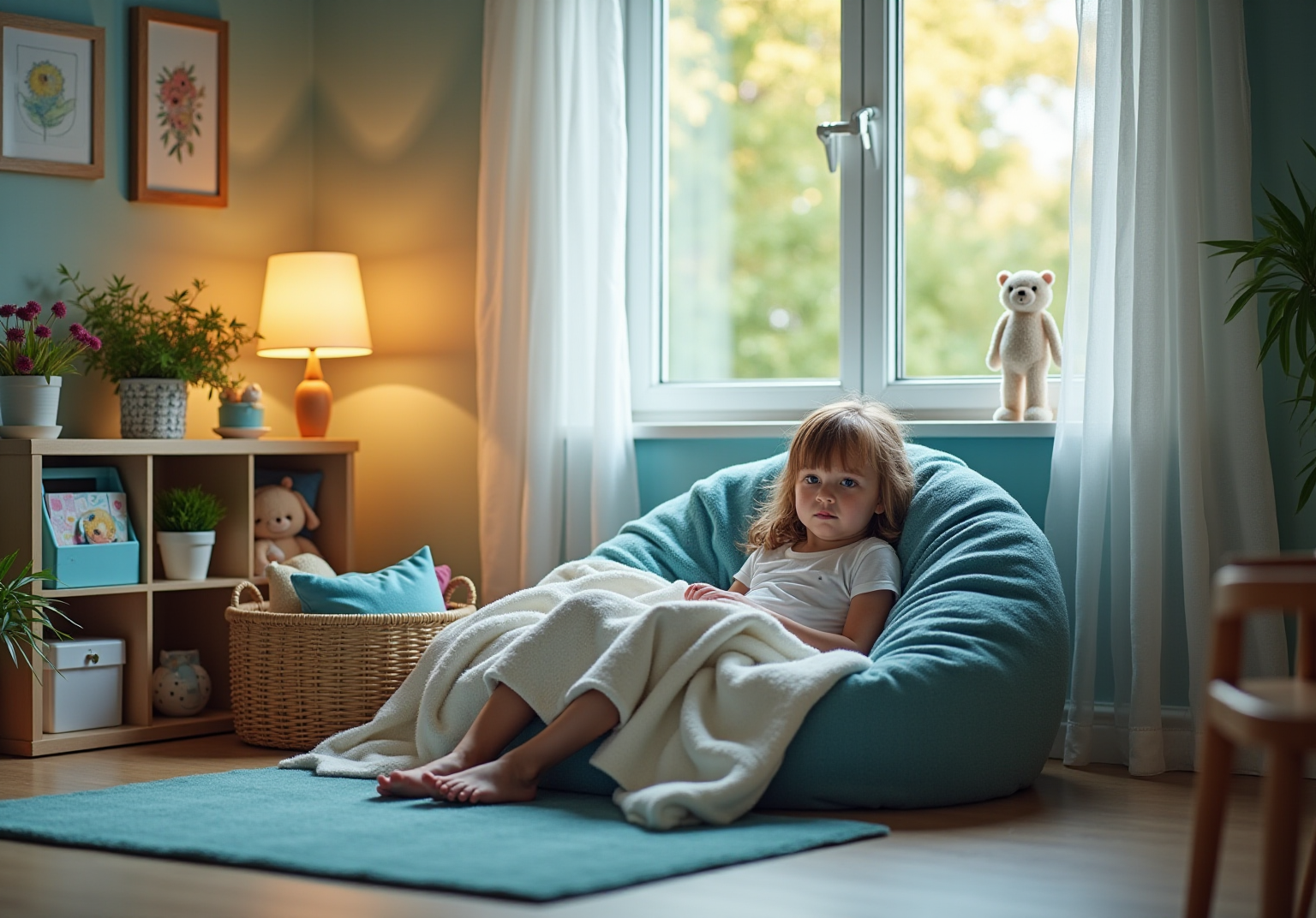
- Designate : Set up a cozy corner where your little one can retreat when things get overwhelming. Fill this space with like weighted blankets, soft pillows, and tactile toys to help them relax.
- Organize and Declutter: A tidy space can really help minimize , which is especially helpful for kids with autism. Keeping toys and materials organized contributes to a more serene environment.
- Include Aids for the Senses: Provide tools like fidget toys, stress balls, or textured items that your child can use to self-soothe when needed. These little helpers can make a big difference in .
As Kerry Magro wisely said, “Autism is not a tragedy. Ignorance is a tragedy.” By implementing strategies for : tips for parents, you can create a nurturing atmosphere that meets your child’s , ultimately enhancing their overall well-being. And don’t forget to think about to adapt these approaches to your child’s unique routines. Plus, equipping caregivers with knowledge through can really boost informed decision-making and improve behavioral outcomes, ensuring your child gets consistent support at home. Let’s explore this together!

Implement Coping Strategies for Sensory Overload
When kids encounter overwhelming stimuli, having can really help them handle tough situations. Here are some essential strategies to support your child as they navigate :
- Deep Breathing Exercises: Teach your little one to take slow, deep breaths. This simple practice can calm their nervous system and, with regular use, empower them to tap into this technique during overwhelming moments.
- Use of : Consider providing your child with tactile tools like weighted blankets, noise-canceling headphones, or fidget toys. These items can help them self-soothe when they feel overwhelmed, offering immediate relief.
- : Consistent daily routines create a sense of predictability and security, which can ease anxiety and reduce sensory overload. A structured environment helps kids feel more in control, aligning with that highlight caregiver involvement for better behavioral outcomes.
- Breaks and Downtime: Encourage your child to take during potentially overwhelming activities. Short, purposeful breaks allow them to recharge and handle stimuli more effectively. Remember, your participation is key in overseeing their needs and making informed choices.
- : Introduce mindfulness practices like yoga or meditation. These methods boost self-awareness and emotional control, giving your child the tools to manage environmental challenges calmly. Plus, empowering caregivers with ABA principles can enhance their ability to support their child’s behavioral goals through active involvement.
By applying these , you’re assisting your child in navigating in autism: tips for parents, allowing them to with greater confidence and resilience. And don’t forget, understanding ABA principles can lead to improved support and informed choices for both you and your child. Let’s explore this together!

Seek Professional Support and Resources
Navigating perceptual challenges can feel overwhelming, but you’re not alone! Seeking is a crucial step toward effective management. Here are some essential steps to consider:
- Consult with : (OTs) are specialists in processing challenges. They can offer tailored strategies and interventions to help your child manage their challenges, improving their daily functioning and comfort.
- Engage with Behavioral Therapists: At Rori Care, our dedicated use data-driven methods and AI-powered technologies to create coping strategies and designed specifically for heightened sensitivities. This comprehensive approach promotes functional skills that enhance daily living and emotional regulation.
- Join : Connecting with other parents and caregivers can provide invaluable emotional support and practical advice. Look for local or online groups focused on , where shared experiences can foster understanding and community.
- Access : Make the most of resources from reputable organizations like Autism Speaks or the National Autistic Society. These platforms offer articles, webinars, and toolkits that shed light on , equipping you with knowledge to better . Rori Care also provides educational materials to empower families with strategies aligned with ABA principles.
- : Collaborate with educators and healthcare professionals to ensure your child’s needs related to perception are recognized and addressed in various settings, like school and therapy. Advocacy is key to creating an environment where your child can thrive.
By actively seeking and utilizing available resources, you can significantly enhance your child’s skills for navigating sensory challenges in autism: tips for parents. Together, let’s improve their !

Conclusion
Navigating sensory challenges in autism can feel overwhelming, but it’s a journey we can take together! Understanding, observation, and tailored support are key. By recognizing the unique sensory profiles of our children, we can create nurturing environments that truly empower them to thrive. This article has shared some essential tips for parents, highlighting the importance of awareness, effective strategies, and working alongside professionals to manage sensory processing differences.
One important insight is to observe how our children respond to different stimuli. It’s all about educating ourselves on common sensory challenges and implementing coping strategies that help with emotional regulation. Collaborating with professionals, like occupational and behavioral therapists, can really enhance the support we offer, ensuring our kids’ specific needs are met effectively. Plus, creating a sensory-friendly home and incorporating structured routines can make a world of difference in fostering comfort and security.
Ultimately, supporting individuals with autism in navigating sensory challenges is a collaborative effort. It requires understanding, patience, and proactive strategies. By embracing the principles of neurodiversity and seeking out resources and support, we can significantly improve the quality of life for our children. Taking these steps not only fosters a more inclusive environment but also empowers our kids to develop resilience and confidence in managing their sensory experiences. Let’s explore this together!
Frequently Asked Questions
What is sensory processing in autism?
Sensory processing in autism refers to how individuals with autism interpret and respond to sensory stimuli, which can differ from typical responses. They may experience heightened or diminished sensitivity to sounds, lights, textures, and smells.
Why is understanding sensory processing important for parents and caregivers?
Understanding sensory processing is crucial for parents and caregivers because it helps them provide the best support for individuals with autism, enabling them to navigate sensory challenges effectively.
What are sensory profiles in individuals with autism?
Sensory profiles indicate that each individual has unique responses to sensory stimuli. Some may be hypersensitive (over-responsive) and react strongly to stimuli, while others may be hyposensitive (under-responsive) and show little reaction to sensory inputs.
How can parents observe their child’s sensory responses?
Parents can observe their child’s reactions in various environments, noting signs of being overwhelmed in crowded places or their interest in specific textures or movements, which can provide insights into their sensory needs.
What resources can help parents educate themselves about sensory processing issues?
Parents can utilize articles, workshops, and support groups to learn about common sensory processing issues related to autism, which can provide valuable information and strategies for support.
What sensory strategies can be implemented to support children with autism?
Tailored activities such as swinging, jumping, and tactile play can help children respond better to stimuli, promoting calmness, focus, emotional regulation, and social participation.
How can professionals assist in addressing sensory challenges?
Collaborating with occupational therapists (OTs) can be beneficial as they can develop personalized strategies and interventions that address specific sensory processing challenges, improving the child’s quality of life.
What are some common sensory challenges faced by children with autism?
Common sensory challenges include:
- Auditory sensitivity: Heightened sensitivity to sounds, leading to distress or meltdowns.
- Visual sensitivity: Overwhelm from bright lights or busy patterns, causing discomfort.
- Tactile sensitivity: Discomfort with certain textures, affecting clothing choices and food preferences.
- Olfactory sensitivity: Negative reactions to strong scents, limiting food acceptance or social participation.
- Proprioceptive and vestibular sensitivity: Varied responses to movement, influencing participation in physical activities.
How can parents create supportive environments for children with sensory challenges?
Parents can create supportive environments by designing personalized plans that include quiet spaces, using noise-canceling headphones, and establishing structured routines to encourage positive behavior changes and skill development.
List of Sources
- Understand Sensory Processing in Autism
- Sensory Processing in Children With Autistic Spectrum Disorder: Clinicians’, Parents’, Teachers’ and Children’s Perspectives – Gili Rajuan, Lihi Liberman, Orit Bart, 2025 (https://journals.sagepub.com/doi/10.1177/10883576241282302)
- the-art-of-autism.com (https://the-art-of-autism.com/favorite-quotes-about-autism-and-aspergers)
- Analysing the impact of sensory processing differences on color and texture preferences in individuals with autism spectrum disorder – Humanities and Social Sciences Communications (https://nature.com/articles/s41599-025-05753-4)
- The Connection Between Autism and Sensory Processing Disorder (https://mastermindbehavior.com/post/the-connection-between-autism-and-sensory-processing-disorder)
- Identify Common Sensory Challenges
- Managing Sensory Overload in Autism | Advanced Autism Services (https://advancedautism.com/post/managing-sensory-overload-in-autism)
- The Connection Between Autism and Sensory Processing Disorder (https://mastermindbehavior.com/post/the-connection-between-autism-and-sensory-processing-disorder)
- Autism and Sound Sensitivity | Advanced Autism Services (https://advancedautism.com/post/autism-and-sound-sensitivity-90b22)
- Best Autism Quotes to Raise Awareness and Understanding (https://yellowbusaba.com/post/autism-quotes)
- Frontiers | Sensory Processing and Attention Profiles Among Children With Sensory Processing Disorders and Autism Spectrum Disorders (https://frontiersin.org/journals/integrative-neuroscience/articles/10.3389/fnint.2020.00022/full)
- Create a Sensory-Friendly Home Environment
- Robot Challenge Screen (https://autism.org/sensory-friendly-strategies-at-home-p2)
- Best Autism Quotes to Raise Awareness and Understanding (https://yellowbusaba.com/post/autism-quotes)
- 10 Autism Quotes For Special Needs Parents – Achieve Beyond (https://achievebeyondusa.com/10-autism-quotes-for-special-needs-parents)
- Implement Coping Strategies for Sensory Overload
- Empowering Autistic Children to Thrive Through Effective Coping Skills | Step Ahead ABA (https://stepaheadaba.com/blog/how-to-help-children-with-autism-develop-coping-skills)
- Autism Sensory Overload and Overstimulation | Grateful Care ABA (https://gratefulcareaba.com/blog/autism-sensory-overload-and-overstimulation)
- The Numbers Don’t Lie: Revealing Autism Therapy Statistics | Above and Beyond Therapy (https://abtaba.com/blog/autism-therapy-statistics)
- Sensory Overload Quotes (12 quotes) (https://goodreads.com/quotes/tag/sensory-overload)
- circlecareservices.com (https://circlecareservices.com/coping-methods-for-sensory-overload)
- Seek Professional Support and Resources
- mrsmoesmodifications.com (https://mrsmoesmodifications.com/inspirational-aba-and-autism-quotes)
- Celebrating Neurodiversity: Inspiring Words on Autism | Step Ahead ABA (https://stepaheadaba.com/blog/autism-quotes)
- intellistarsaba.com (https://intellistarsaba.com/blog/autism-quotes)
- kidsfirstservices.com (https://kidsfirstservices.com/first-insights/autism-quotes)
- gratefulcareaba.com (https://gratefulcareaba.com/blog/inspirational-quotes-about-autism)