
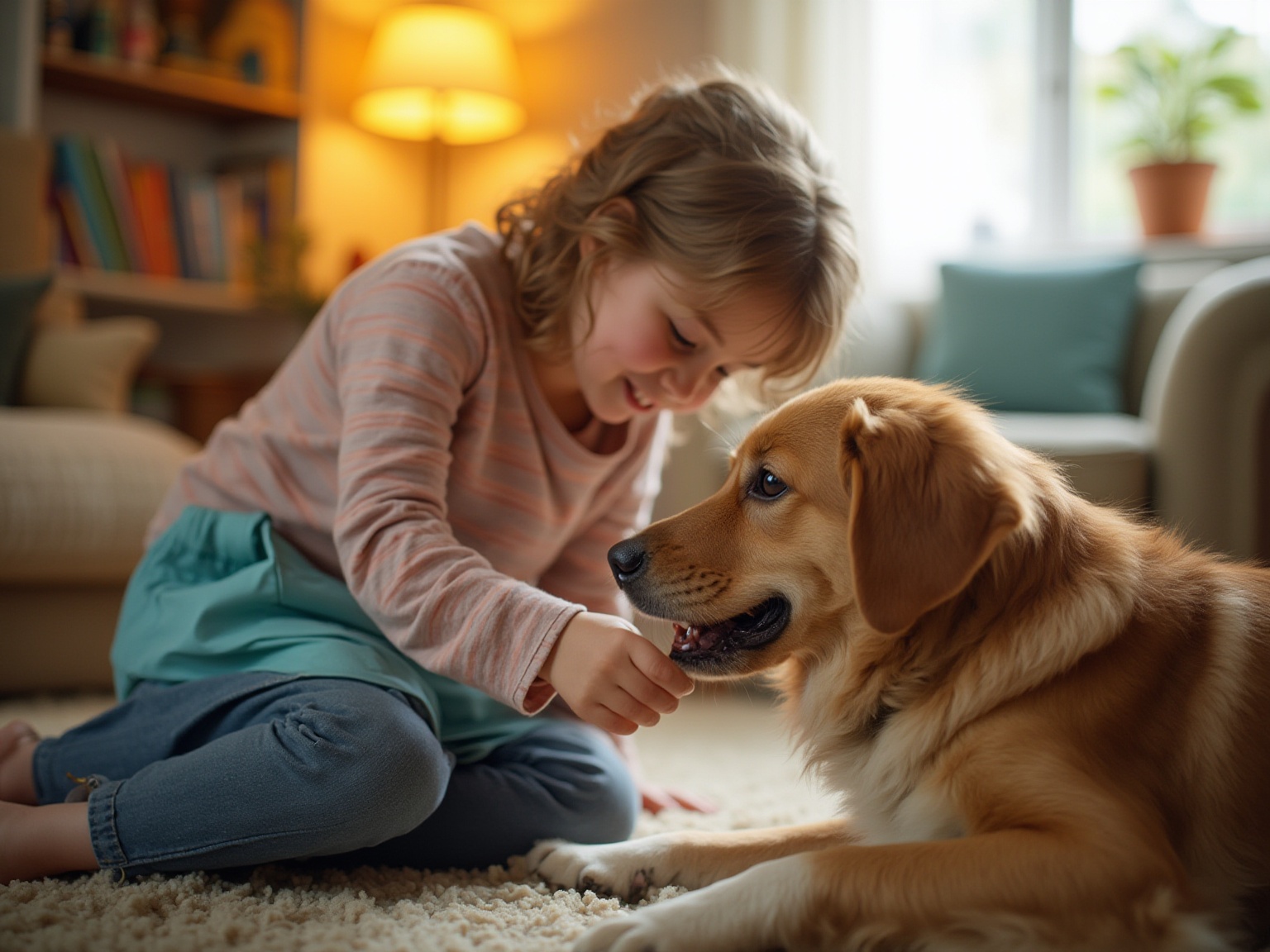
Introduction
In the journey of understanding and supporting children with autism, the role of support dogs emerges as a beacon of hope and transformation. These remarkable companions not only provide unwavering emotional support but also enhance social skills, reduce anxiety, and promote physical activity, all of which are crucial for the well-being of children on the spectrum. Recent research underscores the profound impact these dogs have, from improving familial dynamics to fostering a sense of security in educational settings. As families increasingly recognize the benefits of integrating support dogs into their lives, the stories of connection and growth resonate deeply, illuminating a path toward greater emotional health and social engagement. This article delves into the multifaceted advantages of support dogs, revealing how their presence can significantly enrich the lives of children with autism and their families.
Enhanced Emotional Support and Companionship
Assistance animals provide steadfast companionship, greatly improving the . These dogs offer a non-judgmental presence, assisting young individuals in feeling secure and understood in their unique experiences. The bond formed between a young person and their can alleviate feelings of loneliness and anxiety, creating a safe space for with the help of a support dog.
As one caretaker aptly puts it, ‘We are a dog-loving household and have been on the lookout for getting an appropriate dog which will bring joy to our home and above all help [child] with the various that she has.’ This companionship not only motivates young individuals to interact more with their surroundings but also nurtures a deep sense of belonging and connection to their relatives and community. Recent studies suggest that offered by canines can result in , with evidence evaluated according to GRADE standards to guarantee quality.
With the number of accredited organizations training support dogs for autism growing from 19 in 2014 to , households are filled with hope and optimism about the difference a support dog can make in their lives. Furthermore, the education caregivers obtain improves their capacity to assist their offspring, complementing the function of the assistance dog by providing them with knowledge about . This empowered caregiving approach leads to and informed decision-making, ultimately fostering a more cohesive family dynamic.
For instance, caregivers can apply specific strategies learned through education to facilitate interactions between their offspring and the support dog, which helps in strengthening their bond. The triadic nature of service dog placements, involving the youth, the dog, and a caregiver, adds an additional layer of complexity, enhancing the overall effectiveness of the intervention. Families on the waitlist for assistance animals, as highlighted in the case study titled ‘Hope and Anticipation for Service Animal Placement,’ express optimism about the potential benefits and changes an assistance animal could bring to their lives, reinforcing their commitment to the process.
Improved Social Skills and Interaction Opportunities
Assistance animals act as essential social catalysts, greatly . Studies suggest that these animals assist youngsters in starting discussions and promoting interactions with their peers more easily, serving as a common interest that facilitates connections and involvement in . A study involving 75 families revealed that youngsters with assistance animals exhibited notable improvements in sleep behaviors, closely linked to their overall and social readiness.
This finding is crucial, as better sleep often correlates with enhanced and emotional stability. Additionally, expert Jane Thierfeld Brown emphasizes the growing necessity for awareness regarding the autism spectrum, stating, ‘As the number of students on the autism spectrum continues to rise, college campuses must increase their knowledge of this population.’ Complementing this, Esther Ben-Itzchak from the Bruckner Autism Research Center emphasizes the significance of and how a support dog can play a transformative role.
This insight highlights the significance of in fostering and confidence among autistic youth, which is crucial for their development. Moreover, caregiver education improves the assistance offered at home, empowering parents with the knowledge and skills to make informed choices, resulting in and overall household dynamics. Real-world instances are plentiful, demonstrating how support dogs promote interactions among peers, creating a unique platform for children to practice and improve their social skills in a nurturing environment.
, further validating the diverse backgrounds of the families involved. Additionally, social skills group therapy, led by trained therapists, provides a structured environment that fosters social interactions, further complementing the benefits of a support dog in promoting effective communication and relationships.
Reduction of Anxiety and Stress Levels
play a vital role in in individuals with autism. The simple act of petting a dog has been shown to release oxytocin, a hormone that fosters feelings of calm and relaxation. Current research, authorized by the University’s Institutional Review Board and involving 18 parents of autistic children, emphasizes that this interaction not only benefits the child but also between caregivers and assistance animals, positively influencing family dynamics.
For instance, a parent noted,
She has lots of personality but … This situation has been rectified, and we have been pleased that we have been listened to and are in a much better place with it all.
Such insights reflect the profound impact these canines can have on managing anxiety.
Furthermore, the presence of during stressful situations—like starting school or attending new events—. Moreover, the integration of adaptive treatment plans based on progress report data significantly enhances the effectiveness of interventions such as support dogs. Notably, achieving remarkable progress is observed in 90% of youths when recommended hours are fully implemented with active caregiver involvement.
As the behavior care engine updates after each session, it ensures that caregiver involvement is pivotal to achieving notable progress in youth. With the implementation of , caregivers are empowered to make informed choices and provide enhanced assistance, leading to improved behavioral outcomes. The Inclusion of Other in Self (IOS) scale has shown a (MDORS), which includes 28 items, underscoring how perceived closeness to the dog can enhance emotional resilience.
Significantly, relates to more beneficial effects of the young one’s condition on household dynamics, highlighting the significance of assistance animals in domestic environments. Overall, the calming effects of support dogs are not only backed by anecdotal evidence but are also supported by ongoing research, making them a valuable resource for families navigating the challenges of autism.

Increased Physical Activity and Health Benefits
, including walking, playing fetch, and exploring the outdoors. This heightened level of activity is crucial for physical health and greatly aids emotional well-being, especially for individuals facing , ADHD, and learning disabilities. Regular exercise has been shown to alleviate symptoms of anxiety and depression, making it a crucial element of overall health.
The routine involved in caring for a dog fosters a , which can be particularly beneficial for youngsters with autism. As noted by a parent of a kid with autism, ‘I think [feeding and watering the dog] makes him feel good, but it’s also just very normal at this point.’ This sentiment reflects the everyday advantages that come from having a support dog as a companion.
Recent research, such as the trial by Toscano et al., has shown that can enhance the metabolic profile and perceived quality of life in youth with autism spectrum disorder (ASD). Moreover, numerous households are prepared to invest in support dogs, as shown by the , emphasizing the financial aspect of obtaining these valuable companions.
Moreover, case studies employing the Inclusion of Other in Self (IOS) Scale reveal a significant connection between interpersonal closeness to service animals and emotional assistance, reinforcing the health advantages of pet ownership for youngsters with autism.
This correlation emphasizes that the is not only advantageous but also quantifiable, demonstrating how these animals can encourage outdoor play and improve the overall quality of life for individuals with ASD while also addressing their behavioral intervention requirements. To further illustrate the impact of these services, testimonials from parents highlight the , showcasing the profound benefits of .

Assistance in Behavioral Management and Self-Regulation
Support dogs serve as invaluable companions for children with autism, significantly aiding them in developing coping mechanisms and self-regulation skills. According to the , , with scores indicating a 20% rise in perceived family functioning when support dogs are involved. This improvement is further aided by the , which enhances caregivers’ understanding of (ABA) principles and specific strategies such as and consistent communication, empowering them to offer the right assistance at home.
When a young person becomes overwhelmed, their support dog often provides a soothing presence that helps them regain emotional control. Research from highlights that children experience a strong bond with their pets, finding joy in caring for them, which promotes responsibility and patience—key traits for effective behavioral management. Moreover, active caregiver involvement and alignment with therapeutic strategies lead to improved behavioral outcomes.
Regular engagements with a support dog can improve social functioning within households, as highlighted in recent studies that recognized themes of stability and strength among domestic dynamics. The research named ‘Family Functioning and Assistance Canines’ demonstrates that greater emotional closeness between caregivers and support dogs is associated with enhanced household dynamics, highlighting the emotional advantages of these relationships. Backed by Rori Care’s clinical leadership team, which appreciates neurodiversity and aims for youth success, this partnership not only encourages better behavior at home but also aids social interactions in various environments, offering a dual advantage for the individual and their family.
It’s important to note that, as mentioned by MO, written informed consent was not obtained from the owners for the participation of their animals in this study, highlighting ethical considerations in research involving assistance animals.
Therapeutic Benefits for Emotional Well-Being
The presence of a support dog can profoundly impact the of children with autism, and . These canines provide unconditional affection and companionship, fostering a sense of security that enhances overall emotional well-being. Recent studies indicate that interactions with canines can lower cortisol levels—the body’s primary stress hormone—while simultaneously boosting serotonin levels, essential for promoting feelings of happiness.
In fact, a study found that the mean t-scores for peer relationships in was 31.56, highlighting the low quality and quantity of peer relationships that assistance dogs can help enhance. This dynamic is especially advantageous in therapeutic contexts, where a support dog can create a for young individuals, enabling them to express themselves and participate more completely in their therapy sessions. Active involvement from caregivers, guided by , not only enriches this experience but also aids in effective data collection to track developmental progress.
For instance, such as:
- Reinforcing positive interactions between the youth and the assistance dog
- Using visual schedules to integrate the dog into daily routines
- Collecting data on the youth’s
One participant stated,
We are a dog-loving household and have been searching for a suitable dog that will bring happiness to the household and, most importantly, .
Furthermore, the case study named ‘Role of Canines in Family Routines’ demonstrates how assistance animals are incorporated into everyday family life, enhancing routine and offering chances for physical activity.
Such insights highlight the transformative influence of support dogs, not only in therapy but also in improving daily emotional experiences for autistic youth, bolstered by the caregivers’ commitment and expertise. By monitoring particular emotional results, such as enhanced or lowered anxiety levels, caregivers can gain a clearer insight into the effect of assistance animals on their offspring’s behavioral objectives.

Enhanced Learning and Focus in Educational Settings
Support dogs play a crucial role in enhancing learning and focus within educational settings. Their calming presence has been shown to among students, enabling them to concentrate more effectively on their tasks. For example, recent research shows that youngsters with autism who have access to support dogs demonstrate .
These dogs not only inspire young ones to engage but also . The emotional connection established between a young person and their support dog promotes a sense of security and reassurance, which is crucial for creating an . A parent of a boy on the waiting list for an assistance dog expressed, “I don’t anticipate any negatives, feeling very positive about it,” highlighting the hopeful outlook many families share regarding these animals.
Additionally, a study examining the found that children with these animals reported better sleep outcomes, which can further enhance their ability to focus during the day. The inclusion of support dogs in classrooms enhances overall learning outcomes, as shown by the significant improvements noted in the Children’s Sleep Habits Questionnaire (CSHQ) scores. This demonstrates their invaluable role as support dogs, contributing positively to and academic success.
Moreover, Rori Care’s are customized for individuals of all ages, including those with , ADHD, and learning disabilities, offering , and adaptive strategies that empower families. Our dedicated clinical leadership team, composed of experienced professionals committed to fostering , ensures that young individuals can overcome challenges and thrive in their development. We invite parents to connect with Rori Care to learn more about how our services can support their child’s unique needs.

Conclusion
Support dogs play a transformative role in the lives of children with autism, offering significant emotional, social, and physical benefits. These remarkable companions provide essential emotional support, alleviating feelings of loneliness and anxiety while fostering connections within families. The bond formed between a child and their support dog enhances emotional well-being and promotes a sense of belonging.
Additionally, support dogs serve as social catalysts, helping children initiate conversations and engage with peers, thereby improving their social skills and confidence. Caregiver involvement and education are crucial in maximizing these benefits, leading to better behavioral outcomes for children.
Support dogs also encourage physical activity, which is vital for overall health. Regular exercise and outdoor play reduce symptoms of anxiety and depression, while the routine of caring for a dog instills responsibility in children. Their calming presence contributes positively to educational settings, enhancing focus and learning outcomes.
In summary, support dogs enrich the lives of children with autism and their families by addressing emotional, social, and physical development needs. As awareness of their benefits continues to grow, families are filled with hope for the positive changes that support dogs can bring, paving the way for a brighter future and improved quality of life.
Frequently Asked Questions
How do assistance animals benefit youngsters with autism?
Assistance animals provide companionship that improves emotional wellness, helps alleviate loneliness and anxiety, and creates a safe space for emotional expression.
What role do support dogs play in social interactions for autistic youth?
Support dogs act as social catalysts, helping young individuals with autism initiate conversations and engage with peers, thus promoting connections and involvement in group activities.
What improvements have been observed in children with assistance animals?
Studies indicate that children with assistance animals show notable improvements in sleep behaviors, which are linked to better emotional well-being and social readiness.
How does caregiver education enhance the effectiveness of assistance animals?
Caregiver education equips parents with knowledge about ABA principles and strategies, improving their ability to support their children and leading to better behavioral outcomes and family dynamics.
What is the significance of the bond between a child and their support dog?
The bond can motivate children to interact more, fostering a sense of belonging and connection with their families and communities.
How has the number of organizations training support dogs for autism changed?
The number of accredited organizations has increased from 19 in 2014 to 64 today, reflecting growing hope in families regarding the impact of support dogs.
What is the triadic nature of service dog placements?
The triadic nature involves the youth, the dog, and a caregiver, which adds complexity and enhances the overall effectiveness of the intervention.
What additional support is provided to reinforce the benefits of assistance animals?
Social skills group therapy led by trained therapists offers a structured environment that complements the benefits of support dogs in promoting effective communication and relationships.