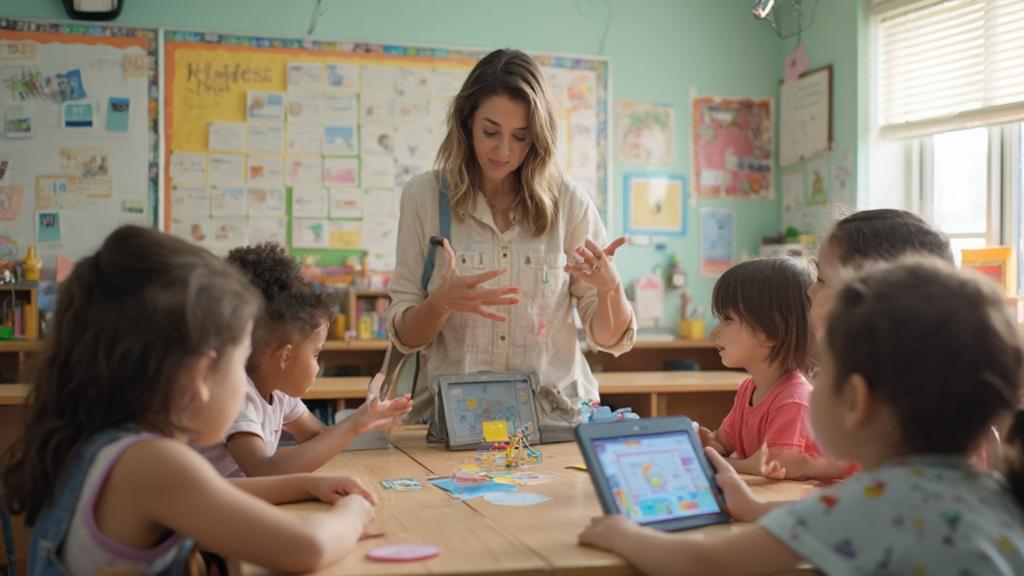
Understanding the complexities of behavior change in children can feel overwhelming for parents and caregivers. But with the right strategies, it’s absolutely possible to spark meaningful improvements in behavior through Applied Behavior Analysis (ABA). 😊
In this article, we’ll explore seven practical examples of effective ABA techniques that not only support individualized learning but also empower families to take an active role in their child's development.
How can these proven methods turn everyday challenges into exciting opportunities for growth and success? Let’s dive in together!
At Rori Care, we understand that every child is unique, and that's why we take a . We know how overwhelming it can be for parents, which is why our skilled analysts perform thorough assessments to create tailored to your child's specific needs. This means our methods are not only relevant but also effective!
By focusing on specific actions, we help children engage more deeply and gain a better understanding of their challenges, leading to . Plus, with our , we can provide 50% more treatment time—how great is that?
We’re here to , offering to address your child's needs effectively. So why wait? and take advantage of our free consultation offer. Let’s explore this journey together!
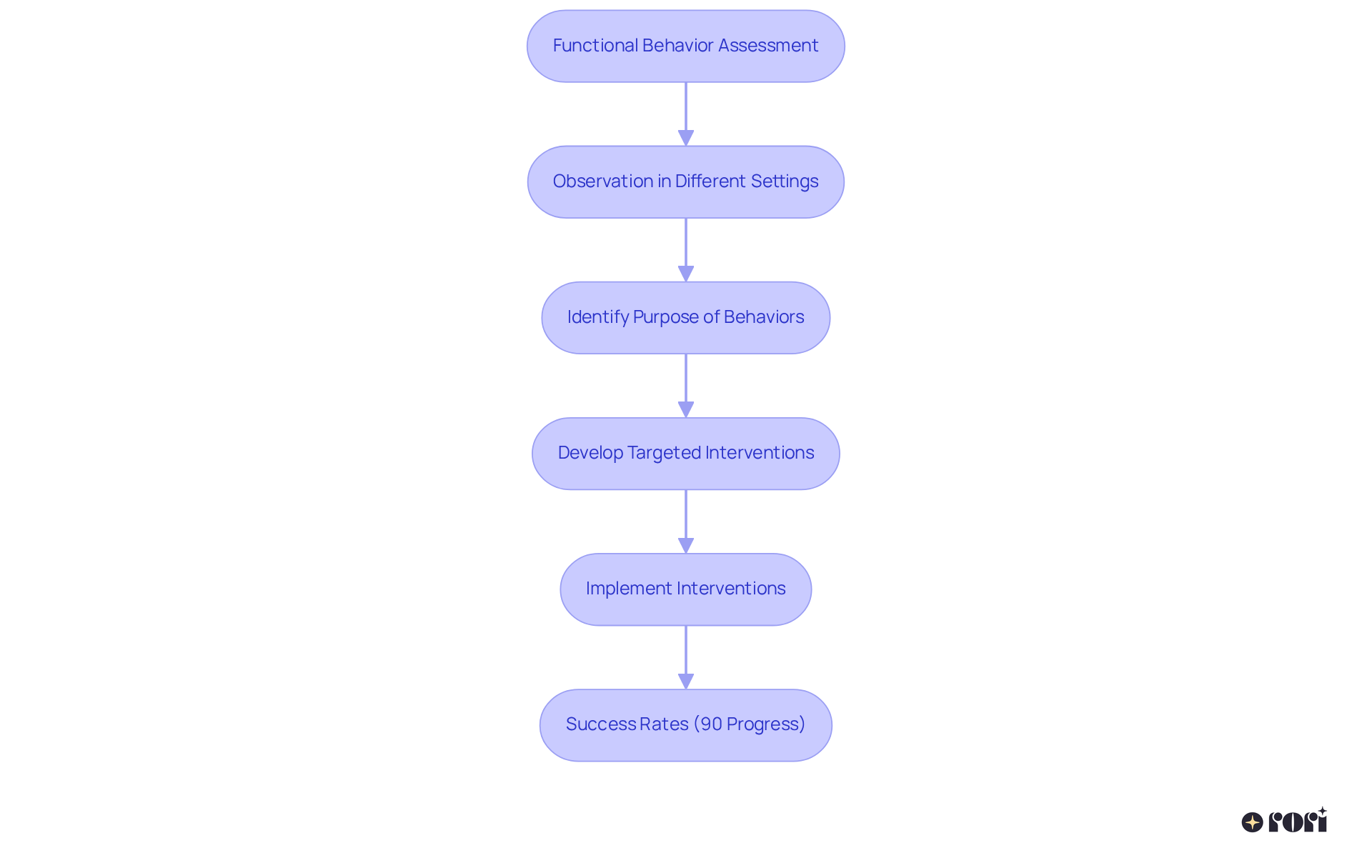
A (FBA) is a systematic process that helps us understand the reasons behind challenging behaviors. By observing your child in different settings and gathering information, clinicians can pinpoint the purpose of specific actions. This insight is crucial for developing that address the root causes, leading to .
When these interventions are woven into a —one that adapts based on progress and involves active participation from caregivers—success rates soar! In fact, we see notable progress in 90% of children when the recommended hours are fully implemented. This really highlights the importance of (EIBI) in boosting learning, verbal, and social skills in children with autism.
Let’s explore this together! Understanding these assessments can empower you to effectively.
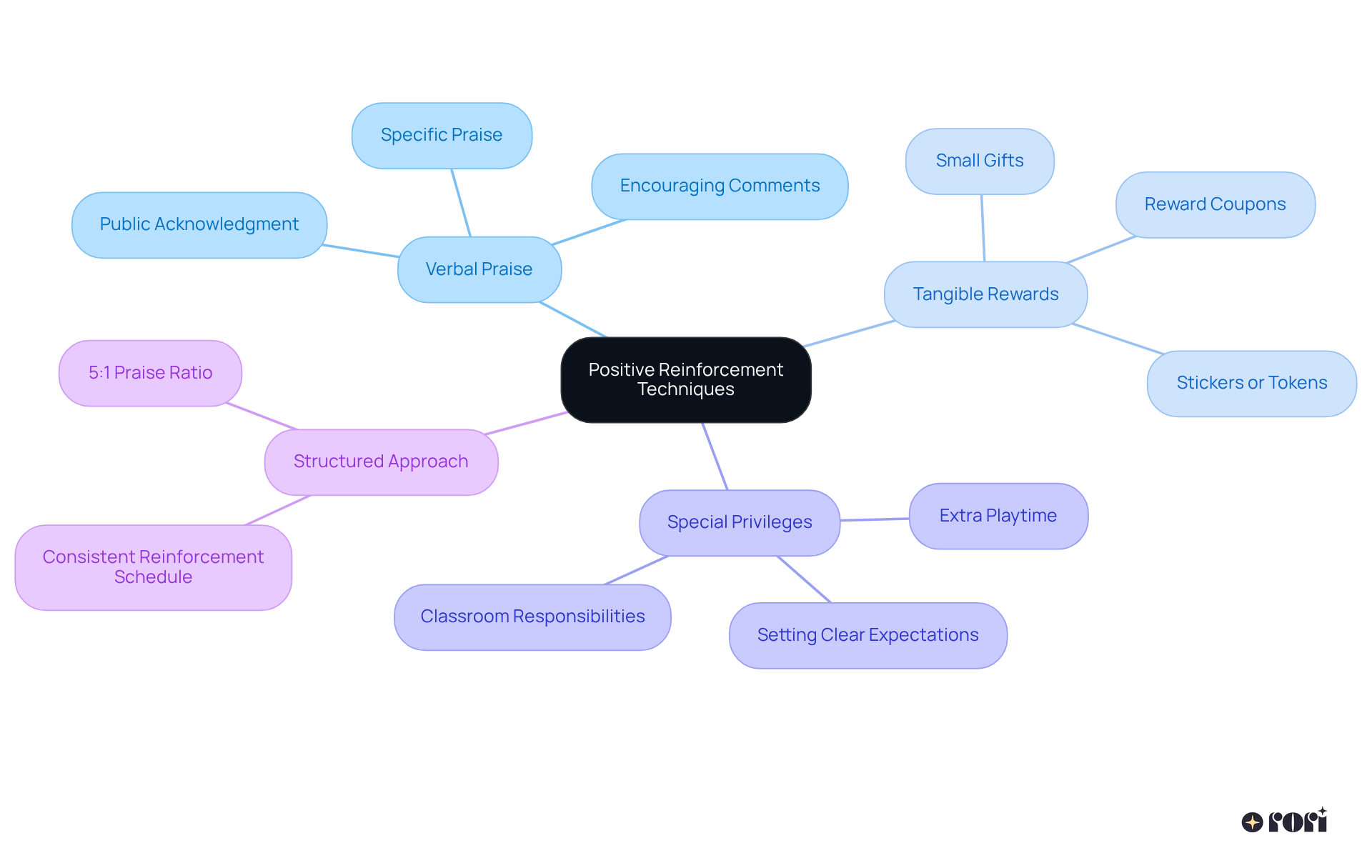
is such a powerful strategy! It involves offering a reward after a desired action, which makes it more likely that the action will happen again. You can use a variety of techniques, including verbal praise and , as well as special privileges. Research shows that can really and in kids, especially those with Autism Spectrum Disorders (ASD), ADHD, and learning disabilities. In fact, studies indicate a substantial effect size of 0.81 for interventions using positive reinforcement, highlighting its effectiveness in .
Child psychologists often stress the importance of a . For the best results, aim for at least five praises for every one corrective statement. This not only encourages young people to engage in appropriate behaviors but also creates a . By consistently using these techniques, caregivers can that promotes behavioral growth and social development.
In real-life situations, caregivers can encourage , or by providing and special privileges. For instance, a teacher could set clear behavioral expectations and reward students who meet them, reinforcing those positive actions and inspiring others to follow suit. This approach has been found to have lasting effects, as the lessons learned through positive reinforcement often stick around even after the reward system is taken away. Overall, using positive reinforcement strategically is key in , as it provides tangible ABA examples that empower caregivers to guide children toward positive behavioral changes. Let’s explore this together!
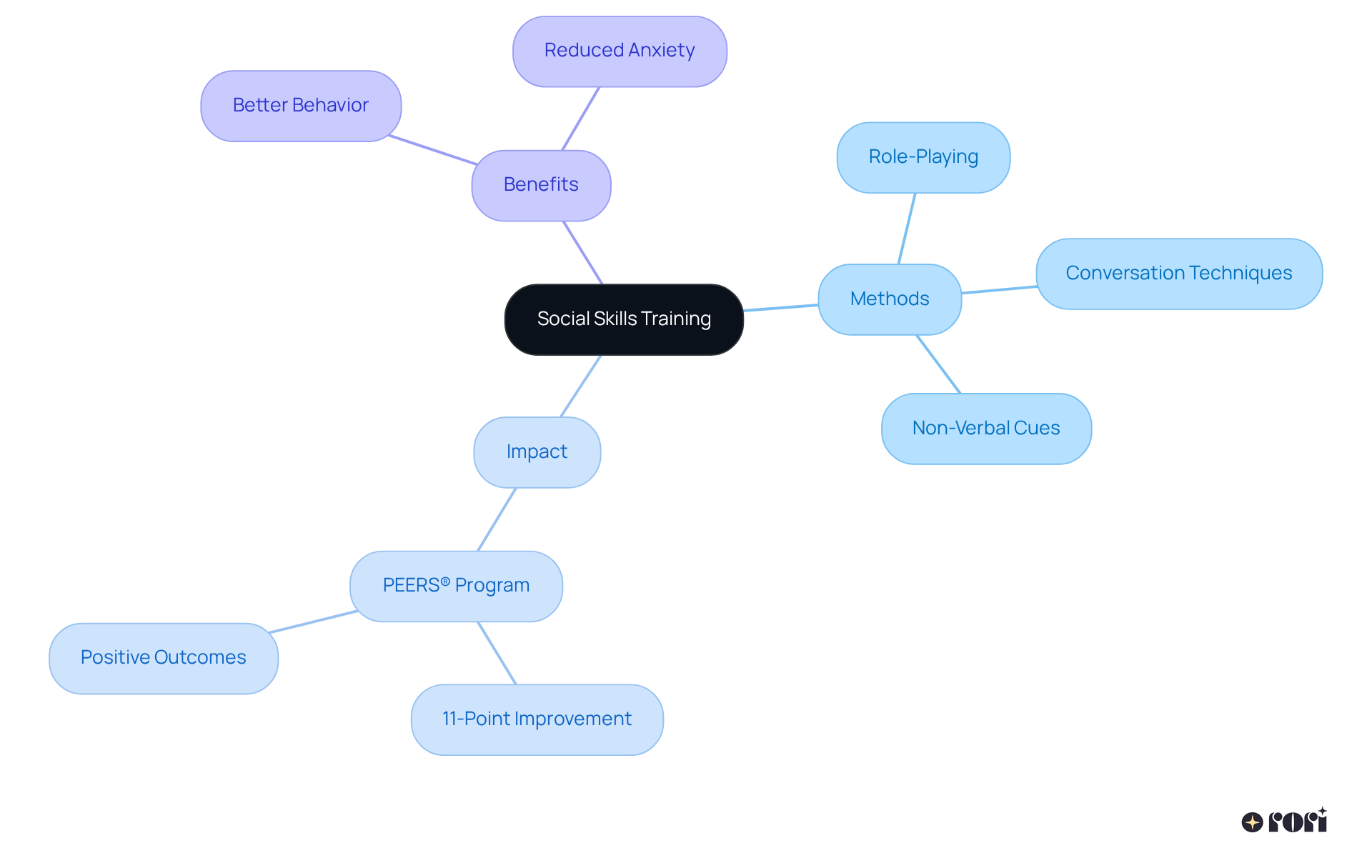
is so important for teaching our kids how to interact well with both peers and adults. This kind of training often involves fun role-playing, practicing conversation techniques, and learning to read non-verbal cues. Did you know that research shows teenagers with can struggle to understand emotions? This is often due to , which really highlights how essential is.
By developing these skills, our youngsters can more smoothly, leading to better behavior and less anxiety when interacting with others. For instance, a recent randomized controlled trial found an impressive 11-point boost in social skills and responsiveness after completing the PEERS® program. This really showcases how effective can be!
Moreover, therapists emphasize that strong are key to . They allow young people to express themselves and connect with others more effectively. Overall, not only fosters better interactions but also plays a vital role in achieving . Let’s explore this together and see how we can support our children in their social journeys!
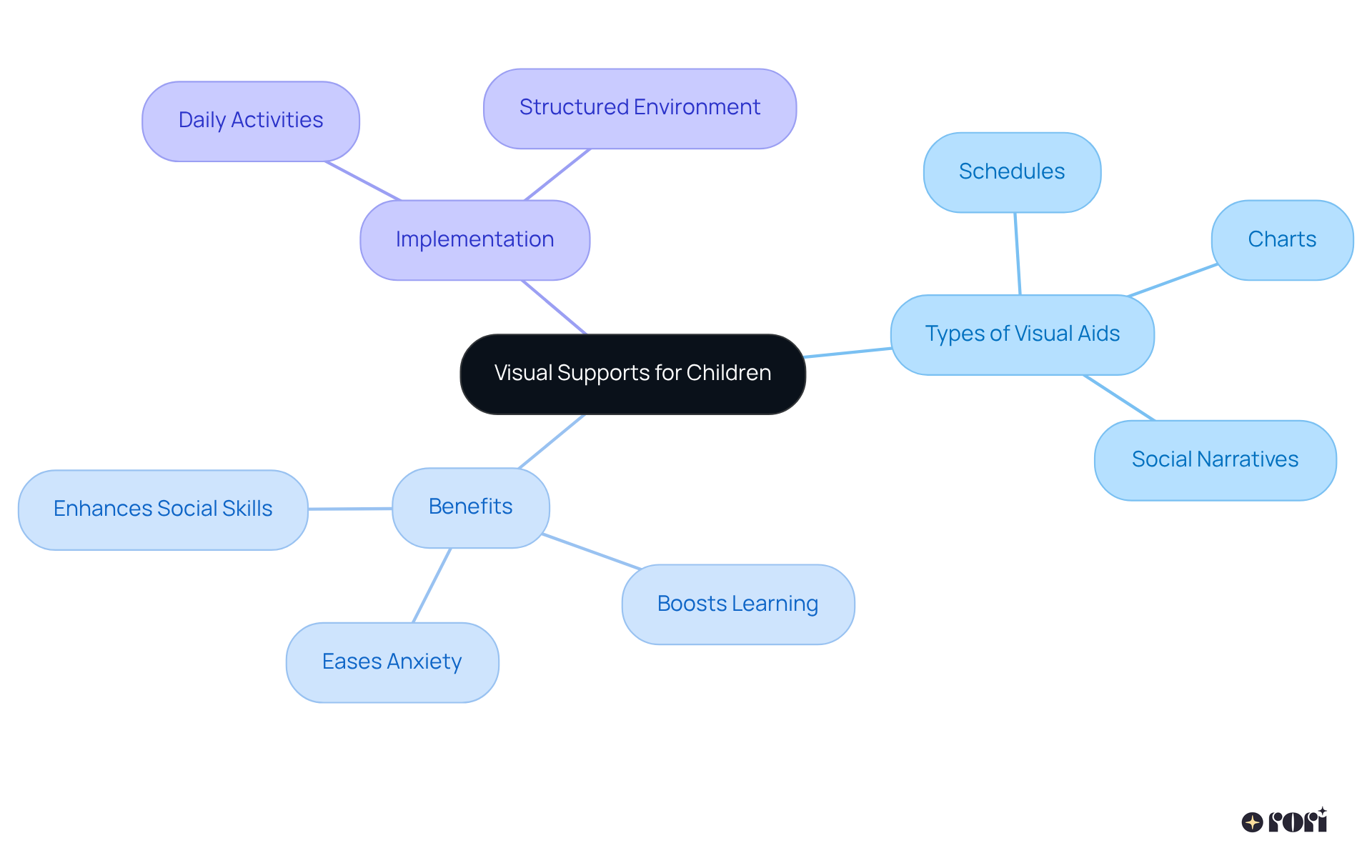
, like schedules, charts, and social narratives, can be incredibly helpful for our little ones! They help kids understand expectations and routines by adapting to their unique needs. These tools serve as by offering that can ease anxiety and foster independence.
By incorporating into daily activities, caregivers can create a that encourages and enhances understanding. This approach not only boosts learning but also in individuals with autism. Let’s explore this together and see how these tools can make a difference in our children's lives!
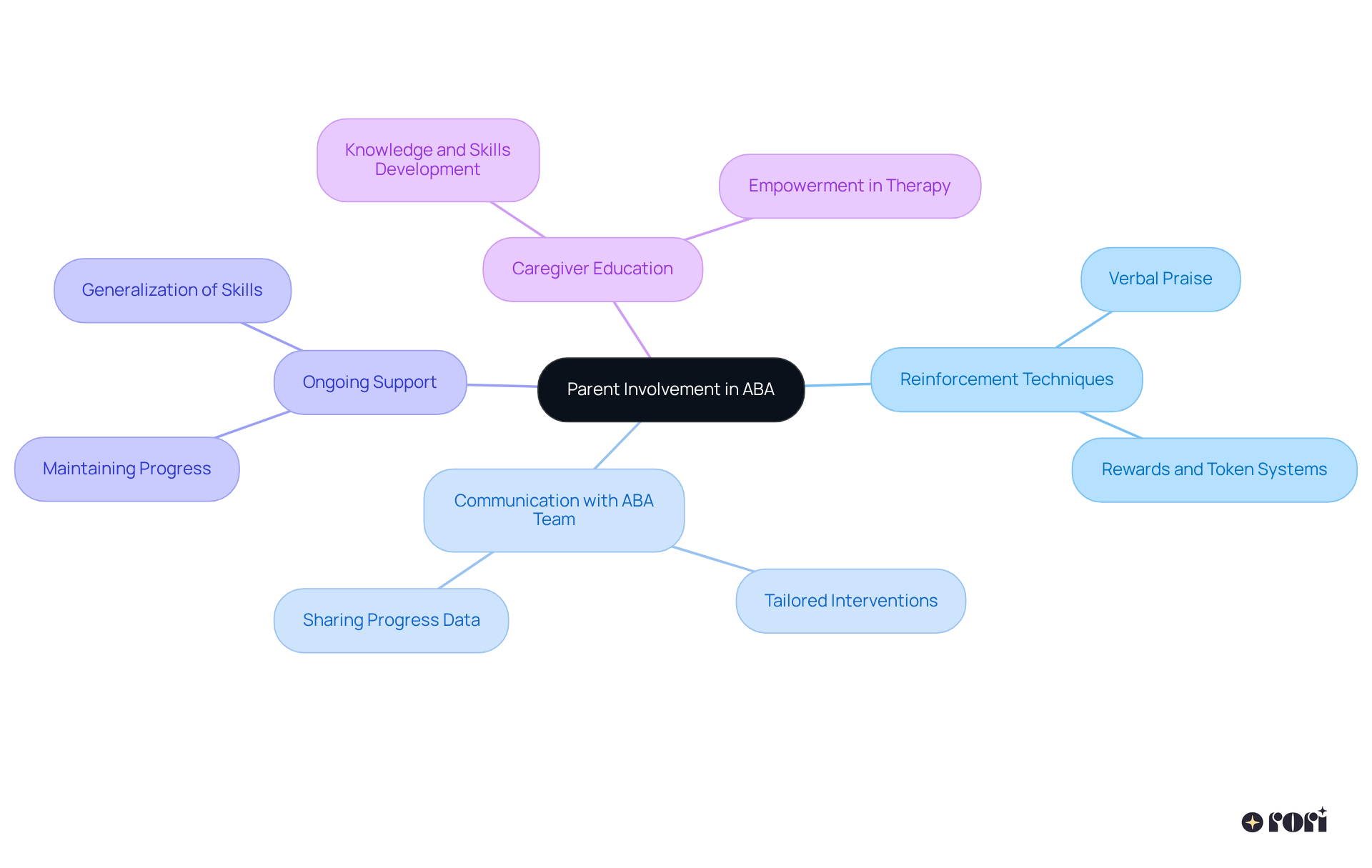
! When parents actively participate in their child's therapy, they can reinforce the strategies learned during sessions, creating a consistent learning environment at home. This partnership not only but also .
Research shows that parental engagement is essential for helping children with autism thrive. When parents use the same as therapists—like verbal praise and rewards—it encourages positive behavior and growth. Plus, helps maintain progress beyond therapy, ensuring that behavioral changes stick in real-life situations.
When parents are actively involved, they can , leading to tailored interventions that address individual challenges. here, equipping parents with the knowledge and skills they need to provide effective support at home. Ultimately, this partnership creates a nurturing environment that fosters significant behavior changes, allowing children to flourish and families to feel empowered on their journey. Let’s explore this together!
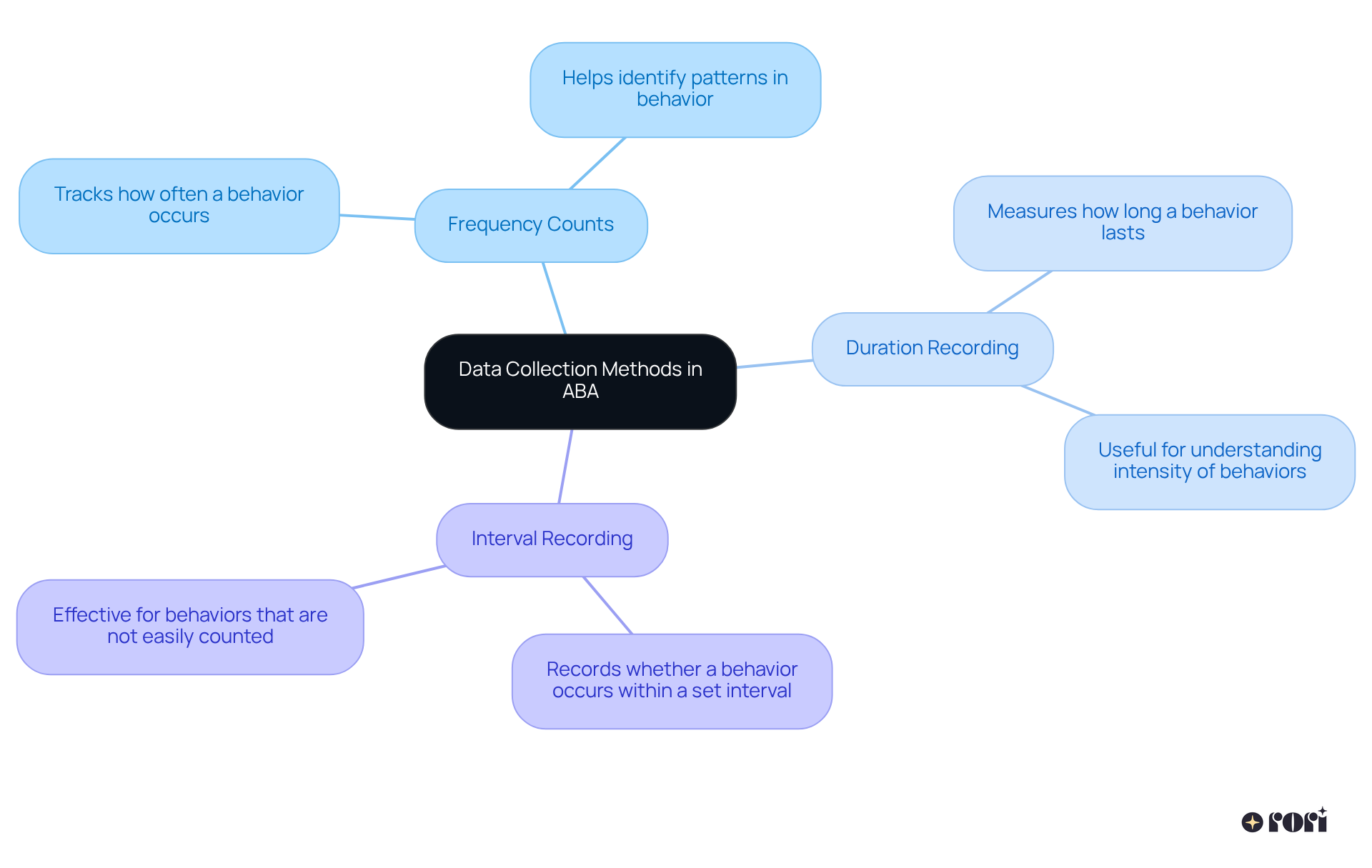
Gathering data is super important for tracking of how a young person is doing in . Techniques such as frequency counts, duration recording, and interval recording are that help us keep a close eye on progress. When we systematically gather data, including tangible ABA examples, it allows clinicians to see how are, make informed tweaks to treatment plans, and ensure that individuals are truly making strides.
At Rori Care, we take your privacy seriously! We follow standards, which means that all the technology we use for is secure, and any data we process is anonymized. We even use like LLAMA 3, GPT4v, Gemini 1.5, Claude Opus 3, and Mixtral 8x7b to enhance our data analysis, all while sticking to strict policies around data handling. This includes removing original recordings once they’re processed, so parents can request the deletion of their child’s data when our services are complete. Your are our top priorities, and we’re here to help you every step of the way!
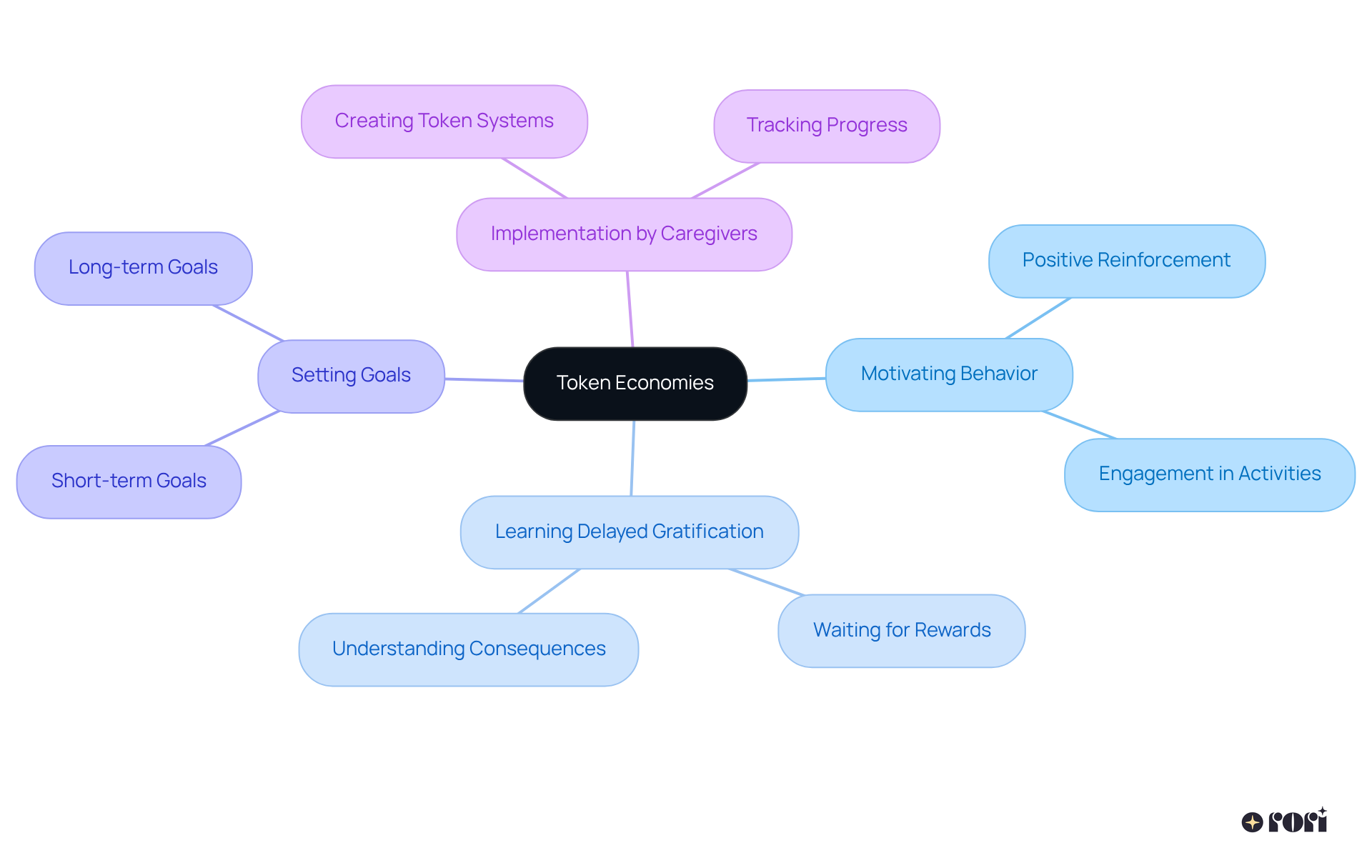
Token economies are a fun way for individuals to earn tokens by showing off their preferred actions, which they can later trade for rewards. This approach not only motivates young people to engage in but also teaches them about waiting for rewards and . By setting up a , caregivers can provide that create an enjoyable and in behavior. Let’s explore this together!
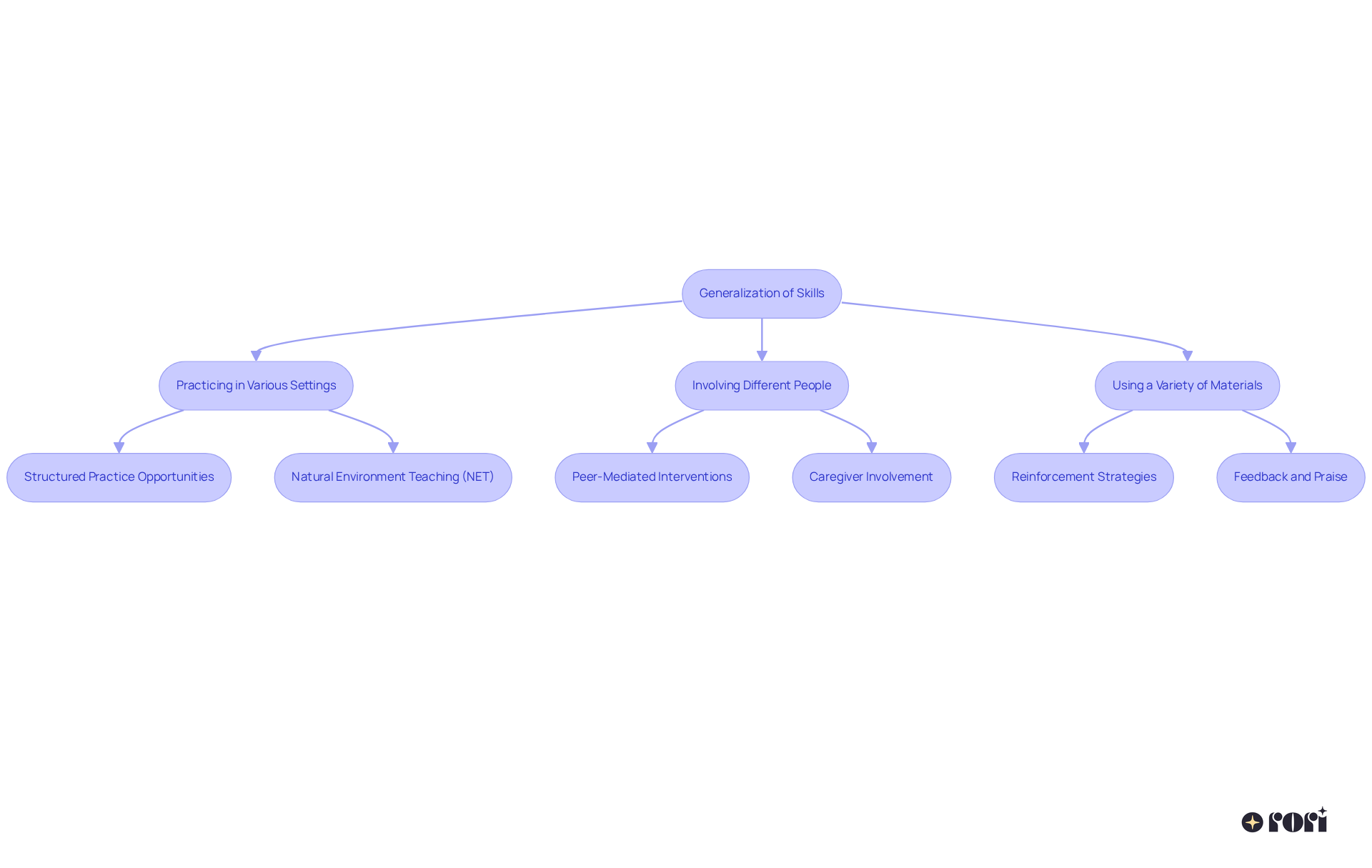
Generalization of abilities is all about a young person's knack for using learned actions in different situations. This is a key part of effective ! To make this happen, clinicians can try out some , such as:
For example, tangible ABA examples include —like playdates or community outings—that can really boost social skills and encourage meaningful engagement. Plus, research shows that reinforcement plays a vital role in generalizing those learned actions. When kids receive , they’re more likely to use their skills in real-life situations.
Getting caregivers involved in the training process is super important, too. When parents actively support what their kids learn at home, those skills are more likely to stick around. and strategies helps them make informed decisions that positively impact their child’s progress. Using methods like (NET) allows kids to learn in real-life situations, which enhances their understanding and retention.
The importance of is huge! It helps foster independence and allows individuals with autism to navigate their surroundings effectively. As one behavior analyst noted, (ASD) because it empowers them to use their skills independently in various environments. By focusing on and empowering caregivers through education, clinicians and families can work together to ensure that children not only learn new skills but also feel confident using them in their everyday lives.
To boost the effectiveness of skill transfer, caregivers are encouraged to . This way, the skills learned in sessions can be practiced and celebrated in daily routines. Let’s explore this together!
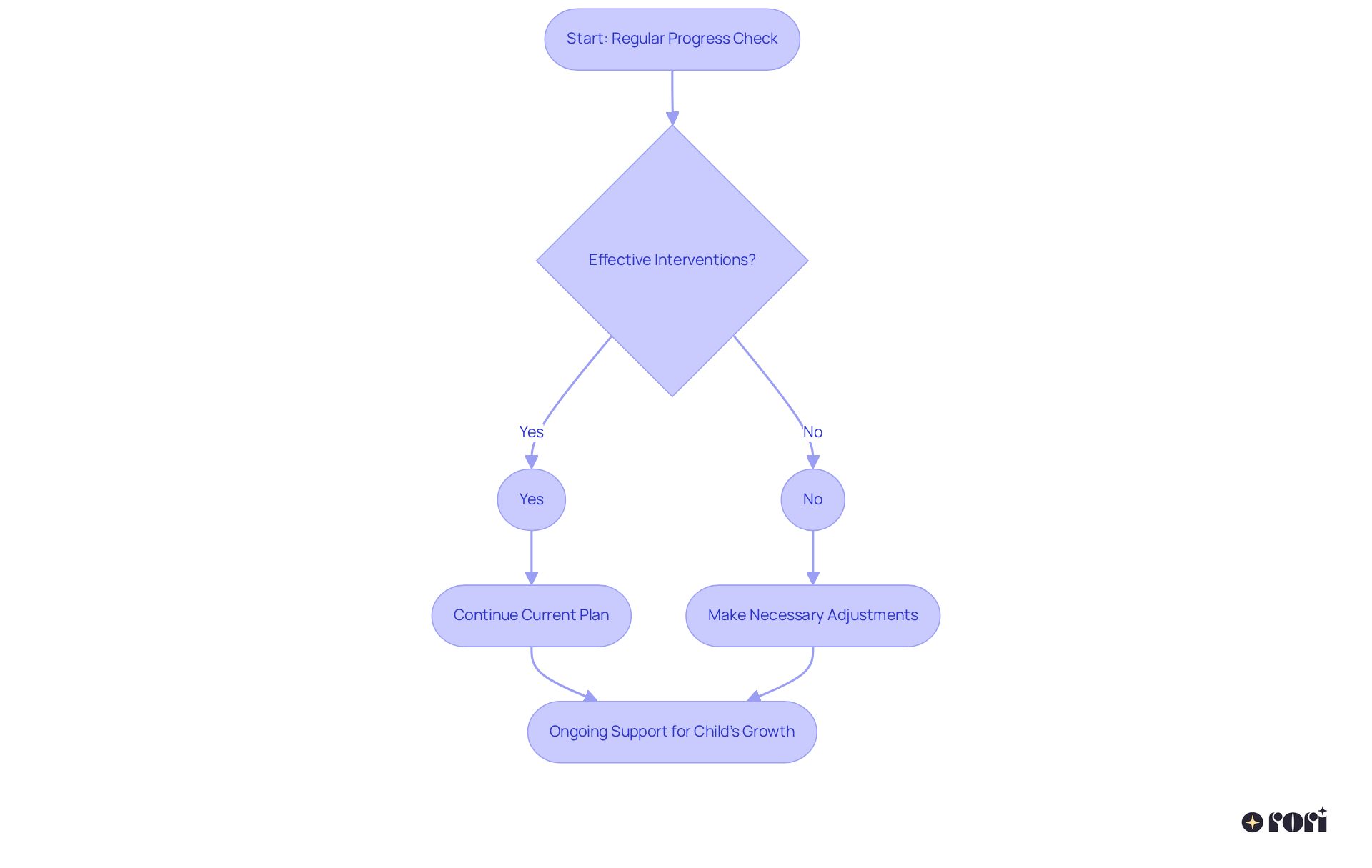
Ongoing evaluation is such an important part of ! Clinicians should regularly check in on your child's progress and the effectiveness of interventions, making any necessary adjustments to treatment plans as needed.
At Rori Care, we totally understand that can feel overwhelming for your family. That’s why we offer a to help create a with our caring team of experts.
This keeps therapy relevant and effective, ultimately . Let’s explore this together!
The effectiveness of Applied Behavior Analysis (ABA) therapy in facilitating meaningful behavior change is truly remarkable! By tailoring interventions to meet the unique needs of each child, practitioners can foster significant improvements in behavior, communication, and social skills. This personalized approach not only empowers children but also equips families with the tools they need to support their little ones effectively.
Let’s take a moment to appreciate some key insights!
These elements are essential in the therapeutic process. Each plays a vital role in creating a structured, supportive environment that encourages positive behaviors and enhances learning. Plus, with the use of visual supports and ongoing evaluation, interventions can adapt to the child's progress over time, ensuring they remain relevant and effective.
Ultimately, the journey of behavior transformation is a collaborative effort that thrives on commitment from both professionals and families. By embracing these strategies and fostering a nurturing atmosphere, caregivers can significantly impact their child's development. It’s amazing to see how the skills learned in therapy can translate into real-life situations! Engaging in this process not only benefits the child but also strengthens the family's capacity to advocate for and support their loved ones. So, let’s explore this together and make a difference in our children’s lives!
What is the approach of Rori Care towards ABA therapy?
Rori Care takes a customized approach to ABA therapy, creating personalized intervention strategies tailored to each child's specific needs based on thorough assessments performed by skilled analysts.
How does Rori Care enhance treatment time for children?
Rori Care integrates cutting-edge AI technology, which allows them to provide 50% more treatment time for children.
What is a Functional Behavior Assessment (FBA)?
A Functional Behavior Assessment (FBA) is a systematic process used to understand the reasons behind challenging behaviors by observing the child in different settings and gathering information to develop targeted interventions.
What is the success rate of interventions when recommended hours are fully implemented?
Notable progress is seen in 90% of children when the recommended hours for interventions are fully implemented, highlighting the importance of early intensive behavioral intervention (EIBI).
What is positive reinforcement and how is it used in ABA therapy?
Positive reinforcement is a strategy that involves offering a reward after a desired action to encourage that action to happen again. It can include verbal praise, tangible rewards, and special privileges, effectively promoting positive behaviors in children.
What do studies say about the effectiveness of positive reinforcement?
Research shows that positive reinforcement significantly boosts age-appropriate actions and social skills in children, particularly those with Autism Spectrum Disorders (ASD), ADHD, and learning disabilities, with a substantial effect size of 0.81.
How can caregivers effectively use positive reinforcement?
Caregivers can effectively use positive reinforcement by providing at least five praises for every one corrective statement, setting clear behavioral expectations, and rewarding children for meeting those expectations.
What lasting effects does positive reinforcement have on children?
The lessons learned through positive reinforcement often persist even after the reward system is removed, leading to lasting behavioral changes in children.