

Learning can be quite the adventure, especially for young individuals with unique developmental needs. In the world of Applied Behavior Analysis (ABA), prompting is a key player in making learning effective and nurturing independence. By diving into the eight distinct levels of prompting, caregivers and clinicians can create strategies that not only boost skill acquisition but also empower children to thrive in their educational journeys.
But what happens when these prompting techniques aren't tailored to fit each learner's specific needs? 🤔 This article explores the transformative power of customized prompting strategies in ABA therapy, shedding light on how they can significantly enhance a child's ability to learn and grow independently. Let’s explore this together!
At Rori Care, we understand how important are for . By tailoring these strategies to fit each child's unique learning style and personal needs, clinicians can significantly enhance the effectiveness of interventions. Our personalized planning ensures that every behavioral strategy is crafted to highlight the individual’s strengths while addressing their challenges, and empowering them to thrive in their learning environments.
Research shows that but also foster a sense of autonomy. This customized approach recognizes that every child is unique, and their treatment should reflect this individuality for the best outcomes. Studies indicate that in language acquisition, social engagement, and daily living skills, highlighting the importance of .
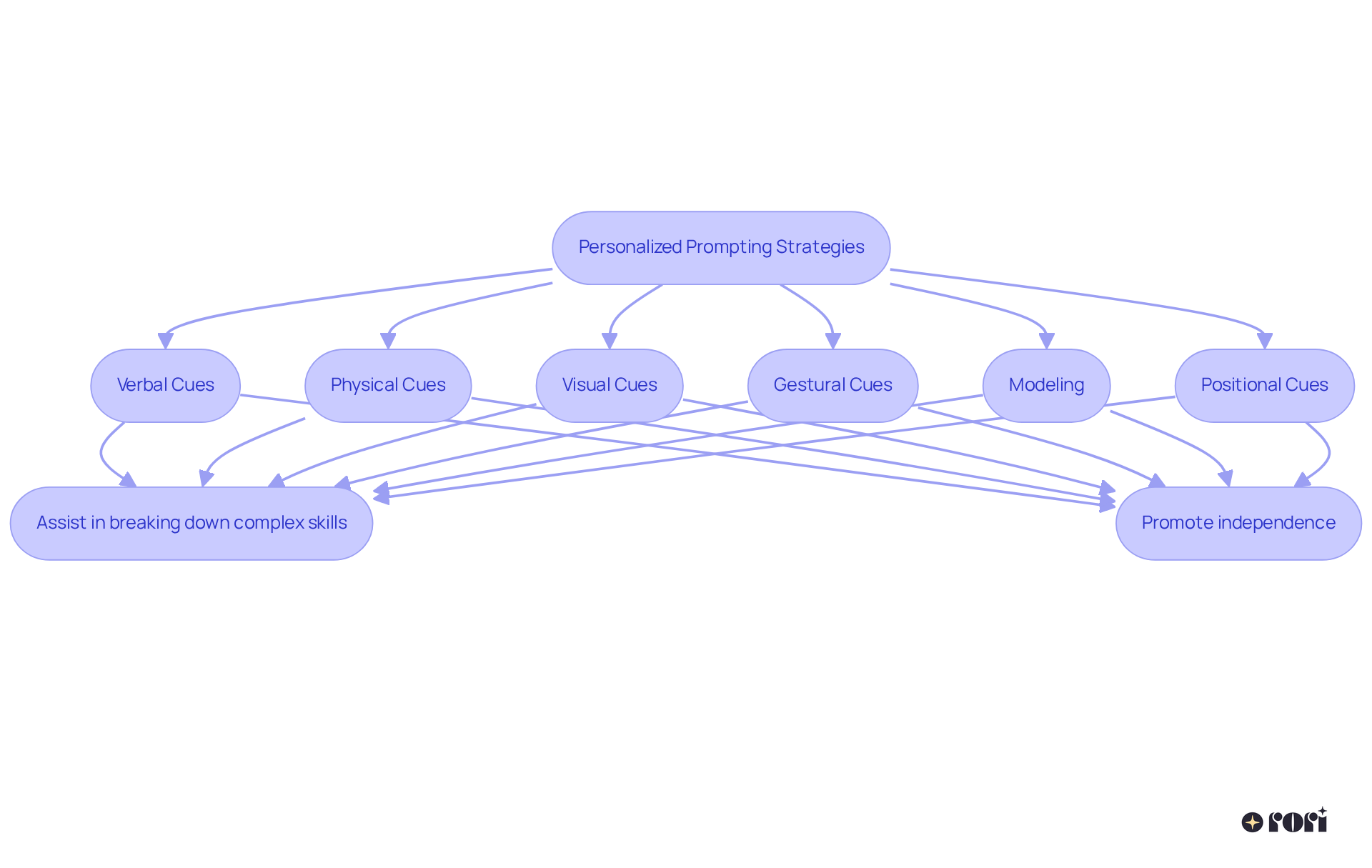
—which includes verbal, physical, visual, gestural, modeling, and positional cues—utilize to help break down complex skills into manageable parts. This ultimately boosts success and confidence in learners. By focusing on tailored encouragement, Rori Care is committed to and learn essential life skills. We continuously adapt treatment strategies based on progress reports and active caregiver involvement.
Let’s explore this journey together! We’re here to !
Least-to-most prompting is a fantastic strategy that begins with just a little support, helping young learners tackle tasks on their own. As they gain confidence, we introduce more help only when they truly need it. For instance, when teaching a child to tie their shoes, a clinician might first encourage them to give it a go solo, stepping in only if they hit a snag. This gradual approach not only boosts their skills but also reduces frustration, making the learning experience much more enjoyable.
Research backs up this method, showing that in children facing developmental challenges. One study found that in 83% of participants with intellectual disabilities. Plus, Fayge Orzel notes that 'this method , minimizes mistakes, and helps apply skills in various situations.' By , kids can develop essential life skills at their own pace, ultimately enhancing their overall quality of life.
, the are especially helpful for individuals with Autism Spectrum Disorders, ADHD, and learning disabilities. It aligns perfectly with the levels of prompting aba, emphasizing . Gathering data effectively is crucial for tracking progress, ensuring that . With active involvement from caregivers, can be adjusted based on progress reports, empowering families to support their children's behavioral goals. Let’s explore this together!
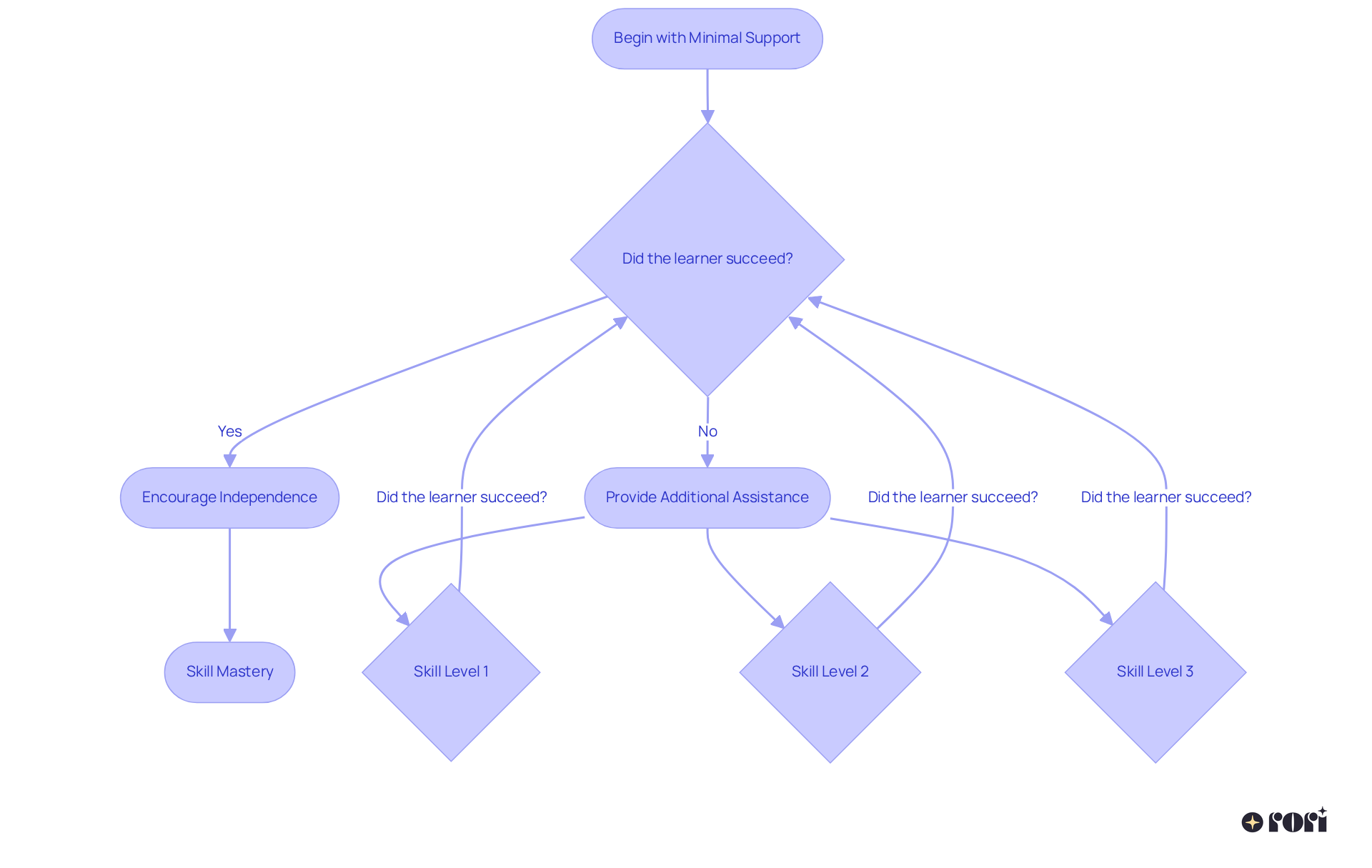
Most-to-least prompting starts with the highest level of assistance and gradually decreases as the learner becomes more proficient. This method can be a for tasks that might initially feel overwhelming. For example, when introducing a new toy, a clinician might fully demonstrate its use, then slowly step back as the child becomes more skilled. Research shows that this approach not only enhances but also empowers young individuals to take charge of their learning journey.
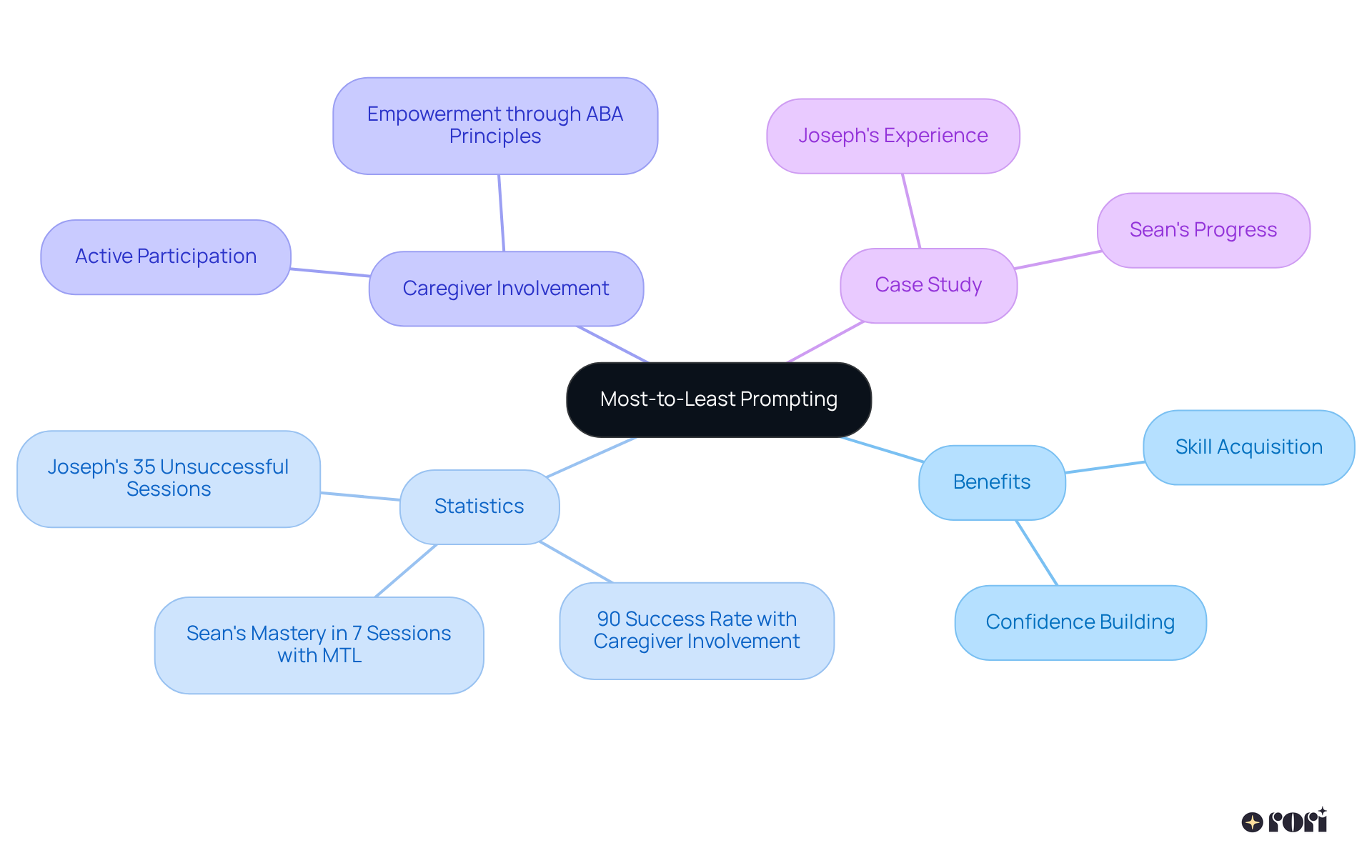
Did you know that about 90% of young individuals make significant strides when suggested therapy hours are followed through with active ? This highlights how crucial it is to start strong in . By nurturing independence through , builds confidence and self-sufficiency in young learners. Plus, the continuous assessment process ensures that interventions remain effective and can adapt to each individual's changing needs, promoting lasting positive change. This includes ongoing tweaks to based on progress reports, allowing for timely adjustments.
Consider the case of Joseph, who faced 35 unsuccessful sessions with the LTM prompt-fading procedure. His experience sheds light on the hurdles encountered without the . It really underscores the importance of beginning with and the vital role of in achieving meaningful progress. Caregivers equipped with ABA principles can make informed choices that positively influence their child's development. Let’s explore this together!
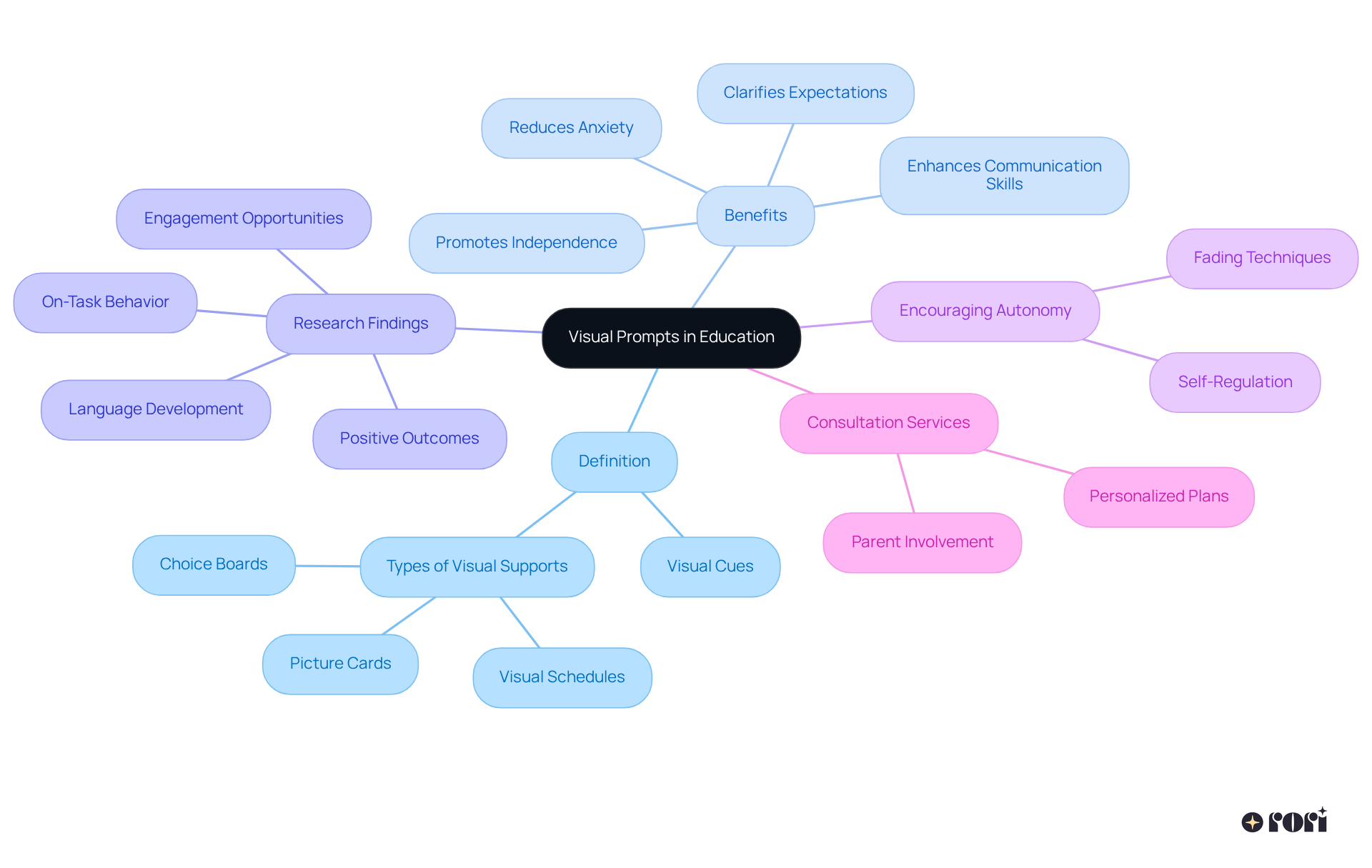
Visual prompts are a wonderful way to enhance a young learner's educational experience! By using images, symbols, or simple written instructions, these cues clarify expectations and serve as handy reference points for various tasks. For instance, a , helping little ones understand what comes next. This approach is particularly beneficial for those who might find verbal instructions a bit tricky, as it provides engagement opportunities across different .
Research shows that young individuals who utilize visual aids tend to be much more engaged during activities. In fact, 90% of participants in comprehensive in language development and adaptive skills through the use of various ! By providing organized visual signals, young learners can navigate their educational settings more effectively, leading to better comprehension and less stress during transitions.
Incorporating , allowing kids to tackle tasks independently. It's essential to maintain consistency with these visual supports across therapy and home settings, as this reinforces understanding and engagement through .
And here’s a little extra help: Rori Care offers a to assist parents in understanding how these strategies can be tailored to their child's unique needs. With crafted by certified behavior analysts, these can promote positive behavior changes and skill development, ultimately enhancing caregiver involvement and supporting children's behavioral goals. Let’s explore this together!
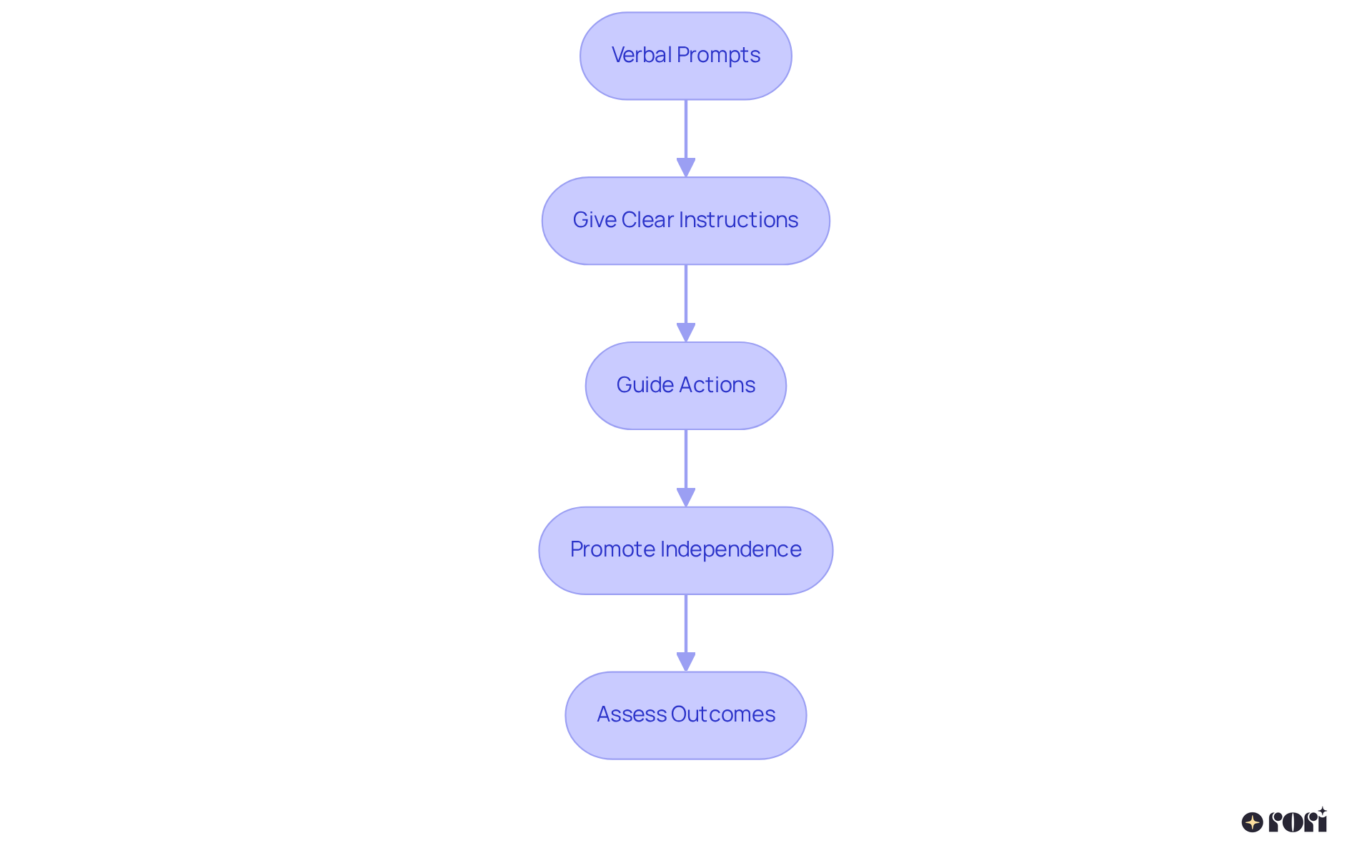
are those essential spoken instructions or cues that help guide a young person's actions in a structured way. It's important that these prompts are clear, concise, and tailored to what the young person can understand. For example, when telling a child to wash their hands, a clinician might say, 'First, turn on the water,' followed by, 'Now, get the soap.' This step-by-step guidance not only helps in processing information but also makes it easier to complete tasks.
Research shows that can lead to better and greater independence, especially for individuals with autism. By using clear , clinicians create an environment where young individuals feel empowered to learn and engage. This approach promotes meaningful and .
Qualified play a crucial role in this process. They develop that include , evidence-based strategies, and ongoing assessment to ensure each individual's unique needs are met. This tailored support, combined with active involvement from caregivers, boosts the effectiveness of verbal prompting and leads to improved behavioral outcomes.
Moreover, educating caregivers equips them with the knowledge and skills they need to support their child's development, reinforcing the in place. Let’s explore this together and see how we can make a positive impact on our young ones’ lives!
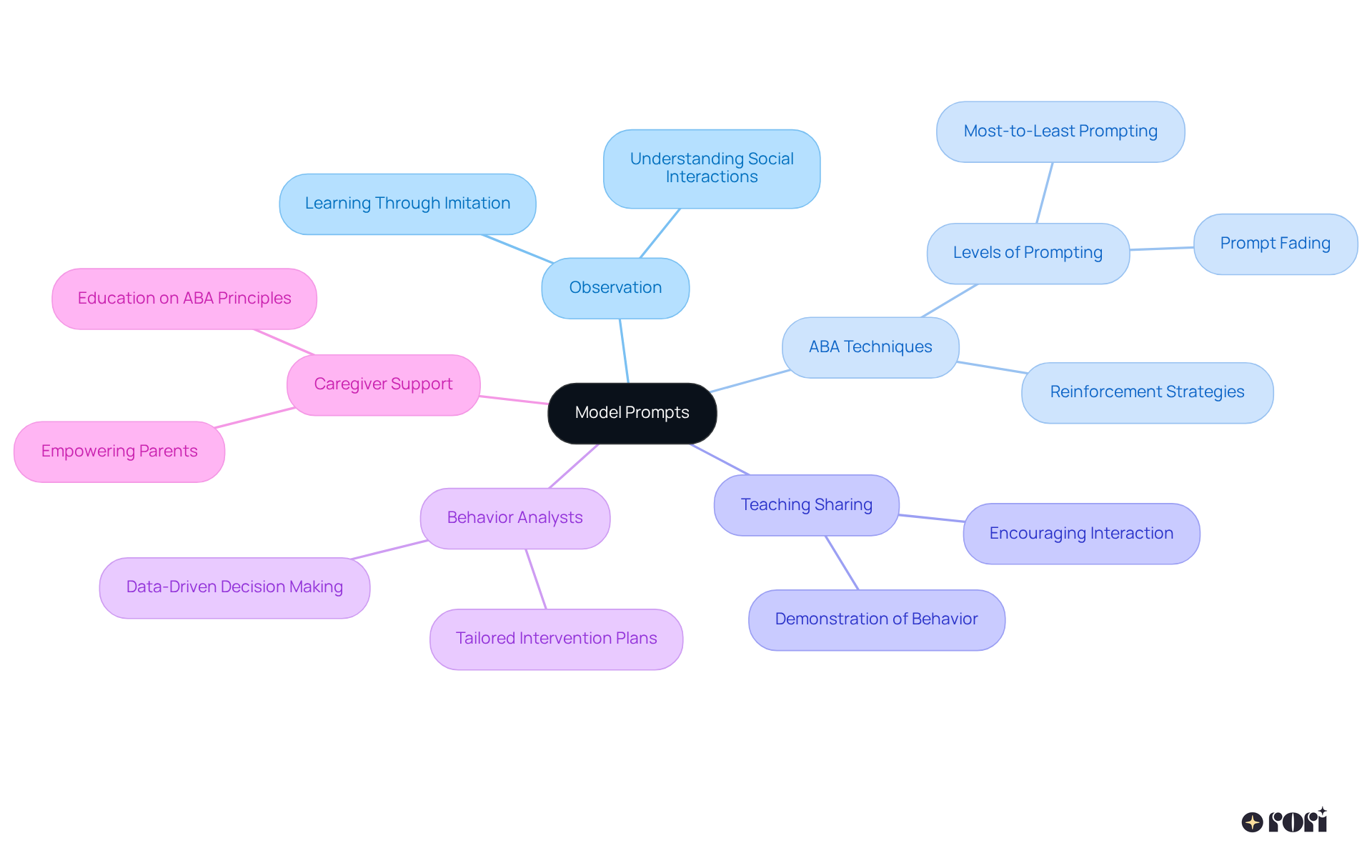
are all about showing the desired behavior or skill for learners to observe and imitate. This technique is especially effective when teaching new tasks! Children often learn best through observation, making this method crucial in autism treatment. For instance, when teaching a young person to share toys, a clinician might first demonstrate the behavior by sharing a toy with someone else. This lets the learner see the interaction firsthand, helping them understand the concept of sharing in action.
is a personalized intervention that utilizes , rooted in the science of learning and behavior. It emphasizes the importance of . By watching how behaviors are exhibited, young individuals can grasp the nuances of social interactions, which is vital for developing their and independence. Plus, , like led by trained therapists, can reduce challenging behaviors while enhancing communication and relationships. This really highlights how teaching strategies like modeling contribute to overall .
Establishing through demonstration also helps young individuals understand expectations, making their learning experience even better. Skilled play a key role in creating tailored plans that utilize to meet each individual’s unique needs. By empowering caregivers with ABA principles and strategies through education, we enable them to actively support their children’s behavioral goals. This ensures a consistent approach that complements professional interventions. Let’s explore this together and see how we can make a difference!
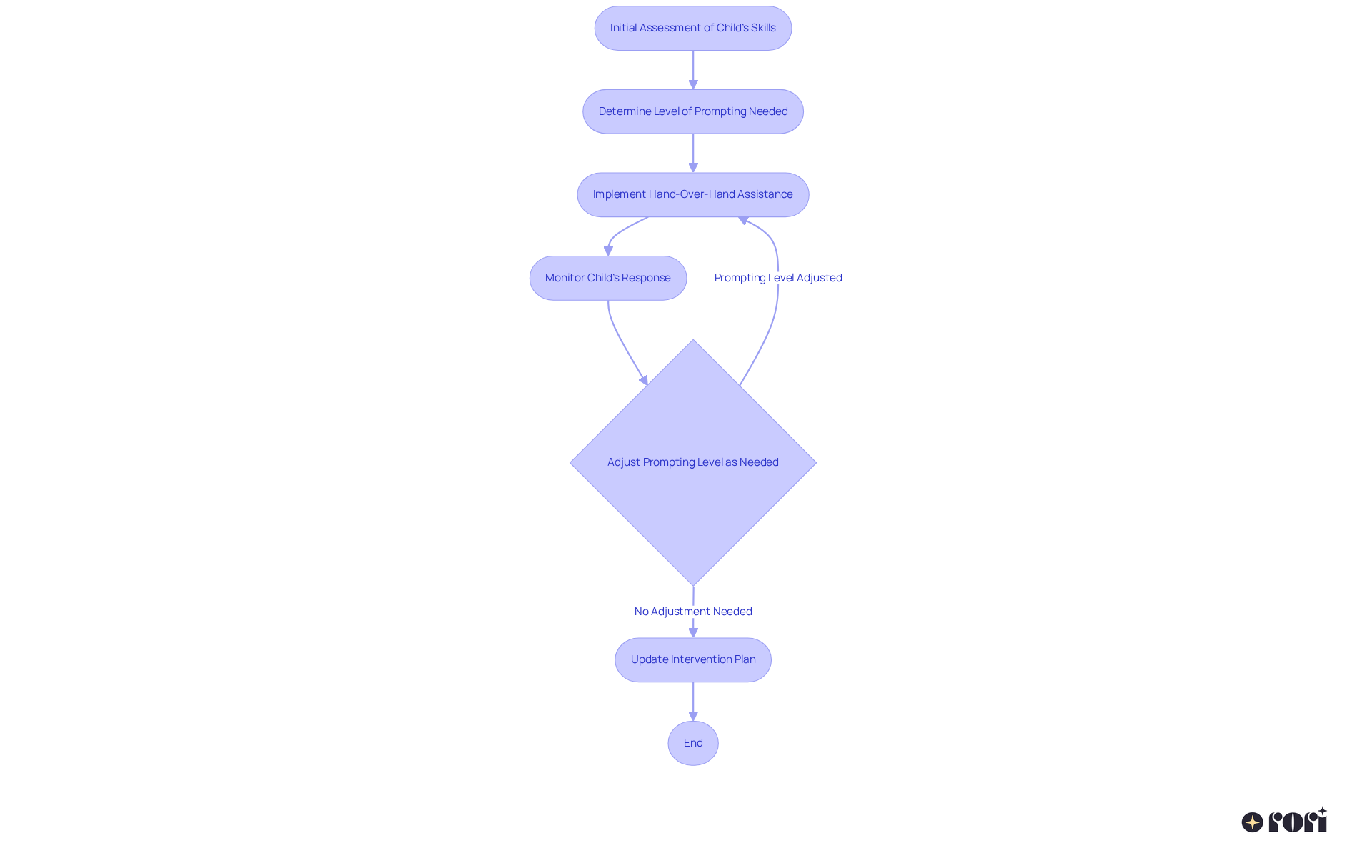
play a vital role in guiding a young person's movements, making task completion easier and more engaging. Imagine gently directing a young one's arm or using hand-over-hand assistance to show them how to do something. For example, when teaching a child to stack blocks, a clinician might place their hands over the child's hands, helping them lift and position the blocks just right. This kind of support is especially important for young individuals who might not yet have the physical skills or understanding needed to tackle tasks independently.
Research shows that utilizing can lead to . In fact, studies have found that children can make . For instance, youngsters in have demonstrated a 50% improvement in when different are applied, compared to those receiving less than 10 hours of therapy each week. By providing direct support, caregivers can significantly enhance their child's learning experience, nurturing their independence and confidence as they acquire new skills.
Additionally, the is crucial in updating based on progress report data. This ensures that with the individual's changing needs. Caregivers can actively participate by consistently implementing these strategies, . Let’s explore this together and see how we can support our young ones every step of the way!
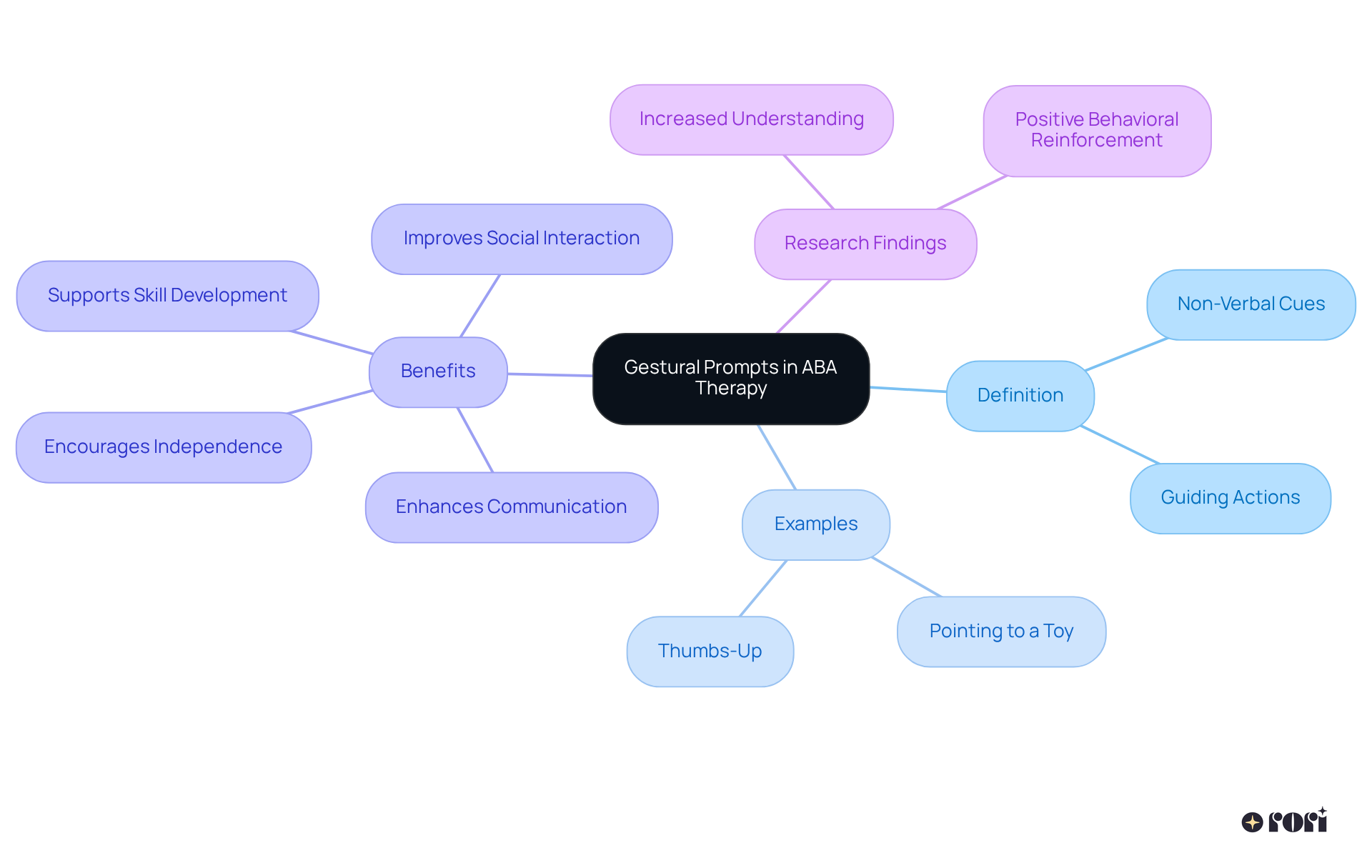
use body language and hand signals to guide a young person's actions, acting as effective . These prompts shine especially bright when might feel overwhelming or confusing. For example, a clinician might point to a toy, signaling the young one to engage with it, or use a thumbs-up gesture to reinforce . 🌟
Research shows that non-verbal signals significantly enhance communication abilities in young individuals with autism, . By incorporating , therapists create a that encourages independence and motivates young individuals to respond more effectively to their surroundings. This approach not only aids in but also helps youngsters . Let’s explore this together and see how these techniques can make a difference!
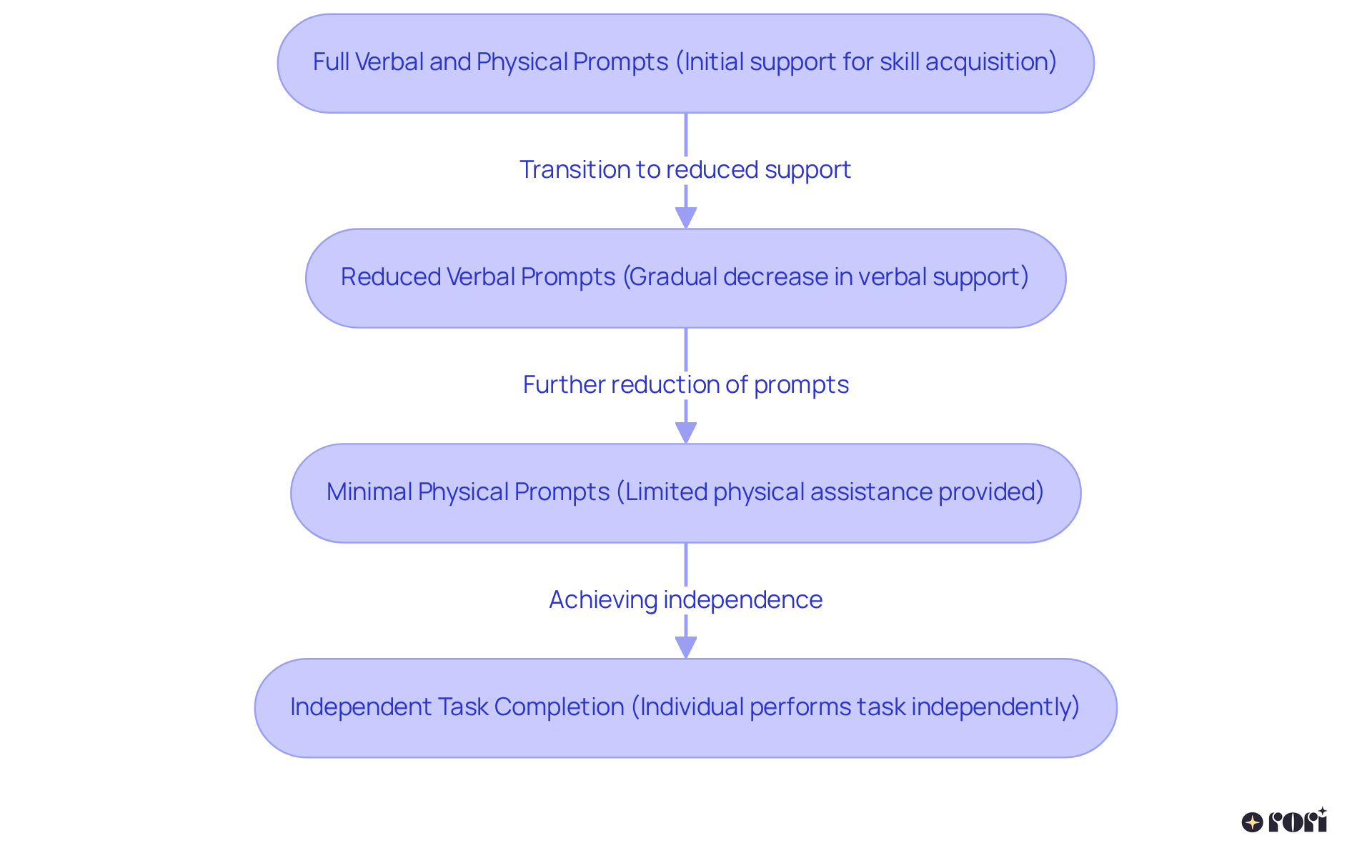
is a crucial method in ABA therapy that utilizes by gradually reducing the support given to individuals as they learn new skills. This approach is key for through , helping young individuals rely on their own abilities rather than outside cues. For instance, when teaching a child to brush their teeth, a clinician might start with full verbal and physical prompts. As the child becomes more adept, the clinician systematically adjusts the levels of prompting aba, easing back on assistance to allow the child to build confidence and independence in completing the task.
Studies reveal that this gradual change not only enhances but also empowers youngsters to tackle tasks on their own. In fact, research shows that young learners who experience effective levels of prompting aba can achieve mastery rates as high as 96%! By focusing on minimizing support, therapists can help young individuals develop to manage everyday tasks with greater self-reliance, leading to a more fulfilling and autonomous life.
in this process by practicing skills at home and gradually reducing their support as their child becomes more capable. Aligning caregiver involvement with therapeutic strategies is essential for achieving lasting and fostering a sense of ownership in the learner's educational journey. Plus, allow for , ensuring that interventions remain effective and adapt to the individual's evolving needs, ultimately boosting the program's overall efficiency.
Let’s explore this together! Your involvement can make a significant difference in your child's journey toward independence. We’re here to help you every step of the way!
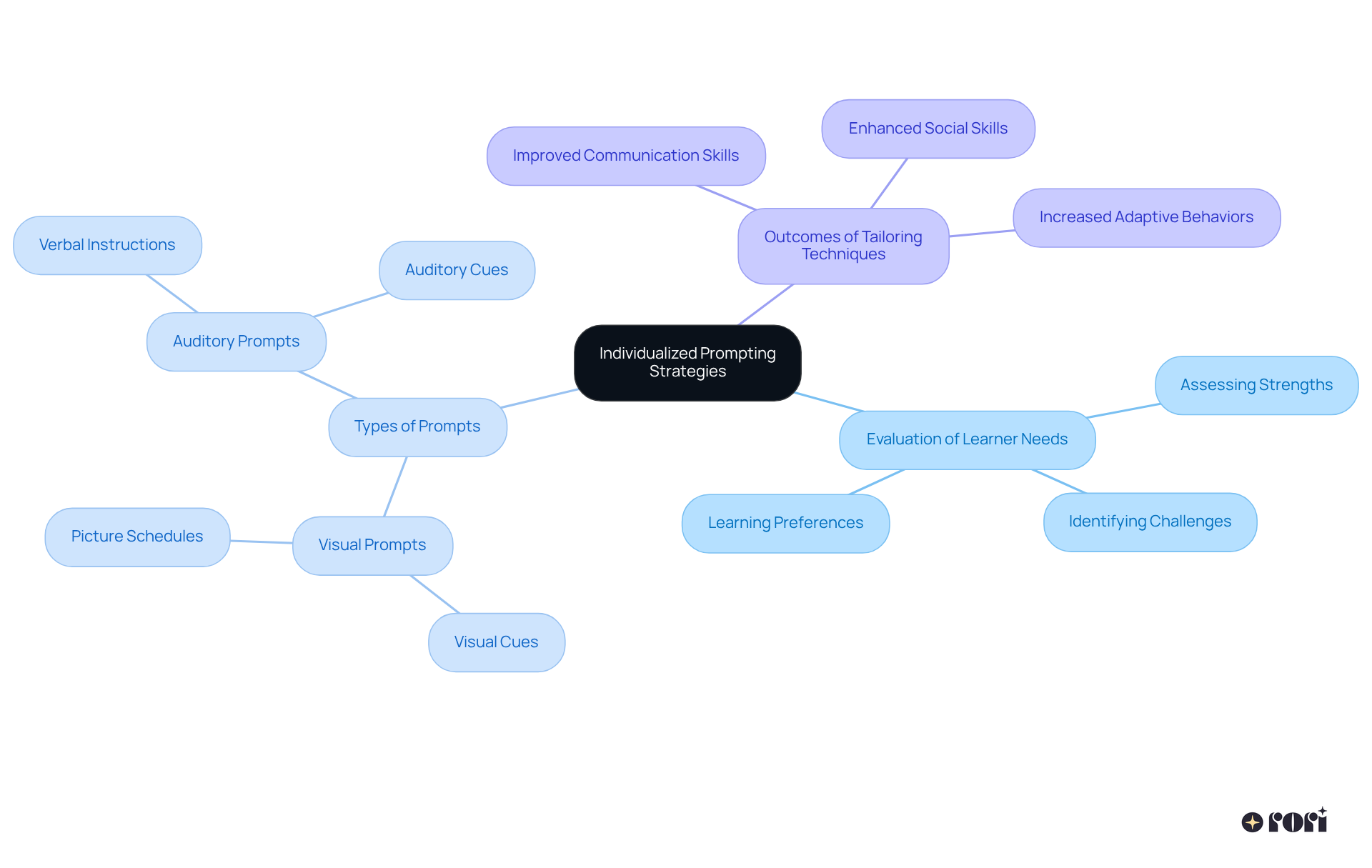
are so important for effectively meeting the . By taking the time to evaluate a child's strengths, challenges, and learning preferences, clinicians can tailor their approaches using to really .
For example, kids who respond well to visual cues might benefit from extra , while those who thrive on verbal instructions may do better with more , illustrating the different . This personalized approach not only improves educational results but also fosters a more .
Research shows that when these tailored techniques are used, children often make . This really highlights the importance of in autism treatment.
Let’s explore this together!
The levels of prompting in ABA therapy are essential for helping young individuals learn and gain independence. By using personalized prompting strategies, clinicians can tailor their interventions to meet each child's unique needs. This not only boosts their ability to acquire vital skills but also helps them build confidence in their capabilities. It’s all about addressing the specific challenges learners face and empowering them to thrive in their educational settings.
In this article, we’ve explored various prompting techniques—like least-to-most, most-to-least, visual, verbal, model, physical, and gestural prompts. Each method has its own set of benefits, contributing to skill acquisition, better communication, and greater autonomy. Research consistently shows that structured and personalized prompting can significantly enhance learning outcomes and improve the overall quality of life for children facing developmental challenges.
Ultimately, we can’t underestimate the importance of individualized prompting strategies. By actively involving caregivers and adapting interventions based on ongoing progress, we create a supportive environment where young individuals can truly flourish. The journey toward independence is a collaborative effort, and embracing these tailored techniques can profoundly impact learners’ lives. Engaging with professionals who understand the nuances of ABA therapy can set the stage for lasting positive changes, ensuring every child has the chance to succeed and grow. Let’s explore this together!
What is the main focus of Rori Care's ABA therapy?
Rori Care's ABA therapy focuses on personalized prompting strategies tailored to each child's unique learning style and needs, enhancing the effectiveness of interventions and promoting independence.
How does personalized prompting benefit children in ABA therapy?
Personalized prompting helps children learn more effectively by recognizing their individuality, fostering autonomy, and improving outcomes in language acquisition, social engagement, and daily living skills.
What are effective cueing techniques used in ABA therapy?
Effective cueing techniques include a cue hierarchy, which consists of verbal, physical, visual, gestural, modeling, and positional cues, helping to break down complex skills into manageable parts.
What is least-to-most prompting in ABA therapy?
Least-to-most prompting is a strategy that starts with minimal support, allowing learners to attempt tasks independently. Additional help is provided only when necessary, which boosts confidence and reduces frustration.
What evidence supports the effectiveness of least-to-most prompting?
Research indicates that structured reminders significantly improve self-assistance abilities in children with developmental challenges, with one study showing an 83% improvement in participants with intellectual disabilities.
How does most-to-least prompting work in ABA therapy?
Most-to-least prompting begins with the highest level of assistance and gradually decreases as the learner becomes more proficient, fostering independence and confidence in skill acquisition.
Why is caregiver involvement important in ABA therapy?
Active caregiver participation is crucial for tracking progress and adjusting treatment plans based on progress reports, which empowers families to support their children's behavioral goals effectively.
What is the significance of starting strong in ABA therapy?
Starting strong with high support in ABA therapy is essential, as research shows that about 90% of young individuals make significant progress when suggested therapy hours are consistently followed with caregiver involvement.
Can you provide an example of how prompting strategies can impact a child's learning?
An example is Joseph, who faced challenges without the most-to-least prompting method. His experience highlights the importance of beginning with high support and the role of caregiver involvement in achieving meaningful progress.


