
Introduction
Creating a nurturing environment for Applied Behavior Analysis (ABA) therapy at home can truly be a transformative journey for both children and their families. By grasping the essential principles of ABA, caregivers can cultivate a supportive atmosphere that encourages positive behavior and learning. But let’s be real – the challenge often lies in keeping things consistent and engaging throughout this process.
So, what strategies can families implement to turn their home into a haven for effective ABA therapy? Let’s explore this together! We’re here to help you every step of the way!
Understand the Essentials of ABA Therapy
Creating a supportive and consistent aba therapy atmosphere at home may seem like a big task, but it’s all about understanding the core principles of Applied Behavior Analysis (ABA). At its heart, ABA focuses on changing behaviors through reinforcement strategies. These can be positive-like rewarding desired actions-or negative, which means removing something unpleasant. Let’s break down some key concepts that can help you along the way:
- Reinforcement: Think about how positive reinforcement can really encourage those desired behaviors. For instance, if your child finishes a task, why not reward them with some praise or a little treat? It’s amazing how a bit of encouragement can go a long way!
- Data Collection: Tracking behaviors is super important for assessing progress. Keeping a record of your child’s responses can help both you and your therapist adjust strategies effectively. It’s like having a roadmap for your journey together.
- Personalized Treatment Plans: Remember, every child is unique! Their care should be tailored to their specific needs and goals. ensures that the plan is just right for them.
By getting a handle on these essentials, you’ll be in a much better position for creating a supportive and consistent aba therapy atmosphere to aid your child’s treatment journey at home. Let’s explore this together!

Establish a Structured Home Environment
Creating a structured home environment can feel like a big task, but breaking it down into a few key steps makes it manageable and rewarding. Let’s dive in!
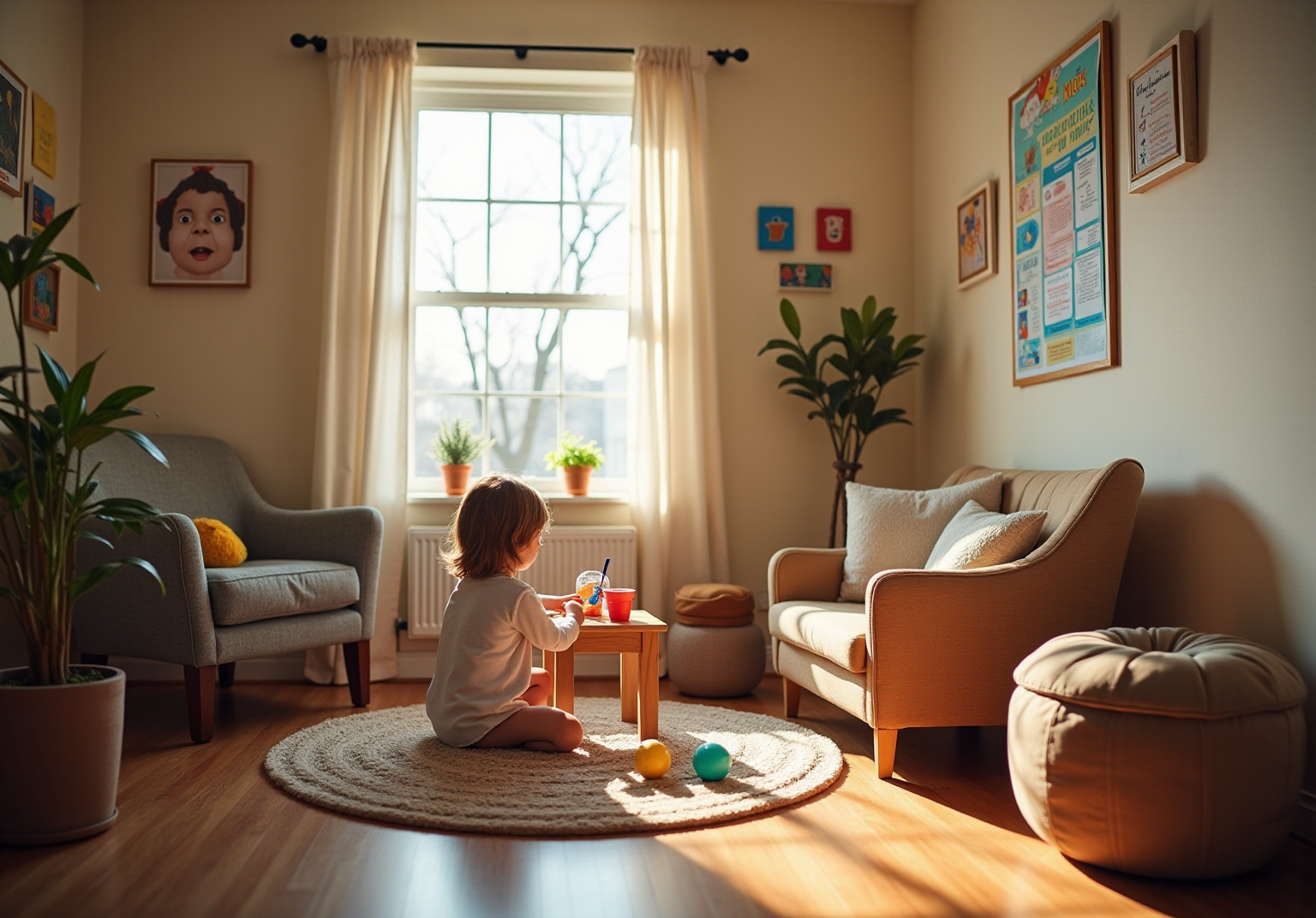
- Designate a Healing Space: Find a quiet, clutter-free area just for counseling sessions. This space should feel cozy and have all the necessary materials, like visual aids and sensory tools, to help your little one learn effectively.
- Implement Consistent Routines: Establish daily routines for meals, playtime, and treatment sessions. When kids know what to expect, it lowers their anxiety and encourages them to get involved. Research shows that when caregivers are actively involved and routines are followed, about 90% of young individuals show notable progress!
- Use Visual Supports: Visual schedules and charts can be game-changers for helping your child understand their daily activities. Studies indicate that these aids not only improve comprehension but also provide a sense of predictability, making transitions smoother for kids with autism.
- Create Calm Zones: Set up special areas in your home where your child can retreat when they feel overwhelmed. These spaces should have sensory-friendly items like weighted blankets or noise-canceling headphones, allowing them to self-regulate and find comfort.
- Promote Parental Engagement: Get involved in your child’s treatment by keeping an eye on their progress and ensuring their safety. Your participation is crucial for reinforcing the skills they learn during sessions while also creating a . Rori Care’s behavior care engine updates intervention plans after each session based on progress, giving you the insights you need to support your child’s goals.
- Foster Community Connections: Don’t hesitate to reach out to local support groups or online communities. Sharing experiences and resources with other families can provide valuable insights and additional support in creating a nurturing home environment.
By following these steps, you’ll be well on your way to creating a supportive and consistent aba therapy atmosphere that enhances your child’s learning and development in line with ABA principles. Remember, personalized support and community involvement are key, and the compassionate clinicians at Rori Care are here to help you every step of the way!

Engage Family and Professionals in the ABA Process
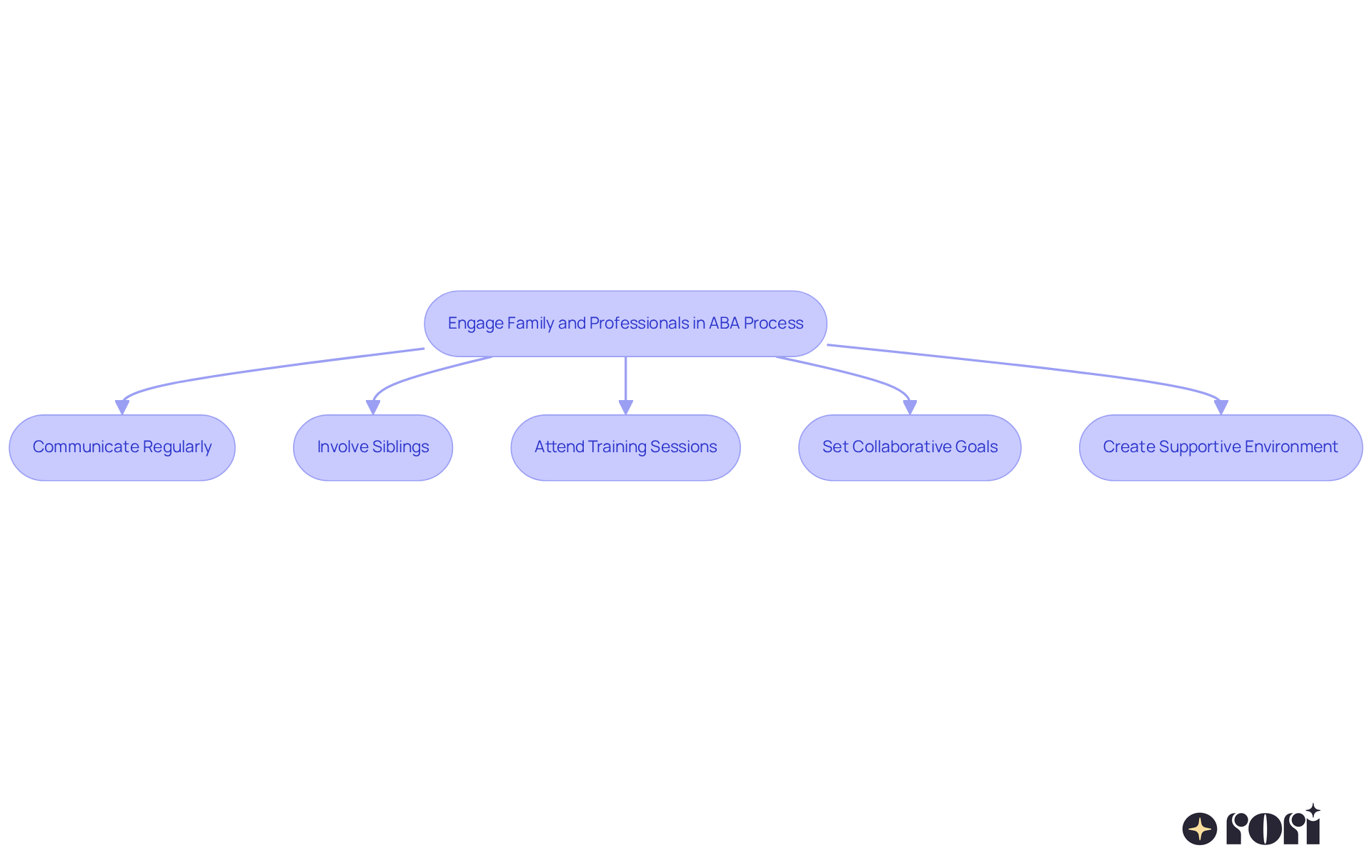
To really make ABA therapy work for your child, it’s super important to get family members and professionals involved.
- Communicate Regularly: Keep those lines of communication open with your child’s therapist! Sharing what you notice about your child’s behavior and progress helps everyone stay on the same page. It creates a team atmosphere where everyone is working together toward the same goals.
- Involve Siblings: Don’t forget about the siblings! Getting them involved in therapy activities can be a game changer. Studies show that when siblings participate, it can really help reinforce the skills your child is learning. Think about it: they can play role-playing games that mimic therapy exercises, making it fun and relatable for everyone.
- Attend Training Sessions: Jump into those training sessions offered by your child’s therapist. They’re a great way to pick up the skills you need to apply ABA strategies at home. Consistency is key, and these sessions help ensure that everyone is on the same page in your child’s environment.
- Set Collaborative Goals: Work hand-in-hand with your child’s therapist to set that fit your family’s values and routines. This teamwork makes the treatment feel more relevant and impactful in daily life.
By bringing family members and experts into the mix, you’re creating a supportive and consistent ABA therapy atmosphere that can significantly enhance your child’s experience. This leads to better outcomes and a more nurturing home environment. Let’s explore this together!
Monitor Progress and Adjust Strategies
Keeping an eye on your child’s progress in ABA therapy is super important for effective treatment. It’s all about collecting and analyzing data systematically, and here’s how you can do it:
- Track Behaviors: Start by using simple data collection methods like frequency counts to see how often a behavior pops up, or duration recordings to measure how long a behavior lasts. These techniques can really shine a light on behavioral trends and highlight areas that might need a little extra love.
- Review Progress Reports: Make it a habit to check out the progress reports from your child’s therapist. These reports not only celebrate achievements but also pinpoint areas that might need more focus. With Rori Care’s behavior care engine, behavior intervention and are updated after each session based on what’s been achieved, ensuring the therapy stays tailored to your child’s changing needs.
- Adjust Strategies: Team up with your child’s therapist to tweak strategies based on the data you’ve collected. If something isn’t working, don’t hesitate to explore new techniques or adjust the ones you’re using. Continuous data collection is key to customizing each individual’s ABA therapy plan, helping them flourish. Our behavior analysts use evidence-based strategies rooted in the latest research, so you can trust that the best methods for behavior change are being applied.
- Celebrate Achievements: Don’t forget to celebrate your child’s progress, no matter how small it may seem! Positive reinforcement for achievements boosts motivation and reinforces learning, which is essential for creating a supportive and consistent ABA therapy atmosphere for growth.
By actively monitoring progress and making necessary adjustments – like setting measurable goals and conducting ongoing evaluations – you’re ensuring that your loved one’s ABA treatment is effective and tailored just for them. Engaging in your child’s therapy can lead to amazing outcomes. In fact, studies show that “90% of individuals show remarkable progress when caregivers are actively engaged in ABA therapy.” Let’s explore this journey together!

Conclusion
Creating a nurturing and consistent atmosphere for ABA therapy at home is so important for supporting your child’s development. By getting to know the core principles of Applied Behavior Analysis and setting up structured routines, you can really enhance your child’s learning experience. A supportive environment, filled with positive reinforcement, personalized treatment plans, and active family involvement, lays the groundwork for effective therapy.
To achieve this, think about establishing a dedicated healing space, keeping daily routines consistent, and using visual supports to help with understanding. Engaging family members, especially siblings, in the therapy process creates a collaborative environment that reinforces learning. Plus, monitoring progress through systematic data collection and regular chats with therapists ensures that strategies stay effective and tailored to your child’s evolving needs.
Ultimately, creating a supportive ABA therapy atmosphere is a team effort that requires commitment and flexibility. By prioritizing structure, engagement, and open communication, you can create a thriving environment that not only supports your child’s therapeutic goals but also enriches family dynamics. Embracing these principles can lead to amazing outcomes, empowering your child to reach their full potential on their therapy journey. Let’s explore this together!
Frequently Asked Questions
What is the main focus of Applied Behavior Analysis (ABA) therapy?
ABA therapy focuses on changing behaviors through reinforcement strategies, which can be either positive (rewarding desired actions) or negative (removing something unpleasant).
How can positive reinforcement be used in ABA therapy?
Positive reinforcement can encourage desired behaviors by rewarding actions, such as praising a child or giving them a small treat when they complete a task.
Why is data collection important in ABA therapy?
Data collection is crucial for assessing progress, as it allows parents and therapists to track behaviors and adjust strategies effectively, acting as a roadmap for the therapy journey.
How should treatment plans be tailored in ABA therapy?
Treatment plans should be personalized to meet the unique needs and goals of each child, and collaborating with the child’s therapist ensures that the plan is appropriate for them.
What is the overall goal of creating a supportive atmosphere for ABA therapy at home?
The goal is to create a consistent environment that aids the child’s treatment journey, making it easier to implement ABA principles effectively.