
Introduction
Toilet training can feel like a daunting task for many parents, especially when it comes to the unique challenges faced by children on the autism spectrum. But don’t worry! By using the principles of Applied Behavior Analysis (ABA), caregivers can break this complex process down into manageable steps that promote independence and confidence.
Now, what happens when traditional methods just don’t seem to work, and kids resist using the toilet? 🤔 This article dives into effective ABA toilet training techniques that not only empower parents but also create a supportive learning environment for their children. Together, we’ll celebrate every small victory along the way! Let’s explore this journey together!
Understand the Principles of ABA Therapy for Toilet Training
Applied Behavior Analysis (ABA) is a systematic approach that helps us understand and change behavior through reinforcement and structured interventions. When it comes to bathroom instruction, effective really shine by breaking this complex task into smaller, manageable steps. This way, kids can learn at their own pace, which helps reduce anxiety and frustration. Let’s dive into some key principles:
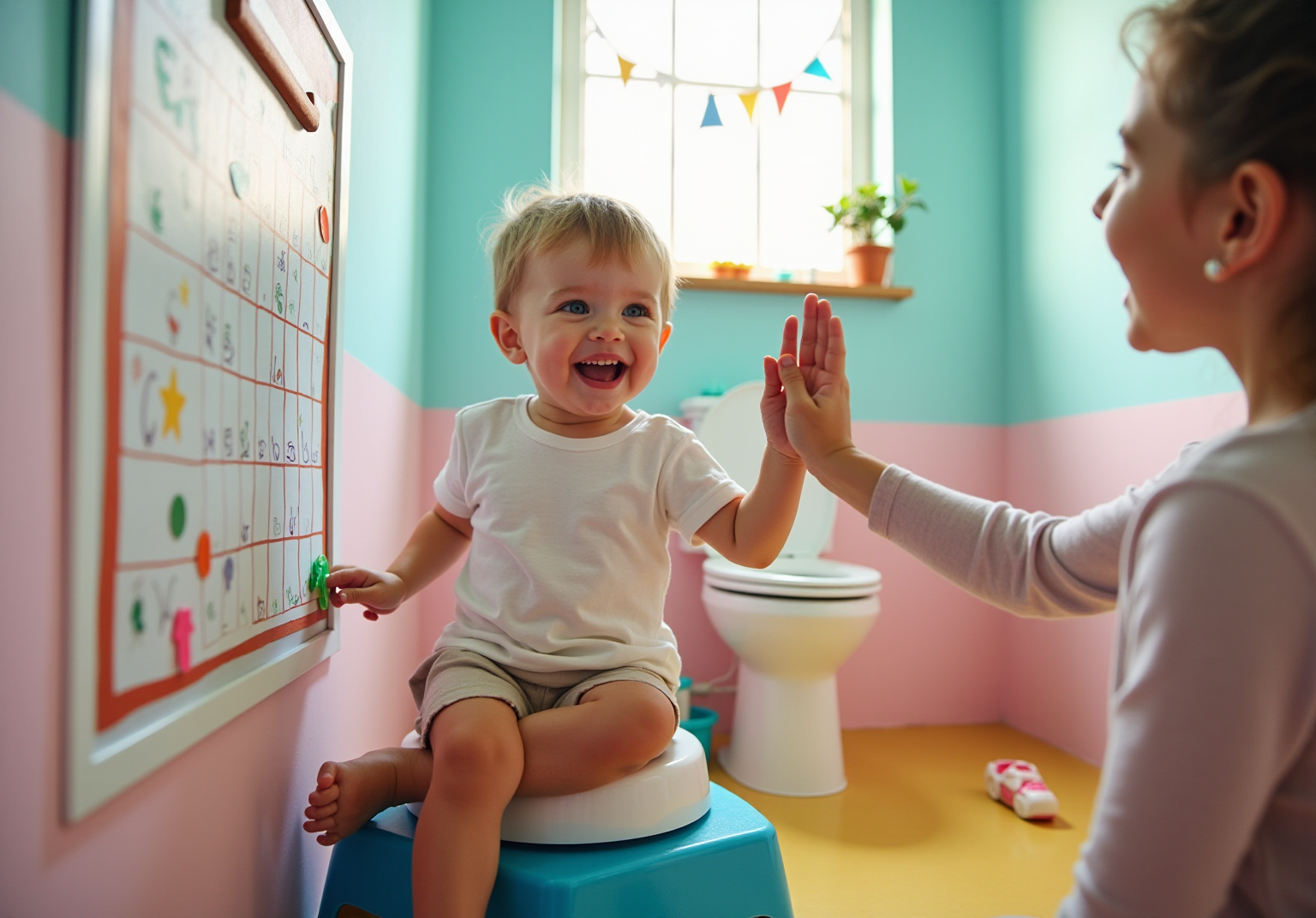
- : Think of it as giving a high-five for good behavior! When a child successfully uses the bathroom, offering immediate praise or a small reward can really encourage them to do it again. Research shows that is crucial for keeping kids motivated and engaged throughout their learning journey.
- : This is all about breaking down the – like recognizing the urge to go, undressing, sitting on the toilet, and flushing. Teaching each step one at a time helps prevent overwhelming the learner, making the whole experience smoother. Many case studies show that kids who learn through often find success more quickly.
- : Keeping track of your child’s progress is super important! By monitoring their successful attempts and challenges, parents can tailor their approach to meet their child’s unique needs. Regularly collecting data has been linked to better outcomes, as it helps caregivers spot patterns and make informed decisions about the learning process.
By using , parents can that fosters independence and confidence in their kids. Plus, when caregivers are equipped with , they feel more empowered to support their children’s behavioral goals. Together, we can create a collaborative approach that leads to better results. Let’s explore this together!

Conduct Comprehensive Assessments and Develop Tailored Plans
Before diving into toilet training, it’s super important to take a good look at where your child is right now. can really set the stage for success! Here are a few key areas to focus on:
- : Keep an eye on your child’s toileting habits. Are they showing interest in the bathroom? Can they stay dry for longer periods? Research shows that kids on the autism spectrum often pick up daytime toileting skills a bit later than their neurotypical friends, so these observations are crucial.
- : How well can your child express their needs? For those who might not use many words, visual aids or gestures can really help bridge the gap. Good communication is key, especially since many kids with autism find it tricky to share their toileting needs.
- : Take a moment to assess your child’s physical abilities. Can they undress themselves? Sit on the toilet? Balance comfortably? Also, think about any sensory sensitivities that might make the bathroom feel overwhelming. These factors can really impact how smoothly the training goes.
Once you’ve wrapped up the assessment, it’s time to craft a using effective ! This plan should while addressing any challenges they might face. Make sure to outline clear goals, strategies, and timelines, but keep it flexible to adapt as your child progresses. For instance, many success stories show that can lead to great outcomes, especially when kids receive .
Let’s explore this together! Remember, you’re not alone in this journey, and we’re here to help you every step of the way!

Implement Positive Reinforcement Strategies for Motivation
is such a powerful tool in , especially when implementing ! Let’s explore some that can make this journey a little easier:
- : Right after your child successfully uses the toilet, offer like verbal praise, stickers, or small toys. This not only reinforces the behavior but also encourages them to keep it up! Research shows that immediate reinforcement can really boost the chances of those desired behaviors being repeated.
- Create a : How about using a visual chart to track their successes? Each time your little one uses the restroom successfully, they can place a sticker on the chart. After they gather a certain number of stickers, they can earn a bigger reward, like a special outing or a fun toy. Many parents have found that , including s, can effectively motivate their kids and make a more engaging process.
- : Don’t forget to celebrate not just the successful toilet use but also the little steps along the way, like sitting on the toilet or even just communicating the need to go. Using builds their confidence and keeps them motivated. Recognizing those milestones, no matter how small, can really enhance a child’s willingness to keep progressing.
- Include Fun: Let’s make this process enjoyable! or songs related to can help reduce anxiety and create a positive vibe around using the toilet. When kids are involved in a fun way, they’re more likely to adopt healthy bathroom habits. After all, who doesn’t love a little fun while learning?
So, let’s embrace this journey together! We’re here to help you every step of the way!

Address Challenges and Maintain Consistency in Training
Toilet training can be quite the adventure, can’t it? But with the right strategies, parents can tackle these challenges head-on:
- Consistency is Key: is super important. Using , taking your little one to the toilet at consistent intervals-even if they don’t seem to need it-helps build a habit and reduces accidents. Implementing through a steady not only fosters a sense of security but also boosts confidence in kids, making the whole process smoother. Did you know that nearly 50% of kids with autism face ? That’s why rely heavily on having a structured routine. Plus, when caregivers are educated, they’re better equipped to implement , which leads to improved outcomes for everyone.
- Stay Calm During Setbacks: Accidents? Totally normal! When they happen, it’s key to respond calmly and skip the punishment. Instead, think of these moments as chances to reinforce . Celebrating those little victories-like a successful potty trip-can really lift a child’s confidence and motivation. As Dr. Jennifer Zubler points out, delayed mastery of toileting skills can ramp up anxiety and lower self-esteem, making the use of essential. When caregivers are informed, they can make better decisions, easing stress and enhancing family dynamics.
- Adjust Strategies as Needed: Flexibility is a must in toilet training. If a certain method isn’t working, don’t hesitate to tweak your approach. This might mean changing up rewards, adjusting the schedule, or even reaching out for extra support from a . Tailoring the method to fit your child’s unique needs can really enhance the effectiveness of the . And let’s not forget about -Dr. Zubler emphasizes their impact on . When caregivers understand these factors, they can make , leading to better results.
- Involve All Caregivers: It’s so important that everyone involved in your child’s care is on the same page. Consistent communication and support from all caregivers can significantly enhance the effectiveness of effective ABA toilet training techniques. When caregivers communicate well, it creates a unified approach, reducing uncertainty for the child and strengthening the learning process. A case study even shows that a among caregivers is key to potty success, highlighting the benefits of effective ABA toilet training techniques in fostering teamwork.
- Addressing Common Challenges: Many children with autism encounter specific hurdles during toilet training, like resistance linked to or social awareness deficits. By , parents can implement effective ABA toilet training techniques, including increasing bathroom breaks or using visual aids to support communication. Tackling these factors can help ease resistance and promote successful potty training outcomes. The insights gained through caregiver education empower parents to face these challenges with confidence.

Conclusion
Toilet training can feel like a daunting journey, especially for parents of children with autism. But effective ABA techniques can really make a difference! By focusing on positive reinforcement and tailored assessments, you can create a supportive environment that helps your child gain independence and confidence. It’s all about simplifying the learning process and empowering you as a caregiver.
One key takeaway is to really understand your child’s unique needs. Observing their behavior and communicating effectively can guide you in implementing strategies like immediate rewards and reward charts. Celebrating those small victories? That’s a game changer! It keeps motivation high and makes the training process more engaging. Plus, remember that consistency and flexibility in your routines are crucial for overcoming challenges and ensuring long-term success.
Ultimately, toilet training isn’t just about reaching a goal; it’s about nurturing a positive experience that builds self-esteem. By embracing effective ABA techniques and collaborating with other caregivers, you can create a supportive environment that leads to success. Taking these steps not only benefits your child but also strengthens family dynamics, turning the toilet training adventure into a shared success. Let’s explore this together! We’re here to help you every step of the way!
Frequently Asked Questions
What is ABA therapy in the context of toilet training?
ABA therapy, or Applied Behavior Analysis, is a systematic approach that helps understand and change behavior through reinforcement and structured interventions, specifically tailored for toilet training by breaking the task into manageable steps.
How does positive reinforcement work in toilet training?
Positive reinforcement involves offering immediate praise or small rewards when a child successfully uses the bathroom. This encourages them to repeat the behavior and keeps them motivated throughout the learning process.
What is task analysis in ABA toilet training?
Task analysis involves breaking down the toilet training process into specific steps, such as recognizing the urge to go, undressing, sitting on the toilet, and flushing. Teaching each step individually helps prevent overwhelming the child and facilitates smoother learning.
Why is data collection important in ABA toilet training?
Data collection is crucial for tracking a child’s progress, as it allows parents to monitor successful attempts and challenges. This information helps tailor the training approach to meet the child’s unique needs and leads to better outcomes.
How can ABA techniques create a positive bathroom learning environment?
By using effective ABA toilet training techniques, parents can foster a warm and supportive environment that encourages independence and confidence in their children, making the learning process more effective.
How do ABA strategies empower caregivers in toilet training?
Caregivers equipped with ABA strategies feel more empowered to support their children’s behavioral goals, leading to a collaborative approach that enhances the effectiveness of toilet training efforts.
List of Sources
- Understand the Principles of ABA Therapy for Toilet Training
- What to Know About Toilet Training Your Child with Autism – SPARK for Autism (https://sparkforautism.org/discover_article/toilet-training-autism)
- Inspirational ABA and Autism Quotes – Mrs. Moe’s Modifications (https://mrsmoesmodifications.com/inspirational-aba-and-autism-quotes)
- Using Applied Behavior Analysis for Toilet Training Strategies (https://heartwisesupport.org/post/using-applied-behavior-analysis-for-toilet-training-strategies)
- magnetaba.com (https://magnetaba.com/blog/aba-therapy-and-toilet-training)
- linksaba.com (https://linksaba.com/teaching-toileting-skills-using-aba)
- Conduct Comprehensive Assessments and Develop Tailored Plans
- Sequential Acquisition of Toilet-Training Skills: A Descriptive Study of Gender and Age Differences in Normal Children (https://publications.aap.org/pediatrics/article/109/3/e48/79784/Sequential-Acquisition-of-Toilet-Training-Skills-A)
- Before the Potty Party: Preparing Practitioners for Toilet Training – Behavior Analysis in Practice (https://link.springer.com/article/10.1007/s40617-025-01105-5)
- Toilet training interventions for children with autism spectrum disorder: A systematic review (https://sciencedirect.com/science/article/abs/pii/S1750946722001362)
- Toilet Training Children With Autism and Developmental Delays: An Effective Program for School Settings – PMC (https://pmc.ncbi.nlm.nih.gov/articles/PMC3592490)
- How to Use ABA Strategies for Successful Toilet Training (https://adinaaba.com/post/how-to-use-aba-strategies-for-successful-toilet-training)
- Implement Positive Reinforcement Strategies for Motivation
- The Power of Positive Reinforcement in Toilet Training – Positive Solutions Behavior Group (https://positivesolutionsbehaviorgroup.com/the-power-of-positive-reinforcement-in-toilet-training)
- The Role of Positive Reinforcement in ABA Therapy for Children with Autism (https://yellowbusaba.com/post/the-role-of-positive-reinforcement-in-aba-therapy-for-children-with-autism)
- Success Rates of ABA Therapy | Advanced Autism Services (https://advancedautism.com/post/success-rates-of-aba-therapy)
- Rewards for successful use of toilet – Achievements ABA Therapy (https://achievementstherapy.com/rewards-for-successful-use-of-toilet)
- Inspirational ABA and Autism Quotes – Mrs. Moe’s Modifications (https://mrsmoesmodifications.com/inspirational-aba-and-autism-quotes)
- Address Challenges and Maintain Consistency in Training
- Potty Training Quotes (5 quotes) (https://goodreads.com/quotes/tag/potty-training)
- Key Factors in Successful Potty Training | Rivertowns Pediatrics (https://rivertownspeds.com/consistency-and-routine-key-factors-in-successful-potty-training)
- Toileting Resistance Among Preschool Age Children With and Without Autism Spectrum Disorder – PMC (https://pmc.ncbi.nlm.nih.gov/articles/PMC9050947)