In the world of education, enhancing academic performance is a journey many parents embark on, especially when their children face unique challenges. 🌟 ABA therapy, with its evidence-based strategies, offers a fantastic toolkit for both educators and parents, aiming to nurture positive behaviors and boost learning outcomes. But how can we effectively implement these techniques to truly make a difference in our child's educational journey?
Let’s explore this together! This article dives into four proven strategies that harness the principles of ABA therapy. These strategies provide a roadmap for cultivating motivation, focus, and social skills in young learners, ultimately leading to academic success. We’re here to help you every step of the way!
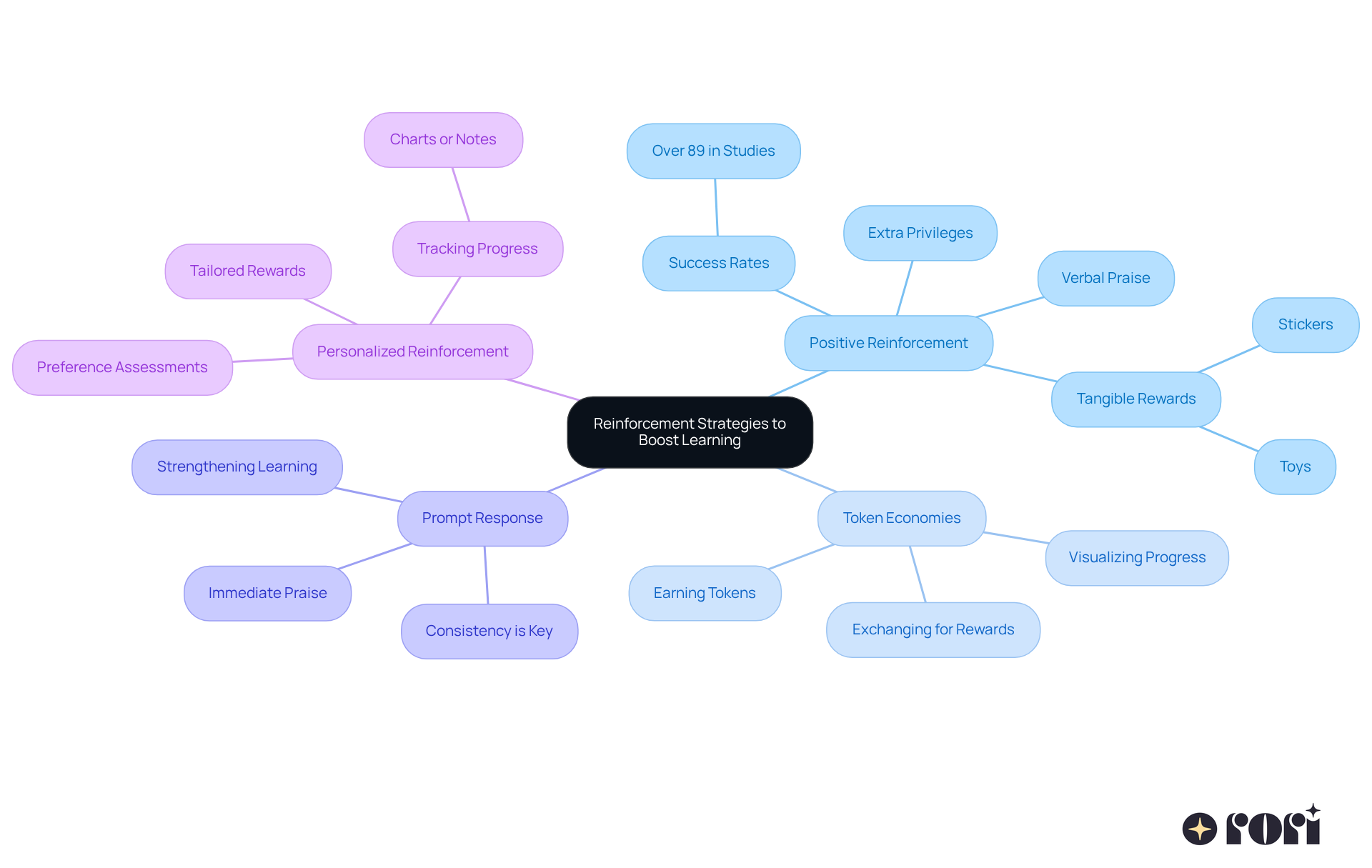
Reinforcement strategies are truly the backbone of ABA therapy, aimed at and . Let’s dive into some that can make a real difference:
By using these methods, educators and parents can create a nurturing that encourages kids to engage actively in their education, ultimately enhancing academic performance through ABA therapy. Let’s explore this together!
in young individuals is so important for their academic success! Here are some effective strategies to help enhance these behaviors:
And let’s not forget about ! Educating them on ABA principles and strategies can play a crucial role in , thereby boosting their ability to support their kids’ behavioral goals. When caregivers understand these principles, they can make informed decisions that positively impact their children’s progress. This leads to better behavioral outcomes and a more cohesive support system at home. It’s a win-win!
By applying these approaches, educators and parents can create a positive behavioral framework that is focused on enhancing academic performance through ABA therapy, while also fostering a lifelong passion for learning. Let’s explore this together!

Motivation and focus are key ingredients for academic success, especially for individuals with autism. Let’s explore some :
By using these approaches, educators and parents can create an environment that enhances academic performance through , boosting motivation and focus, which leads to better academic achievements for kids with autism. We’re here to help you every step of the way!

Enhancing socialization abilities is so important for promoting among our youngsters, especially for those with Autism Spectrum Disorders, ADHD, Social Communication Disorders, and Anxiety Disorders. Let’s explore some together:
By implementing these strategies, educators and parents can effectively foster socialization skills that contribute to enhancing academic performance through ABA therapy and support collaborative learning. Let’s work together to help our kids improve their social competence and confidence!

Enhancing academic performance through ABA therapy is a journey filled with opportunities! 🌟 It’s all about using positive reinforcement, creating structured environments, and developing social skills. When educators and parents come together to implement strategies like token economies and personalized interventions, they can create a nurturing atmosphere that really fosters learning and motivation. And let’s not forget the vital role caregivers play - your involvement is key to making lasting behavioral improvements happen!
Key insights from the article remind us how important it is to set clear expectations, model positive behavior, and encourage social skills through collaborative learning. Think about it:
These can make a huge difference in promoting social competence, which is directly linked to academic success. These strategies not only boost individual learning but also help cultivate a supportive educational environment that benefits everyone involved.
Ultimately, integrating ABA therapy into academic settings is a powerful way to transform educational experiences. By embracing these proven strategies, educators and caregivers can empower children to excel academically while also developing the social and emotional skills they need for lifelong success. Let’s embrace these practices today and pave the way for a brighter, more collaborative future in education! We’re here to help you every step of the way!
What are reinforcement strategies in ABA therapy?
Reinforcement strategies in ABA therapy are methods aimed at encouraging positive actions and boosting learning outcomes, serving as the backbone of the therapy.
How does positive reinforcement work?
Positive reinforcement involves rewarding children for completing tasks or displaying desired behaviors, such as verbal praise, tangible rewards, or extra privileges, which can significantly increase their motivation.
What is the success rate of positive reinforcement in ABA?
Research shows that positive reinforcement in ABA can lead to success rates over 89% in many studies.
What are token economies, and how do they work?
Token economies are systems where children earn tokens for positive behaviors, allowing them to visualize their progress and strive for specific goals. They can trade these tokens for rewards once they accumulate a certain number.
How effective are token economies in educational settings?
Teachers often report that token economies are effective in boosting student performance, aligning with evidence-based strategies used in ABA therapy.
Why is prompt response important in learning?
Quick responses strengthen learning by reinforcing the connection between a child's actions and the outcomes, encouraging continued participation.
What should be considered when using reinforcement strategies?
Consistency is key; inconsistent reinforcement can confuse children and lead to boundary testing. Regularly assessing and adjusting strategies based on progress can enhance results.
How can reinforcement strategies be personalized?
Tailoring reinforcement strategies to each child's preferences through preference assessments makes rewards more meaningful and effective.
How can caregivers track the effectiveness of reinforcement strategies?
Caregivers can keep track of progress using simple charts or notes to evaluate the effectiveness of the strategies and make necessary adjustments to prevent reinforcer fatigue.
What is the overall goal of using these reinforcement methods in education?
The overall goal is to create a nurturing learning environment that encourages active engagement in education and enhances academic performance through ABA therapy.