
Introduction
Sleep challenges can be a real struggle for many kids on the autism spectrum. Did you know that research shows a staggering 40% to 80% of these children have trouble getting the restorative rest they need? It’s not just about making bedtime more comfortable; addressing these sleep issues is vital for their overall development and well-being.
So, what can caregivers do to tackle these sleep hurdles? And how can expert advice help create a nurturing environment that promotes better sleep? Let’s explore this together! By understanding these common sleep disorders, we can find effective strategies to support our little ones.
Imagine the difference a good night’s sleep can make – not just for the child, but for the whole family. It’s all about finding the right approach and resources to help everyone rest easier. We’re here to help you every step of the way!
Identify Common Sleep Disorders in Autistic Children
. In fact, studies show that between 40% and 80% of these children struggle with getting good rest. Let’s take a look at some of the most common sleep disorders they might face:
- Insomnia: This means having a tough time falling asleep or staying asleep, which can leave little ones feeling tired during the day.
- : This condition causes breathing to stop and start while sleeping, leading to disrupted sleep patterns.
- Night Terrors: Imagine your child screaming and looking terrified while still asleep. It can be really distressing for both them and you as parents.
- : This is when a child’s sleep-wake cycle is way off, making them fall asleep and wake up much later than usual.
is the first step in seeking expert advice on addressing effectively. By identifying the challenges, you can explore tailored interventions and obtain in autistic children to improve your child’s sleep quality and overall well-being. Let’s explore this together!

Understand the Impact of Sleep Issues on Development
Sleep problems can really affect how autistic individuals develop. It’s tough, isn’t it? Research shows that not getting enough sleep can lead to some significant challenges, including:
- : When kids don’t get enough sleep, it can hurt their attention, memory, and learning abilities. This makes it harder for them to engage in school activities. Many kids with autism who struggle with sleep often show slower cognitive response times, which can really impact their academic performance.
- Behavioral Challenges: Lack of sleep is often linked to increased irritability, aggression, and hyperactivity. These behaviors can make social interactions tricky and disrupt learning environments, creating a frustrating cycle for both students and teachers. Did you know that over 80% of kids with developmental disorders face ? This can definitely worsen behavioral challenges.
- Emotional Dysregulation: Kids who have trouble sleeping might experience more anxiety and mood swings, which can make daily life even tougher. This can lead to complications in social situations and family dynamics.
Addressing is crucial – not just for better nighttime rest but also for , which is why seeking is important. By equipping caregivers with , Rori Care helps them support their children more effectively. Caregiver education is key here, providing the knowledge that leads to informed decisions, reduced stress, and improved family dynamics. This active involvement not only fosters but also strengthens family relationships, ultimately contributing to the individual’s overall success.
Let’s explore this together! We’re here to help you every step of the way!

Implement Effective Interventions for Better Sleep
Enhancing sleep quality for autistic children can feel like a challenge, but you can try some on addressing that align with principles. Let’s explore this together!
- Establish a : Having a predictable routine can really help signal to your child that it’s time to wind down. Think about activities like reading a favorite book, enjoying a warm bath, or doing some calming exercises. These little rituals can make a big difference and reinforce the importance of structure in ABA.
- Limit : Reducing screen exposure at least an hour before bedtime is key. It minimizes stimulation and helps your child settle down for a better night’s sleep. Research shows that too much screen time, especially from devices that emit blue light, can disrupt their natural circadian rhythm, making it harder for them to drift off.
- Create a Rest Diary: can be super helpful. It allows you to spot any triggers that might be causing disturbances and guides you in making necessary adjustments to their routine. This practice can provide valuable insights into their sleep habits and needs, empowering you to make informed choices that positively impact their development.
- : can work wonders in encouraging good sleep habits. For instance, rewarding your child for staying in bed can reinforce those desired behaviors and create a more positive nighttime experience, which is right in line with ABA’s focus on behavior modification.
- : Make sure the sleeping environment is cozy and conducive to relaxation. This might mean using blackout curtains to block out light, white noise machines to drown out disruptive sounds, or investing in comfy bedding to enhance overall comfort.
These tailored strategies, rooted in ABA principles, serve as expert advice on addressing , significantly improving their sleep quality and overall well-being. Plus, they empower you as caregivers to support your child’s behavioral goals. We’re here to !

Create a Sleep-Friendly Environment
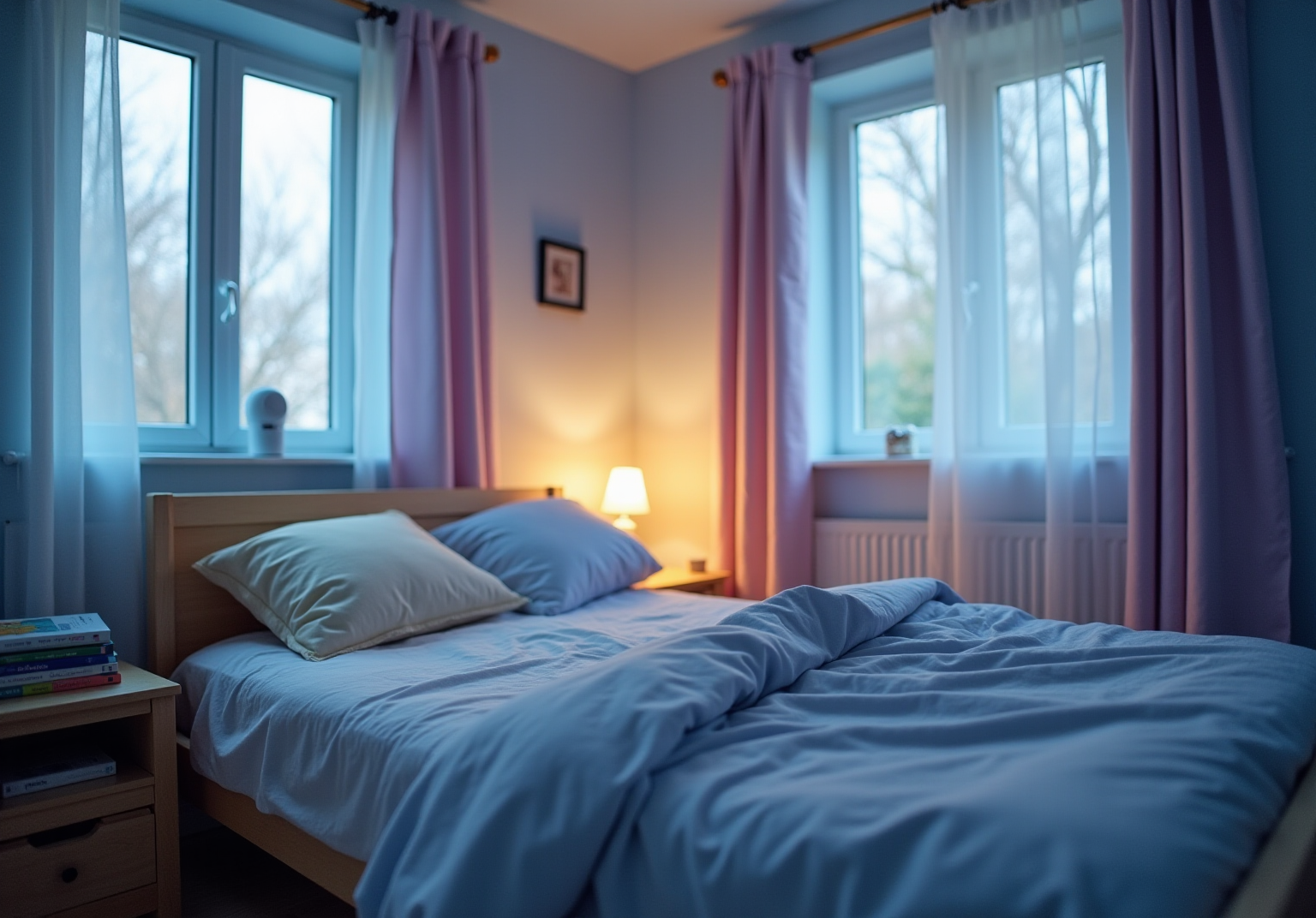
Creating a restful atmosphere is key to helping autistic kids get the restorative sleep they need. Here are some important things to consider:
- : Think about using blackout curtains to block out any outside light, and maybe even a white noise machine to drown out disruptive sounds. A calm, dim environment signals to the brain that it’s time to wind down, which is especially important for kids with . As Michael Mohan points out, sleep difficulties are a major challenge for individuals with autism spectrum disorder (ASD) and their families, emphasizing the importance of seeking .
- : Make sure the room temperature is just right. Overheating can really mess with sleep. Research shows that many kids prefer cooler rooms, ideally between 65°F and 68°F, to help them sleep more soundly. This is crucial since -50% to 80% of youth with ASD face these challenges, which underscores the on addressing sleep problems in autistic children, compared to just 20-30% of neurotypical kids.
- Choose Sensory-Friendly Bedding: Opt for soft, breathable fabrics that feel nice against the skin. can also provide a sense of safety and comfort, helping kids feel more relaxed at bedtime.
- : Keep the bedroom free from stimulating toys and electronics. The bed should be a place for rest, helping kids associate it with relaxation.
For instance, a parent might notice that using blackout curtains and a white noise machine really boosts their child’s ability to fall asleep and stay asleep through the night. Parents can greatly enhance their child’s sleep quality by , and they can also seek , which is important for overall health, emotional balance, and development. Just remember, it’s best to avoid making too many changes at once, as that can overwhelm your child. Gradual adjustments often work wonders!
Let’s explore this together! We’re here to help you every step of the way!

Conclusion
Addressing sleep problems in autistic children is so important for their overall well-being and development. By understanding the different sleep disorders that can affect these kids, caregivers can take that first step toward implementing effective strategies for better sleep. A structured bedtime routine, a cozy sleep environment, and some behavioral interventions can really make a difference in the quality of rest-and, in turn, the quality of life for both autistic children and their families.
Let’s talk about some key sleep disorders like:
- Insomnia
- Sleep apnea
- Night terrors
These can have a big impact on cognitive function, behavior, and emotional stability. By using strategies rooted in Applied Behavior Analysis-like setting up consistent routines and making small changes to the environment-caregivers can create a space that encourages better sleep. Plus, understanding how sleep affects development highlights why it’s so crucial to tackle these issues head-on.
Ultimately, improving sleep for autistic children is a team effort. It involves parents, caregivers, and professionals all working together. Embracing expert advice on sleep challenges not only helps enhance sleep quality but also supports the child’s growth journey. Prioritizing these strategies is essential, as the benefits go beyond just a good night’s sleep. They lead to healthier relationships, better behavioral outcomes, and a brighter future for children on the autism spectrum.
So, let’s explore this together! We’re here to help you every step of the way!
Frequently Asked Questions
What percentage of autistic children experience sleep issues?
Studies show that between 40% and 80% of children with autism spectrum disorder (ASD) struggle with getting good rest.
What is insomnia in the context of autistic children?
Insomnia refers to having a tough time falling asleep or staying asleep, which can leave children feeling tired during the day.
What is sleep apnea and how does it affect autistic children?
Sleep apnea is a condition that causes breathing to stop and start while sleeping, leading to disrupted sleep patterns.
What are night terrors and how might they manifest in autistic children?
Night terrors involve a child screaming and appearing terrified while still asleep, which can be distressing for both the child and their parents.
What is delayed sleep phase disorder?
Delayed sleep phase disorder occurs when a child’s sleep-wake cycle is significantly off, causing them to fall asleep and wake up much later than usual.
Why is it important to recognize sleep disorders in autistic children?
Recognizing these sleep disorders is the first step in seeking expert advice to effectively address sleep problems, improve sleep quality, and enhance overall well-being.
List of Sources
- Identify Common Sleep Disorders in Autistic Children
- The Sleep Problems of Children With Autism – Amerisleep (https://amerisleep.com/blog/children-with-autism-sleep-problems?srsltid=AfmBOop_2_uI6jnr1iMFuhgqMc3nPGJl0Etr_t5IPPhp_hWf3ODfsUqE)
- Sleep in Children with Autism Spectrum Disorder: A Narrative Review and Systematic Update – PMC (https://pmc.ncbi.nlm.nih.gov/articles/PMC9630805)
- Sleep Problems Linked to More Severe Autism Symptoms (https://kennedykrieger.org/stories/interactive-autism-network-ian/sleep-problems-linked-more-severe-autism-symptoms)
- Sleep and Autism: Current Research, Clinical Assessment, and Treatment Strategies | Focus (https://psychiatryonline.org/doi/full/10.1176/appi.focus.20230028)
- Sleep Disturbances and Behavioral Problems in Children and Adolescents with Autism Spectrum Disorder—A Systematic Review (https://mdpi.com/2039-7283/15/11/201)
- Understand the Impact of Sleep Issues on Development
- Sleep and Autism: Current Research, Clinical Assessment, and Treatment Strategies | Focus (https://psychiatryonline.org/doi/full/10.1176/appi.focus.20230028)
- Checking your browser – reCAPTCHA (https://pmc.ncbi.nlm.nih.gov/articles/PMC8848524)
- Autism and Sleep: Common Struggles and Solutions | Links (https://linksaba.com/autism-and-sleep-common-struggles-and-solutions)
- The Relationship between Sleep and Cognitive Performance in Autism Spectrum Disorder (ASD): A Pilot Study – PMC (https://pmc.ncbi.nlm.nih.gov/articles/PMC6262641)
- thetreetop.com (https://thetreetop.com/aba-therapy/sleep-disorders-in-children-with-autism)
- Implement Effective Interventions for Better Sleep
- Interventions (https://med.stanford.edu/csasd/education/parent-toolkit/parent-interventions.html)
- Parent-Implemented Bedtime Fading and Positive Routines for Children with Autism Spectrum Disorders – PMC (https://pmc.ncbi.nlm.nih.gov/articles/PMC5861169)
- peacejoyaustin.medium.com (https://peacejoyaustin.medium.com/top-quotes-why-we-sleep-matthew-walker-d04cc69e7608)
- ATN/AIR-P Strategies to Improve Sleep in Children with Autism | Autism Speaks (https://autismspeaks.org/tool-kit/strategies-improve-sleep-children-autism)
- The Impact of Sleep and Screen Time on Mental Wellness | Slate – Psychology, Therapy & Consulting in Edina, MN (https://slatetherapy.com/blog-slate/the-impact-of-sleep-and-screen-time-on-mental-wellness)
- Create a Sleep-Friendly Environment
- Autism and Sleep. Ten possible strategies. – Living Autism (https://livingautism.com/autism-and-sleep-ten-possible-strategies)
- Autism and Sleep: Common Struggles and Solutions | Links (https://linksaba.com/autism-and-sleep-common-struggles-and-solutions)
- magnetaba.com (https://magnetaba.com/blog/autism-and-sleep)
- Famous Quotes on Sleep and Well-Being – Center for the Advancement of Well-Being (https://wellbeing.gmu.edu/famous-quotes-on-sleep-and-well-being)
- joinavela.com (https://joinavela.com/resources/the-importance-of-sleep-for-autistic-children-a-guide-to-better-rest)