

Introduction
Managing phobias in children with autism can feel like a daunting challenge for many parents and caregivers. You’re not alone in this journey, and it’s completely normal to search for effective solutions. That’s where ABA therapy comes in! With its structured approach and proven techniques, it offers a pathway to help children confront their fears and build emotional resilience.
But how can you, as a caregiver, effectively implement these strategies to ensure lasting change? It’s all about supporting your child’s journey, and this article is here to help! We’ll delve into the principles of ABA therapy, share practical steps for managing phobias, and highlight the crucial role of parental involvement. Plus, we’ll explore some innovative technologies that can enhance therapeutic outcomes. Let’s explore this together!
Understand the Principles of ABA Therapy
While managing phobias in children with autism can feel overwhelming, learning about how can help manage phobias in autism can make a significant difference. Let’s explore this together!
- Reinforcement: Think of this as a way to celebrate the small victories! When a child bravely faces a fear, a little praise or a small reward can go a long way in encouraging them to keep trying. Research backs this up, showing how vital reinforcement is in helping kids modify their behaviors.
- : ABA is all about making targeted changes to specific behaviors. It starts with figuring out what triggers those phobias and then crafting to tackle them. For instance, a structured exposure therapy program helped a 14-year-old boy named Mike gradually overcome his fear of insects. Isn’t that inspiring?
- : This technique gently introduces the feared object or situation in a safe environment, helping kids build tolerance and ease their anxiety over time. Studies show that this method can lead to complete fear resolution in over 50% of participants. That’s pretty impressive!
- : ABA relies on careful data collection to track progress and tweak interventions as needed. This ensures that the treatment is tailored to each child’s unique needs, boosting the chances of positive outcomes. In fact, intensive has shown remarkable improvements in communication, daily living skills, and social interactions for 80-90% of youths. Setting clear, measurable goals helps everyone see the progress being made.
By understanding these principles, caregivers and therapists can establish a solid foundation for addressing fears, which demonstrates , ultimately fostering and a better quality of life for children with autism. Plus, when caregivers are educated and empowered, they can provide the right support at home, complementing professional help. We’re here to help you every step of the way!

Implement ABA Techniques for Phobia Management
To effectively implement for managing phobias in children with autism, let’s walk through some structured steps together:
- Identify the Phobia: Start by collaborating with your child to pinpoint their specific fears. You might find it helpful to use discussions or visual aids to help them express their feelings. It’s all about making them feel comfortable!
- Create a : Next, construct a ranked list of situations related to the phobia, from least to most anxiety-inducing. For example, if your child fears dogs, the hierarchy could begin with looking at pictures of dogs and gradually progress to being in the same room with one. This way, they can tackle their fears step by step.
- : Begin exposure with the least anxiety-provoking situation. Think of it as a gentle introduction! Use systematic desensitization by gradually introducing your child to the feared stimulus in a safe, controlled environment. For instance, start by showing them pictures of dogs while offering for calm behavior.
- Positive Reinforcement: Celebrate your child’s bravery for confronting their fears, even if it’s just a small step. This could be through verbal praise, stickers, or engaging in a favorite activity. Reinforcement is key in encouraging them to keep facing their fears!
- : Keep track of how your child responds to each exposure. You can use simple data collection methods to assess their anxiety levels. Adjust the exposure plan as needed based on their progress. has shown to increase comfort and security, leading to better engagement and reduced anxiety during treatment. It’s encouraging to note that 90% of youngsters show progress when suggested hours are fully applied with active caregiver participation. This highlights how crucial is in facilitating effective interventions.
- Practice : Equip your child with coping techniques, like deep breathing or visualization, to help manage anxiety during exposure sessions. Your involvement in is vital for ensuring the interventions work well. The knowledge and skills you gain through caregiver education can boost your confidence in supporting your child, ultimately enhancing their behavioral outcomes.
By following these steps, you can effectively utilize ABA techniques to help your child confront and manage their fears, demonstrating how ABA therapy can help and fostering greater emotional resilience and independence. As psychologists specializing in youth often say, creating a fear hierarchy is essential for guiding young individuals through their fears in a manageable way. Let’s explore this together!

Engage Parents in the Therapy Process
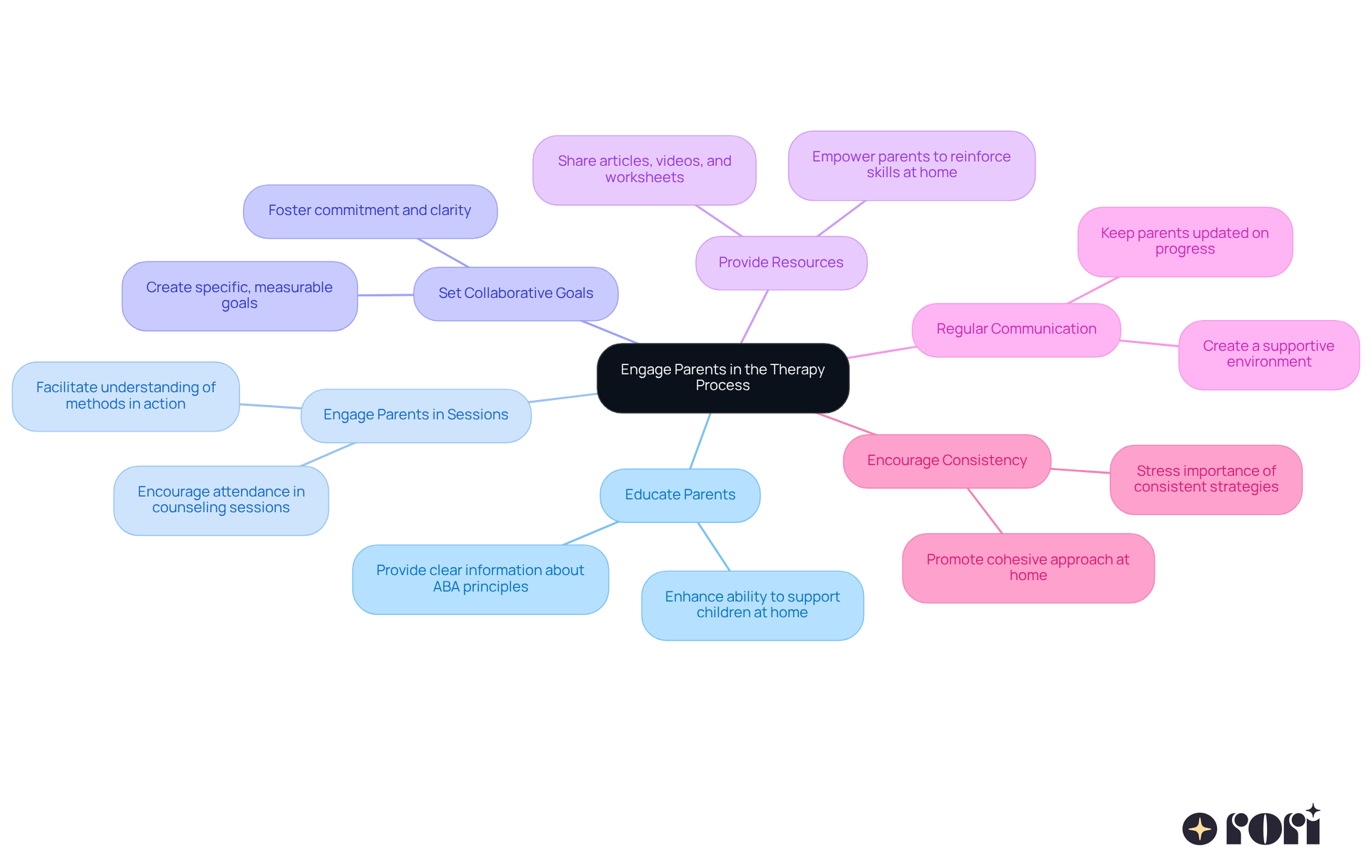
To effectively engage parents in the process for , let’s explore some friendly strategies together:
- Educate Parents: It’s so important to provide parents with clear information about ABA principles and techniques. When they understand the reasons behind the strategies, they can better support their kids at home. This education not only enhances their ability to help but also complements professional interventions, leading to better .
- Engage Parents in Sessions: is a great way for them to see methods in action and ask questions about how to apply them at home. This involvement helps them feel more connected to the treatment process and equips them with the knowledge they need to support their child’s goals.
- Set Collaborative Goals: Working together with parents to create for their child’s treatment is key. This fosters commitment and clarity, allowing caregivers to make informed choices that positively impact their child’s development.
- Provide Resources: Sharing helpful resources like articles, videos, or worksheets empowers parents to reinforce skills at home. These tools enable them to actively participate in their child’s progress, enhancing the overall effectiveness of the treatment.
- Regular Communication: is essential. Regular updates on their child’s progress and challenges help parents feel involved and informed, creating a supportive environment. As we know, ” lead to more effective and responsive treatment plans.”
- Encourage Consistency: It’s vital to stress the importance of consistency when applying ABA techniques at home. Encouraging parents to use the same language and reinforcement strategies as the therapist creates a cohesive approach that supports skill generalization. for maximizing the results of this treatment.
By actively involving parents in the treatment process, therapists can significantly boost the effectiveness of ABA interventions, illustrating how ABA therapy can help manage phobias in autism. Case studies, like “Maximizing Long-Term Benefits Through Family Engagement,” show how these strategies have been successfully implemented, leading to improved outcomes.
Let’s work together to make this journey smoother for everyone!
Leverage Technology to Enhance ABA Therapy
To enhance in children with autism, let’s explore some innovative tools and strategies that can make a real difference:
- : Imagine using digital applications to keep track of your child’s progress and reactions during . These handy apps make data entry and analysis a breeze, allowing therapists to tweak interventions based on real-time feedback. This is super important for effective treatment!
- : How about conducting therapy sessions remotely? Telehealth services can really boost accessibility for families, making it easier to have frequent check-ins and ongoing support. This is key to keeping that therapeutic momentum going strong.
- : Have you thought about exploring VR technology? It can create controlled exposure scenarios for young individuals, simulating feared situations in a safe environment. This way, they can gradually face their fears without any real-world risks, enhancing their therapeutic experience.
- : Let’s not forget about the fun! Leveraging apps and online resources that incorporate ABA principles can help reinforce skills at home. These engaging tools make learning enjoyable for young learners, encouraging them to practice coping strategies in a playful and interactive way.
- : Providing is a fantastic way to learn ABA techniques and strategies. When parents are equipped with the right information, they can effectively support their child’s treatment and reinforce skills outside of sessions, promoting a cooperative approach to care.
- : Integrating assistive technology, like communication devices or apps, can help young individuals express their feelings and fears. This encourages open conversations about their worries and improves their ability to articulate their experiences during sessions, fostering a deeper understanding of what they’re going through.
By integrating these technological advancements into ABA therapy, therapists can significantly enhance how ABA therapy can help manage phobias in autism and provide more tailored support for individuals facing these challenges. Plus, with AI-driven progress report automation, tracking progress becomes clearer and strategies can adapt more easily, ultimately freeing up 50% more time for direct child treatment. Let’s take this journey together!

Conclusion
Understanding how ABA therapy can help manage phobias in children with autism opens up a world of possibilities for building emotional resilience and enhancing their quality of life. This approach not only tackles the specific fears these kids face but also arms caregivers with the tools and insights they need to support their child’s journey toward overcoming anxiety.
Throughout this article, we’ve explored some key principles of ABA therapy, like reinforcement, behavior modification, and systematic desensitization. These strategies create a solid framework for addressing phobias, allowing caregivers and therapists to tailor effective interventions to each child’s unique needs. Plus, when parents get involved in the therapy process and technology is leveraged, it can really boost the effectiveness of treatment, fostering a collaborative environment that encourages progress.
Ultimately, managing phobias in children with autism through ABA therapy highlights the importance of a supportive network that includes both professionals and parents. By embracing these strategies and staying committed to the therapeutic process, caregivers can play a crucial role in helping their children face and conquer their fears. This leads to greater independence and emotional well-being. So, let’s explore this together: equip yourself with knowledge, engage actively in the therapy process, and utilize available resources to create a nurturing environment for your child’s growth and success. We’re here to help you every step of the way!
Frequently Asked Questions
What is ABA therapy and how does it help manage phobias in children with autism?
ABA therapy, or Applied Behavior Analysis, helps manage phobias in children with autism by employing techniques such as reinforcement, behavior modification, and systematic desensitization to encourage positive behavior changes and reduce anxiety related to fears.
How does reinforcement play a role in ABA therapy?
Reinforcement involves celebrating small victories, such as praising a child when they bravely face a fear. This positive reinforcement encourages children to continue trying and is vital in modifying their behaviors.
What is behavior modification in the context of ABA therapy?
Behavior modification in ABA therapy focuses on making targeted changes to specific behaviors by identifying triggers for phobias and creating personalized strategies to address them.
Can you explain the systematic desensitization technique?
Systematic desensitization is a technique that gradually introduces a feared object or situation in a safe environment, helping children build tolerance and reduce anxiety over time. Studies have shown that this method can lead to complete fear resolution in over 50% of participants.
How does ABA therapy utilize a data-driven approach?
ABA therapy relies on careful data collection to track progress and adjust interventions as necessary. This tailored approach enhances treatment effectiveness and has shown significant improvements in communication, daily living skills, and social interactions for 80-90% of youths involved in intensive ABA therapy.
What benefits does ABA therapy provide for children with autism?
ABA therapy fosters emotional resilience and improves the quality of life for children with autism by addressing fears and enhancing skills in communication, daily living, and social interactions.
How can caregivers support their children undergoing ABA therapy?
Caregivers can support their children by being educated and empowered about ABA therapy, providing the right support at home, and complementing the professional help their child receives.