Applied Behavior Analysis (ABA) therapy is a fantastic tool for encouraging positive behavioral change! But did you know its success often depends on one key factor? It’s all about aligning therapeutic strategies with how each child learns best. Some kids thrive with visual aids, while others respond better to auditory cues or hands-on experiences. By tapping into these unique learning styles, therapists can create interventions that not only engage but also empower our young learners.
Now, here’s the challenge: how can caregivers and practitioners pinpoint these personalized approaches to truly maximize outcomes? 🤔 This article dives into the core principles of ABA therapy and shares some innovative strategies, including the exciting use of technology, to enhance the learning experience. Together, we can ensure that every child reaches their full potential! Let’s explore this journey together!
Applied Behavior Analysis (ABA) is built on some that really shape how it’s used in therapy. Let’s take a look at these principles together:
By mastering these principles, clinicians can create that involve matching ABA therapy to specific learning preferences of each individual. This ultimately leads to in communication, social skills, and daily living abilities.
Let’s explore this together! If you have any thoughts or experiences to share, we’d love to hear from you!

To effectively align with your child's preferences, it's essential to focus on matching ABA therapy to specific by identifying their unique learning styles. Let’s break it down:
revolves around matching ABA therapy to specific learning preferences to adapt to each child's . It uses the science of education and behavior to promote . To figure out your child's learning style, practitioners can use preference assessments, observational techniques, and chats with parents like you. This understanding helps therapists tailor their methods, ensuring that interventions are not just effective but also enjoyable for your child.
Current best practices emphasize the , which leads to better therapeutic outcomes.
And let’s not forget about the caregivers! Equipping you with ABA principles and strategies is vital for supporting your child's . When caregivers are educated, it enhances support, informed decision-making, and ultimately leads to better behavioral outcomes. It creates a collaborative environment that truly benefits your child's development. As Dr. Temple Grandin wisely says, 'Different, not less,' reminding us of the importance of valuing each child's unique educational journey.
With the reported at 18.5 per 1,000 youths under 8 years in the USA, it’s crucial for parents and professionals to stay informed about these educational approaches. This knowledge helps in implementing . Let’s explore this together!
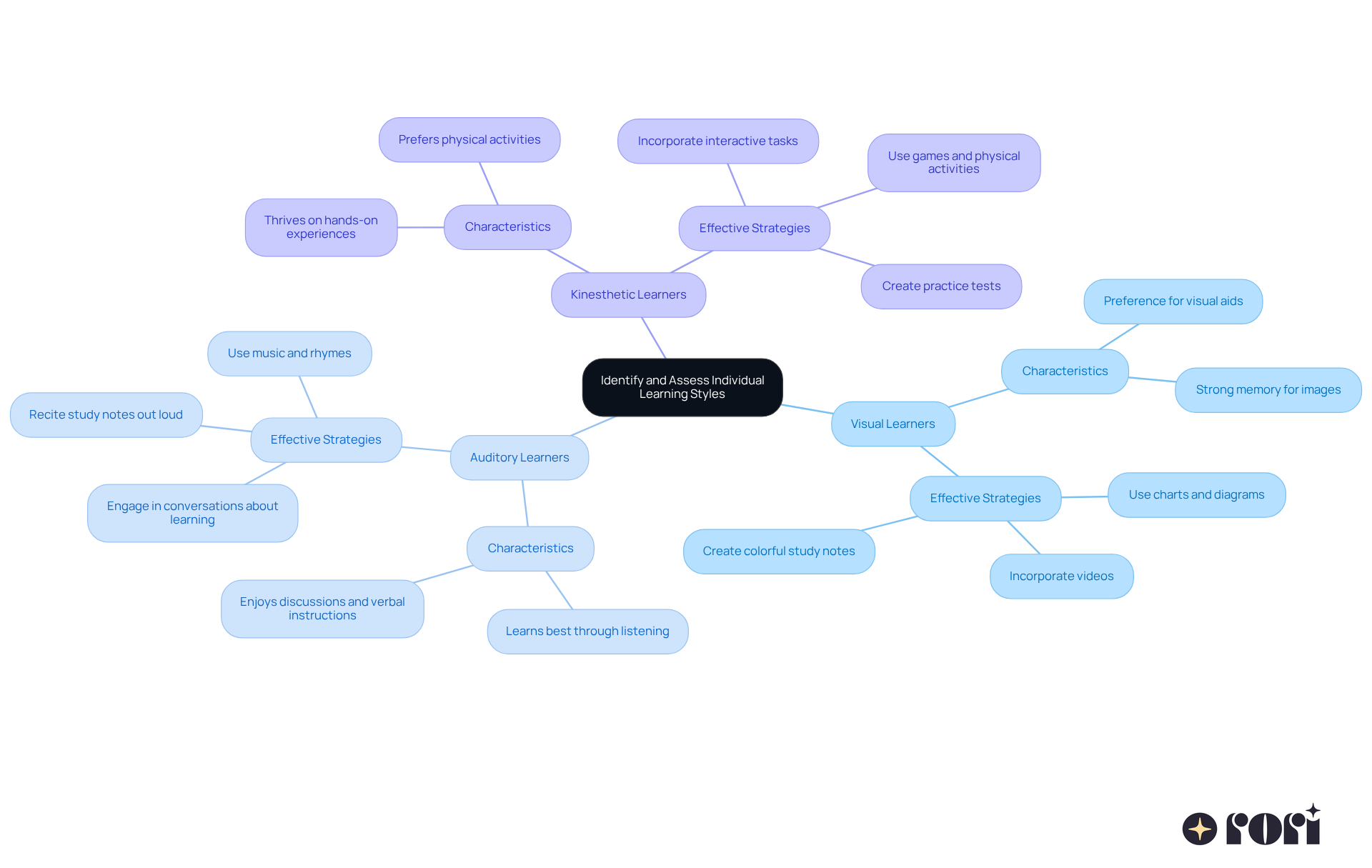
Once we identify different educational styles, we can achieve success by matching to specific for each child's unique needs. Let’s dive into some effective approaches that can make a real difference:
, aligning ABA approaches with individual learning preferences is achieved by matching ABA therapy to specific learning preferences, leading to better . By of ABA principles and strategies, we help them make informed choices and actively support their children’s behavioral goals. This creates a more , and we’re here to help you every step of the way!

Technology is truly changing the game in ABA therapy, bringing in fresh solutions that make it easier for everyone involved. Let’s take a look at some key ways to use technology effectively:
By weaving these technological advancements into ABA therapy, practitioners can enhance personalization through . This leads to and happier families. Let’s explore this together and see how these tools can make a difference!

Matching ABA therapy to your child's unique learning style is key to achieving the best results. By grasping the core principles of Applied Behavior Analysis, you can help create personalized treatment plans that highlight your child's strengths and address their needs. This tailored approach not only keeps kids engaged but also boosts their chances of success in areas like communication and social skills.
As we wrap up, let’s reflect on some important points:
Recognizing whether your child learns best through visual, auditory, or kinesthetic methods allows therapists to implement strategies that truly resonate. Plus, using technology-like data tracking apps and virtual reality-can make ABA therapy even more personalized and accessible for families.
Ultimately, aligning ABA therapy with learning preferences is crucial. By embracing these practices, you and your child's therapist can create a nurturing environment that supports their growth. This commitment to individualized care not only enriches the therapy experience but also empowers your child to thrive in their educational journey. Let’s explore this together! We’re here to help you every step of the way!
What is Applied Behavior Analysis (ABA) therapy?
ABA therapy is a therapeutic approach that focuses on understanding and modifying behavior through various principles, aiming to improve communication, social skills, and daily living abilities.
What is the principle of reinforcement in ABA therapy?
Reinforcement involves providing rewards after desired behaviors to increase the likelihood of those behaviors occurring again. For example, a young girl reduced her meltdowns by following structured routines and receiving positive reinforcement.
How does data-driven decision making work in ABA therapy?
Continuous data collection is essential in ABA as it allows practitioners to assess the effectiveness of interventions. This enables them to adjust treatment plans based on an individual's progress and changing needs.
Why are personalized treatment plans important in ABA therapy?
Personalized treatment plans are crucial because they tailor interventions to fit the specific strengths and learning preferences of each individual, which helps keep them engaged and improves therapeutic outcomes.
What does generalization mean in the context of ABA therapy?
Generalization refers to the ability to apply skills learned in therapy to different settings. Teaching individuals to use new behaviors in various environments fosters independence and adaptability, which is important for their overall growth.
How do these core principles contribute to effective ABA therapy?
By mastering core principles such as reinforcement, data-driven decision making, personalized treatment plans, and generalization, clinicians can create effective ABA strategies that lead to better outcomes in communication, social skills, and daily living abilities.