
Introduction
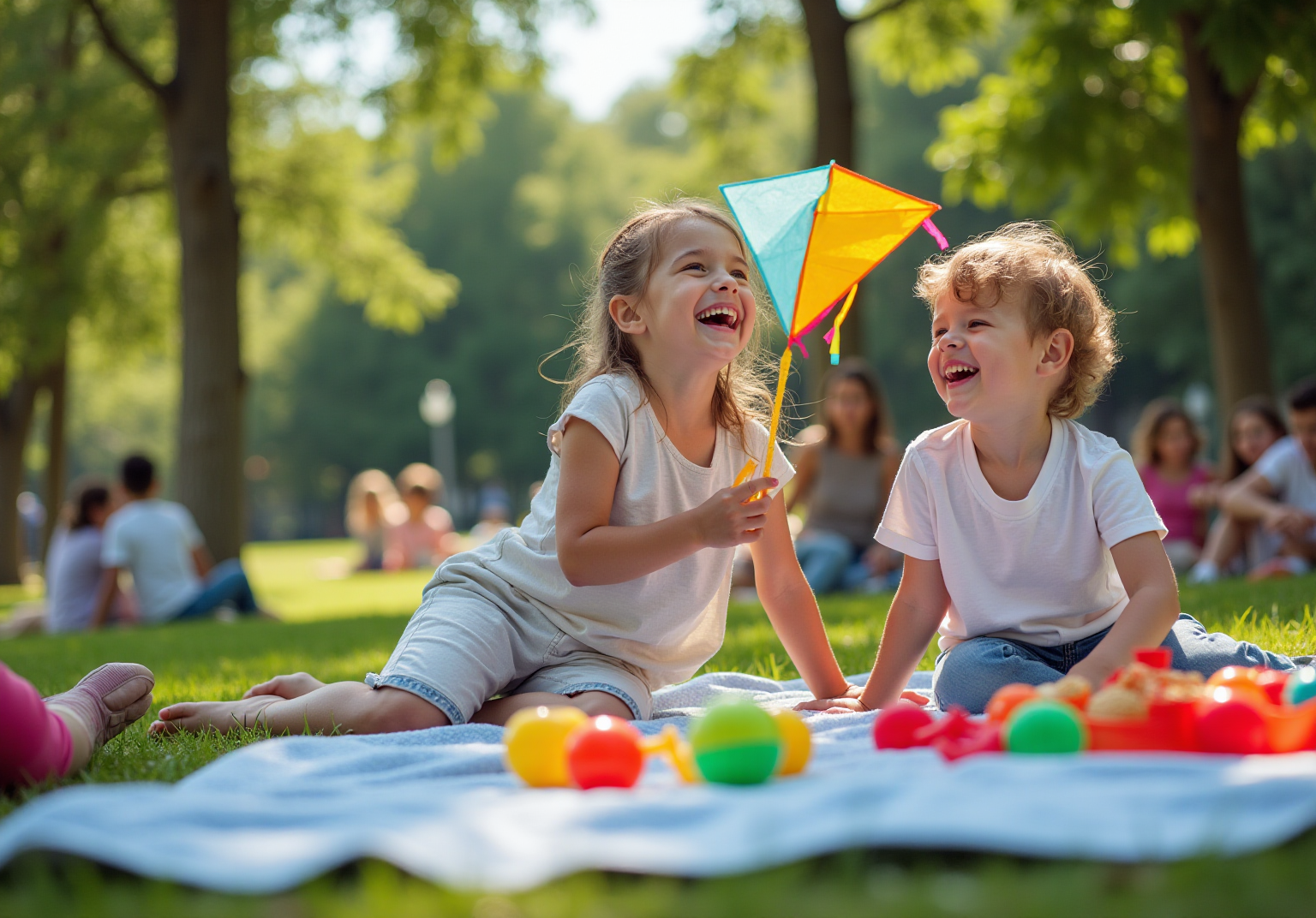
Navigating the world of social interactions can be particularly challenging for children with autism. Yet, social outings offer a unique opportunity for growth and connection! These experiences not only help in developing essential interpersonal skills but also foster independence and emotional resilience.
However, planning a successful outing requires careful consideration of each child’s individual needs and preferences. So, how can caregivers effectively prepare their children for these enriching experiences while ensuring a supportive and enjoyable environment? Let’s explore this together!
Understand the Importance of Social Outings for Children
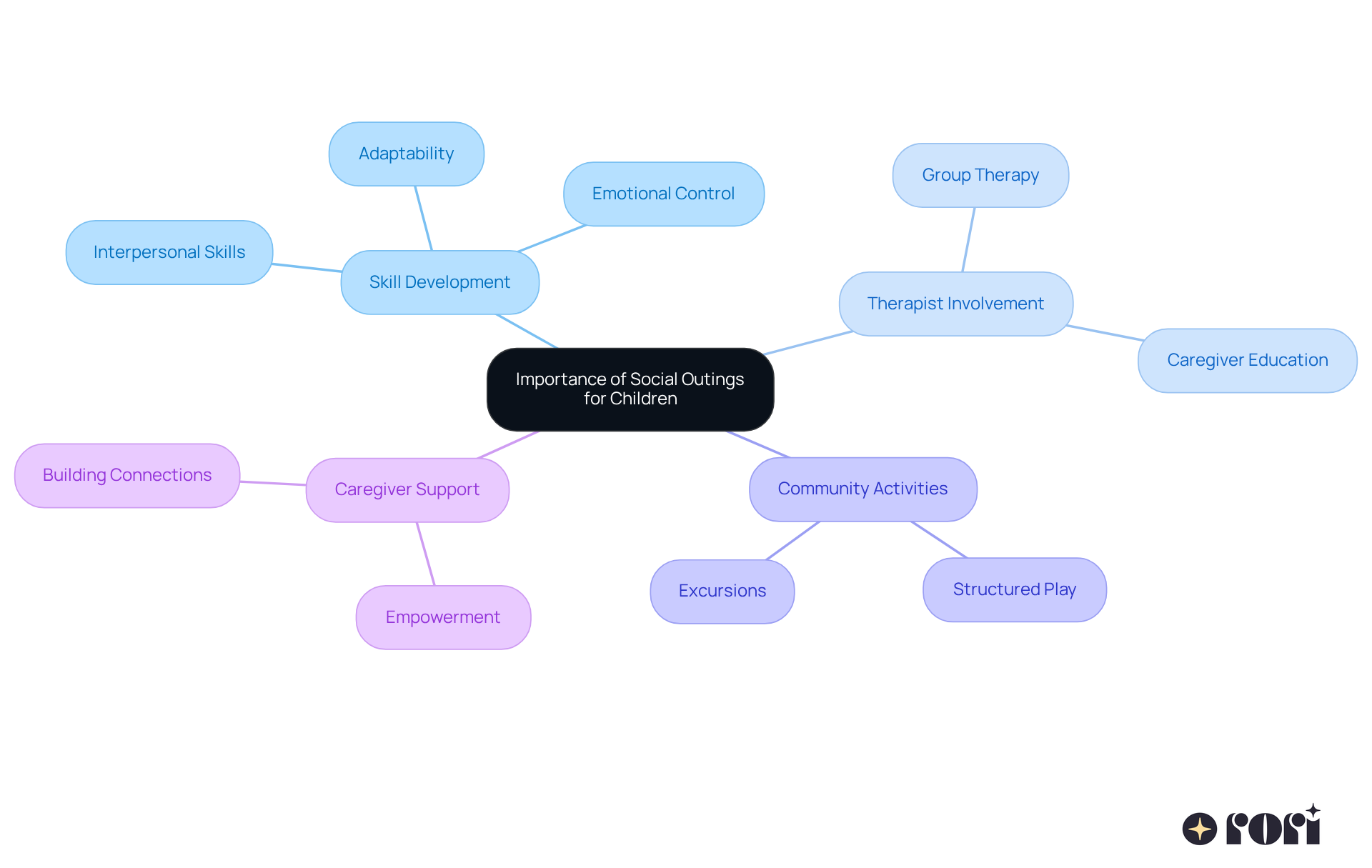
A social outing provides a wonderful opportunity for individuals with autism to in real-world settings—an essential step toward fostering independence. At Rori Care, we’re dedicated to they need to navigate the world confidently, enhancing their communication and along the way.
When young individuals participate in , they learn how to engage with others, understand interpersonal signals, and . Our trained therapists lead that further enrich these interactions and support caregiver education. Plus, by joining in on excursions, your child can , boosting their adaptability and resilience.
Recognizing these benefits is the first step to organizing a that is tailored to your young one’s needs. Our compassionate clinical leadership team is committed to , and we’re here to help you every step of the way! Let’s explore this together!
Assess Your Child’s Needs and Preferences
Start by chatting with your little one about the ! Understanding their is super important; some kids might feel more comfortable in quieter spaces, while others thrive in lively environments. Keep an eye out for things that might , like or , which can cause discomfort.
Also, take a moment to assess your child’s and their feelings during with friends. This will help you choose activities that are not just fun but also suitable, paving the way for a . Let’s explore this together!

Choose the Right Venue for the Outing
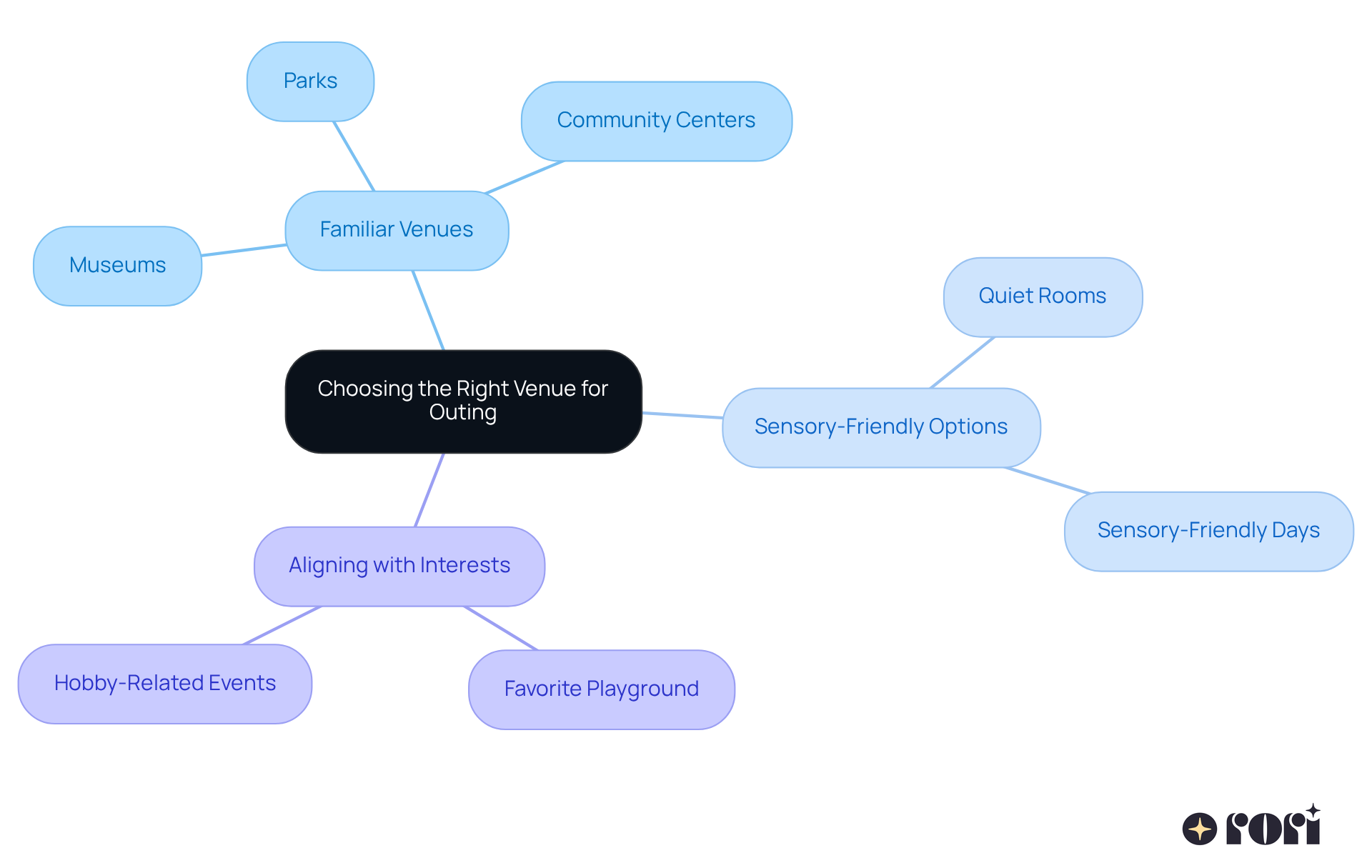
Choosing the right spot for your child’s outing is key to a fun experience! Familiar and comfortable places like parks, museums, or can really boost your child’s enjoyment. These venues often have that cater to different interests, making them perfect for engaging experiences.
Look for , such as quiet rooms or specific times set aside for kids with . These can help ease . For instance, many museums now offer , allowing young visitors to .
By picking a location that aligns with your child’s interests—be it a or a special event related to their hobbies—you can create a that fosters happiness and connection. Let’s explore this together!
Plan the Logistics: Transportation and Timing
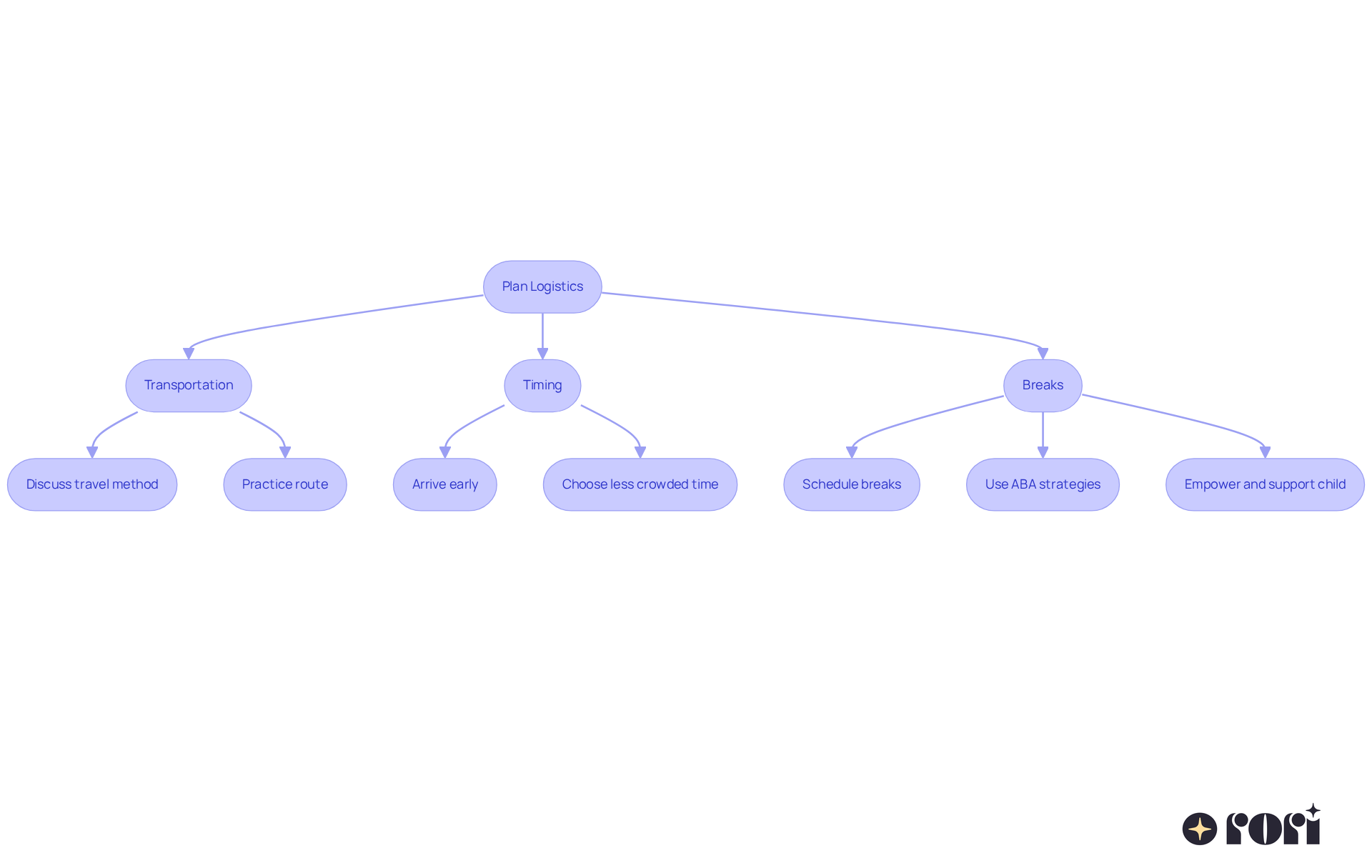
Think about how you’ll get your little one to the venue. If they struggle with transitions, arriving early can really help them adjust to the . Chat with your child about how you’ll travel—whether it’s driving, taking public transport, or walking—and if needed, practice the route together. Timing is key; aim for a moment when the venue isn’t too crowded to help .
Also, don’t forget to plan for breaks during the . These little pauses can help your kid recharge and . By using the you’ve learned through , you can provide the support they need and make choices that enhance their experience. Let’s ensure they feel empowered and supported throughout the event!
Prepare Your Child for the Outing
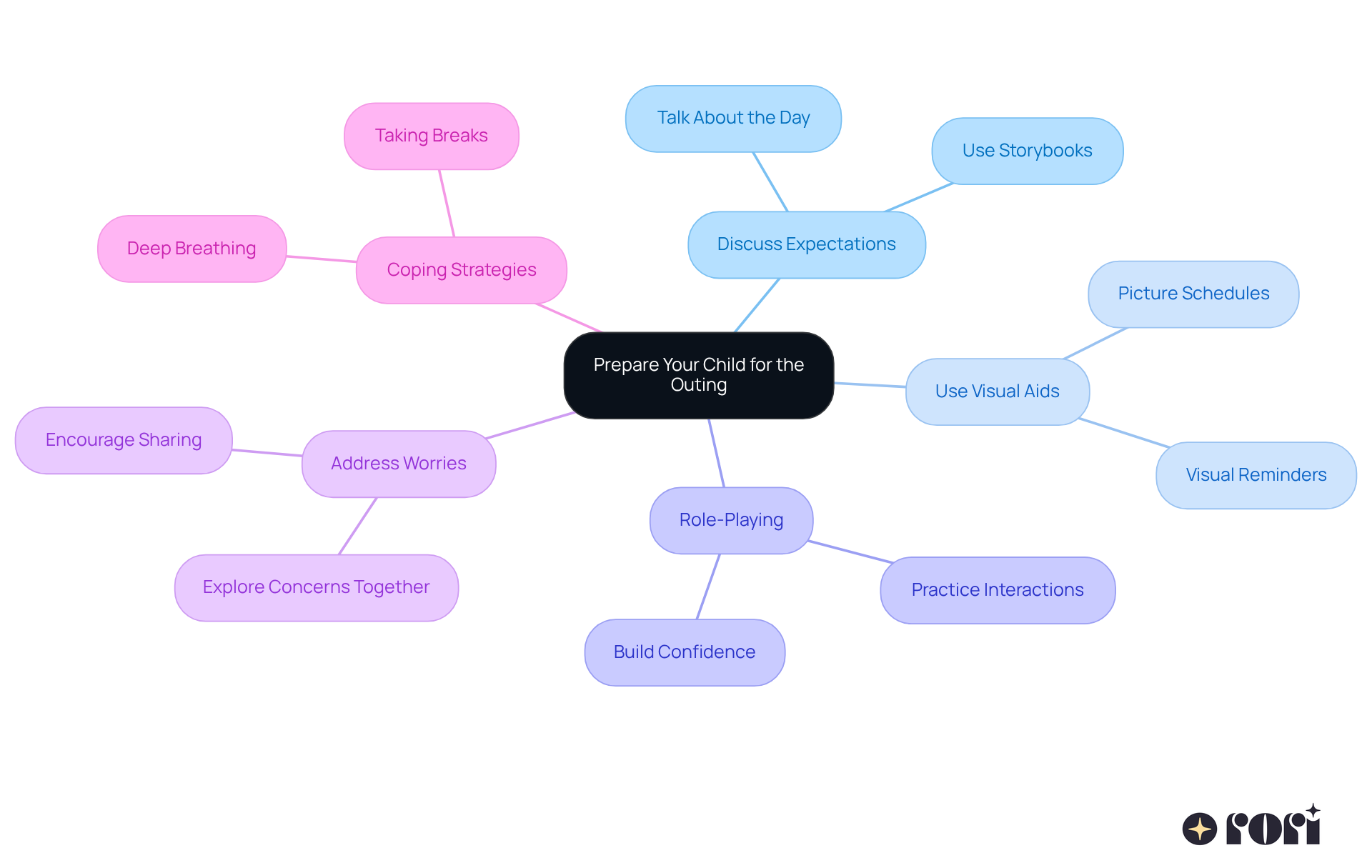
Before heading out, it’s important to chat with your child about what to expect. You can use fun , like storybooks or picture schedules, to show them what the day will look like. Did you know that can really help kids with autism feel more comfortable? It’s a great way for them to and in social outings.
Encourage your little one to share any worries they might have, and work together to address those concerns. Offering comfort and exploring —like or taking breaks—can really empower them. This helps and confidence as they get ready for the event. By using these strategies, you can create a that enhances your child’s experience and involvement in . Let’s explore this together!
Provide Support During the Outing
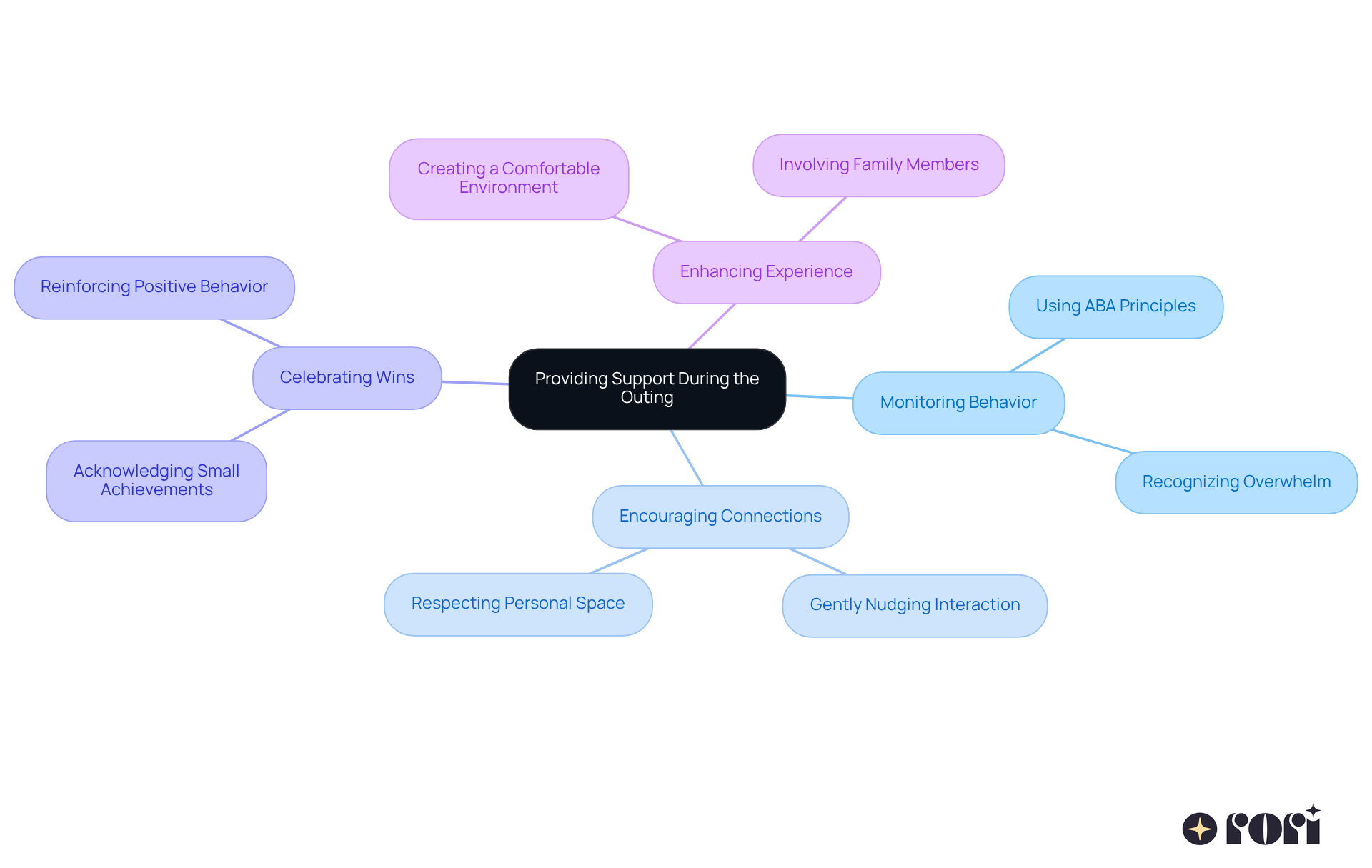
At social events, it’s so important to stay close to your little ones and be aware of what they need. By using the you’ve learned, you can keep an eye on their behavior and step in if they seem a bit overwhelmed or anxious. This thoughtful approach helps you provide just the right , complementing any they may receive and promoting consistency in their experiences.
Encourage those by gently nudging your child to connect with others, while also respecting their need for . Celebrate those —like when they start a conversation or try something new! These moments reinforce and contribute to better outcomes. Your presence and , along with the knowledge and skills you’ve gained, can truly , making the outing not just enjoyable but also rewarding. Let’s explore this together and make every outing a great adventure for your family!
Conclusion
Planning social outings for children with autism goes beyond just creating enjoyable experiences; it’s a key part of nurturing their social skills and independence. By understanding each child’s unique needs and preferences, caregivers can design outings that are not only fun but also enriching, helping children thrive in social settings.
It’s essential to assess your child’s sensory preferences, choose suitable venues, and prepare them for the outing. Plus, providing ongoing support during the event makes a world of difference, ensuring that children feel secure and encouraged to interact with their peers. Every step in this process builds confidence and enhances social interactions, paving the way for meaningful connections.
Ultimately, the impact of social outings stretches beyond a day of fun; it plays a vital role in the overall development of children with autism. By embracing these opportunities, caregivers can help their children develop valuable skills that will benefit them throughout their lives. So, let’s prioritize these experiences together, making every outing a step toward greater independence and social success!
Frequently Asked Questions
Why are social outings important for children with autism?
Social outings provide a valuable opportunity for children with autism to develop interpersonal skills in real-world settings, which is essential for fostering independence. They help enhance communication and build friendships.
What skills do children develop during community activities?
Children learn to engage with others, understand interpersonal signals, and cultivate emotional control during community activities.
How does Rori Care support children in developing social skills?
Rori Care offers social skills group therapy sessions led by trained therapists, which enrich interactions and support caregiver education.
What benefits do children gain from participating in excursions?
Participating in excursions allows children to experience new environments, boosting their adaptability and resilience.
How can parents assess their child’s needs and preferences for social outings?
Parents should talk with their child about the activities they love, consider their sensory preferences, and identify any triggers of anxiety, such as loud noises or large crowds.
What should parents evaluate to ensure a positive experience during social outings?
Parents should assess their child’s social skills and feelings during previous social outings with friends to choose suitable activities that will lead to a rewarding experience.
List of Sources
- Understand the Importance of Social Outings for Children
- rori.care (https://rori.care/post/10-positive-proud-autism-quotes-to-inspire-and-empower-parents)
- 10 inspiring quotes from people with autism | Autism Speaks (https://autismspeaks.org/life-spectrum/autism-quotes)
- The Importance of Social Play for Children with Autism – Kids First (https://kidsfirstservices.com/first-insights/the-importance-of-social-play-for-children-with-autism)
- 20 Inspiring Quotes About Autism Every Parent Must Read Today (https://circlecareservices.com/20-quotes-about-autism-and-parenting)
- Inspiring Autism Quotes for Understanding and Acceptance – Kids First (https://kidsfirstservices.com/first-insights/autism-quotes)
- Assess Your Child’s Needs and Preferences
- An update on anxiety in youth with autism spectrum disorders – PMC (https://pmc.ncbi.nlm.nih.gov/articles/PMC5764108)
- Choose the Right Venue for the Outing
- Best Autism Quotes to Raise Awareness and Understanding (https://yellowbusaba.com/post/autism-quotes)
- 107 Favorite Quotes About Autism and Aspergers (https://the-art-of-autism.com/favorite-quotes-about-autism-and-aspergers)
- 20 Inspiring Quotes About Autism Every Parent Must Read Today (https://circlecareservices.com/20-quotes-about-autism-and-parenting)
- Prepare Your Child for the Outing
- Quotes About Autism (https://usevisualstrategies.com/quotes-about-autism)
- 40 Inspiring Autism Quotes: Autistic Voices You Need to Hear (https://aheartforallstudents.com/inspirational-autism-quotes)
- 19 Powerful Autism Quotes | Rising Above ABA (https://risingaboveaba.com/autism-blog/powerful-autism-quotes)
- Autism Parenting Quotes (https://rainbowtherapy.org/autism-parenting-quotes)
- Provide Support During the Outing
- charlesrivercenter.org (https://charlesrivercenter.org/news-events/major-events/wings-for-autism)
- abc15.com (https://abc15.com/news/uplifting-arizona/building-a-village-of-support-for-arizona-families-raising-children-with-autism)
- theuncommonthread.org (https://theuncommonthread.org/outings-for-children-with-autism-practicing-life-skills)
- pmc.ncbi.nlm.nih.gov (https://pmc.ncbi.nlm.nih.gov/articles/PMC10900867)
- biermanautism.com (https://biermanautism.com/resources/news)