

Introduction
Navigating the intricacies of behavior modification can feel overwhelming for parents, especially when it comes to the complexities of Applied Behavior Analysis (ABA). One technique that stands out is the Differential Reinforcement of Other Behavior (DRO). This approach offers a structured way to encourage positive behaviors while minimizing those we’d rather avoid. But how can parents effectively implement this technique to ensure their child’s success?
Let’s explore the meaning and importance of DRO together! It not only reveals the potential benefits for children facing behavioral challenges but also emphasizes how crucial caregiver involvement is in fostering lasting change. We’re here to help you every step of the way!
Define DRO: Understanding Differential Reinforcement of Other Behavior
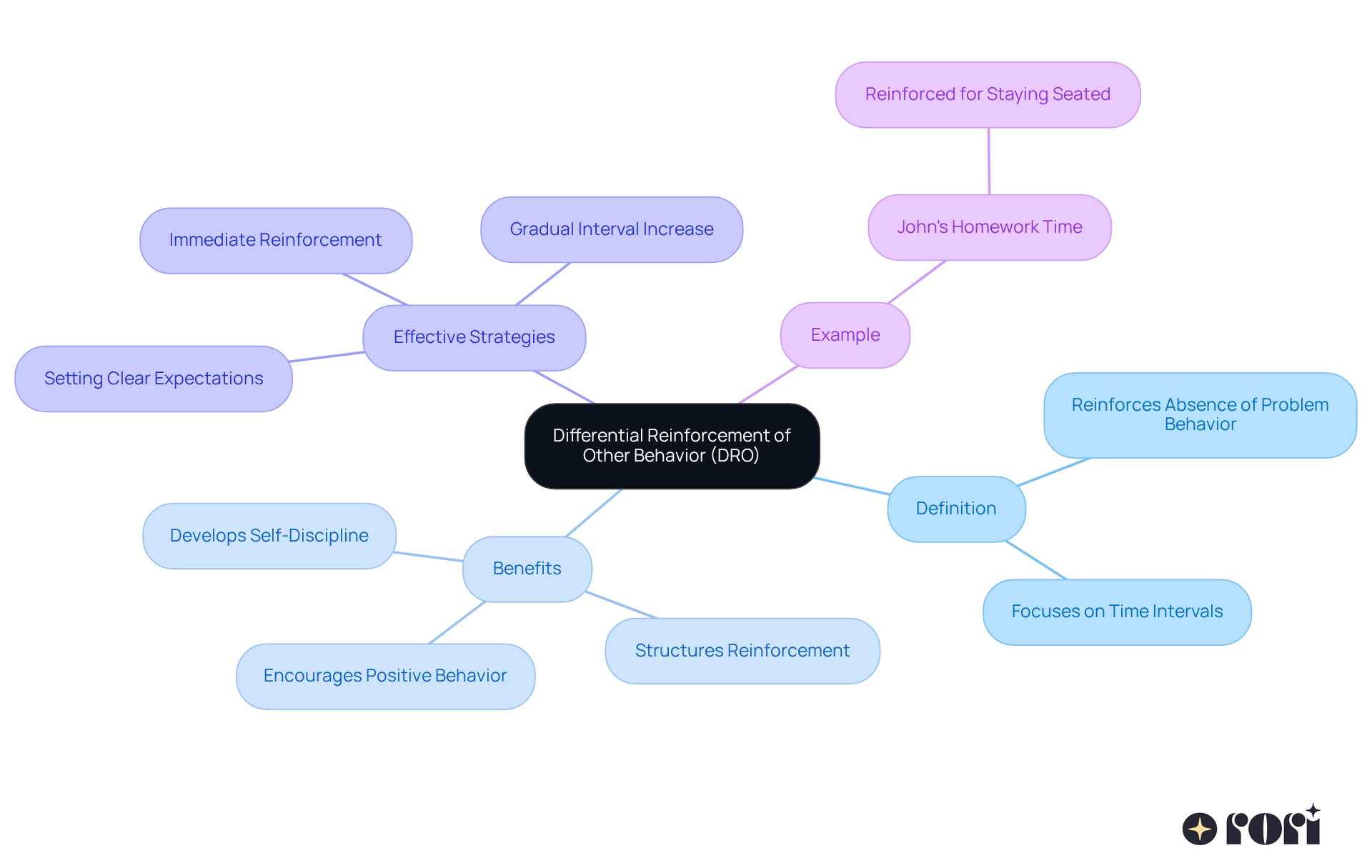
The concept of (DRO) aba meaning is a key technique in Applied Behavior Analysis (ABA) that focuses on rewarding the absence of a specific unwanted behavior over a set time period. This means that if a young person can avoid a problematic action during this time, they get a reward! 🎉 This method not only encourages kids to steer clear of undesirable behaviors but also helps them embrace more positive actions by shifting the focus from what they shouldn’t do to what they can do instead.
For instance, imagine a young person who frequently throws tantrums. A parent might use a by rewarding their child for every five minutes they remain calm without a tantrum. This approach has been shown to effectively while promoting a more positive behavior pattern.
Recent research highlights how in kids with autism, such as self-injurious actions and aggression. Studies indicate that consistent use of DRO can lead to significant reductions in these behaviors, enhancing emotional regulation and social interactions. Some include:
- Setting clear expectations
- Gradually increasing the time intervals for rewards as the child learns to maintain positive behavior
The wonderful benefits of using DRO for include its ability to create a without resorting to punishment. By focusing on the absence of unwanted actions, DRO helps young individuals develop self-discipline and independence—skills that are crucial for their growth and development. However, it’s important to note that while DRO is effective, it doesn’t teach alternative behaviors and might unintentionally reinforce other unwanted actions.
In summary, the plays a vital role in by providing a compassionate and effective framework for that aligns with the goal of fostering positive outcomes for youth with autism. The involvement of qualified behavior analysts in crafting personalized plans with measurable goals and evidence-based strategies is crucial for successfully implementing DRO. Plus, equipping caregivers with ABA principles and strategies enhances their ability to support their child’s behavioral goals through active involvement and informed choices, ultimately leading to better behavioral outcomes. If you’re a parent looking for guidance, Rori Care offers a free consultation to discuss how DRO and other ABA strategies can be tailored to your child’s unique needs. Let’s explore this together!
Contextualize DRO: The Role of Differential Reinforcement in ABA Therapy
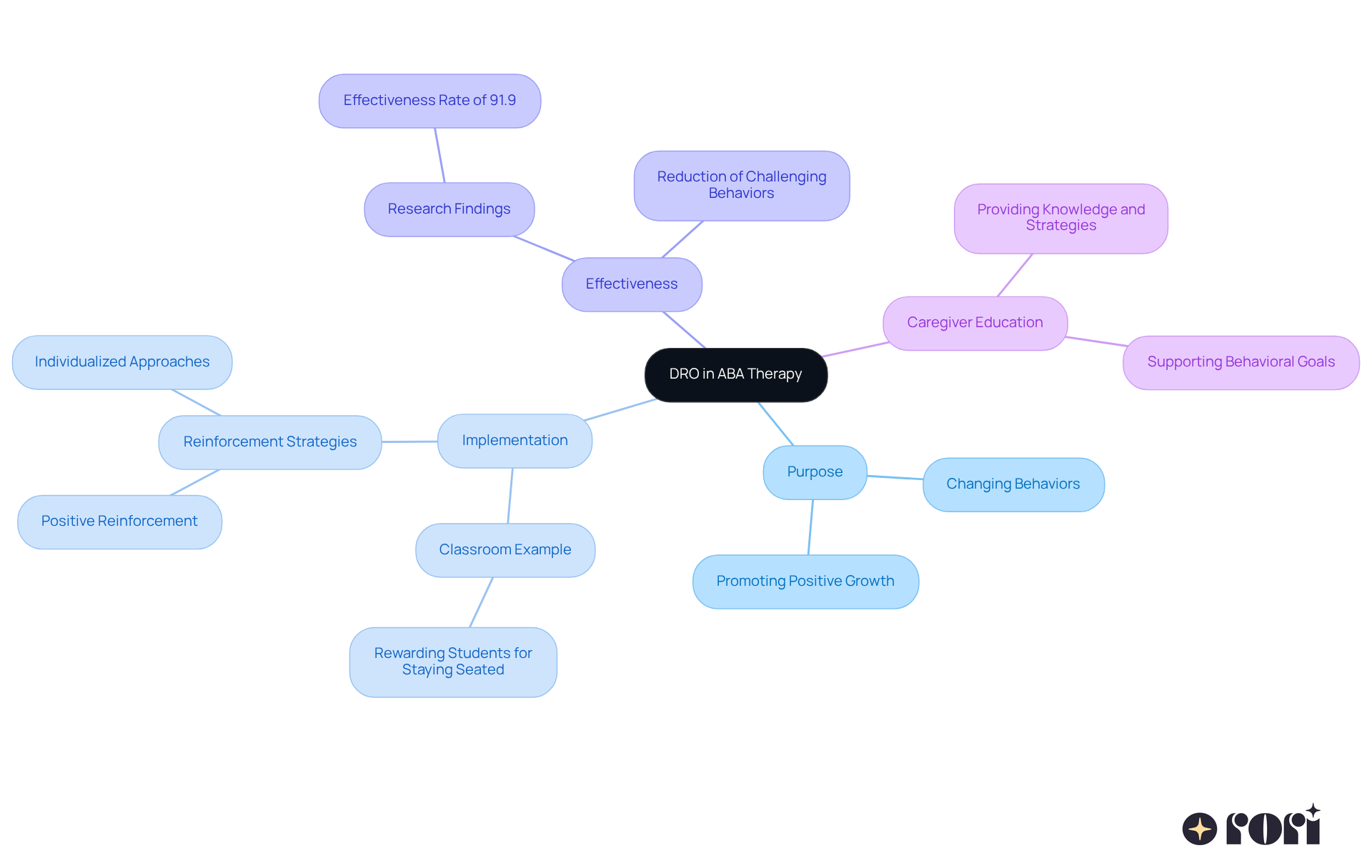
The is a key part of ABA therapy, focusing on . It’s particularly helpful for that can get in the way of learning and social interactions. By highlighting the absence of unwanted actions, parents and therapists can create a nurturing environment that promotes .
For example, in a classroom, a teacher might use DRO to encourage students to stay seated during lessons. They could reward them for every interval they remain seated without causing disruptions. This approach not only helps reduce unwanted behaviors but also cultivates a .
At Rori Care, our dedicated analysts design tailored intervention plans that include measurable goals and , ensuring we meet each individual’s unique needs. Research shows that the indicates using DRO can significantly lower challenging behaviors, with studies indicating an effectiveness rate of about 91.9%.
We also emphasize the , providing parents with the knowledge and strategies they need to effectively support their children’s behavioral goals. Plus, our conduct care engine performs and generates automatic progress reports, allowing clinicians to monitor progress and adjust intervention plans as needed.
Let’s explore this together! We’re here to help you every step of the way as you navigate these .
Implement DRO: Practical Applications and Strategies for Parents
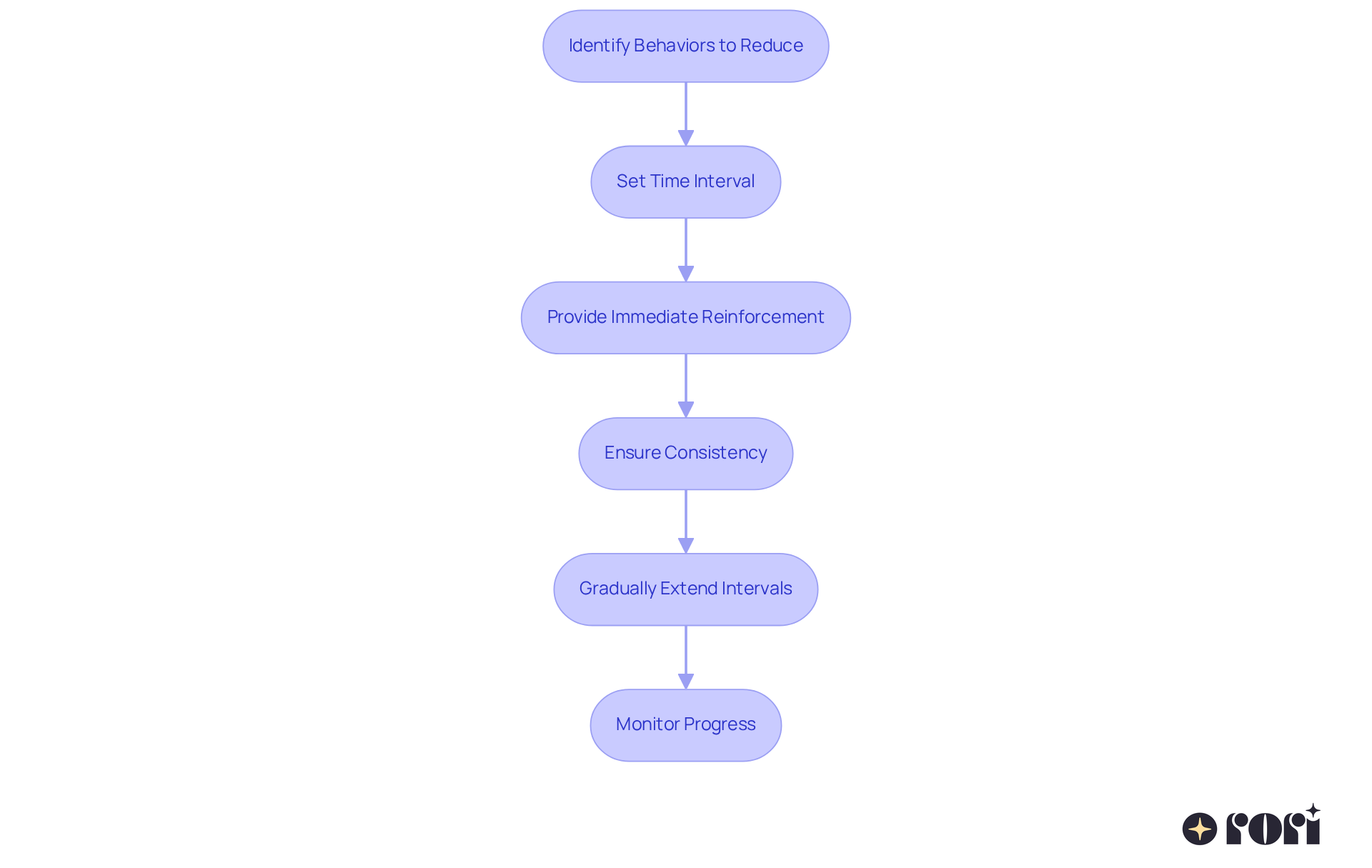
Implementing at home can be a game-changer for caregivers, especially when considering the . First things first, let’s pinpoint those specific behaviors you want to reduce. For instance, if your little one tends to disrupt conversations, you might choose a time frame—let’s say, five minutes—where you encourage them not to interrupt. If they manage to hold back during this time, it’s important to offer , like a warm praise or a small treat. This helps them connect the dots between not interrupting and receiving a reward.
Consistency is key! Make sure to provide that reinforcement right after the interval ends to really solidify that . As your child gets the hang of it, you can gradually extend those time intervals. This not only challenges them but also motivates them to for longer. It’s a good idea to base these intervals on the average time between those pesky interruptions, ensuring they’re realistic and achievable.
Research shows that when caregivers actively engage in , the results can be impressive—some studies even report with , which is explained by the . By embracing these approaches, you can . Let’s explore this journey together!
Overcome Challenges: Navigating Common Issues in DRO Implementation
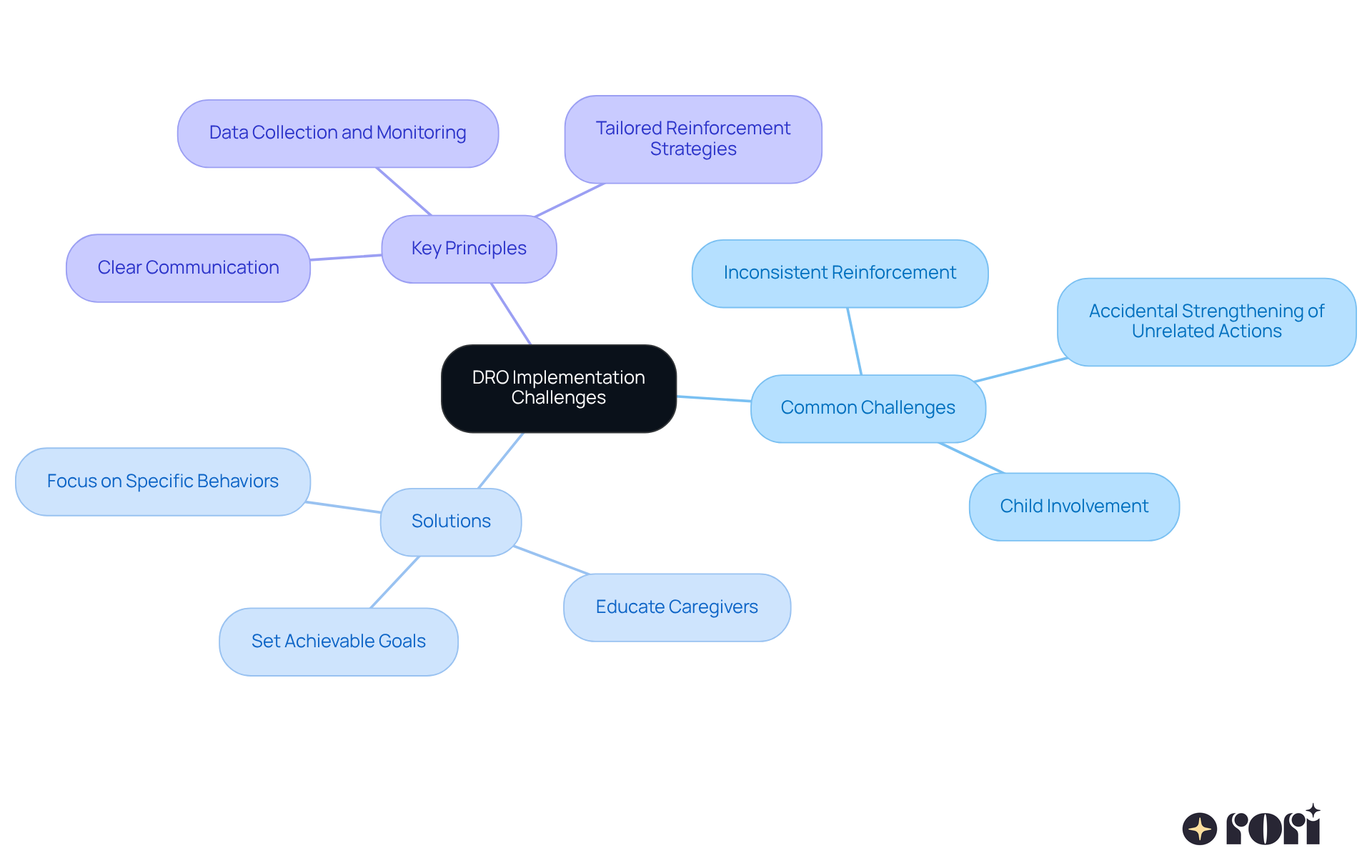
Implementing (DRO) can bring about some fantastic benefits, highlighting the . However, many caregivers face challenges, like inconsistent reinforcement and . One common hiccup is accidentally strengthening actions that don’t really connect to reducing the unwanted behavior. To tackle this, it’s important for parents to focus on the and avoid reinforcing unrelated positive actions during those .
Involving your little one in the process can really make a difference! Explaining the rewards and working together to set achievable goals helps foster a sense of ownership and motivation. This teamwork not only boosts engagement but also aligns with research showing that around 90% of kids show notable improvement when caregivers are actively involved and the recommended hours of intervention are fully implemented.
Plus, can provide better support and reduce stress. It equips parents with a deeper understanding of . By keeping communication clear and focusing on , along with regular data collection and monitoring, parents can effectively navigate the complexities of what entails, leading to better outcomes for their children.
It’s also essential to think about the specific time intervals used in , as they relate to the DRO ABA meaning, whether they are fixed or variable. These can influence your child’s engagement and the overall success of the intervention. Let’s explore this together!
Conclusion
Differential Reinforcement of Other Behavior (DRO) is such a powerful tool in Applied Behavior Analysis (ABA)! It focuses on rewarding the absence of undesirable behaviors, guiding our children toward more positive actions. By shifting our attention from negative behaviors to promoting calm and constructive actions, DRO not only helps with behavior modification but also creates a nurturing environment for personal growth and emotional regulation.
It’s amazing how effective DRO can be in managing challenging behaviors, especially for children with autism. Think about setting clear expectations, providing immediate reinforcement, and gradually increasing time intervals—these strategies have shown to be really instrumental in achieving positive outcomes. And let’s not forget about the vital role caregivers play in this process! Their involvement enhances understanding and implementation of ABA principles, leading to significant improvements in behavioral patterns.
The importance of DRO in behavior modification truly cannot be overstated. By embracing these strategies, parents can foster a supportive atmosphere that encourages their children to thrive. Engaging with professionals and utilizing tailored intervention plans will maximize the benefits of DRO, making it a key component in the journey toward better behavioral outcomes. Taking proactive steps today can pave the way for lasting positive change in our children’s lives. Let’s explore this together and reinforce the importance of understanding and applying DRO effectively!
Frequently Asked Questions
What is Differential Reinforcement of Other Behavior (DRO)?
DRO is a technique in Applied Behavior Analysis (ABA) that rewards the absence of a specific unwanted behavior over a set time period, encouraging individuals to avoid problematic actions.
How does DRO work in practice?
In practice, DRO involves rewarding a young person for not engaging in an unwanted behavior during a specified time frame. For example, a child may be rewarded for every five minutes they remain calm without throwing a tantrum.
What are the benefits of using DRO?
The benefits of DRO include creating a structured reinforcement schedule that promotes positive behavior change without punishment, helping individuals develop self-discipline and independence.
What types of behaviors can DRO help manage?
DRO has been shown to effectively manage various unwanted behaviors in children with autism, such as self-injurious actions and aggression, leading to improved emotional regulation and social interactions.
What strategies are effective in implementing DRO?
Effective strategies for implementing DRO include setting clear expectations, providing immediate reinforcement, and gradually increasing the time intervals for rewards as the child learns to maintain positive behavior.
Does DRO teach alternative behaviors?
No, while DRO is effective in reducing unwanted behaviors, it does not teach alternative behaviors and may unintentionally reinforce other unwanted actions.
Who should be involved in creating a DRO plan?
Qualified behavior analysts should be involved in crafting personalized DRO plans with measurable goals and evidence-based strategies to ensure successful implementation.
How can caregivers support their child’s behavioral goals with DRO?
Caregivers can support their child’s behavioral goals by being equipped with ABA principles and strategies, allowing them to make informed choices and actively participate in their child’s behavior modification process.
Where can parents find guidance on implementing DRO?
Parents looking for guidance on implementing DRO and other ABA strategies can seek a free consultation from Rori Care to discuss tailored approaches for their child’s unique needs.
List of Sources
- Define DRO: Understanding Differential Reinforcement of Other Behavior
- DRA vs DRO – How Differential Reinforcement is Used to Help Change Behaviors – Achieve Beyond (https://achievebeyondusa.com/the-dl-on-dras-and-dros-using-differential-reinforcement-to-help-change-behaviors)
- goldenstepsaba.com (https://goldenstepsaba.com/resources/differential-reinforcement-in-aba-therapy)
- totalcareaba.com (https://totalcareaba.com/autism/aba-therapy-and-differential-reinforcement)
- The Role of Differential Reinforcement in Reducing Problem Behaviors | Intellistars – ABA Therapy (https://intellistarsaba.com/blog/the-role-of-differential-reinforcement-in-reducing-problem-behaviors)
- pmc.ncbi.nlm.nih.gov (https://pmc.ncbi.nlm.nih.gov/articles/PMC2998250)
- Contextualize DRO: The Role of Differential Reinforcement in ABA Therapy
- goldenstepsaba.com (https://goldenstepsaba.com/resources/differential-reinforcement-in-aba-therapy)
- rori.care (https://rori.care/post/7-key-insights-on-dra-dri-dro-for-effective-aba-therapy)
- everydayspeech.com (https://everydayspeech.com/blog-posts/general/the-power-of-words-thought-provoking-sel-quotes-to-foster-social-and-emotional-learning)
- levelaheadaba.com (https://levelaheadaba.com/blog/expert-insights-dri-vs-dro-vs-dra-in-aba)
- blog.brookespublishing.com (https://blog.brookespublishing.com/10-quotes-and-tips-for-building-strong-social-emotional-skills)
- Implement DRO: Practical Applications and Strategies for Parents
- How to Implement a DRO Procedure (https://howtoaba.com/dro-procedure)
- rori.care (https://rori.care/post/implementing-dro-in-aba-therapy-a-practical-guide)
- hiddengemsaba.com (https://hiddengemsaba.com/articles/differential-reinforcement-in-aba)
- rori.care (https://rori.care/post/differential-reinforcement-of-other-behavior-involves-key-steps-for-parents)
- go.gale.com (https://go.gale.com/ps/i.do?id=GALE%7CA10488399&sid=googleScholar&v=2.1&it=r&linkaccess=abs&issn=00144029&p=AONE&sw=w)
- Overcome Challenges: Navigating Common Issues in DRO Implementation
- rori.care (https://rori.care/post/what-is-dro-meaning-in-aba-a-comprehensive-overview)
- rori.care (https://rori.care/post/what-is-a-dro-in-aba-understanding-differential-reinforcement)
- The Role of Differential Reinforcement in Reducing Problem Behaviors | Intellistars – ABA Therapy (https://intellistarsaba.com/blog/the-role-of-differential-reinforcement-in-reducing-problem-behaviors)
- Inspiring Quotes on Child Learning and Development (https://vincegowmon.com/inspiring-quotes-on-child-learning-and-development)
- charts.intensiveintervention.org (https://charts.intensiveintervention.org/intervention/toolView?id=5f3d894d789c6c66)