

Introduction
Understanding the nuances of property destruction within the framework of Applied Behavior Analysis (ABA) therapy is essential for effective intervention. This behavior often signals unmet needs or emotional distress, and it can significantly impact therapeutic outcomes for children, especially those with autism.
By exploring operational definitions and tailored strategies, caregivers and clinicians can not only mitigate these damaging actions but also foster healthier emotional and developmental growth. What if we viewed a child’s destructive behaviors as vital communication tools?
Let’s explore this together!
When we consider these behaviors as a form of communication, it opens up a whole new perspective on how to support our children. By understanding the underlying reasons for these actions, we can better address their needs and help them thrive.
Define Property Destruction in ABA Therapy
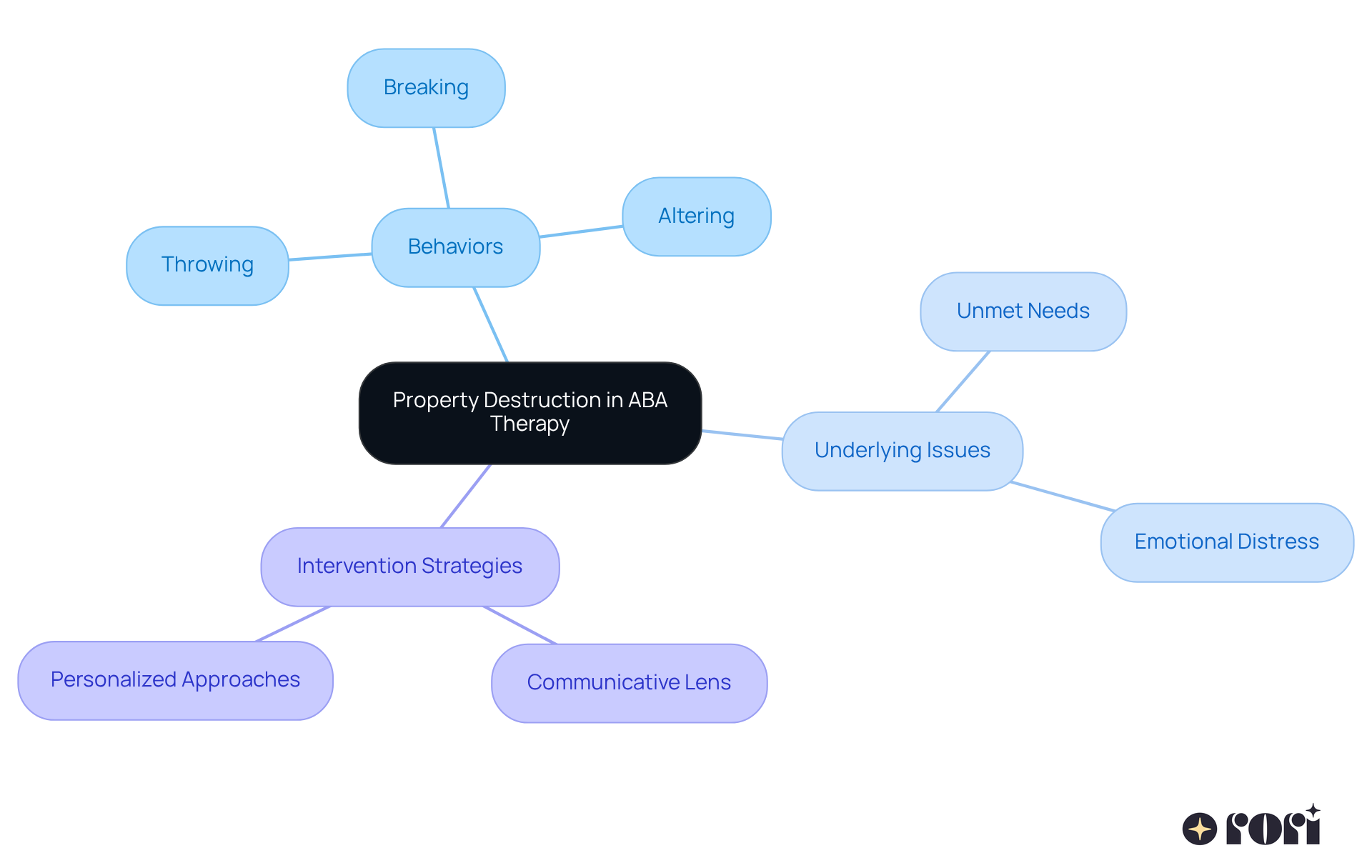
In Applied Behavior Analysis (ABA) therapy, the encompasses any action a child takes that harms items, materials, or surfaces around them. This can include throwing, breaking, or altering things—whether they mean to or not. Recognizing the is crucial for developing . Often, these actions communicate .
Did you know that around 59% of individuals with autism engage in at some point in their lives? This highlights how can be in this community. Analysts point out that can lead to more . As one specialist wisely noted, ‘.’ This means they often reflect deeper issues that need our attention.
By viewing damage to belongings through a , caregivers and clinicians can implement strategies based on the that not only help reduce these behaviors but also support the young person’s overall emotional and developmental needs. Let’s explore this together!
Establish Operational Definitions for Property Destruction
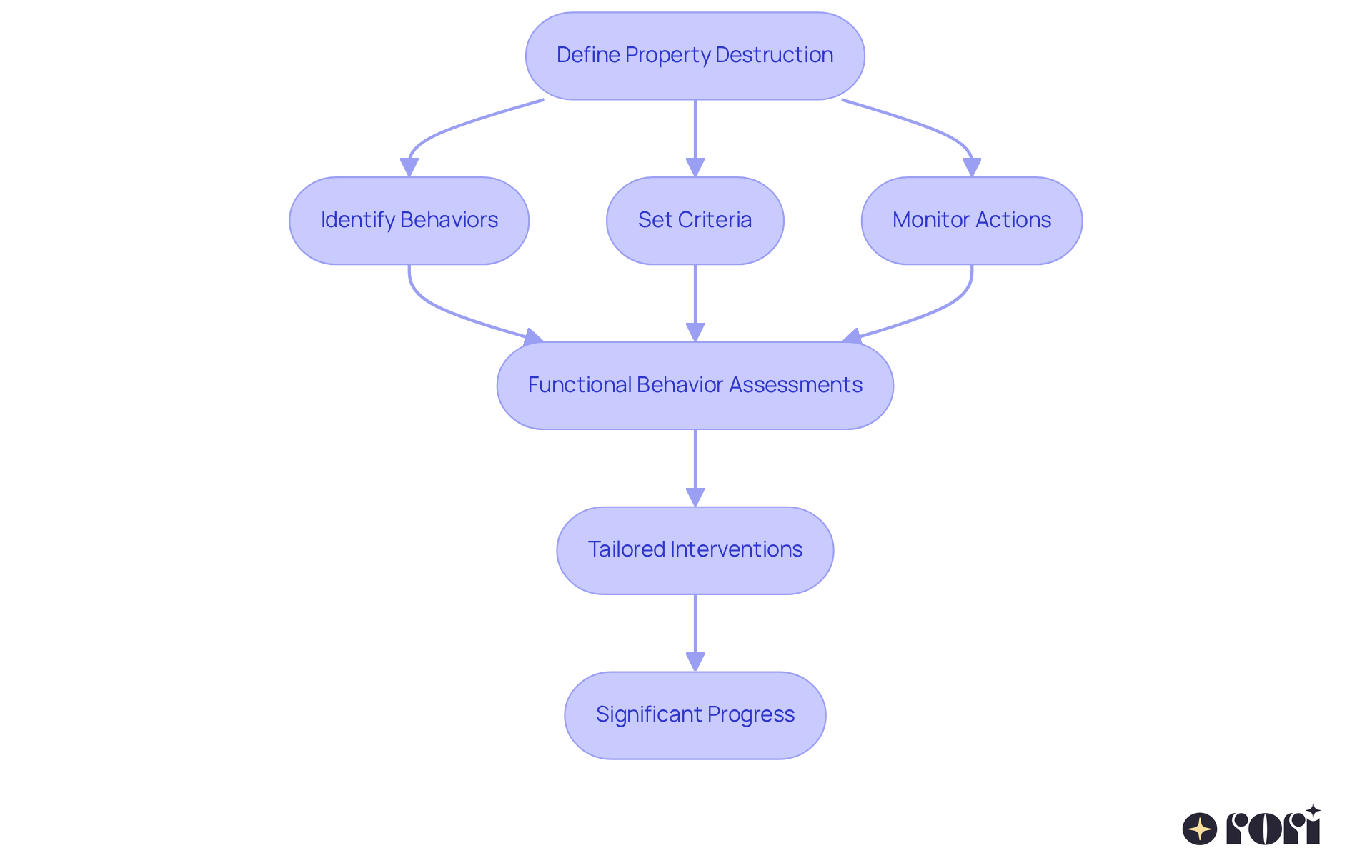
To effectively tackle property damage, it’s important to establish the . According to the , , kicks furniture, or intentionally breaks items. These definitions should include specific criteria, such as the context of the behavior and the intensity of the action, based on the . For instance, tossing something from at least six inches away or upending furniture are clear examples of damaging belongings.
This clarity helps in consistently monitoring actions and assists in planning interventions. It ensures that everyone on the team, including , is on the same page. One BCBA shared that having to work towards their rewards. Plus, it’s fascinating to note that property damage actions can be reduced by an average of 96% when , supported by ongoing progress reports and active caregiver involvement.
When we achieve full implementation of the recommended hours, we see in 90% of children. are also vital in pinpointing triggers for these behaviors, allowing for more effective intervention strategies. By focusing on visible and measurable actions, practitioners can minimize damage and promote positive outcomes. Ultimately, this approach can . Let’s explore this together!
Implement ABA Strategies to Reduce Property Destruction
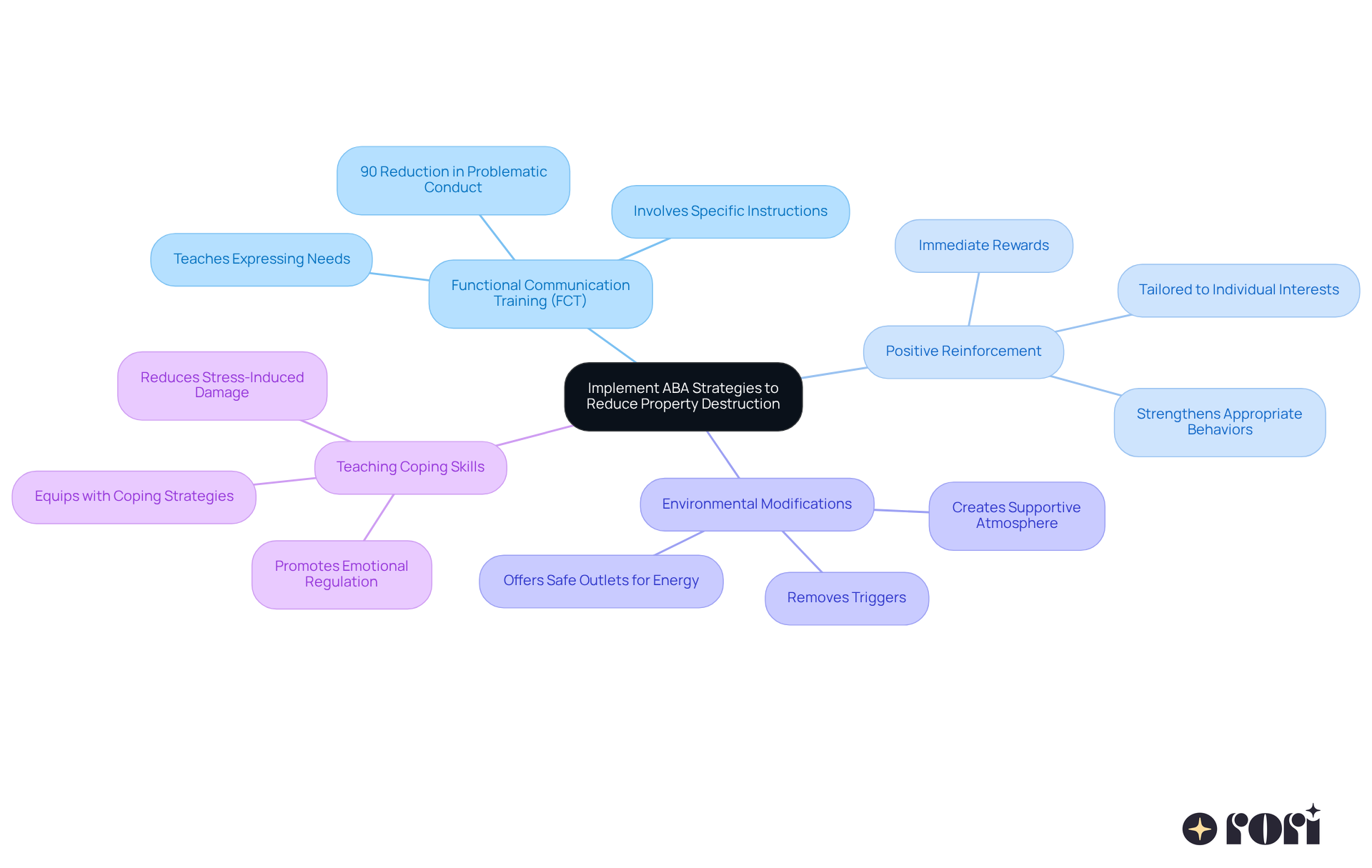
To effectively reduce property destruction, several :
- : This method teaches children to express their needs or frustrations through spoken communication or other means, which helps . Research shows that FCT can lead to , with studies demonstrating a 90% decrease in problematic conduct when implemented effectively.
- : Strengthening appropriate behaviors is key! By providing incentives when a young person engages in non-destructive activities or communicates effectively, the likelihood of these positive actions occurring again increases. Tailoring reinforcement techniques to fit the individual’s interests makes them even more effective, as immediate rewards after preferred behaviors can greatly boost engagement.
- : Sometimes, changing the environment can help reduce triggers for damaging behavior. This might mean removing breakable items or offering safe outlets for energy, creating a more supportive atmosphere that discourages destructive actions.
- : Equipping young individuals with coping strategies to manage frustration or anxiety is essential. By teaching these skills, the chances of resorting to damaging belongings in response to stressors are lessened, promoting healthier emotional regulation.
These strategies not only address the but also nurture overall behavioral development, enhancing communication and social skills in children with autism. Let’s explore this together!
Utilize Data Collection for Effective Intervention Monitoring
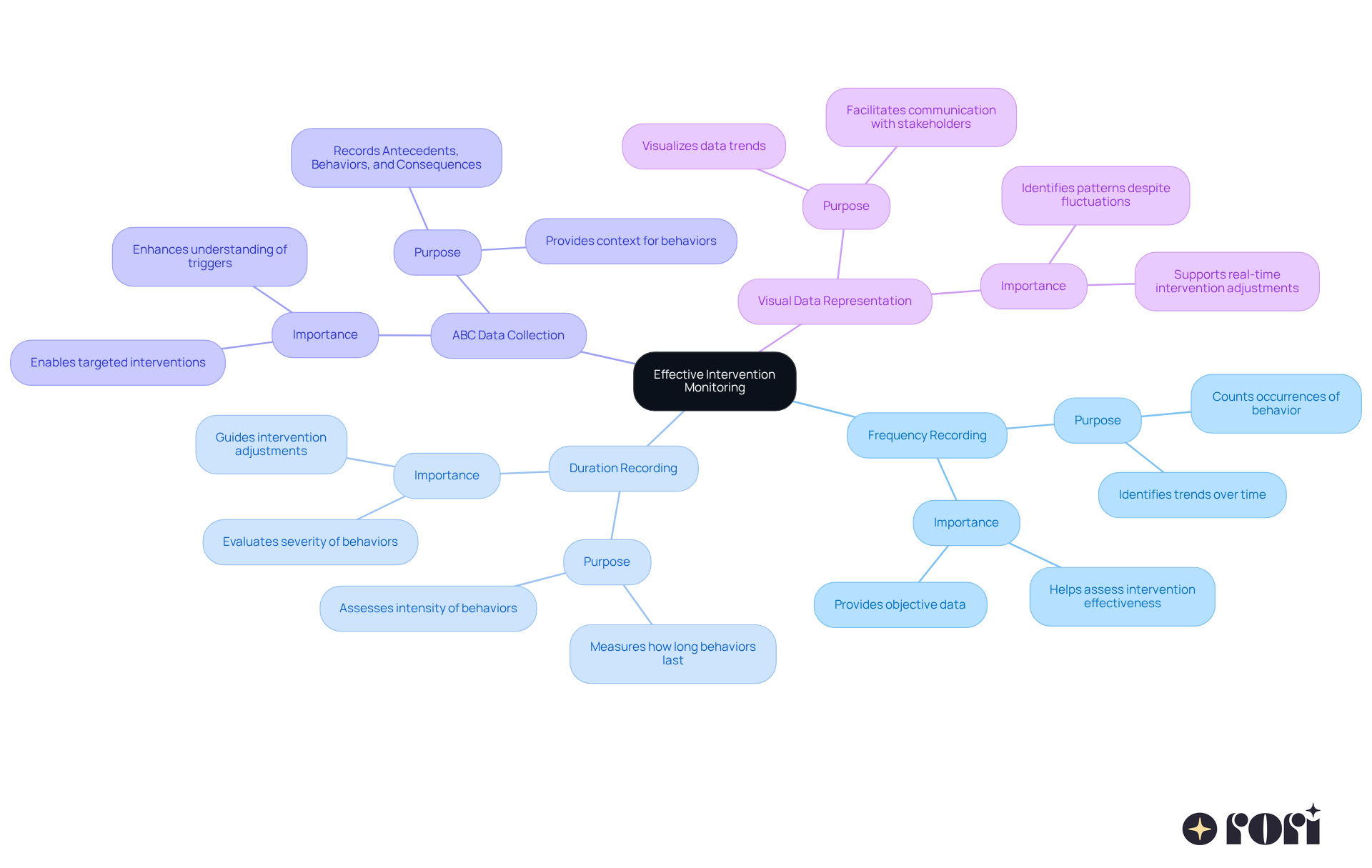
Effective intervention monitoring in is all about , and it’s even better with that evolve based on progress report data and active caregiver involvement. Let’s take a look at some key methods to implement:
- : This method involves keeping an eye on how often damage to assets occurs within a specific timeframe. By spotting trends and triggers, therapists can gain a better understanding of the situations that lead to these actions. Research shows that shines when progress is consistently tracked through data collection, reinforcing just how vital this method is.
- : By assessing how long damage-causing actions last, we can glean insights into the intensity and impact of these activities. This information is crucial for evaluating the severity of the behavior and tailoring interventions accordingly.
- ABC Data Collection: Recording the Antecedents, Behaviors, and Consequences surrounding instances of the helps therapists grasp the context and purpose behind the actions. This comprehensive approach allows for more targeted interventions that really make a difference.
- : Using graphs or charts to visualize data trends over time makes it easier to share progress with families and other professionals. help identify patterns in data, even when there are fluctuations. By consistently reviewing this data, therapists can quickly adjust intervention strategies, ensuring they remain effective and adaptable to the individual’s changing needs.
The power of in lies in its ability to provide objective, quantifiable insights into a young individual’s actions. Behavior analysts emphasize that ongoing data monitoring is essential for making informed decisions about intervention approaches, ultimately leading to better outcomes for young individuals. Plus, low variability in data fosters greater agreement among experts and BCBAs on intervention effectiveness. By integrating these , along with AI-driven progress report automation, therapists can create a more personalized and effective approach to managing behaviors under the , freeing up 50% more time for child treatment.
Let’s explore this together! We’re here to help you every step of the way!
Conclusion
Understanding property destruction in the context of ABA therapy is crucial for creating effective interventions that tackle the root causes of these behaviors. When we see actions like throwing or breaking items, it often points to unmet needs or emotional distress. By approaching these situations with empathy and thoughtful strategies, caregivers and clinicians can make a real difference. This perspective not only helps reduce property damage but also supports the emotional and developmental growth of the individual.
Key insights from the article emphasize the need for:
- Clear definitions of property destruction
- Personalized ABA strategies
- Effective data collection methods to track progress
Techniques like Functional Communication Training, positive reinforcement, environmental adjustments, and teaching coping skills can help minimize destructive behaviors while encouraging healthier communication and emotional regulation. Plus, collecting data systematically offers a deeper understanding of these behaviors, allowing practitioners to adjust their interventions based on real-time insights.
Addressing property destruction in ABA therapy is about more than just preventing damage; it’s about nurturing the well-being and growth of individuals with autism. By implementing tailored interventions and actively involving caregivers, we can significantly enhance the potential for positive outcomes. Embracing this comprehensive approach can lead to transformative changes, ultimately improving the quality of life for those affected.
Let’s explore this together! Remember, we’re here to help you every step of the way!
Frequently Asked Questions
What is the definition of property destruction in ABA therapy?
In Applied Behavior Analysis (ABA) therapy, property destruction refers to any action a child takes that harms items, materials, or surfaces around them, including throwing, breaking, or altering things, regardless of intent.
Why is it important to recognize the property destruction operational definition in ABA therapy?
Recognizing the property destruction operational definition is crucial for developing effective intervention strategies, as these actions often communicate unmet needs or emotional distress.
How common are self-injurious or harmful behaviors among individuals with autism?
Approximately 59% of individuals with autism engage in self-injurious or harmful behaviors at some point in their lives, indicating that such actions are quite common within this community.
What do analysts suggest about understanding property destruction behaviors?
Analysts suggest that understanding property destruction behaviors can lead to more personalized interventions, as these challenging actions often reflect deeper issues that require attention.
How can caregivers and clinicians approach property destruction behaviors?
By viewing property destruction through a communicative lens, caregivers and clinicians can implement strategies that not only help reduce these behaviors but also support the young person’s overall emotional and developmental needs.
List of Sources
- Define Property Destruction in ABA Therapy
- discoveryaba.com (https://discoveryaba.com/aba-therapy/aba-approaches-to-reduce-property-destruction)
- link.springer.com (https://link.springer.com/article/10.1007/s10803-023-06123-2)
- ABA Study: the Reduction of Challenging Behavior through Early Intensive and Comprehensive ABA Therapy (https://actionbehavior.com/resource/blog/a-longitudinal-study-of-the-reduction-of-challenging-behavior-through-early-intensive-and-comprehensive-applied-behavior-analysis)
- Challenging Behaviors and Autism (https://autism.org/challenging-behaviors-and-autism)
- pmc.ncbi.nlm.nih.gov (https://pmc.ncbi.nlm.nih.gov/articles/PMC11150915)
- Establish Operational Definitions for Property Destruction
- discoveryaba.com (https://discoveryaba.com/aba-therapy/aba-approaches-to-reduce-property-destruction?8936781b_page=16)
- newpatternsaba.com (https://newpatternsaba.com/blog/the-role-of-aba-therapy-in-reducing-property-destruction)
- docs.autismspeaks.org (https://docs.autismspeaks.org/behaviors-overview/definitions)
- blueabatherapy.com (https://blueabatherapy.com/aba/operational-definitions)
- Implement ABA Strategies to Reduce Property Destruction
- discoveryaba.com (https://discoveryaba.com/aba-therapy/aba-approaches-to-reduce-property-destruction?8936781b_page=13)
- A Mega-Review of Functional Communication Training for Students with Disabilities in Educational Settings – Journal of Behavioral Education (https://link.springer.com/article/10.1007/s10864-025-09598-4)
- pmc.ncbi.nlm.nih.gov (https://pmc.ncbi.nlm.nih.gov/articles/PMC1284113)
- The Impact of Positive Reinforcement on ABA Therapy Outcomes (https://crossrivertherapy.com/articles/the-impact-of-positive-reinforcement-on-aba-therapy-outcomes)
- pmc.ncbi.nlm.nih.gov (https://pmc.ncbi.nlm.nih.gov/articles/PMC3594102)
- Utilize Data Collection for Effective Intervention Monitoring
- heartwisesupport.org (https://heartwisesupport.org/post/applied-behavior-analysis-and-data-driven-decision-making)
- The Importance of Data Collection in ABA Therapy | Discovery ABA (https://discoveryaba.com/aba-therapy/the-importance-of-data-collection-in-aba-therapy)
- The Importance of Data Collection in ABA Therapy/Aim Higher ABA (https://aimhigheraba.com/the-importance-of-data-collection-in-aba-therapy)
- The Benefits of Data-Driven Decision Making in ABA Therapy | Advanced Autism Services (https://advancedautism.com/post/the-benefits-of-data-driven-decision-making-in-aba-therapy)
- Tracking and Measuring Outcomes in ABA Therapy Programs (https://mastermindbehavior.com/post/tracking-and-measuring-outcomes-in-aba-therapy-programs)