The puzzle piece symbol, introduced in 1963, has been a well-known emblem in autism awareness, capturing the complexity of the condition. While it was originally meant to represent the challenges faced by autistic individuals, this symbol has sparked quite a debate about its implications and the narratives it perpetuates. As advocates push for more inclusive and empowering representations of autism, questions arise:
Exploring the historical context, criticisms, and alternative symbols can help us understand how these representations shape perceptions and acceptance within our society. Let’s explore this together!
The jigsaw fragment symbol was first introduced in 1963 by the National Autistic Society (NAS) in the UK. It aimed to capture the . The original design featured a crying child within the piece, which many interpreted as a representation of the and their families. This imagery suggested that , sparking considerable discussion within the community.
Over the years, various groups have embraced the puzzle piece as a means to raise awareness about autism. However, its of its role in advocacy efforts. Critics argue that the fragment promotes outdated views, portraying autism as a deficiency rather than a natural variation of human experience. As our understanding evolves, many are advocating for .
Let’s explore this together! It’s important to consider how symbols impact our . Share your thoughts or experiences—your voice matters in this conversation!
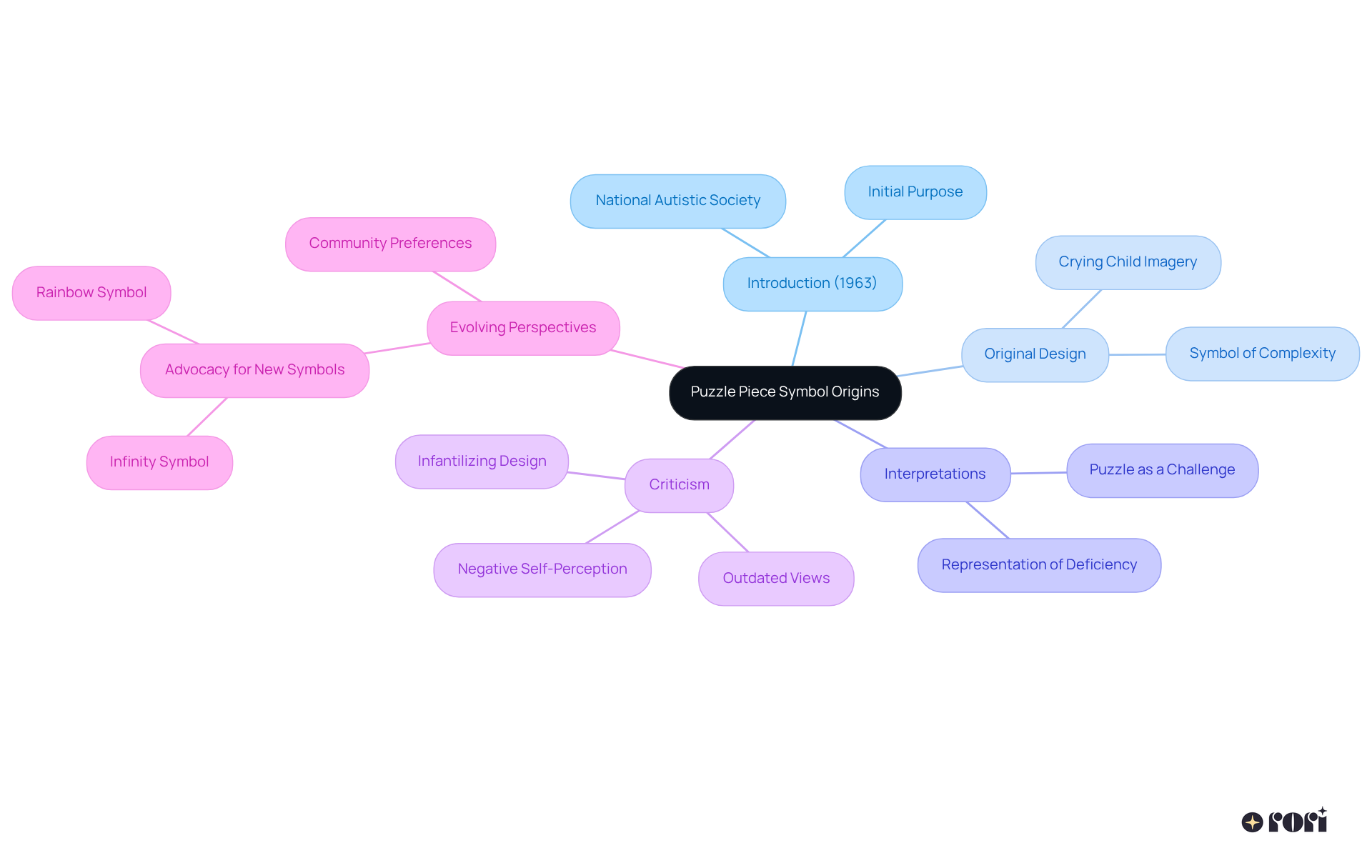
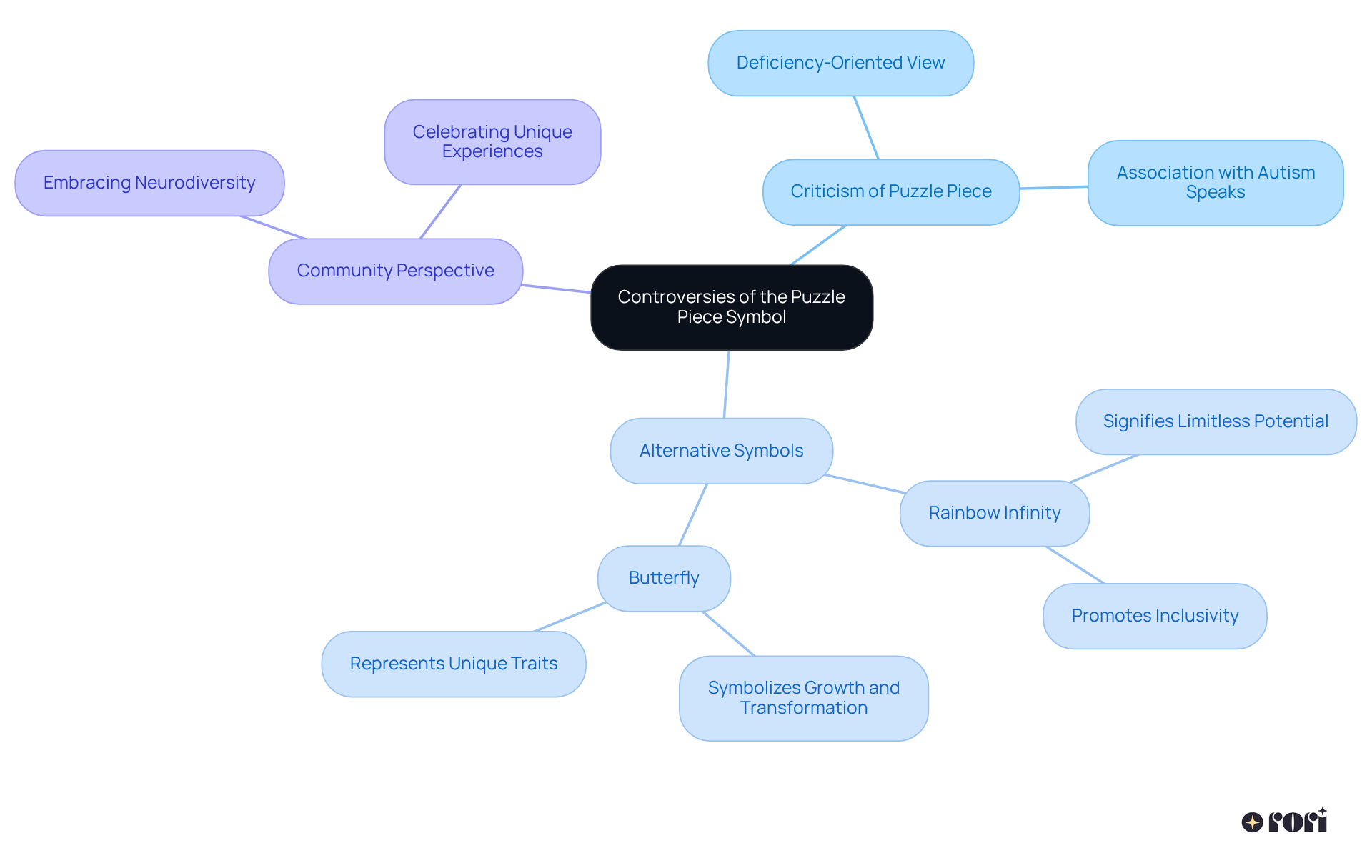
Critics argue that the emblem introduced in 1963 by the National Autistic Society emphasizes a deficiency-oriented view of individuals on the spectrum. This perspective suggests that autistic individuals are somehow . Many in the find this representation belittling and disrespectful, as it implies that autism is a challenge rather than a natural variation of human experience.
Furthermore, the puzzle piece 's association with organizations like Autism Speaks, which has faced criticism for its portrayal of autism, makes it even less accepted. In response, advocates are increasingly calling for a shift toward representations that celebrate . For example, the introduced in 2005 signifies the limitless potential of individuals on the spectrum.
The butterfly symbol is another powerful representation, symbolizing in autistic individuals. Advocates emphasize that autism should be viewed as a rather than a problem to be solved. This perspective highlights the importance of the diverse experiences within the community. As one advocate beautifully put it, 'Autism is not a to be solved, but a mosaic to be celebrated.' Let’s explore this together and of every individual!
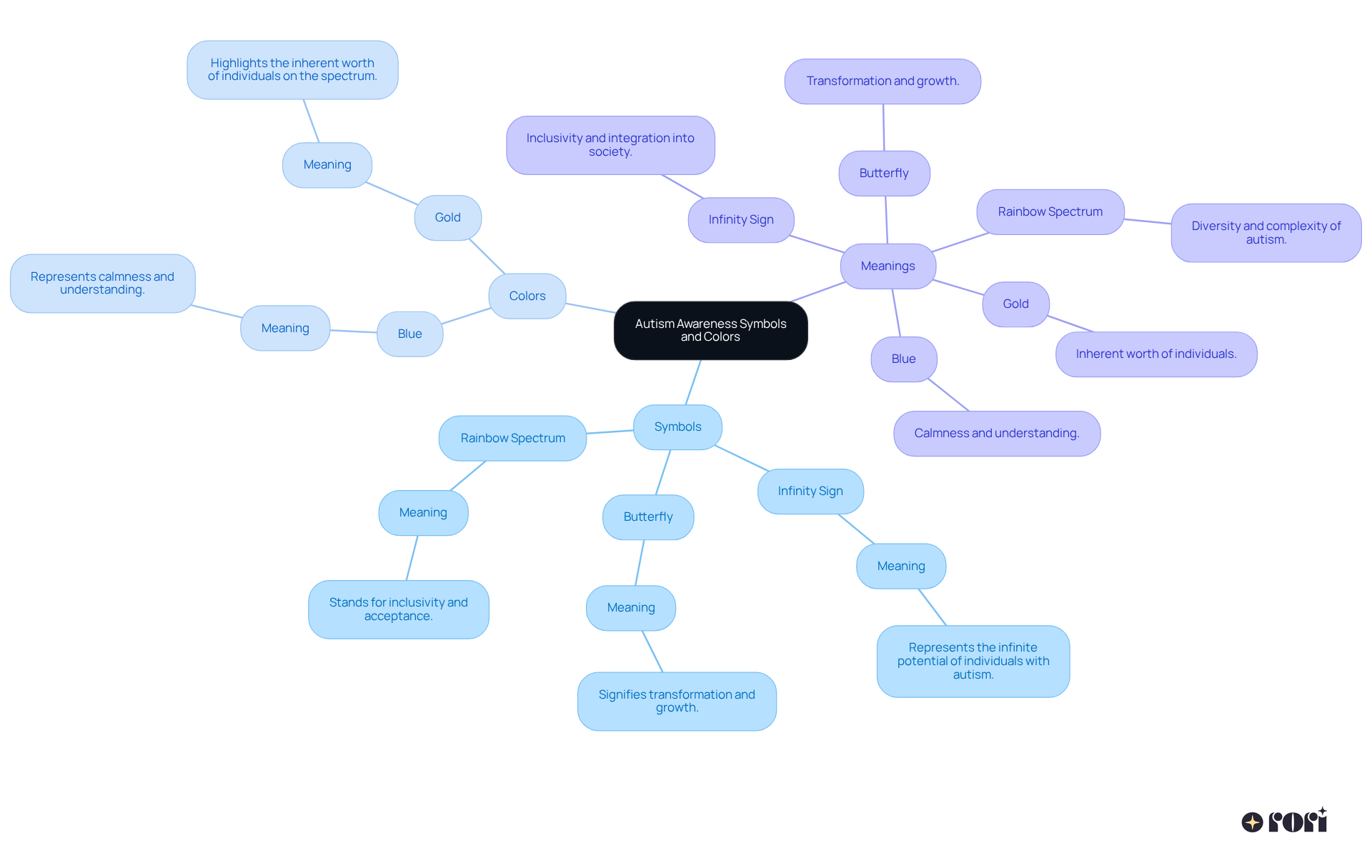
In recent years, various symbols have become popular within the . One of the most recognized is the infinity sign, often shown in a . This symbol beautifully represents the , reminding us that there’s no single experience tied to it. 🌈
Other symbols include:
are also commonly associated with :
These symbols and colors aim to and . Let’s explore this together!
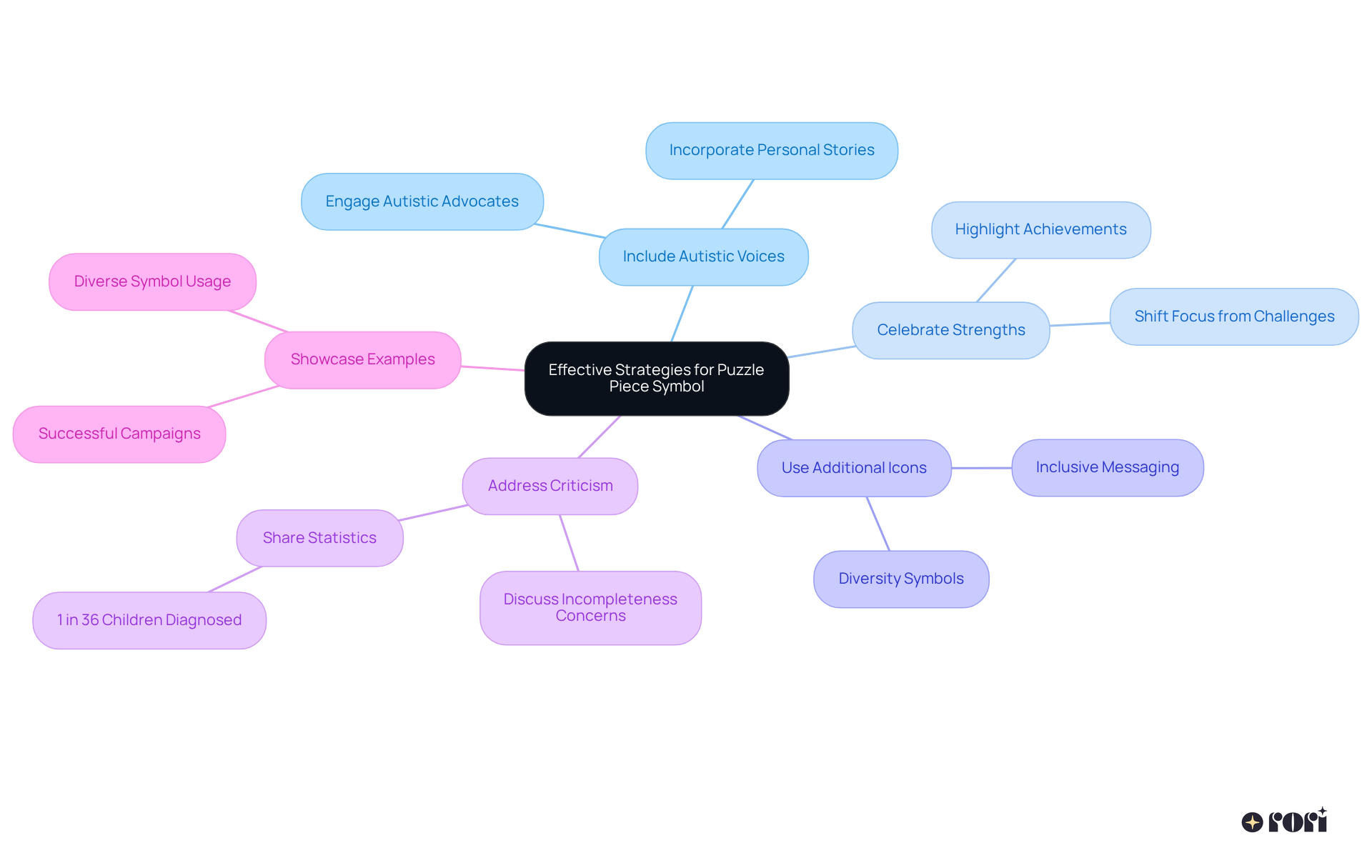
Using the requires a thoughtful approach that acknowledges its . It’s important for advocates to be sensitive and actively include voices from the in their messaging. One effective strategy is to pair the jigsaw symbol with stories that celebrate the strengths and achievements of autistic individuals, shifting the spotlight from challenges to successes.
Additionally, adding various icons alongside the jigsaw piece helps deliver a more inclusive message, reaching a wider audience. Engaging in open discussions about the symbol's significance and its effects can enhance understanding and acceptance within the community. This ultimately creates a more compassionate and supportive environment for those on the spectrum.
It’s also vital to recognize , which has faced criticism for implying that individuals with autism are incomplete. By addressing this concern and sharing statistics—like the fact that —. Including quotes from reputable organizations, such as the National Autistic Society, adds credibility to the message, highlighting the importance of increased understanding and acceptance.
Moreover, showcasing examples of that utilize multiple advocacy strategies. Let’s explore this together and see how we can foster a more inclusive narrative!
The puzzle piece autism awareness symbol has a complex history that reflects both the challenges and the evolving understanding of autism. Originally designed to encapsulate the mystery surrounding autism, it has since faced significant criticism for portraying individuals on the spectrum as incomplete or in need of fixing. This perspective is increasingly viewed as outdated, prompting advocates to seek alternative symbols that celebrate the richness of neurodiversity and the unique strengths of autistic individuals.
Throughout the article, we’ve explored key arguments that highlight the historical context of the puzzle piece, its controversial implications, and the emergence of more inclusive symbols like the rainbow infinity sign and the butterfly. These alternatives emphasize transformation, diversity, and the inherent worth of every individual on the spectrum. The conversation around these symbols is crucial, as it shapes the way society perceives and understands autism, moving away from a deficit model towards one that embraces acceptance and celebration.
Ultimately, the ongoing dialogue about the puzzle piece symbol and its alternatives encourages a deeper reflection on how society can better support and uplift autistic individuals. Engaging in this conversation is vital, as it fosters a more inclusive narrative that recognizes and values the unique experiences of those on the spectrum. Advocates and allies alike are urged to consider their role in promoting symbols that reflect the true essence of autism—one that is not a puzzle to be solved, but a vibrant mosaic to be celebrated. Let’s explore this together!
What is the origin of the puzzle piece symbol in relation to autism?
The puzzle piece symbol was first introduced in 1963 by the National Autistic Society (NAS) in the UK to capture the complexity and mystery surrounding autism.
What did the original design of the puzzle piece symbol feature?
The original design featured a crying child within the piece, which many interpreted as a representation of the challenges faced by autistic individuals and their families.
What has been the impact of the puzzle piece symbol in autism awareness?
Various groups have embraced the puzzle piece symbol as a means to raise awareness about autism, but its original meanings have led to calls for reevaluation in advocacy efforts.
Why do some critics oppose the use of the puzzle piece symbol?
Critics argue that the puzzle piece promotes outdated views, portraying autism as a deficiency rather than a natural variation of human experience.
What is the current discussion surrounding representations of autism?
As our understanding of autism evolves, many advocates are calling for alternative representations that reflect the strengths and diversity of autistic individuals.