

Introduction
Understanding elopement in children with autism is crucial for caregivers navigating the complexities of this behavior. Did you know that nearly half of autistic children might wander away at some point? The stakes are high for ensuring their safety, and it’s a challenge many parents face.
This article delves into the underlying causes of elopement, exploring triggers like sensory overload and anxiety. We’ll also offer practical strategies for prevention and management. How can caregivers effectively address this challenge and create a secure environment for their children? Let’s explore this together! We’re here to help you every step of the way!
Define Elopement in Autism: Understanding the Behavior
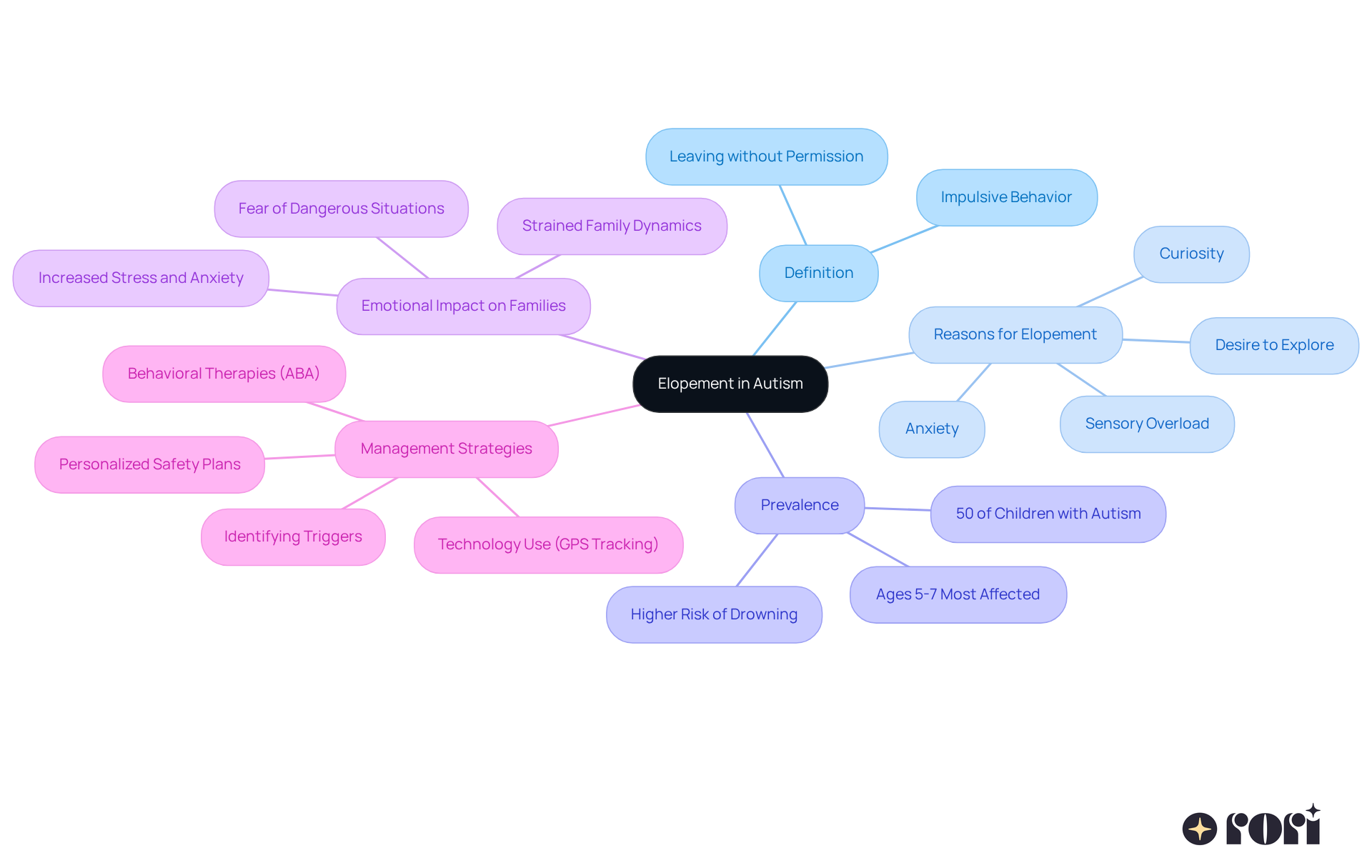
Many parents of children with autism may encounter elopement, often called wandering, and may wonder . It’s when a child leaves a safe area without permission or supervision. This behavior can pop up in various places—like at home, school, or even in public—and it can be pretty scary for caregivers because of the . Understanding is essential for creating .
Kids may run away, bolt, or simply wander off, often driven by a curiosity to explore or a need to escape overwhelming situations, leading to the question of why do autistic kids elope. Did you know that nearly 50% of children with autism might run away at some point? This behavior tends to be most common between the ages of 5 and 7. It’s important to see this departure as a way of communicating; it often reflects the child’s needs or reactions to their environment. For instance, sensory overload or anxiety can trigger these actions, which raises the question of why do autistic kids elope, making it crucial to understand the underlying causes for creating safer spaces.
The emotional toll on families can be significant. In fact, 56% of parents identify running away as one of the toughest behaviors to manage, leading to increased stress and anxiety. But there’s hope! By putting together tailored safety plans and using behavioral therapies like , families can tackle . Plus, empowering parents with knowledge about ABA principles and strategies can really enhance their ability to support their child’s behavioral goals.
Let’s explore this together! Simple strategies, like teaching parents to spot triggers and develop proactive responses, can make a big difference in how effective these interventions are. Remember, you’re not alone in this journey. We’re here to help you every step of the way!
Identify Causes of Elopement: Triggers and Motivations
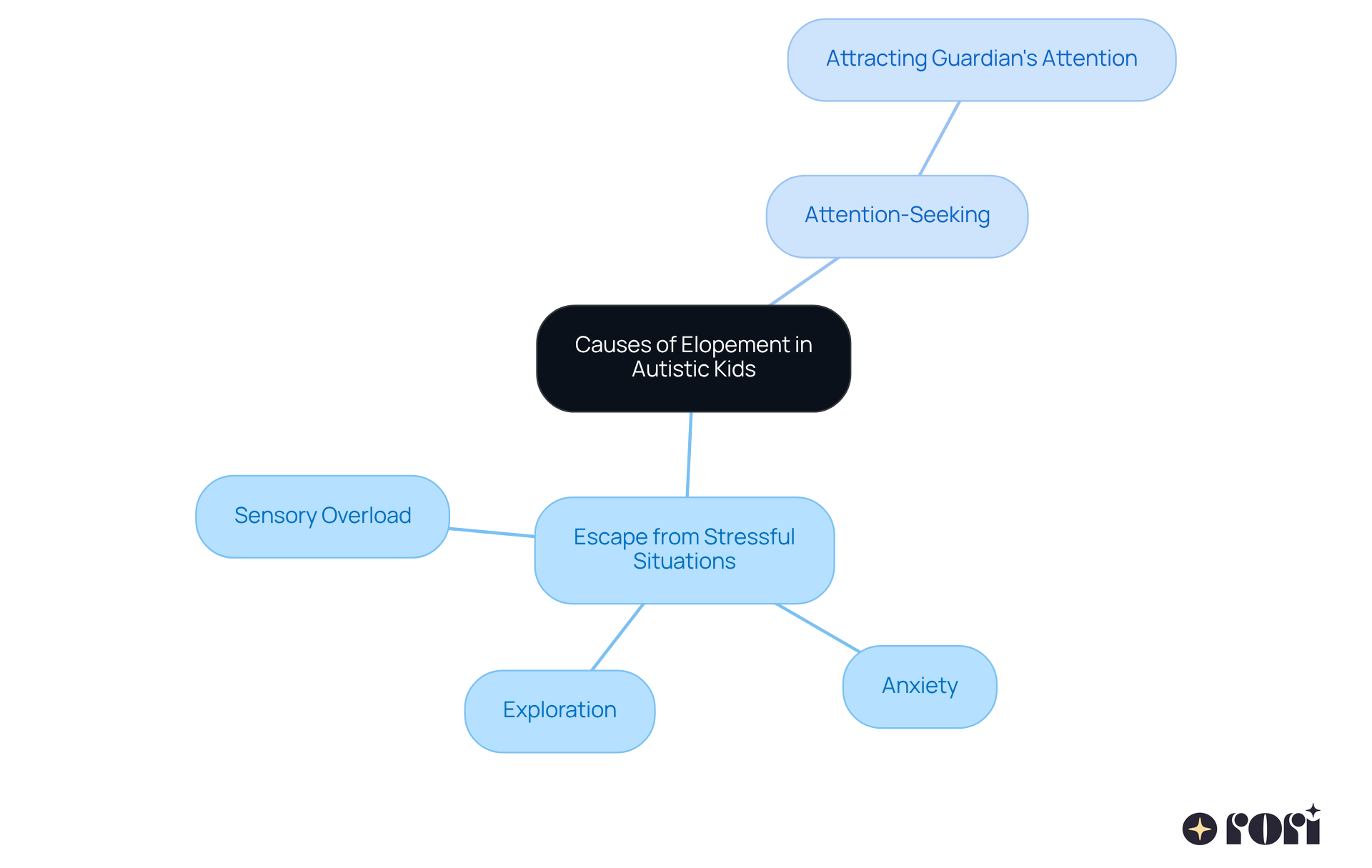
Understanding is important, as can be triggered by various factors like , anxiety, and a desire to explore something interesting. Understanding is crucial for caregivers to implement effective preventive measures. Let’s dive into some common reasons for elopement:
- : Many children elope to avoid overwhelming environments, such as crowded places or loud noises. These situations can heighten . Some youngsters wander off in pursuit of activities or objects that provide the sensory stimulation they crave, leading to the question of in search of playgrounds or water bodies. Exploration, driven by a natural curiosity, often leads children, including autistic kids, to seek new experiences or environments, which raises the question of why do autistic kids elope in search of adventure. One reason why do autistic kids elope is that they struggle to express their needs verbally, which may lead them to escape as a way of indicating discomfort or a desire for something they cannot articulate.
- Attention-Seeking: In some cases, understanding why do autistic kids elope may indicate that from guardians, especially if earlier occurrences have led to a pursuit or heightened engagement.
By identifying these triggers, guardians can take proactive measures to decrease the chances of elopement, which leads to the question of why do autistic kids elope, ensuring a safer atmosphere for their dependents. This includes implementing tailored to their unique requirements. Participating in continuous assessment and utilizing can empower guardians, enhancing their ability to assist their children’s behavioral objectives. Together, we can work toward achieving better behavioral results! Let’s explore this journey together!
Implement Prevention Strategies: Ensuring Safety and Security
To effectively prevent elopement, caregivers can implement several strategies that enhance safety and security for children with autism, which can help answer the question of .
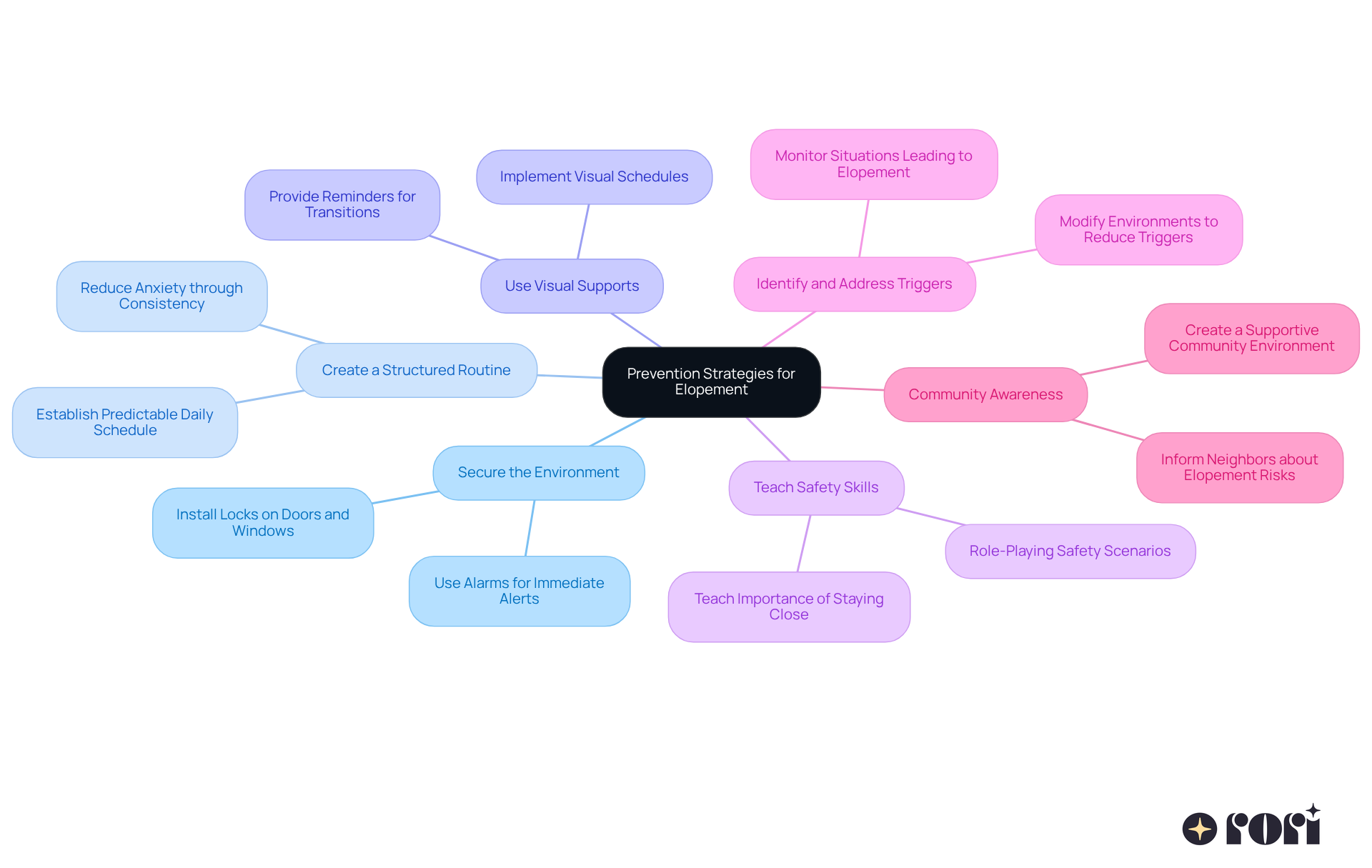
- : One great way to start is by installing locks on doors and windows that are tricky for children to open. You might also consider that alert caregivers when doors are opened—this way, you have an immediate response mechanism in place.
- Create a : Establishing a predictable daily schedule can really help reduce more secure. This, in turn, decreases the likelihood of wandering off. Studies show that organized routines can lead to better behavior and stability in children with autism.
- Use : Visual schedules and reminders can be super helpful in assisting kids with understanding transitions and expectations. This can significantly reduce anxiety that might lead to behaviors related to . Think of these tools as that help kids navigate their daily activities.
- : It’s important to teach young ones about safety and the significance of staying close to caregivers. Role-playing scenarios can make these lessons more relatable and easier to remember, reinforcing their importance in a fun way.
- : Keep an eye on situations that might lead to running away and work on modifying those environments or preparing the child for them. Understanding common triggers, like sensory overload or changes in routine, is key for effective intervention to address the question of why do autistic kids elope.
- : Don’t hesitate to inform neighbors and local community members about your child’s tendency to run away. This proactive approach ensures that the community is ready to assist if necessary, creating a supportive environment.
By applying these strategies, caregivers can create a more secure setting that reduces the risk of leaving without notice. Let’s explore this together, as it ultimately improves the welfare of individuals with autism!
Utilize ABA Therapy: Tailored Approaches for Elopement Management
Applied Behavior Analysis (ABA) therapy is a well-established approach for helping children with autism, especially in addressing questions about due to their exit-seeking behaviors. Let’s explore some tailored strategies that can make a real difference:
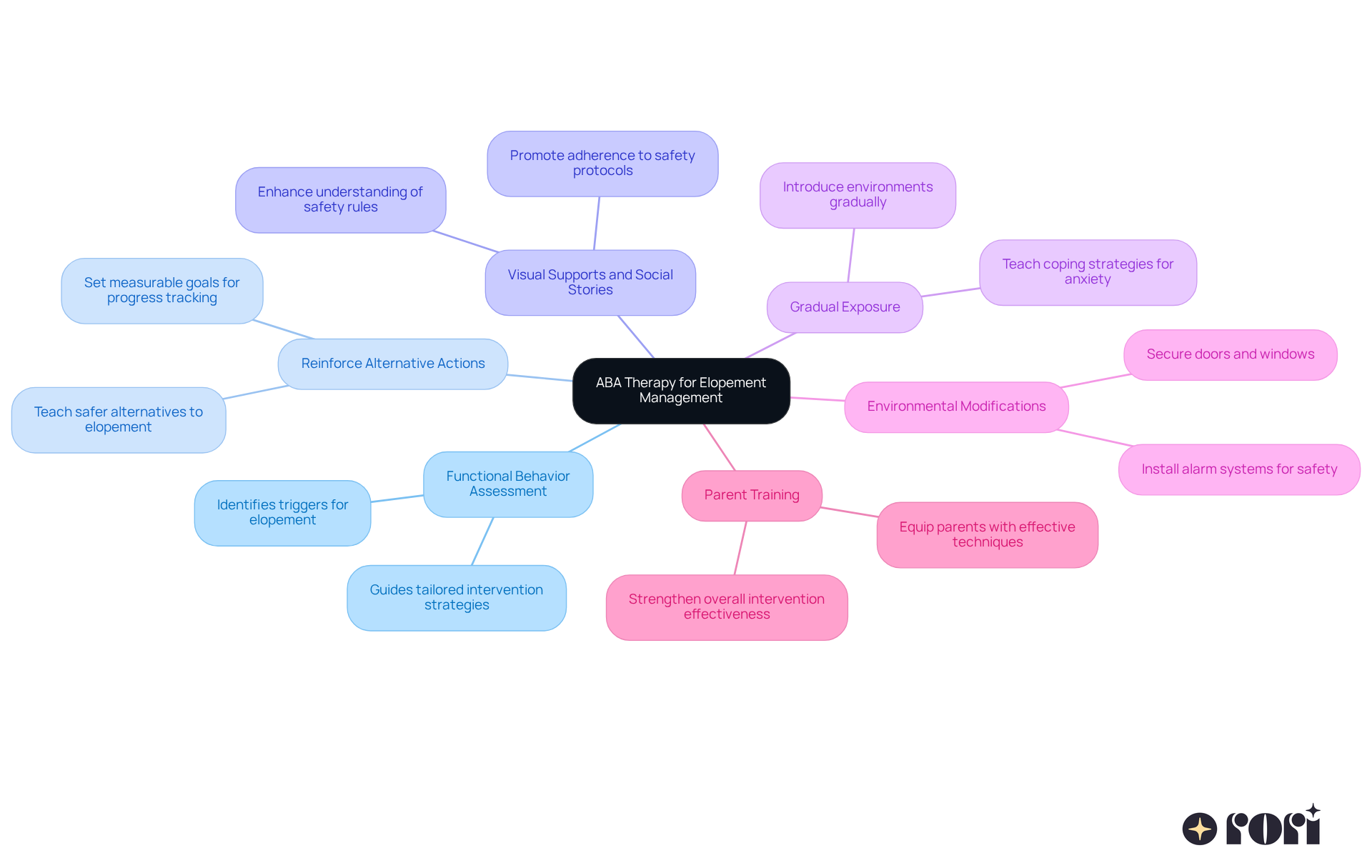
- : First things first, conducting an FBA is crucial! It helps us understand and the specific reasons behind their elopement behaviors. By understanding why do autistic kids elope, we can create targeted strategies that . This assessment is key to personalized planning, ensuring that interventions are uniquely suited to each child’s needs.
- : It’s important to teach and encourage safer alternatives that meet the same needs as elopement. For instance, if a child elopes to seek sensory input, we can offer safe sensory activities available in a controlled setting. Setting clear, measurable goals for these alternatives can help us track progress effectively.
- : Using visual aids and social stories can be incredibly helpful! These tools assist children in understanding why do autistic kids elope and the importance of staying close to caregivers to avoid potential risks. They enhance comprehension and adherence, aligning with evidence-based practices that foster positive behavior changes.
- : Gradually introducing children to environments that might trigger flight, while teaching coping strategies, can be beneficial. This method helps them feel more comfortable and reduces anxiety in new situations. It’s all about building adaptive strategies that we can continually evaluate and adjust in the intervention plan.
- : Making some changes to the environment can also play a significant role. Securing doors with locks or installing alarm systems can help , leading to concerns about why do autistic kids elope. These modifications are vital for creating a safe space for children at risk of running away, ensuring that safety measures are part of the overall strategy.
- : Let’s not forget about the parents! Engaging them in the therapeutic process is essential. By equipping parents with techniques to promote positive behaviors and manage elopement effectively, we strengthen the overall effectiveness of the interventions. Parental involvement is key to supporting their child’s behavioral goals.
Additionally, our care engine conducts functional analyses for target actions and skills, generating automatic progress reports for our clinicians to evaluate and approve.
By integrating these ABA strategies, caregivers can create a comprehensive plan that effectively addresses why do autistic kids elope, while promoting both safety and independence for their children. We’re here to !
Conclusion
Understanding elopement in autistic children is so important for caregivers and families looking to create a safer space. This behavior often arises from various triggers, like sensory overload or a desire to explore, showing us just how crucial it is to develop strategies that cater to each child’s unique needs. When we view elopement not just as a challenge but as a form of communication, we can better support our children in navigating their environments.
This article dives into the causes of elopement, highlighting the importance of spotting triggers and putting effective prevention strategies in place. From establishing structured routines and using visual supports to engaging in Applied Behavior Analysis (ABA) therapy, there are many solutions that can help reduce the risks associated with elopement. Plus, we can’t overlook the emotional toll this takes on families, which makes community awareness and support essential. Caregivers shouldn’t have to navigate this journey alone!
Ultimately, tackling elopement in autistic children calls for a proactive and informed approach. By empowering families with knowledge and practical tools, we can enhance the safety and well-being of these children. It’s vital for caregivers to stay vigilant, adapt their strategies as needed, and seek community support. Together, we can foster a collaborative effort that promotes both safety and independence for autistic individuals. Let’s explore this together!
Frequently Asked Questions
What is elopement in the context of autism?
Elopement, often referred to as wandering, is when a child with autism leaves a safe area without permission or supervision. It can occur at home, school, or in public and poses safety risks for caregivers.
Why do autistic kids elope?
Autistic children may elope due to curiosity to explore their environment or as a reaction to overwhelming situations, such as sensory overload or anxiety. This behavior can be seen as a way of communicating their needs or responses to their surroundings.
How common is elopement among children with autism?
Nearly 50% of children with autism may run away at some point, with the behavior being most prevalent between the ages of 5 and 7.
What impact does elopement have on families?
The emotional toll on families can be significant, with 56% of parents identifying running away as one of the toughest behaviors to manage, leading to increased stress and anxiety.
What strategies can help manage elopement?
Creating tailored safety plans and utilizing behavioral therapies like Applied Behavior Analysis (ABA) can effectively tackle elopement risks. Teaching parents to identify triggers and develop proactive responses is also beneficial.
How can parents support their child’s behavioral goals related to elopement?
By empowering themselves with knowledge about ABA principles and strategies, parents can enhance their ability to support their child’s behavioral goals and manage elopement behavior effectively.
List of Sources
- Define Elopement in Autism: Understanding the Behavior
- Key Autism Elopement Statistics & Prevention – Bluebell ABA (https://bluebellaba.com/blog/autism-elopement-statistics)
- special-education-journey.com (https://special-education-journey.com/how-many-individuals-with-autism-display-elopement-behavior)
- Elopement Prevention Community (https://theautismproject.org/training-education/elopement-prevention/elopement-prevention-general-resources)
- rori.care (https://rori.care/post/what-does-elopement-mean-in-autism-understanding-its-impact)
- Identify Causes of Elopement: Triggers and Motivations
- researchautism.org (https://researchautism.org/blog/elopement-and-autism)
- brainwave.watch (https://brainwave.watch/5-common-reasons-behind-elopement-behavior-in-autism)
- sunrayaba.com (https://sunrayaba.com/post/powerful-autism-quotes-that-will-touch-your-heart)
- Occurrence and Family Impact of Elopement in Children With Autism Spectrum Disorders – PMC (https://pmc.ncbi.nlm.nih.gov/articles/PMC4524545)
- Key Autism Elopement Statistics & Prevention – Bluebell ABA (https://bluebellaba.com/blog/autism-elopement-statistics)
- Implement Prevention Strategies: Ensuring Safety and Security
- Elopement Prevention Community (https://theautismproject.org/training-education/elopement-prevention/elopement-prevention-general-resources)
- special-education-journey.com (https://special-education-journey.com/how-to-stop-elopement-in-autism-effective-strategies-for-safety-and-independence)
- Key Autism Elopement Statistics & Prevention – Bluebell ABA (https://bluebellaba.com/blog/autism-elopement-statistics)
- rori.care (https://rori.care/post/9-evidence-based-interventions-for-elopement-in-children)
- precisionfamilytherapy.com (https://precisionfamilytherapy.com/post/how-to-address-elopement-running-away-in-children-with-autism)
- Utilize ABA Therapy: Tailored Approaches for Elopement Management
- ambitionsaba.com (https://ambitionsaba.com/resources/how-aba-therapy-helps-address-elopement-and-wandering-issues)
- The Numbers Don’t Lie: Revealing Autism Therapy Statistics | Above and Beyond Therapy (https://abtaba.com/blog/autism-therapy-statistics)
- Patient Outcomes After Applied Behavior Analysis for Autism Spectrum Disorder – PMC (https://pmc.ncbi.nlm.nih.gov/articles/PMC8702444)
- magnetaba.com (https://magnetaba.com/blog/the-role-of-aba-therapy-in-reducing-elopement-behaviors)
- supportivecareaba.com (https://supportivecareaba.com/statistics/autism-therapy-statistics)