

Navigating the complexities of ABA therapy can feel overwhelming for parents, especially when it comes to addressing incompatible behaviors in children with autism. But don't worry—there's hope! With a remarkable success rate, personalized strategies, and innovative approaches, significant improvement in communication and social skills is within reach.
However, the challenge remains: how can families effectively implement these strategies to ensure lasting positive change? This article dives into eight impactful strategies that not only empower caregivers but also enhance the therapeutic journey for children. Together, we can pave the way for a brighter future! Let’s explore this together!
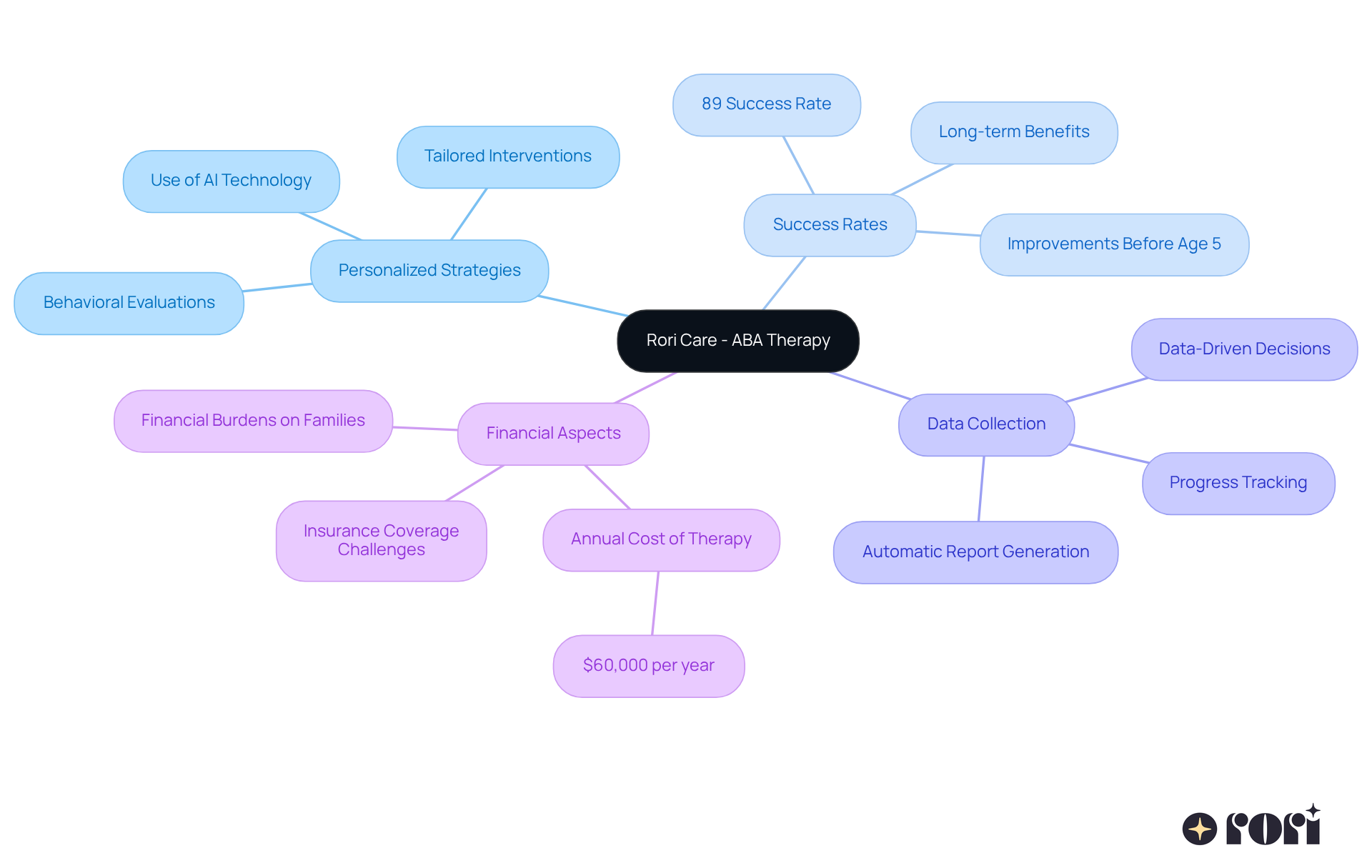
At Rori Care, we understand that navigating the world of ABA therapy can feel overwhelming for parents. That's why our approach combines , ensuring that each plan is tailored to meet the unique needs of every young person we support. Through thorough evaluations, our clinicians identify behaviors, including , that may not be serving your child well and develop .
Research shows that ABA therapy boasts an impressive . In fact, those who receive before the age of five often see remarkable improvements in their communication, social skills, and daily living abilities. This can truly enhance their overall quality of life! As one study highlights, ", essential for addressing , enabling therapists to track progress, measure behavioral changes, and make informed decisions regarding treatment plans."
To ensure that we are always improving, Rori incorporates automatic progress report generation and efficient data collection techniques. This means we can , allowing families to actively support their child's development. Plus, our —how great is that?
It's also essential to consider the . Supporting an individual with autism can cost around $60,000 per year during childhood. Understanding this can help families navigate the complexities of accessing the services they need. If you’re feeling uncertain or overwhelmed, remember, we’re here to help you every step of the way! Let’s explore this together and find the best path forward for your family.
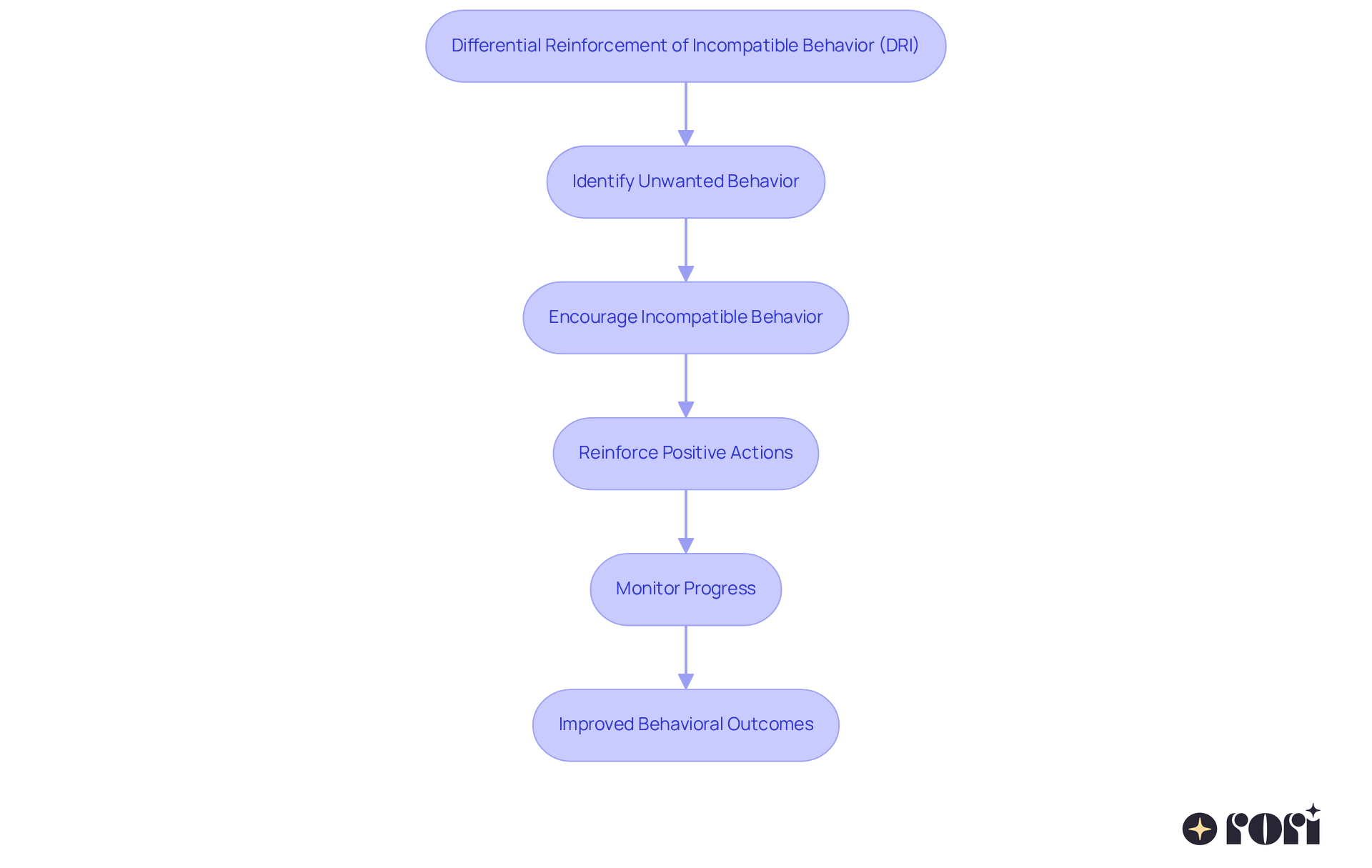
(DRI) is an important approach in Applied Behavior Analysis (ABA) that focuses on reinforcing actions that cannot occur alongside unwanted behaviors. For instance, when addressing self-harming actions, therapists often encourage kids to engage in safe alternatives, like squeezing a stress ball. This method not only helps reduce the unwanted behavior but also promotes .
Recent studies highlight DRI's effectiveness in reducing self-harming behaviors among children with autism. One study involving first-graders with intellectual disabilities found a —from 0.23 times per minute in the baseline phase to just 0.06 times per minute during the intervention phase. This really shows how DRI can lead to meaningful improvements in behavior!
ABA therapists often share their positive experiences with DRI, pointing out that it addresses immediate behavioral issues while also helping kids develop . By reinforcing alternative actions, children learn to replace harmful behaviors with positive ones, enhancing their overall coping mechanisms.
The success of DRI is also supported by research indicating that behaviors respond well to different reinforcement aspects, like quality and duration. When is provided for appropriate actions, compliance tends to increase, and problematic behaviors decrease. This well-rounded approach to reinforcement effectively addresses incompatible behavior in ABA, keeping DRI at the forefront of .
Certified behavior analysts play a crucial role in this process, crafting that include measurable goals and . Continuous assessment and adjustments ensure that the approaches remain responsive to the child's development, leading to better outcomes.
Empowering caregivers with ABA principles and strategies boosts their ability to support their children’s behavior goals through active involvement and data collection. The benefits of caregiver education are significant—improved support, informed decision-making, better behavioral outcomes, and increased caregiver confidence. Together, these elements create a that fosters consistency and positive change, linking caregiver involvement directly to the success of DRI interventions.
Let’s explore this together! Your engagement can make a real difference in your child's journey toward .
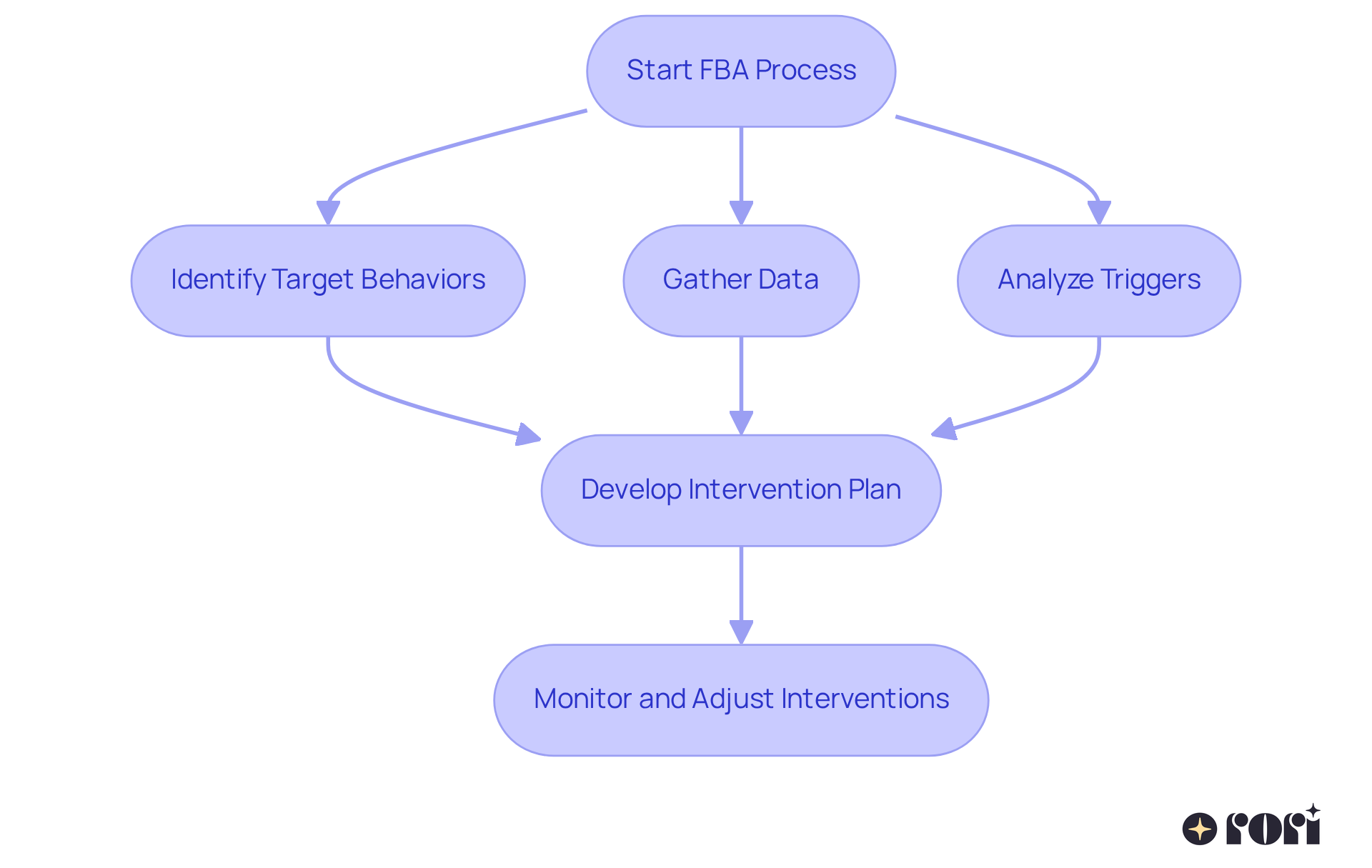
A is a systematic process that helps us understand the behaviors of young people. It looks at what happens before, during, and after certain actions, helping to pinpoint what might be causing those behaviors. By defining and gathering data, we can identify the reasons behind these actions and create a just for them.
Imagine a child who gets aggressive when faced with changes—an FBA can help us find ways to make those transitions smoother, reducing the chances of aggression. Did you know that 85.5% of participants show physical aggression as a common challenge? This really highlights how important it is to recognize those triggers! By closely examining these patterns, FBAs empower practitioners to implement that not only address the behaviors but also enhance the learning environment.
Our care engine is constantly working to improve treatment strategies based on progress reports. It even generates automatic updates for clinicians to review, ensuring that our interventions stay flexible and responsive to each child's growth. here! When parents, educators, and practitioners come together, we gain valuable insights that lead to .
Active involvement from caregivers is crucial. In fact, 90% of children show when recommended hours are fully implemented. This really emphasizes the importance of empowering caregivers with to support their children's . Let’s explore this together! We’re here to help you every step of the way!
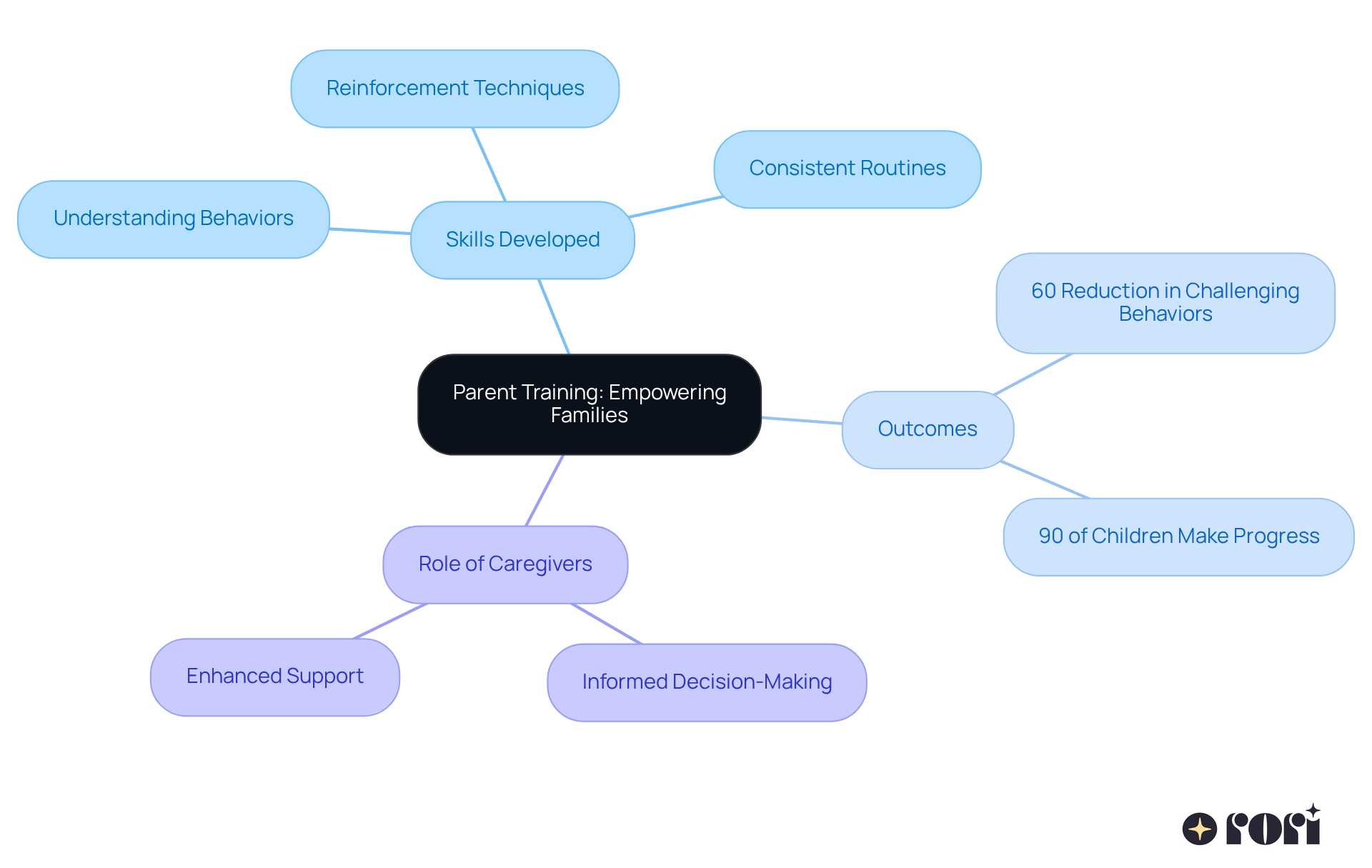
At Rori Care, we believe that is a vital part of ABA therapy. It helps families navigate the challenges of managing at home. Our dedicated clinicians are here to support you with , focusing on understanding behaviors, using reinforcement techniques, and establishing consistent routines. By equipping parents with these essential skills, you create a that reinforces the strategies learned during therapy sessions.
This proactive approach not only leads to —evidenced by a remarkable 60% reduction in challenging behaviors within just six months of starting therapy—but also strengthens the family’s ability to tackle difficulties together. Research shows that when caregivers are actively involved, a whopping 90% of children make . Plus, and enhances support, which are crucial for effective .
As Wai Man Cheng wisely notes, " (PIIs) enhance parent-child involvement and tackle support for conduct, communication, and social interaction." At Rori Care, we wholeheartedly advocate for this empowerment. We recognize that informed and engaged caregivers play a key role in the successful management of . Let’s explore this journey together! We’re here to !
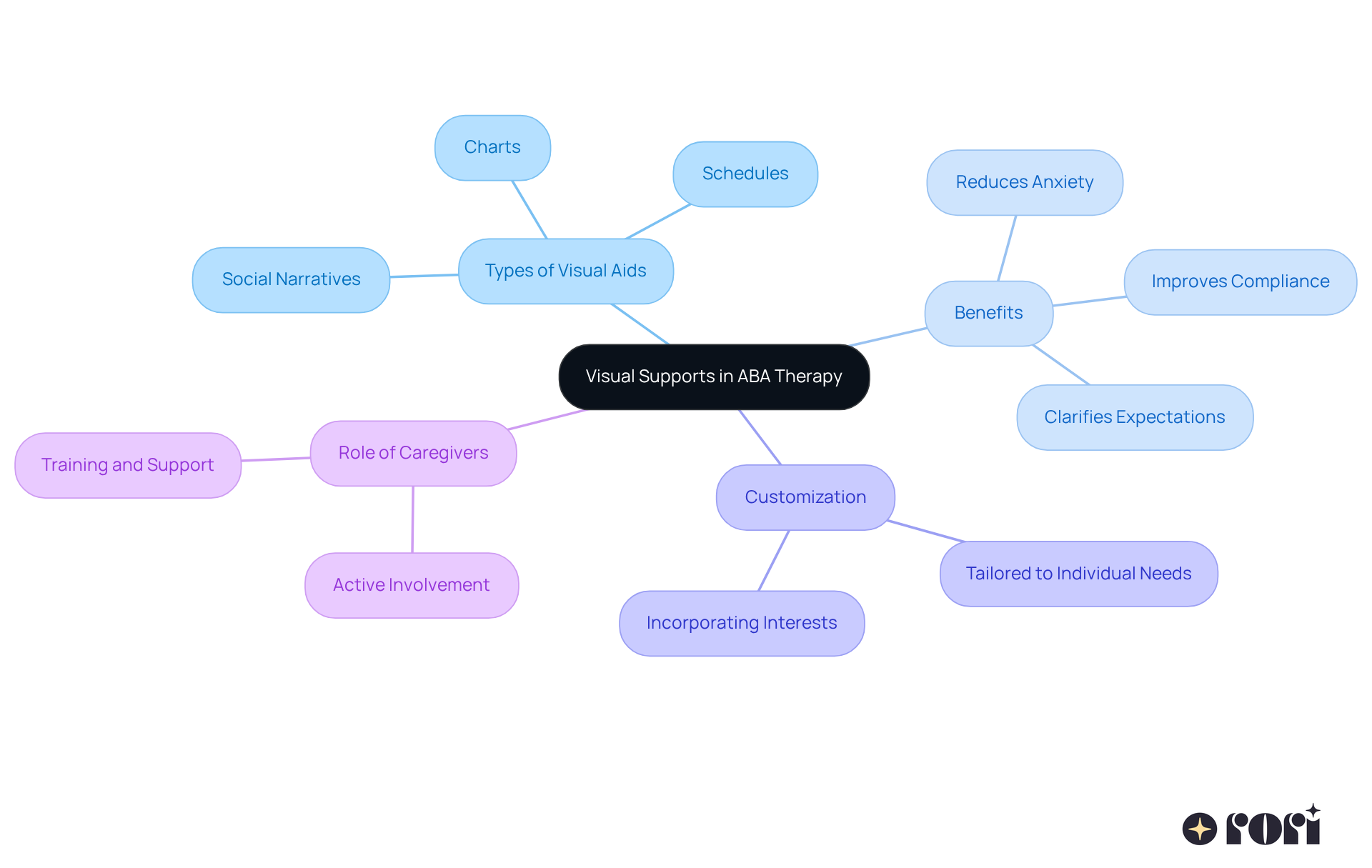
, like charts, schedules, and social narratives, are essential tools in ABA therapy. They offer clear, tangible representations of conduct expectations. For instance, a can really help a young person anticipate , which can and resistance to change. 🌟
Research shows that kids who use organized often show better . These tools clarify what’s expected, making it easier for them to understand. Experts agree that using strategically not only boosts understanding but also helps young individuals navigate their surroundings more effectively.
When skilled assessment specialists create these , they can , enhancing their effectiveness. Successful use of s has led to a noticeable decrease in , allowing kids to engage more positively in therapeutic settings.
By integrating into therapy and actively involving caregivers—who have the skills to support —practitioners can create a that encourages compliance and minimizes challenging behaviors. Consistency in using these aids at home, school, and therapy is key. It helps kids recognize routines and expectations, making these tools even more effective.
Customizing to reflect each child's interests and abilities can significantly boost engagement and effectiveness. Let’s explore this together and see how we can make a difference! We're here to help you every step of the way!
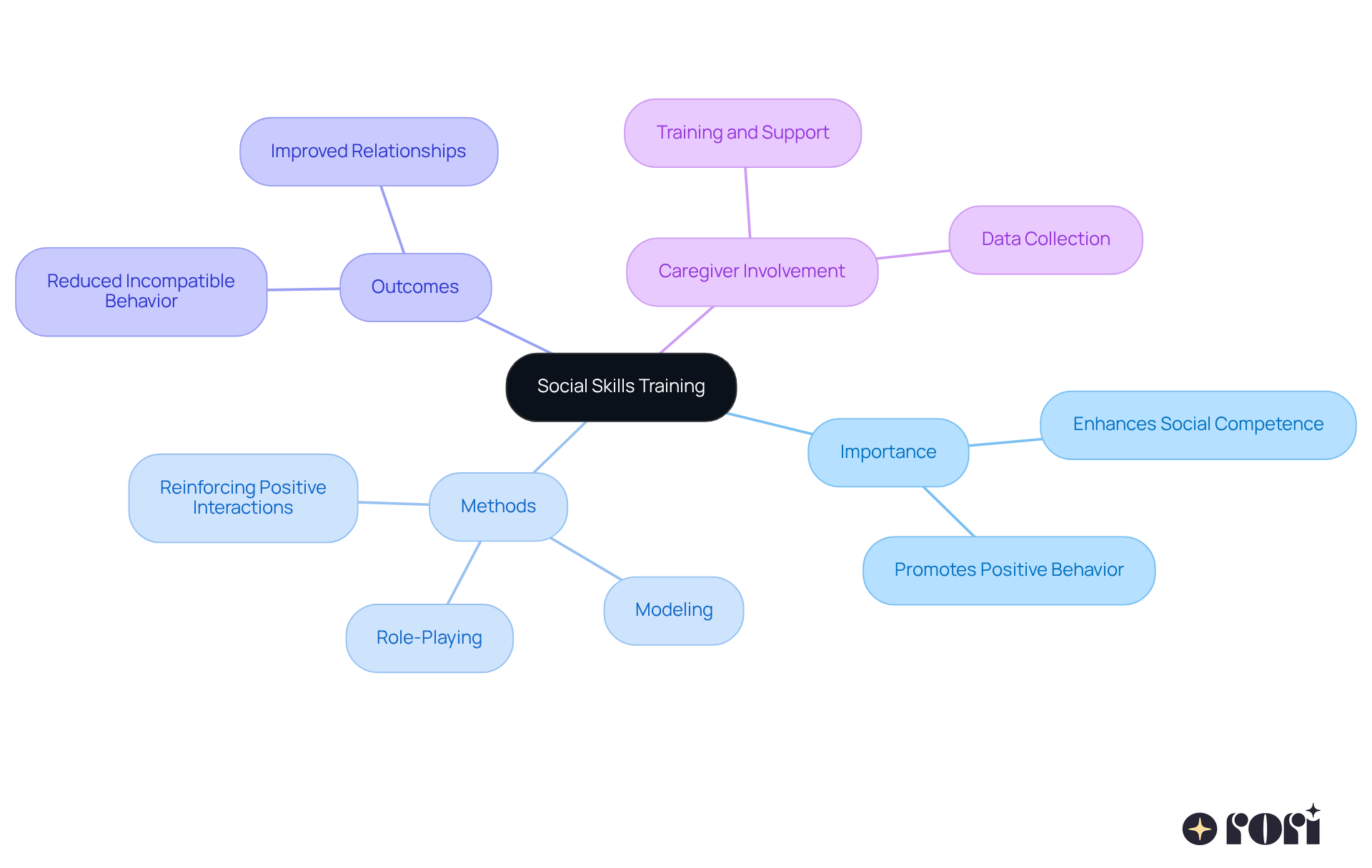
is such an important part of ! It focuses on teaching young individuals how to interact positively with others. This training often includes fun activities like role-playing, modeling, and reinforcing , typically in group therapy sessions led by trained therapists. In these friendly group settings, young people can really boost their social skills and communication, helping them build better relationships with their peers.
For instance, imagine a young person learning how to start a conversation or share toys with friends—these skills are crucial for making connections! When we help youngsters , they’re less likely to display , as they can handle social situations with more confidence. Exciting new developments in teaching social skills are showing great results, especially through and guided practice.
One study highlighted that kids who participated in role-playing not only learned the right responses but also showed fewer instances of that disrupt social interactions. Research by Simegn Sendek Yizengaw found that both experimental and control groups showed positive changes in their overall social skills, proving just how effective can be! Plus, it’s vital to equip caregivers with ABA principles and strategies so they can actively support youth behavioral goals through involvement and data collection.
This comprehensive approach really showcases the in and social competence among youth with autism. And let’s not forget Rori Care's clinical leadership team, who are , further enhancing the effectiveness of these interventions. We’re here to help you every step of the way!
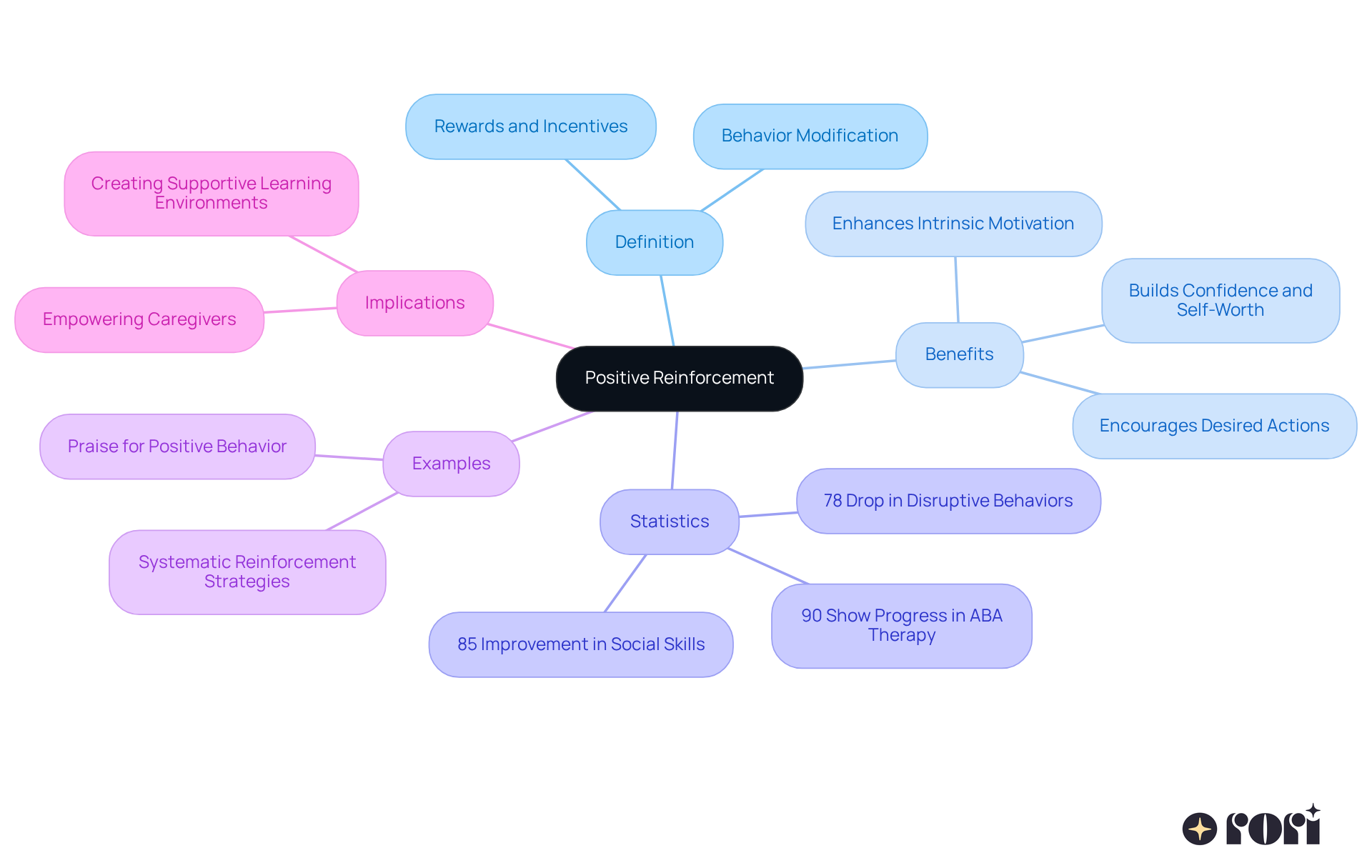
is such a powerful approach for changing behaviors! It involves giving rewards or incentives right after a desired action occurs, which really boosts the chances of that action happening again. For instance, when a little one successfully expresses their needs instead of throwing a tantrum, they might receive praise or a small treat. This not only strengthens those positive behaviors but also helps reduce by shifting focus toward more constructive activities.
Research shows that can lead to among kids with autism, ADHD, and other challenges. A comprehensive review revealed that over 90% of children in show real progress in social, communication, and academic skills. Plus, studies indicate that environments using can see a 78% drop in , highlighting how effective this method is in creating a supportive learning atmosphere.
Experts emphasize just how important this approach is; not only . By consistently recognizing and rewarding good behaviors, children build confidence and self-worth, which are vital for their overall development. Recent findings indicate that reinforcement-based interventions have been successful in 85% of published case studies, further confirming the positive impact this method can have.
There are also great examples of reducing tantrums. For instance, within family settings, showing how this approach can turn challenging moments into opportunities for growth and learning. By focusing on , caregivers—armed with knowledge of ABA principles—can address to create that empower them to make informed choices, ultimately enhancing their children's developmental outcomes.
Let’s explore this together! By embracing , we can all contribute to a brighter, more supportive future for our children.
Organized routines are truly the backbone of ABA therapy, offering our little ones a . When we set up for meals, playtime, and therapy sessions, kids can look forward to transitions, which really helps to ease their anxiety. This predictability creates a comforting sense of security, allowing young learners to focus on learning and engagement rather than the stress of unpredictability.
Research shows that these not only create a safe space for individuals with autism spectrum disorder (ASD) but also help reduce that often occurs when things change unexpectedly. Behavior analysts emphasize that familiar routines allow individuals with autism to navigate their world more easily, helping to aba and leading to better outcomes in behavior. In fact, kids who thrive in often experience a significant drop in anxiety and distress, improving their overall well-being and ability to flourish in different settings.
And here’s something encouraging: 90% of individuals show remarkable progress when they stick to recommended hours with active . This highlights just how crucial caregivers are in keeping these structured routines in place. Plus, , giving parents the tools and knowledge they need to support their children's behavioral goals effectively.
Using helpful tools like mini schedules can also empower kids to become more independent and reduce avoidance behaviors, making routines even more effective. Let’s explore this together and see how we can support our children in their journey!

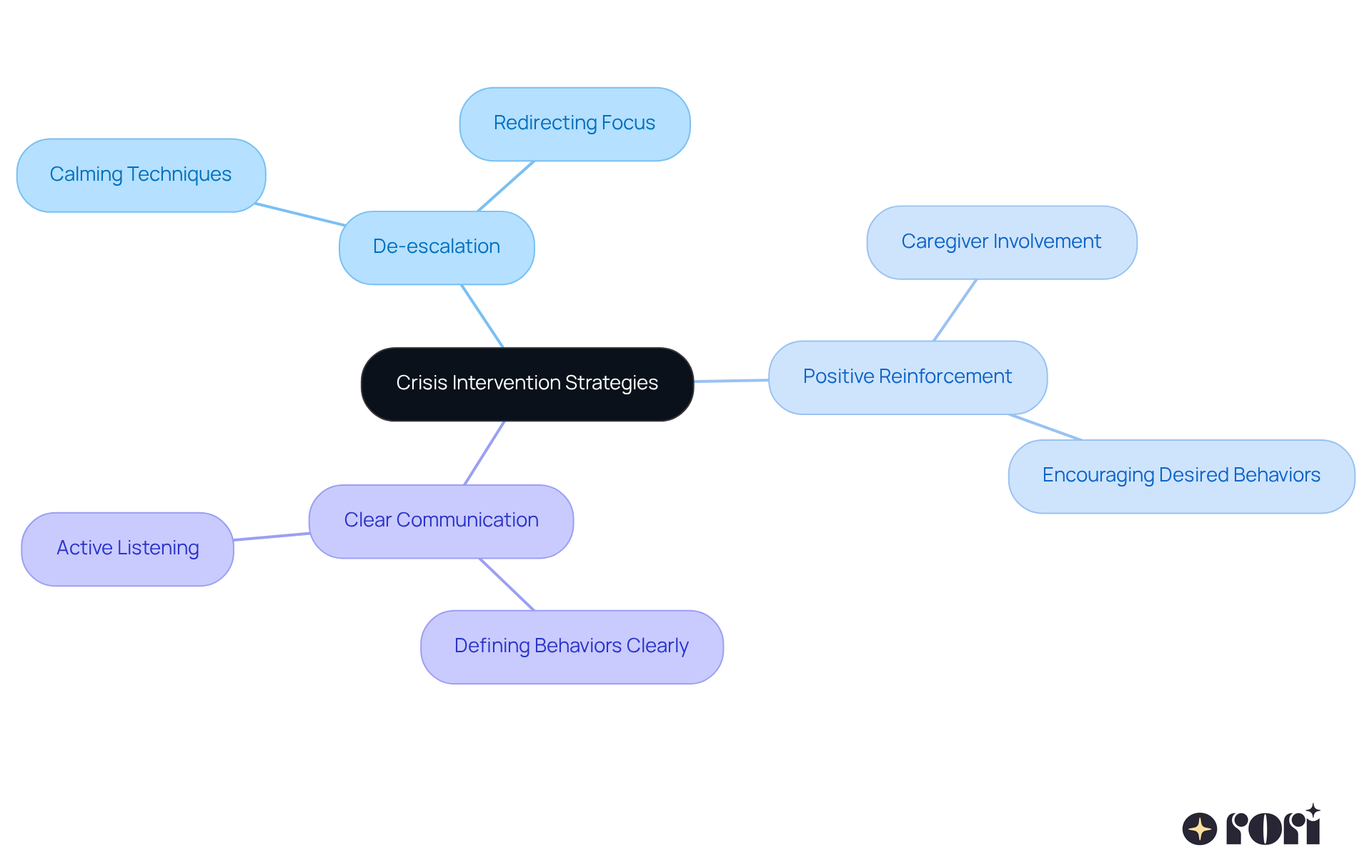
are truly essential when it comes to that can pop up in high-stress situations. Techniques like de-escalation, , and clear communication play a vital role in easing crises. For example, when a child shows aggressive behavior, therapists can use and redirect the child's focus to a favorite activity, creating a more positive atmosphere. By using these strategies, therapists not only ensure the safety of the child and those around them but also behind the behavior.
Recent advancements in highlight how effective these can be. They can turn challenging situations into real opportunities for growth and learning! Plus, defining behaviors clearly is key to needing intervention. This approach, centered around the child and involving active caregiver participation, really boosts the effectiveness of interventions, making sure that plans are tailored to meet each individual's unique needs.
By equipping caregivers with ABA principles and strategies to manage incompatible behavior, we can better . This leads to improved outcomes and greater confidence in managing crises. Let’s explore this together! We’re here to !
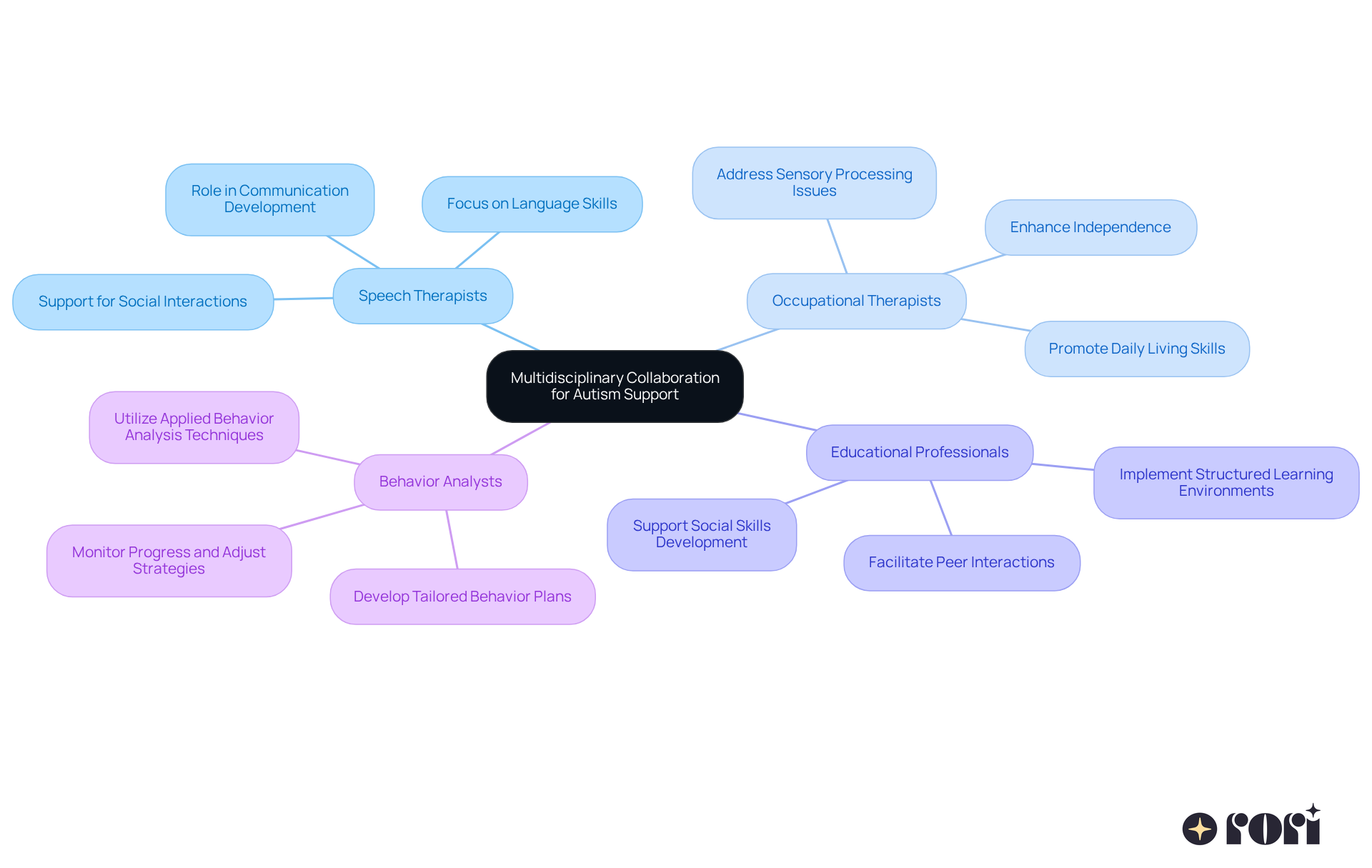
is so important for effectively tackling the complex that youth with autism face. By bringing together the expertise of speech therapists, occupational therapists, and educational professionals, can craft a well-rounded that truly considers the individual's needs from multiple perspectives. This collaborative approach not only makes interventions more effective but also ensures that families receive throughout their loved one's therapy journey at Rori Care. Our dedicated clinicians are here to empower your young one with the skills they need to navigate the world independently, helping them develop that lead to greater autonomy.
Research shows that when specialists work together, they can effectively address , which helps kids achieve developmental milestones faster, improve their , and gain more independence. Regular communication, joint sessions, and shared goals among therapists, educators, families, and healthcare providers create a consistent and cohesive care experience, reducing confusion and enhancing adherence to treatment. The synergy from collaboration allows for tailored strategies that address specific , such as , ultimately leading to successful outcomes in individual development. For example, Aanya, who had difficulties with social interactions, made remarkable progress after just eight weeks in a —this really highlights the tangible benefits of this integrated approach. At Rori Care, we’re committed to supporting families with autism, overcoming obstacles, and fostering growth through our expertise and compassion. To further boost your child's progress, consider and keeping open lines of communication with their care team. Let’s explore this journey together!
When it comes to tackling incompatible behavior in ABA therapy, focusing on personalized strategies and collaborative support is key. This article emphasizes the need for tailored interventions that not only aim to reduce undesirable behaviors but also empower children with the skills they need to thrive. By incorporating techniques like Differential Reinforcement of Incompatible Behavior (DRI), Functional Behavior Assessments (FBAs), and positive reinforcement, practitioners can create a holistic approach that fosters positive change and supports overall development.
Throughout the article, we see how structured routines, visual supports, and social skills training can effectively help in managing incompatible behaviors. It’s crucial to involve caregivers in this process, as their active participation often leads to better outcomes. By providing families with the right tools and knowledge, they can reinforce strategies at home, creating a consistent environment that nurtures their child's growth.
Managing incompatible behavior is truly a team effort, and it requires commitment from families, therapists, and other professionals. By embracing these strategies and encouraging open communication, we can build a supportive and effective therapeutic environment. Ultimately, our goal is to empower children with the skills they need to navigate their world confidently, turning challenges into opportunities for growth and success. Let’s explore this journey together—remember, we’re here to help you every step of the way!
What is Rori Care’s approach to ABA therapy?
Rori Care combines personalized strategies with cutting-edge AI technology to create tailored intervention plans that meet the unique needs of each child, ensuring effective support in navigating ABA therapy.
What is the success rate of ABA therapy for autism spectrum disorder?
Research shows that ABA therapy has an impressive success rate of over 89% in treating autism spectrum disorder in children, particularly when personalized therapy is provided before the age of five.
How does Rori Care utilize data in ABA therapy?
Rori Care incorporates automatic progress report generation and efficient data collection techniques to track progress, measure behavioral changes, and inform treatment plans, maximizing the potential for significant progress.
What is Differential Reinforcement of Incompatible Behavior (DRI)?
DRI is an ABA strategy that reinforces actions that cannot occur alongside unwanted behaviors, helping to reduce those behaviors and promote positive coping strategies, such as encouraging children to use a stress ball instead of engaging in self-harming actions.
How effective is DRI in reducing self-harming behaviors?
Studies have shown that DRI is effective in reducing self-harming behaviors, with one study noting a significant decrease in aggressive hitting behavior among children with intellectual disabilities during the intervention phase.
What role do certified behavior analysts play in DRI?
Certified behavior analysts create personalized plans that include measurable goals and evidence-based strategies tailored to each child’s needs, continuously assessing and adjusting the approaches for better outcomes.
What is a Functional Behavior Assessment (FBA)?
An FBA is a systematic process that helps identify the triggers of specific behaviors by examining what happens before, during, and after those behaviors, allowing for the creation of tailored intervention plans.
Why is caregiver involvement important in ABA therapy?
Caregiver involvement is crucial as 90% of children show significant progress when recommended hours of therapy are fully implemented, and empowering caregivers with ABA principles enhances their ability to support their children's behavioral goals.
How does Rori Care ensure flexibility in treatment strategies?
Rori Care’s care engine generates automatic updates for clinicians based on progress reports, allowing interventions to remain flexible and responsive to each child's growth and development.
What is the financial cost of supporting individuals with autism?
Supporting an individual with autism can cost around $60,000 per year during childhood, highlighting the importance of understanding financial aspects when accessing necessary services.


