

Introduction
Navigating the emotional landscape of children with Autism Spectrum Disorder (ASD) can feel like a daunting challenge for caregivers. Meltdowns, often sparked by overwhelming sensory experiences or frustration, can leave both children and parents feeling drained and helpless. But what if there were ways to ease those moments?
In this article, we’ll explore ten effective behavioral approaches designed to calm meltdowns in children with ASD. These strategies are not just about soothing a child in distress; they’re about empowering them to manage their emotions more independently. Let’s dive in together and discover how these techniques can foster emotional resilience for both you and your child!
Rori Care – ABA Therapy: Personalized Strategies for Meltdown Management
At Rori Behavioral Innovations, we understand that every child is unique, and that’s why we take a data-driven approach to ABA therapy. Our focus is on creating that meet the specific needs of each young individual. By conducting , our clinicians can pinpoint specific triggers and develop tailored interventions, including , that help manage meltdowns effectively.
Imagine your child feeling overwhelmed in a busy environment. By utilizing , such as:
they can learn to navigate these situations more successfully. It’s all about finding what works best for them!
We’re here to help you every step of the way! Let’s explore this together and find the best strategies for your child.

Understanding Autistic Meltdowns: Causes and Characteristics
Autistic meltdowns can be really tough to navigate. They’re that often come from , frustration, or communication challenges. Unlike tantrums, which usually have a specific goal, meltdowns are involuntary. You might see your child screaming, crying, or even acting out physically. Understanding these differences can help caregivers distinguish between typical behavioral issues and , leading to more .
By equipping yourself with some like positive reinforcement and , you can incorporate to provide better support at home. This not only complements professional interventions but also utilizes to foster consistency in your child’s environment. When you make informed decisions, you actively engage in your child’s progress, which can lead to and a happier family dynamic.
When your child is having an outburst, you might find that behavioral approaches for calming meltdowns in children with ASD, such as , can be helpful. Maybe it’s a quiet corner where they can take a moment to regain their calm. Let’s explore this together! Your journey as a caregiver is important, and we’re here to !

Identifying Triggers: Recognizing Signs of Overstimulation
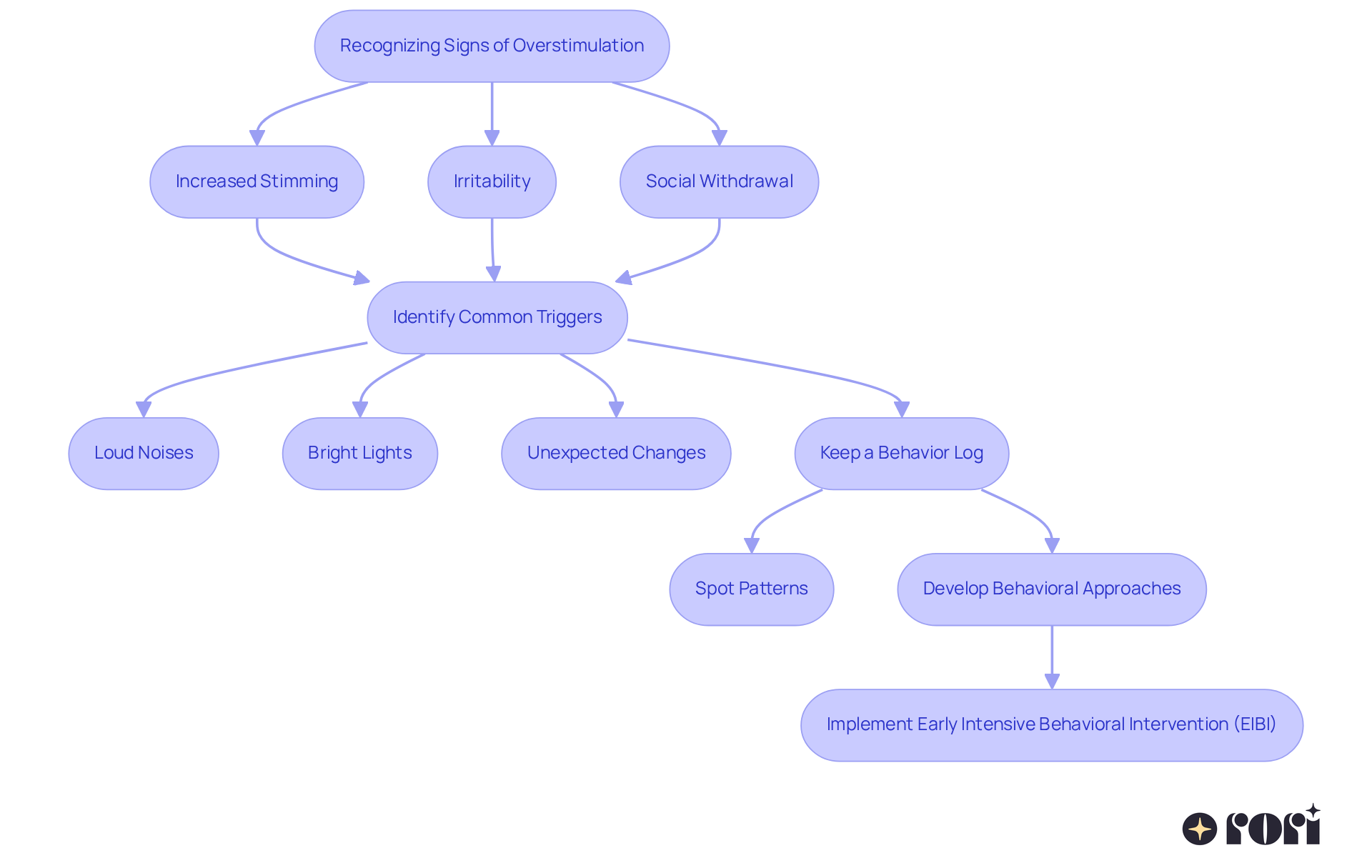
As caregivers, it’s essential to stay tuned in to your child’s behavior. You might notice , like increased stimming, irritability, or even . Common triggers for meltdowns, such as loud noises, bright lights, or unexpected changes in routine, can be managed with . Have you ever felt overwhelmed by these situations? You’re not alone!
Keeping a can be a game changer. It helps you spot patterns and understand what might be setting off those meltdowns. By tracking incidents, you can develop for calming meltdowns in children with ASD, creating a more for them. Plus, Rori Care’s is here to help! It updates behavior intervention and skill acquisition plans based on progress reports, making sure you have the best tools at your fingertips.
This , combined with your active participation, has shown significant improvements in 90% of young individuals when the suggested hours are followed. Isn’t that encouraging? can truly enhance learning, verbal, and social skills by implementing . Let’s explore this together and see how we can support our children every step of the way!
Preventive Techniques: Creating Safe Spaces and Predictable Routines
Creating a secure environment for kids with autism is so important! It helps reduce and makes them feel safe. Think about:
- Soft lighting
- Noise-canceling headphones
These little touches can really make a difference in .
And let’s not forget about routines! are one of the , as they help kids know what to expect, which can lower anxiety and reduce the chances of meltdowns. Research shows that having a regular schedule can boost , which are essential for implementing , leading to better emotional and behavioral outcomes.
are fantastic tools for reinforcing these routines. They provide clear expectations, helping kids manage their daily activities with confidence. By focusing on these strategies, parents can create a that supports their children’s and resilience.
Let’s explore this together! We’re here to !

Calming Techniques: Effective Strategies During a Meltdown
When a meltdown occurs, caregivers can implement in children with asd to effectively soothe individuals with autism spectrum disorder. For instance, can be a game changer! Studies show they significantly reduce anxiety and help with . Plus, offering a can create a cozy sense of security, while can grab the young one’s attention and distract from those overwhelming feelings.
Staying calm and providing reassurance is super important. It helps the young one feel safe and understood. Redirecting their attention to a , like drawing or playing with a favorite toy, can really help them bounce back. And don’t forget about soft music or nature sounds! They can create a that further aids in emotional stabilization.
during these moments is essential. Acknowledging their emotions without judgment allows them to process what they’re experiencing more effectively. By incorporating , caregivers can create a and helps young ones navigate their feelings during tough times.
Let’s explore this together! Remember, you’re not alone in this journey.

Post-Meltdown Support: Strategies for Recovery and Learning
After a meltdown, it’s so important to create a . Give your little one some time to calm down and , like drawing or reading. Talking about what happened in a calm way can really help them and recognize their triggers.
during this time can prepare them for future challenges. Caregivers who understand can , making informed choices that positively impact their child’s journey. This active involvement not only leads to but also empowers you as caregivers to in children with ASD, thereby and .
Let’s explore this together! Remember, you’re not alone in this journey.

Professional Involvement: Collaborating with Experts for Better Outcomes
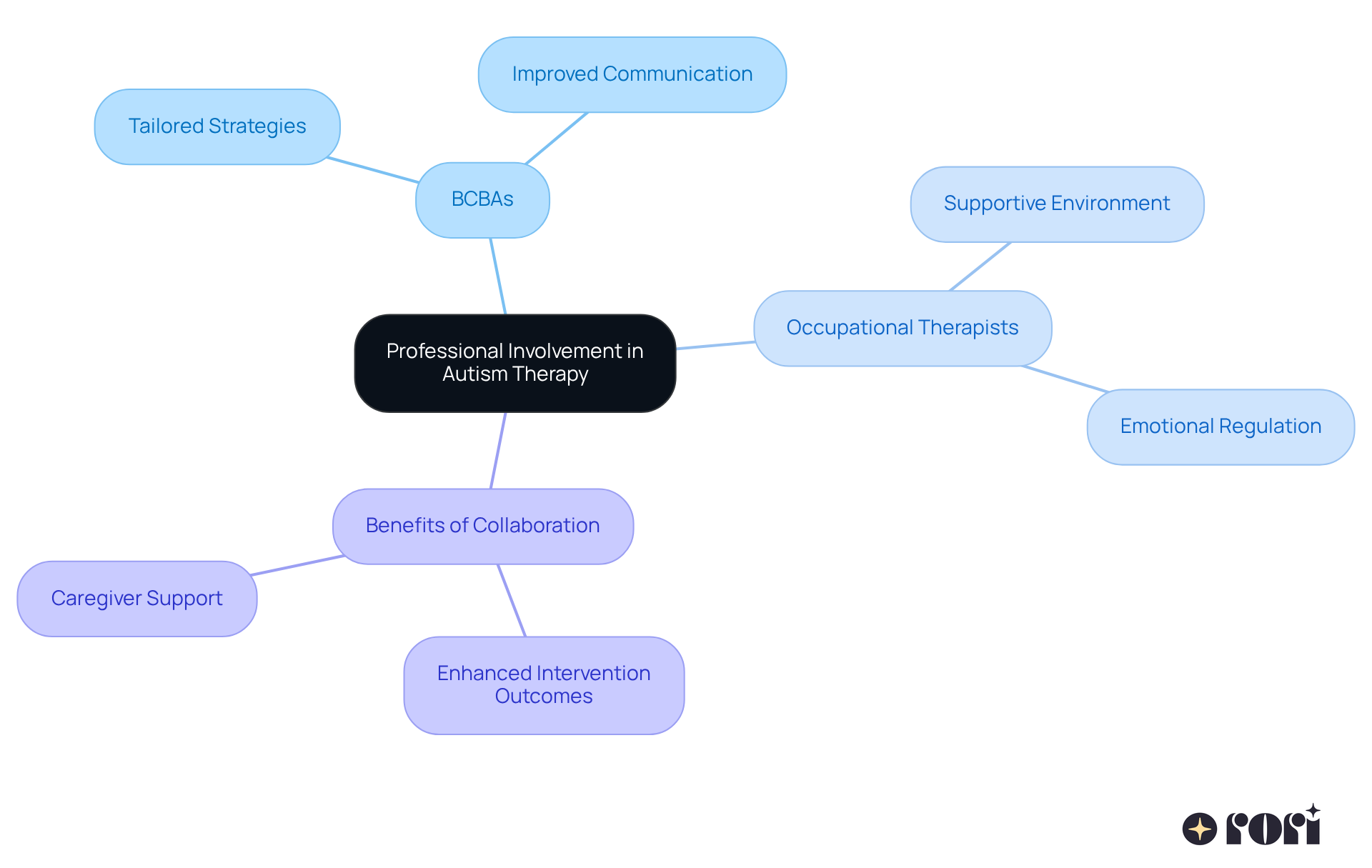
When it comes to handling meltdowns in kids with autism, implementing in children with ASD by involving experts like and can make a world of difference. These specialists bring that can really enhance intervention outcomes. Plus, regular check-ins with them keep caregivers in the loop about the latest , allowing for adjustments that meet the changing needs of their little ones.
Research shows that working with BCBAs and can improve in children with ASD, resulting in . This creates a more for everyone involved. And let’s be honest-when families collaborate with these experts, it not only boosts the effectiveness of interventions but also ensures that kids receive the .
So, if you’re navigating this journey, remember: you’re not alone! Let’s explore this together and find the right support for your child!
Family Engagement: Building a Supportive Environment
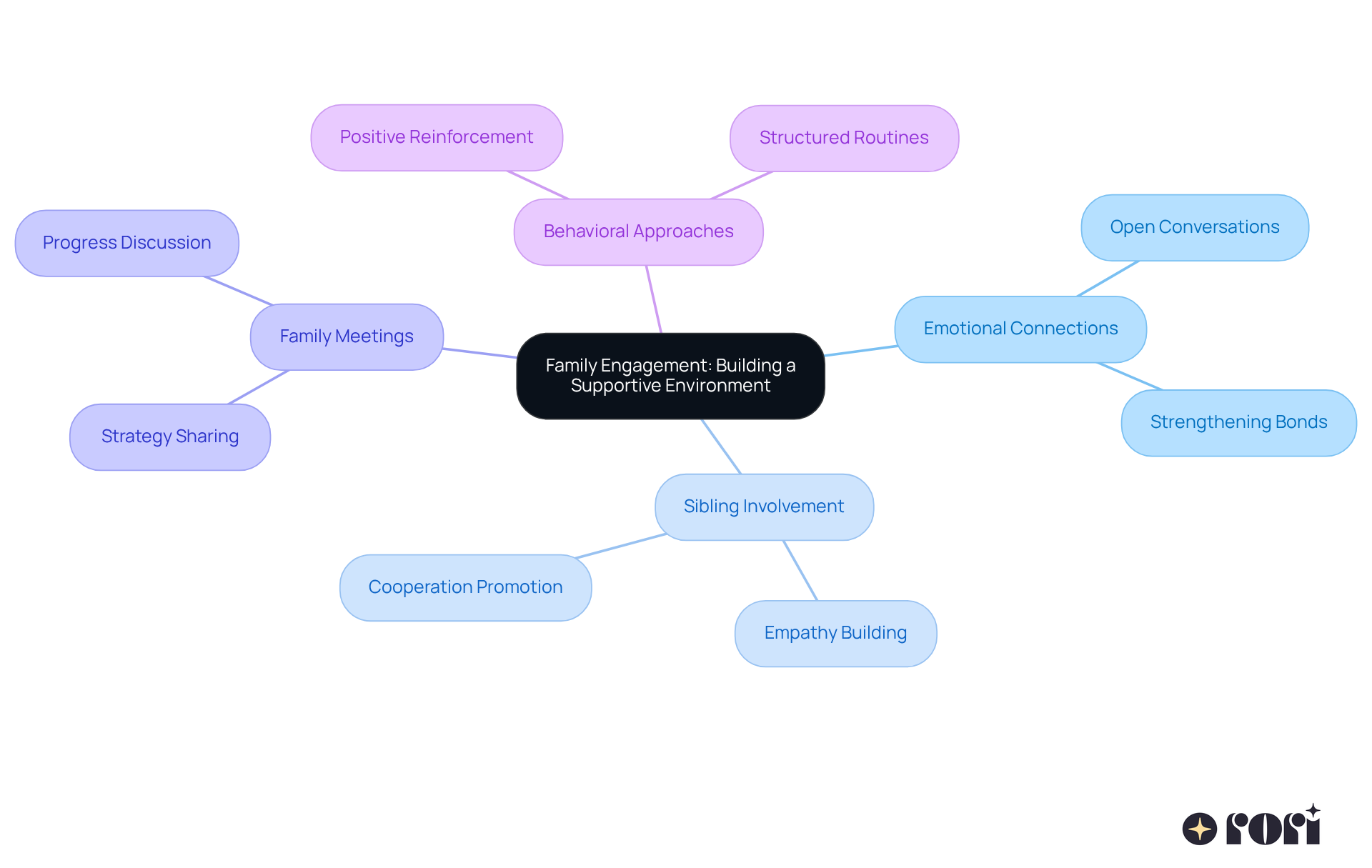
is so important when it comes to supporting children with developmental differences. It creates a that encourages understanding and acceptance. When families talk openly about feelings and experiences, it really helps . Including siblings in these conversations not only builds empathy but also promotes cooperation, helping them appreciate their sibling’s unique experiences. Research shows that when siblings are involved, it can lead to a deeper understanding of autism, which is key to building .
can be a great way to discuss strategies, share progress, and tackle challenges together. These gatherings allow everyone to pitch in, reinforcing the idea that each family member plays a vital role in this journey. Families that have embraced these practices often find that among siblings leads to and a more inclusive home environment. By prioritizing , parents can create a supportive atmosphere that benefits not just their child with autism but also strengthens the family unit as a whole.
To make this process even smoother, , utilizing specific ABA principles like , structured routines, and data collection to track progress. A helpful tip for parents is to carve out some time each week for family discussions focused on their child’s needs and progress. This ensures everyone is on the same page about the strategies being used. This cooperative approach not only supports providers but also enhances the family’s understanding of , ultimately leading to better outcomes for the kids.
Let’s explore this together! We’re here to help you every step of the way!
Caregiver Self-Care: Prioritizing Well-Being for Effective Support
Caring for those who provide support is so important when it comes to helping kids with autism thrive. Engaging in – like exercising, pursuing hobbies, and keeping up social connections – can really help . Research shows that (ASD) often experience higher levels of anxiety and burnout. This highlights just how crucial it is to adopt proactive .
- Setting clear boundaries
- Reaching out to fellow caregivers or experts
can ease , creating a healthier environment for both caregivers and their children.
Now, let’s talk about the role of education for support providers. By diving deeper into , caregivers can make informed choices that positively impact their children’s progress. This knowledge not only builds their confidence but also leads to . Caregivers who feel empowered with information are in a stronger position to offer enhanced support, ultimately benefiting the development of those they care for.
Experts consistently point out that when caregivers prioritize their own mental well-being and have the right knowledge, they’re better equipped to provide essential support and guidance to their children, leading to improved outcomes in .
As Rosalynn Carter wisely said, “There are only four types of individuals in the world: those who have been providers of care, those who are providers of care, those who will be providers of care, and those who will require providers of care.” This quote serves as a gentle reminder that in their experiences, and their well-being is vital for the health of their children. Let’s explore this together!

Empowering Children: Developing Coping Skills for Independence
is all about teaching them . For instance, techniques like deep breathing, , and can really help young people manage their emotions. Imagine a child taking a moment to breathe deeply when they feel overwhelmed – it’s a simple yet powerful tool!
can also be a game-changer. It prepares them for real-life situations, and reducing the chances of meltdowns. This approach is part of a broader behavioral program that incorporates , focusing on . Each individual deserves support tailored to their unique needs, right?
By using evidence-based strategies, such as , and keeping an eye on progress, parents can track their child’s development and adjust techniques as needed. This ! Ultimately, it’s all about empowering them to face challenges with confidence. Let’s explore this together! We’re here to !

Conclusion
Understanding and managing meltdowns in children with autism spectrum disorder (ASD) can feel overwhelming, right? It’s a journey that calls for a blend of knowledge, empathy, and effective strategies. By using behavioral approaches to calm meltdowns, caregivers can create a supportive environment that not only tackles immediate challenges but also nurtures long-term emotional resilience and independence in their children.
Let’s talk about some key strategies!
- Recognizing triggers
- Implementing structured routines
- Utilizing calming techniques during meltdowns
These are all essential. Plus, having professionals involved and engaging with family members can make a world of difference. When specialists collaborate with families and maintain open communication, the effectiveness of interventions really shines. And don’t forget about self-care for caregivers! It’s crucial for keeping a healthy support system in place.
Ultimately, empowering children with autism to develop coping skills and navigate their emotions is vital for their growth and independence. By embracing these behavioral approaches and actively participating in their child’s journey, caregivers can foster a nurturing atmosphere that promotes understanding, acceptance, and better outcomes for the whole family. Yes, the path may be challenging, but the rewards of nurturing emotional well-being and resilience in children with ASD are truly immeasurable.
So, let’s explore this together! Remember, you’re not alone on this journey, and we’re here to help you every step of the way!
Frequently Asked Questions
What is Rori Care’s approach to ABA therapy?
Rori Care uses a data-driven approach to ABA therapy, focusing on creating customized strategies tailored to the specific needs of each child, particularly in managing meltdowns.
How does Rori Care help manage meltdowns in children with ASD?
Rori Care helps manage meltdowns by conducting thorough evaluations to identify triggers and developing tailored interventions, including behavioral approaches such as visual supports, sensory tools, and structured routines.
What are autistic meltdowns and how do they differ from tantrums?
Autistic meltdowns are intense emotional responses that arise from overwhelming sensory input, frustration, or communication challenges, and are involuntary. Unlike tantrums, which have a specific goal, meltdowns do not.
What techniques can caregivers use to support children during meltdowns?
Caregivers can use techniques like positive reinforcement, structured routines, and creating a soothing space for the child to help them regain calm during meltdowns.
What signs should caregivers look for to identify triggers of overstimulation?
Caregivers should look for signs such as increased stimming, irritability, and social withdrawal, as well as common triggers like loud noises, bright lights, or unexpected changes in routine.
How can keeping a behavior log help in managing meltdowns?
Keeping a behavior log can help caregivers identify patterns and understand what triggers meltdowns, allowing them to develop effective behavioral approaches to create a more supportive environment.
What is Rori Care’s behavior care engine and how does it assist caregivers?
Rori Care’s behavior care engine updates behavior intervention and skill acquisition plans based on progress reports, providing caregivers with the best tools to support their child.
What is the impact of early intensive behavioral intervention (EIBI)?
EIBI can significantly enhance learning, verbal, and social skills in children with ASD, and has shown improvements in 90% of young individuals when suggested hours are followed.
List of Sources
- Understanding Autistic Meltdowns: Causes and Characteristics
- Data and Statistics on Autism Spectrum Disorder (https://cdc.gov/autism/data-research)
- Celebrating Neurodiversity: Inspiring Words on Autism | Step Ahead ABA (https://stepaheadaba.com/blog/autism-quotes)
- Identifying Triggers: Recognizing Signs of Overstimulation
- The Best Autism Awareness Quotes (https://autism360.com/autism-awareness-quotes)
- sciencedirect.com (https://sciencedirect.com/science/article/abs/pii/S1750946719300443)
- 20 Inspiring Quotes About Autism Every Parent Must Read Today (https://circlecareservices.com/20-quotes-about-autism-and-parenting)
- Applied Behavior Analysis (ABA) Statistics: Data, Effectiveness, and Evidence-Based Practices (https://nexoaba.com/applied-behavior-analysis-statistics)
- Preventive Techniques: Creating Safe Spaces and Predictable Routines
- Best Autism Quotes to Raise Awareness and Understanding (https://yellowbusaba.com/post/autism-quotes)
- Journal of Family Theory & Review | NCFR Family Science Journal | Wiley Online Library (https://onlinelibrary.wiley.com/doi/10.1111/jftr.12549)
- Inspiring and Insightful Autism Quotes | Advanced Autism Services (https://advancedautism.com/post/autism-quotes)
- 10 Supportive Quotes for Moms of Autistic Children | Connect n Care ABA (https://connectncareaba.com/supportive-quotes-for-moms-of-autistic-children)
- Calming Techniques: Effective Strategies During a Meltdown
- From Meltdowns to Calm: Helping Children and Teens with Emotional Regulation – CHADD (https://chadd.org/attention-article/from-meltdowns-to-calm-helping-children-and-teens-with-emotional-regulation)
- How to Help Children Calm Down – Child Mind Institute (https://childmind.org/article/how-to-help-children-calm-down)
- 10 inspiring quotes from people with autism | Autism Speaks (https://autismspeaks.org/life-spectrum/autism-quotes)
- Celebrating Neurodiversity: Inspiring Words on Autism | Step Ahead ABA (https://stepaheadaba.com/blog/autism-quotes)
- Post-Meltdown Support: Strategies for Recovery and Learning
- Autism Meltdowns: What to Do During & Afterward (https://blueabatherapy.com/autism/meltdowns)
- 10 Supportive Quotes for Moms of Autistic Children | Connect n Care ABA (https://connectncareaba.com/supportive-quotes-for-moms-of-autistic-children)
- Professional Involvement: Collaborating with Experts for Better Outcomes
- Success Rates of ABA Therapy | Advanced Autism Services (https://advancedautism.com/post/success-rates-of-aba-therapy)
- The Numbers Don’t Lie: Revealing Autism Therapy Statistics | Above and Beyond Therapy (https://abtaba.com/blog/autism-therapy-statistics)
- doublecareaba.com (https://doublecareaba.com/post/autism-quotes)
- 29 Occupational Therapy Quotes! • OT Potential (https://otpotential.com/blog/occupational-therapy-quotes)
- How ABA Therapy Addresses Tantrums and Meltdowns (https://supportivecareaba.com/statistics/how-aba-therapy-addresses-tantrums-and-meltdowns)
- Family Engagement: Building a Supportive Environment
- kidsclubaba.com (https://kidsclubaba.com/autism-quotes)
- Celebrating Neurodiversity: Inspiring Words on Autism | Step Ahead ABA (https://stepaheadaba.com/blog/autism-quotes)
- 20 Inspiring Quotes About Autism Every Parent Must Read Today (https://circlecareservices.com/20-quotes-about-autism-and-parenting)
- rori.care (https://rori.care/post/10-positive-proud-autism-quotes-to-inspire-and-empower-parents)
- Caregiver Self-Care: Prioritizing Well-Being for Effective Support
- 40 Inspirational Quotes for Caregivers – Care Options for Kids (https://careoptionsforkids.com/blog/inspirational-quotes-for-caregivers)
- The importance of self-care for caregivers of children with autism (https://mastermindbehavior.com/post/the-importance-of-self-care-for-caregivers-of-children-with-autism)
- Disability Services Archives – Arts + Health (https://artsandhealth.ie/case_studies_context/disability-services)
- Empowering Children: Developing Coping Skills for Independence
- The Numbers Don’t Lie: Revealing Autism Therapy Statistics | Above and Beyond Therapy (https://abtaba.com/blog/autism-therapy-statistics)
- 10 inspiring quotes from people with autism | Autism Speaks (https://autismspeaks.org/life-spectrum/autism-quotes)
- 10 Powerful Autism ABA Quotes That Inspire Change – Rori Blog (https://rori.care/post/10-powerful-autism-aba-quotes-that-inspire-change)
- Celebrating Neurodiversity: Inspiring Words on Autism | Step Ahead ABA (https://stepaheadaba.com/blog/autism-quotes)
- 107 Favorite Quotes About Autism and Aspergers (https://the-art-of-autism.com/favorite-quotes-about-autism-and-aspergers)