

Introduction
Understanding the relationship between anxiety and autism is so important! Did you know that nearly 40% of children on the spectrum face significant anxiety that can really disrupt their daily lives? This guide dives into the powerful benefits of Applied Behavior Analysis (ABA) therapy, giving caregivers practical strategies to tackle these fears and anxieties head-on.
But how can you, as a caregiver, navigate the complexities of your child’s emotional world while helping them build resilience and independence? Let’s explore this together! We’re here to help you every step of the way!
Understand Anxiety and Fears in Children with Autism
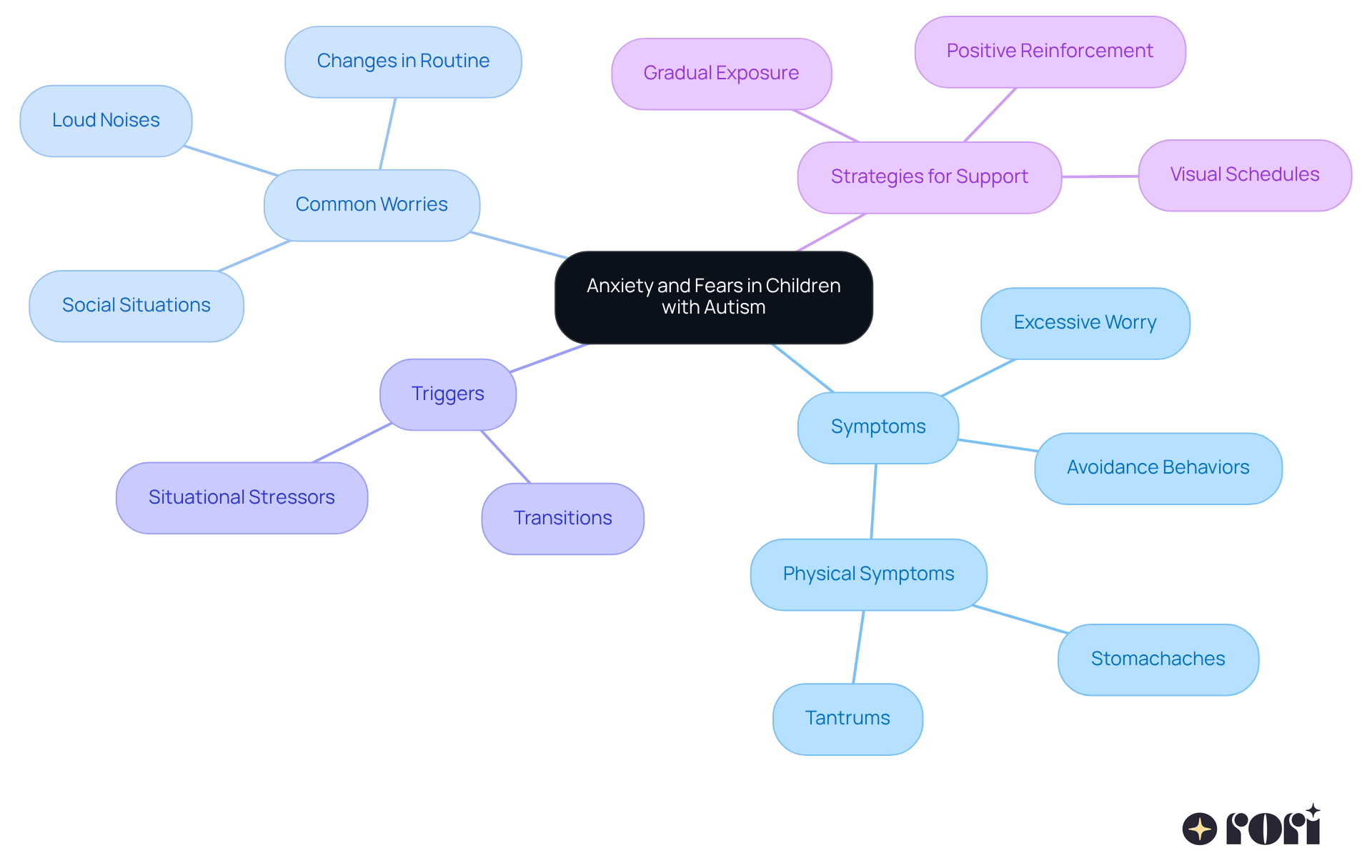
Anxiety can show up in different ways for individuals with autism. You might notice , avoidance behaviors, or even physical symptoms like stomachaches or tantrums. Research tells us that anxiety disorders are quite common among children with autism, affecting about 40% of them. Typical worries often include loud noises, , and changes in routine, which can really impact their daily lives. Understanding these fears is crucial for caregivers when , as it helps them provide the right support.
Identifying specific triggers and the situations that cause stress can lead to tailored strategies for addressing anxiety and fears in children with autism through . For example, a child might feel extra anxious during transitions, like moving from one activity to another. Preparing them in advance and using can really help create predictability and ease that anxiety.
Real-life examples show just how effective these strategies can be. Take, for instance, a young person who was afraid of loud noises. Through gradual exposure and , they were able to become less stressed and better equipped to handle similar situations in the future. By understanding distress and implementing organized interventions, caregivers can enhance the well-being and independence of children with autism by . Plus, when caregivers are educated on ABA concepts and techniques, particularly for [addressing anxiety and fears in children with autism through [ABA therapy](https://rori.care)](https://rori.care/services/caregiver-education), they can better support their children’s behavioral goals, leading to improved outcomes and a nurturing home environment. Educating caregivers not only promotes informed decision-making but also fosters better behavioral outcomes, which are key for .
Let’s explore this together! We’re here to help you every step of the way!
Explore ABA Therapy Principles for Managing Anxiety
ABA therapy is all about helping kids thrive by focusing on what they do well and gently guiding them away from behaviors that might not serve them. Let’s break down some key principles that make this approach so effective:
- : Imagine rewarding your child for doing something great! This not only encourages them to repeat those positive behaviors but also . Kids in ABA therapy often find that their anxiety lessens and their , which is essential for and can lead to a wonderful boost in self-esteem.
- Prompting: Think of prompting as a friendly nudge. It helps kids engage in the behaviors we want to see, making learning feel more natural. This technique shines when teaching , giving kids the tools they need to navigate social situations with confidence.
is a method used for addressing anxiety and fears in children with autism through ABA therapy by gently introducing them to things that make them anxious. By addressing anxiety and fears in children with autism through ABA therapy in a controlled way, we can help them manage their fears over time. Research shows that kids who undergo addressing anxiety and fears in children with autism through ABA therapy often find it easier to handle their anxiety triggers, leading to a happier, healthier life.
By embracing these principles, caregivers can create a that fosters emotional regulation and equips kids with vital coping skills. Your is crucial! It can really enhance the effectiveness of ABA therapy, helping your child flourish in everyday life. Plus, learning more about these techniques can empower you to support your child’s growth effectively. As Rahma Hasan points out, establishing a consistent routine and are fantastic strategies to help kids manage stress.
Let’s explore this together! Your journey in supporting your child is important, and we’re here to help you every step of the way!

Implement ABA Techniques to Address Anxiety and Fears
To effectively implement ABA techniques for managing , let’s explore some essential steps together:
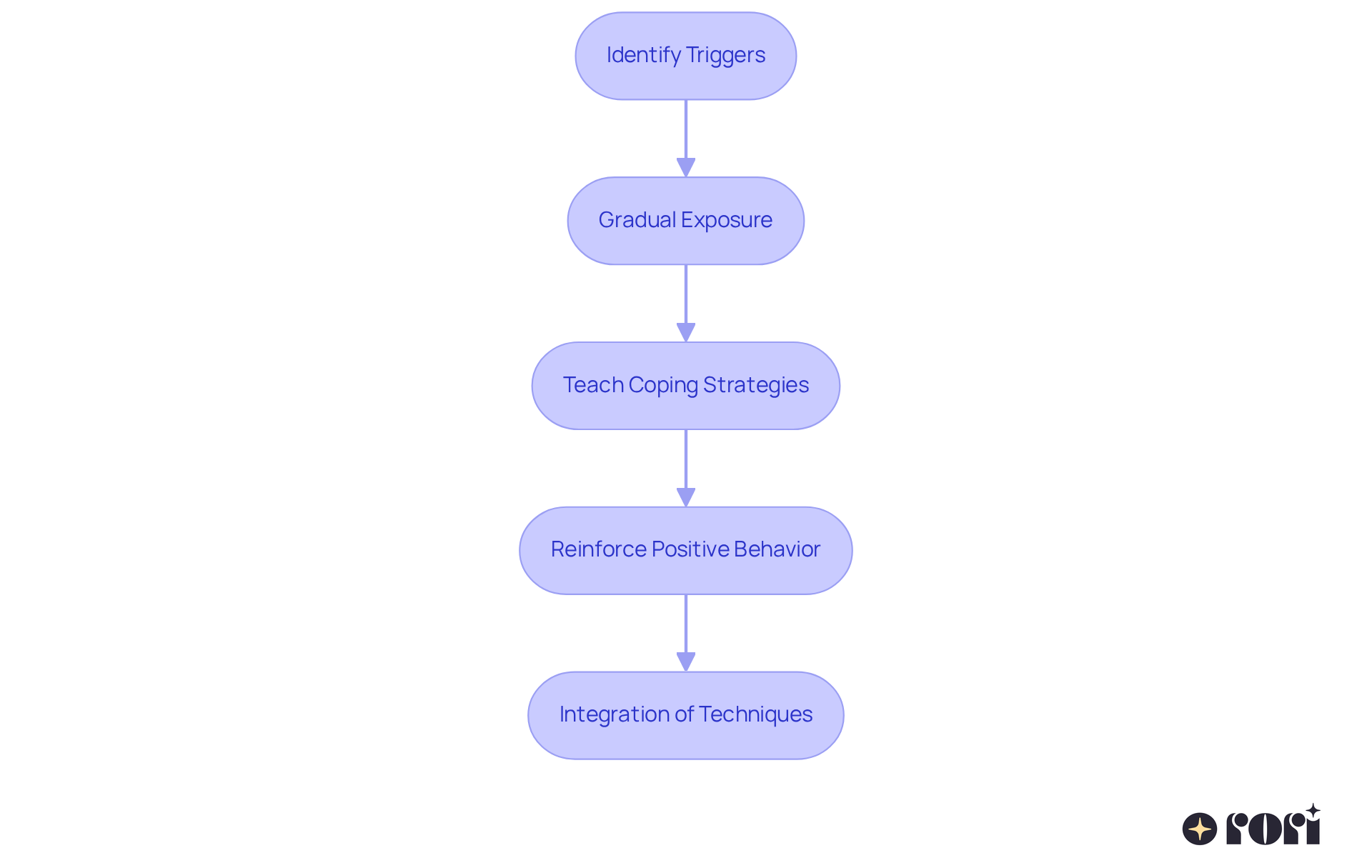
- : Work alongside your child to pinpoint specific situations or stimuli that spark their anxiety. Using or charts can really help them express their concerns, making it easier for them to share their feelings.
- : Introduce the feared situation in a controlled and gradual way. For instance, if your child is afraid of dogs, start by showing them pictures of dogs, then move on to watching videos, and finally plan a visit to a friend who has a gentle dog. This step-by-step approach can help them get used to their fears.
- Teach : Equip your child with , counting, or using calming objects. Consistently applying these techniques can empower them to manage their anxiety more effectively.
- Reinforce Positive Behavior: When your child successfully faces a challenge or uses a coping strategy, offer through praise or rewards. This encouragement not only boosts their confidence but also motivates them to keep facing their fears.
Integrating gradual exposure methods is effective in addressing anxiety and fears in children with autism through , showing promising success rates in reducing stress and . As Brian R. King wisely said, ” This perspective really highlights the importance of empathy and understanding in coping with stress.
Let’s take this journey together, and remember, you’re not alone in this!
Engage with Clinicians and Foster Parental Involvement
Collaboration between parents and clinicians is crucial for addressing through . Let’s dive into some key strategies to strengthen this partnership:
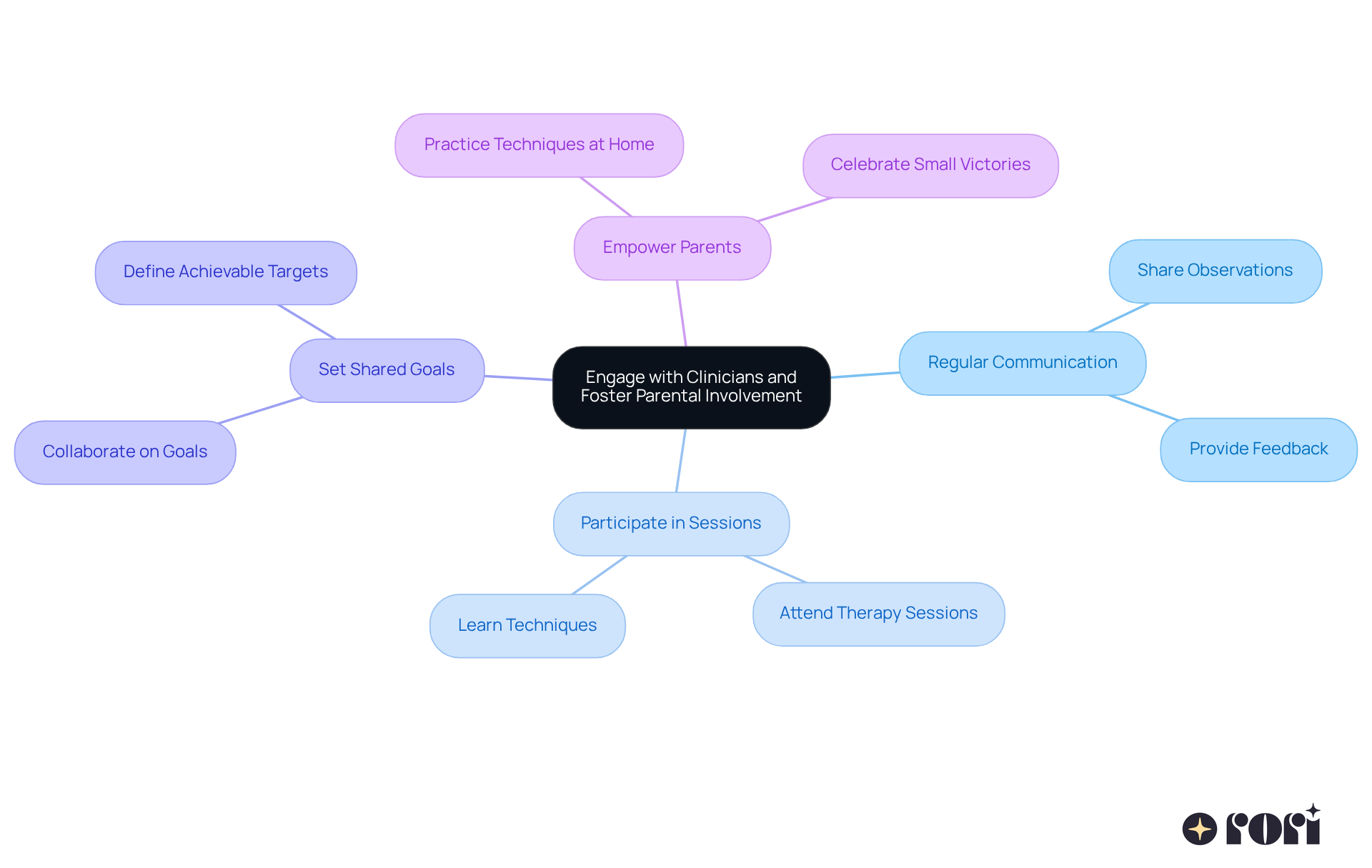
- : Keep those lines of communication open with your child’s therapist! Share your observations about your child’s behavior and progress at home. This info is super helpful for tailoring interventions.
- : If you can, attend therapy sessions. Being there helps you understand the techniques being used and how to reinforce them in your child’s daily life.
- : Work together with clinicians to set clear, achievable goals for managing anxiety. When everyone is on the same page, it makes therapy more effective.
- : Get involved in therapy by practicing techniques at home and celebrating those small victories. This not only boosts your confidence but also highlights how crucial your role is in your child’s progress.
is key! Experts say that parental involvement can greatly influence the effectiveness of addressing anxiety and fears in children with autism through ABA therapy, leading to better and coping strategies for kids. By embracing this , families can create a supportive environment that promotes lasting change.
So, let’s explore this together! Your involvement can !
Conclusion
Addressing anxiety and fears in children with autism through ABA therapy is such an important journey! It takes understanding, patience, and effective strategies. By recognizing how anxiety shows up uniquely in these kids, caregivers can offer the targeted support that helps them grow emotionally and build resilience. Tailored interventions are key – they really make a difference in helping children develop better coping skills and enjoy a more fulfilling daily life.
Throughout this article, we’ve highlighted some key strategies, like:
- Identifying specific triggers
- Using gradual exposure techniques
- Reinforcing positive behaviors
These principles of ABA therapy, such as positive reinforcement and systematic desensitization, play a significant role in helping children manage their fears. Plus, engaging with clinicians and encouraging parental involvement can really boost the effectiveness of these interventions, ensuring that kids get consistent support both in therapy and at home.
Ultimately, tackling anxiety and fears in children with autism is a team effort between caregivers and professionals. By embracing this partnership and actively participating in the therapeutic process, families can create a nurturing environment that promotes lasting change. Sure, the path may be challenging, but the joy of watching a child thrive and develop essential coping skills is truly priceless. Let’s take these insights to heart and commit to supporting our children with autism in overcoming their anxieties, guiding them toward a brighter, more confident future. We’re here to help you every step of the way!
Frequently Asked Questions
How does anxiety manifest in children with autism?
Anxiety in children with autism can show up as excessive worry, avoidance behaviors, and physical symptoms like stomachaches or tantrums.
What percentage of children with autism are affected by anxiety disorders?
About 40% of children with autism are affected by anxiety disorders.
What are common worries for children with autism?
Common worries include loud noises, social situations, and changes in routine.
Why is it important for caregivers to understand children’s fears?
Understanding these fears is crucial for caregivers as it helps them provide the right support when addressing anxiety through ABA therapy.
How can caregivers identify triggers for anxiety in children with autism?
Caregivers can identify specific triggers and stress-inducing situations, which can lead to tailored strategies for addressing anxiety.
What strategies can help reduce anxiety during transitions for children with autism?
Preparing children in advance and using visual schedules can help create predictability and ease anxiety during transitions.
Can you provide an example of a successful strategy for managing anxiety in children with autism?
A real-life example includes a child who was afraid of loud noises; through gradual exposure and positive reinforcement, they became less stressed and better equipped to handle similar situations.
How does understanding distress and implementing interventions benefit children with autism?
By understanding distress and implementing organized interventions, caregivers can enhance the well-being and independence of children with autism.
What role does caregiver education play in addressing anxiety in children with autism?
Educating caregivers on ABA concepts and techniques allows them to better support their children’s behavioral goals, leading to improved outcomes and a nurturing environment.