

Introduction
Understanding the complexities of elopement behaviors in children with autism is crucial for parents and caregivers seeking effective strategies to ensure safety. Did you know that nearly 50% of children with autism attempt to escape from safe environments? This makes implementing personalized replacement behaviors not just beneficial—it’s essential!
In this article, we’ll delve into nine impactful ABA strategies designed to address and mitigate elopement. We invite you to explore how tailored interventions can empower both children and their families. What innovative approaches can transform the way caregivers manage these challenging behaviors and enhance safety for their loved ones? Let’s explore this together!
Rori Care – ABA Therapy: Personalized Replacement Strategies for Elopement
At Rori Care, we understand the challenges parents face when it comes to managing wandering tendencies in children with autism by utilizing . Did you know that of youngsters with autism might try to escape from safe environments, making it for ? This highlights the urgent need to for to address these behaviors. Our dedicated clinicians conduct thorough assessments to pinpoint , including the identification of that can influence their actions.
This understanding allows us to craft that incorporate , tailored to each child’s unique needs. We believe in while ensuring they receive the care they deserve. By setting clear, measurable goals and using evidence-based strategies, we not only enhance the effectiveness of our interventions but also create a nurturing environment that promotes growth and learning.
We keep a close eye on each client’s progress and responsiveness to the intervention, making adjustments as needed to optimize outcomes. Plus, we empower parents and caregivers with ABA principles, encouraging you to explore practical strategies—like utilizing tracking devices or establishing clear communication methods—to further .
Let’s explore this together! We’re here to help you every step of the way!

Functional Communication Training: Enhancing Expression to Prevent Elopement
is crucial for helping young people express their needs and emotions effectively, acting as a . Imagine if kids could or needing a break through simple phrases or gestures! This not only helps them share what they’re feeling but also builds their confidence in self-expression.
Did you know that nearly 50% of children with autism have eloped from a caregiver at least once by age four? This statistic really highlights the need for that are grounded in evidence-based practices. When FCT is implemented by skilled analysts, the results can be quite encouraging, leading to a .
Take, for example, a case study of a 9-year-old boy named Damon. By combining FCT with delay fading, he was able to communicate consistently, which resulted in a notable reduction in wandering behaviors. By focusing on enhancing communication skills through personalized planning and measurable goals, FCT addresses the urgent dangers associated with running away by teaching , while also helping youth connect more meaningfully with their surroundings.
Plus, when caregivers actively participate in this process, it boosts support and informed decision-making. This leads to better and empowers caregivers, emphasizing how vital is in supporting development through ABA. Let’s explore this together and see how we can make a difference!

Structured Routines: Creating Predictability to Reduce Elopement Risks
Implementing by promoting . Children truly thrive on predictability, and having a consistent daily schedule helps them know what to expect throughout the day. This sense of predictability can ease anxiety and function as a . For example, using can act as a , helping little ones anticipate transitions and prepare for changes, which makes them feel more secure and less likely to seek an escape.
By using like these, parents can create a , ultimately . Plus, is flexible enough to address , including ADHD and learning disabilities, making it a valuable approach for individuals of all ages. By focusing on , caregivers can effectively utilize to . Let’s explore this together and find the best strategies for your family!
Visual Supports: Aiding Comprehension and Compliance to Prevent Elopement
, like schedules, charts, and social narratives, are crucial in teaching to help . These tools , making it easier for kids to follow the rules. For example, a visual schedule can break down daily routines into simple steps, while a social story can highlight why it’s important to stay close to caregivers. By providing clear visual signals, young individuals can better understand their surroundings, which acts as a and significantly reduces their desire to escape.
Research shows that not only by helping kids recognize and follow , ultimately leading to fewer runaway incidents. Plus, these aids can be integrated into that focus on . This ensures that the strategies align with measurable goals and evidence-based practices tailored to each child’s unique needs.
To further boost safety, securing doors and installing alarm systems can be , to preventing escapes. Parents are encouraged to consistently use in daily routines, helping children become familiar with their expectations and boundaries. Let’s explore this together and create a supportive environment for our little ones!

Environmental Modifications: Designing Safe Spaces to Deter Elopement
Creating a secure environment for individuals with autism is essential, especially when implementing to prevent . Simple changes, like securing doors and windows with childproof locks, can make a big difference in reducing those unauthorized exits. Plus, it’s essential to minimize distractions that might tempt a little one to wander off.
By establishing , we allow young individuals to explore freely while still under supervision, fostering a sense of security and independence. Did you know that about 50% of individuals with autism engage in behaviors that require a ? This statistic highlights the need for guardians to thoughtfully create environments that by focusing on .
gives them the tools to make informed decisions regarding these modifications, ultimately enhancing their ability to support their children’s behavioral goals. And let’s not forget about technology! can further bolster .
Implementing these strategies not only enhances safety but also cultivates a where children can truly thrive. Moreover, it’s vital to inform guardians, educators, and emergency personnel about the risks of . This comprehensive approach to safety ensures that everyone is on the same page, working together to keep our children safe. Let’s explore this together!

Parent Training: Empowering Caregivers to Address Elopement Effectively
is so important when it comes to handling those unexpected moments when a child might leave. At Rori Care, we’re here to support your family’s journey! We equip caregivers with the knowledge and skills they need to create a nurturing environment that encourages .
Our training sessions focus on:
- Identifying what
- Implementing
- Using visual supports
- Setting up
Research shows that when parents feel informed and empowered, they can better support their child’s development. This not only helps reduce the chances of elopement but also acts as a , boosting and easing the . This way, you can engage more fully in your child’s care and daily activities.
Plus, our are regularly updated based on progress reports, ensuring caregivers get the most effective strategies tailored to . Let’s explore this together! We’re here to help you every step of the way!
Safety Skills Training: Empowering Children to Make Safe Choices
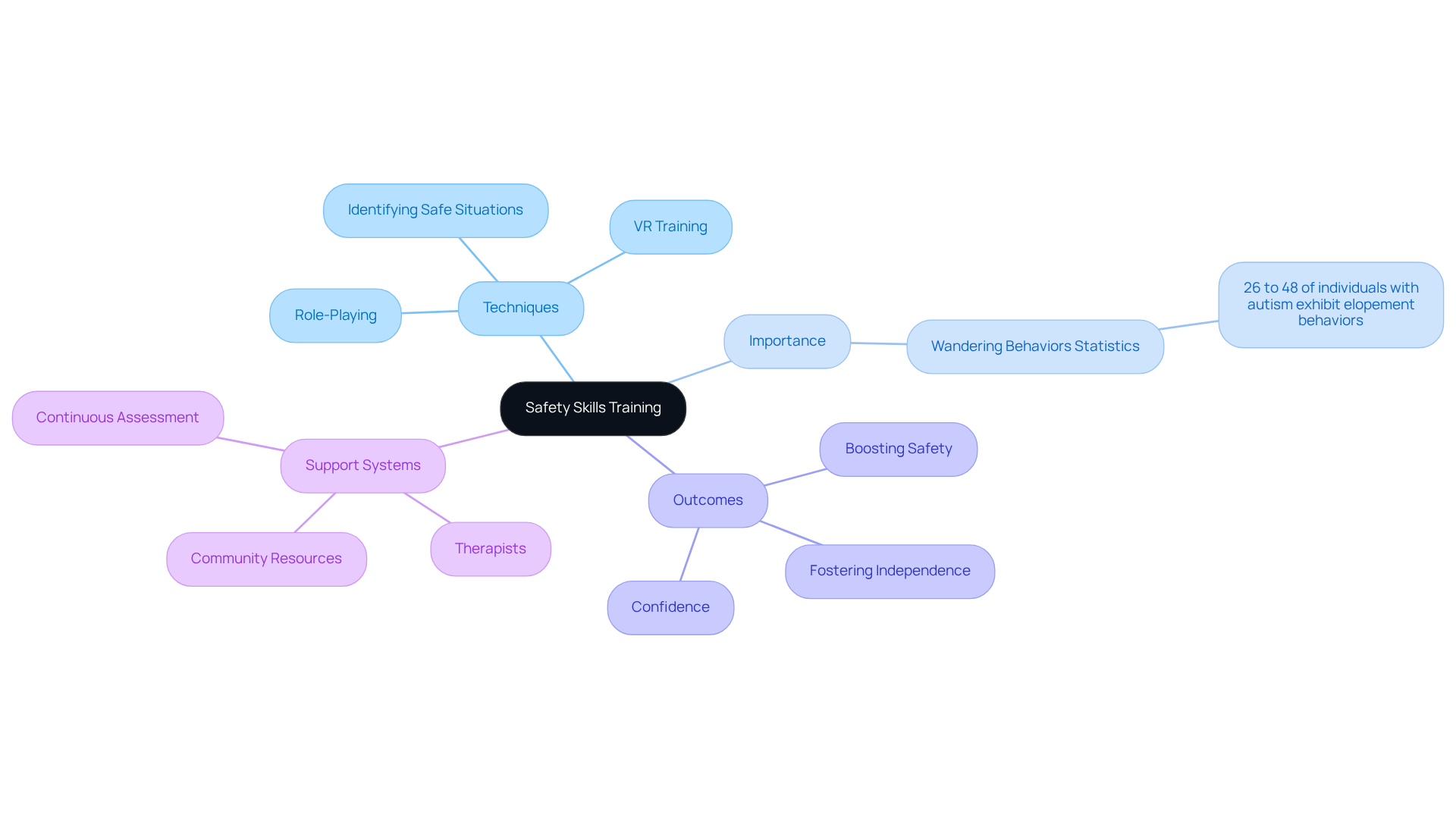
serves as a vital to prevent . By helping them learn to identify safe and unsafe situations, these young individuals can make informed choices about their actions. This training includes evidence-based techniques, like role-playing scenarios, which allow them to practice responses to various situations, such as asking for help or recognizing safe areas.
At Rori Care, we custom-design each to meet the specific needs of the young individual. This ensures that aligns with measurable goals for . Did you know that research shows 26% to 48% of individuals with autism exhibit wandering behaviors? This highlights just how necessary are.
Empowering young individuals with these skills not only boosts their safety but also fosters independence and confidence in navigating their environments. Plus, research indicates that has led to mastery in both virtual and real-world settings. This showcases how effective role-playing can be in preventing runaway incidents.
By equipping our young individuals with the skills to make safe decisions, we can minimize the dangers linked to running away and encourage , helping them feel safe and independent. It’s also crucial to create a supportive network that includes therapists, support providers, and . Together, we can develop and continuously assess and adjust training plans to enhance results. Let’s explore this together and ensure our young ones have the support they need!
Positive Reinforcement: Encouraging Safe Behaviors to Minimize Elopement
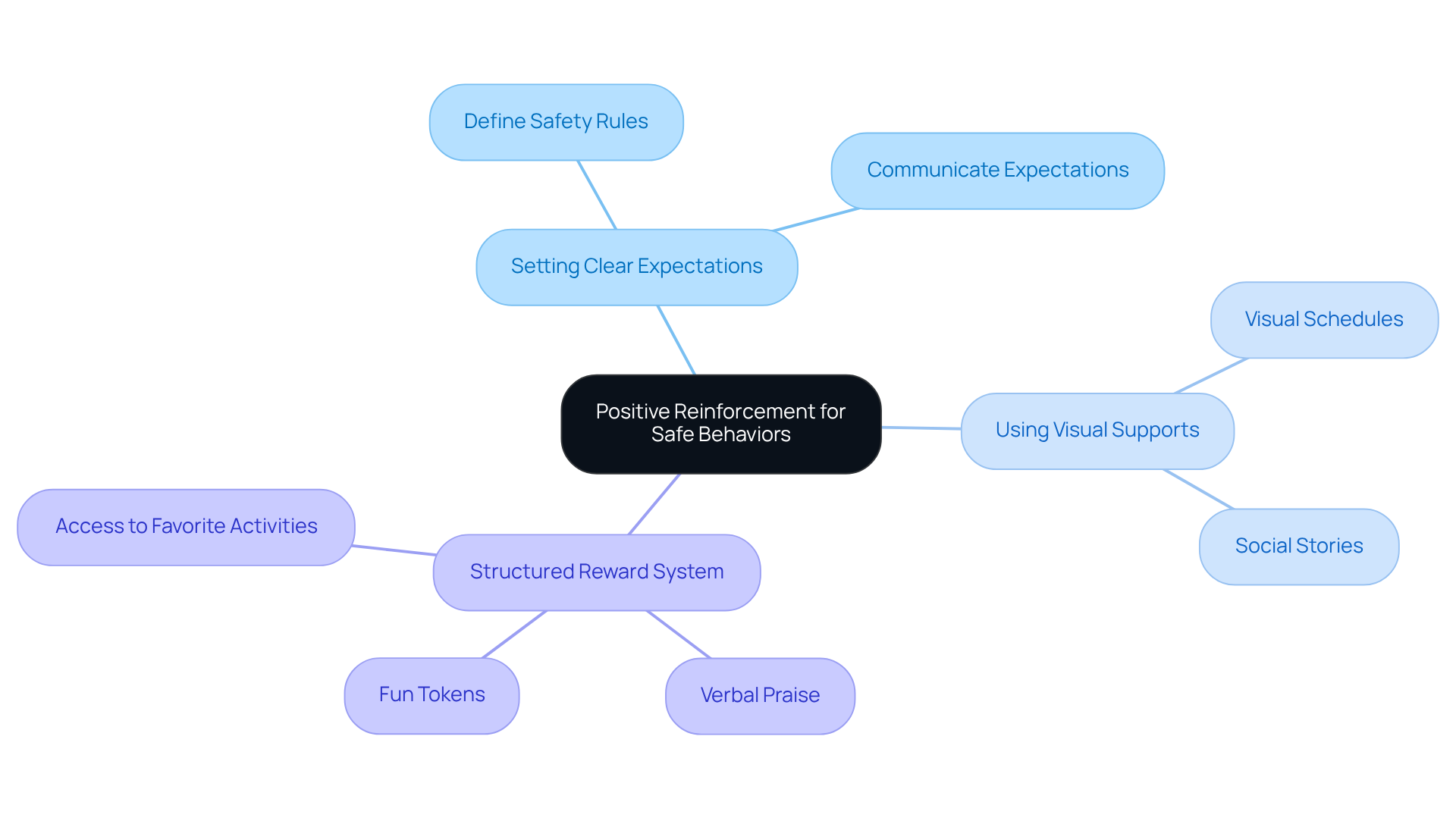
is such a valuable approach for encouraging among individuals with autism. By rewarding safe behaviors, guardians can gently guide their youngsters toward making better choices. Rewards can come in many forms—think verbal praise, fun tokens, or access to favorite activities—all aimed at reinforcing the importance of staying close to caregivers and following . Did you know that around 49% of youngsters with autism try to escape? This highlights the need for . Regular reinforcement helps kids connect safety with positive outcomes, significantly lowering the chances of elopement by for elopement ABA.
Successful strategies often include:
- Setting
- Using visual supports
- Implementing a that encourages safe behaviors, including the use of
Involving young ones in this way not only promotes self-regulation but also enhances their understanding of safety, creating a more secure environment for both kids and guardians. At Rori Care, our ensures that is tailored to the unique needs of each child, establishing clear, measurable goals that allow guardians to track progress effectively.
Our empower caregivers with the principles of ABA, giving them the confidence to implement these techniques. With ongoing evaluation and adjustments to treatment plans based on progress reports, caregivers can actively engage in their children’s development, making strategies even more effective. Let’s explore this together! We’re here to help you every step of the way!
Social Stories: Guiding Understanding and Reducing Elopement Through Narrative
Social stories are a wonderful resource for helping individuals with autism understand appropriate behaviors and the importance of safety. These personalized stories can illustrate scenarios where running away might occur, showing different actions for the young one to think about. For instance, a social narrative could depict a situation where a child feels overwhelmed and chooses to seek help instead of running away. By presenting relatable situations, young individuals can better grasp the concept of safety and the risks that come with understanding .
This storytelling approach not only encourages better decision-making but also serves as a , allowing young individuals to express their needs and reducing the chances of wandering off. Did you know that nearly 50% of youth with autism engage in ? This highlights the crucial need for , like , as a to address this concern. By weaving these stories into therapy, caregivers and professionals can enhance understanding and promote safer practices, ultimately creating a more secure environment for our young ones.
Moreover, involving skilled analysts in crafting ensures that these cater to each individual’s unique needs, reinforcing the . Integrating can also boost communication and relationships among peers, providing a supportive space for young individuals to practice these skills.
And here’s the good news: and often covered by insurance, making it a reliable option for families looking for effective treatment solutions. Let’s explore this together and find the right resources to support your child!

Professional Collaboration: Ensuring Comprehensive Support for Elopement Management
Professional teamwork plays a crucial role in providing the support needed to address actions by implementing . At Rori Care, we genuinely believe that when educators, therapists, and supporters come together, they can share valuable insights and strategies tailored to the unique needs of each young person. helps us create cohesive that are personalized for individual progress, with , leading to .
Did you know that when recommended hours of are fully implemented with , a remarkable 90% of children show ? Plus, is the only that insurance covers, making it more accessible for families. Regular communication and collaboration among everyone involved in a child’s care can truly enhance outcomes and create a unified approach to developing . Together, we empower caregivers with the knowledge and strategies they need to support their children’s behavioral goals. Let’s explore this journey together!
Conclusion
Understanding and addressing elopement behaviors in children with autism can feel like a daunting challenge. But don’t worry, you’re not alone! This article highlights how important it is to implement effective replacement behaviors through ABA strategies. It’s all about personalizing interventions that fit each child’s unique needs. By focusing on techniques like functional communication training, structured routines, and visual supports, caregivers can significantly reduce the risks associated with wandering, all while promoting safety and independence.
Did you know that nearly half of children with autism might try to elope? That’s a staggering statistic that really emphasizes the need for effective intervention strategies! Environmental modifications, parent training, and safety skills training are essential components that empower families and enhance the overall safety of children. Plus, using positive reinforcement and social stories can be such valuable tools in guiding understanding and encouraging safe behaviors.
Ultimately, creating a collaborative environment among caregivers, educators, and therapists is key to success. By working together and using evidence-based practices, we can foster a nurturing atmosphere that not only helps mitigate elopement risks but also supports the developmental needs of children with autism. Embracing these strategies can lead to safer, more fulfilling experiences for both children and their families. Let’s ensure that every child has the opportunity to thrive in a secure environment—together, we can make a difference!
Frequently Asked Questions
What is Rori Care’s approach to managing wandering tendencies in children with autism?
Rori Care utilizes replacement behavior strategies for elopement ABA, focusing on identifying triggers and motivations behind a child’s urge to elope. They create personalized behavior intervention plans tailored to each child’s unique needs.
Why is it important to implement replacement behavior for elopement ABA?
Approximately 50% of children with autism may attempt to escape from safe environments. Implementing replacement behavior for elopement ABA is essential to address these behaviors and enhance safety.
How does Functional Communication Training (FCT) help prevent elopement?
FCT helps young people express their needs and emotions effectively, which can reduce wandering incidents. It teaches children to communicate feelings of being overwhelmed or needing a break, thereby decreasing elopement behaviors.
Can you provide an example of how FCT has been effective?
In a case study, a 9-year-old boy named Damon was able to communicate consistently through FCT combined with delay fading, resulting in a notable reduction in his wandering behaviors.
How do structured routines contribute to reducing elopement risks?
Structured routines promote predictability, which helps children feel secure and less anxious. Visual schedules outlining daily tasks can prepare children for transitions, reducing the likelihood of seeking escape.
What role do parents and caregivers play in supporting children with elopement tendencies?
Parents and caregivers are empowered with ABA principles and practical strategies, such as tracking devices and communication methods, to support their child’s safety and well-being.
How does Rori Care monitor the effectiveness of their interventions?
Rori Care closely monitors each client’s progress and responsiveness to interventions, making necessary adjustments to optimize outcomes and ensure effective support.
What types of behavioral challenges can ABA therapy address?
ABA therapy is flexible and can address various behavioral challenges, including elopement, ADHD, and learning disabilities, making it valuable for individuals of all ages.
List of Sources
- Rori Care – ABA Therapy: Personalized Replacement Strategies for Elopement
- Nearly Half Of Children With Autism Wander Or “Bolt” From Safe Places (https://kennedykrieger.org/stories/nearly-half-children-autism-wander-or-bolt-safe-places)
- yellowbusaba.com (https://yellowbusaba.com/post/elopement-and-autism)
- gratefulcareaba.com (https://gratefulcareaba.com/blog/elopement-and-autism)
- aprilaba.com (https://aprilaba.com/resources/occurrence-and-impact-of-elopement)
- risingaboveaba.com (https://risingaboveaba.com/autism-blog/elopement-and-autism)
- Functional Communication Training: Enhancing Expression to Prevent Elopement
- journals.sagepub.com (https://journals.sagepub.com/doi/10.1177/1088357617741294?icid=int.sj-full-text.similar-articles.3)
- researchgate.net (https://researchgate.net/publication/282833771_FCT_and_Delay_Fading_for_Elopement_with_a_Child_with_Autism)
- pmc.ncbi.nlm.nih.gov (https://pmc.ncbi.nlm.nih.gov/articles/PMC4893030)
- vibe.us (https://vibe.us/blog/35-quotes-about-communication?srsltid=AfmBOopr8tQB_ctjyxFCKZh8yeG9_erBHDh6o2lhDSBN46xVxyh3WfSL)
- Structured Routines: Creating Predictability to Reduce Elopement Risks
- Autism prevalence rises to 1 in 31 children in the U.S. | Autism Speaks (https://autismspeaks.org/science-news/autism-prevalence-rises-1-31-children-us)
- 6 Strategies to Address Elopement in Autism – ABA Centers of New Jersey (https://abacentersnj.com/blog/elopement-in-autism)
- Elopement Patterns and Caregiver Strategies – PMC (https://pmc.ncbi.nlm.nih.gov/articles/PMC6728233)
- Understanding Elopement in Autism | Advanced Autism Services (https://advancedautism.com/post/elopement-and-autism)
- myteamaba.com (https://myteamaba.com/resources/elopement-autism)
- Visual Supports: Aiding Comprehension and Compliance to Prevent Elopement
- aprilaba.com (https://aprilaba.com/resources/occurrence-and-impact-of-elopement)
- ambitionsaba.com (https://ambitionsaba.com/resources/how-aba-therapy-helps-address-elopement-and-wandering-issues)
- The Role of ABA Therapy in Reducing Elopement Behaviors (https://magnetaba.com/blog/the-role-of-aba-therapy-in-reducing-elopement-behaviors)
- discoveryaba.com (https://discoveryaba.com/aba-therapy/the-role-of-visual-supports-in-aba-therapy-sessions?8936781b_page=19)
- myteamaba.com (https://myteamaba.com/resources/using-visual-supports-at-aba-therapy-centers)
- Environmental Modifications: Designing Safe Spaces to Deter Elopement
- Autism Elopement Safety Measures for Families | Blossom ABA (https://blossomabatherapy.com/blog/autism-elopement-safety-measures)
- kidsclubaba.com (https://kidsclubaba.com/elopement-and-autism-essential-safety-tips-for-parents)
- myteamaba.com (https://myteamaba.com/resources/elopement-autism)
- ELOPEMENT PREVENTION CAREGIVERS (https://theautismproject.org/training-education/elopement-prevention/elopement-prevention-family)
- Parent Training: Empowering Caregivers to Address Elopement Effectively
- aprilaba.com (https://aprilaba.com/resources/occurrence-and-impact-of-elopement)
- crossrivertherapy.com (https://crossrivertherapy.com/autism/elopement-behavior-in-individuals-with-autism)
- Elopement Patterns and Caregiver Strategies – PMC (https://pmc.ncbi.nlm.nih.gov/articles/PMC6728233)
- Understanding Elopement in Autism | Advanced Autism Services (https://advancedautism.com/post/elopement-and-autism)
- Effective Elopement Prevention Strategies for Safety (https://connectncareaba.com/delopement-prevention-strategies)
- Safety Skills Training: Empowering Children to Make Safe Choices
- myteamaba.com (https://myteamaba.com/resources/elopement-autism)
- researchgate.net (https://researchgate.net/publication/309687073_A_Meta-Analysis_of_Safety_Skill_Interventions_for_Children_Adolescents_and_Young_Adults_with_Autism_Spectrum_Disorder)
- journals.sagepub.com (https://journals.sagepub.com/doi/10.1177/0022466920918247?int.sj-abstract.similar-articles.9)
- brighterstridesaba.com (https://brighterstridesaba.com/blog/elopement-and-autism)
- Autism and Safety: It’s Unpredictable (https://autismspectrumnews.org/autism-and-safety-its-unpredictable)
- Positive Reinforcement: Encouraging Safe Behaviors to Minimize Elopement
- The Role of ABA Therapy in Reducing Elopement Behaviors (https://magnetaba.com/blog/the-role-of-aba-therapy-in-reducing-elopement-behaviors)
- Strategies to Address Elopement in Autism (https://behavioral-innovations.com/blog/elopement-strategies-for-individuals-with-autism)
- pmc.ncbi.nlm.nih.gov (https://pmc.ncbi.nlm.nih.gov/articles/PMC6108583)
- pmc.ncbi.nlm.nih.gov (https://pmc.ncbi.nlm.nih.gov/articles/PMC5711741)
- texasabacenters.com (https://texasabacenters.com/blog/elopement-in-autism-from-texas-aba)
- Social Stories: Guiding Understanding and Reducing Elopement Through Narrative
- yellowbusaba.com (https://yellowbusaba.com/post/elopement-and-autism)
- ambitionsaba.com (https://ambitionsaba.com/resources/how-aba-therapy-helps-address-elopement-and-wandering-issues)
- crossrivertherapy.com (https://crossrivertherapy.com/autism/aba-therapy-and-social-stories)
- ELOPEMENT PREVENTION CAREGIVERS (https://theautismproject.org/training-education/elopement-prevention/elopement-prevention-family)
- risingaboveaba.com (https://risingaboveaba.com/autism-blog/elopement-and-autism)
- Professional Collaboration: Ensuring Comprehensive Support for Elopement Management
- Understanding Elopement in Autism | Advanced Autism Services (https://advancedautism.com/post/elopement-and-autism)
- psnet.ahrq.gov (https://psnet.ahrq.gov/web-mm/elopement)
- pubmed.ncbi.nlm.nih.gov (https://pubmed.ncbi.nlm.nih.gov/37776169)