
Introduction
Toilet training can feel like a winding road, especially for parents of children with autism. You’re not alone in facing unique challenges during this important milestone! Understanding the specific skills needed for successful toilet training is key. It not only helps your child gain independence but also boosts their self-esteem.
With so many resources and strategies out there, how do you find the right path for your child? 🤔 This article is here to help! We’ll dive into essential toilet training resources, sharing practical tips and structured plans tailored to meet the individual needs of children on the autism spectrum. Let’s explore this together!
Identify Essential Skills for Toilet Training
can feel like quite the journey, right? It’s all about blending physical, cognitive, and . Let’s break down the essential skills you’ll want to look for:
- : Your little one should be able to walk to the bathroom, pull down their pants, and sit on the toilet. It’s also super important that they to go. Kids who can stay dry for longer stretches-typically two hours or more-are starting to develop that all-important .
- : Being able to communicate effectively is key. Your child should through words, gestures, or even visual aids, like pointing to the bathroom or using a sign. Kids who can share their discomfort or urgency often find more success during the .
- : Familiarity with daily routines helps kids anticipate when it’s time for a bathroom break. Establishing a consistent schedule, including regular meal and sleep times, can really help them connect the dots between routine and toileting.
- : Take a moment to evaluate how comfortable your child feels about using the restroom. They should feel secure and not anxious about the process. Signs of include confidence, curiosity, and a desire for independence, all of which can boost their eagerness to tackle bathroom skills.
By recognizing these abilities, you can better equip your child for the , making the transition smoother. Remember, every child develops at their own pace, so focusing on readiness rather than strict timelines can lead to more positive outcomes. Let’s explore this together!

Develop a Structured Toilet Training Plan
Creating a systematic restroom training strategy can feel overwhelming, particularly when you consider that over 50% of kids with autism spectrum disorder (ASD) face toileting challenges, which underscores the importance of , compared to just 5-10% of their peers without ASD. This reality highlights the hurdles many families encounter during this journey.
- Set Clear Goals: Think about what success looks like for your child. Maybe it’s using the restroom independently or staying dry for certain periods. Remember, is key – potty training is a gradual process that takes patience.
- Establish a Routine: Try scheduling regular bathroom visits, like every 1-2 hours. This helps your little one develop a habit. Visual schedules can be a great tool to reinforce this routine, making it easier for them to know what to expect.
- Use : Celebrate every success, no matter how small! Whether it’s verbal praise, stickers, or a fun activity, and boosts self-esteem, which is so important during this learning phase.
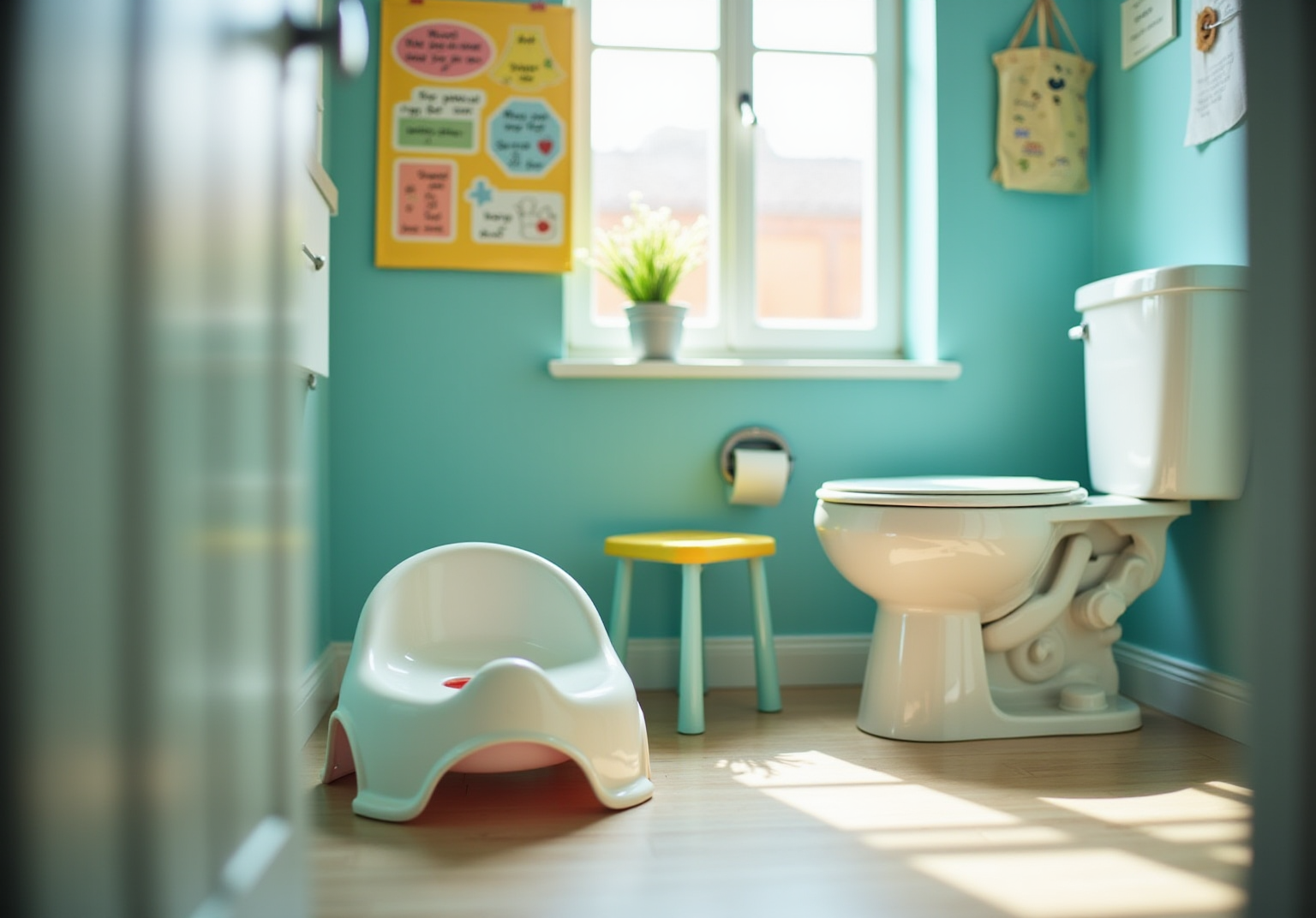
- Prepare the Environment: Make sure the bathroom is accessible and comfortable. Consider using adaptive tools like a potty chair or step stool, and tailor the space to meet your child’s sensory needs. This can really make a difference in their comfort and willingness to use the toilet.
- Monitor Progress: Keep an eye on your child’s successes and challenges. It’s encouraging to know that . Adjust your plan as needed based on their responses, and stay supportive throughout the process. Our adapts strategies after each session based on progress, ensuring the program meets your child’s needs.
By following these steps, you can create a that utilizes , catering to your child’s unique needs and fostering effective bathroom habits. This organized approach not only boosts the chances of success but also strengthens the bond between you and your child through . Let’s explore this together!

Implement Practical Tips for Effective Training
To enhance the experience for children with autism, let’s explore some practical strategies that can make a real difference:
- Use : Think about creating a visual timetable or using picture cards to show the steps involved in using the restroom. This can really help your child understand the process and make it feel less intimidating. Research shows that can improve comprehension and ease anxiety during this transition.
- Encourage Fluid Intake: Increasing your kid’s fluid intake can lead to more chances for them to practice using the restroom. This helps strengthen the connection between feeling the urge and responding appropriately, which is key for . Remember, boosts independence and self-worth for kids with autism, making this phase especially important.
- Be Patient and Consistent: Consistency is crucial in . Stick to a routine and be patient as your little one learns this new skill. A predictable schedule can really help your child thrive during this transition. You might also consider and identifying patterns in their behavior, which aligns with .
- Celebrate Small Wins: Don’t forget to recognize and celebrate every achievement, no matter how small! , like praise or rewards, can motivate your child to keep moving forward in their journey. This approach aligns with findings that show celebrating achievements can lead to better outcomes, a principle highlighted in Rori Care’s strategy for development.
- Adapt to Sensory Needs: Pay attention to your child’s sensory sensitivities. that minimizes distractions and discomfort can make a big difference. For example, one parent found that using noise-cancelling headphones helped her daughter feel more at ease in public restrooms. This can help reduce anxiety and promote a more successful learning experience.
By utilizing for parents of children with autism, parents can create a , boosting their child’s independence and self-worth. Let’s take this journey together!

Consider Individual Readiness and Age Factors
When it comes to , it’s super important to think about your child’s unique readiness and age factors.
Age Appropriateness: Many kids usually start potty training between ages 2 and 3, but if your child is on the , they might need a bit more time. Instead of just focusing on age, look at their . Research shows that – 49% of autistic kids aged 4-5 aren’t trained yet, compared to just 8% of typically developing kids. Plus, switching to underwear can really motivate them to use the toilet instead of pull-ups or diapers.
Signs of Readiness: Keep an eye out for . Are they staying dry for longer periods? Do they show interest in the restroom? Can they express when they need to go? Recognizing these signs early can make a big difference in successful . And don’t forget to check that they’re not dealing with constipation or diarrhea, as these can really slow things down.
Customized Methods: Tailor your teaching methods to fit your child’s unique needs. Some kids might benefit from visual aids like schedules or pictures, while others may respond better to verbal cues. Using symbols or images they recognize can really help during . A flexible approach is key to accommodating their learning styles. And remember, ! It empowers them with strategies like reinforcement techniques and prompting to support their child’s goals.
Flexibility: Be ready to adjust your approach based on how your child is doing. If they’re struggling, it might be helpful to revisit earlier steps or offer extra support. Taking it slow allows them to adapt comfortably to the new routine. Establishing a consistent toileting routine can also help reinforce habits, especially for kids who resist change. Caregivers who are well-informed can make choices that positively impact their child’s progress.
Involve Professionals: If you’re unsure about your child’s readiness, don’t hesitate to reach out to a . As Elizabeth Cross, Ph.D., points out, “There’s no specific age or developmental stage for beginning bathroom use.” These professionals can assess your situation and suggest effective strategies. When caregivers are actively involved and educated, it often leads to better outcomes during this important phase.
By keeping these factors in mind, parents can use to create a more effective and supportive experience that truly meets their child’s individual needs. Let’s explore this together!

Conclusion
Toilet training can be quite the adventure for parents of children with autism, but with the right resources, it can become a smoother journey. It’s all about recognizing when your child is ready and using strategies that fit their unique needs. By honing in on essential skills and crafting a solid plan, you can help your child gain the independence and confidence they need during this important phase.
Let’s talk about some key insights! It’s crucial to identify your child’s physical, communication, and emotional readiness. A structured routine and positive reinforcement can work wonders. Plus, adapting your methods to accommodate sensory sensitivities and individual learning styles is so important. With patience and consistency, you can create an environment that supports successful toilet training, leading to greater self-esteem and independence for your little one.
As you embark on this significant milestone, staying informed and flexible is key. Don’t hesitate to reach out to professionals or tap into available resources. This journey is not just about toilet training; it’s about strengthening the bond between you and your child and setting the stage for future successes. The road may have its twists and turns, but with the right tools and support, every child can reach this important milestone. Let’s explore this together!
Frequently Asked Questions
What are the essential skills needed for toilet training?
The essential skills for toilet training include physical readiness, communication skills, understanding routines, and emotional readiness.
What does physical readiness entail for toilet training?
Physical readiness involves the ability to walk to the bathroom, pull down pants, sit on the toilet, and recognize the urge to go. Additionally, staying dry for longer stretches, typically two hours or more, indicates developing bladder control.
Why are communication skills important in toilet training?
Communication skills are important because they allow children to express their needs through words, gestures, or visual aids. Kids who can communicate their discomfort or urgency tend to have more success during the potty training process.
How does understanding routines help with toilet training?
Familiarity with daily routines helps children anticipate when it’s time for a bathroom break. Establishing a consistent schedule, including regular meal and sleep times, aids in connecting the dots between routine and toileting.
What signs indicate emotional readiness for toilet training?
Signs of emotional readiness include feeling secure and not anxious about the process, as well as displaying confidence, curiosity, and a desire for independence.
How can I support my child during the potty training process?
By recognizing and encouraging the essential skills of physical readiness, communication, understanding routines, and emotional readiness, you can better equip your child for potty training, making the transition smoother.
Should I focus on strict timelines for toilet training?
It is more beneficial to focus on your child’s readiness rather than strict timelines, as every child develops at their own pace, which can lead to more positive outcomes.
List of Sources
- Identify Essential Skills for Toilet Training
- Does Autism Affect Potty Training – A Full Breakdown (https://biermanautism.com/resources/blog/does-autism-affect-potty-training)
- Toilet Training Readiness: Signs Your Child Is Truly Ready Today!! (https://kidsvillepeds.com/blog/1414945-toilet-training-readiness-5-general-signs-your-child-is-ready)
- Toilet Training: Common Questions and Answers (https://aafp.org/pubs/afp/issues/2019/1015/p468.html)
- What to Know About Toilet Training Your Child with Autism – SPARK for Autism (https://sparkforautism.org/discover_article/toilet-training-autism)
- Toilet Training in Children with Autism Spectrum Disorder (https://consultqd.clevelandclinic.org/toilet-training-in-children-with-autism-spectrum-disorder)
- Develop a Structured Toilet Training Plan
- The Power of Positive Reinforcement in Toilet Training – Positive Solutions Behavior Group (https://positivesolutionsbehaviorgroup.com/the-power-of-positive-reinforcement-in-toilet-training)
- Toilet Training and Autism (https://medium.com/autisticaldata/toilet-training-and-autism-e71d122dc2c9)
- Toilet Training in Children with Autism Spectrum Disorder (https://consultqd.clevelandclinic.org/toilet-training-in-children-with-autism-spectrum-disorder)
- Toilet Training Strategies for Autism (https://tacanow.org/family-resources/toilet-training-strategies-for-autism)
- What to Know About Toilet Training Your Child with Autism – SPARK for Autism (https://sparkforautism.org/discover_article/toilet-training-autism)
- Implement Practical Tips for Effective Training
- What to Know About Toilet Training Your Child with Autism – SPARK for Autism (https://sparkforautism.org/discover_article/toilet-training-autism)
- Effective Toilet Training Strategies for Children with Autism – Autism Treatment | Autism Behavior Services, Inc. (https://autismbehaviorservices.com/health/toilet-training-strategies-autism)
- Consider Individual Readiness and Age Factors
- What to Know About Toilet Training Your Child with Autism – SPARK for Autism (https://sparkforautism.org/discover_article/toilet-training-autism)
- Toilet Training in Children with Autism Spectrum Disorder (https://consultqd.clevelandclinic.org/toilet-training-in-children-with-autism-spectrum-disorder)
- Toilet Training and Autism (https://medium.com/autisticaldata/toilet-training-and-autism-e71d122dc2c9)
- Does Autism Affect Potty Training – A Full Breakdown (https://biermanautism.com/resources/blog/does-autism-affect-potty-training)