

Introduction
The role of a Board Certified Behavior Analyst (BCBA) is becoming increasingly important in supporting individuals with behavioral challenges, especially those on the autism spectrum. As the demand for these skilled professionals grows, aspiring BCBAs have a unique chance to explore a career that offers both personal fulfillment and professional growth.
However, this path isn’t without its complexities. What are the real pros and cons of this rewarding yet demanding profession? Understanding the balance between impactful work and the emotional and logistical challenges can provide valuable insights for those considering this career journey. Let’s explore this together!
Define the Role of a BCBA
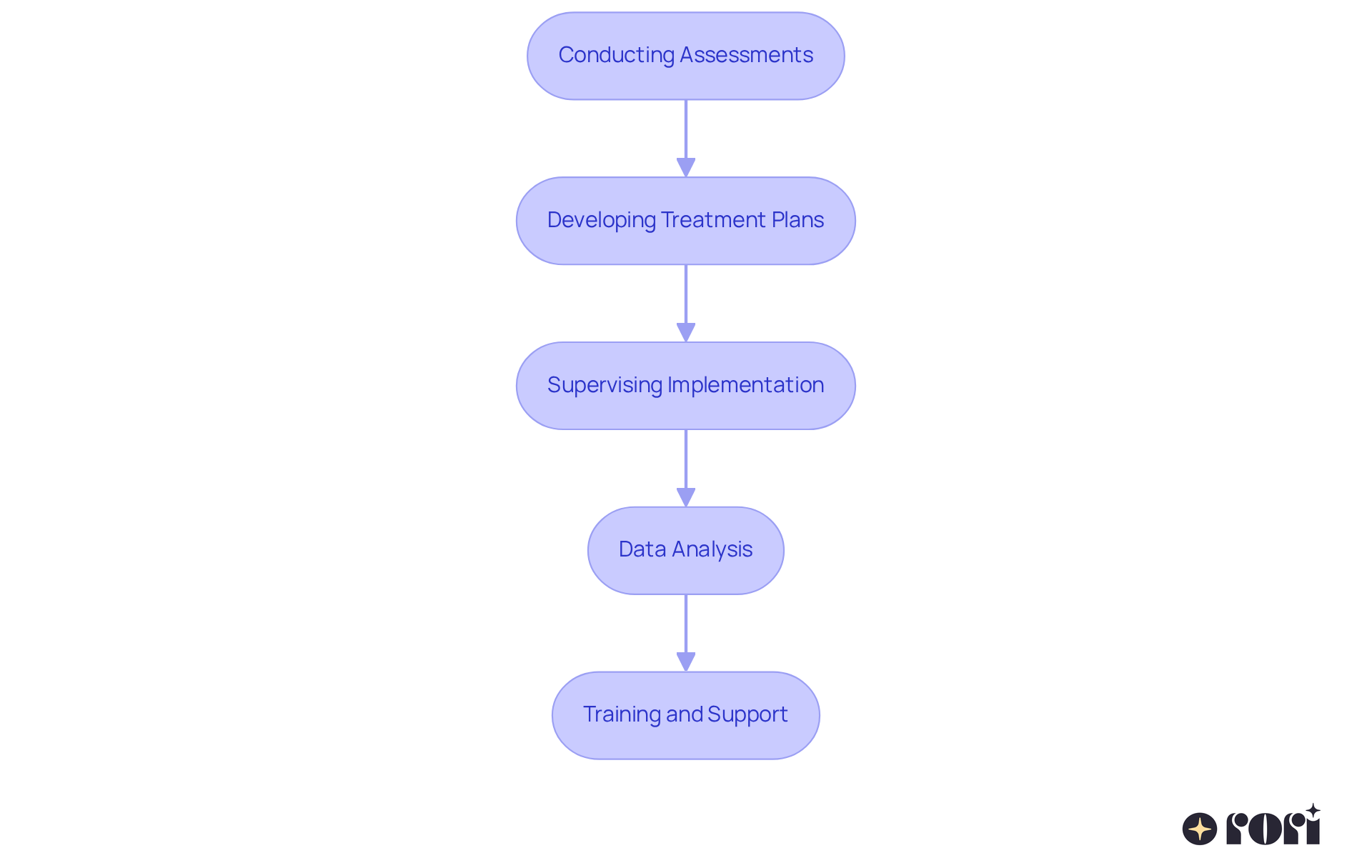
A specializes in helping individuals with behavioral challenges, particularly those on the autism spectrum. Let’s take a closer look at what they do:
- Conducting Assessments: BCBAs use various tools and techniques to evaluate clients’ behaviors and needs. This patient-centered approach ensures they understand each child’s unique situation, which is essential for tailoring interventions to fit their specific needs.
- : After assessments, behavior analysts create targeting specific behaviors and skills. These plans not only promote meaningful progress but also focus on educating caregivers, empowering families to support their children’s goals effectively.
- Supervising Implementation: They oversee the implementation of these plans by and other staff. This collaborative approach ensures adherence to interventions and maintains high care standards, creating a supportive environment for children and their families.
- : Behavior analysts collect and analyze data to track client progress. This allows for timely adjustments to treatment plans, enhancing results. Plus, with AI-driven progress report automation, there’s 50% more time available for direct child treatment!
- : Training families and caregivers is a crucial part of their role. This guidance helps families implement effective strategies at home, especially after a diagnosis, making it easier to navigate behavioral interventions. Rori Care also offers free consultations with our Board Certified Behavior Analysts to help families understand their options.
brings attention to the pros and cons of being a BCBA. The forecasted job growth of 8% from 2020 to 2030 highlights the pros and cons of being a BCBA, as it is notably above the national average for most professions. By 2025, there will be around 40,000 behavior analysts in the United States, reflecting the increasing demand for skilled practitioners in developmental disorder care. Through , for those on the spectrum and their families, leaving a lasting impact on their development and well-being. As Dr. Doreen Granpeesheh puts it, “ABA is a science-driven method for treating individuals with developmental disorders that aims to comprehend why they behave as they do and then employs evidence-based techniques to teach new skills, diminish problem behaviors, and enhance independence.”
Let’s explore this together! We’re here to !
Explore the Benefits of Being a BCBA
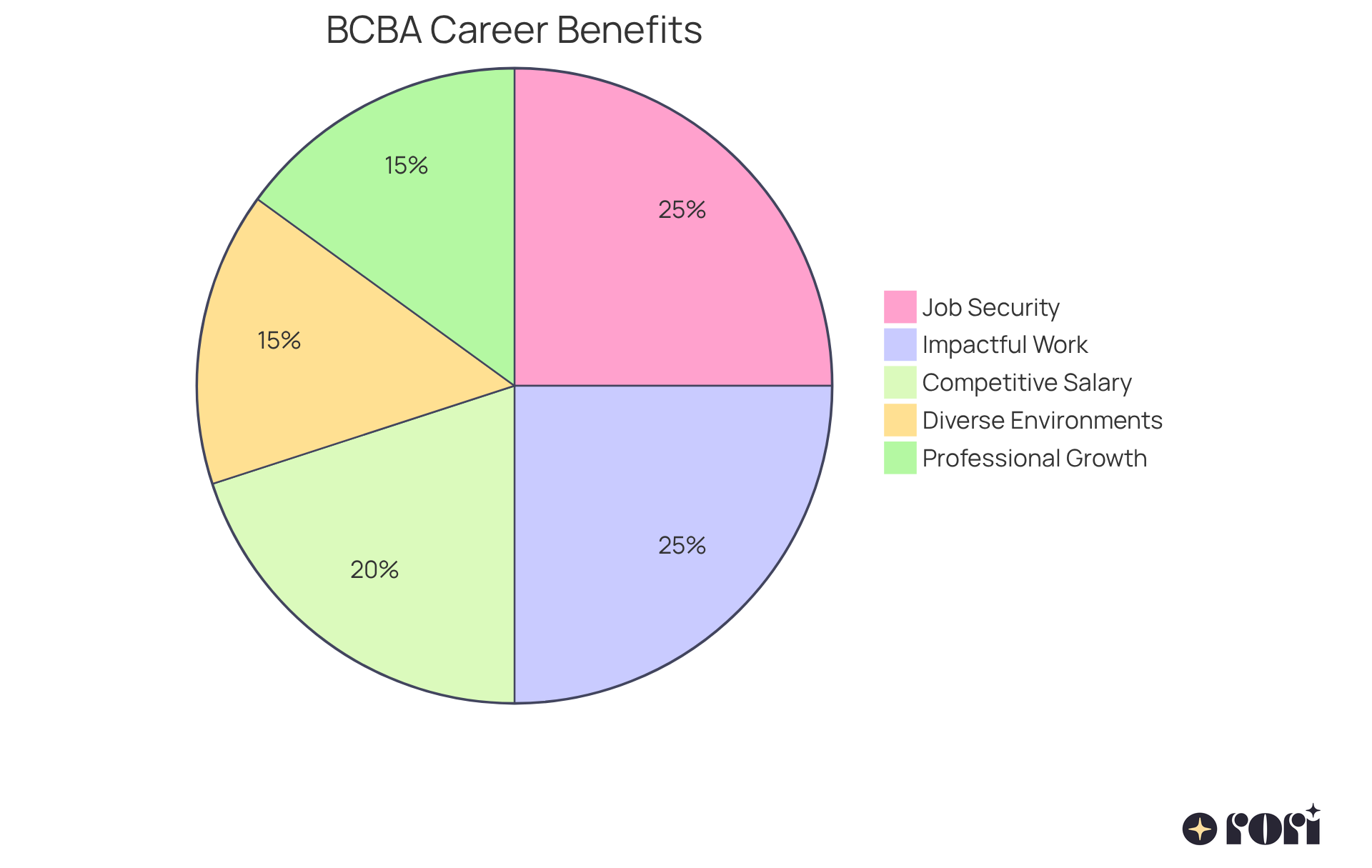
The pros and cons of being a BCBA include a host of benefits that can really enhance your professional satisfaction and personal fulfillment. Let’s dive into some of these advantages together!
- : There’s a strong demand for BCBAs these days, thanks to the growing recognition of how effective is for behavioral health conditions, especially autism. This increased awareness has led to a remarkable 1,942% rise in job postings from 2010 to 2018, which means plenty of stable job opportunities for qualified professionals like you.
- : Typically, enjoy higher salaries compared to those without certification. This reflects the specialized training and expertise you bring to the table. Right now, salary trends show that behavior analysts can expect competitive compensation packages, and projections indicate that salaries will continue to grow as the demand for your services expands.
- : As a BCBA, you play a vital role in changing the lives of individuals with autism and their families. The opportunity to implement effective interventions and witness positive behavioral changes can be incredibly rewarding. It nurtures a sense of purpose in your career journey, aligning beautifully with and .
- : One of the great things about being a BCBA is the variety of settings you can work in—schools, clinics, private practices, and more! This diversity not only gives you flexibility in your career path but also allows you to tailor your work environment to fit your personal preferences and strengths.
- : The field of ABA is all about continuous learning. With workshops, conferences, and advanced education, you’ll always have . This commitment to professional development ensures you stay at the forefront of best practices, enhancing your skills and effectiveness in delivering care.
These benefits come together to create a fulfilling career that supports your personal growth while also considering the pros and cons of being a BCBA, making a meaningful impact on the community. Especially in the autism field, which is central to Rori Care’s mission. So, let’s explore this journey together and see how you can make a difference!
Examine the Challenges of Being a BCBA
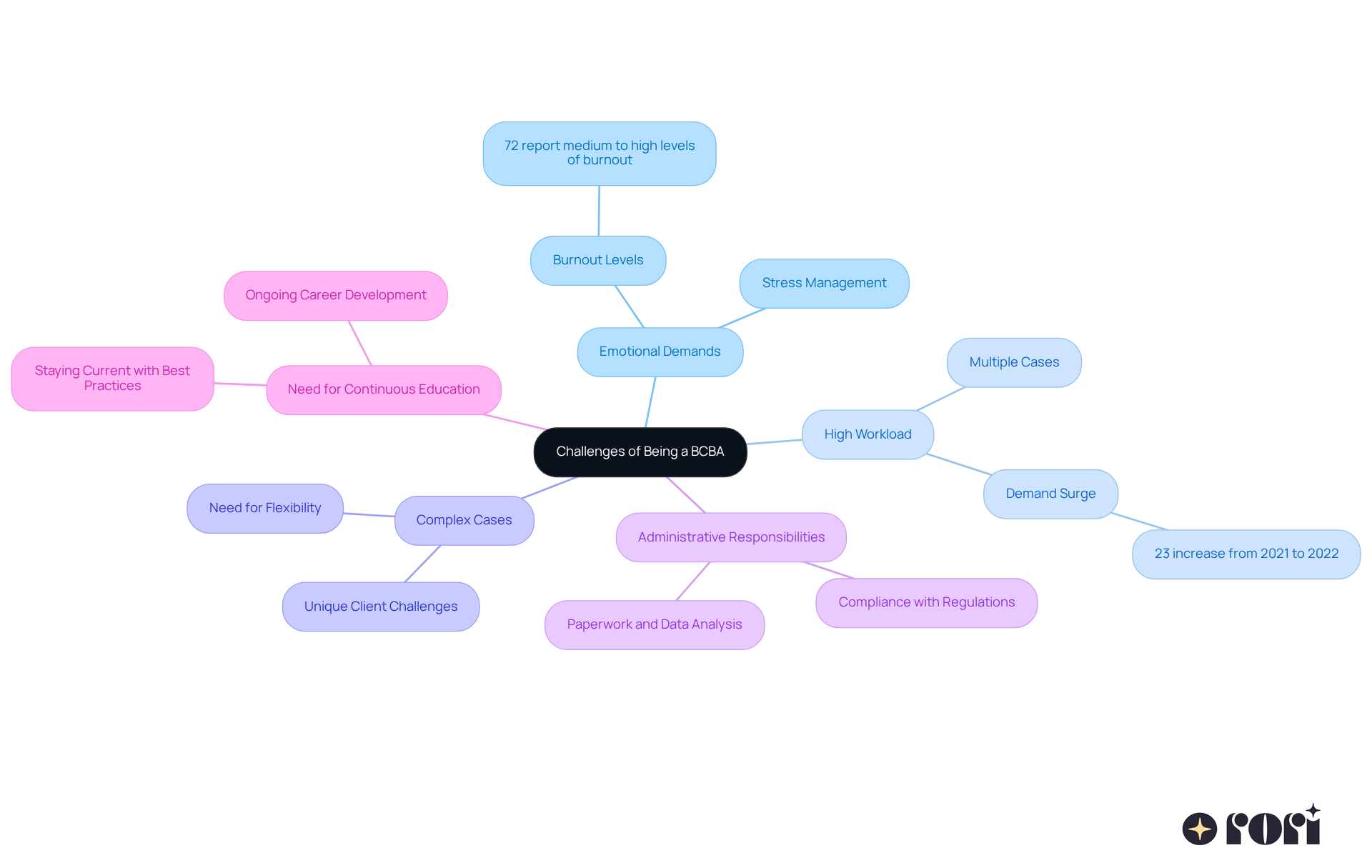
The pros and cons of being a BCBA show that while the role is incredibly rewarding, it certainly comes with its fair share of challenges. 😊
- Emotional Demands: Working with individuals who exhibit challenging behaviors can be quite emotionally taxing. It’s essential for to manage their own stress effectively, ensuring they maintain their well-being while providing the best support for their clients. Did you know that around 72% of report ? This really highlights the emotional toll of the profession.
- High Workload: Many find themselves juggling multiple cases at once. This often leads to , which can increase the risk of burnout if not managed properly. In fact, the demand for behavior analysts surged by 23% from 2021 to 2022, adding even more pressure on professionals in the field.
- Complex Cases: Each client brings unique challenges to the table, requiring behavior analysts to continuously adapt their strategies. This constant need for flexibility can feel overwhelming, especially when faced with such diverse needs and behaviors.
- Administrative Responsibilities: On top of clinical work, BCBAs also handle paperwork, data analysis, and compliance with regulations. This can really ramp up their workload! It’s crucial to have effective strategies in place to manage this workload and prevent burnout while ensuring quality care.
- Need for Continuous Education: The field of is always evolving. This means behavior analysts must engage in to stay current with best practices. While it can be demanding, staying informed is vital for providing effective interventions and fostering professional growth.
Understanding these challenges is key for future board-certified behavior analysts as they weigh the pros and cons of being a BCBA. By being aware of what lies ahead, they can prepare themselves for the realities of the profession and develop strategies to navigate the emotional and practical demands of their roles. Let’s explore this together! We’re here to !
Understand the Importance of Continuous Learning for BCBAs
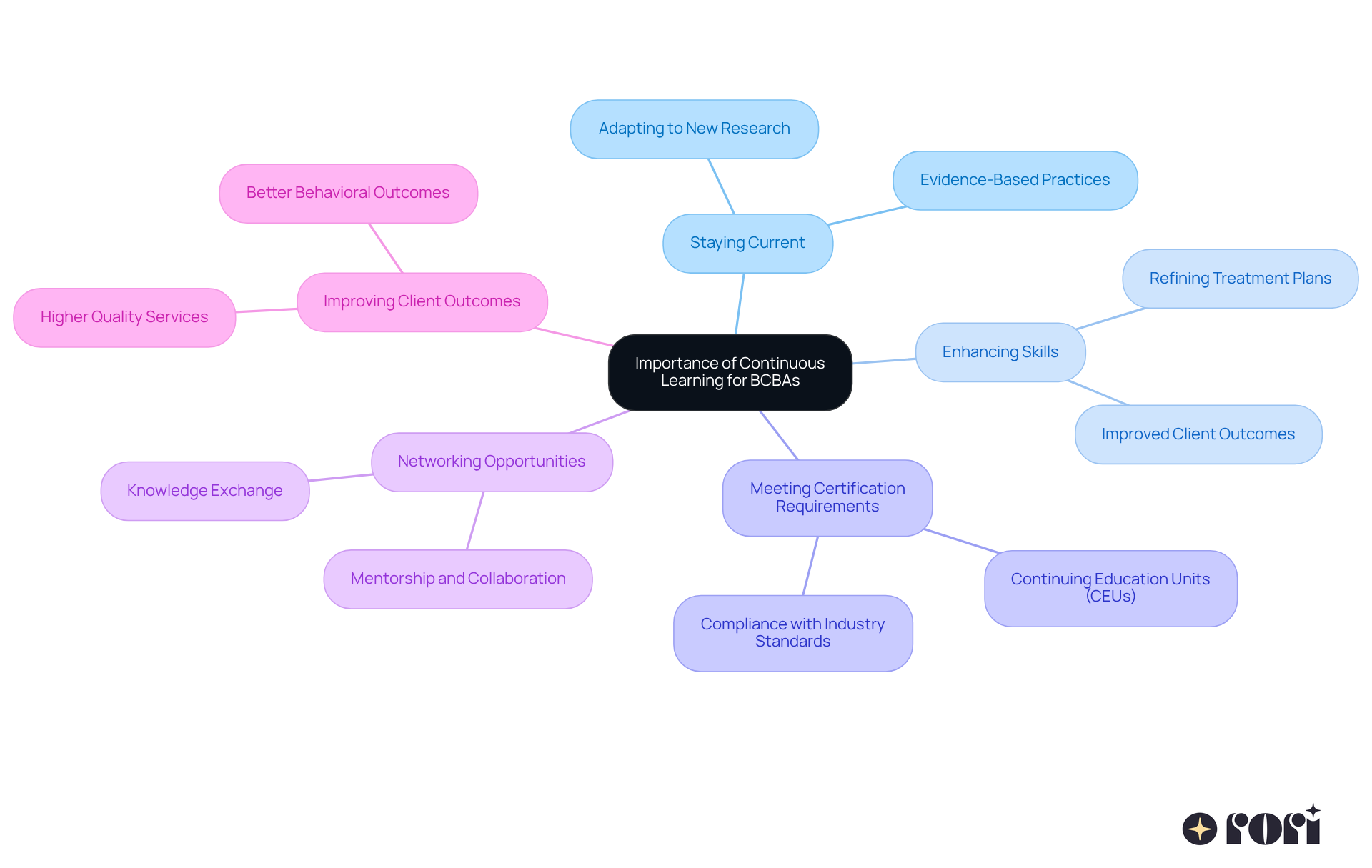
Continuous learning is fundamental to a successful career as a . Let’s explore why it’s so crucial:
- Staying Current: The field of is always changing, with new research and methodologies popping up all the time. helps behavior analysts stay updated on the latest evidence-based practices, ensuring they can adapt to new developments in the field.
- Enhancing Skills: Ongoing training is essential for refining the skills of behavior analysts, boosting their ability to create and interventions tailored to individual client needs. Studies show that is linked to improved client outcomes—pretty encouraging, right?
- : To keep their certification, Board Certified Behavior Analysts need to complete continuing education units (CEUs). This requirement not only ensures compliance with industry standards but also motivates practitioners to engage with the latest advancements in ABA.
- : Participating in development activities opens up valuable for behavior analysts. These interactions foster knowledge exchange, mentorship, and collaboration—key ingredients for .
- : By committing to and skill enhancement, behavior analysts can provide higher quality services. Research indicates that well-trained practitioners lead to better behavioral, communicative, and social outcomes for clients, reinforcing just how important continuous learning is in practice.
In conclusion, a dedication to continuous learning is essential for BCBAs to thrive in their careers and effectively support the individuals they serve. We’re here to !
Conclusion
Being a Board Certified Behavior Analyst (BCBA) is truly a rewarding journey, filled with opportunities to make a real difference in the lives of individuals facing behavioral challenges. If you’re considering this path, it’s essential to weigh both the ups and downs of this fulfilling yet intricate career.
As we dive into this topic, let’s highlight some of the fantastic benefits of being a BCBA. Think about:
- Job security
- Competitive salaries
- The chance to do meaningful work that really transforms lives
However, it’s also important to acknowledge the challenges that come with this role, like:
- Emotional demands
- Heavy workloads
- The need for ongoing education
These factors shape the BCBA experience, reminding us all of the importance of resilience and adaptability.
Ultimately, becoming a BCBA isn’t just about climbing the professional ladder; it’s about embracing the responsibility of enhancing the quality of life for individuals and their families. With the rising demand for skilled behavior analysts, it’s a great time to reflect on both the rewards and challenges of this profession. Are you ready to contribute positively to the field of Applied Behavior Analysis? Engaging in continuous learning and professional development will not only boost your effectiveness but also deepen your understanding of the ever-evolving world of behavioral health. Let’s explore this journey together!
Frequently Asked Questions
What is the role of a Board Certified Behavior Analyst (BCBA)?
A BCBA specializes in helping individuals with behavioral challenges, particularly those on the autism spectrum, by conducting assessments, developing treatment plans, supervising implementation, analyzing data, and providing training and support to families.
How do BCBAs conduct assessments?
BCBAs use various tools and techniques to evaluate clients’ behaviors and needs, ensuring a patient-centered approach that addresses each child’s unique situation.
What do BCBAs do after conducting assessments?
After assessments, BCBAs create personalized behavior intervention plans targeting specific behaviors and skills, focusing on promoting meaningful progress and educating caregivers.
How do BCBAs ensure that treatment plans are properly implemented?
BCBAs oversee the implementation of treatment plans by Registered Behavior Technicians (RBTs) and other staff to ensure adherence to interventions and maintain high care standards.
What is the importance of data analysis in a BCBA’s work?
BCBAs collect and analyze data to track client progress, allowing for timely adjustments to treatment plans and enhancing results. Automation of progress reports also frees up more time for direct child treatment.
How do BCBAs support families and caregivers?
BCBAs provide training and support to families and caregivers, helping them implement effective strategies at home, especially after a diagnosis, to navigate behavioral interventions.
What is the job outlook for BCBAs?
The job growth for BCBAs is forecasted at 8% from 2020 to 2030, which is above the national average for most professions, indicating increasing demand for skilled practitioners in developmental disorder care.
How do BCBAs impact the quality of life for individuals on the autism spectrum?
Through evidence-based methods, BCBAs significantly improve the quality of life for individuals on the spectrum and their families by teaching new skills, diminishing problem behaviors, and enhancing independence.