

Introduction
Elopement among individuals with autism is a pressing concern that affects nearly half of this population, often leading to dangerous situations. Understanding the underlying causes of this behavior—from sensory overload to the desire for exploration—is crucial for caregivers seeking to enhance safety and well-being. But how can families effectively implement prevention strategies and interventions to protect their loved ones while fostering independence?
This article delves into the complexities of elopement in autism. We’ll explore valuable insights and practical solutions for families navigating this challenging landscape. Let’s explore this together! We’re here to help you every step of the way!
Define Elopement in Autism: Understanding the Behavior
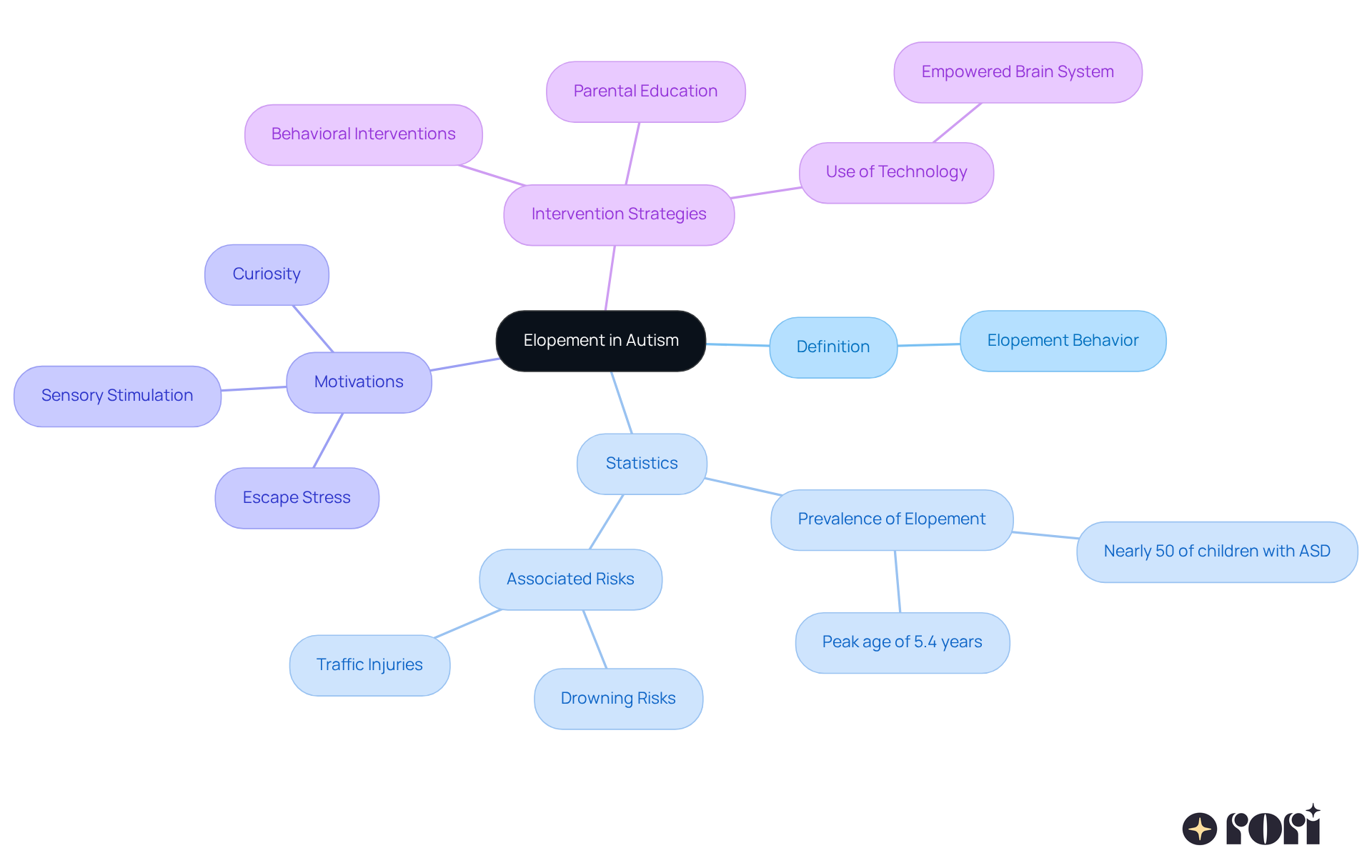
are often associated with wandering, a common behavior seen in young individuals with autism spectrum disorder (ASD). It involves leaving a safe space or caregiver’s supervision without permission, which can look like running away, bolting, or simply wandering off. Did you know that nearly half of youngsters with autism exhibit behaviors related to ? This can pose significant , including accidents or injuries.
Children may elope for various reasons, often as a way to escape a stressful situation, seek sensory stimulation, or chase after something that catches their interest. For instance, they might find joy in running or exploring, or they may be trying to avoid anxiety. Understanding these patterns is crucial for developing to manage and prevent issues related to . By grasping the underlying motivations, we can create that truly meet their needs.
Interestingly, runaway attempts tend to peak around the age of 5.4 years. This highlights the importance of and . Parents and guardians should stay alert, as wandering off can lead to , including drowning risks and road injuries. By raising awareness and implementing proactive strategies related to elopement and autism, families can better support their children and enhance safety.
Moreover, can significantly improve their ability to manage behaviors related to elopement and autism. This education equips professionals to help families create safer environments and promote . For example, caregivers can learn to apply specific ABA techniques, like reinforcement strategies, to encourage safe behaviors.
Rori Care is here to help! They offer free consultations with Board Certified Behavior Analysts, guiding families through these challenges effectively. Let’s explore this together and ensure our children thrive in a safe environment!
Identify Causes of Elopement: Triggers and Motivations
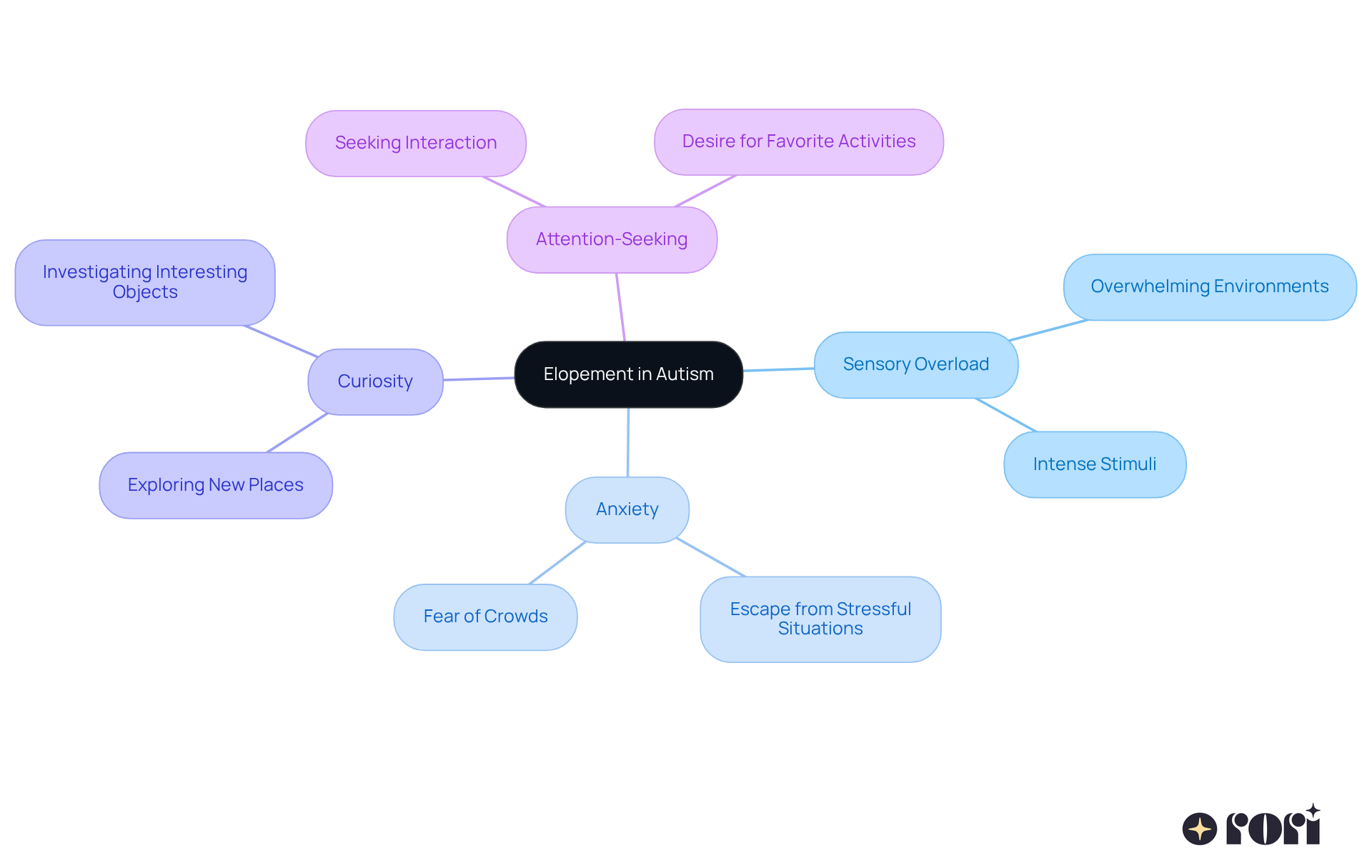
The phenomenon of in individuals can stem from various triggers, such as sensory overload, anxiety, curiosity, and the desire to escape overwhelming situations. For example, a young person might dash away from a crowded room that feels too intense or wander off to explore a new place that catches their eye. Sometimes, the motivation could be as simple as seeking attention or trying to get to a favorite toy or activity. Did you know that about 50% of children with autism display , which is often related to ? This highlights how common this issue is!
Understanding the is crucial for caregivers. It helps them take proactive steps to minimize the chances of -related behaviors. By equipping and skills based on principles, they can create a that really makes a difference. Keeping a detailed journal of escape incidents can be particularly helpful. It allows caregivers to track patterns and identify specific situations that lead to this behavior.
This information can guide tailored prevention strategies, ultimately enhancing the safety and well-being of the child. Plus, having family contact details readily available for first responders is vital in case of an escape. It ensures a quick response to keep your little one secure. Let’s explore this together and find ways to support our children effectively!
Implement Prevention Strategies: Ensuring Safety and Security
To effectively prevent elopement, caregivers can implement several key strategies that really make a difference:
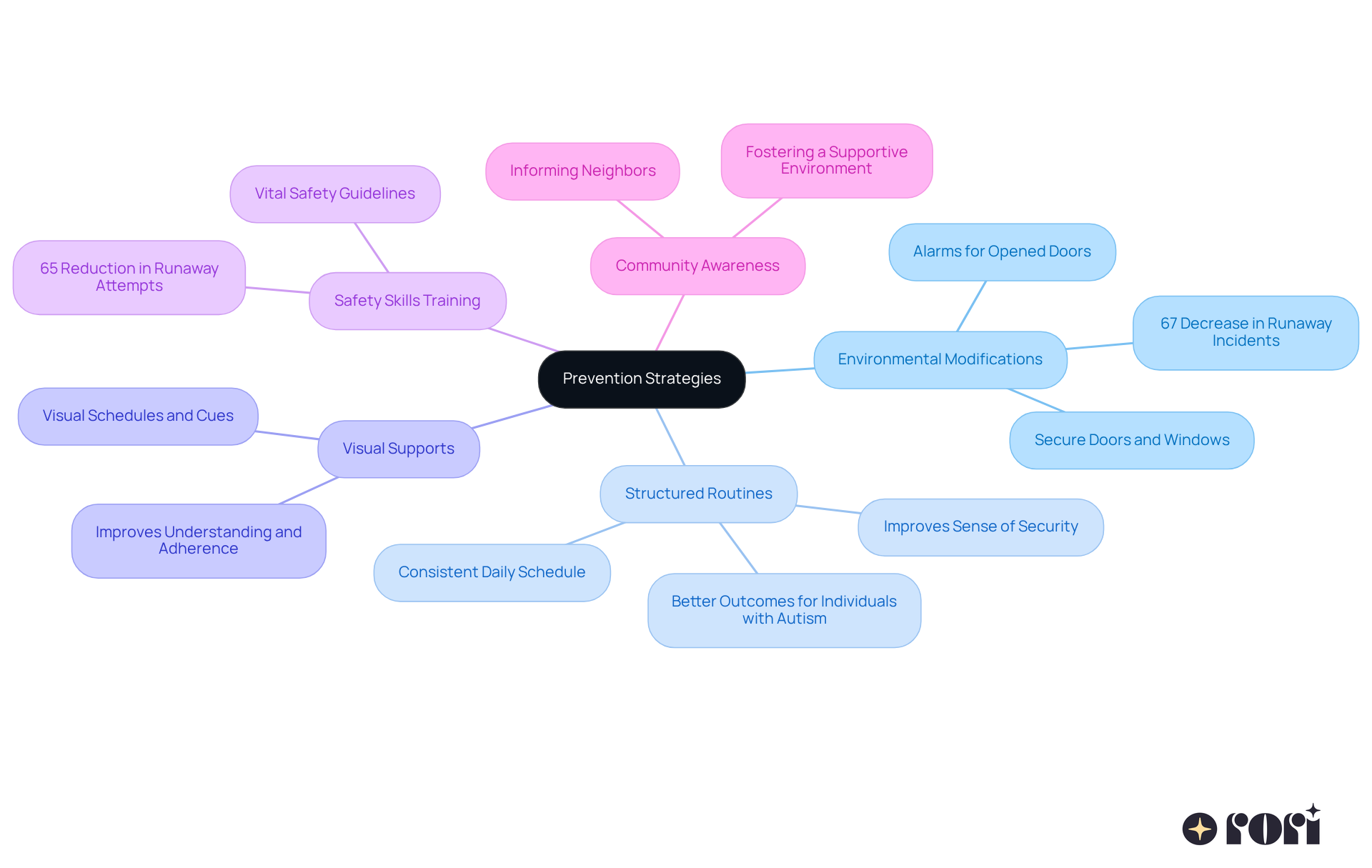
- : Secure doors and windows with child-proof locks and think about installing alarms that alert caregivers when a door is opened. Research shows that families using multiple home security measures report a 67% decrease in runaway incidents. Isn’t that impressive? It really highlights how effective these modifications can be in keeping our loved ones safe.
- : Creating a consistent daily schedule can greatly improve a young person’s sense of security and ease anxiety, which are often triggers for running away. Studies indicate that lead to better outcomes for individuals with autism, thereby helping to minimize the risk of . A little structure can go a long way!
- : Using visual schedules and cues can effectively communicate expectations and transitions, making the environment more understandable for young learners. have been shown to improve understanding and adherence, which can significantly reduce the likelihood of elopement. It’s all about making things clearer for them!
- : Teaching young individuals vital safety guidelines, like staying close to caregivers and identifying secure areas, empowers them to make safer decisions. Organized can lead to a 65% reduction in runaway attempts—what a great way to equip them with ! Caregivers educated in ABA principles can reinforce these skills at home, ensuring consistency and effectiveness.
- : Informing neighbors and local community members about the youth’s departure behavior can foster a supportive environment. This proactive approach ensures that others are aware and can assist in case of an incident, enhancing overall safety. We’re all in this together!
By adopting these strategies and leveraging the knowledge gained through , caregivers can create a safer environment that significantly reduces the risk of wandering associated with . This not only supports the well-being and safety of individuals with autism but also boosts caregivers’ capacity to make informed choices and achieve better behavioral results. Let’s explore this together and create a nurturing space for our loved ones!
Utilize ABA Therapy: Tailored Approaches for Elopement Management
Applied Behavior Analysis (ABA) therapy is a wonderful approach for addressing instances of leaving without permission related to in youth. It focuses on understanding the reasons behind these behaviors and teaching alternative skills. Let’s dive into some tailored strategies that can really make a difference:
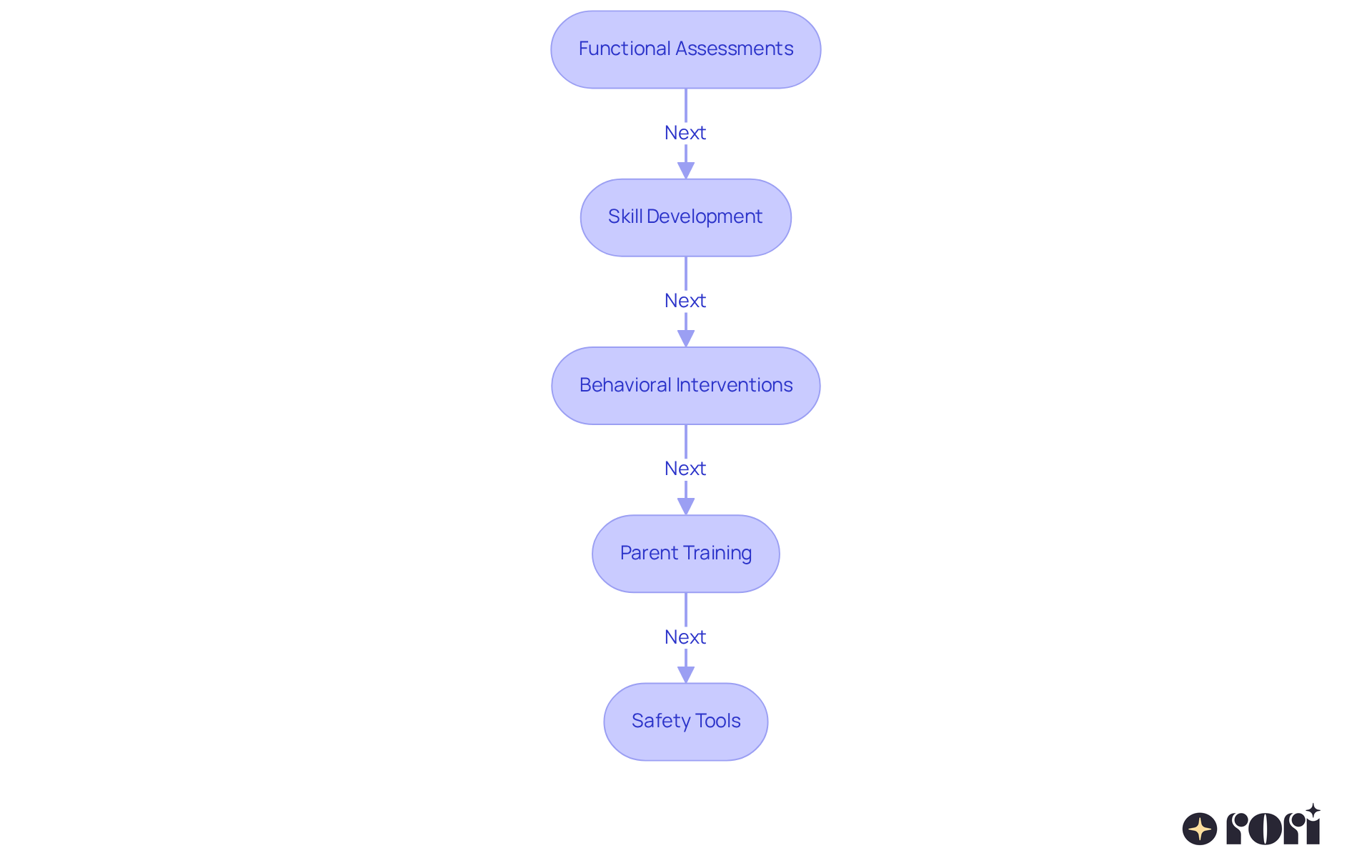
- : Conducting thorough evaluations is essential to pinpoint the specific motivations behind elopement actions. These might include sensory-seeking, escape-driven, or attention-seeking triggers. Did you know that nearly half of children with autism face issues related to , either attempting or succeeding in eloping? This highlights the need for targeted interventions. Our conduct care engine performs functional analysis for target actions, ensuring that interventions are based on precise evaluations.
- : Teaching essential safety skills is so important! Children should learn when to seek help and why it’s crucial to stay close to caregivers. Using , like social stories and safety cues, can really enhance their understanding of safety rules. Each behavioral plan is tailor-made to fit the unique needs, strengths, challenges, and goals of the client, ensuring personalized care.
- : Implementing reinforcement strategies can effectively promote safe actions while discouraging absconding. For instance, rewarding a child for staying close during outings can reinforce this behavior, leading to better safety outcomes. Research shows that 80% of clients see improvements in wandering behaviors within the first six months of therapy, thanks to clear, measurable objectives established for behavior modification and skill growth.
- : Educating parents on recognizing early signs of wandering and how to respond effectively is crucial. This training empowers parents to manage situations proactively, reducing the chances of dangerous incidents. further improve safety measures, ensuring a coordinated strategy for managing escape risks. based on data collection are key to optimizing outcomes. Plus, automatic progress report generation allows for regular review and adjustment of strategies by qualified behavior analysts.
- Safety Tools: Using and alarm systems can significantly enhance the safety of children at risk of running away. These technologies provide real-time location updates and alerts, allowing caregivers to respond quickly if wandering occurs.
By incorporating ABA therapy into your care plan, families can create comprehensive strategies that address wandering while promoting positive actions and independence. As noted by ABA Centers of America, ” with ABA therapy can give your family the peace they deserve, knowing their neuro-diverse loved one is learning safer practices that can save their life.” Let’s explore this together!
Conclusion
Elopement in individuals with autism is a significant challenge that calls for understanding and proactive intervention. Did you know that nearly half of children with autism show elopement behaviors? This highlights just how urgent it is to tackle this issue. By understanding the underlying motivations—like sensory overload, anxiety, or just a desire to explore—caregivers can create effective strategies to ensure safety and support for their loved ones.
This article shares some key insights, such as:
- The importance of early intervention
- Structured routines
- Implementing safety measures
Environmental modifications, visual supports, and community awareness are all vital in reducing the risk of wandering. Plus, utilizing Applied Behavior Analysis (ABA) therapy provides tailored approaches that can significantly improve outcomes for children at risk of elopement. By focusing on functional assessments, skill development, and parent training, families can foster a nurturing environment that promotes safety and independence.
Ultimately, addressing elopement in autism isn’t just about managing risks; it’s about creating a sense of security and well-being for individuals and their families. As communities come together to raise awareness and implement effective strategies, the potential for positive change becomes clear. It’s essential for caregivers to stay informed and engaged, ensuring that every child has the chance to thrive in a safe and supportive environment. Let’s embrace these solutions together for a brighter future for those navigating the challenges of autism and elopement!
Frequently Asked Questions
What is elopement in the context of autism?
Elopement in autism refers to the behavior of leaving a safe space or caregiver’s supervision without permission, which can manifest as running away, bolting, or wandering off.
How common is elopement among individuals with autism?
Nearly half of youngsters with autism exhibit behaviors related to elopement, making it a significant concern for safety.
Why do children with autism elope?
Children may elope to escape a stressful situation, seek sensory stimulation, or pursue something that interests them, such as running or exploring.
At what age do runaway attempts typically peak in children with autism?
Runaway attempts tend to peak around the age of 5.4 years.
What safety risks are associated with elopement in children with autism?
Elopement can lead to serious outcomes, including risks of drowning and road injuries.
How can families manage and prevent elopement behaviors?
Understanding the underlying motivations for elopement can help in developing tailored interventions and strategies to manage these behaviors effectively.
What role do ABA principles play in managing elopement behaviors?
Empowering support providers with knowledge of Applied Behavior Analysis (ABA) principles can enhance their ability to manage behaviors related to elopement and promote positive behavioral outcomes.
What resources are available for families dealing with elopement in autism?
Rori Care offers free consultations with Board Certified Behavior Analysts to help families navigate challenges related to elopement and autism effectively.
List of Sources
- Define Elopement in Autism: Understanding the Behavior
- mdpi.com (https://mdpi.com/2077-0383/7/8/188)
- emedicine.medscape.com (https://emedicine.medscape.com/article/912781-overview)
- motivity.net (https://motivity.net/blog/autism-elopement-risks-and-causes)
- Occurrence and Family Impact of Elopement in Children With Autism Spectrum Disorders – PMC (https://pmc.ncbi.nlm.nih.gov/articles/PMC4524545)
- Identify Causes of Elopement: Triggers and Motivations
- Wandering (Elopement) (https://cdc.gov/child-development/disability-safety/wandering.html)
- Key Autism Elopement Statistics & Prevention – Bluebell ABA (https://bluebellaba.com/blog/autism-elopement-statistics)
- Occurrence and Family Impact of Elopement in Children With Autism Spectrum Disorders – PMC (https://pmc.ncbi.nlm.nih.gov/articles/PMC4524545)
- Elopement and Autism (https://milestoneachievements.com/post/elopement-and-autism)
- yellowbusaba.com (https://yellowbusaba.com/post/elopement-and-autism)
- Implement Prevention Strategies: Ensuring Safety and Security
- rori.care (https://rori.care/post/5-real-life-elopement-behavior-examples-in-autism)
- rori.care (https://rori.care/post/4-essential-elopement-interventions-for-parents-of-children-with-autism)
- mayinstitute.org (https://mayinstitute.org/news/acl/asd-and-dd-adult-focusedasd-and-dd-child-focused/preventing-and-responding-to-elopement-behaviors-of-autistic-individuals-with-dementia)
- Elopement Patterns and Caregiver Strategies – PMC (https://pmc.ncbi.nlm.nih.gov/articles/PMC6728233)
- journals.plos.org (https://journals.plos.org/plosone/article?id=10.1371/journal.pone.0148337)
- Utilize ABA Therapy: Tailored Approaches for Elopement Management
- ambitionsaba.com (https://ambitionsaba.com/resources/how-aba-therapy-helps-address-elopement-and-wandering-issues)
- Elopement Patterns and Caregiver Strategies – PMC (https://pmc.ncbi.nlm.nih.gov/articles/PMC6728233)
- abacenters.com (https://abacenters.com/aba-therapy-for-elopement)
- stepaheadaba.com (https://stepaheadaba.com/blog/elopement-and-autism)
- kidsclubaba.com (https://kidsclubaba.com/elopement-and-autism-essential-safety-tips-for-parents)