
Introduction
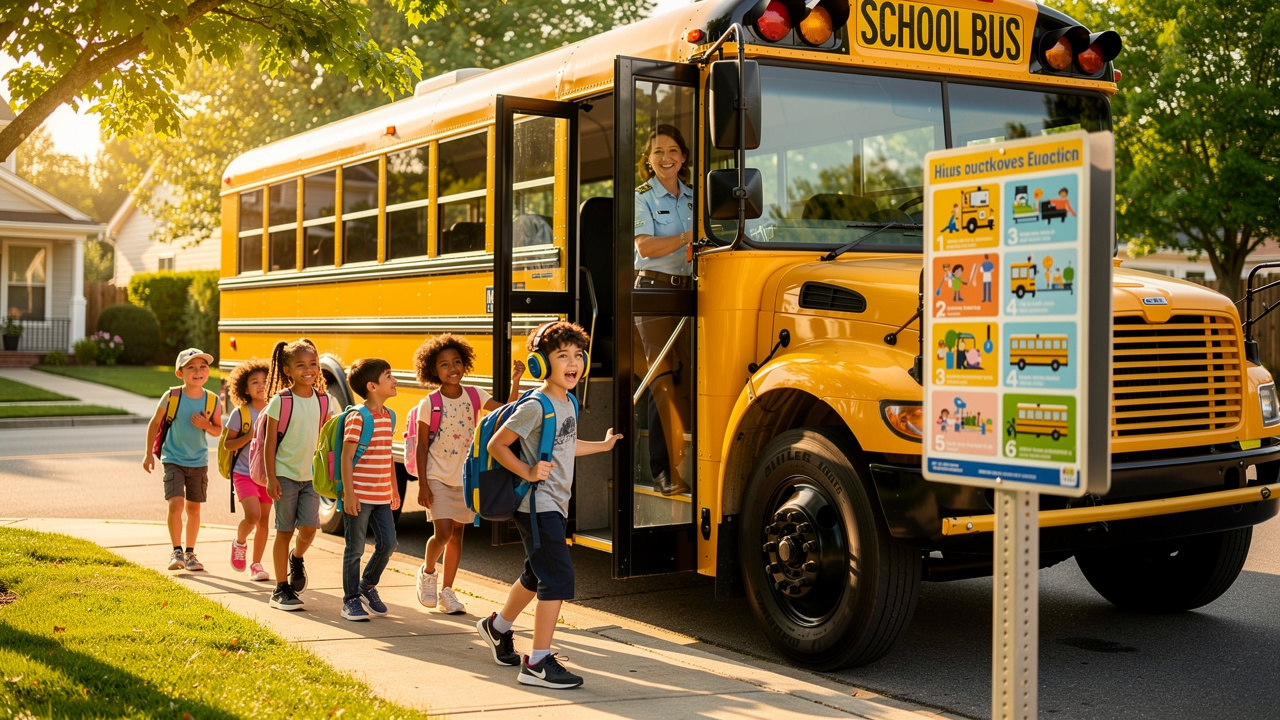
Have you ever thought about how a simple bus ride can open up a world of possibilities for children with autism? Navigating the bus helps kids build social skills and boosts their independence and confidence – so important for their growth! But let’s be real – sensory overload and anxiety can make bus rides feel pretty overwhelming. So, how can we help our kids turn those bus rides into positive experiences on their journey?
Defining the Benefits of Bus Riding for Children with Autism
Have you ever wondered how something as simple as taking the bus can make a big difference for kids with autism? Taking the bus can greatly improve their development, showcasing the benefits of learning to get on the bus for children with autism. One of the biggest perks is the chance for social interaction with peers. This is so important for building communication skills and friendships. When kids chat with their friends during bus rides, they get to practice social cues and enhance their conversational skills, which helps them feel like they belong.
Plus, using the bus encourages independence. Kids learn to navigate their surroundings and follow schedules, giving them a sense of control over their daily routines. Riding the bus also brings a sense of predictability, which is great for kids who thrive on routine. Knowing what to expect can really help ease those nerves during transitions, making bus rides feel a lot more comfortable.
Kerry Magro reminds us, “Autism isn’t a tragedy; it’s ignorance that is.” By equipping caregivers with the knowledge and skills to support their kids’ behavioral goals through ABA principles like reinforcement and modeling, Rori Care ensures that children receive the guidance they need to succeed. This active involvement creates a consistent and supportive environment, maximizing the intervention’s impact.
By embracing bus travel, you’re not just helping your child; you’re highlighting the benefits of learning to get on the bus for children with autism, which can open doors to new friendships and experiences that shape their future.

Contextual Importance of Bus Riding in Autism Development
For kids with autism, bus riding can feel like a big adventure, and the benefits of learning to get on the bus for children with autism can help them overcome the associated challenges. It’s a crucial part of their developmental journey, highlighting the benefits of learning to get on the bus for children with autism, as it helps them practice important skills like following directions, waiting their turn, and managing sensory input. These are all skills they learn in therapy, and the bus ride experience highlights the benefits of learning to get on the bus for children with autism by giving them a chance to apply what they’ve learned in real life.
Bus rides can be tough! Kids often face anxiety and sensory overload, but they can learn to cope with these challenges. For instance, one parent shared how their child learned to manage sensory sensitivities by using noise-cancelling headphones during bus rides, showcasing the benefits of learning to get on the bus for children with autism, which significantly reduced anxiety. Another parent observed that discussing the benefits of learning to get on the bus for children with autism helped their child prepare for changes, like new routes or drivers, leading to a more positive experience.
Regularly hopping on the bus provides children with autism the benefits of learning to get on the bus, improving their ability to handle new situations and make friends along the way! Additionally, the benefits of learning to get on the bus for children with autism help create smoother transitions between home and school, which is so important for routine and predictability in a young person’s life.
It’s essential to recognize the benefits of learning to get on the bus for children with autism, as bus journeys can be overwhelming, particularly due to sensory sensitivities. Let’s face it, preparation and communication are key to ensuring a successful experience. By preparing together, we can turn those bus rides into stepping stones that showcase the benefits of learning to get on the bus for children with autism, fostering greater independence and confidence. We’re here to help you every step of the way!

Challenges Faced by Children with Autism on the Bus
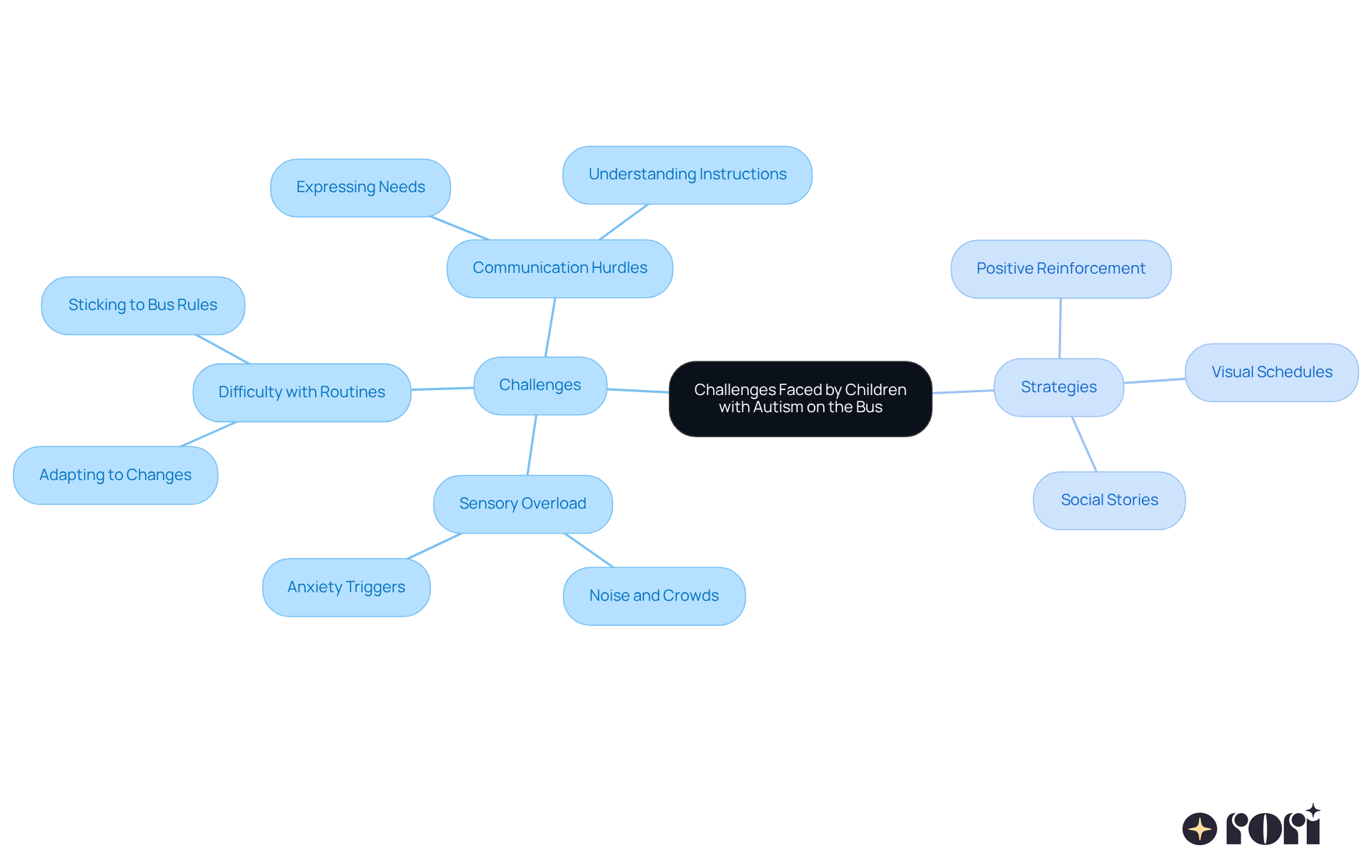
For kids with autism, bus rides can be a mixed bag, showcasing the benefits of learning to get on the bus for children with autism, as they encounter both opportunities and challenges. For kids with sensory sensitivities, the noise and crowd on a school bus can feel really overwhelming, often leading to anxiety or behavioral issues. Imagine your child getting on a bus, only to be overwhelmed by the noise and chaos around them. The sounds of the engine and chatter can trigger sensory overload, making it tough for them to cope.
Plus, sticking to bus rules and routines can be tricky for those who struggle with changes in their environment. Communication can also be a hurdle, as many kids might find it hard to express their needs or discomfort during the ride. As parents and educators, it’s crucial for us to recognize the benefits of learning to get on the bus for children with autism. By understanding what our kids are going through, we can create tailored strategies that emphasize the benefits of learning to get on the bus for children with autism, helping them manage their bus journey more effectively.
Using techniques like positive reinforcement, visual schedules, and social stories can really make a difference. By keeping track of how our kids respond to these strategies, we can make them even better! As Temple Grandin wisely said, ‘The world needs all kinds of minds.’ By taking the time to understand their experiences, we can recognize the benefits of learning to get on the bus for children with autism and make bus rides a lot less daunting for our kids.
Strategies for Teaching Bus Riding Skills to Children with Autism
Teaching kids with autism how to ride the bus can feel overwhelming for parents, but it doesn’t have to be! With a little preparation and the right tools, you can make this experience smoother for everyone involved.
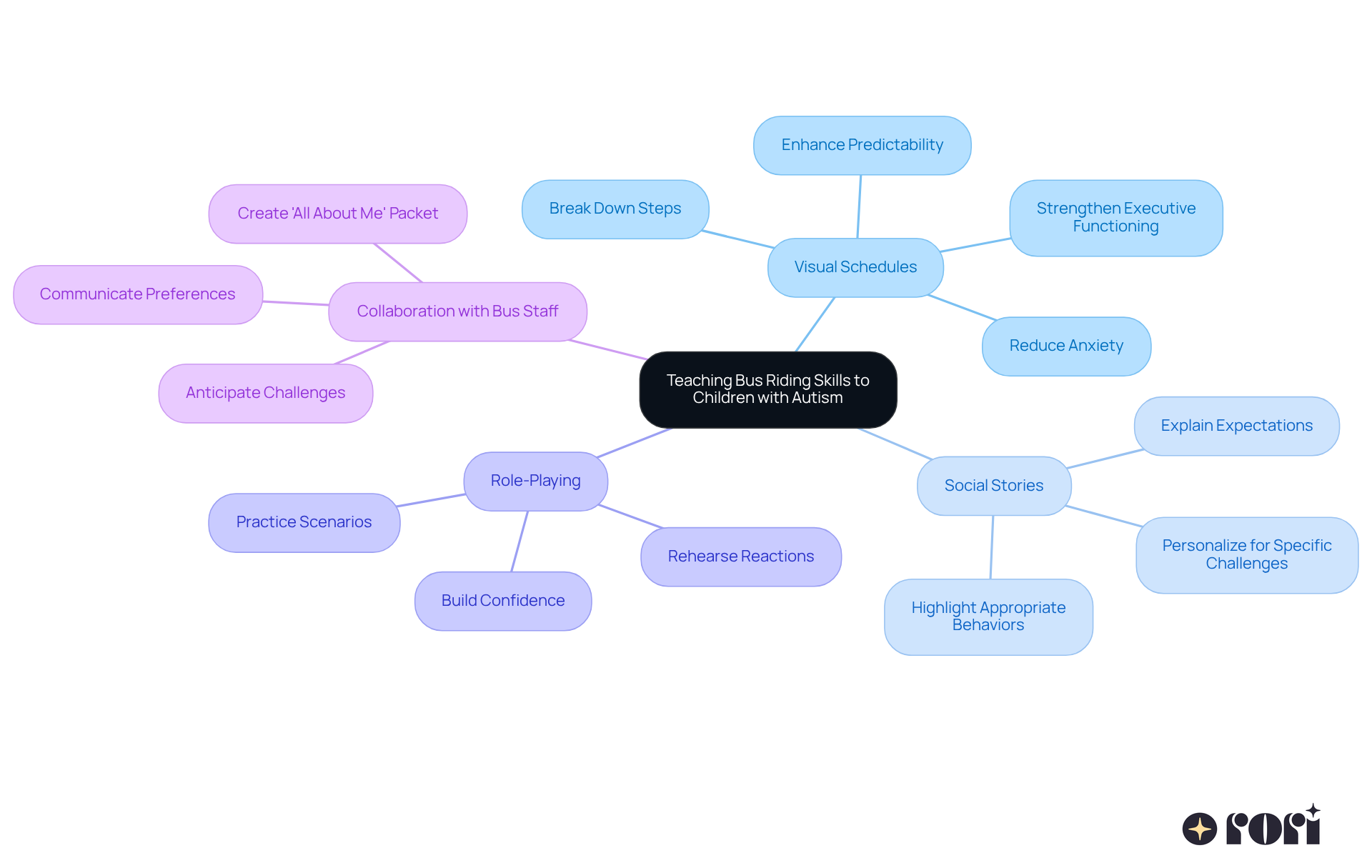
One effective strategy is using visual schedules. These handy tools break down the bus riding process into clear steps – from waiting at the bus stop to finding a seat. Imagine having a colorful chart with pictures that show what to expect! This not only helps kids understand the journey but also eases their anxiety.
Let’s talk about social stories – they’re a game changer in this learning journey! These stories can explain what kids can expect during the bus ride and highlight behaviors like sitting quietly and listening to the bus driver. By personalizing these stories, you can address specific challenges your child might face, making them feel more prepared.
Another fun way to practice is through role-playing scenarios. This hands-on approach allows kids to rehearse their reactions to different situations they might encounter on the bus. It’s a great way to build their confidence and help them navigate real-life experiences more effectively.
It’s super important to team up with bus drivers and aides to make sure everyone’s on the same page! Creating an ‘All About Me’ packet can share essential details about your child’s preferences and any sensory concerns. This way, staff can anticipate challenges and provide the right support.
Real-world examples show how these strategies can work wonders. Take Jackson, for instance. He rides a climate-controlled special education bus and benefits from a personalized teaching story that outlines expectations for his ride. Thanks to this preparation, his transitions have become much smoother and less anxiety-inducing.
By embracing these strategies, you’re not just teaching your child the benefits of learning to get on the bus for children with autism; you’re also empowering them for life! Let’s explore this together and make bus rides a positive experience for your child.
Conclusion
Imagine the thrill of your child taking their first bus ride – it’s a big step toward independence! Learning to ride the bus can really help children with autism boost their social skills and gain confidence as they navigate the world around them. This journey helps them make friends and learn important skills for life.
Throughout this article, we’ve explored how bus riding can promote social interactions, help with sensory challenges, and establish routines that create a sense of security. Strategies like:
- Visual schedules
- Social stories
- Teamwork with bus staff
can make this transition smoother and more enjoyable.
At the end of the day, riding the bus is more than just getting from point A to B; it’s about opening doors to new friendships and experiences! By recognizing the unique challenges these children face, we can create a supportive environment that encourages growth. Let’s support our children in this journey, helping them embrace a world full of possibilities!
Frequently Asked Questions
What are the benefits of bus riding for children with autism?
Bus riding offers several benefits for children with autism, including social interaction with peers, the opportunity to practice communication skills, and the development of friendships. It also encourages independence by helping children learn to navigate their surroundings and follow schedules.
How does riding the bus help improve social skills?
Riding the bus allows children to chat with their friends, which helps them practice social cues and enhance their conversational skills, contributing to their sense of belonging.
In what way does bus riding promote independence in children with autism?
Bus riding promotes independence by teaching children how to navigate their surroundings and adhere to schedules, giving them a sense of control over their daily routines.
Why is predictability important for children with autism when riding the bus?
Predictability is important because it helps children who thrive on routine feel more comfortable during transitions. Knowing what to expect during bus rides can ease their nerves.
How does Rori Care support children with autism in the context of bus riding?
Rori Care equips caregivers with knowledge and skills to support their children’s behavioral goals through ABA principles like reinforcement and modeling, creating a consistent and supportive environment that maximizes the impact of interventions.
What is the overall impact of embracing bus travel for children with autism?
Embracing bus travel not only helps children develop important skills but also opens doors to new friendships and experiences that can positively shape their future.
List of Sources
- Defining the Benefits of Bus Riding for Children with Autism
- 80 Inspiring Quotes on Autism Awareness and Support – Empower ABA (https://empoweraba.com/80-inspiring-quotes-on-autism-awareness-and-support)
- 59 Inspirational Quotes About Autism – Hidden Talents ABA (https://hiddentalentsaba.com/autism-quotes)
- 20 Inspiring Quotes About Autism Every Parent Must Read Today (https://circlecareservices.com/blog/20-quotes-about-autism-and-parenting)
- Autism on the Bus: Making It a Good Ride for Everyone – Patrick Mulick (https://patrickmulick.com/autism-on-the-bus-making-it-a-good-ride-for-everyone)
- 10 inspiring quotes from people with autism | Autism Speaks (https://autismspeaks.org/life-spectrum/autism-quotes)
- Contextual Importance of Bus Riding in Autism Development
- Making the Bus Ride Easier: Social Stories & Visual Supports for Children with Autism (https://autismlittlelearners.com/bus-social-story)
- Helping children with autism get ready for the school bus | Autism Speaks (https://autismspeaks.org/blog/helping-children-autism-get-ready-school-bus)
- Autism on the School Bus: Making it a Good Ride for Everyone – AngelSense (https://angelsense.com/blog/autism-on-the-school-bus-making-it-a-good-ride-for-everyone)
- Challenges Faced by Children with Autism on the Bus
- 80 Inspiring Quotes on Autism Awareness and Support – Empower ABA (https://empoweraba.com/80-inspiring-quotes-on-autism-awareness-and-support)
- 20 Inspiring Quotes About Autism Every Parent Must Read Today (https://circlecareservices.com/blog/20-quotes-about-autism-and-parenting)
- Transportation use patterns of U.S. children and teenagers with disabilities – PubMed (https://pubmed.ncbi.nlm.nih.gov/21122755)
- Autism and the Hidden Transportation Challenges | Above and Beyond Therapy (https://abtaba.com/blog/autism-and-transportation-challenges)
- Strategies for Teaching Bus Riding Skills to Children with Autism
- Helping children with autism get ready for the school bus | Autism Speaks (https://autismspeaks.org/blog/helping-children-autism-get-ready-school-bus)
- Making the Bus Ride Easier: Social Stories & Visual Supports for Children with Autism (https://autismlittlelearners.com/bus-social-story)
- Visual Schedules: Why They Work and How They Help Autistic Children (https://autismlittlelearners.com/visual-schedule)
- The Benefits of Visual Schedules for Children (https://biermanautism.com/resources/blog/visualschedules)
- SEPARATE AND COMBINED EFFECTS OF VISUAL SCHEDULES AND EXTINCTION PLUS DIFFERENTIAL REINFORCEMENT ON PROBLEM BEHAVIOR OCCASIONED BY TRANSITIONS – PMC (https://pmc.ncbi.nlm.nih.gov/articles/PMC2695333)