

Introduction
ABA therapy shines as a beacon of hope for children with autism, offering personalized approaches that truly cater to their unique needs. In this article, we’ll explore ten effective strategies that harness the power of Applied Behavior Analysis (ABA) to help foster skill development. These strategies enhance communication, social interactions, and adaptive behaviors, making a real difference in the lives of children and their families.
As families navigate the complexities of autism care, a pressing question often arises: how can they ensure these strategies are not only effective but also tailored to resonate with their child’s individual strengths and challenges? Let’s dive into this together and discover how we can make a positive impact!
Rori Care – ABA Therapy: Personalized Skill Development for Children with Autism
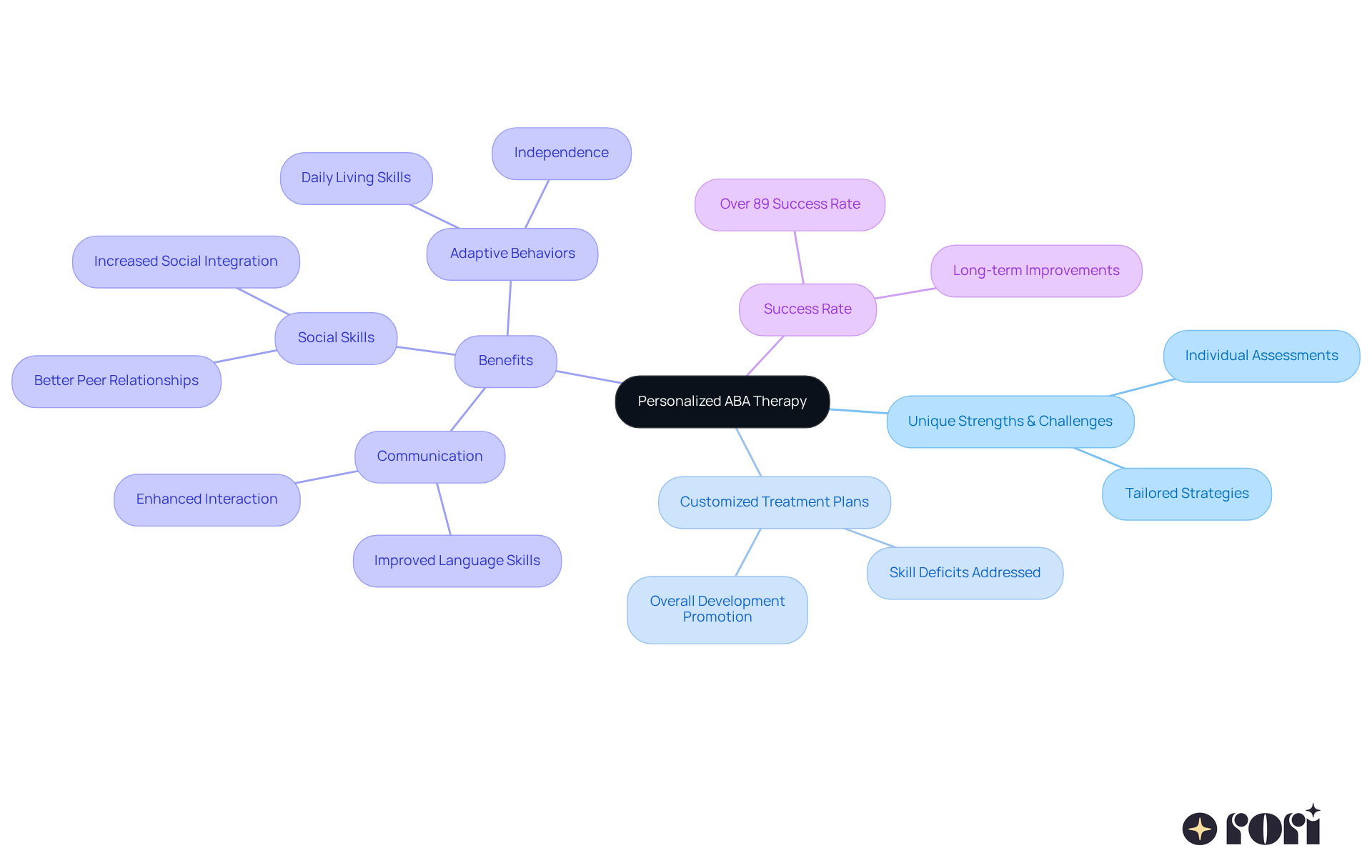
At Rori Behavioral Innovations, we take a , focusing on each young person’s unique strengths and challenges. Our clinicians conduct thorough assessments to create that not only address specific skill deficits but also promote . This tailored care model is so important! Studies show that kids who receive make significant strides in communication, social skills, and adaptive behaviors.
By aligning treatment with each child’s individual needs, we empower them to thrive in various environments. This enhances their learning experiences and social interactions. And here’s something to consider: of over 89% in (ASD). That’s why it’s such a vital part of !
Let’s explore this together! If you’re a parent navigating these challenges, know that you’re not alone. We’re here to !
Data-Driven Strategies: Enhancing Skill Acquisition in ABA Therapy
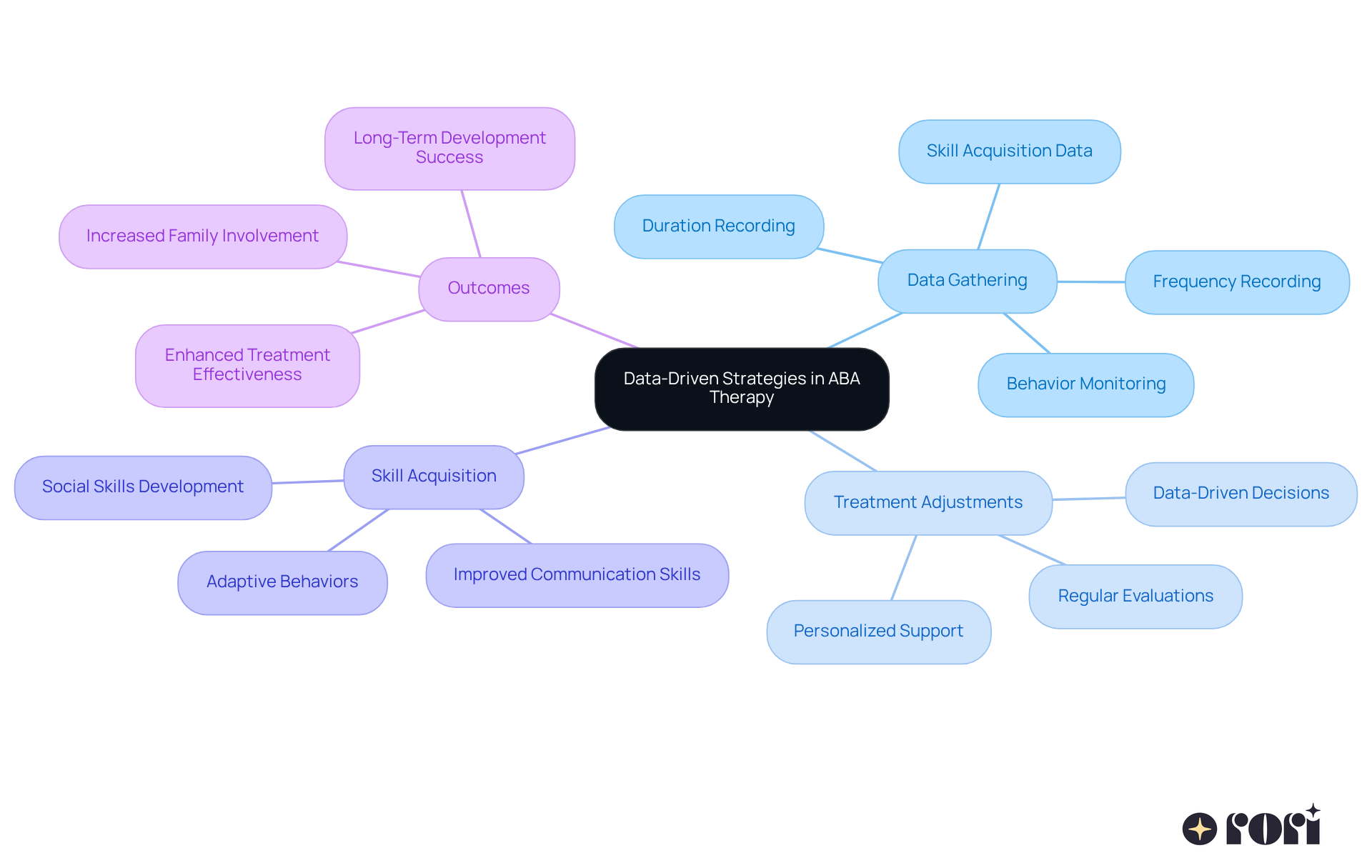
are super important for gathering and analyzing information about a young person’s progress. This method helps clinicians keep a close eye on behaviors and skill acquisition, making it easier to decide what changes might be needed in their interventions.
When we talk about , it’s clear how impactful it can be! Not only does it boost the effectiveness of treatment, but it also gives families . , ensuring that each individual gets the they truly need.
As a result, young people benefit from and overall treatment outcomes with . This really highlights how crucial data is for achieving . Let’s explore this together! We’re here to help you every step of the way!
Positive Reinforcement: A Cornerstone of Skill Development in ABA Therapy
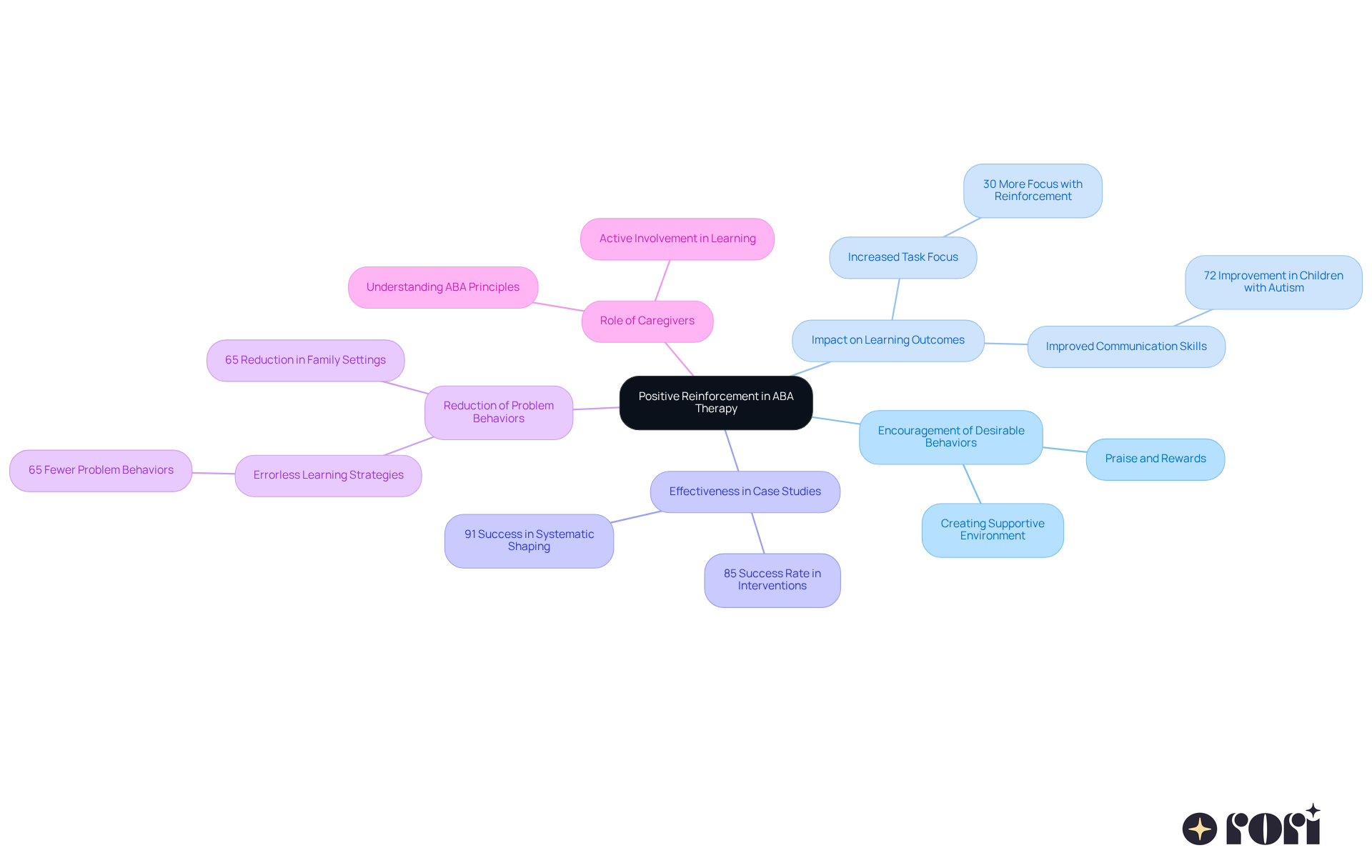
is such a vital part of ABA therapy! It really helps encourage those desirable behaviors through rewards and incentives. This approach not only makes it more likely for kids to repeat good behaviors but also creates a warm and supportive learning environment.
For example, when young individuals receive praise or small rewards after completing tasks, they feel more motivated to keep trying. This leads to better learning outcomes! Research shows that reinforcement-based interventions, such as , have been , highlighting how impactful this method can be.
And it gets even better! Systematic reinforcement strategies have been found to . That’s a huge win for everyone involved! By building confidence and , plays a crucial role in helping individuals with autism thrive through .
, they’re better equipped to support their children’s learning at home. This active involvement not only boosts the effectiveness of but also helps caregivers make informed choices that positively impact their children’s progress. Together, we can achieve enhanced behavioral outcomes! Let’s explore this journey together!
Individualized Treatment Plans: Tailoring ABA Therapy for Unique Needs
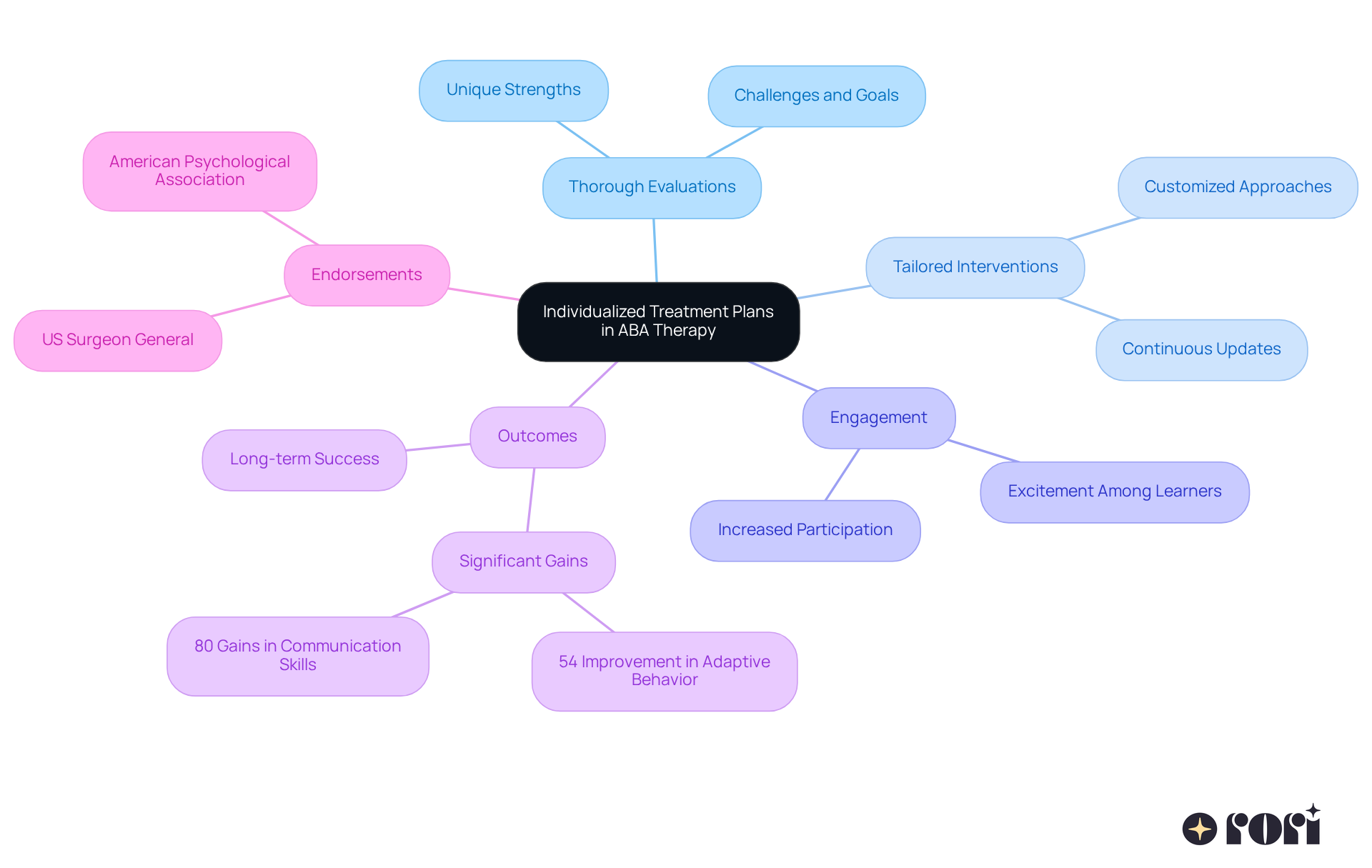
At the heart of effective are , crafted just for your child. These plans come to life through thorough evaluations that reveal each individual’s unique strengths, challenges, and goals. By tailoring interventions to meet these specific needs, clinicians make more relevant and impactful.
This not only boosts engagement and excitement among young learners but also significantly enhances their ability to learn. Just think about it – when kids feel that their therapy is designed for them, they’re more likely to participate actively! Rori Care’s behavior care engine plays a vital role here, continuously updating after each session based on the progress made.
And here’s something to consider: in communication, social skills, and adaptive behaviors. In fact, 54% of participants saw over 24 months! That’s a testament to the power of individualized treatment plans.
Plus, endorsements from credible sources like the US Surgeon General highlight just how crucial , such as , are for improving developmental outcomes for individuals with autism. So, if you’re navigating this journey, remember – you’re not alone, and there are ! Let’s explore this together!
Family Involvement: Strengthening Skill Development through Collaboration
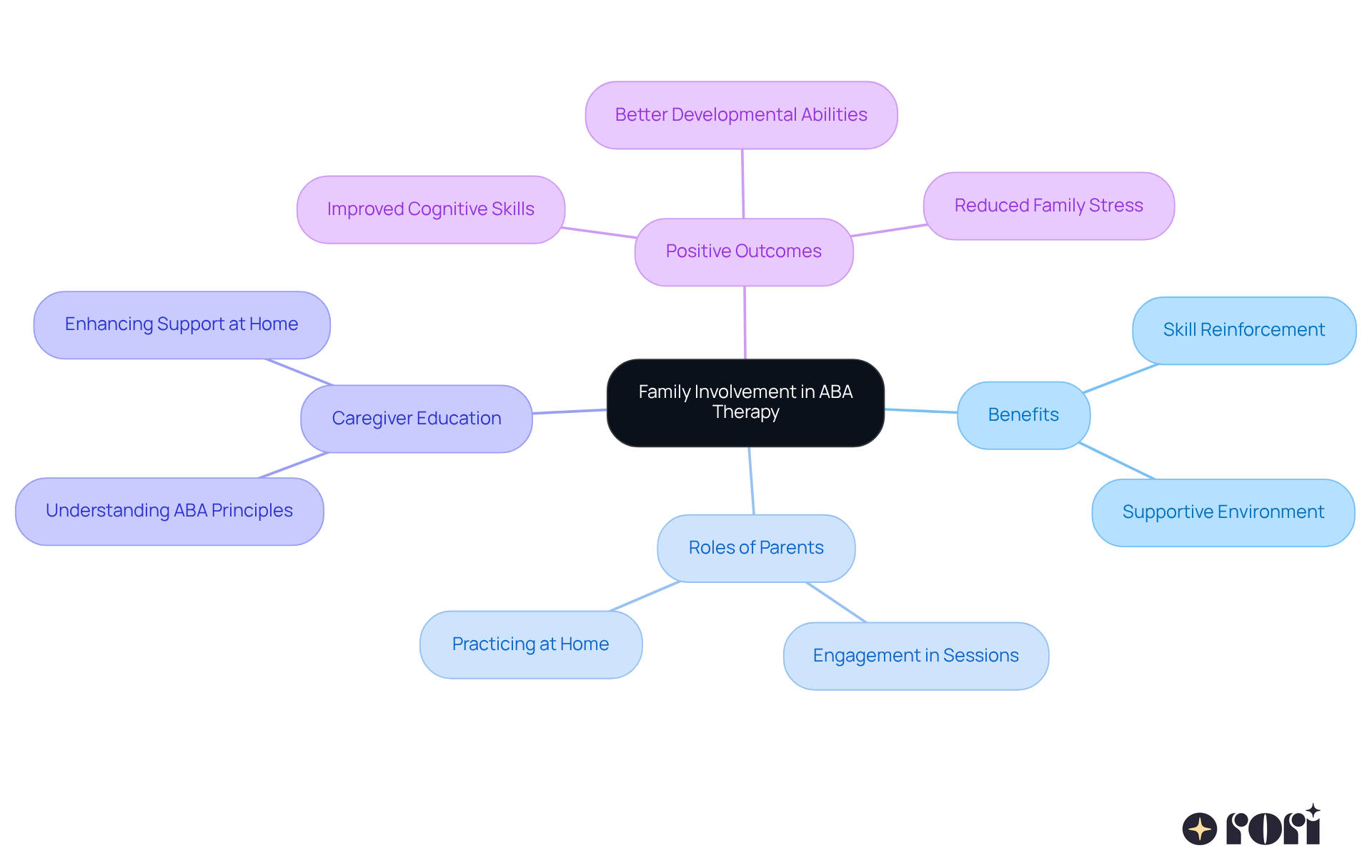
Family participation is so important for the ! When families get involved, it really boosts development in children. Think about it: when , they help strengthen the skills learned during sessions, . This teamwork builds a supportive environment that encourages growth and learning, particularly through .
Parents, we encourage you to engage in treatment sessions, ask questions, and practice techniques at home. Your involvement not only ensures consistency in development but also makes you with . Plus, plays a key role here! It gives you a deeper understanding of ABA principles and strategies, enhancing your ability to provide the right support at home.
Studies show that kids who receive regular parental guidance at home tend to have better cognitive and developmental abilities. This really highlights how crucial is for achieving for skill development. And let’s not forget, by , Rori Care helps reduce stress and improve overall family dynamics, creating a more effective therapeutic environment.
As Bennett wisely noted, ‘When parents aren’t involved in the process, it creates a disconnect between the treatment room and what occurs in the youngster’s home.’ So, let’s explore this together! Your active participation can make a world of difference!
Ongoing Assessment: Adapting ABA Therapy for Continuous Skill Improvement
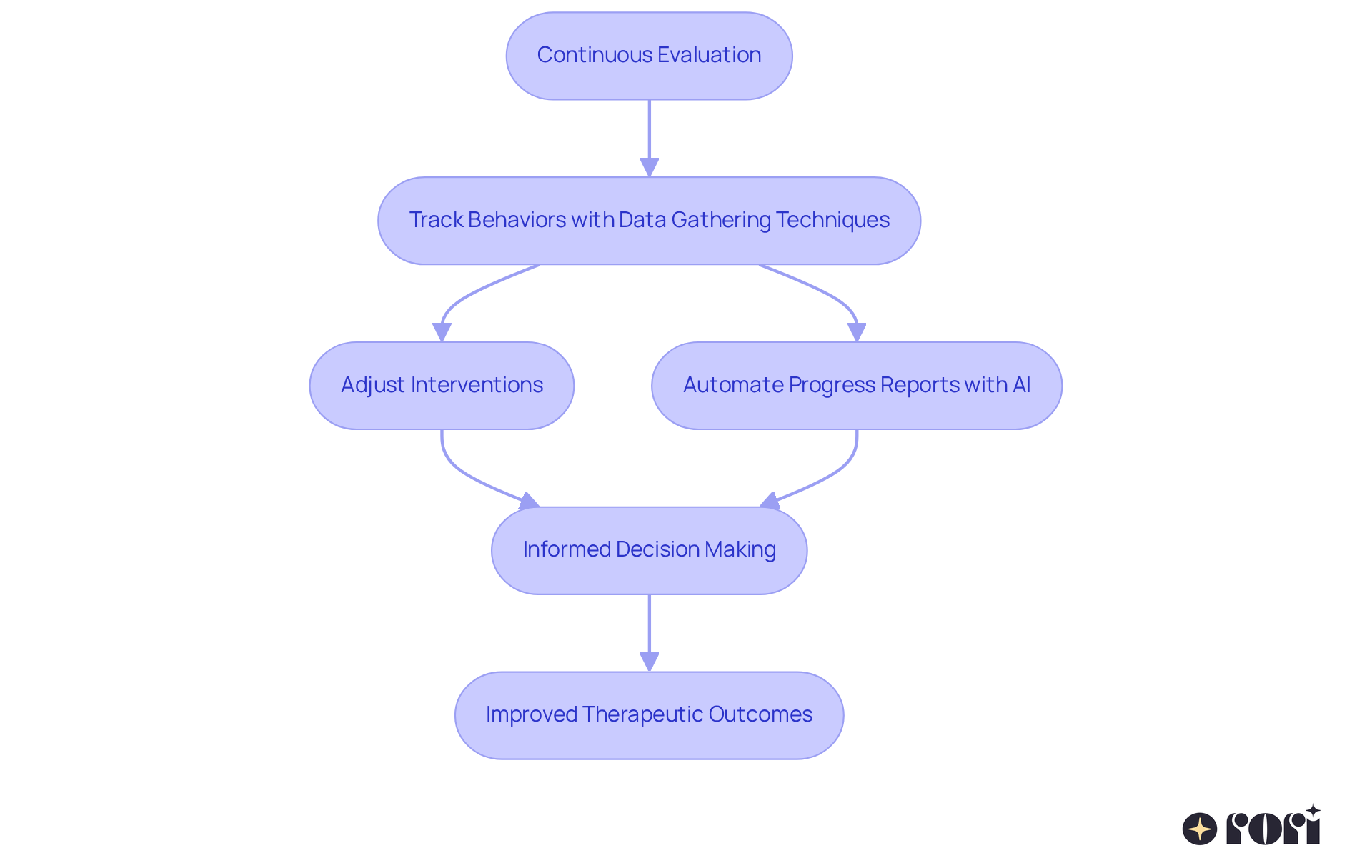
Continuous evaluation is so important for making ABA treatment effective! It helps practitioners keep a close eye on how a young one is doing and adjust interventions when needed. Regular assessments not only highlight areas that could use a little boost but also ensure that therapy aligns with the individual’s changing needs.
For instance, using allows therapists to track specific behaviors over time. This gives them objective insights into development, which is super helpful! With Rori Care’s innovative approach, we harness advanced AI to . This means therapists can spend 50% more time directly treating the young ones.
And here’s something encouraging: studies show that 76% of patients see positive trends in multiple goals after adopting a . That really highlights how effective can be! Plus, , adjusting treatment plans in real-time based on data trends.
This adaptability is key! It ensures that each individual gets the they need, ultimately through . By blending with regular evaluations and smart AI tools, Rori Care is all about enhancing the quality of care and making a real difference in the lives of youth. Let’s explore this together!
Expert Guidance: The Role of BCBAs in Skill Development through ABA Therapy
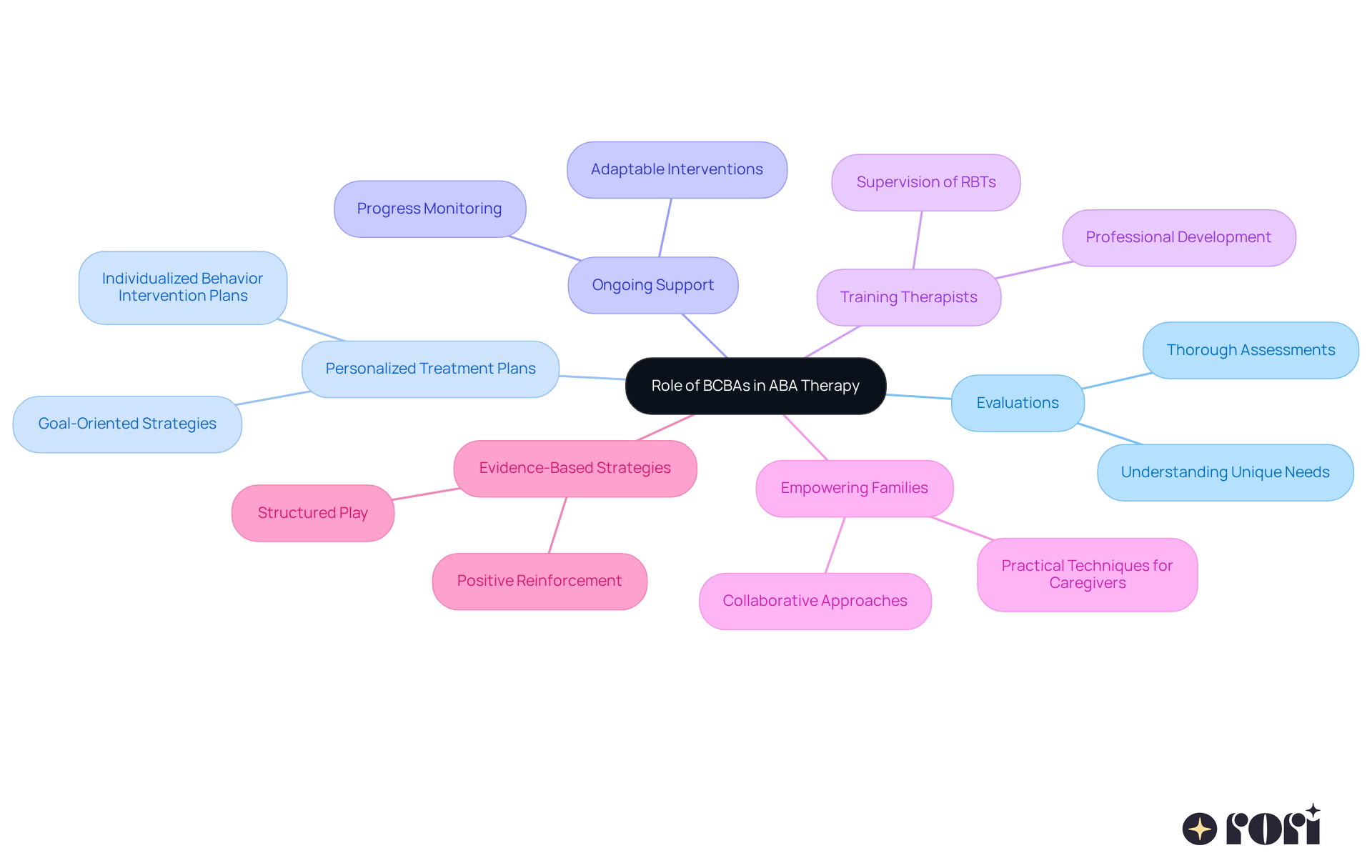
are key players in making Applied Behavior Analysis (ABA) therapy a success! They kick things off with thorough evaluations to really understand each child’s unique needs. From there, they craft that focus on specific goals. Plus, BCBAs provide ongoing support, ensuring that interventions are not just effective but also adaptable as the child progresses.
At Rori Care, our clinical leadership team is dedicated to this mission. Dr. Jesslyn Nicole Farros, Ph.D., BCBA-D, has been a Board Certified Behavior Analyst since January 2013, and Monica Ewing, a talented Registered Behavior Technician, specializes in ABA interventions for autism and developmental disorders. Together, they embody our commitment to neurodiversity and helping young individuals thrive. We also have a fantastic team of professionals who bring their expertise to ensure every child receives .
But it doesn’t stop there! BCBAs also play a vital role in . They equip caregivers with practical techniques to enhance learning in everyday situations, fostering a collaborative approach that extends beyond therapy sessions. This support is crucial, especially since research shows that , particularly when therapy starts before age five.
BCBAs focus on , which are proven to improve communication and social skills. Their guidance helps create a structured and predictable environment, nurturing independence and confidence in young individuals. As one BCBA wisely noted, “Effective development strategies are based on understanding each individual’s unique triggers and motivators, enabling us to .”
The influence of BCBA guidance on is truly remarkable. They not only design and oversee behavior-change programs but also ensure that progress is measurable and aligns with each child’s developmental milestones. This robust support system is essential for helping kids with autism flourish, highlighting the importance of BCBAs in the realm of .
If you’re a parent curious about how we can support your child’s development, we invite you to take advantage of our . Let’s explore this together and see how we can help!
Technology Integration: Revolutionizing Skill Development in ABA Therapy
Technology is really changing the game in , making it easier and more engaging for everyone involved. Think about it: , software, and even virtual reality environments are not just fancy tools; they’re ways to keep kids engaged and provide instant feedback. This means therapists can more efficiently and to fit each child’s unique needs.
Research shows that , particularly those that embrace technology, lead to significant improvements in adaptive behaviors. This is all about helping kids gain more independence! By using these tech tools, becomes not only more engaging but also more personalized, leading to better outcomes for children with autism.
And let’s not forget about electronic documentation! It makes a breeze, allowing for and adjustments to treatment plans based on . So, technology isn’t just about skill development; it’s also about to work together effectively in this journey.
Let’s explore this together! If you’re curious about how these advancements can help your child, don’t hesitate to reach out. We’re here to support you every step of the way!

Long-Term Benefits: Fostering Independence through ABA Therapy
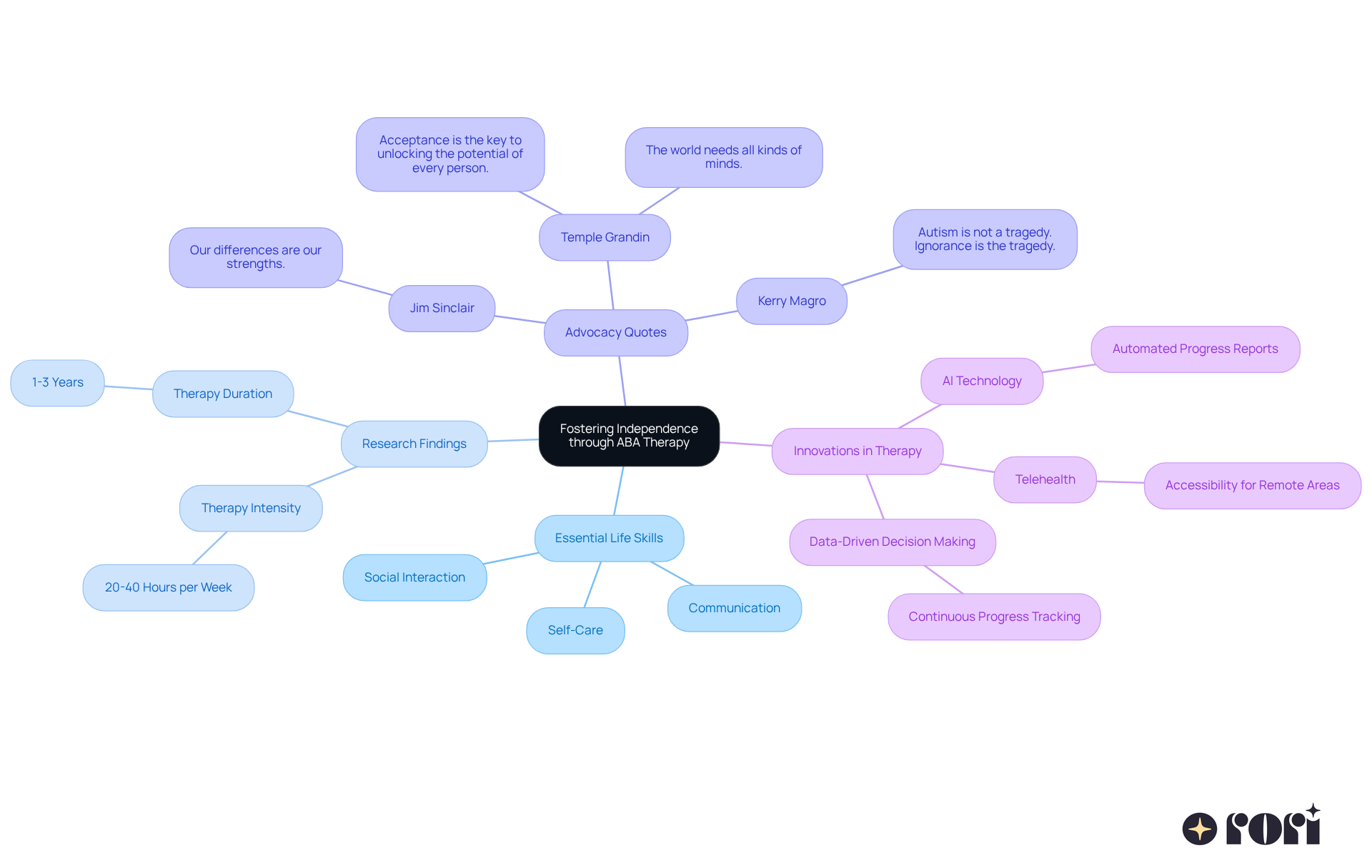
A fundamental goal of ABA intervention is to help young people with autism become more independent. By focusing on like communication, self-care, and social interaction, equips kids with the tools they need to . Research shows that starting ABA early and engaging in intensive sessions can lead to . Programs that last 1-3 years, with 20-40 hours of therapy each week, tend to yield the best results.
As children move through their treatment, they learn to tackle tasks on their own, which . This approach not only supports them during childhood but also sets the stage for a more independent future. Advocates like Temple Grandin remind us that “,” and Jim Sinclair’s words, “Our differences are our strengths,” highlight the importance of acceptance and empowerment.
Additionally, Rori Care is stepping up the game by using to automate progress report creation. This innovation allows therapists to spend 50% more time focusing on direct treatment, and enhancing the autonomy of kids with autism. Ultimately, can significantly , helping them thrive in various environments and stages of life.
Let’s explore this together! We’re here to help you every step of the way!
Transformative Potential: The Impact of ABA Therapy on Skill Development
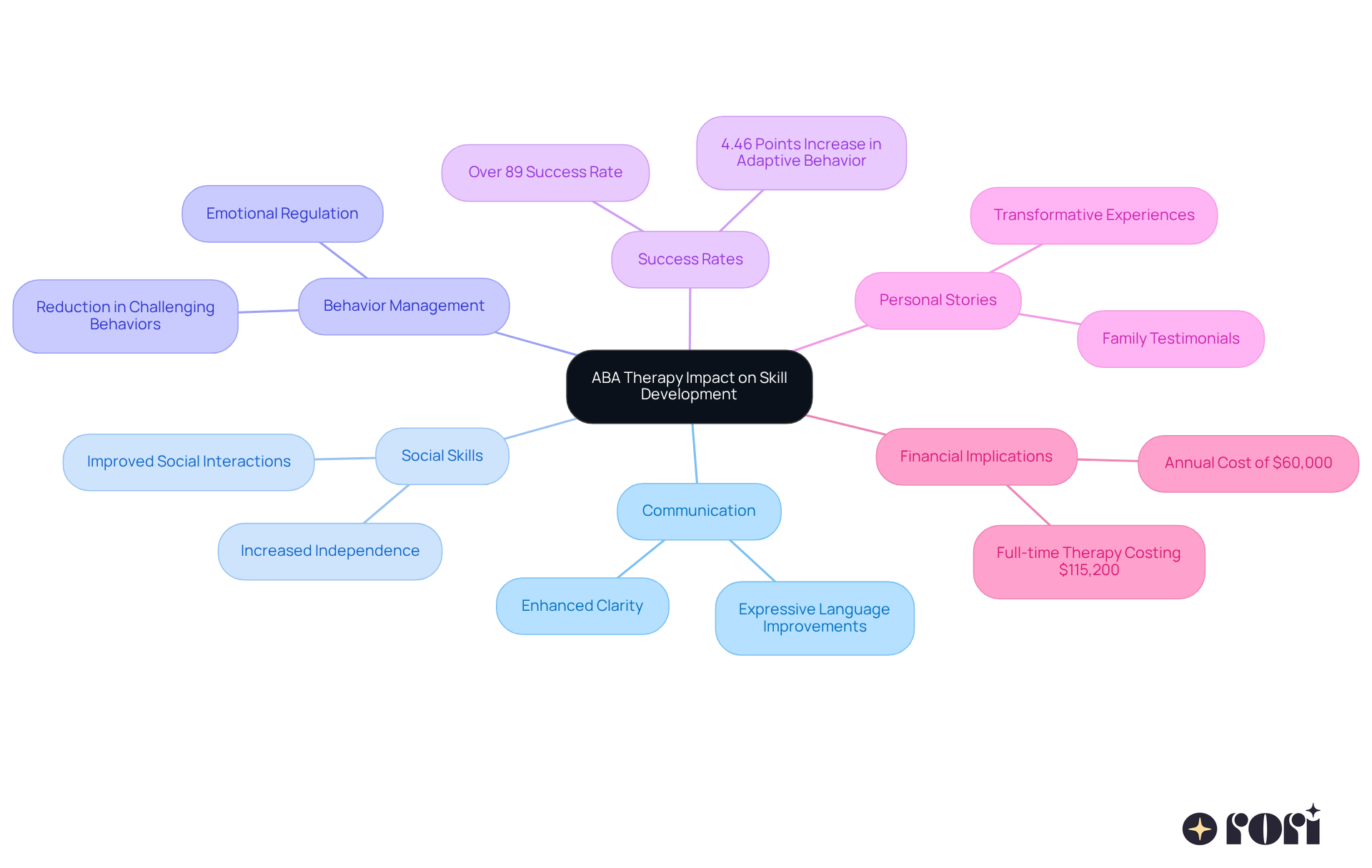
ABA intervention can really make a difference for kids with autism! By using organized approaches and , helps improve , and manage those we all know can pop up. Research shows that ABA treatment has an – over 89% of kids show significant advancements in areas like academics and social interactions.
For instance, kids who start with lower adaptive levels often see amazing improvements. Studies reveal that, on average, they gain about 4.46 points in for each year of treatment. Families frequently share heartwarming stories about how their children’s abilities have transformed, showcasing just how effective can be in fostering meaningful development and enhancing overall quality of life.
What’s really great is that the integration of , ongoing evaluations, and ensures that treatment aligns with each child’s unique needs. This boosts the chances of positive outcomes even more! However, it’s important to note that supporting a child with autism can cost around $60,000 a year throughout their childhood, which highlights the .
Most reputable health authorities, including the US Surgeon General, endorse ABA as an when applied with compassion. So, if you’re considering options for your child, let’s explore this together! We’re here to help you every step of the way!
Conclusion
ABA therapy really shines as a wonderful way to help children with autism develop essential skills. It’s all about personalizing strategies to fit each child’s unique needs. By using tailored interventions and expert guidance, this therapy not only builds important life skills but also boosts the overall quality of life for kids and their families.
Let’s talk about some key strategies!
- Positive reinforcement
- Individualized treatment plans
- Ongoing assessments that adapt to each child’s progress
And guess what? Family involvement is a game changer! It reinforces the skills learned during therapy and helps ensure that development stays consistent. Plus, integrating technology into ABA therapy makes data collection easier and keeps kids engaged, making the whole process more effective and enjoyable.
In wrapping up, embracing the full framework of ABA therapy is so important for helping children with autism thrive. By getting involved in their development journey and using the resources available, families can truly make a difference in their child’s success. The potential for long-term independence and improved life skills through ABA therapy is incredible! So, let’s explore these effective strategies together and support our children’s growth every step of the way! 😊
Frequently Asked Questions
What is Rori Care’s approach to ABA therapy for children with autism?
Rori Care takes a personalized approach to ABA therapy, focusing on each child’s unique strengths and challenges. Clinicians conduct thorough assessments to create customized treatment plans that address specific skill deficits and promote overall development.
What are the benefits of personalized ABA treatment?
Personalized ABA treatment helps children make significant strides in communication, social skills, and adaptive behaviors. It empowers them to thrive in various environments, enhancing their learning experiences and social interactions.
What is the success rate of ABA intervention for children with autism spectrum disorder (ASD)?
ABA intervention has an impressive success rate of over 89% in improving life skills for children with autism spectrum disorder (ASD).
How do data-driven strategies enhance skill acquisition in ABA therapy?
Data-driven strategies involve gathering and analyzing information about a child’s progress, allowing clinicians to monitor behaviors and skill acquisition closely. This helps in making timely adjustments to interventions, improving treatment effectiveness and providing families with valuable insights into their child’s development.
What is the role of positive reinforcement in ABA therapy?
Positive reinforcement encourages desirable behaviors through rewards and incentives, making it more likely for children to repeat good behaviors while creating a supportive learning environment. It enhances motivation and leads to better learning outcomes.
How effective are reinforcement-based interventions in ABA therapy?
Research indicates that reinforcement-based interventions, such as ABA therapy for skill development, have been effective in 85% of published case studies. Additionally, systematic reinforcement strategies have been found to reduce problem behaviors by 65% in family settings.
How can caregivers support their children’s learning in ABA therapy?
Caregivers who understand ABA principles and strategies are better equipped to support their children’s learning at home. Their active involvement boosts the effectiveness of positive reinforcement and helps them make informed choices that positively impact their children’s progress.
List of Sources
- Rori Care – ABA Therapy: Personalized Skill Development for Children with Autism
- Understanding Autism Therapy Success Rates (https://ambitionsaba.com/resources/understanding-autism-therapy-success-rates)
- Resources | Golden Steps ABA (https://goldenstepsaba.com/resources/success-rates-of-aba-therapy)
- The Numbers Don’t Lie: Revealing Autism Therapy Statistics | Above and Beyond Therapy (https://abtaba.com/blog/autism-therapy-statistics)
- Success Rates of ABA Therapy | Advanced Autism Services (https://advancedautism.com/post/success-rates-of-aba-therapy)
- Data-Driven Strategies: Enhancing Skill Acquisition in ABA Therapy
- Data Collection in ABA Therapy for Children with Autism (https://striveabaconsultants.com/data-collection-in-aba-therapy-for-child-with-autism)
- Applied Behavior Analysis (ABA) Statistics: Data, Effectiveness, and Evidence-Based Practices (https://nexoaba.com/applied-behavior-analysis-statistics)
- The Significance of Statistics in ABA Therapy | All Star ABA (https://allstaraba.org/statistics-in-aba-therapy)
- The Role of Data Collection in ABA Therapy Progress Tracking (https://mastermindbehavior.com/post/the-role-of-data-collection-in-aba-therapy-progress-tracking)
- aigift.alibaba.com (https://aigift.alibaba.com/quotes/applied-behavior-analysis-quotes)
- Positive Reinforcement: A Cornerstone of Skill Development in ABA Therapy
- Effective Positive Reinforcement in Schools – Veracross (https://veracross.com/resources/positive-reinforcement-classroom)
- linksaba.com (https://linksaba.com/key-principles-of-aba-reinforcement-prompting-and-shaping)
- Best ABA Quotes (https://testpreptech.com/post/best-aba-quotes)
- The impact of positive reinforcement on long-term behavior change (https://mastermindbehavior.com/post/the-impact-of-positive-reinforcement-on-long-term-behavior-change)
- aigift.alibaba.com (https://aigift.alibaba.com/quotes/applied-behavior-analysis-quotes)
- Individualized Treatment Plans: Tailoring ABA Therapy for Unique Needs
- ABA Therapy Impact (https://goldenstepsaba.com/resources/aba-therapy-impact)
- Resources | Golden Steps ABA (https://goldenstepsaba.com/resources/success-rates-of-aba-therapy)
- The Numbers Don’t Lie: Revealing Autism Therapy Statistics | Above and Beyond Therapy (https://abtaba.com/blog/autism-therapy-statistics)
- Success Rates of ABA Therapy | Advanced Autism Services (https://advancedautism.com/post/success-rates-of-aba-therapy)
- Family Involvement: Strengthening Skill Development through Collaboration
- The Power of Parent Involvement in ABA Therapy Outcomes: Maximizing Success Through Family Engagement – RightWay ABA (https://rightwayaba.com/parent-involvement-in-aba-therapy-outcomes)
- Success Rates of ABA Therapy | Advanced Autism Services (https://advancedautism.com/post/success-rates-of-aba-therapy)
- The Role of Parent Training in Supporting ABA Therapy Success | Discovery ABA (https://discoveryaba.com/aba-therapy/the-role-of-parent-training-in-supporting-aba-therapy-success)
- 20 Inspiring Quotes About Autism Every Parent Must Read Today (https://circlecareservices.com/20-quotes-about-autism-and-parenting)
- Family & Caregiver Involvement in ABA Therapy | Autism Treatment & Parent Training Support — Behavior Frontiers (https://behaviorfrontiers.com/blog/importance-of-family-and-caregiver-involvement-in-autism-care)
- Ongoing Assessment: Adapting ABA Therapy for Continuous Skill Improvement
- The Significance of Statistics in ABA Therapy | All Star ABA (https://allstaraba.org/statistics-in-aba-therapy)
- aimhigheraba.com (https://aimhigheraba.com/the-importance-of-data-collection-in-aba-therapy)
- Patient Outcomes After Applied Behavior Analysis for Autism Spectrum Disorder – PMC (https://pmc.ncbi.nlm.nih.gov/articles/PMC8702444)
- Best ABA Quotes (https://testpreptech.com/post/best-aba-quotes)
- Expert Guidance: The Role of BCBAs in Skill Development through ABA Therapy
- allstaraba.org (https://allstaraba.org/blog/bcba-job-demand)
- 28 ABA Therapist Demographics & Statistics (https://thetreetop.com/statistics/aba-therapist-demographics)
- The Rate of Job Growth for BCBAs | Intellistars – ABA Therapy (https://intellistarsaba.com/blog/the-rate-of-job-growth-for-bcbas)
- goldenstepsaba.com (https://goldenstepsaba.com/resources/aba-therapist-statistics)
- 60+ ABA Therapist Statistics & Demographics (https://ambitionsaba.com/resources/aba-therapist-statistics-demographics)
- Technology Integration: Revolutionizing Skill Development in ABA Therapy
- Applied Behavior Analysis (ABA) Statistics: Data, Effectiveness, and Evidence-Based Practices (https://nexoaba.com/applied-behavior-analysis-statistics)
- The Significance of Statistics in ABA Therapy | All Star ABA (https://allstaraba.org/statistics-in-aba-therapy)
- Inspirational ABA and Autism Quotes – Mrs. Moe’s Modifications (https://mrsmoesmodifications.com/inspirational-aba-and-autism-quotes)
- The impact of technology on ABA therapy delivery (https://mastermindbehavior.com/post/the-impact-of-technology-on-aba-therapy-delivery)
- Best ABA Quotes (https://testpreptech.com/post/best-aba-quotes)
- Long-Term Benefits: Fostering Independence through ABA Therapy
- The Impact of ABA Therapy on Long-Term Outcomes for Autism | Advanced Autism Services (https://advancedautism.com/post/the-impact-of-aba-therapy-on-long-term-outcomes-for-autism)
- Best Autism Quotes to Raise Awareness and Understanding (https://yellowbusaba.com/post/autism-quotes)
- Celebrating Neurodiversity: Inspiring Words on Autism | Step Ahead ABA (https://stepaheadaba.com/blog/autism-quotes)
- Transformative Potential: The Impact of ABA Therapy on Skill Development
- The Numbers Don’t Lie: Revealing Autism Therapy Statistics | Above and Beyond Therapy (https://abtaba.com/blog/autism-therapy-statistics)
- Success Rates of ABA Therapy | Advanced Autism Services (https://advancedautism.com/post/success-rates-of-aba-therapy)
- Patient Outcomes After Applied Behavior Analysis for Autism Spectrum Disorder – PMC (https://pmc.ncbi.nlm.nih.gov/articles/PMC8702444)
- The effectiveness of applied behavior analysis program training on enhancing autistic children’s emotional-social skills – BMC Psychology (https://bmcpsychology.biomedcentral.com/articles/10.1186/s40359-024-02045-5)