

Introduction
Becoming a Board Certified Behavior Analyst (BCBA) isn’t just a career choice; it’s a heartfelt commitment to making a real difference in the lives of individuals, especially those with autism. 🌟 As these dedicated professionals navigate the complexities of behavior analysis, they play a crucial role in crafting personalized intervention strategies that empower families and support children’s growth.
But let’s be honest—the path to certification can feel overwhelming. It’s packed with rigorous educational requirements, hands-on experience, and ongoing professional development. So, what does it really take to embark on this rewarding journey? And how can parents lend their support to aspiring BCBAs along the way? Let’s explore this together!
Defining the Role of a Board Certified Behavior Analyst (BCBA)
A is a highly trained expert who has met demanding educational and practical requirements in applied behavior analysis (ABA), showcasing . These professionals play a crucial role in tailored to meet the unique needs of individuals, especially those with autism. They conduct thorough assessments, analyze behavioral data, and work closely with families and other professionals to ensure effective treatment outcomes.
But the impact of behavior analysts goes beyond just therapy. They empower families by equipping them with to foster their children’s growth and independence. By crafting filled with measurable goals and , BCBAs help kids learn new skills and reduce challenging behaviors, ultimately enhancing their quality of life. Techniques like positive reinforcement, shaping, and prompting are key to their approach, ensuring that interventions are effective and tailored to each child’s needs. This collaborative method not only but also strengthens family dynamics, allowing parents to actively participate in their child’s progress.
BCBAs are committed to , which raises the question of , ensuring they stay current with the latest research and best practices in behavior analysis. Their dedication is evident in the growing demand for their expertise, with over the next decade. Plus, Rori Care offers a complimentary consultation to help families understand how behavior analysts can support their loved ones. As BCBAs continue to play a vital role in , their contributions are essential in shaping a future where every child has the chance to thrive.
Let’s explore this together! If you have questions or want to share your experiences, we’re here to help you every step of the way!

Educational Pathways and Experience Requirements for BCBA Certification
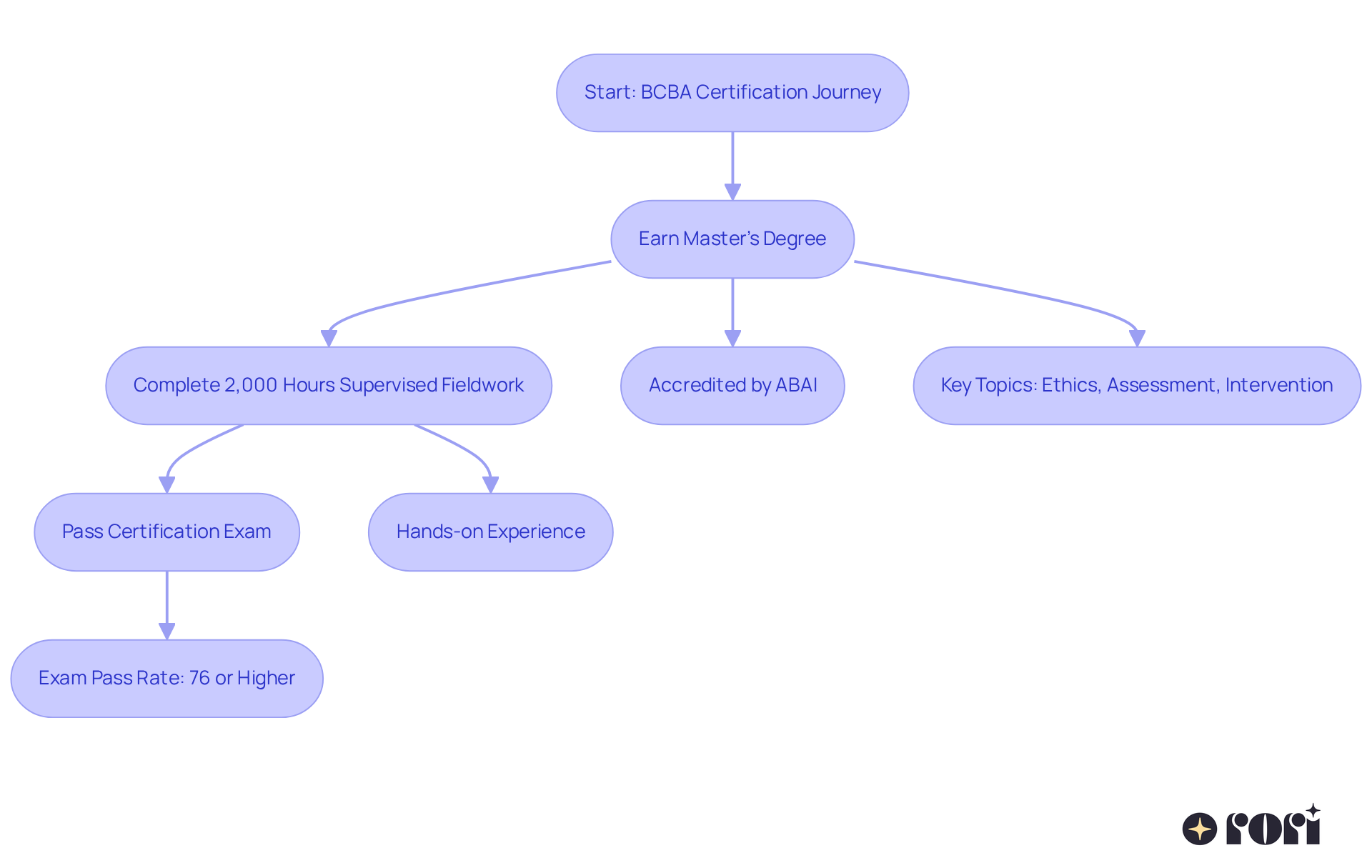
Becoming a is an exciting journey! Typically, candidates need a master’s degree in behavior analysis, psychology, or a related field. It’s important that this degree is accredited by the Association for Behavior Analysis International (ABAI) and covers key topics like ethics, assessment, and intervention strategies. Starting in 2025, candidates will also need to complete at least 2,000 hours of . This is crucial for honing the practical skills necessary to support individuals with autism effectively. It not only prepares candidates for real-world challenges but also boosts their ability to implement .
Now, let’s talk about the role of caregivers. Their education is vital in supporting the . When caregivers are equipped with , they can make informed decisions that positively impact their child’s progress. For example, caregivers who understand reinforcement strategies can encourage preferred behaviors at home, complementing professional interventions and promoting consistency. When caregivers actively engage with therapeutic strategies, it often leads to more effective and lasting improvements in children’s behavior.
Educators really stress the importance of . Candidates from these institutions tend to have higher success rates on . In fact, in 2020, the initial from were 62%, compared to just 25% from non-accredited ones. This difference highlights why choosing a program that meets rigorous standards is so important.
Additionally, the retake pass rate for candidates in 2024 was 25%, showing the ongoing challenges for those who don’t pass on their first try. On a positive note, the number of accredited behavior analyst programs is growing worldwide, reflecting a rising recognition of the need for qualified experts in the field. As the demand for BCBAs increases, understanding what does it take to become a BCBA becomes essential for aspiring candidates, their families, and caregivers who play a crucial role in the success of ABA interventions.
Let’s explore this together! If you have questions or need support, we’re here to help you every step of the way!
Navigating the BCBA Certification Process: Exams and Licensure
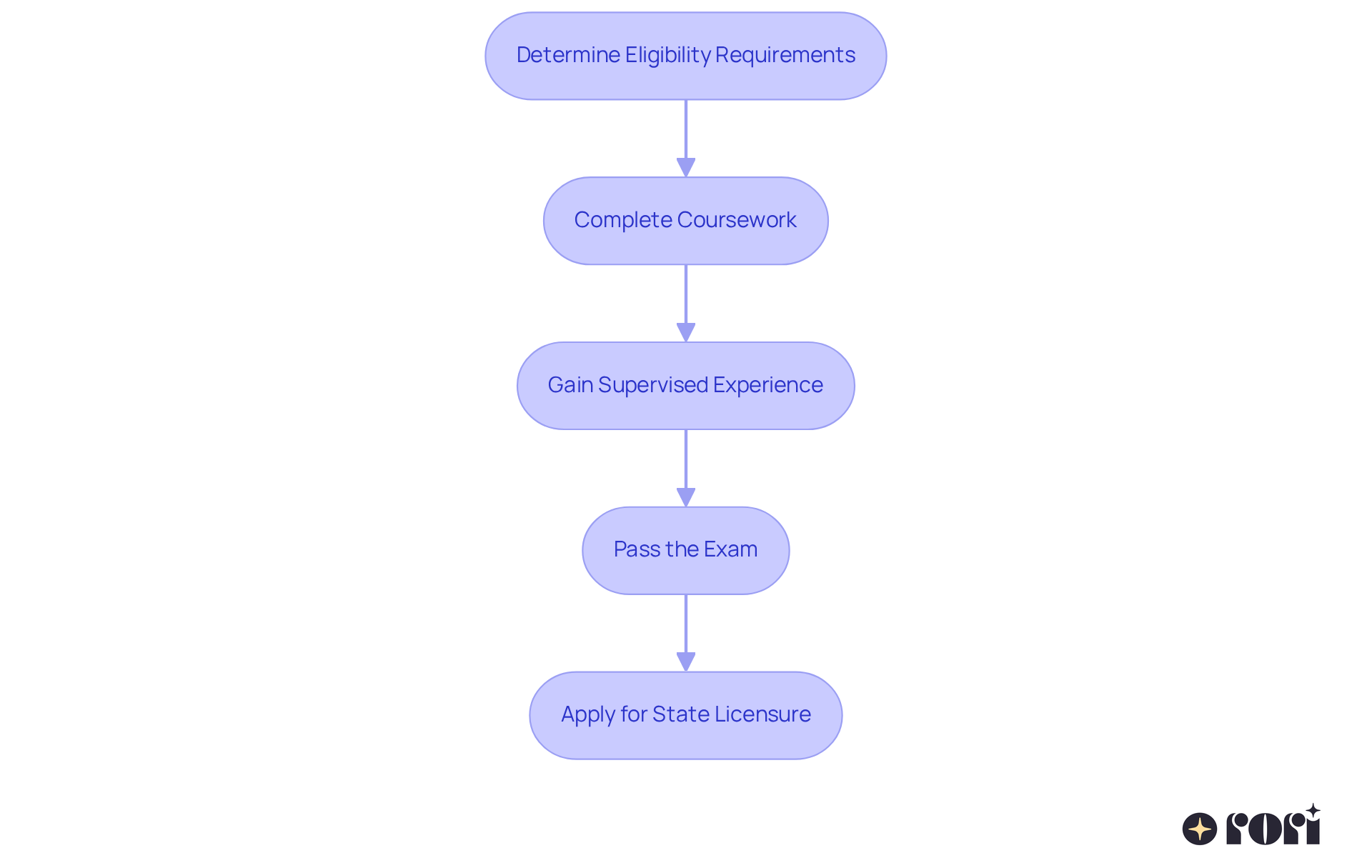
? This journey is exciting, but it does come with its challenges! To kick things off, candidates need to pass an exam that tests their understanding of key principles and practices in behavior analysis. It’s all about showing that you know your stuff!
To take the exam, you’ll need to (BACB). Don’t forget, involves meeting like completing the necessary coursework and gaining supervised experience. It might feel like a lot, but understanding shows that each step brings you closer to your goal!
The exam itself is made up of multiple-choice questions that cover a range of topics, including ethics, assessment, and intervention strategies. Think of it as a way to showcase your knowledge and skills! Once you pass, you can then apply for state licensure, which may have its own set of requirements depending on where you live.
So, if you’re feeling a bit overwhelmed, remember you’re not alone! Many have walked this path before you, and it’s all about taking it one step at a time. Let’s explore this together and make sure you have all the resources you need to succeed!
Maintaining BCBA Certification: Continuing Education and Professional Development
To maintain their , professionals must know , which includes completing 32 every two years. This requirement clarifies by helping behavior analysts stay updated on the latest research, techniques, and ethical standards in behavior analysis. Many BCBAs find various ways to meet this requirement, like attending workshops, , and online courses.
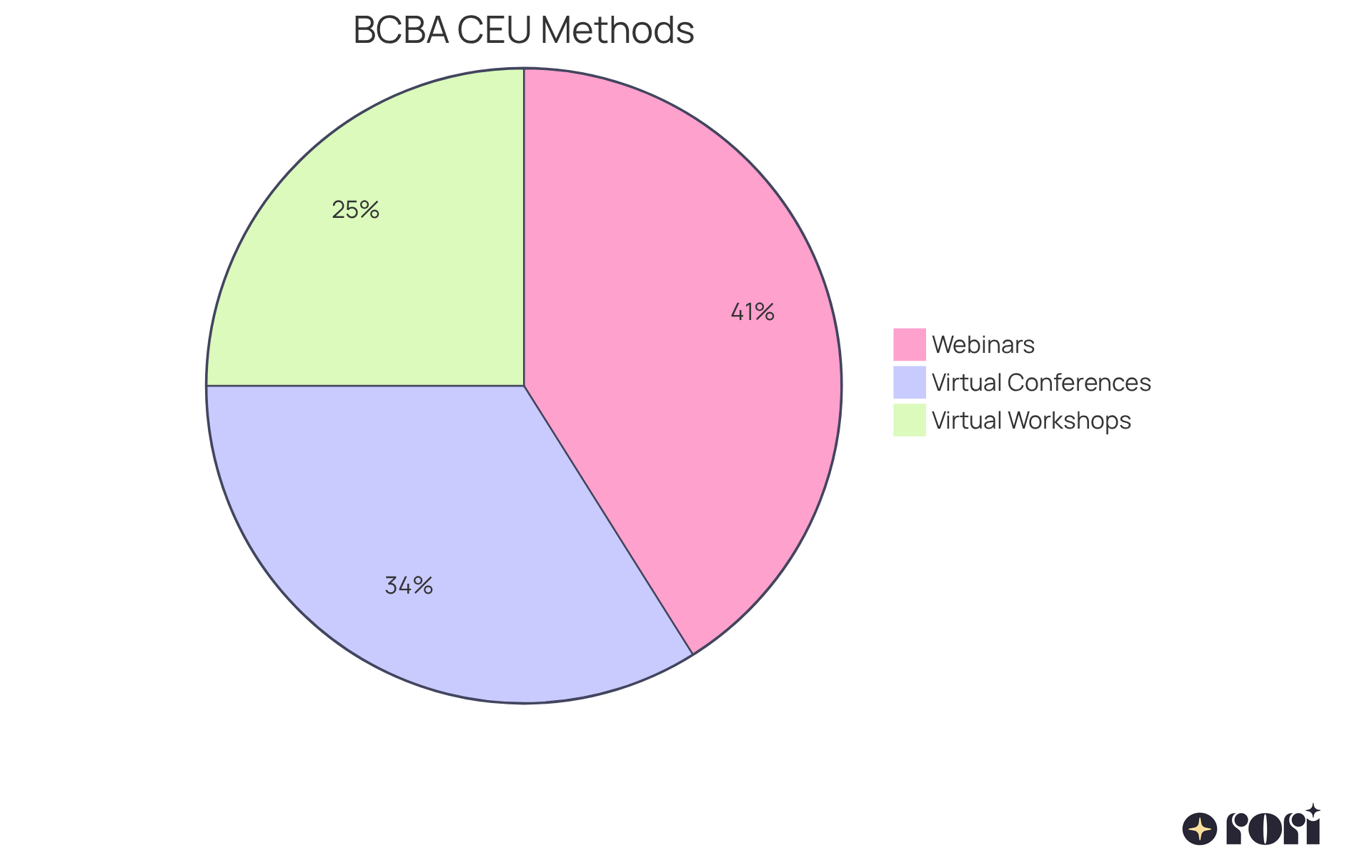
Did you know that a good number of BCBAs reported getting their CEUs mainly through:
- Webinars (23%)
- (19%)
- Virtual workshops (14%)?
Engaging in these not only sharpens their skills but also prompts the question of , ultimately leading to . As one BCBA beautifully put it, “Every hour you spend learning is an hour spent investing in your own excellence and in the lives you touch through your work.”
This dedication to really highlights what does it take to become a BCBA, demonstrating how committed they are to providing . It’s all about fostering a more . So, let’s explore this together! If you’re a parent looking for guidance, remember that you’re not alone in this journey.
Conclusion
Becoming a Board Certified Behavior Analyst (BCBA) is quite the journey! It’s filled with educational and practical steps designed to help professionals support individuals with autism effectively. This certification isn’t just a badge of honor; it highlights the vital role BCBAs play in improving the lives of children and their families through personalized intervention strategies.
So, what does it take to become a BCBA? First, you’ll need:
- An accredited master’s degree
- Supervised fieldwork
- A comprehensive exam
Each of these steps is crucial in getting candidates ready to implement evidence-based interventions and work hand-in-hand with families. Plus, ongoing professional development, like continuing education units, keeps BCBAs up-to-date with the latest best practices in the field.
But the importance of BCBAs goes beyond just their qualifications. They empower families and create a nurturing environment for children’s growth. As the need for skilled behavior analysts keeps rising, it’s essential to understand the commitment involved in becoming a BCBA. For parents and caregivers, knowing this process can help navigate the certification landscape and emphasize the importance of being actively involved in their child’s therapeutic journey.
Embracing this path can lead to amazing outcomes, making a real difference in the lives of children with autism and their families. Let’s explore this together! We’re here to help you every step of the way!
Frequently Asked Questions
What is a Board Certified Behavior Analyst (BCBA)?
A BCBA is a highly trained expert in applied behavior analysis (ABA) who has met rigorous educational and practical requirements. They specialize in creating, executing, and supervising intervention strategies for individuals, particularly those with autism.
What are the primary responsibilities of a BCBA?
BCBAs conduct thorough assessments, analyze behavioral data, and collaborate with families and other professionals to implement effective treatment strategies tailored to individual needs. They also empower families by providing tools and strategies to support their children’s growth and independence.
How do BCBAs help children with autism?
BCBAs craft personalized treatment plans with measurable goals and evidence-based strategies, helping children learn new skills and reduce challenging behaviors. Techniques such as positive reinforcement, shaping, and prompting are utilized to ensure effective interventions.
What is the role of families in the BCBA’s approach?
BCBAs involve families in the treatment process, fostering collaboration that strengthens family dynamics and allows parents to actively participate in their child’s progress.
What is the importance of ongoing professional development for BCBAs?
Ongoing professional development is crucial for BCBAs to stay updated with the latest research and best practices in behavior analysis, ensuring they provide the most effective interventions possible.
What is the job outlook for BCBAs?
The demand for BCBAs is expected to rise significantly, with job opportunities projected to increase by 22% over the next decade.
How can families learn more about the support BCBAs provide?
Rori Care offers complimentary consultations to help families understand how behavior analysts can assist their loved ones.
List of Sources
- Defining the Role of a Board Certified Behavior Analyst (BCBA)
- The Rate of Job Growth for BCBAs | Double Cara ABA Blog (https://doublecareaba.com/post/the-rate-of-job-growth-for-bcbas)
- The Rate of Job Growth for BCBAs | Intellistars – ABA Therapy (https://intellistarsaba.com/blog/the-rate-of-job-growth-for-bcbas)
- BCBA Duties, Responsibilities & Job Description (https://ambitionsaba.com/resources/bcba-duties-responsibilities)
- Understanding the Role of a Board-Certified Behavior Analyst (BCBA) (https://mastermindbehavior.com/post/understanding-the-role-of-a-board-certified-behavior-analyst-bcba)
- The Rate of Job Growth for BCBAs (https://yellowbusaba.com/post/the-rate-of-job-growth-for-bcbas)
- Educational Pathways and Experience Requirements for BCBA Certification
- rori.care (https://rori.care/post/understanding-bcba-education-requirements-an-in-depth-tutorial-for-future-analysts)
- BCBA Certificant Annual Report Data & Insights | Connect n Care (https://connectncareaba.com/blog/bcba-certificant-annual-report)
- Essential BCBA Exam Pass Rate Statistics | Blue. Jay ABA (https://bluejayaba.com/blog/bcba-exam-pass-rate)
- University Program Pass Rates (https://bacb.com/university-examination-pass-rates)
- BACB ANNUAL DATA REPORT – Behavior Analyst Certification Board (https://bacb.com/about/bacb-certificant-annual-report-data)
- Maintaining BCBA Certification: Continuing Education and Professional Development
- How Many CEUs Does a BCBA® Need for Recertification? (https://dobettercollective.com/how-many-ceus-does-a-bcba-need-for-recertification)
- 2026 CEU Requirements for Board Certified Behavior Analyst (BCBA) | Research.com (https://research.com/careers/ceu-requirements-for-board-certified-behavior-analyst-bcba)
- BCBA Certification: Requirements & Path to Success | All Star ABA (https://allstaraba.org/bcba-certification-requirements)
- Checking your browser – reCAPTCHA (https://pmc.ncbi.nlm.nih.gov/articles/PMC9769470)