

Introduction
Navigating the complexities of autism evaluations can feel overwhelming for many families. These assessments are crucial in determining whether a child has autism spectrum disorder (ASD) and play a vital role in shaping effective treatment plans. But it’s not just about diagnosis! It’s about understanding the multifaceted nature of evaluations, the factors influencing their costs, and the financial resources available to help ease the burden.
From the intricacies of developmental assessments to the varying fees based on provider expertise and geographical location, families must equip themselves with knowledge to make informed decisions. It’s a journey, and exploring financial assistance options can pave the way for accessing essential services that support a child’s development.
This article delves into the essential components of autism evaluations, offering insights and guidance for families embarking on this critical journey. Let’s explore this together!
Understand Autism Evaluations
An autism assessment is a thorough analysis conducted by qualified experts to determine if a young person has autism spectrum disorder (ASD). This process can feel a bit daunting, but it typically involves friendly interviews, helpful questionnaires, and standardized tests that look at different areas of development, like communication, social skills, and behavior. The length and complexity of these assessments can vary widely, often requiring teamwork among various specialists, including psychologists, developmental pediatricians, and speech therapists.
Recent research shows that the rate of identification for ASD remains steady. For example, assessments carried out in March and April 2020 revealed similar or even lower rates for individuals born in 2018 compared to those born in 2014. This highlights the ongoing need for effective developmental oversight, which is key for timely assessment and support for young people with developmental disabilities, including ASD.
Understanding the assessment process is so important for parents. It prepares them for what to expect and underscores the importance of a precise diagnosis. An accurate assessment is crucial for tailoring effective treatment strategies that meet each child’s unique needs. Experts emphasize that thorough assessments not only enable suitable interventions but also empower families to advocate for their children’s developmental support. Caregiver education is a big part of this, as it enhances their understanding of ABA principles, leading to informed decisions that positively impact their child’s progress.
Effective assessment techniques used by experts often combine direct observation and standardized tests, ensuring a well-rounded view of the child’s skills and challenges. As the landscape of developmental disorder identification evolves, staying informed about the latest methods and data is essential for navigating this vital aspect of care. Additionally, insights from the case study titled “” suggest that connecting various data sources can shed light on the needs of autistic individuals, helping to inform better resource allocation and support systems. This connection emphasizes the importance of timely reviews and thorough assessments in the developmental care continuum.
Let’s explore this together! Your journey in understanding autism assessments can lead to better support for your child, and we’re here to help you every step of the way!
Identify Factors Influencing Costs
The cost of an autism assessment can be influenced by several key factors that parents should be aware of:
- Type of Assessment: The nature of the assessment plays a crucial role in determining costs. Basic developmental assessments usually start at around $250, while comprehensive diagnostic analyses can range from $1,200 to $3,000 or even more. This variation often leads to the question: how much does an autism evaluation cost without insurance? It really depends on the depth and detail needed.
- Provider Expertise: The qualifications and experience of the evaluator significantly impact pricing. Evaluations conducted by highly experienced professionals, such as clinical psychologists or developmental pediatricians, may come with higher fees. Their specialized knowledge directly relates to the quality and thoroughness of the assessment, making it a critical factor in cost determination.
- Geographical Location: Costs can vary considerably based on where you live. Urban areas often see higher fees compared to rural regions, driven by demand and the availability of qualified services.
- Complexity of the Evaluation: Evaluations that require input from multiple specialists or involve extensive testing typically incur higher costs. The more thorough the evaluation, the larger the monetary investment needed.
- Insurance Discussions: Families might have opportunities to discuss with insurance companies for better coverage of assessments and therapy. Effective advocacy can result in expanded coverage and reimbursement options, helping to ease the financial burden associated with these assessments. Insights from case studies suggest that families can effectively advocate for their needs, potentially lowering expenses through improved insurance coverage.
Understanding these factors is crucial for families managing without insurance. Consulting with healthcare experts can provide valuable advice on available resources and possible funding assistance programs. For instance, Supplemental Security Income (SSI) offers $791 per month for minors with autism, which can help manage expenses. Additionally, exploring lower-cost assessments can further assist families in effectively handling their financial obligations.
It’s essential to recognize that each young person’s unique needs should guide the assessment process, ensuring families receive the most suitable and personalized care. Furthermore, equipping caregivers with knowledge and skills related to ABA principles, strategy alignment, and data collection can empower them to actively support their child’s behavioral goals. By creating a consistent and supportive environment, they can maximize the impact of interventions.
Let’s explore this together! We’re here to help you every step of the way!
Plan Your Budget for Evaluation Costs
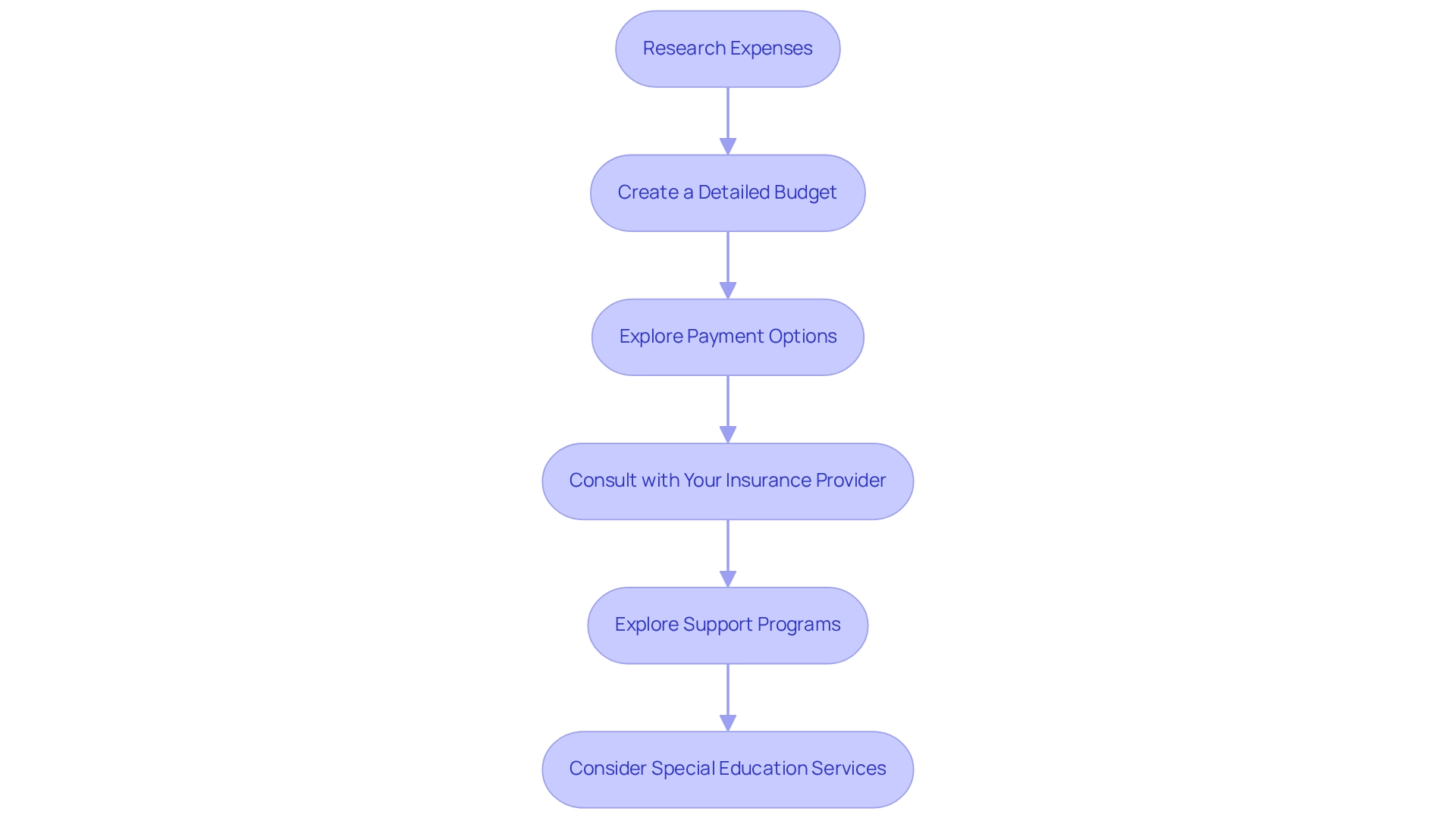
Planning your budget for an autism evaluation can feel overwhelming, but it doesn’t have to be! Here are some friendly steps to help you navigate this process:
- Research Expenses: Start by gathering information on the typical costs of assessments in your area. Check out local clinics, read online articles, and join community forums to get a feel for pricing trends. It’s all about knowing what to expect!
- Create a Detailed Budget: Jot down all potential expenses, like the assessment fee, travel costs, and any extra evaluations, such as speech and language assessments, which can add a few hundred dollars to the total. It’s also a good idea to set aside some extra funds for any unexpected costs that might pop up along the way.
- Explore Payment Options: Don’t forget to look into whether the assessment provider offers payment plans or sliding scale fees based on income. These options can really help ease the financial burden that often comes with assessments.
- Consult with Your Insurance Provider: If you have insurance, reach out to your provider to find out which services are covered and any out-of-pocket expenses you might encounter. Rori Care is here to help you verify your insurance coverage for autism services, including communication with providers and a response timeline of 1-3 business days. can make a big difference in your overall budget and planning.
- Explore Support Programs: There are many support programs out there that can help reduce the costs of evaluations. Numerous organizations offer assistance to families in need, which can really help lighten the financial load.
- Consider Special Education Services: Keep in mind that individuals on the autism spectrum may require specialized educational support, which can be pricey, especially for those needing individualized attention or special tools. It’s worth consulting your school district to learn about available services and their costs.
By following these steps, families can approach the financial aspects of assessments related to developmental disorders with more confidence and clarity. Plus, empowering caregivers with knowledge of ABA principles and strategies can really enhance their involvement in supporting their child’s behavioral goals, maximizing the effectiveness of the intervention. As Steven Zauderer wisely notes, “Overall, how much does an autism evaluation cost without insurance can be a considerable economic strain for numerous families and may act as an obstacle to obtaining vital services and assistance.” Let’s explore this together!
Discover Financial Assistance Resources
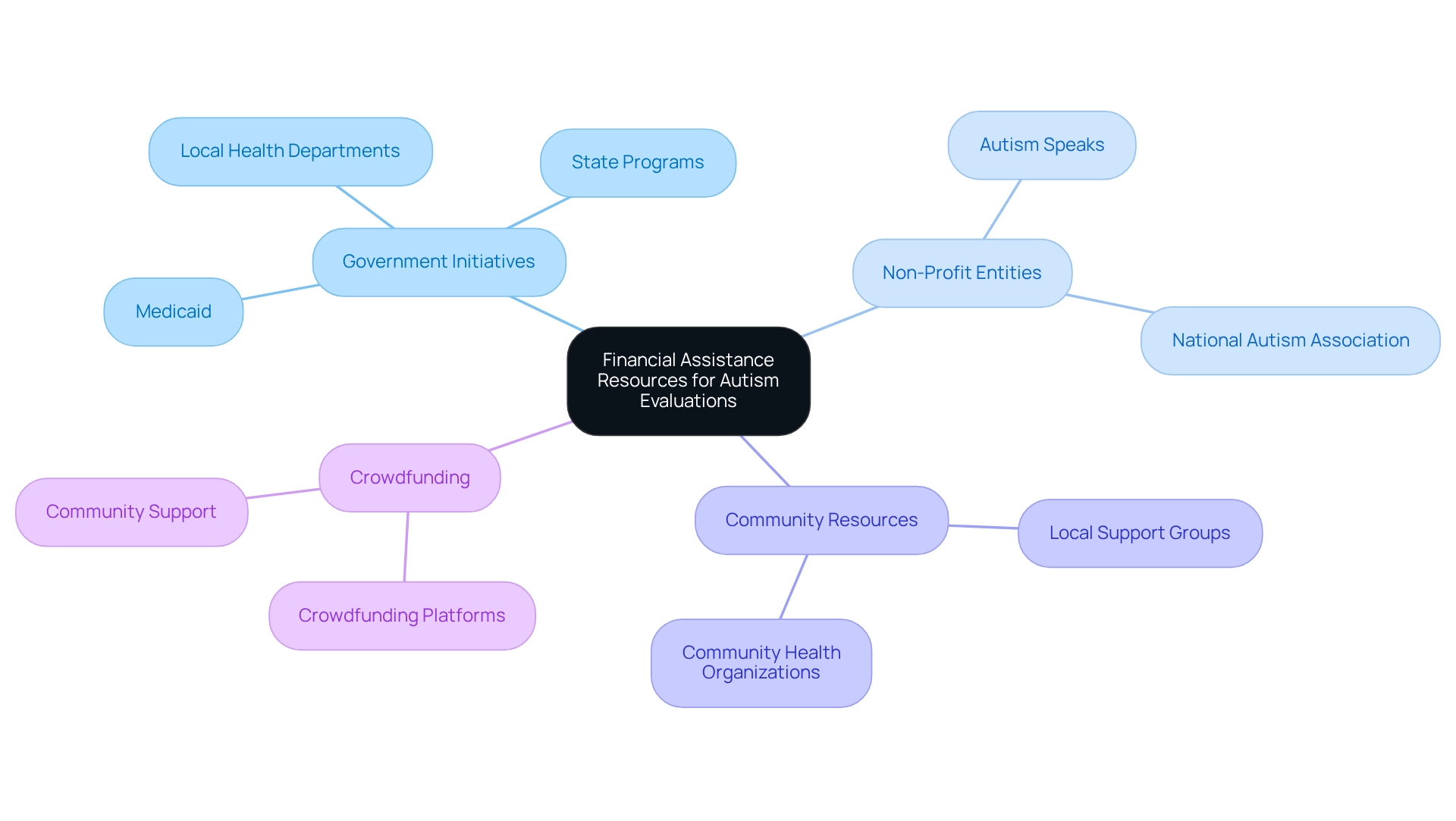
Families navigating the costs of autism evaluations have a range of financial assistance resources available to them.
- Government Initiatives: Many states offer monetary support for assessments and related services. It’s a good idea for families to reach out to their local health department or social services to discover options that fit their needs. Government initiatives play a crucial role in financing assessments for developmental disorders. Programs like Medicaid and various state initiatives can help cover those assessment expenses.
- Non-Profit Entities: Organizations such as Autism Speaks and are wonderful resources, providing grants and support programs tailored for families seeking assessments. These resources can really ease the financial burden that comes with obtaining a diagnosis.
- Community Resources: Local support groups and community health organizations often have valuable insights into funding opportunities. They can connect families with resources that might not be widely advertised, ensuring that everyone is aware of the options available to them.
- Crowdfunding: Many families have found success using crowdfunding platforms to raise funds for autism assessments and therapies. By sharing their stories, they resonate with others, fostering community support and encouraging contributions.
Understanding the cost of an autism evaluation without insurance is crucial. As Kerry Magro, a global speaker and bestselling author, points out, ‘Awareness of these resources can enable families to pursue the assessments their youngsters require.’ O. Ivar Lovaas also emphasized, ‘If they can’t learn the way we teach, we teach the way they learn,’ highlighting the importance of timely evaluations for accessing effective interventions. Additionally, Rori Care – ABA Therapy is here to assist families in navigating these financial resources, ensuring they have the support they need for their child’s development. Let’s explore this together!
Conclusion
Navigating the landscape of autism evaluations can feel like a critical journey for families eager to understand and support their children’s developmental needs. These evaluations are comprehensive processes that require collaboration among various specialists. This ensures a holistic assessment of a child’s abilities. By grasping the intricacies of the evaluation process, parents can better prepare for what to expect and empower themselves to advocate effectively for tailored treatment plans that address their child’s unique challenges.
The costs associated with autism evaluations can be significant and are influenced by several factors, such as the type of evaluation, provider expertise, geographical location, and the complexity of the assessment. It’s essential for families to be informed about these aspects to make sound financial decisions. Budgeting for evaluations involves researching costs, exploring payment options, and consulting insurance providers to uncover coverage possibilities. Plus, financial assistance resources from government programs, non-profit organizations, and community support can significantly alleviate the financial burden.
Ultimately, timely and accurate autism evaluations are essential for accessing effective interventions and support systems. By equipping families with knowledge about the evaluation process and available resources, the pathway to understanding and addressing autism becomes clearer. This journey may be challenging, but with the right information and support, families can ensure that their children receive the necessary services to thrive. Empowering caregivers through education and advocacy is vital, as it fosters a supportive environment that maximizes the impact of interventions, paving the way for brighter futures. Let’s explore this together! Remember, we’re here to help you every step of the way!
Frequently Asked Questions
What is an autism assessment?
An autism assessment is a thorough analysis conducted by qualified experts to determine if a young person has autism spectrum disorder (ASD). It typically involves friendly interviews, helpful questionnaires, and standardized tests that evaluate areas such as communication, social skills, and behavior.
Who conducts the autism assessment?
The assessment often requires teamwork among various specialists, including psychologists, developmental pediatricians, and speech therapists.
How does the length and complexity of autism assessments vary?
The length and complexity of autism assessments can vary widely based on the individual case and the specific needs of the child being assessed.
What does recent research indicate about the identification rates for ASD?
Recent research shows that the rate of identification for ASD remains steady, with assessments conducted in March and April 2020 revealing similar or even lower rates for individuals born in 2018 compared to those born in 2014.
Why is understanding the assessment process important for parents?
Understanding the assessment process is crucial for parents as it prepares them for what to expect and emphasizes the importance of a precise diagnosis, which is vital for tailoring effective treatment strategies for their child’s unique needs.
How do thorough assessments benefit families?
Thorough assessments enable suitable interventions and empower families to advocate for their children’s developmental support, enhancing their understanding of ABA principles and leading to informed decisions that positively impact their child’s progress.
What techniques do experts use during autism assessments?
Experts often use a combination of direct observation and standardized tests to ensure a well-rounded view of the child’s skills and challenges during the assessment.
How can connecting various data sources improve autism assessments?
Insights from case studies suggest that linking different data sources can provide better understanding of the needs of autistic individuals, aiding in better resource allocation and support systems, and highlighting the importance of timely reviews and thorough assessments.