
Introduction
Understanding the relationship between Autism Spectrum Disorder (ASD) and anxiety is crucial for effective care. Did you know that nearly 40% of children with autism experience significant distress that can make it tough for them to relax? This can be a real challenge for parents.
In this article, we’ll explore some best practices for promoting relaxation and calmness. We’re here to offer you invaluable strategies that can turn stressful situations into opportunities for growth and emotional stability. So, how can you implement these techniques to create a supportive environment that fosters tranquility and resilience in your child? Let’s dive in together!
Understand Autism and Its Connection to Anxiety
Autism Spectrum Disorder (ASD) often comes hand-in-hand with increased stress levels. You might notice this showing up as meltdowns, avoidance, or even challenges in social situations. Did you know that around 40% of kids with autism experience clinically significant distress? That’s a pretty common struggle! Understanding this connection is crucial for support providers and medical professionals. When kicks in, it can make things even tougher for our little ones, making it harder for them to relax and enjoy therapeutic activities. By spotting the signs and triggers of stress, we can help create better strategies focused on promoting relaxation and calmness in autism care.
Empowering those who support children with ABA principles and strategies can make a real difference. It allows caregivers to actively participate in their child’s growth, leading to informed decisions that positively influence behavioral goals. Plus, this awareness helps in crafting personalized treatment plans that tackle both autism and anxiety, ensuring a well-rounded approach to care. Here are some benefits of caregiver education:
- Enhanced Support: Caregivers become better equipped to provide the right support at home, complementing professional interventions and promoting consistency.
- Improved Behavioral Outcomes: When caregivers are actively involved and aligned with therapeutic strategies, it often leads to more effective and lasting behavioral improvements.
Moreover, studies show that specific phobias (41%), social anxiety (28%), and generalized anxiety (27%) are among the most common anxiety disorders in this group. This really highlights the need for targeted interventions. Specialists emphasize that understanding the unique challenges faced by young individuals with developmental disorders is key to providing the right support and fostering an environment that nurtures their well-being.
Let’s explore this together! We’re here to help you every step of the way!

Implement Effective Calming Strategies for Children with Autism
Encouraging relaxation in young individuals with developmental differences can feel like a challenge, but don’t worry – there are plenty of calming strategies that caregivers can use to make a real difference! Here are some effective techniques that might just do the trick:
- Deep Pressure Therapy: Have you ever tried using weighted blankets or vests? They can provide a comforting deep pressure that helps reduce anxiety and creates a sense of security. Research shows that this kind of therapy can really help improve emotional regulation in young individuals with developmental disorders.
- Sensory Tools: Fidget toys, stress balls, or sensory bottles can be lifesavers during moments of distress. Did you know that around 90% of individuals with autism experience sensory processing challenges? These tools are essential for helping them manage stress and find their calm.
- Organized Routines: Kids thrive on consistency! Creating daily patterns can foster a feeling of safety and lessen stress, making it easier for them to relax. When daily activities are predictable, it creates a that supports emotional well-being.
- Breathing Exercises: Teaching simple breathing techniques, like diaphragmatic breathing, can empower young individuals to handle stress better. These exercises give them the tools to take control of their emotional responses, which is so important!
- Calming Visuals: Soft colors or nature scenes can work wonders in creating a soothing atmosphere. Visual stimuli play a crucial role in crafting a peaceful environment that encourages self-regulation.
By weaving these strategies into everyday routines, caregivers can really help youngsters with developmental challenges improve their self-regulation and reduce stress. It’s all about promoting relaxation and calmness in autism care to achieve a calmer state of being. And let’s not forget, deep pressure therapy has shown some fantastic results in enhancing behavioral outcomes and emotional stability in youth with developmental disorders.
Let’s explore this together! We’re here to help you every step of the way!

Create Supportive Environments to Foster Calmness
Creating a nurturing atmosphere is crucial for promoting relaxation and calmness in autism care, which helps kids with developmental disorders relax. Caregivers can really enhance that calmness by focusing on a few key elements:
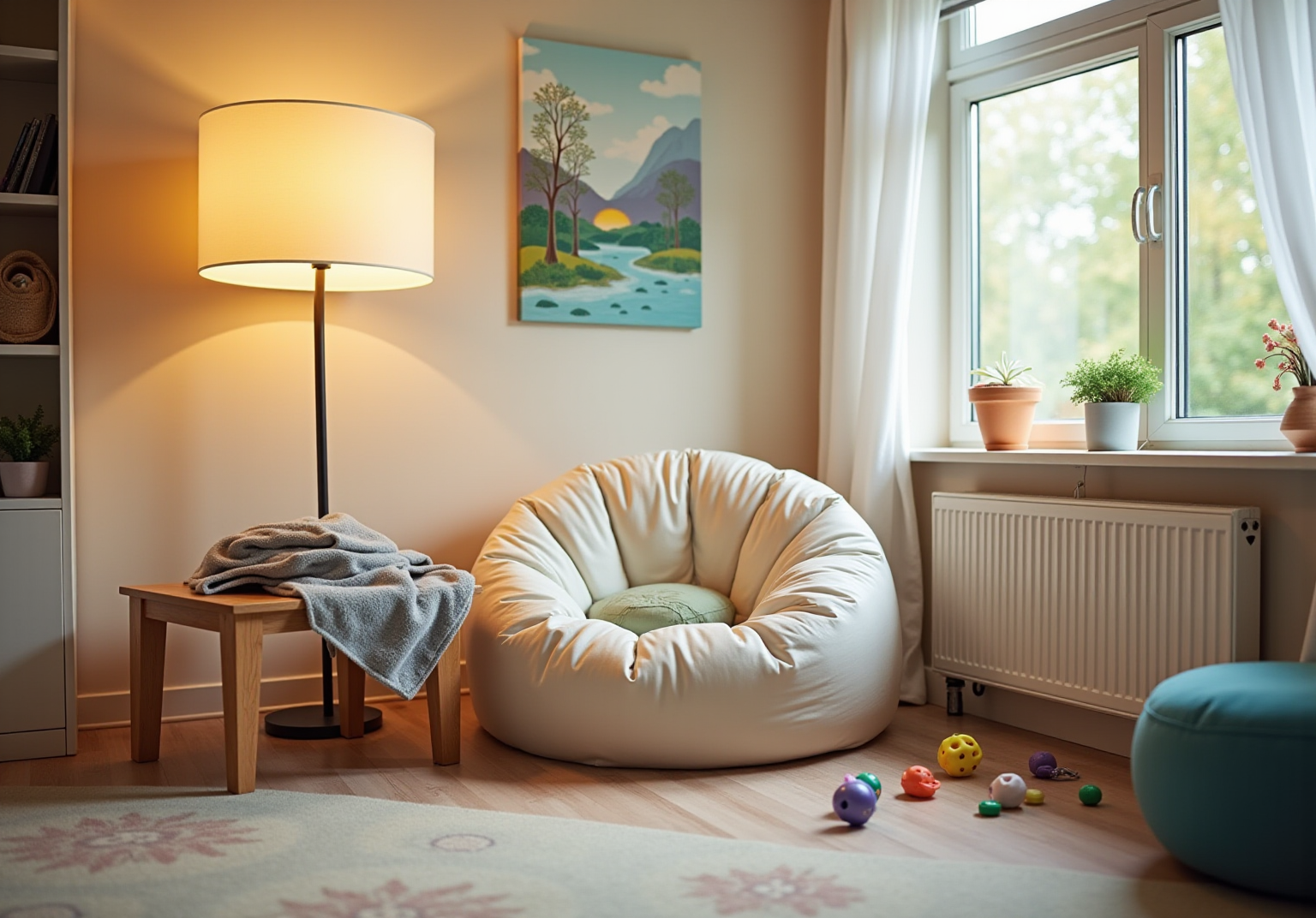
- Sensory-Friendly Spaces: Think about setting up areas with soft lighting, comfy seating, and minimal distractions. This helps kids feel safe and at ease. When caregivers know how to , it complements professional help and keeps things consistent at home.
- Calm-Down Corners: How about having dedicated calm-down corners? Equip them with sensory tools like noise-canceling headphones, weighted blankets, and calming visuals. These little retreats can be a lifesaver when kids feel overwhelmed, as they are essential for promoting relaxation and calmness in autism care, helping them manage their emotions and stay engaged in school. Research shows that when schools consistently use Calm Corners, behavior incidents drop, thereby promoting relaxation and calmness in autism care and leading to better overall well-being for students with autism. Plus, having support from trained individuals can really boost the effectiveness of these strategies.
- Predictable Layouts: Keeping spaces organized can make a big difference! Using visual schedules and clear boundaries helps kids navigate their environment with confidence. When guardians understand ABA strategies, they can make choices that positively impact their child’s progress.
- Adding natural elements like plants or water features can create a soothing vibe that is effective in promoting relaxation and calmness in autism care. Caregivers who feel empowered can choose elements that fit their child’s sensory preferences.
- Sound Control: Let’s not forget about sound! Reducing background noise and using soft music or white noise machines can create a calming auditory environment. This aligns with the values learned through parental education, enhancing their ability to meet their child’s needs.
By creating spaces that cater to the sensory needs of young ones, caregivers can significantly assist in promoting relaxation and calmness in autism care, helping them unwind and manage their emotions. As Valerie Pena beautifully puts it, “Occupational Therapy transforms hopelessness into hope,” reminding us of the positive impact thoughtfully designed spaces can have.

Incorporate Mindfulness and Relaxation Techniques
Mindfulness and relaxation methods can be wonderful tools for helping individuals with autism find their calm. By equipping caregivers with ABA principles and strategies, they can easily weave these practices into daily routines. Not only do these techniques support their child’s behavioral goals, but they also empower caregivers to make informed decisions that lead to better outcomes.
- Mindful Breathing: Have your little ones focus on their breath through fun activities like blowing bubbles or counting breaths. These engaging exercises help center their attention and promote relaxation. Plus, they assist caregivers in understanding their child’s emotional needs better.
- Guided Imagery: Try out guided imagery exercises that let kids visualize peaceful places, like a serene beach or a quiet forest. This can really help reduce anxiety and enhance relaxation. As they learn to manage their emotions, you might notice some positive changes in their behavior too!
- Progressive Muscle Relaxation: Introduce progressive muscle relaxation, where kids learn to tense and then relax different muscle groups. This not only increases their awareness of physical tension but also helps them relax. It’s a great way for caregivers to support their child’s self-regulation skills.
- Yoga and Movement: Incorporate or movement activities that promote mindfulness and physical awareness. These practices help kids connect with their bodies and relieve stress. Caregivers often see improvements in their child’s flexibility and body awareness through these fun activities.
- Mindfulness Apps: Don’t forget about apps designed for kids! These can offer guided meditations and relaxation exercises tailored for children with developmental differences. They can really help support providers in making choices that positively impact their child’s growth.
By weaving these mindfulness and relaxation techniques into everyday life, caregivers can help children with autism develop essential self-regulation skills. This not only boosts their sense of calm but also enhances their overall well-being. Remember, incorporating these practices supports emotional health and highlights the importance of caregiver education in achieving effective outcomes. Let’s explore this together!

Conclusion
Promoting relaxation and calmness in autism care is so important for the well-being of children with Autism Spectrum Disorder. When caregivers understand the close link between autism and anxiety, they can use effective strategies to create a nurturing environment. This can lead to better emotional regulation and improved behavior.
Let’s talk about some best practices! Calming strategies like:
- Deep pressure therapy
- Sensory tools
- Organized routines
- Mindfulness techniques
can really make a difference. These methods not only help kids manage stress but also empower caregivers to create supportive spaces that meet their unique sensory needs. By weaving these practices into daily routines, caregivers can greatly enhance their child’s ability to relax and thrive.
The importance of promoting relaxation in autism care truly can’t be overstated. By equipping caregivers with knowledge and practical tools, we can cultivate a more serene and supportive atmosphere. This benefits not just the children but enriches the entire family’s experience. Embracing these best practices will pave the way for healthier emotional development and a brighter future for children with autism. Let’s explore this together!
Frequently Asked Questions
What is the connection between Autism Spectrum Disorder (ASD) and anxiety?
Autism Spectrum Disorder often coincides with increased stress levels, which can manifest as meltdowns, avoidance, or challenges in social situations. Around 40% of kids with autism experience clinically significant distress.
How does anxiety affect children with autism?
Anxiety can make it more difficult for children with autism to relax and enjoy therapeutic activities, further complicating their overall care and support.
What role do caregivers play in supporting children with autism and anxiety?
Caregivers can empower themselves with ABA principles and strategies, allowing them to actively participate in their child’s growth and make informed decisions that positively influence behavioral goals.
What are the benefits of caregiver education in autism care?
Caregiver education enhances support, improves behavioral outcomes, and helps caregivers provide consistent and effective interventions at home that complement professional care.
What are some common anxiety disorders found in children with autism?
Common anxiety disorders in this group include specific phobias (41%), social anxiety (28%), and generalized anxiety (27%).
Why is it important to understand the challenges faced by children with developmental disorders?
Understanding these unique challenges is key to providing appropriate support and fostering an environment that nurtures the well-being of children with autism and anxiety.