

Introduction
The transformative power of Applied Behavior Analysis (ABA) therapy in educational settings shines as a beacon of hope for children with autism. It offers tailored strategies that cater to their unique learning needs. As schools increasingly embrace personalized ABA approaches, they unlock the potential for enhanced academic performance, improved social skills, and greater emotional well-being among students.
Yet, the journey to effective learning isn’t without its challenges. What strategies can educators and caregivers implement to ensure that every child thrives in the classroom? Let’s explore ten impactful ways that school ABA can revolutionize learning for children with autism, paving the way for a brighter, more inclusive future. Together, we can make a difference!
Rori Care – ABA Therapy: Personalized Support for School Success
At Rori Care, we understand that every child is unique, and that’s why our takes a personalized approach. Our qualified behavior analysts create tailored to meet each individual’s specific needs. This customized support not only helps children aba life but also empowers them to .
By conducting thorough evaluations and crafting with clear, measurable goals, Rori Care promotes and social integration. We want to ensure that young individuals are equipped with the skills they need to thrive in their school aba environments. Plus, we offer a to discuss how our services can best support your student.
For instance, if a student is having trouble focusing in class, we implement to boost their attention and engagement. We can set specific, measurable goals—like increasing on-task behavior by 30% within three months—to track their progress. This approach not only enhances academic performance but also builds confidence, showcasing our commitment to ongoing evaluation and adjustment of treatment plans to achieve the best outcomes.
Let’s explore this together! We’re here to !
Enhanced Learning Outcomes: Tailored ABA Strategies in Schools
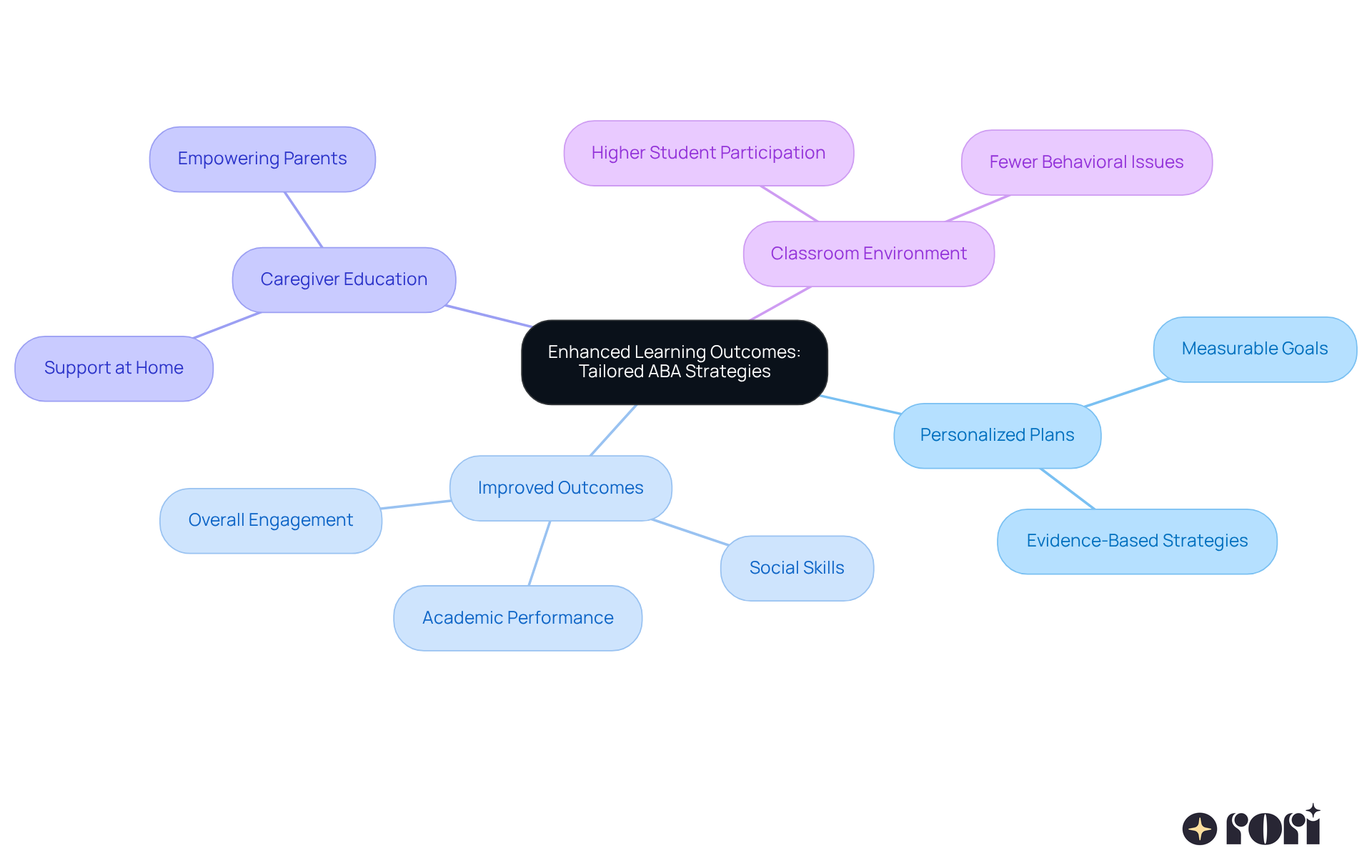
are crafted to meet the unique learning styles and challenges of each individual. Qualified behavior analysts develop that include measurable goals and . For example, and can really help individuals with autism grasp better and follow instructions more effectively.
Studies show that when are tailored, children often make , social skills, and overall engagement in learning. Plus, when caregivers receive education, it enhances support at home, that positively influence their children’s development.
School ABA that implement these strategies frequently notice and fewer behavioral issues, creating a more inviting learning environment. Let’s explore this together and see how these strategies can make a difference for your child!
Collaborative Approach: Educators and BCBAs Working Together
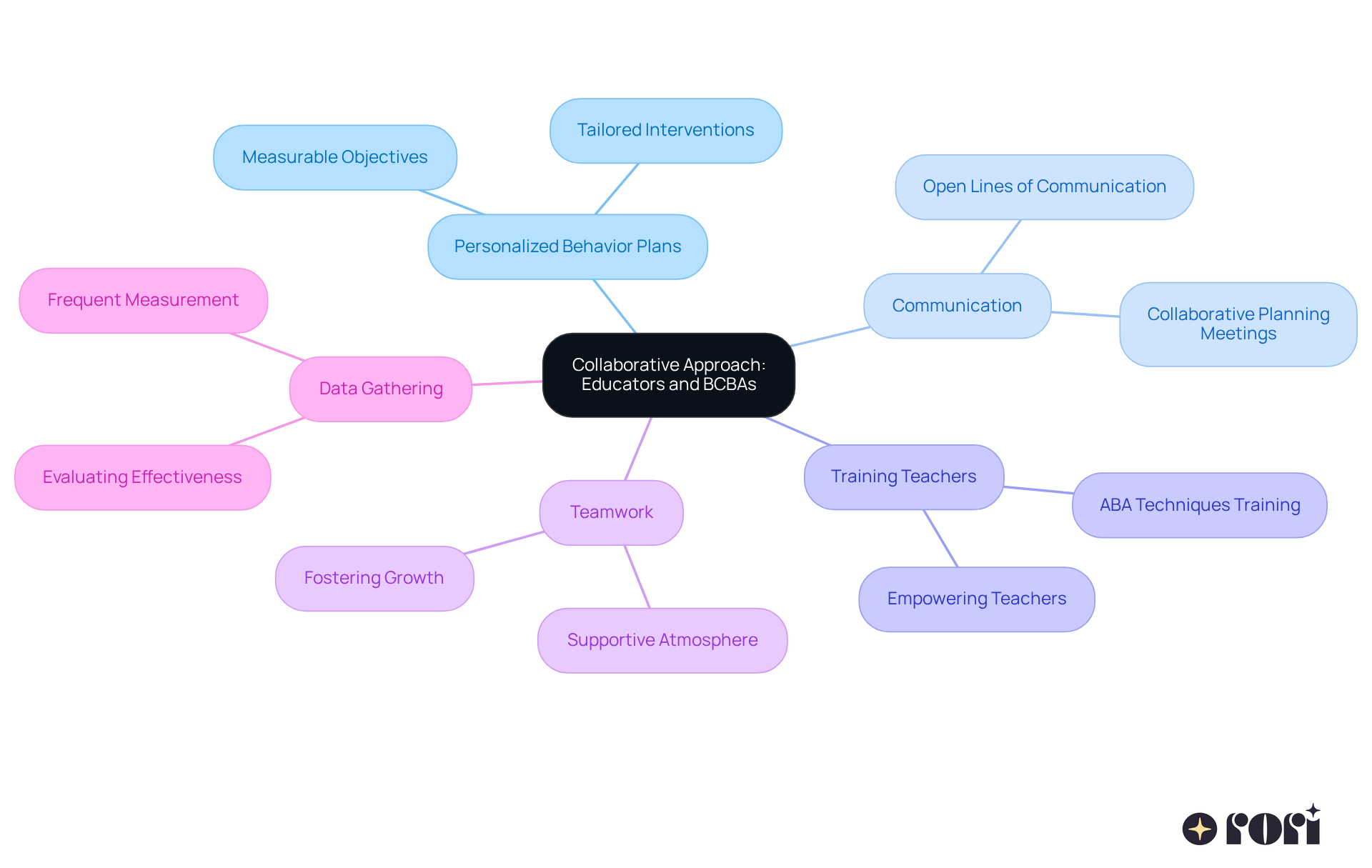
A collaborative approach between educators and s is essential for making school work effectively. This partnership helps create and implement personalized tailored to each individual’s unique needs, with . By keeping the lines of communication open and holding collaborative planning meetings, we can quickly adjust based on the individual’s progress, ensuring that interventions remain effective and relevant.
For instance, a might train teachers in specific ABA techniques, empowering them to reinforce positive behaviors right in the classroom. This teamwork not only enriches the student’s educational experience but also fosters a that encourages growth. Studies show that , which rely on , significantly improve outcomes for individuals with autism. By tapping into the expertise of both educators and BCBAs, along with the involvement of caregivers, the school ABA can develop a unified approach that maximizes the potential for every student to thrive. Let’s explore this together!
Social Skills Development: Fostering Peer Interactions Through ABA
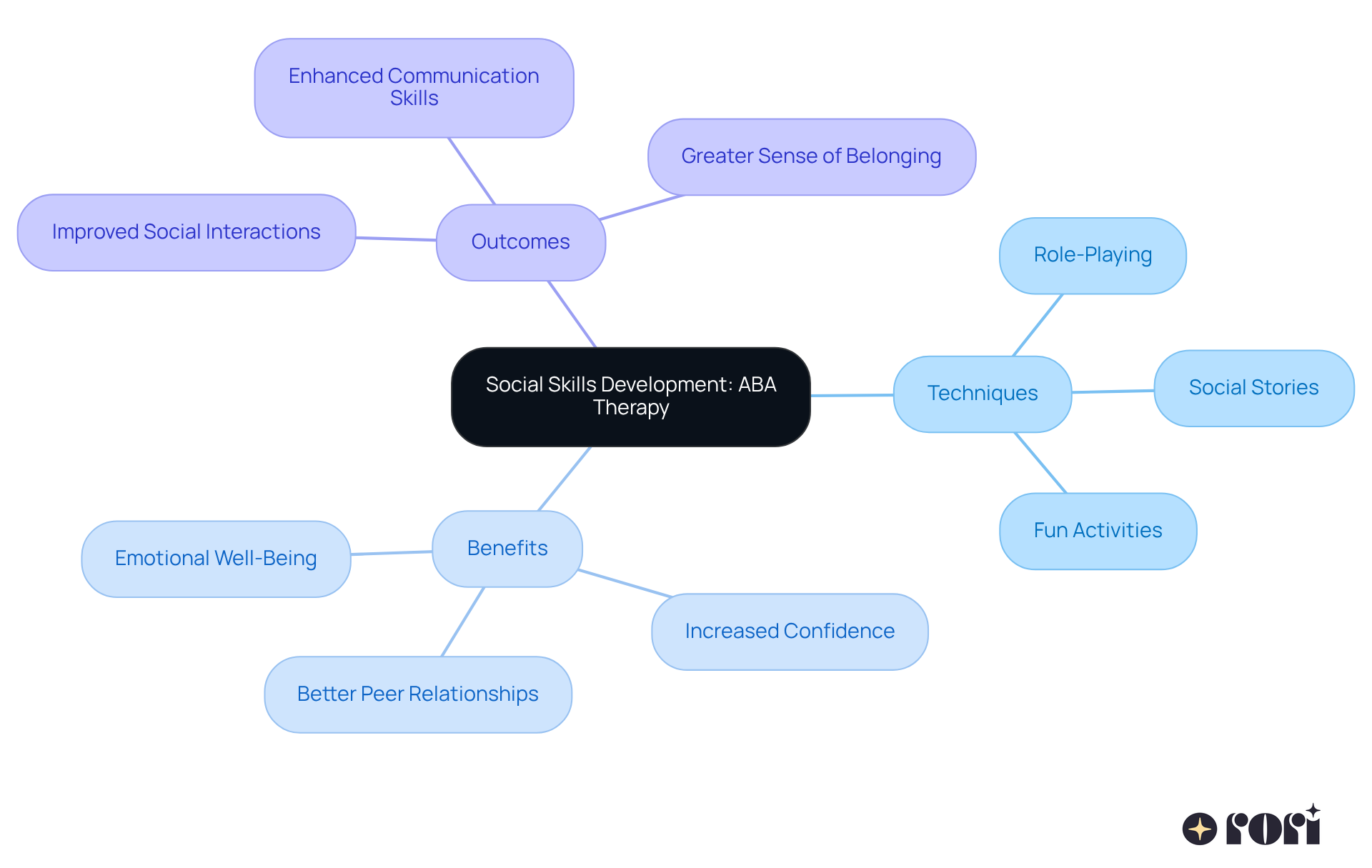
plays a crucial role in helping young people with autism develop their , making feel a bit easier. Through fun, organized activities, kids learn important skills like taking turns, sharing, and starting conversations. Techniques like role-playing and social stories are often used to practice these skills in a safe environment.
For instance, imagine a child engaging in that mimic playground interactions. This allows them to practice appropriate responses and behaviors in a supportive setting. Research shows that these methods can significantly boost , with kids feeling more confident in their interactions. As Ralph Moller notes, “Research has demonstrated that has an over .”
At Rori Care, our clinical leadership team is passionate about neurodiversity and the success of young individuals. We tailor our approaches to and support the of children. Because of this, many kids experience better and a stronger sense of belonging in school. This approach not only nurtures social skills but also supports overall emotional well-being, making ABA a . Let’s explore this together and see how we can make a difference!
Data-Driven Techniques: Measuring Progress and Adjusting Interventions
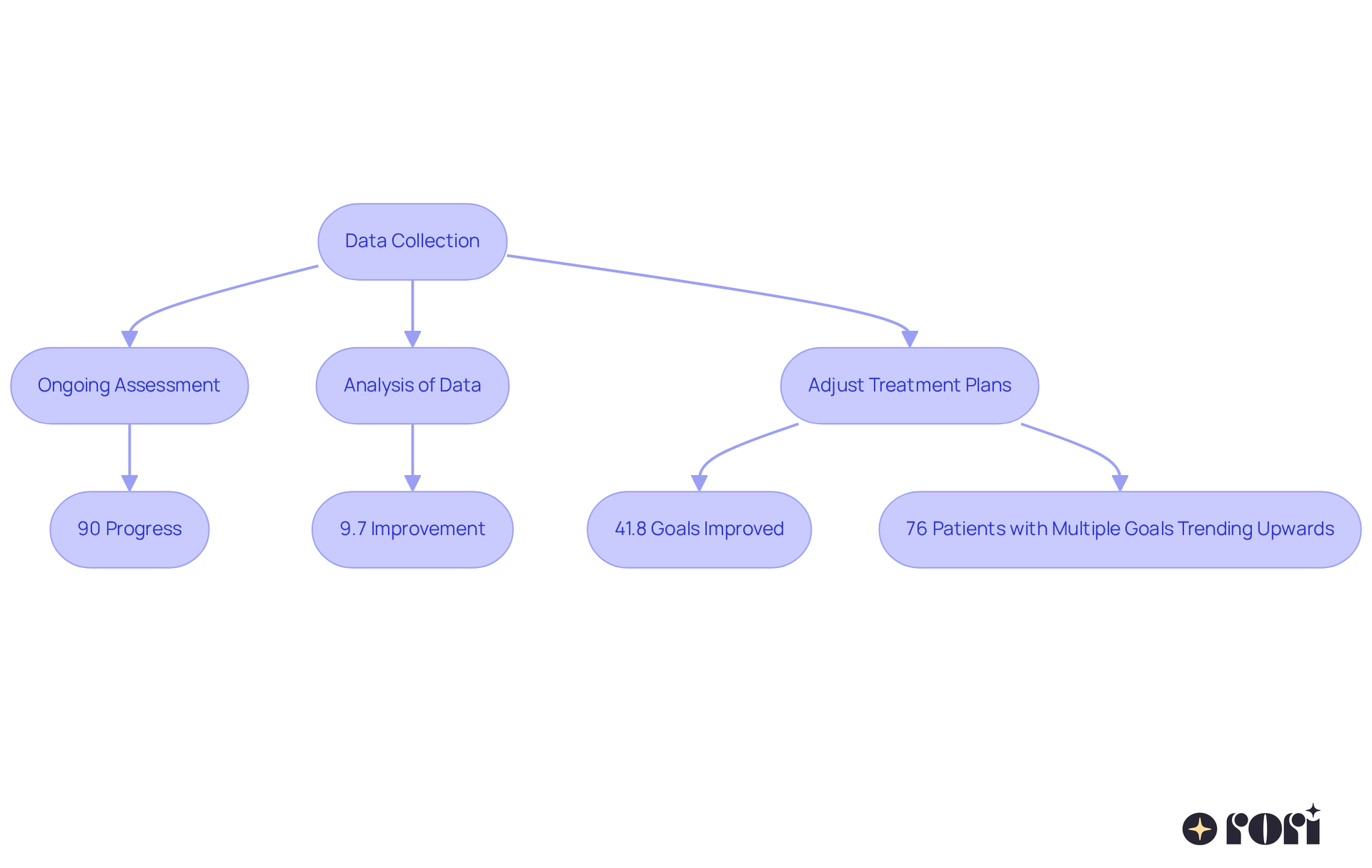
are essential for the success of school ABA practices! They help practitioners systematically gather and evaluate information about a young person’s behavior and development. This ongoing assessment is key to making informed decisions about . For example, if a young person is having a tough time making progress in a specific area, analyzing the data can show the need for a different approach or some extra support. This kind of responsiveness within school ABA ensures that therapy is continuously optimized for maximum effectiveness.
At Rori Care, we’ve seen that significant progress happens in 90% of youngsters when the suggested hours are fully followed, especially with active caregiver participation. Our behavior care engine updates after each session based on the progress made, ensuring that treatment plans are both adaptive and personalized.
Research shows that in school ABA allow therapists to monitor improvements and make necessary adjustments to treatment plans. In fact, a study found that after implementing a , the goal success rate improved by 9.7% compared to the baseline! This really demonstrates how can optimize interventions. Plus, 41.8% of goals showed improvement, and 76% of patients had multiple goals trending upwards. This underscores just how important data is in tracking progress and informing decisions in school ABA.
that in school ABA not only helps identify effective strategies but also allows for modifications to those that aren’t working. By blending evidence-based methods with client values, therapists can ensure that each young person’s treatment is tailored to their unique needs, ultimately promoting better results in their learning and development. And let’s not forget, . We prioritize client well-being and ensure that are applied responsibly. We anonymize and un-identify data before processing, in compliance with HIPAA regulations. Plus, we use advanced models like LLAMA 3, GPT4v, Gemini 1.5, Claude Opus 3, and Mixtral 8x7b to enhance our data handling practices.
Together, we can make a real difference in the lives of young people!
Behavior Intervention Plans: Targeting Specific Challenges in School
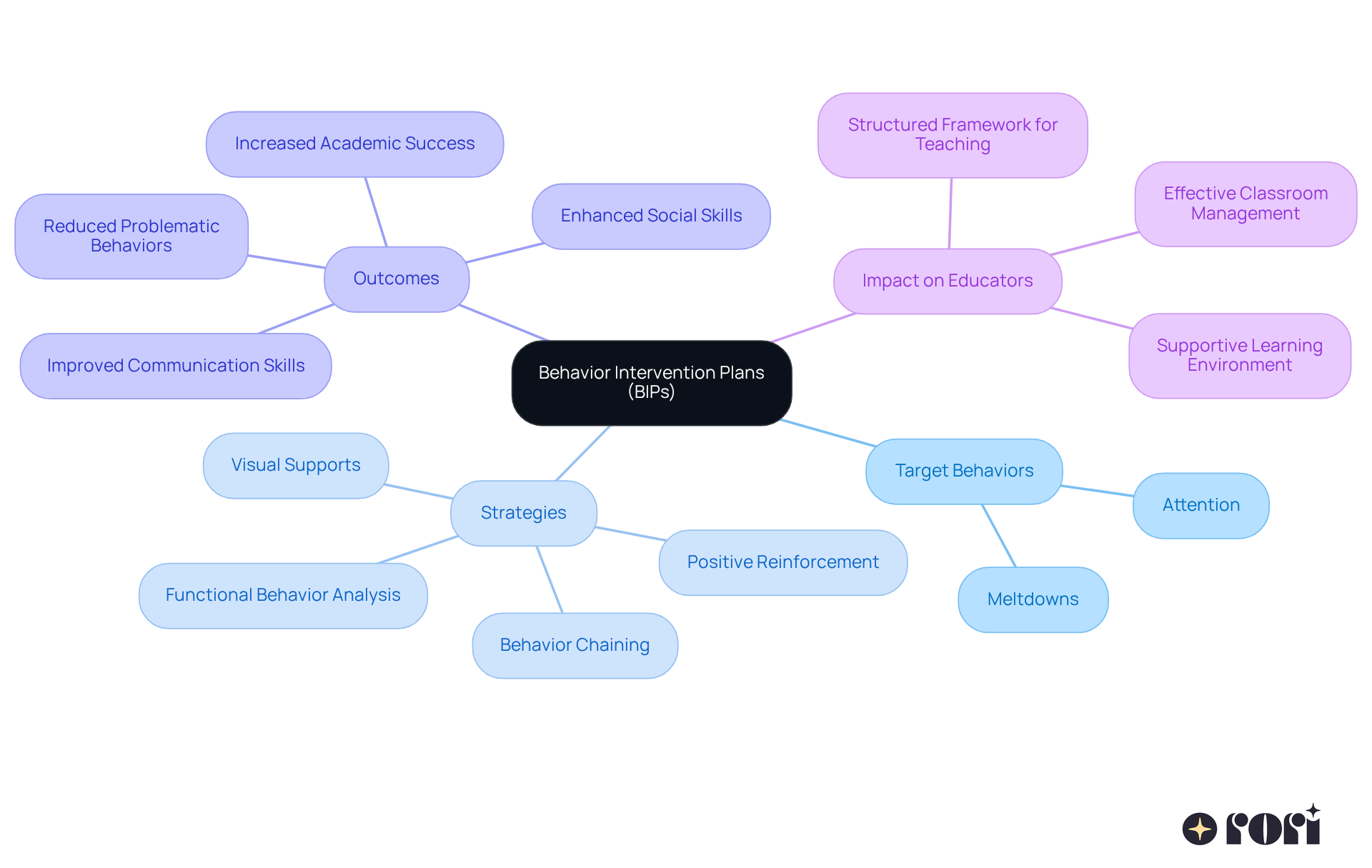
are such essential tools in ABA therapy! They’re thoughtfully designed to tackle the unique behavioral challenges that individuals with autism may encounter in school ABA settings. These plans lay out tailored strategies and interventions, focusing on while also .
For example, a BIP might include techniques to manage meltdowns or boost attention during classroom activities. By clearly defining the behaviors to address and the methods for intervention, school ABA creates a structured framework that not only supports the student but also equips educators with .
At Rori Care, our behavior care engine takes this a step further by conducting for target behaviors and competencies, producing automatic progress reports for clinician review. This empowers caregivers with ABA principles and strategies, enabling them to actively engage in their child’s development through informed decision-making and effective data collection.
Research shows that focused ABA approaches can . Studies highlight that in communication and social skills! Plus, insights from educators reveal that implementing BIPs in school ABA can , fostering a more inclusive and supportive learning environment. This organized method not only aids in but also encourages academic success and social inclusion for individuals with autism. Let’s explore this together!
Building Independence: Empowering Children Through ABA Therapy
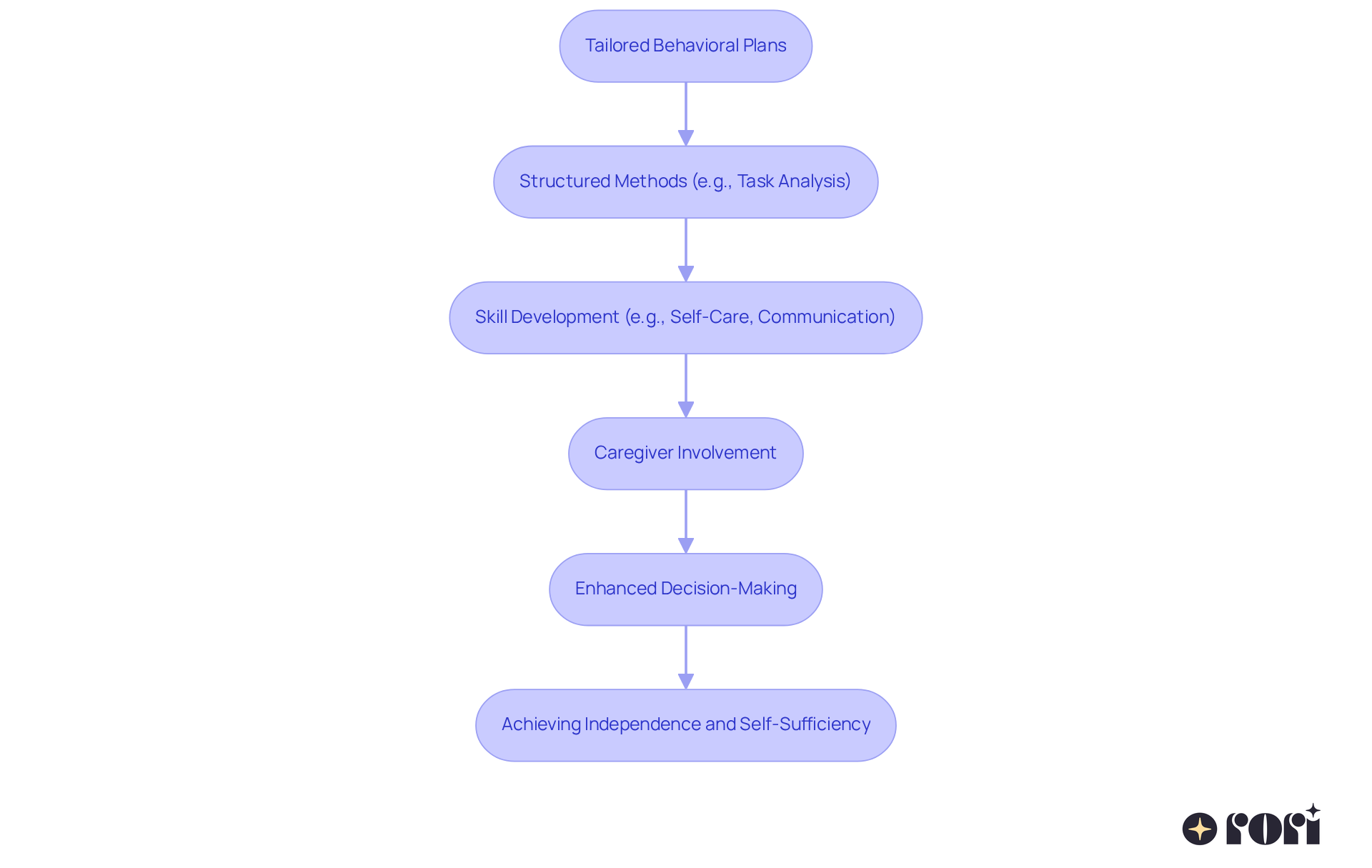
is truly a game-changer for helping kids with autism gain independence! It equips them with like self-care, communication, and decision-making. At school aba, each is tailored to fit the unique needs of every child, ensuring they receive that really supports their learning journey. By breaking down complex tasks into manageable steps through structured methods like task analysis, kids can confidently master new skills.
For example, imagine a young person learning to prepare a simple meal by following a step-by-step visual guide. This approach not only builds independence but also boosts their self-esteem as they achieve new milestones! Research shows that children who engage in intensive for two years or more often see . In fact, 50-75% of them report .
Therapists emphasize the , as these abilities are crucial for navigating daily life. By focusing on practical applications, ABA techniques help kids become more self-sufficient, setting them up for a brighter, more autonomous future. Plus, educating caregivers is a key part of this process! When caregivers are equipped with the right knowledge and skills, they can effectively support their children’s development. With increased , decision-making improves, leading to better behavioral outcomes and furthering the child’s progress in therapy.
Let’s explore this together! Your journey in can be filled with growth and connection.
Parental Involvement: Enhancing ABA Outcomes Through Family Engagement
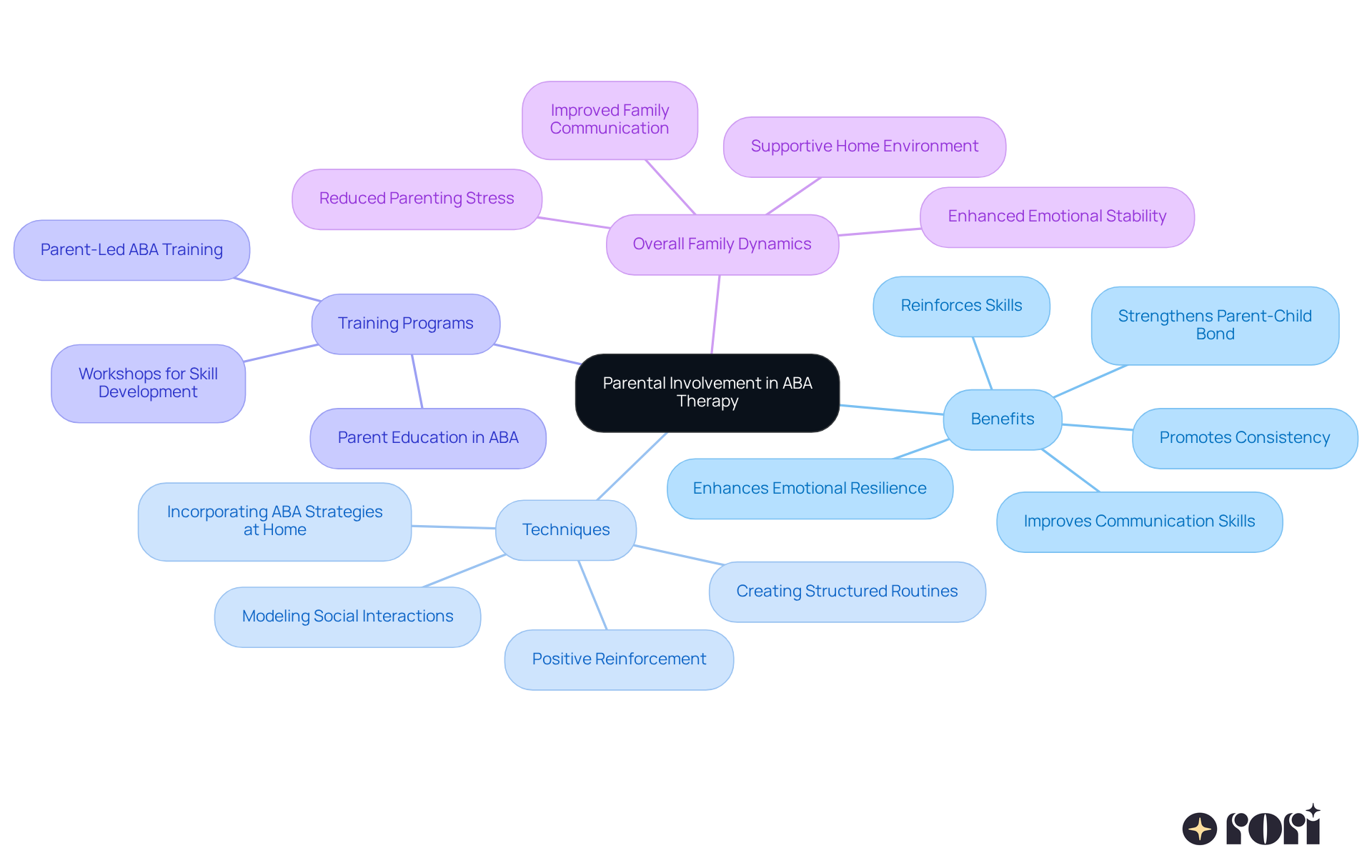
Parental involvement is absolutely vital for the success of ! When , they not only reinforce the skills learned during sessions but also provide consistent support at home. This partnership creates a nurturing environment that accelerates progress and enhances the child’s overall development.
For instance, parents can easily weave techniques from counseling into their daily routines, helping skills generalize across various settings. This , fostering . Research shows that children with engaged parents tend to progress more quickly in treatment, demonstrating improved communication skills and social interactions. Plus, is linked to better emotional regulation and motivation, leading to even more .
To further support their child’s growth, . These programs equip caregivers with a deeper understanding of , empowering them to make informed decisions that positively impact their child’s progress. By enhancing their knowledge and skills, caregivers can provide the right support at home, complementing professional interventions and promoting consistency. This holistic approach not only leads to but also reduces stress and enhances overall family dynamics.
Let’s explore this together! Your involvement can !
Emotional Regulation: Supporting Children’s Emotional Well-Being
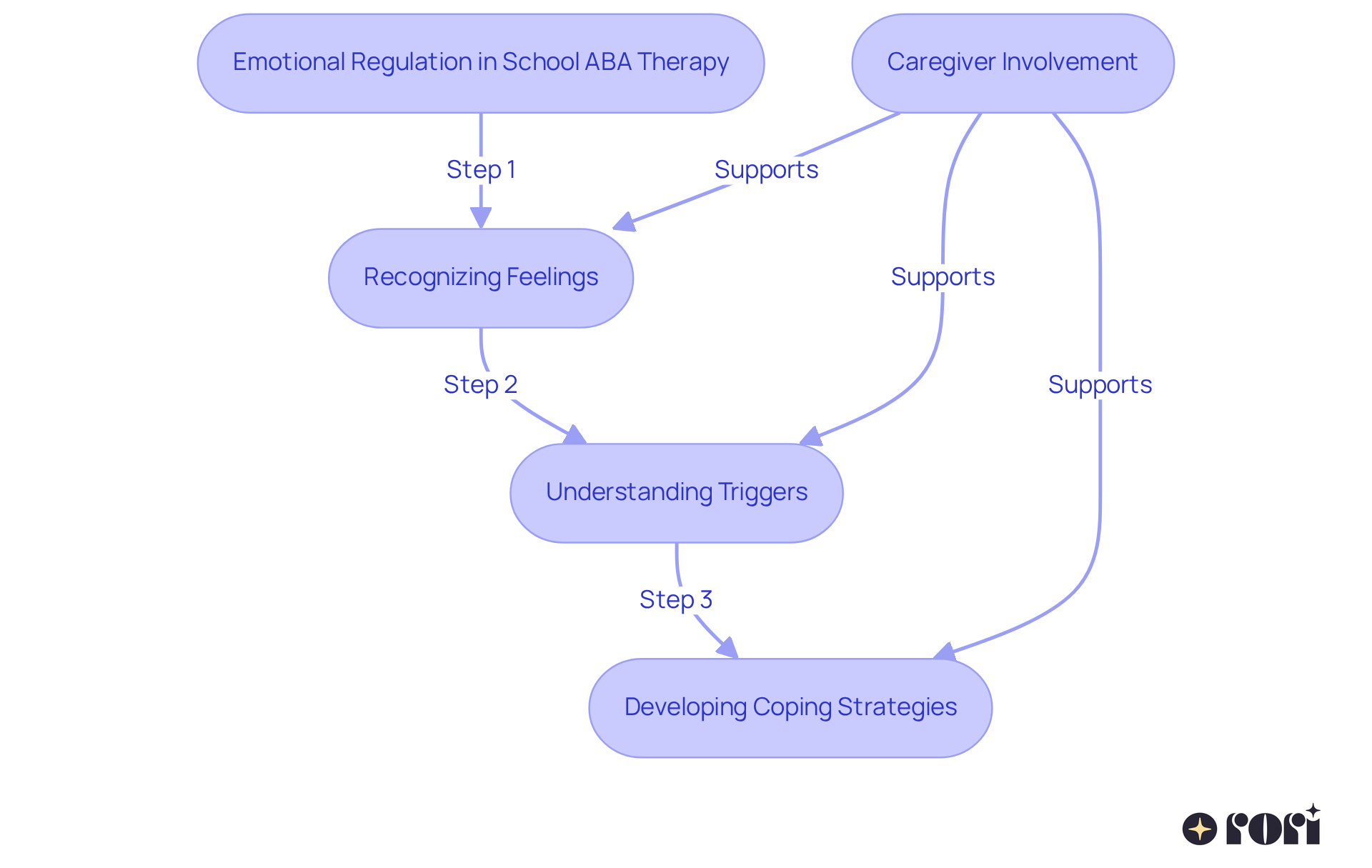
plays a crucial role in . It helps individuals with autism manage their emotions and respond appropriately to various situations in school ABA. At school ABA, help young people learn to recognize their feelings, understand their triggers, and develop . When caregivers are actively involved and informed about the principles of school ABA, this process becomes even more effective—allowing them to at home.
For example, therapists might use like emotion charts to help young individuals identify and label their emotions. By practicing these skills in a nurturing environment, they become more equipped to navigate challenging situations. This leads to and better social interactions. 🌟 Studies show that when the recommended hours of are fully implemented with engaged caregiver participation, around 90% of kids show significant improvement!
Plus, school is the only scientifically proven treatment for autism that’s covered by insurance, which really highlights its effectiveness. empowers families to make informed decisions and provide consistent support—essential for achieving lasting and fostering a loving environment for their children’s growth. Let’s explore this together and see how we can make a difference!
Long-Term Benefits: Improving Quality of Life Through School ABA
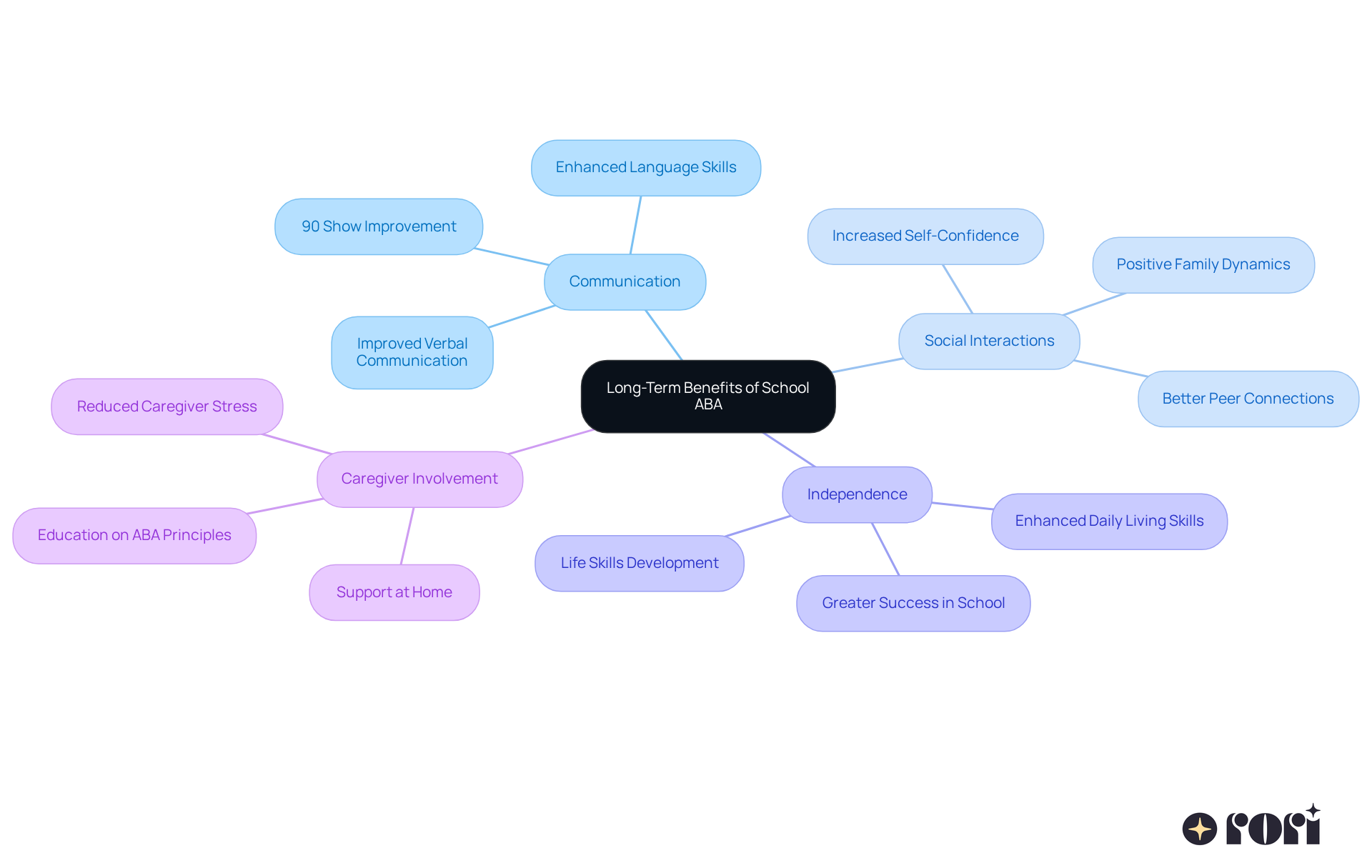
The extend far beyond the classroom, significantly enhancing the quality of life for children with autism. Research shows that when children receive early and consistent interventions from , they make remarkable strides in communication, social interactions, and independence. Kids who participate in school from a young age are better equipped to navigate life’s challenges, developing essential skills that support their overall growth.
Many youngsters undergoing find they connect better with their peers and family. They often experience increased self-confidence and greater success in becoming part of their . In fact, around show noticeable improvements, which really highlights its effectiveness. These positive changes not only enrich their daily lives but also create pathways for a fulfilling and independent future, showcasing the crucial role of school ABA in shaping brighter outcomes for individuals with autism.
Moreover, empowering caregivers through education in school is vital. When caregivers are well-informed, they can , complementing the professional interventions from school ABA and ensuring consistency. Their active involvement and understanding of school ABA strategies lead to , as they are equipped to make informed decisions that positively impact their child’s journey. This empowerment also helps to alleviate stress and fosters healthier family dynamics, making it easier for children to apply the skills they’ve learned during therapy in various settings, including at school ABA.
Let’s explore this together! With the right support and knowledge, we can make a meaningful difference in the lives of our children.
Conclusion
The transformative power of school-based Applied Behavior Analysis (ABA) therapy shines through in how it can significantly improve the lives of children with autism. By focusing on tailored strategies and personalized interventions, ABA therapy not only boosts academic performance but also nurtures social skills, emotional regulation, and independence. Each child’s unique needs are addressed through customized behavior intervention plans, ensuring they get the support they need to thrive in school.
Throughout this article, we’ve explored various aspects of school ABA therapy. We highlighted the importance of collaboration between educators and behavior analysts, the role of parental involvement, and how data-driven techniques effectively measure progress. When caregivers are engaged and informed, they can reinforce learning at home, which further enhances the positive outcomes of therapy. Plus, the long-term benefits of early and consistent ABA interventions significantly contribute to a child’s quality of life, equipping them with essential skills for future success.
Embracing the principles of ABA therapy can lead to meaningful changes—not just for individual children, but also for their families and communities. By advocating for and supporting personalized ABA strategies in schools, we can help create an inclusive environment that nurtures growth and independence. The journey toward empowering children with autism requires collaboration, commitment, and compassion, and the impact of these efforts can resonate for a lifetime. Let’s explore this together!
Frequently Asked Questions
What is Rori Care’s approach to ABA Therapy?
Rori Care takes a personalized approach to ABA Therapy by creating tailored behavior intervention plans that meet each child’s specific needs, helping them navigate school challenges and build independence through essential skills.
How does Rori Care ensure effective support for children?
Rori Care conducts thorough evaluations and crafts individualized treatment plans with clear, measurable goals to promote academic success and social integration for each child.
What kind of interventions does Rori Care implement for students struggling in class?
Rori Care implements targeted interventions based on proven strategies to boost attention and engagement, such as setting specific, measurable goals like increasing on-task behavior by 30% within three months.
What benefits do tailored ABA strategies offer in schools?
Tailored ABA strategies help children make significant strides in academic performance, social skills, and overall engagement in learning, especially when combined with caregiver education.
How do tailored strategies improve classroom behavior?
Schools that implement tailored ABA strategies often notice higher levels of student participation and fewer behavioral issues, creating a more inviting learning environment.
Why is a collaborative approach important in school ABA therapy?
A collaborative approach between educators and BCBAs is essential for creating and implementing effective, personalized behavior intervention plans, ensuring interventions remain relevant and effective.
How do BCBAs support educators in the classroom?
BCBAs can train teachers in specific ABA techniques, empowering them to reinforce positive behaviors directly in the classroom, which enhances the educational experience for students.
What role do caregivers play in the success of ABA therapy in schools?
Involving caregivers in the process enhances support at home, empowering parents to make informed choices that positively influence their children’s development.