
Introduction
Parental involvement is so important when it comes to shaping the social skills of children with autism. It really acts as a catalyst for their interpersonal development! By actively engaging in social skills training, parents can make a huge difference in their children’s behavioral progress and emotional well-being. This creates a nurturing environment that truly fosters growth.
But many parents might wonder: how can they effectively team up with therapists and implement strategies at home to maximize their child’s learning potential? 🤔 This article dives into some best practices that empower caregivers to take an active role in their child’s social skills journey. After all, every interaction counts, and we’re here to help you every step of the way!
Recognize the Importance of Parental Involvement in Social Skills Training
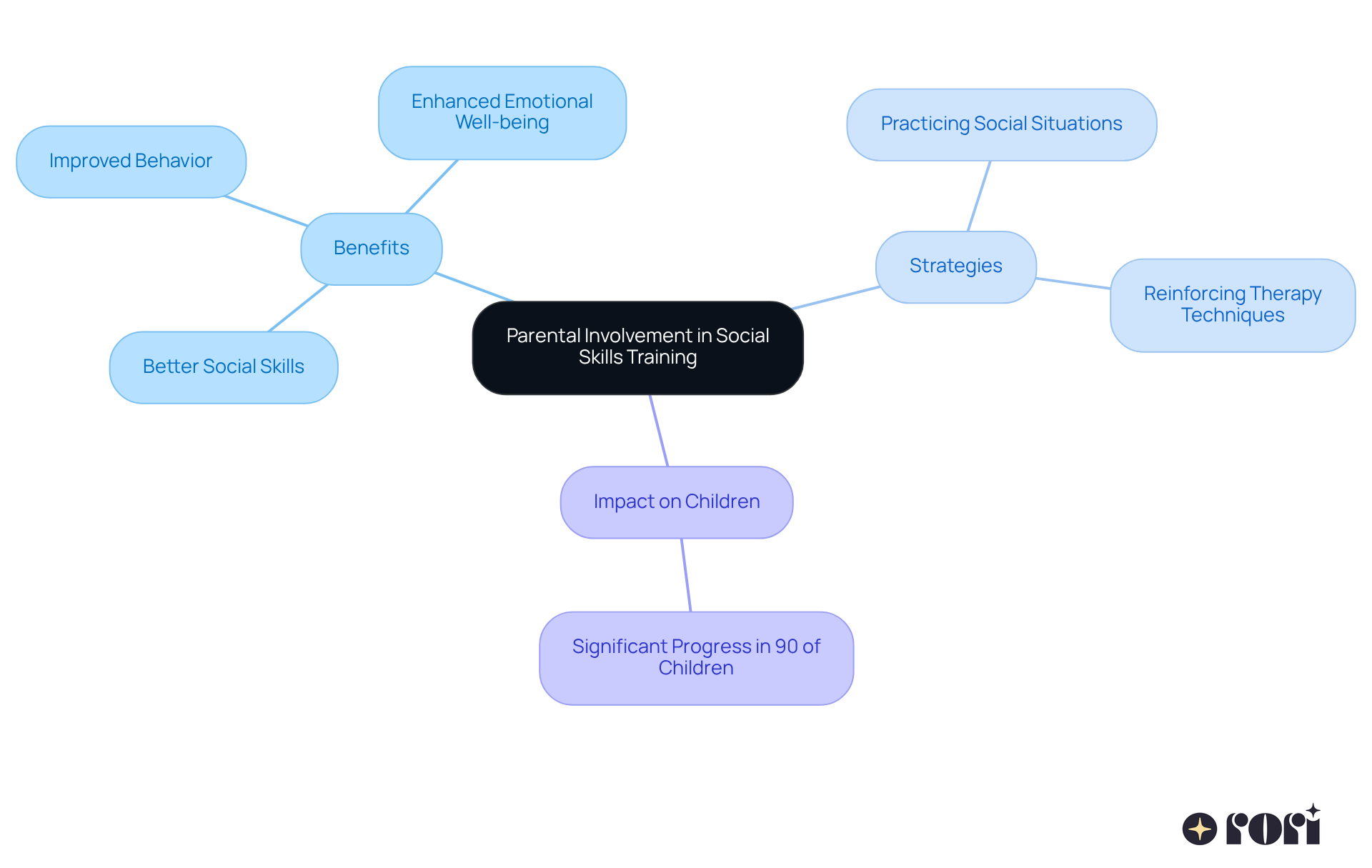
Effective interpersonal development training for kids with autism relies heavily on . Research shows that significantly contributes to the development of better social skills, improved behavior, and enhanced emotional well-being. At Rori Care, we’re all about equipping caregivers with the knowledge and tools they need to support their children’s . We focus on , strategy alignment, and data collection to make this happen.
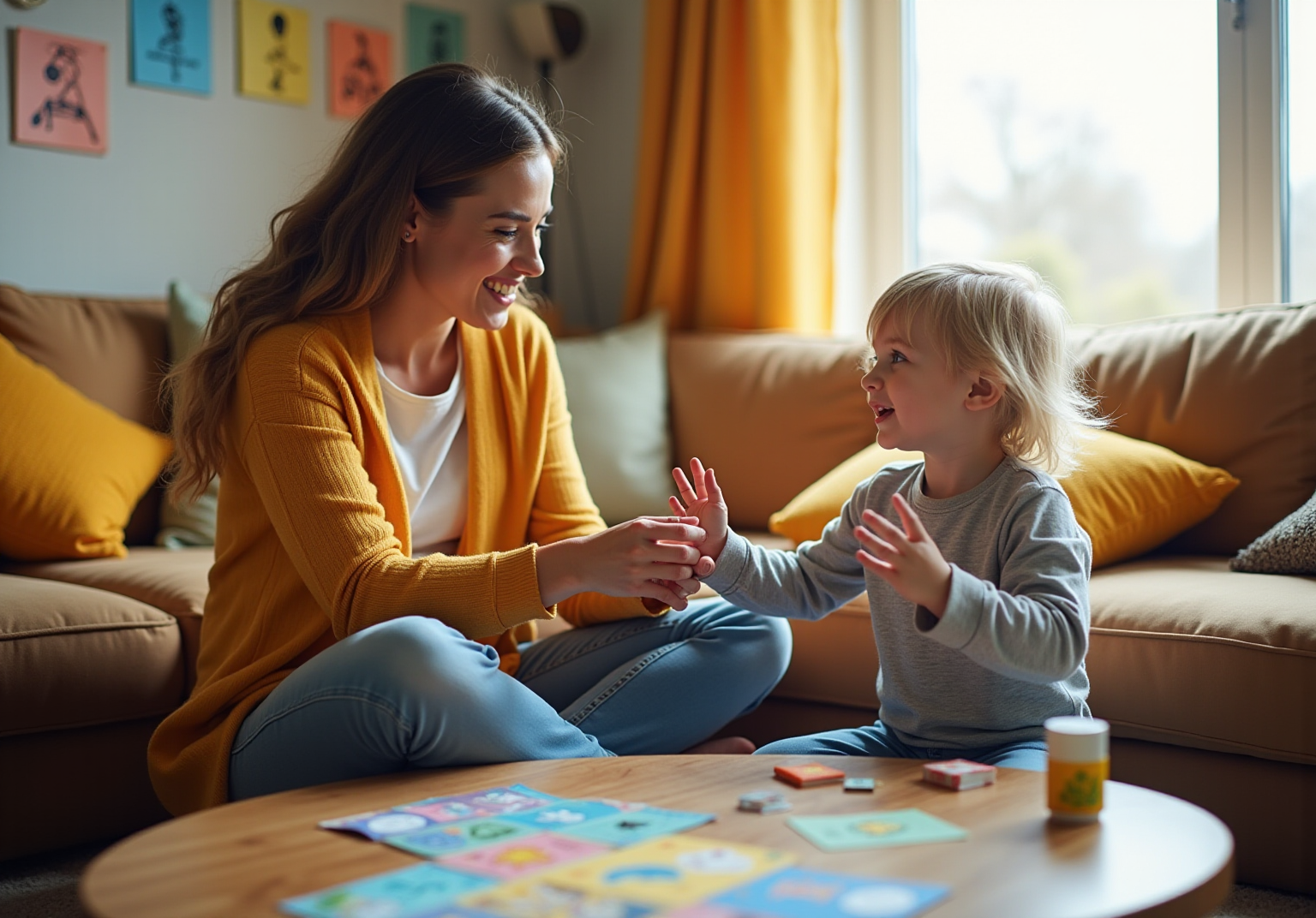
Think about it: parents are the primary role models for their kids. really reinforces what is learned in therapy sessions. By understanding their vital role, parents can enhance , creating a nurturing environment that fosters their children’s social growth. For instance, – like greeting others or sharing – can really help reinforce the techniques taught during therapy.
This active involvement doesn’t just maximize the impact of the intervention; it also leads to significant progress in 90% of children receiving ABA therapy. So, let’s explore this together! Your engagement can in your child’s journey.
Implement Effective Strategies for Home Reinforcement of Social Skills
To , parents can utilize impactful strategies inspired by , highlighting the significance of parental involvement in . One great way to do this is through , like introducing oneself or taking turns during games. This not only teaches kids how to respond appropriately but also builds their confidence in social situations.
For instance, organizing playdates can create a fun environment where kids can practice these skills with friends, enhancing their social abilities. Role-playing breaks down interactions into bite-sized steps, making it easier for kids to handle tricky situations.
Adding , like stories or diagrams, can also help kids understand and remember social cues. These tools make situations more relatable and easier to navigate. Consistency is key; setting aside specific times each week for can really enhance a young person’s learning journey.
Research shows that about 70% of kids who regularly engage in role-playing activities see . That’s why it’s such an important part of effective autism therapy. When caregivers demonstrate for children with autism and adhere to the recommended hours, about 90% of kids show significant progress, highlighting how crucial this engagement is.
Plus, it’s worth noting that is the only scientifically backed treatment for autism that insurance covers. By integrating these methods into daily routines, caregivers can enhance for children with autism, thereby creating a nurturing environment that fosters their children’s interpersonal growth. Let’s explore this together!

Foster Collaboration Between Parents and Therapists for Consistent Support
Cooperation between guardians and therapists is crucial for promoting to help kids develop their ! When , guardians can share their observations and concerns about their child’s progress. Regular meetings are a great chance to chat about as needed.
This partnership ensures , creating a that reinforces the techniques introduced in therapy at home. For instance, when a therapist introduces a new interpersonal skill, enables caregivers to , offering immediate feedback and support. These but also encourage , allowing guardians to actively participate in their child’s development. This leads to better interactions and overall progress. Let’s explore this together!
Engage in Continuous Learning and Training for Enhanced Parental Support
To help your child develop their social skills, is important for . Think about attending workshops, webinars, or in social skills training for children with autism. Organizations like Rori Care offer great resources tailored just for caregivers, sharing . By understanding these strategies better, you can make informed choices that really help your child thrive.
Reading books or articles on can also offer fresh perspectives and techniques. When there is and alignment with therapeutic strategies, you often see , creating a more supportive learning environment. Staying informed boosts your confidence in , which can ease stress and improve family dynamics.
This sense of empowerment, combined with professional support, helps create a cohesive approach to your child’s development. Let’s explore this together! Remember, you’re not alone in this journey, and we’re here to help you every step of the way!

Conclusion
Parental involvement is so important when it comes to helping children with autism develop their social skills. It really serves as a foundation for their growth in interacting with others. When parents actively participate in their child’s learning journey, they can boost the effectiveness of therapy, leading to better social skills, behavior, and emotional health. By recognizing how vital their role is, caregivers can create a nurturing environment that supports their child’s development and reinforces what they learn in therapy sessions.
In this article, we’ve shared some effective strategies for getting parents involved, like:
- Role-playing
- Consistent practice
- Working closely with therapists
These methods not only help reinforce social skills at home but also keep parents informed and empowered in their important role. The evidence shows that when caregivers are engaged, children often make amazing strides in their social interactions and overall growth.
Ultimately, enhancing a child’s social skills is a team effort that thrives on ongoing learning and communication. Parents are encouraged to seek out resources, attend training sessions, and keep an open line of communication with therapists to create a unified approach. By embracing these practices, caregivers can truly make a difference in their child’s life, paving the way for successful social interactions and emotional development. Let’s explore this together!
Frequently Asked Questions
Why is parental involvement important in social skills training for children with autism?
Parental involvement is crucial because it significantly contributes to the development of better social skills, improved behavior, and enhanced emotional well-being in children with autism.
How does Rori Care support parental involvement in social skills training?
Rori Care equips caregivers with knowledge and tools to support their children’s behavioral goals, focusing on ABA principles, strategy alignment, and data collection.
What role do parents play in reinforcing social skills learned in therapy?
Parents serve as primary role models and can reinforce what is learned in therapy sessions by practicing social situations at home, such as greeting others or sharing.
What impact does active parental involvement have on children receiving ABA therapy?
Active parental involvement maximizes the impact of the intervention and leads to significant progress in 90% of children receiving ABA therapy.
How can parents create a nurturing environment for their child’s social growth?
By understanding their vital role and actively participating in social skills training, parents can create a nurturing environment that fosters their child’s social growth.
List of Sources
- Implement Effective Strategies for Home Reinforcement of Social Skills
- The Role of Role-Playing in Developing Social Skills in ABA Therapy for Autism (https://buildingblockstherapy.org/blog/the-role-of-role-playing-in-developing-social-skills-in-aba-therapy-for-autism)
- Effectiveness of social skills training interventions for children with autism spectrum disorder: A systematic review and meta-analysis – PMC (https://pmc.ncbi.nlm.nih.gov/articles/PMC11918677)
- discoveryaba.com (https://discoveryaba.com/aba-therapy/the-benefits-of-scripting-and-role-playing-in-aba-therapy)
- 10 Inspirational Social-Emotional Learning Quotes to Motivate and Empower | Everyday Speech (https://everydayspeech.com/sel-implementation/10-inspirational-social-emotional-learning-quotes-to-motivate-and-empower)
- Foster Collaboration Between Parents and Therapists for Consistent Support
- The Role of Parent Involvement in Autism Therapy Success | Advanced Autism Services (https://advancedautism.com/post/the-role-of-parent-involvement-in-autism-therapy-success)
- The Importance of Collaboration Between Therapists and Parents in Autism Treatment (https://buildingblockstherapy.org/blog/the-importance-of-collaboration-between-therapists-and-parents-in-autism-treatment)
- The Benefits of Parent Collaboration in ABA Therapy (https://yellowbusaba.com/post/the-benefits-of-parent-collaboration-in-aba-therapy)