

Introduction
Parenting can sometimes feel like a rollercoaster ride, especially when it comes to understanding our kids’ unique behaviors. Applied Behavior Analysis (ABA) is like a toolkit for parents, helping us encourage positive behaviors and build a supportive home for our kids.
So, how can we bring these principles into our everyday lives and make a real difference? In this article, we’ll explore some practical strategies for using ABA techniques, focusing on the core principles that can truly transform our parenting journey and support our children’s growth.
Understand Core Principles of ABA
Let’s dive into some core principles of Applied Behavior Analysis (ABA) that can really help you as a parent, especially through using ABA in everyday situations! These principles focus on improving parenting by using ABA in everyday situations to make it a bit easier and more effective.
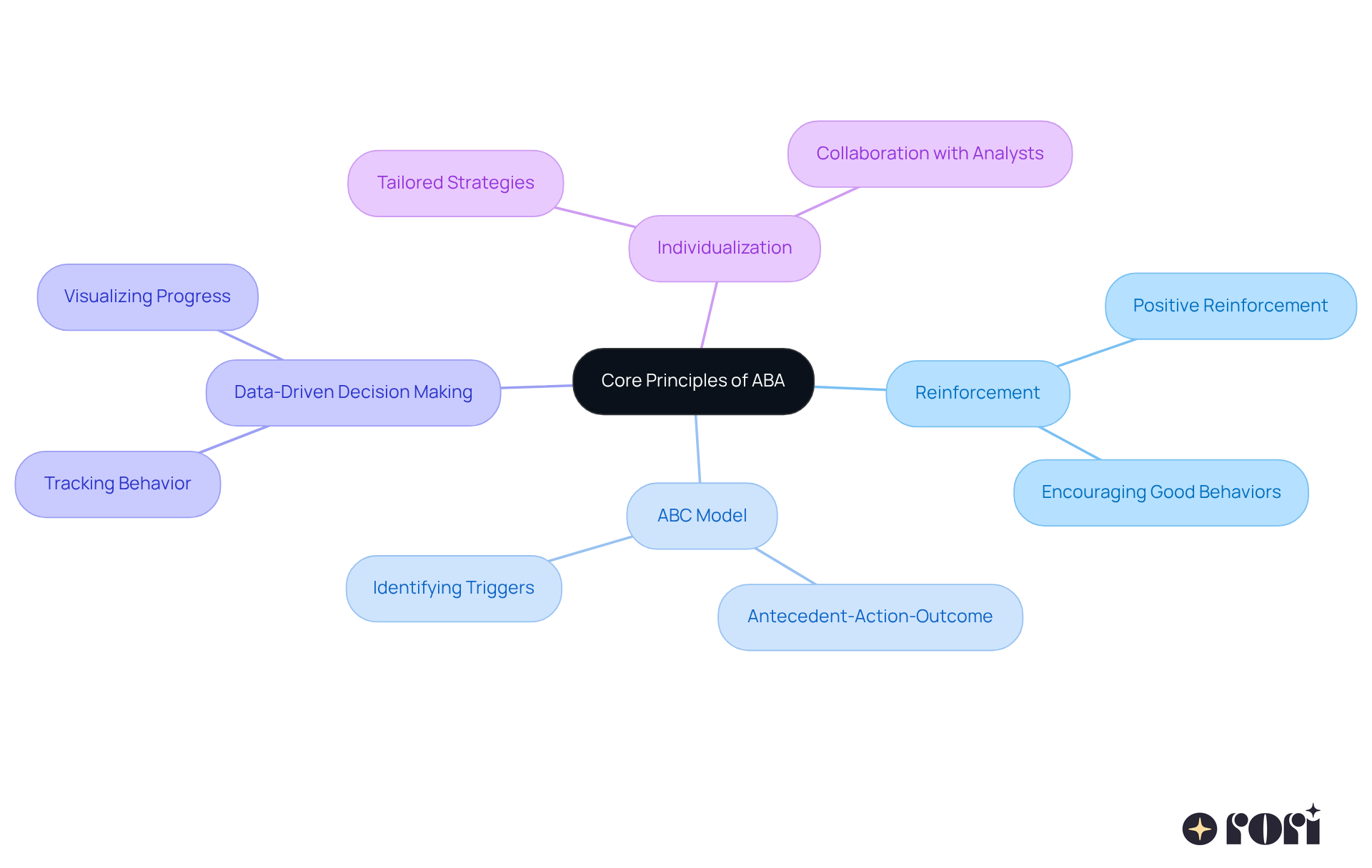
- Reinforcement: This principle is all about giving rewards that make it more likely for your child to repeat good behaviors. Think about it-when you praise your little one or offer a fun reward, like extra playtime for finishing homework, you’re encouraging them to take responsibility. It’s a win-win!
- Antecedent-Action-Outcome (ABC) Model: Understanding the ABC model helps you see how triggers (antecedents) lead to actions and their consequences. For example, if your child acts out when they’re tired, you can tweak their routine to avoid those meltdowns. It’s all about recognizing what sets off certain behaviors.
- Data-Driven Decision Making: ABA emphasizes the importance of tracking your child’s behavior to see what works and what doesn’t. Keeping a simple chart of daily behaviors can help you visualize their progress and spot patterns. This way, you can make informed changes to your approach.
- Individualization: Every child is unique, and ABA highlights the need for personalized strategies. Tailoring your approach to fit your child’s specific needs can make a big difference. Collaborating with a skilled analyst can help you create a plan that includes measurable goals and proven methods.
By using ABA in everyday situations, you can understand and apply these principles to navigate your child’s behavior more easily, creating a warm space for them to learn and grow. Embracing these principles can truly transform your parenting journey and create a more supportive environment for your child’s growth.
Implement Positive Reinforcement Techniques
As parents, we all know how challenging it can be to motivate our little ones to repeat those positive actions we love to see! Positive reinforcement is a powerful tool in ABA, especially when using ABA in everyday situations to encourage young individuals to maintain those favorable behaviors. ABA, or Applied Behavior Analysis, is all about understanding your child’s unique needs and using ABA in everyday situations to help them thrive! Let’s dive into some fun and effective techniques that can make a real difference:
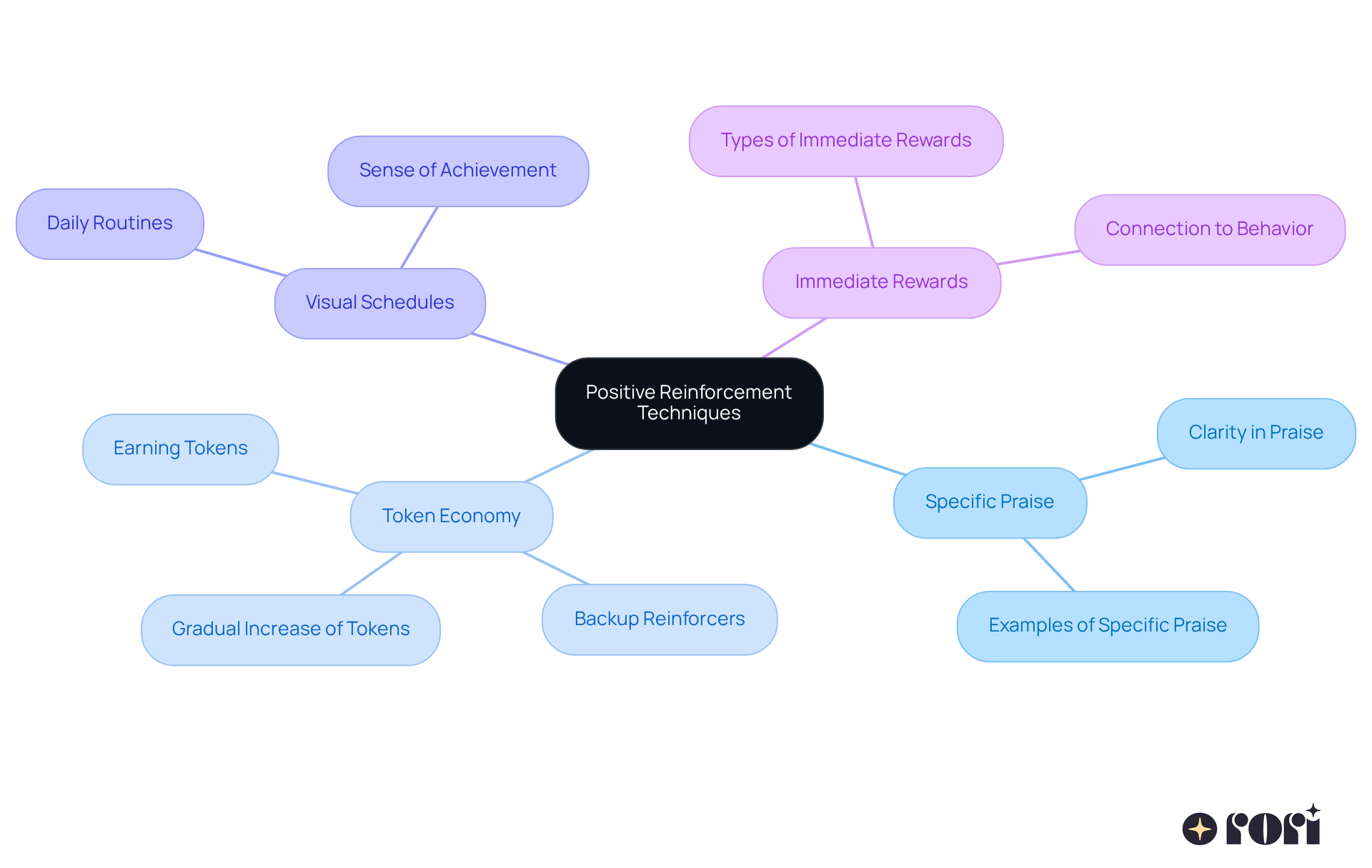
- Specific Praise: Instead of just saying “good job,” try being specific about what you’re praising. For example, say, “I love how you shared your toys with your friend!” This clarity helps kids understand exactly what they did right and encourages them to keep it up.
- Token Economy: Set up a system where your child can earn tokens for positive actions, which they can trade for rewards. This not only motivates them but also teaches about delayed gratification. Start with just a couple of clear target behaviors to keep things manageable for both you and your child, making it easier to stay engaged.
- Visual Schedules: Use visual aids to map out daily routines and tasks. When your child completes a task, they can check it off, giving them a sense of achievement and reinforcing their efforts. This structured approach boosts motivation and helps keep young learners engaged.
- Immediate Rewards: Offer immediate reinforcement right after the desired action. This could be a small treat, extra playtime, or a simple “great job!” The quick reward helps kids connect their actions with positive outcomes, encouraging them to repeat those behaviors.
By consistently using these methods, you can create a positive feedback loop that motivates your child to engage in those preferred actions more often. Research shows that structured reinforcement strategies, like token economies, lead to significant improvements in behavior among young individuals, fostering prosocial actions and reducing challenging behaviors over time. By embracing these techniques, you’re not just guiding your child; you’re building a brighter future together!
Create Structured and Supportive Environments
Creating a structured environment can feel like a daunting task for many parents, but it’s a game-changer for kids with autism. Here are some effective strategies to help you establish that supportive setting:
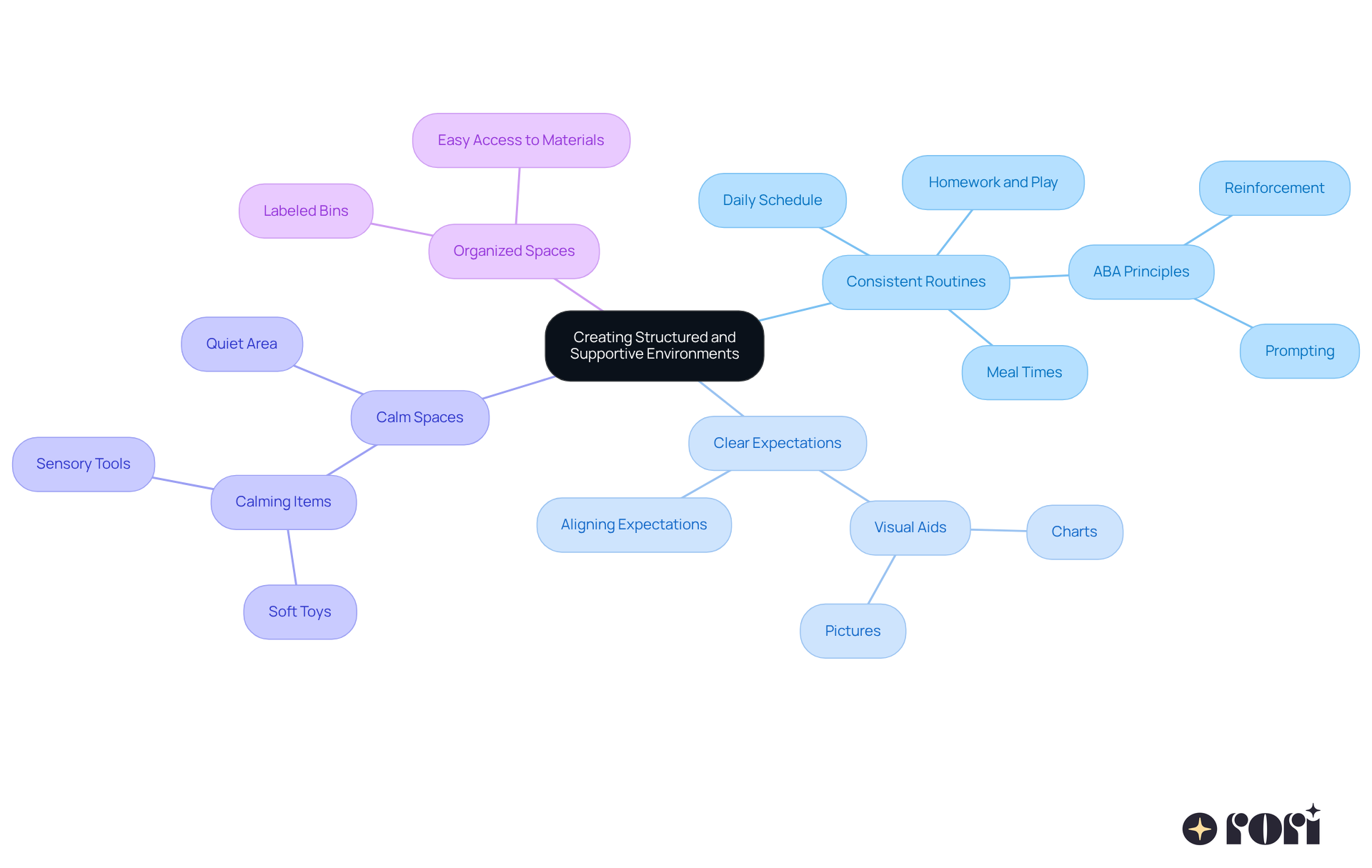
- Consistent Routines: Implementing daily routines can make a world of difference! Think about setting specific times for meals, homework, play, and bedtime. You might be surprised to learn that kids with regular routines often feel less anxious and have fewer meltdowns. Plus, when caregivers understand ABA principles like reinforcement and prompting, they can really help reinforce these routines at home by using ABA in everyday situations, making everything smoother.
- Clear Expectations: Visual aids can be your best friend! Using charts or pictures to communicate expectations helps kids grasp their responsibilities in different situations. Remember, when life feels uncertain, routines can act like an anchor. At Rori Care, we equip parents with strategies to align their expectations with therapeutic goals, creating a consistent learning environment for their kids.
- Calm Spaces: It’s so important to have a quiet area in your home where your child can retreat when feeling overwhelmed. This space should be free from distractions and filled with calming items like soft toys or sensory tools. When you create a calm space, you’re giving your child a safe haven to retreat to when things get overwhelming.
- Organized Spaces: Keeping things organized can really help! Use labeled bins for toys and materials to make it easy for your child to find what they need. This not only promotes independence but also reduces frustration. With the right tools and knowledge, you’ll feel more confident in supporting your child’s journey, leading to better outcomes in their development.
By taking these steps, you’re not just helping your child; you’re also paving the way for a more peaceful home life. Let’s explore this together!
Collaborate with Professionals for Effective Implementation
Navigating your child’s therapy can feel overwhelming, but you don’t have to do it alone! Collaboration with professionals, including Board Certified Behavior Analysts (BCBAs) and therapists, is essential for effectively implementing strategies when using ABA in everyday situations. Here are some friendly tips to help you foster that collaboration:
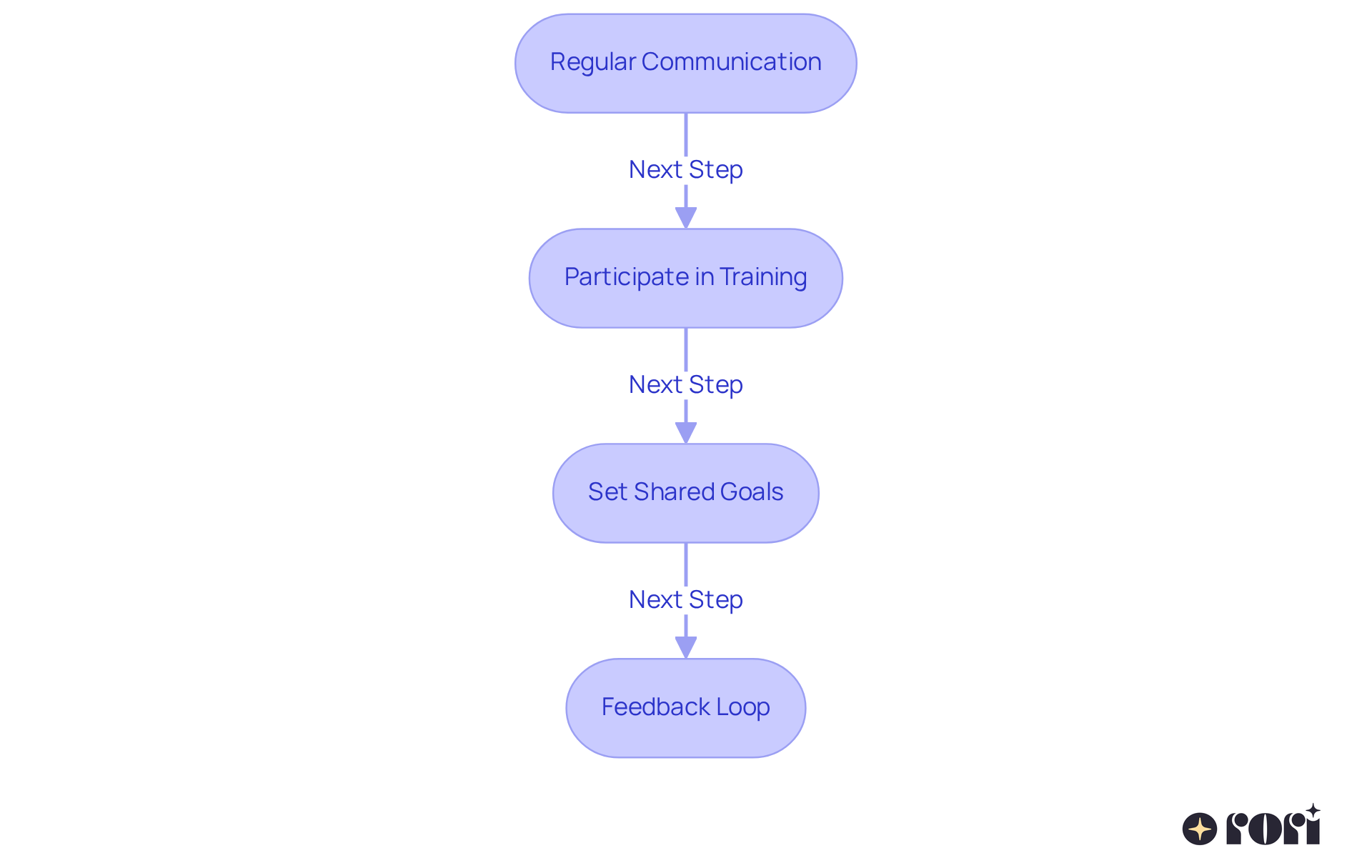
- Regular Communication: Keeping in touch with your child’s therapists is super important! Frequent updates about your child’s progress and challenges help tailor interventions to their needs. Plus, research shows that when parents are involved, kids make great strides in areas like social skills and communication.
- Participate in training by joining sessions with the pros to learn the best techniques for using ABA in everyday situations. This way, you can reinforce what your child is learning in therapy, making everything more consistent and effective.
- Set Shared Goals: Work together with the experts to set clear goals for your child. When everyone is on the same page, it creates a unified approach that supports your child’s development.
- Feedback Loop: Letting the professionals know what works at home is super helpful! Sharing your insights helps them adjust their strategies, ensuring they work well in different settings, which is crucial for long-term success.
By actively collaborating with professionals, you’re not just helping your child; you’re building a brighter future for them. Let’s explore this together!
Conclusion
Navigating the ups and downs of parenting can feel overwhelming, but there’s a way to make it a bit easier! Implementing Applied Behavior Analysis (ABA) in your everyday parenting can create a nurturing environment that helps your child grow and thrive. When you get to know ABA principles, you’ll find it easier to tackle those tricky behavior moments while cheering on your child’s successes!
Throughout this journey, we’ve explored key strategies like:
- Reinforcement
- The ABC model
- The importance of tailoring approaches to fit your child’s unique needs
Techniques such as:
- Specific praise
- Token economies
- Structured environments
can motivate your little ones and create supportive spaces for them to flourish. Plus, teaming up with professionals can help you customize these strategies, making them even more effective.
By embracing these strategies, you’re not just helping your child thrive; you’re also finding joy and confidence in your parenting journey! Remember, you’re not alone in this – let’s explore this together and build a brighter future for our kids!
Frequently Asked Questions
What is Applied Behavior Analysis (ABA)?
Applied Behavior Analysis (ABA) is a therapeutic approach that focuses on improving behaviors through the use of principles like reinforcement, data tracking, and individualization, making parenting more effective.
How does reinforcement work in ABA?
Reinforcement involves giving rewards to encourage good behaviors in children. For example, praising a child or offering extra playtime for completing homework increases the likelihood of them repeating those positive behaviors.
What is the ABC model in ABA?
The ABC model stands for Antecedent-Action-Outcome. It helps parents understand how triggers (antecedents) lead to specific actions and their consequences, allowing them to adjust routines to prevent undesirable behaviors.
Why is data-driven decision making important in ABA?
Data-driven decision making is crucial in ABA because it involves tracking a child’s behaviors to identify what strategies work best. Keeping a chart of daily behaviors helps visualize progress and recognize patterns, enabling informed adjustments to parenting approaches.
How does individualization play a role in ABA?
Individualization in ABA emphasizes that every child is unique, requiring personalized strategies. Tailoring approaches to meet a child’s specific needs, often with the help of a skilled analyst, can significantly enhance effectiveness and support their growth.
How can parents apply ABA principles in everyday situations?
Parents can apply ABA principles by recognizing triggers for behaviors, using reinforcement to encourage positive actions, tracking behaviors for insights, and customizing strategies to fit their child’s individual needs, thereby creating a supportive learning environment.
List of Sources
- Understand Core Principles of ABA
- The Numbers Don’t Lie: Revealing Autism Therapy Statistics | Above and Beyond Therapy (https://abtaba.com/blog/autism-therapy-statistics)
- How Effective Is ABA Therapy? Success Rates Explained (https://blueabatherapy.com/aba/aba-therapy-success-rates)
- Applied Behavior Analysis (ABA) Statistics: Data, Effectiveness, and Evidence-Based Practices (https://nexoaba.com/applied-behavior-analysis-statistics)
- Best ABA Quotes (https://testpreptech.com/post/best-aba-quotes)
- Understanding the Success Rates of ABA Therapy (https://magnetaba.com/blog/success-rates-of-aba-therapy)
- Implement Positive Reinforcement Techniques
- How Token Economy Systems Work in ABA Therapy: A Parent’s Complete Guide (https://stridesaba.com/how-token-economy-systems-work-in-aba-therapy-a-parents-complete-guide)
- Effectiveness of Token Economy Therapy in Reducing Aggressive Behaviors Among Orphanage Children: A Pilot Study – PMC (https://pmc.ncbi.nlm.nih.gov/articles/PMC12156682)
- (PDF) The Long-Term Effects of Early Childhood Positive Reinforcement Interventions on Prosocial Behavior and Self- Regulation in Elementary School Children (https://researchgate.net/publication/393374735_The_Long-Term_Effects_of_Early_Childhood_Positive_Reinforcement_Interventions_on_Prosocial_Behavior_and_Self-_Regulation_in_Elementary_School_Children)
- The Impact of Positive Reinforcement on ABA Therapy Outcomes (https://crossrivertherapy.com/articles/the-impact-of-positive-reinforcement-on-aba-therapy-outcomes)
- Expert Columns: Use Token Economies to Provide Positive Reinforcement and Modify Behavior (https://mayinstitute.org/news/acl/asd-and-dd-child-focused/use-token-economies-to-provide-positive-reinforcement-and-modify-behavior)
- Create Structured and Supportive Environments
- Research on Daily Routines and Their Role in Helping Children Thrive (https://mentalhealthcenterkids.com/blogs/articles/research-on-daily-routines-and-their-role-in-helping-children-thrive)
- 80 Inspiring Quotes on Autism Awareness and Support – Empower ABA (https://empoweraba.com/80-inspiring-quotes-on-autism-awareness-and-support)
- Journal of Family Theory & Review | NCFR Family Science Journal | Wiley Online Library (https://onlinelibrary.wiley.com/doi/10.1111/jftr.12549)
- Collaborate with Professionals for Effective Implementation
- Maximizing ABA Therapy Outcomes: The Importance of Parental Involvement – Cultivate BHE (https://cultivatebhe.com/maximizing-aba-therapy-outcomes-the-importance-of-parental-involvement)
- Inspirational ABA and Autism Quotes – Mrs. Moe’s Modifications (https://mrsmoesmodifications.com/inspirational-aba-and-autism-quotes)
- The Importance of Collaboration Between Therapists and Parents in ABA Therapy – Big Dreamers ABA (https://bigdreamersaba.com/blog/the-importance-of-collaboration-between-therapists-and-parents-in-aba-therapy)
- 80 Inspiring Quotes on Autism Awareness and Support – Empower ABA (https://empoweraba.com/80-inspiring-quotes-on-autism-awareness-and-support)
- Quotes About Autism – Arms Wide Open ABA Therapy (https://armswideopenaba.com/blog/quotes-about-autism)