

Introduction
Navigating the complexities of autism can feel like a daunting journey for families, especially when it comes to the challenge of elopement. Did you know that nearly 50% of individuals with autism engage in wandering behaviors? That’s a staggering statistic! It really highlights how crucial it is to have effective community resources at our fingertips.
In this article, we’ll explore ten invaluable resources designed to empower families like yours. These strategies and support systems not only enhance safety but also foster a sense of community and understanding. How can these resources transform the way families approach elopement? What proactive steps can we take to ensure the well-being of our loved ones? Let’s dive in and discover together!
Rori Care – ABA Therapy: Comprehensive Support for Autism Care
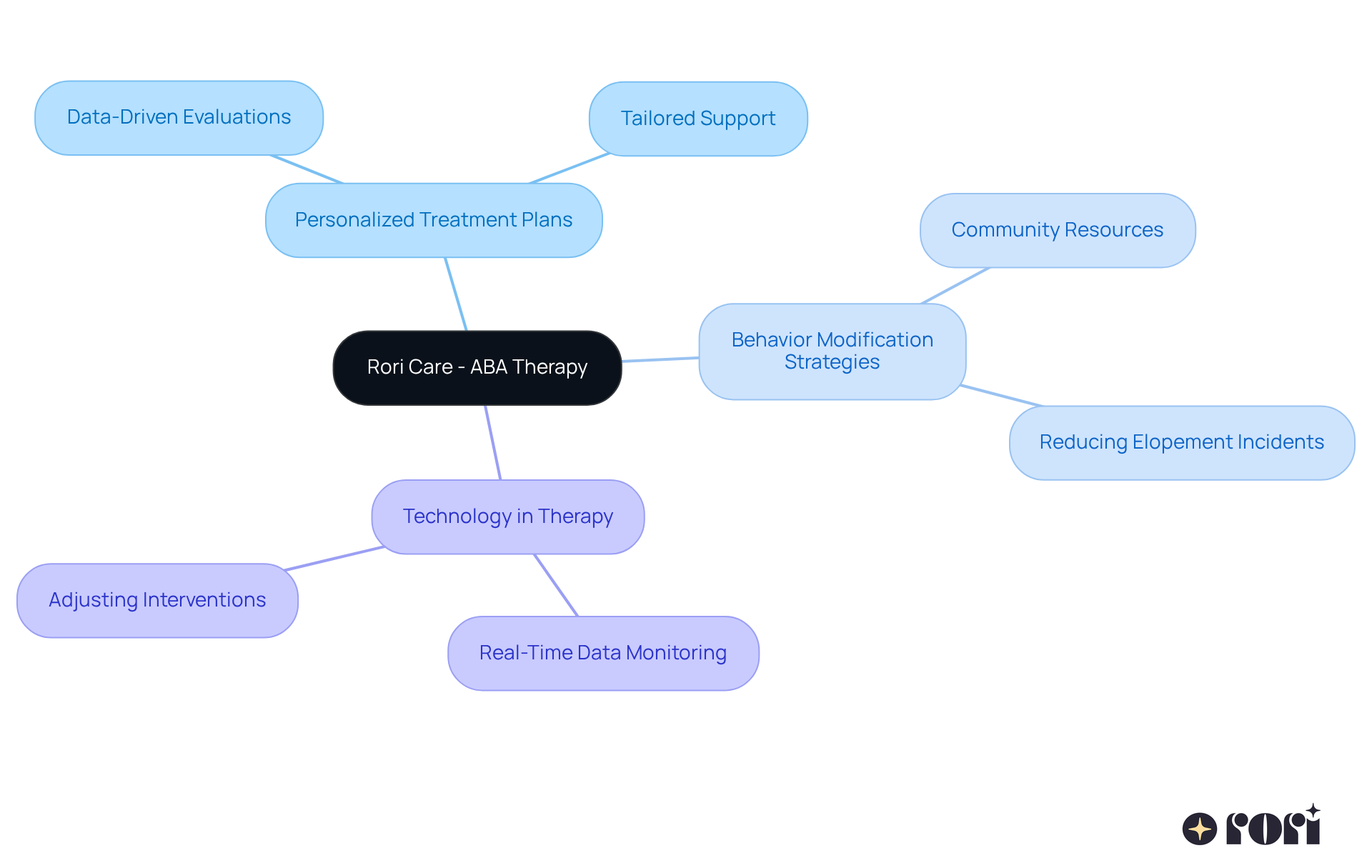
At Rori Care, we understand the unique challenges that families face when it comes to supporting youth with autism. Our extensive is designed just for them, combining data-driven evaluations with . This means every child gets the !
We know that can be a game-changer. By focusing on this, we empower families and clinicians to adopt effective strategies utilizing that can really help . Imagine feeling more secure knowing you have the right tools at your fingertips!
Plus, we’re all about using to enhance the therapeutic experience. With , we can and adjust interventions as needed. This innovative approach not only creates a safer environment for young individuals but also encourages their overall development and independence.
Let’s explore this together! We’re here to help you every step of the way!
National Autism Association: Resources on Autism and Wandering
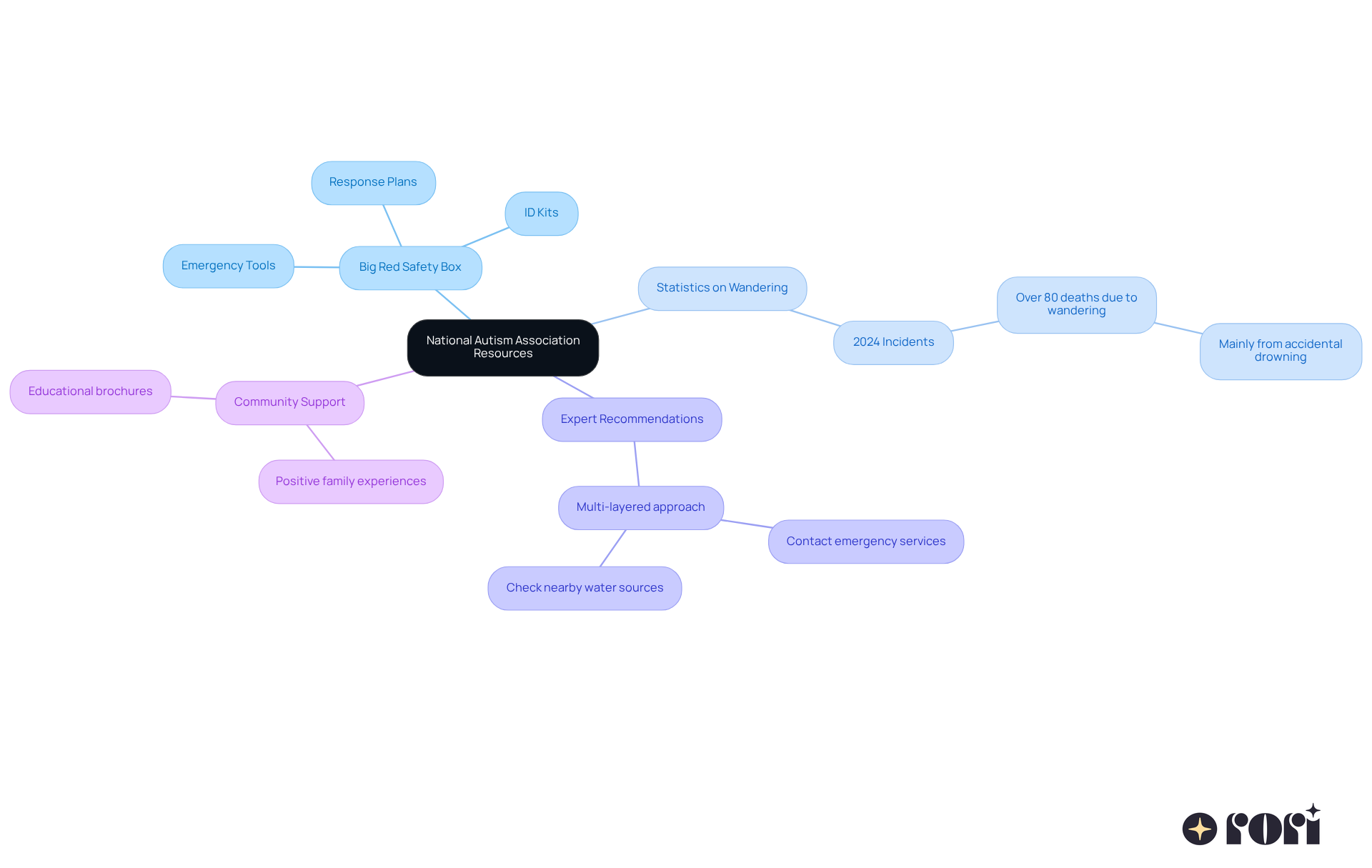
The National Autism Association (NAA) has a fantastic range of , aimed at helping them . One standout offering is the ‘,’ packed with . Since it launched in 2011, this initiative has delivered over 75,000 boxes, making a real difference in keeping children safe from wandering.
Families who have accessed often share . The NAA’s protective toolkits not only equip families with practical tools but also come with educational brochures that raise awareness about the . Sadly, in 2024, over 80 youths with autism lost their lives due to wandering, mainly from accidental drowning. This highlights just how crucial these are.
Experts agree that these safety toolkits are effective. They advocate for a , emphasizing the importance of quick actions, like contacting emergency services and checking nearby water sources if a child goes missing. By utilizing community resources for families of children with autism who elope, provided by the NAA, families can take , ultimately creating a safer environment for those at risk of wandering.
Let’s explore this together! By reaching out and utilizing community resources for families of children with autism who elope, you’re not only taking a step for your child’s safety but also joining a community that understands and supports you.
CDC: Guidelines on Wandering and Safety for Children with Disabilities
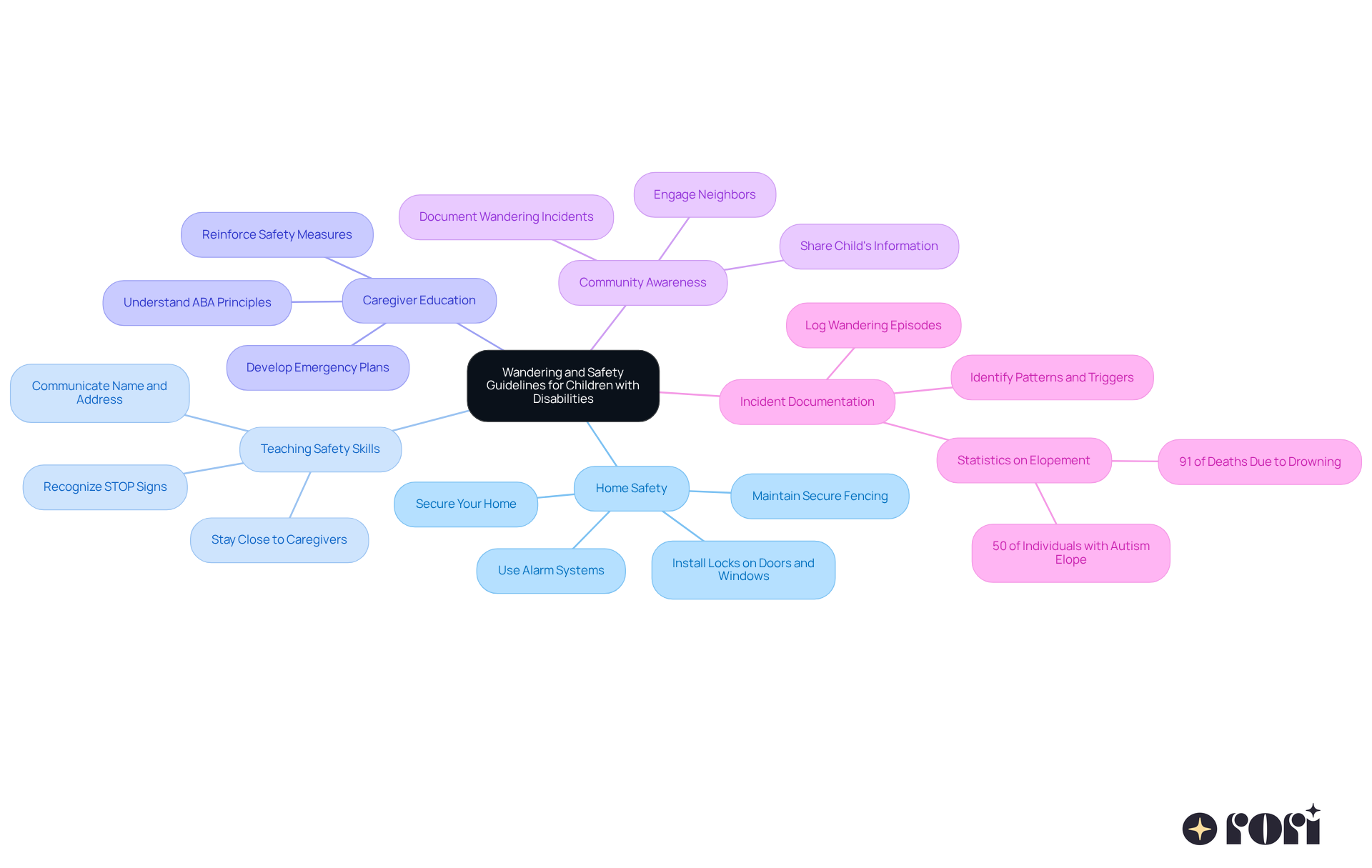
The Centers for Disease Control and Prevention (CDC) shares important guidelines aimed at helping families protect youth with disabilities, especially those who might wander off, and emphasizes the need for . One key tip? Secure your home! Simple locks on doors and windows can make a big difference in keeping your little ones safe from . It’s also a great idea to teach your kids , like recognizing STOP signs and understanding why it’s important to stay close to caregivers. And don’t forget about having a solid in place! This plan should outline what to do if a child strays away.
Now, let’s talk about . It’s super important! By giving caregivers a better understanding of , they can make informed choices that really help their child thrive. This knowledge allows caregivers to consistently reinforce safety measures at home, working hand-in-hand with professional interventions.
Community awareness plays a huge role in preventing wandering incidents, too. Getting neighbors and local community members involved can create a supportive network that boosts security. For instance, families can share information about their child’s wandering habits, including a picture and contact details, to ensure quick communication in emergencies. Plus, the CDC emphasizes the importance of . This can help caregivers spot patterns and triggers, leading to more effective prevention strategies.
Experts in youth safety recommend that families regularly assess their home for and implement , like alarm systems that alert guardians when doors are opened. By following these guidelines and utilizing , families can significantly reduce the risks associated with wandering and create a safer environment for their kids. Did you know that nearly 50% of individuals with autism engage in elopement behavior? And tragically, 91% of fatalities in those with autism under 14 occur due to drowning after elopement. Individuals with autism are also 160 times more likely to drown compared to their neurotypical peers. By following these recommendations and empowering caregivers through education, families can take proactive steps to keep their children safe. Let’s explore this together!
Marcus Autism Center: Elopement Prevention Strategies
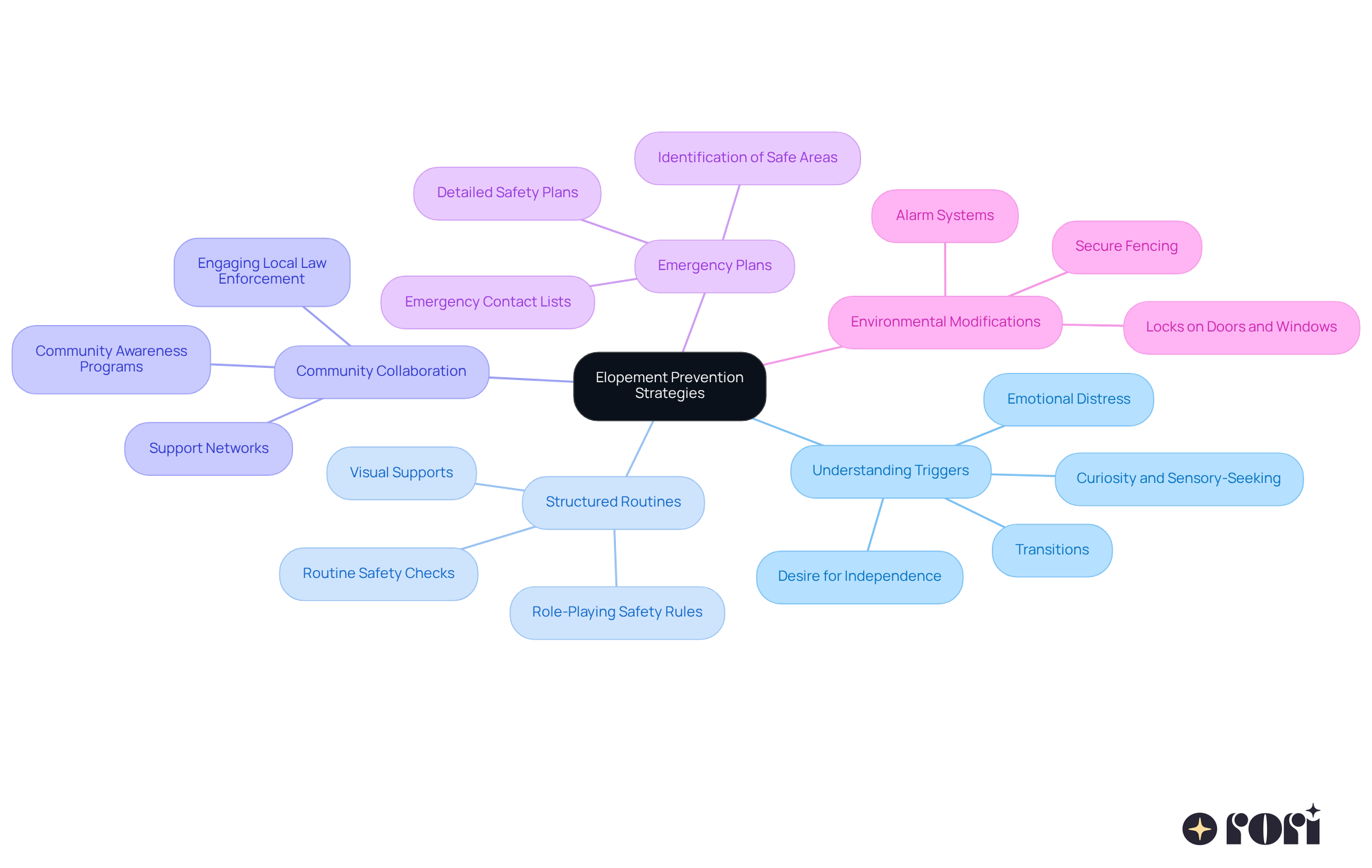
At the Marcus Autism Center, we recognize that wandering can be a significant concern for families, which is why we provide . That’s why we offer specialized strategies that focus on . Imagine creating structured routines and using . Plus, engaging in can make a big difference!
We encourage families to and community members to improve . It’s all about working together! and utilizing community resources for families of children with autism who elope, along with making some simple , are crucial steps to minimize the risk of elopement. By implementing these strategies, you can create a supportive environment that significantly boosts the safety and well-being of individuals with autism.
And let’s not forget about ! Incorporating progress reports and active caregiver participation, as highlighted in Applied Behavior Analysis Therapy, can really strengthen these efforts. It ensures that each individual’s unique needs are addressed effectively. Let’s explore this together and make a positive impact on your family’s journey!
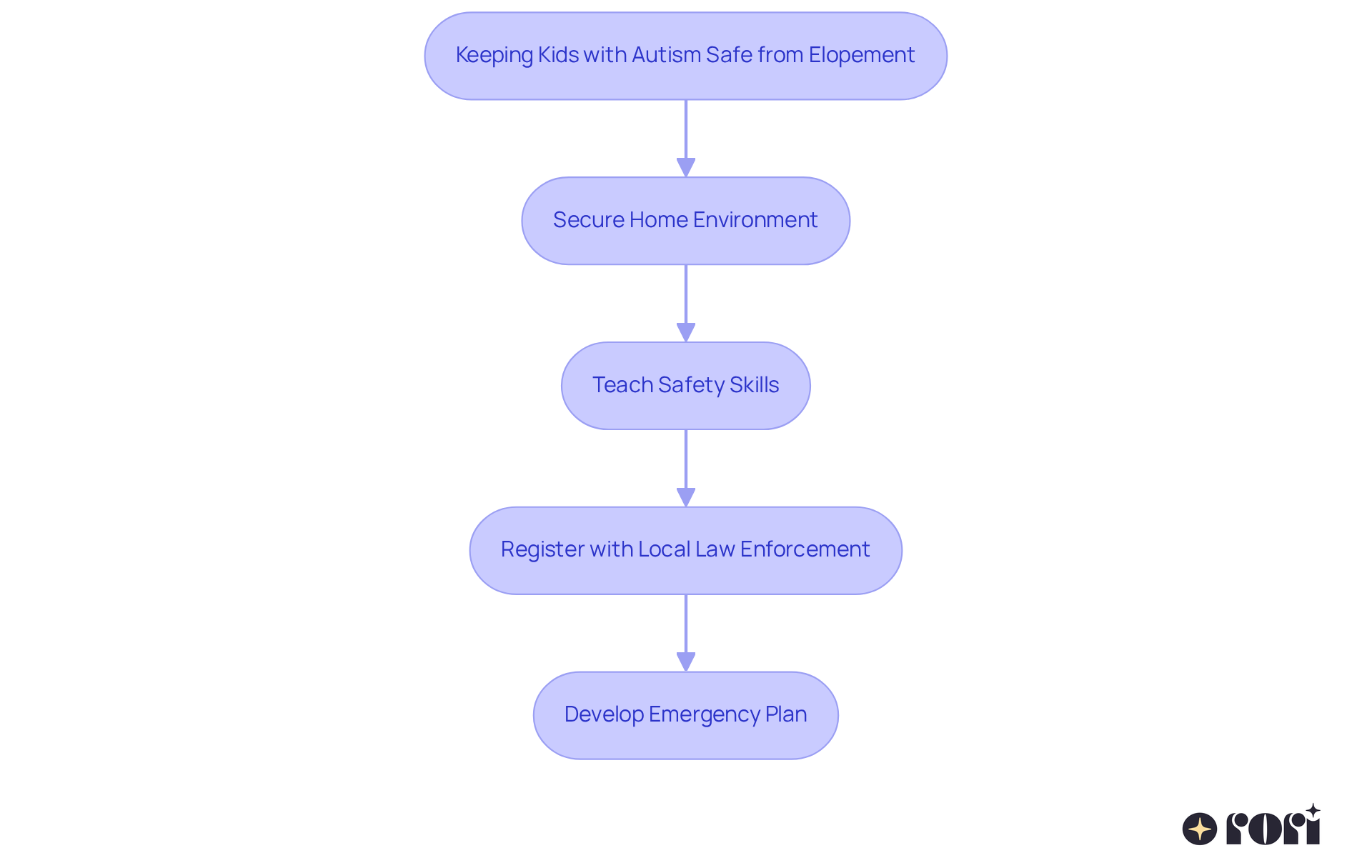
TACA: Keeping Kids with Autism Safe from Elopement
TACA provides a wealth of who elope, aimed at keeping individuals with autism safe from elopement. Their security guides are packed with essential tips for . This includes simple steps like:
- Securing doors and windows
- Using alarms
- Setting clear boundaries
Teaching young ones , is crucial too.
TACA really emphasizes taking . They recommend that families of children with autism who elope utilize community resources to:
This plan should outline specific actions to take if a child goes missing, ensuring that everyone in the family is prepared. Plus, TACA encourages families to utilize community resources, which can significantly .
By tapping into TACA’s resources, families can boost their preparedness and response strategies, creating a safer environment for their children. Let’s explore this together and make sure our loved ones are protected!
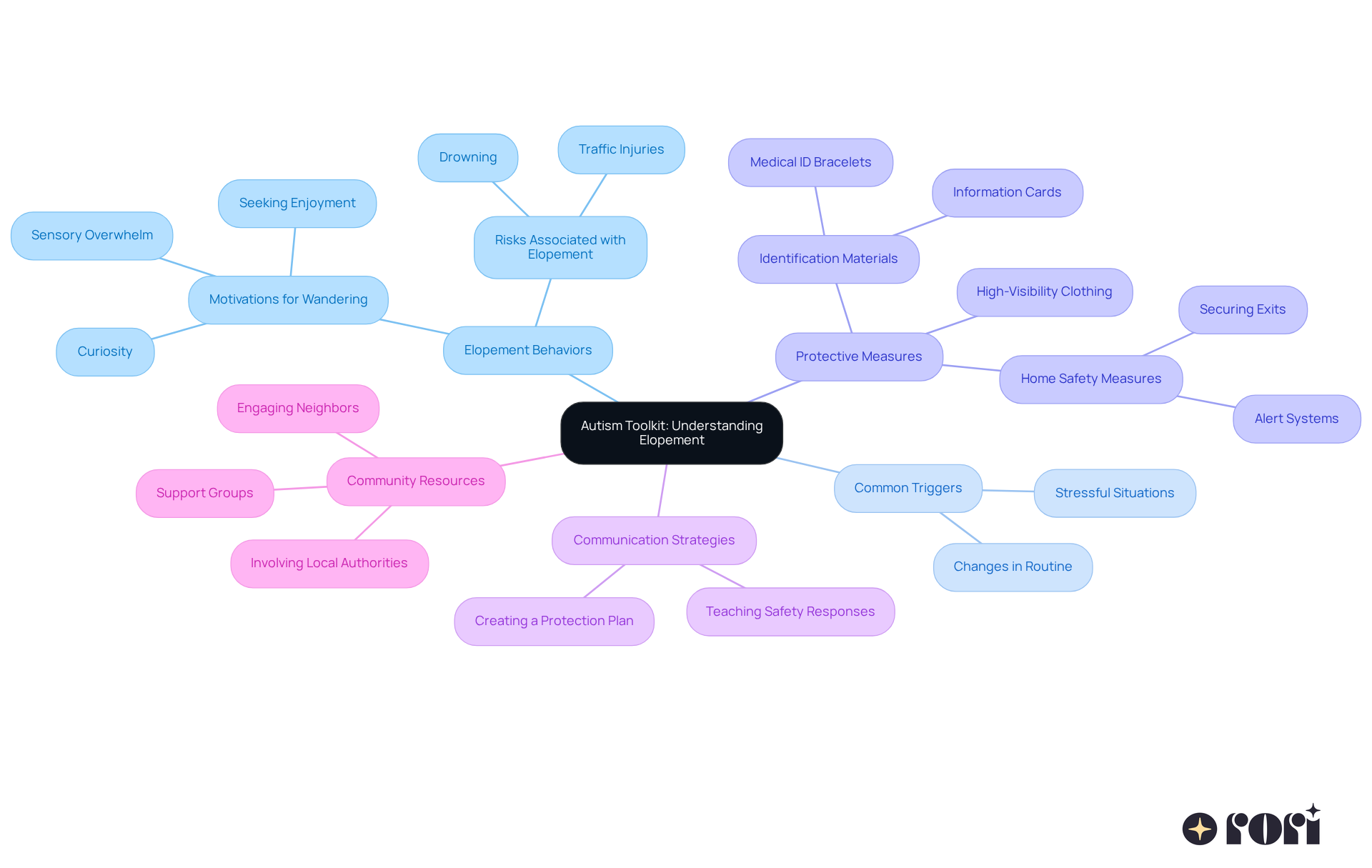
Autism Toolkit: Understanding Elopement and Protective Measures
The Autism Toolkit provides , helping caregivers . It sheds light on , like sensory overwhelm and curiosity, while offering practical . For instance, using can really help keep young individuals safe by making them easier to spot.
It’s also important to develop . Families should create a that identifies safe areas and teaches kids how to respond in potentially dangerous situations by utilizing . Some households have even set up and engaged their communities by utilizing community resources for families of children with autism who elope to enhance safety.
By utilizing the Autism Toolkit, families can , empowering their kids to explore the world with more confidence. Let’s explore this together! We’re here to !
Advocate Children’s Hospital: Health Resources for Autism Safety
At Advocate Children’s Hospital, we understand the unique challenges that families face when caring for children with autism who elope and the importance of . That’s why we offer a variety of for these little ones. From risk evaluations to and , we’re here to support you every step of the way!
Families can find that might lead to elopement behaviors by utilizing . Plus, we provide . By partnering with healthcare professionals, you can ensure that your child receives the thorough assistance they need for their security and wellness.
And let’s not forget about ! This program empowers children with essential skills to navigate the world independently, highlighting the effectiveness of . With active caregiver participation, an impressive 90% of kids show . This not only helps them but also supports families in their efforts to and enhance safety through community resources for families of children with autism who elope.
Let’s explore this together! We’re here to help you every step of the way!
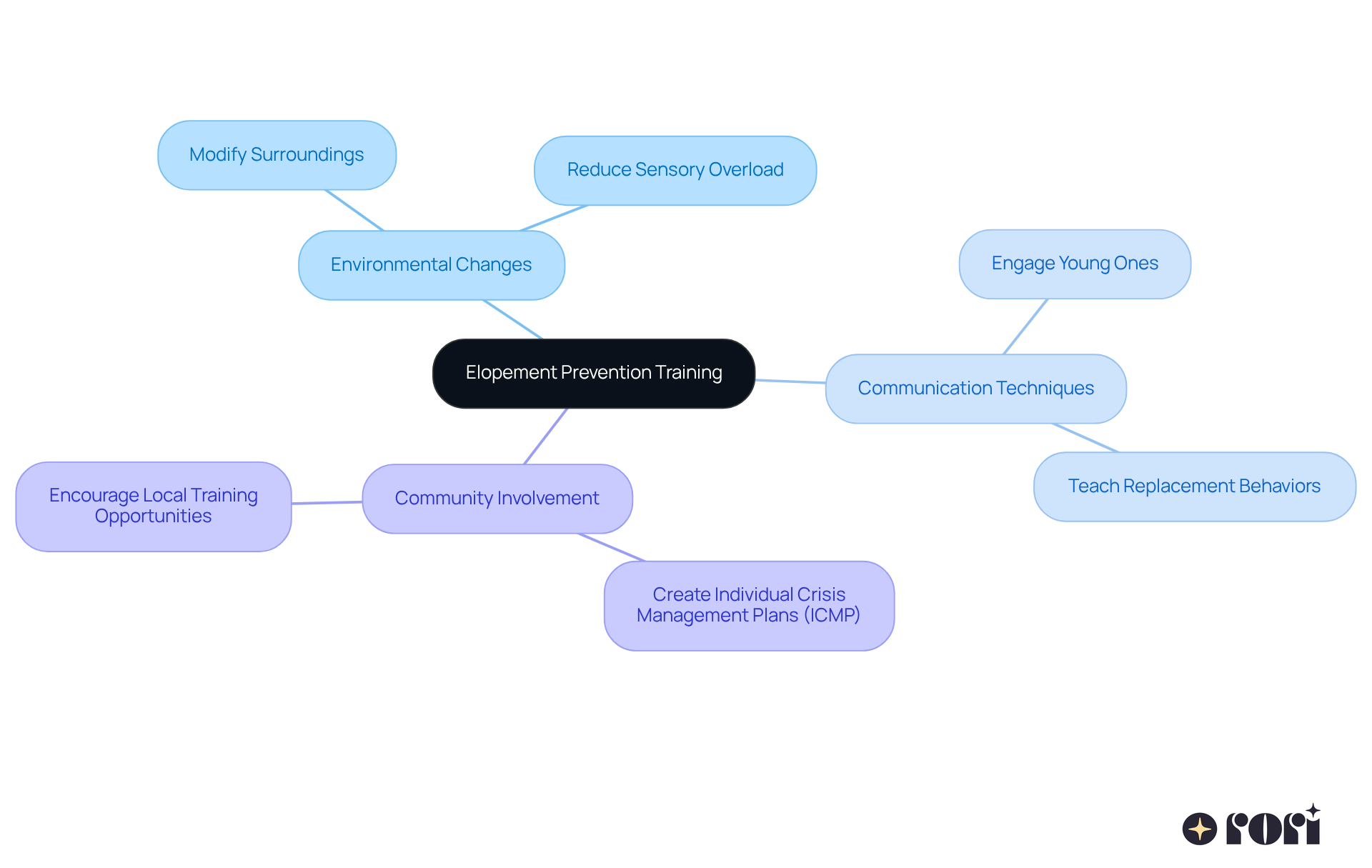
The Autism Project: Training and Education on Elopement Prevention
The Autism Project provides to help families, caregivers, and educators tackle the challenges of . We know how concerning it can be when kids wander off, and that’s why our comprehensive training and educational materials include .
Our programs provide essential knowledge and skills to help you identify and address wandering effectively. We dive into important topics like:
- How
- to engage young ones
- The importance of community involvement in protective efforts
Specialists emphasize that is key to intervening successfully.
By participating in these , families can and enhance their children’s safety through community resources for families of children with autism who elope. Plus, we focus on that are regularly updated based on progress reports and caregiver feedback, which can lead to better outcomes.
We encourage you to explore local training opportunities and consider creating an using community resources for families of children with autism who elope. This way, you can develop tailored strategies that meet your child’s unique needs. Let’s explore this together! We’re here to help you every step of the way!
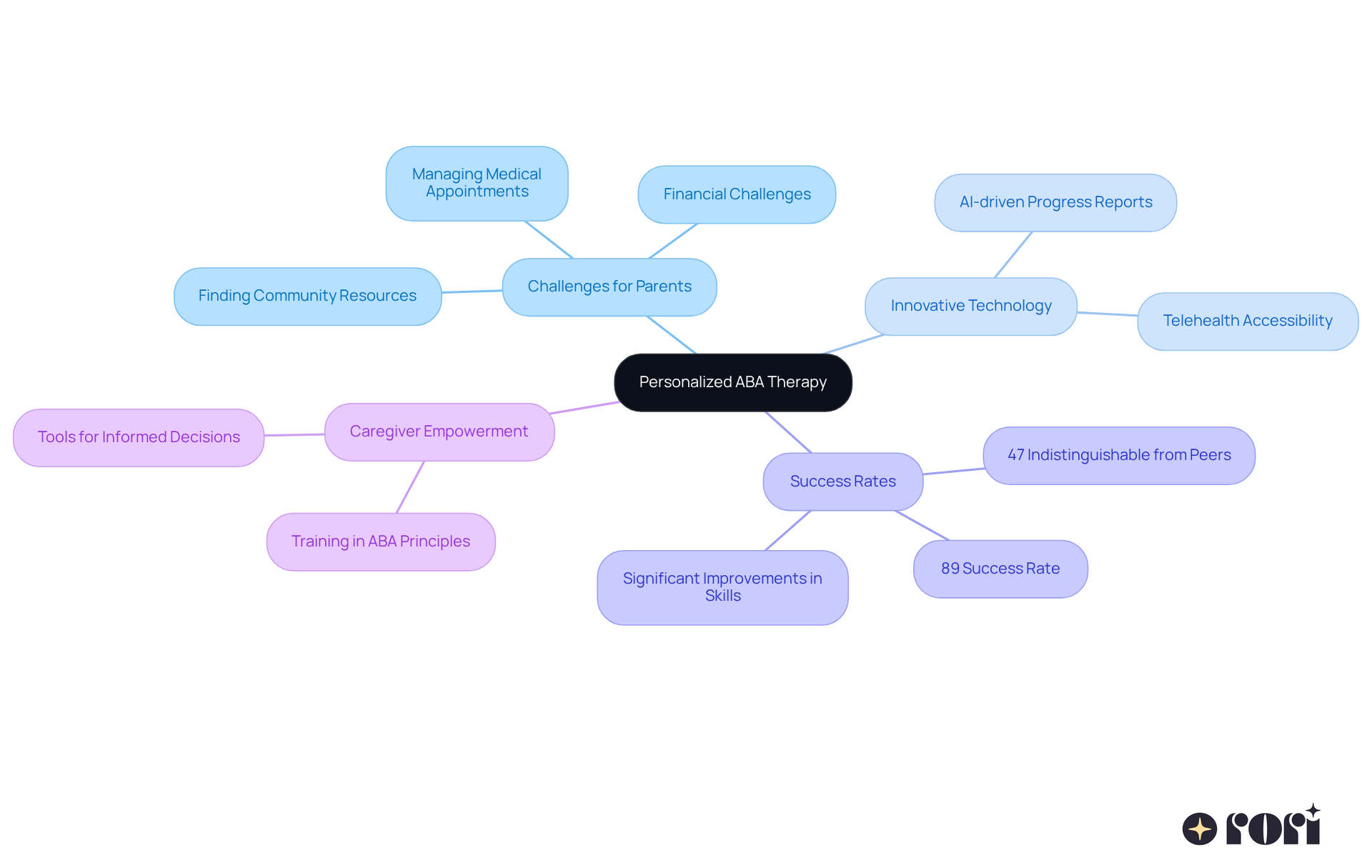
Rori Behavioral Innovations Inc.: Personalized ABA Therapy for Behavior Modification
At Rori Care, we truly understand the challenges parents face in finding . That’s why we excel in providing tailored specifically for youth. Our innovative, empowers clinicians to create that effectively tackle behaviors like elopement, including the utilization of to ensure your child gets the care they need.
Imagine a therapy session where , allows clinicians to focus more on your child. With Rori Care, we’re able to free up 50% more time for ! This dedication to individualized care, along with community resources for families of children with autism who elope, not only helps enhance skills but also actively , creating a safer environment for your little ones and peace of mind for you.
Research shows that children receiving often experience remarkable improvements, boasting a ! Plus, we believe in empowering caregivers with ABA principles and strategies. This means you’ll have the tools to support your child better, make informed decisions, and ultimately see . We’re here to help you every step of the way!
Additional Resources: Comprehensive Support for Families Facing Elopement
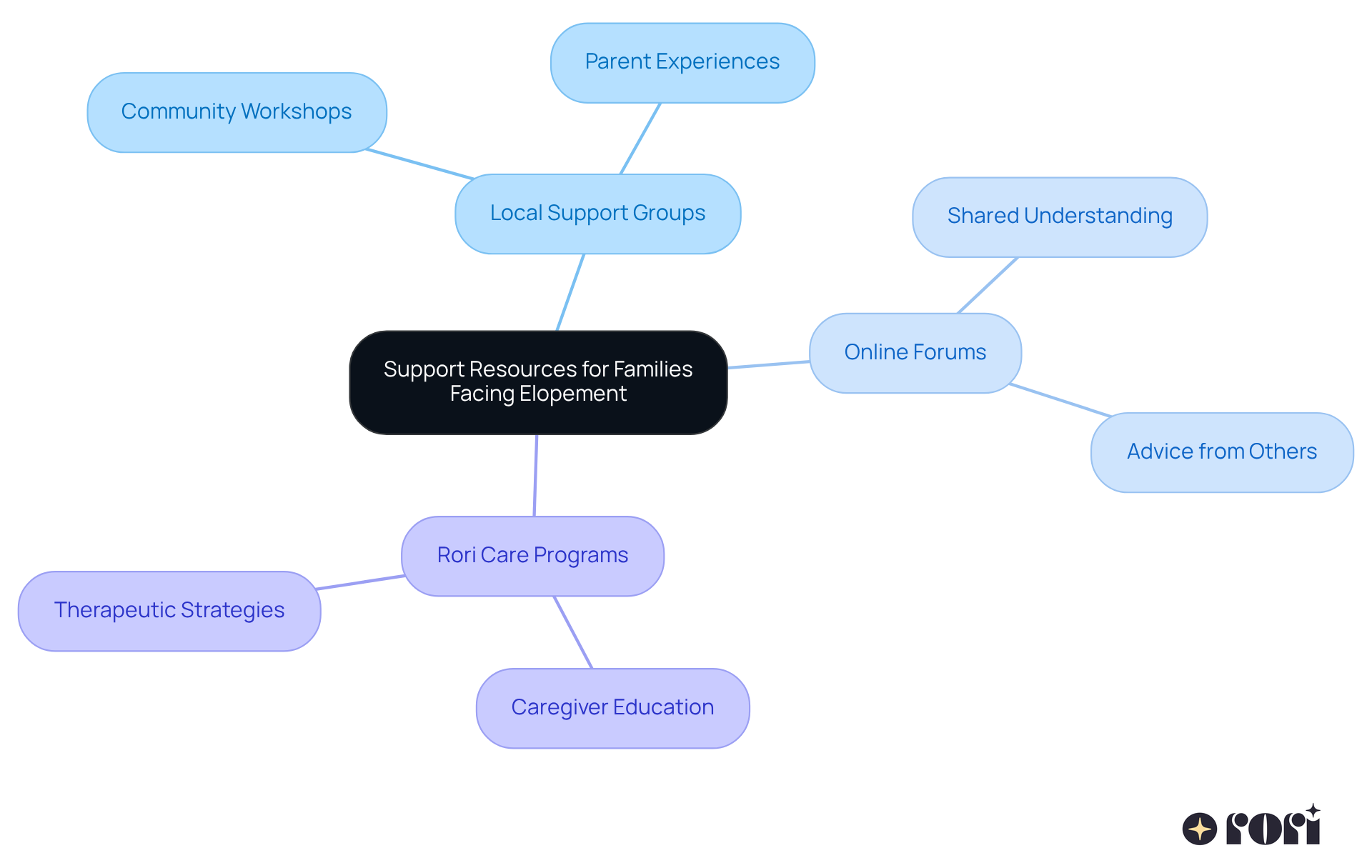
Families facing the challenge of running away often find themselves in need of support, and thankfully, there are plenty of resources out there to help. Local autism are a fantastic starting point. They provide a welcoming space for parents to share their experiences and strategies. Plus, these groups frequently organize focused on , which serve as to help prevent wandering.
But that’s not all! have become a lifeline for many parents, offering a sense of community and shared understanding. It’s heartening to see how popular these platforms have become, with many parents finding comfort and advice from others who are navigating similar challenges. By connecting with these networks, families can significantly enhance their ability to manage elopement by utilizing to keep their children safe.
And let’s not forget about Rori Care! They offer that empower caregivers with the knowledge and skills needed to make informed decisions that positively impact their child’s progress. This kind of involvement can lead to , as it aligns with .
As Temple Grandin wisely said, ‘I am different, not less.’ This quote beautifully reminds us of the unique perspectives that come from our experiences. So, parents, don’t hesitate to seek out local and to connect with others who understand what you’re going through. And consider Rori Care’s to further strengthen your support system. Let’s explore this together!
Conclusion
Engaging with community resources for families of children who elope is so important for ensuring the safety and well-being of individuals with autism. Each resource we discuss highlights how tailored support, proactive strategies, and community involvement can really help tackle the challenges that come with elopement. By creating a collaborative environment, families can boost their ability to protect their loved ones while navigating their unique journeys.
Let’s take a look at some key insights! There’s a diverse range of resources available, from ABA therapy and safety toolkits to educational programs and community support groups. Organizations like Rori Care, the National Autism Association, and TACA offer essential tools and strategies for families, empowering them to create safer environments and effectively manage elopement behaviors. Plus, guidelines from the CDC and initiatives from local autism support groups remind us how crucial it is to have comprehensive safety plans and community awareness.
Ultimately, when families, professionals, and community organizations come together, we can make meaningful changes in the lives of those affected by autism. Engaging with these resources not only strengthens individual families but also builds a supportive network that fosters understanding and collaboration. Embracing these strategies can truly make a difference in preventing elopement and ensuring that children with autism can explore their world safely.
So, let’s explore this together! We’re here to help you every step of the way!
Frequently Asked Questions
What is Rori Care’s approach to supporting youth with autism?
Rori Care offers extensive ABA therapy that combines data-driven evaluations with personalized treatment plans, ensuring that every child receives tailored support to thrive.
How does Rori Care address the issue of elopement in children with autism?
Rori Care focuses on behavior modification strategies that empower families and clinicians to utilize community resources effectively to reduce elopement incidents.
What technology does Rori Care use to enhance therapy?
Rori Care uses advanced technology to monitor progress in real-time, allowing for adjustments in interventions as needed, which helps create a safer environment and encourages overall development and independence.
What resources does the National Autism Association (NAA) provide for families dealing with elopement?
The NAA offers a range of community resources, including the ‘Big Red Safety Box,’ which contains essential emergency tools like alarms, ID kits, and response plans to help families manage wandering risks.
How many ‘Big Red Safety Boxes’ has the NAA distributed since its launch?
Since its launch in 2011, the NAA has delivered over 75,000 ‘Big Red Safety Boxes’ to families, significantly aiding in keeping children safe from wandering.
What are some key safety tips provided by the CDC for preventing wandering in children with disabilities?
The CDC recommends securing homes with locks, teaching children essential safety skills, having a solid emergency plan, and educating caregivers about ABA principles and strategies to reinforce safety measures.
Why is community awareness important in preventing wandering incidents?
Community awareness helps create a supportive network, allowing families to share information about their child’s wandering habits, which can facilitate quick communication in emergencies.
What alarming statistics are associated with elopement in children with autism?
Nearly 50% of individuals with autism engage in elopement behavior, and tragically, 91% of fatalities in those under 14 occur due to drowning after elopement. Individuals with autism are also 160 times more likely to drown compared to their neurotypical peers.
List of Sources
- Rori Care – ABA Therapy: Comprehensive Support for Autism Care
- Inspirational ABA and Autism Quotes – Mrs. Moe’s Modifications (https://mrsmoesmodifications.com/inspirational-aba-and-autism-quotes)
- Quotes About Autism – Arms Wide Open ABA Therapy (https://armswideopenaba.com/blog/quotes-about-autism)
- Autism and Elopement: What You Need To Know About Wandering (https://health.clevelandclinic.org/autism-elopement)
- doublecareaba.com (https://doublecareaba.com/post/autism-quotes)
- National Autism Association: Resources on Autism and Wandering
- National Autism Association Announces Free Safety Box Giveaway to Combat Drowning Deaths (https://ktla.com/business/press-releases/ein-presswire/800906465/national-autism-association-announces-free-safety-box-giveaway-to-combat-drowning-deaths)
- CDC: Guidelines on Wandering and Safety for Children with Disabilities
- Autism Water Safety Utah: The Statistics Behind Drowning Risks (https://novasupports.com/post/autism-water-safety-utah-the-statistics-behind-drowning-risks)
- cdc.gov (https://cdc.gov/child-development/disability-safety/wandering.html)
- When Your Special Needs Child Wanders (https://chop.edu/resources/when-your-special-needs-child-wanders)
- Marcus Autism Center: Elopement Prevention Strategies
- Treatment of Elopement: Safety Tips and Considerations in Programming (https://autism.org/elopement-webinar-2025)
- Protective Measures: Handling Elopement Behavior in Autism – Kids First (https://kidsfirstservices.com/first-insights/elopement-and-autism)
- News Flash (https://windhamct.gov/CivicAlerts.aspx?AID=201)
- Elopement and Autism (https://buildingblockstherapy.org/blog/elopement-and-autism)
- New Report Highlights Urgent Need for Autism Safety Measures in Massachusetts For Autism Acceptance Month, Office of the Child Advocate Stresses Need for Community and Caregiver Support (https://mass.gov/news/new-report-highlights-urgent-need-for-autism-safety-measures-in-massachusetts-for-autism-acceptance-month-office-of-the-child-advocate-stresses-need-for-community-and-caregiver-support)
- TACA: Keeping Kids with Autism Safe from Elopement
- cdc.gov (https://cdc.gov/child-development/disability-safety/wandering.html)
- Inspiring Autism Quotes for Understanding and Acceptance – Kids First (https://kidsfirstservices.com/first-insights/autism-quotes)
- nationalautismassociation.org (https://nationalautismassociation.org/resources/wandering)
- Best Autism Quotes to Raise Awareness and Understanding (https://yellowbusaba.com/post/autism-quotes)
- 20 Inspiring Quotes About Autism Every Parent Must Read Today (https://circlecareservices.com/20-quotes-about-autism-and-parenting)
- Autism Toolkit: Understanding Elopement and Protective Measures
- cdc.gov (https://cdc.gov/child-development/disability-safety/wandering.html)
- Inspirational Autism Quotes (https://magnetaba.com/blog/inspirational-autism-quotes)
- Autism and Elopement: What You Need To Know About Wandering (https://health.clevelandclinic.org/autism-elopement)
- Advocate Children’s Hospital: Health Resources for Autism Safety
- Advocate Children’s Hospital Celebrates Safety Week 2025 — Solutions for Patient Safety (https://solutionsforpatientsafety.org/sps-spotlight/advocate-childrens-celebrates-safety-week-2025)
- Autism and Elopement: What You Need To Know About Wandering (https://health.clevelandclinic.org/autism-elopement)
- Best Autism Quotes to Raise Awareness and Understanding (https://yellowbusaba.com/post/autism-quotes)
- Inspiring and Insightful Autism Quotes | Advanced Autism Services (https://advancedautism.com/post/autism-quotes)
- The Autism Project: Training and Education on Elopement Prevention
- caringseniorservice.com (https://caringseniorservice.com/blog/quotes-for-caregiver-inspiration)
- mentalhealthcenterkids.com (https://mentalhealthcenterkids.com/blogs/articles/parenting-quotes)
- “We’ve Got a Runner…”: Best Practice Strategies for Preventing and Reducing Elopement Behavior (https://scsdbehaviormatters.weebly.com/blog/weve-got-a-runner-best-practice-strategies-for-preventing-and-reducing-elopement-behavior)
- Rori Behavioral Innovations Inc.: Personalized ABA Therapy for Behavior Modification
- Success Rates of ABA Therapy (https://alumacare.com/blog/success-rates-of-aba-therapy)
- The Numbers Don’t Lie: Revealing Autism Therapy Statistics | Above and Beyond Therapy (https://abtaba.com/blog/autism-therapy-statistics)
- Resources | Golden Steps ABA (https://goldenstepsaba.com/resources/success-rates-of-aba-therapy)
- Success Rates of ABA Therapy | Advanced Autism Services (https://advancedautism.com/post/success-rates-of-aba-therapy)
- Additional Resources: Comprehensive Support for Families Facing Elopement
- Best Inspirational Autism Quotes (https://ambitionsaba.com/resources/autism-quotes)
- 80 Inspiring Quotes on Autism Awareness and Support – Empower ABA (https://empoweraba.com/80-inspiring-quotes-on-autism-awareness-and-support)
- Autism Therapy Statistics | Discovery ABA (https://discoveryaba.com/aba-therapy/autism-therapy-statistics)
- supportivecareaba.com (https://supportivecareaba.com/statistics/autism-therapy-statistics)