

Introduction
Navigating autism care can be quite the journey for families, filled with unique challenges that can feel overwhelming at times. Understanding these hurdles is key to creating effective treatment plans that truly resonate. By tailoring autism care strategies to align with a child’s specific interests, parents and therapists can cultivate an engaging and supportive environment that nurtures growth and development.
But how can caregivers ensure these strategies are not just personalized but also flexible enough to adapt to changing needs? 🤔 This article dives into ten innovative approaches that leverage individual interests to enhance autism therapy. We’re here to help you every step of the way, offering valuable insights for families eager to empower their children on this developmental journey. Let’s explore this together!
Rori Care – ABA Therapy: Personalized Strategies for Autism Care
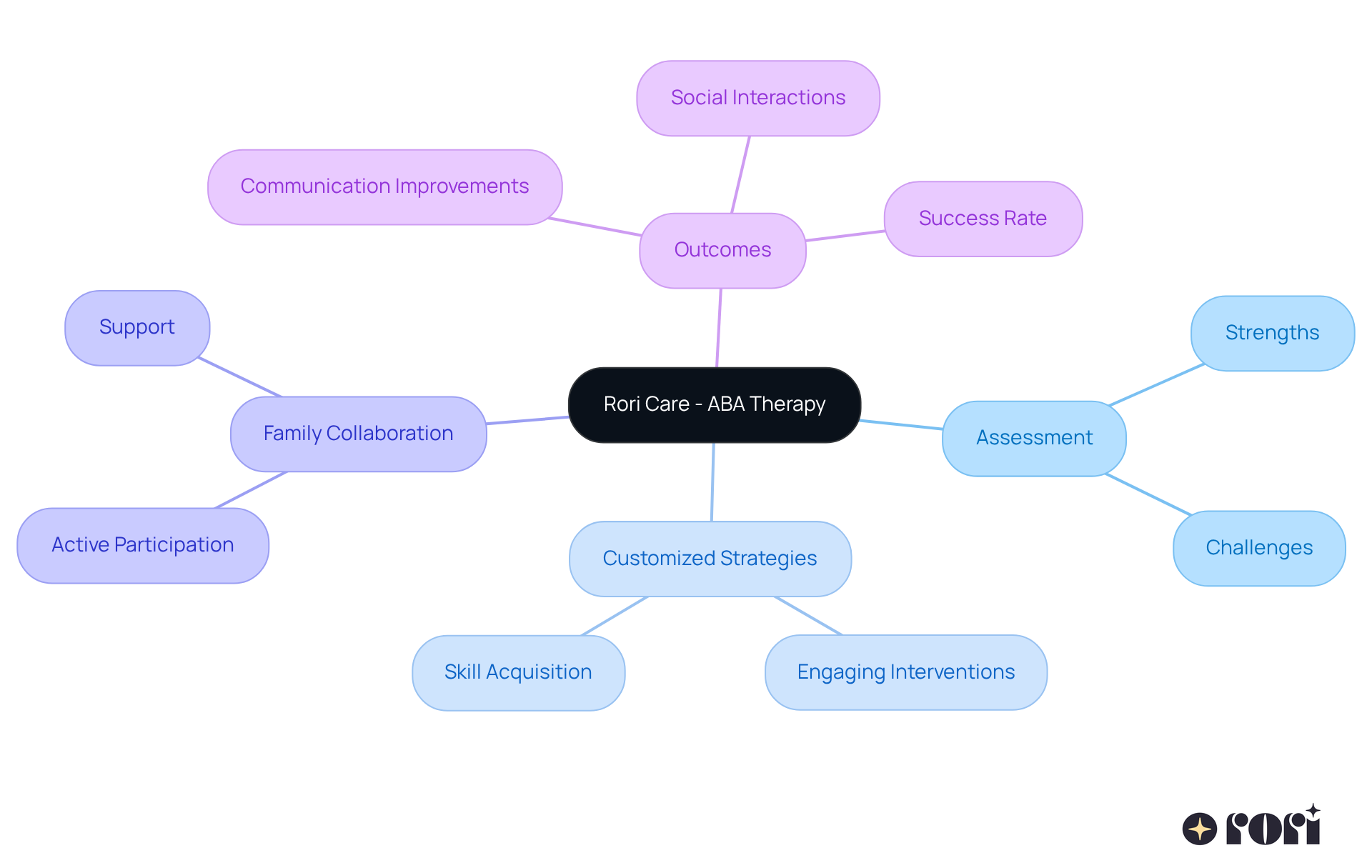
At Rori Care, we understand the unique challenges that parents of children with autism face. That’s why we use techniques to implement for specific interests tailored just for your child. It all begins with a . This helps our clinicians craft and skill acquisition.
By prioritizing for specific interests, we ensure that treatment is not only effective but also engaging for your little one. We believe in and learning. Research shows that early and intensive ABA therapy can lead to . In fact, studies indicate an in addressing autism spectrum disorder!
But that’s not all! Rori Care also offers , which is key in identifying target behaviors and skills. We collaborate closely with families to create customized autism care strategies for specific interests in their treatment plans. This but also empowers you to be an active participant in their therapeutic journey.
Let’s explore this together! We’re here to !
AI-Enhanced Treatment Plans: Revolutionizing Autism Care
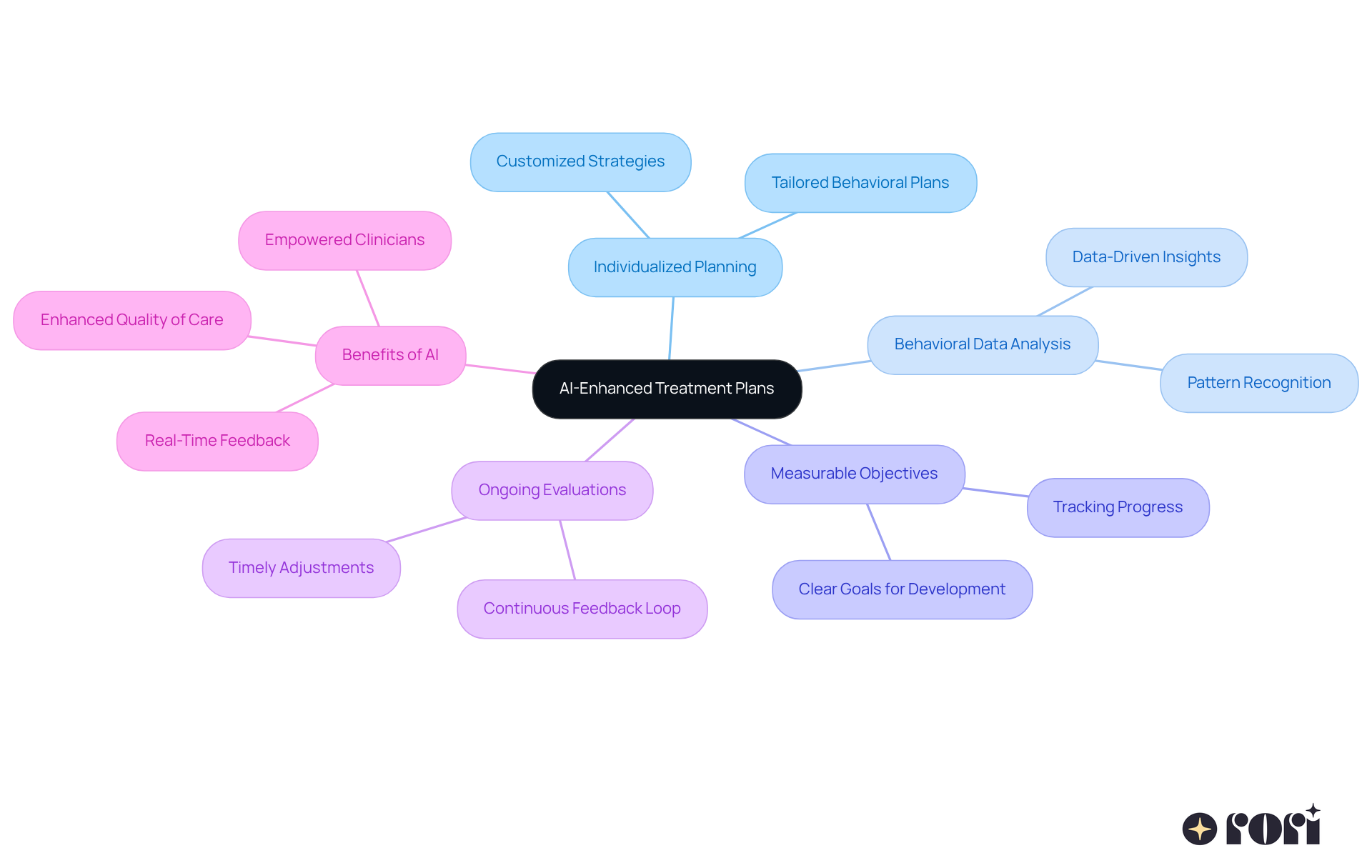
At Rori Care, we’re excited to share how ! 🌟 Imagine having treatment plans that adapt to your child’s unique progress and needs – sounds amazing, right? Our includes for specific interests, ensuring that each is tailor-made to fit your child’s strengths, challenges, and goals, providing the they deserve.
AI systems dive into behavioral data to spot patterns, which helps our skilled behavior analysts set clear, measurable objectives for and development. This way, we ensure that interventions remain relevant and effective. Plus, with , we can make timely adjustments to therapy, ultimately enhancing the quality of care your child receives.
For instance, studies have shown that . Many participants have experienced notable gains in language skills and social age! One specialist even mentioned how AI’s ability to provide for specific interests, thus making care more adaptable and tailored.
This innovative approach not only simplifies the treatment process but also empowers clinicians to make informed, that can significantly improve outcomes for individuals with autism. So, if you’re looking for a supportive community and resources, let’s explore this together! We’re here to help you every step of the way!
Interest-Based Strategies: Engaging Children in Autism Therapy
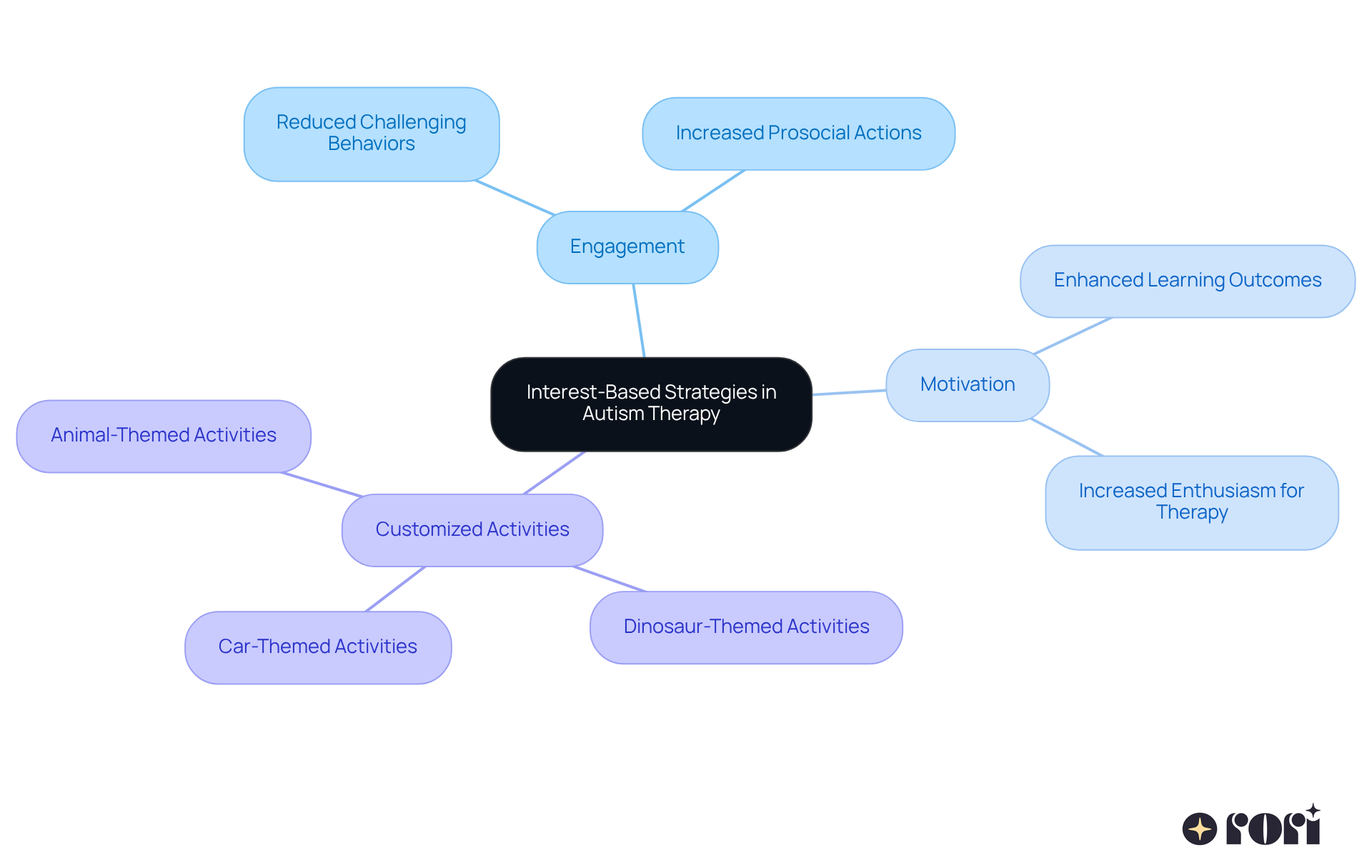
Incorporating for into therapy sessions can significantly boost ! When therapists use for to that align with what truly excites the young person, it creates a welcoming environment that encourages active involvement. For instance, if a child loves dinosaurs, why not whip up some dinosaur-themed activities? This approach not only makes learning fun but also supports customized autism care strategies for specific interests, helping them connect personally with the material, making it easier to grasp and remember important skills.
Research shows that can significantly enhance engagement. In fact, studies reveal notable and increases in prosocial actions when young people are involved in . Plus, case studies highlight that kids often show more enthusiasm for treatment when their personal interests are woven into the sessions, leading to . By focusing on what captivates the young individual, therapists can . Let’s explore this together!
Behavior Modification Techniques: Practical Applications in Autism Care
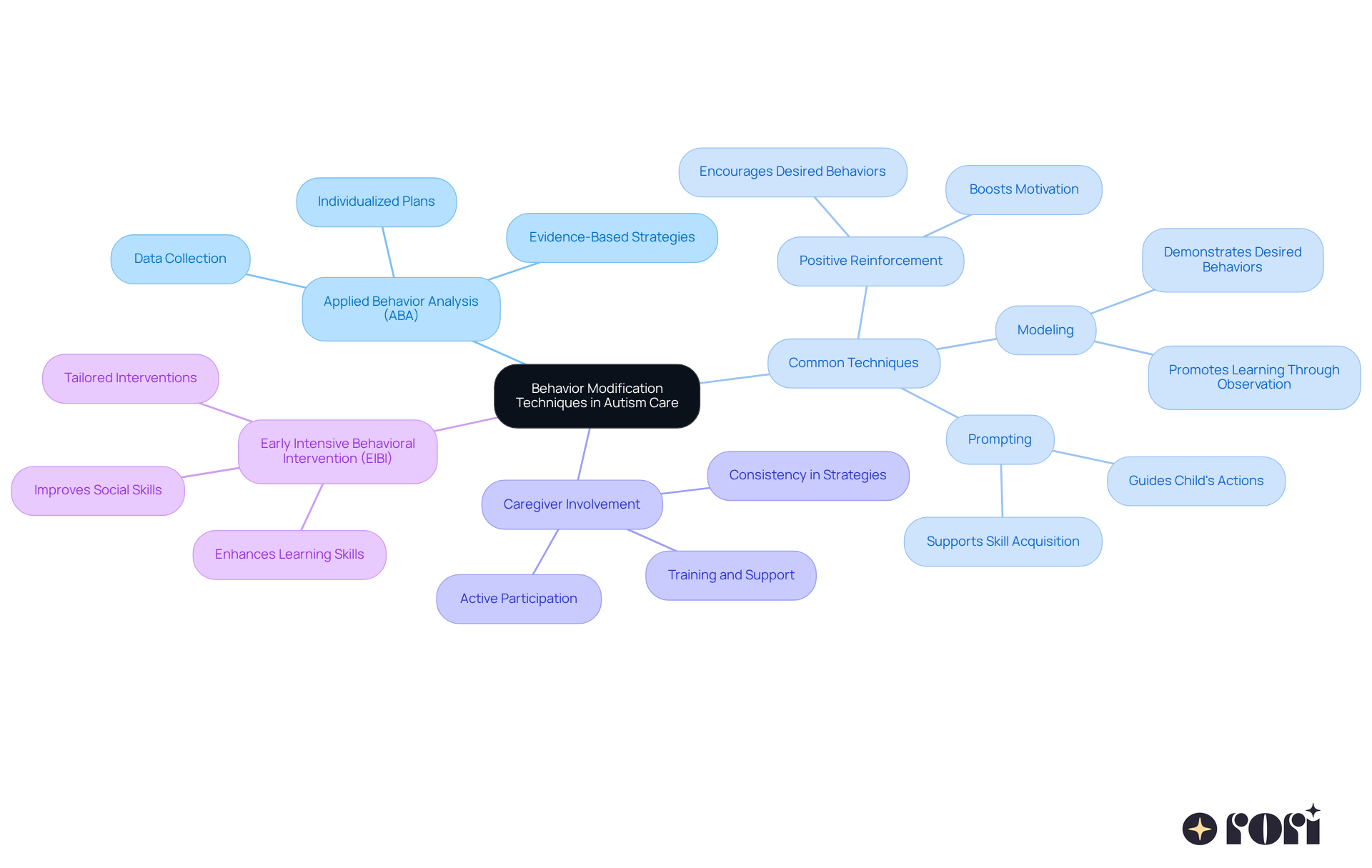
play a vital role in autism therapy, especially through . This approach really puts the child at the heart of care, making it flexible and responsive to their needs. It focuses on boosting the behaviors we want to see more of while gently reducing those we don’t. Did you know that when caregivers actively participate and follow the recommended hours, about 90% of kids show ?
Common techniques like , modeling, and prompting can really help encourage . For example, when a child gets a reward for completing a task, it can spark their motivation to do it again! Plus, using visual aids and clear expectations can help kids understand what’s expected of them, leading to better adherence and learning.
is crucial for enhancing learning, verbal, and social skills in children with developmental disorders. Qualified behavior analysts are key players here, crafting that incorporate for specific interests, along with measurable goals and .
Let’s explore this together! If you’re a parent navigating these waters, remember you’re not alone. We’re here to !
Parent-Led Initiatives: Empowering Families in Autism Therapy
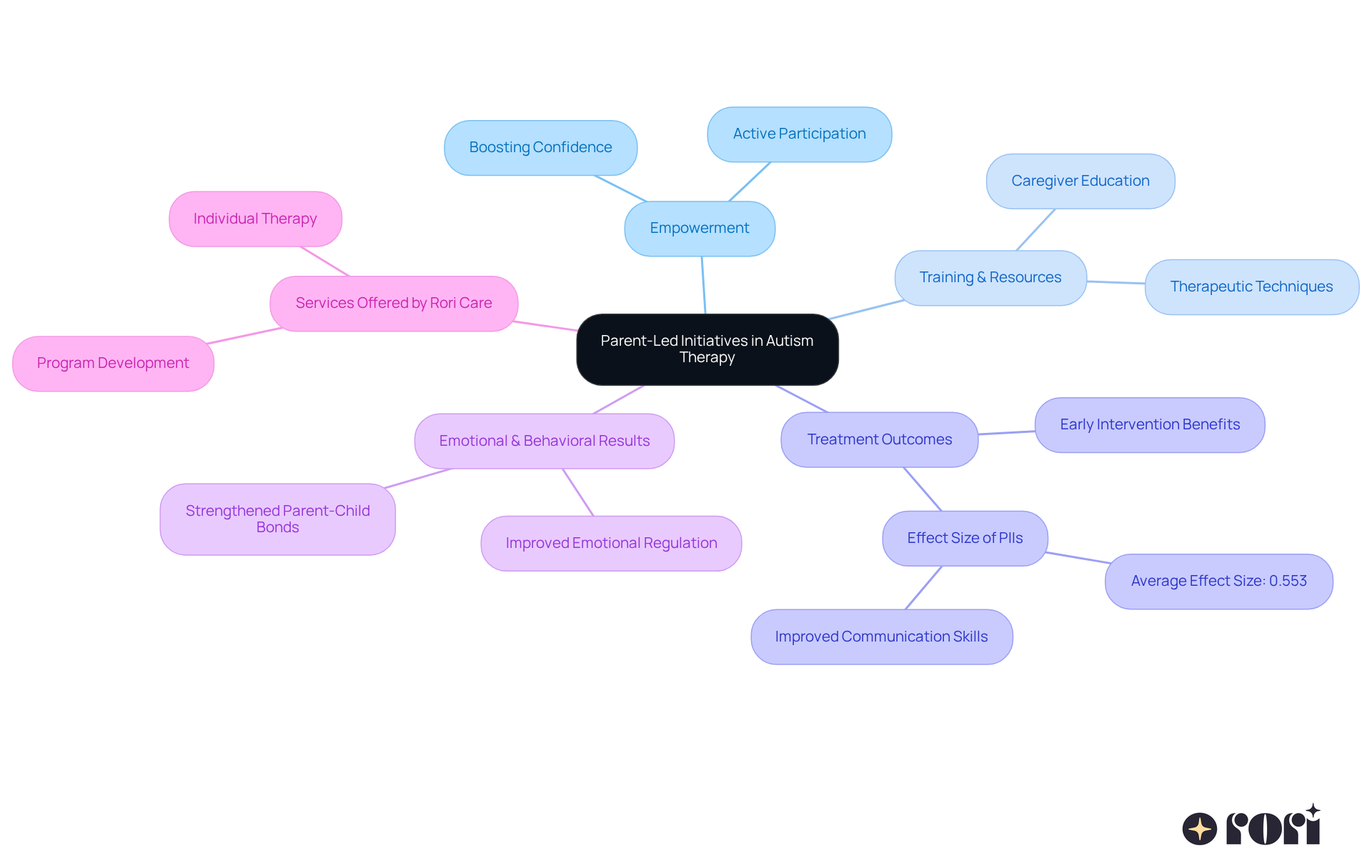
are truly vital in the autism treatment landscape. They empower families to actively participate in their loved one’s care. When parents receive training and resources, they can during therapy sessions right at home, creating a consistent learning environment.
Research shows that can . In fact, studies reveal that children benefit from (PIIs), which have an average effect size of 0.553 across various developmental areas. This collaborative approach not only accelerates progress but also builds parental confidence in addressing their child’s unique needs.
As parents engage more deeply in the therapeutic process, they strengthen their connections with their children, leading to improved emotional and behavioral results. Experts emphasize that when parents are actively involved, they can implement for specific interests to better fit their child’s strengths. This ultimately fosters a nurturing environment that promotes growth and learning.
The knowledge and skills gained through boost parents’ confidence, enabling them to make informed choices that positively impact their child’s development. According to studies published in JAMA Pediatrics, children who begin treatment within their first year show fewer signs of developmental disorders, highlighting the importance of .
At Rori Care, we’re here to support families on this journey. We offer a range of services, including , , and program development. Let’s explore this together!
Social Skills Development: Strategies for Building Connections
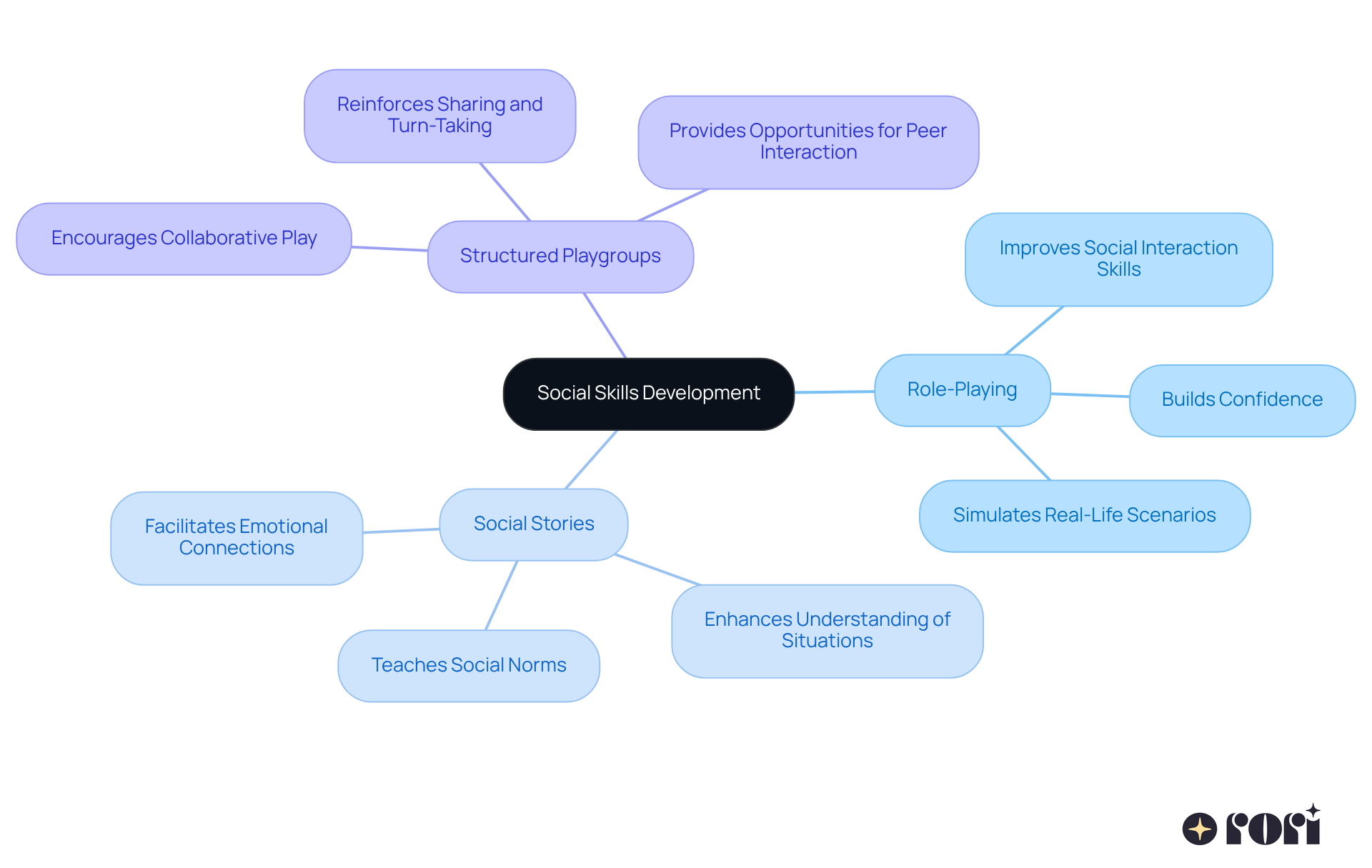
Cultivating interpersonal skills is so important for kids with autism! It helps them build and boosts their overall quality of life. Some effective strategies include:
- Social stories
- Structured playgroups
These methods teach social norms and interactions in a fun way. For instance, when kids role-play different social scenarios, they get to practice their reactions in a safe space, which really helps build their confidence and skills for real-life situations. Did you know that studies show can improve by up to 40%? That’s a big win!
Including peer interactions in can really enhance the learning experience. It gives kids genuine their . Group sessions create a where they can engage in , reinforcing essential skills like sharing, turn-taking, and effective communication. These interactions not only boost but also help kids form meaningful friendships, which are crucial for their .
Regular evaluations and tweaks to these approaches ensure that the treatment stays aligned with each child’s development. This allows for a smooth transition from scripted dialogues to spontaneous conversations. This comprehensive approach to is key to equipping kids with the tools they need to navigate social interactions effectively. Let’s explore this together!
Skill Development for Independence: Fostering Self-Sufficiency
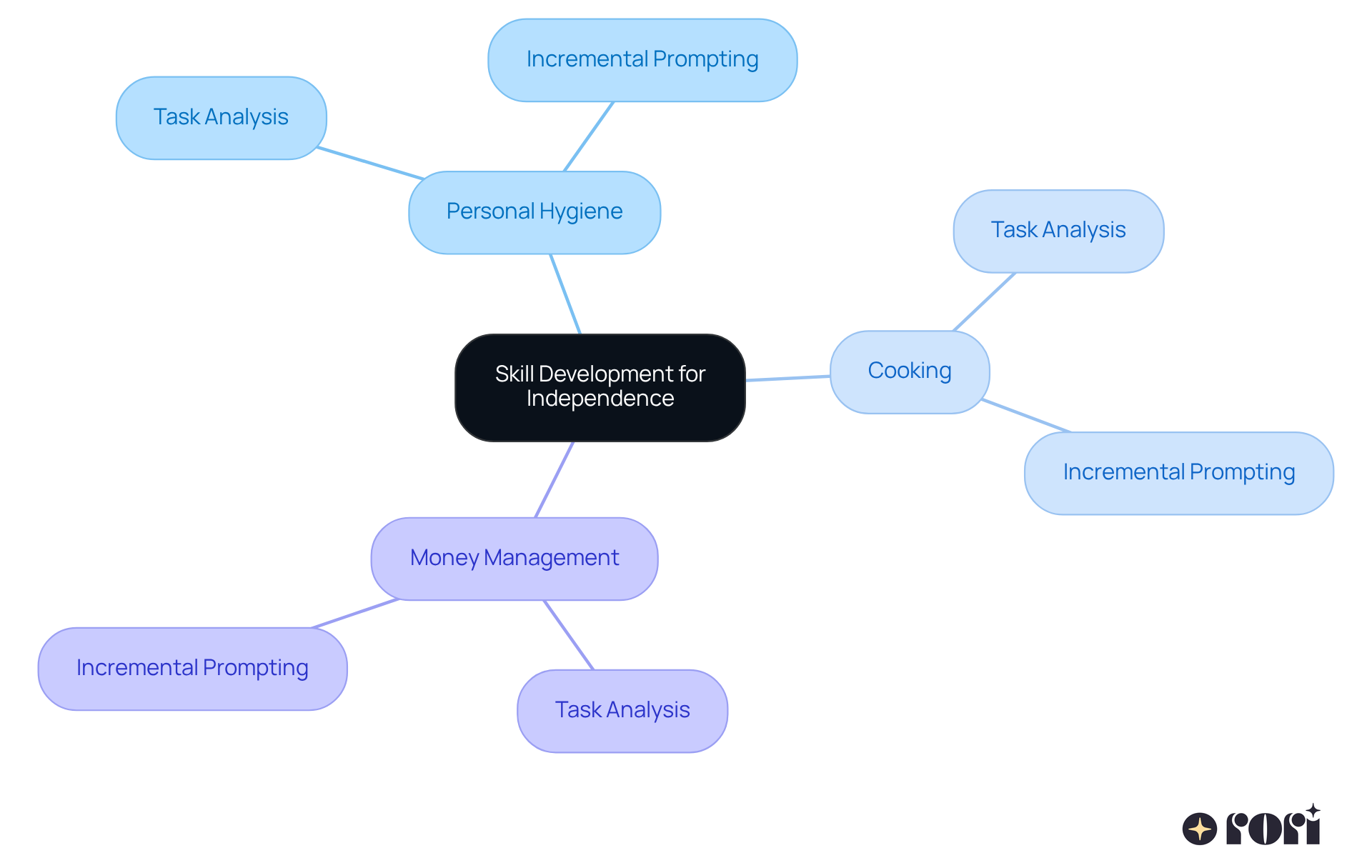
Promoting autonomy is so important in autism treatment! It helps young people gain essential that set them up for a . Think about personal hygiene, cooking, and money management – these are that can make a big difference.
Therapists often use task analysis and into manageable steps. This way, young learners can progress at their own pace, which not only boosts their self-esteem but also gives them the confidence to handle daily life effectively. Research shows that can really enhance the . Plus, in !
Clinicians emphasize that for specific interests, tailored to each individual’s strengths, are crucial for keeping kids engaged and learning. As one clinician beautifully put it, ” nurtures a sense of autonomy that is priceless as they develop.”
By prioritizing these strategies, families can really help their kids become more self-sufficient and ready to tackle the challenges of adulthood. Let’s explore this together! We’re here to help you every step of the way!
Resource Accessibility: Tools for Families in Autism Care
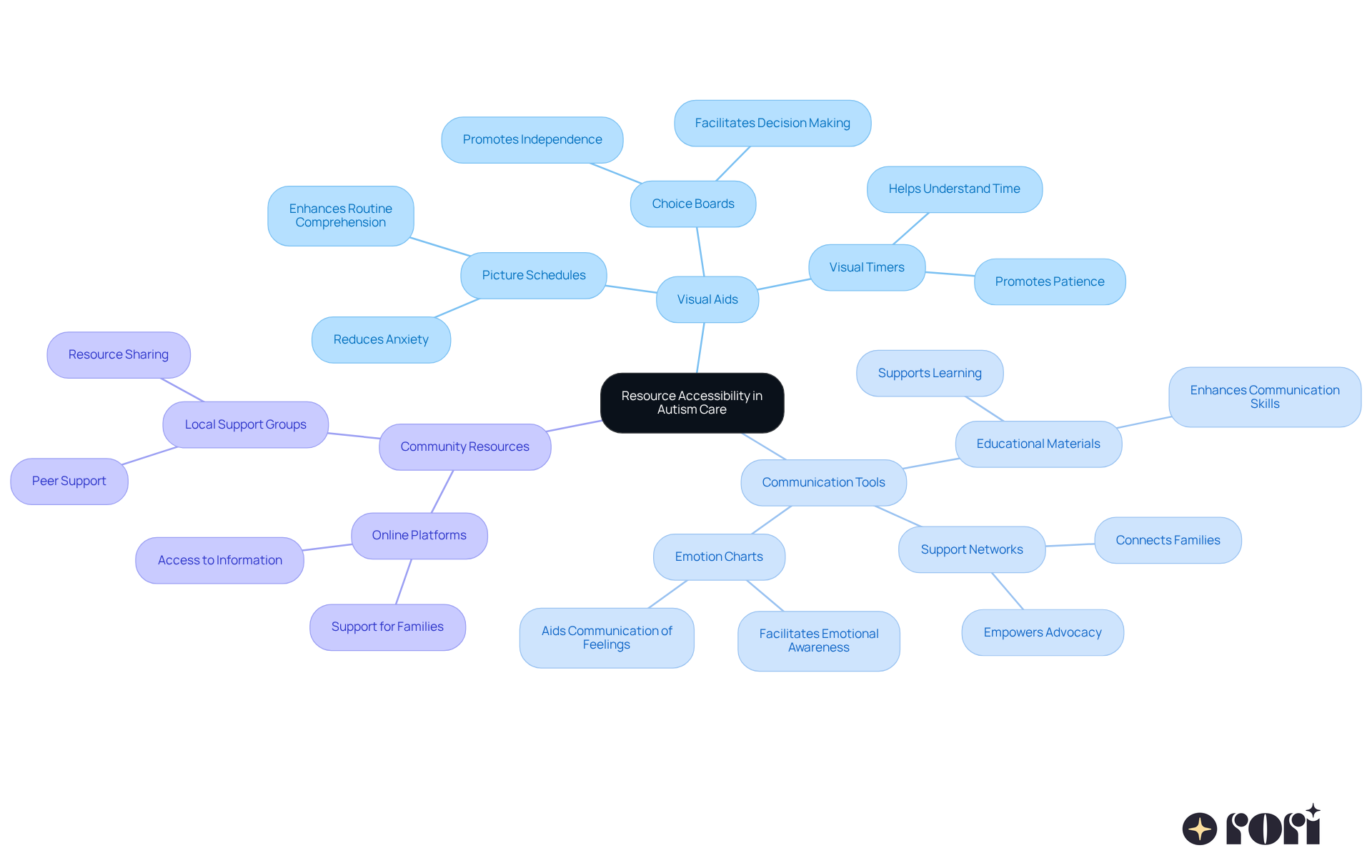
Navigating autism care can be quite a journey for families, and having the right resources makes all the difference. Tools like visual schedules, communication aids, and can really brighten up the home environment. They help and , making life a bit smoother for everyone involved.
, such as picture schedules and choice boards, are fantastic for helping young individuals express their preferences and understand what’s expected of them. This can really ease anxiety and encourage . Research shows that using these aids consistently leads to and social interactions, which is why they’re so valuable in therapy.
And let’s not forget about online platforms and ! They connect families with essential and information, empowering them to advocate effectively for their children’s needs. When families have access to these resources, they’re better equipped to implement for specific interests at home, ultimately enhancing their child’s development and well-being.
These tools not only support a collaborative approach to treating developmental disorders but also facilitate for specific interests. It’s all about enabling parents to be engaged contributors in their child’s journey. So, let’s explore this together! We’re here to help you every step of the way!
Collaborative Care: Enhancing Outcomes Through Teamwork
Collaborative care is so important for providing the right support for individuals with autism. It brings together a diverse team of professionals – think therapists, educators, and medical experts – all working together for your child’s benefit. At Rori Care, our amazing clinicians are here to guide your family through the journey with compassionate . We make sure that each child’s unique needs are met, creating a .
This teamwork allows for sharing insights and strategies, resulting in for specific interests that are tailored just for your little one. Regular chats and are key. They help ensure that the interventions are not only aligned but also effective in promoting positive outcomes.
Research shows that when families get involved, the results are often better. This highlights how crucial it is to have a that looks at all aspects of a young person’s development. By and strategies, Rori Care boosts support, informed decision-making, and better behavioral outcomes.
Our clinical leadership team is passionate about . We foster a where families can tap into a wealth of resources and expertise, ultimately . To support your child’s development even more, consider joining in on counseling sessions and using the resources our team provides to reinforce learning at home. Let’s explore this together!
Progress Evaluation: Measuring Success in Autism Therapy
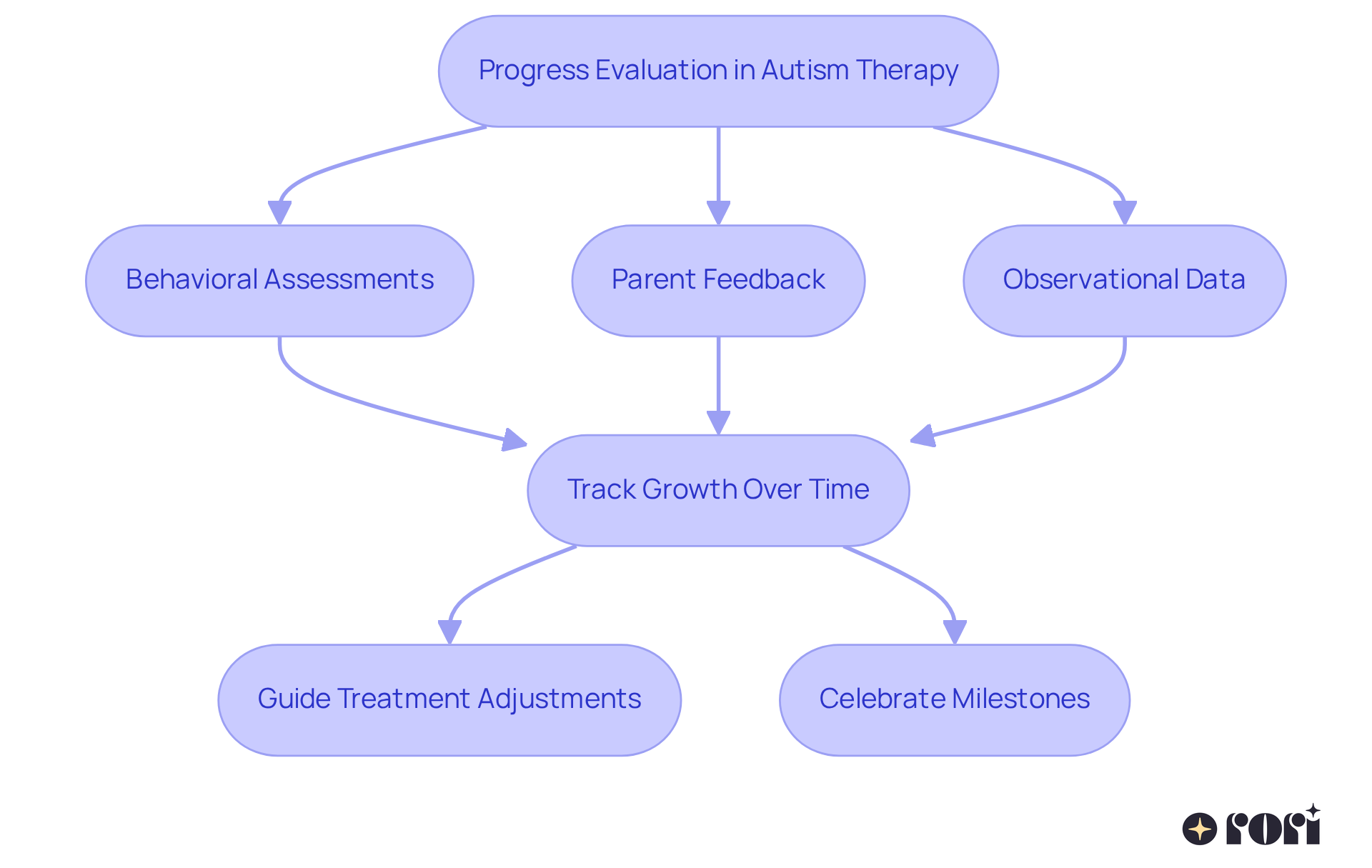
is super important in autism therapy! It helps clinicians see how well interventions are working and when to make changes. By using tools like , parent feedback, and observational data, therapists can keep track of a young person’s growth over time.
Regular s not only guide but also , which can really boost motivation for both the individual and their family. This organized approach ensures that treatment aligns with the young person’s changing needs, creating a for growth and improvement.
Research backs this up! Studies show that individuals who receive regular evaluations make and overall well-being. Plus, the fine-tunes therapy, ensuring that for specific interests are tailored to each child’s unique situation.
So, let’s explore this together! If you’re a parent, know that you’re not alone in this journey. We’re here to every step of the way!
Conclusion
The journey of autism care can feel overwhelming at times, can’t it? But it’s truly enriched by customized strategies that align with your child’s unique interests. When families focus on personalized approaches, they create engaging and effective therapeutic environments. These spaces not only foster skill development but also boost motivation and participation. Rori Care shines in this area, showcasing how tailored interventions can make a real difference by understanding each child’s strengths and challenges.
Throughout this journey, we see key strategies like:
- AI-enhanced treatment plans
- Interest-based activities
- Collaborative care
emerge as vital components in delivering effective autism therapy. Imagine the empowerment that comes from integrating behavior modification techniques and parent-led initiatives! Families can actively contribute to their child’s growth, making the process feel more connected and meaningful. Plus, with consistent progress evaluations, interventions can adapt to meet the evolving needs of each individual.
Ultimately, we can’t underestimate the significance of customized autism care strategies. By embracing a holistic and collaborative approach, families not only support their children’s development but also nurture a sense of independence and confidence that will serve them well into adulthood. So, what can you do? Engage with available resources, participate actively in the therapeutic process, and explore the wealth of strategies that can truly make a difference in the lives of children with autism. Together, let’s embark on this journey toward a brighter future – it’s not just possible, it’s achievable! 🌟
Frequently Asked Questions
What is Rori Care’s approach to autism therapy?
Rori Care uses Applied Behavior Analysis (ABA) techniques to implement customized autism care strategies tailored to each child’s specific interests. This begins with a thorough assessment to identify strengths and challenges, allowing clinicians to craft focused interventions that promote positive behaviors and skill acquisition.
How does Rori Care ensure the effectiveness of its autism therapy?
Rori Care prioritizes customized strategies based on the child’s interests, creating engaging treatment that fosters growth and learning. Research indicates that early and intensive ABA therapy can lead to significant improvements in communication, social interactions, and adaptive behaviors, with a success rate of over 89% in addressing autism spectrum disorder.
What is functional behavior analysis, and how is it used at Rori Care?
Functional behavior analysis is a method used to identify target behaviors and skills in children with autism. At Rori Care, it is part of a collaborative approach with families to create tailored treatment plans that support the child’s development and empower parents to actively participate in their therapeutic journey.
How does AI technology enhance autism care at Rori Care?
AI technology at Rori Care adapts treatment plans to each child’s unique progress and needs by analyzing behavioral data to identify patterns. This allows behavior analysts to set clear, measurable objectives and make timely adjustments to therapy, improving the quality of care.
What benefits have been observed from using AI-driven platforms in autism therapy?
Studies have shown that AI-driven platforms can lead to significant improvements in developmental and social skills, including notable gains in language skills and social age. The ability of AI to provide real-time feedback allows for quick adjustments to customized autism care strategies.
How do interest-based strategies improve engagement in therapy sessions?
Incorporating customized autism care strategies that align with a child’s interests significantly boosts engagement and motivation. Activities themed around what excites the child, such as dinosaurs, create a welcoming environment that encourages active involvement and enhances learning outcomes.
What research supports the use of interest-based interventions in autism therapy?
Research indicates that interest-based interventions can lead to notable reductions in challenging behaviors and increases in prosocial actions. Case studies show that children are often more enthusiastic about treatment when their personal interests are integrated into therapy sessions.
List of Sources
- Rori Care – ABA Therapy: Personalized Strategies for Autism Care
- The Numbers Don’t Lie: Revealing Autism Therapy Statistics | Above and Beyond Therapy (https://abtaba.com/blog/autism-therapy-statistics)
- Understanding Autism Therapy Success Rates (https://ambitionsaba.com/resources/understanding-autism-therapy-success-rates)
- connectncareaba.com (https://connectncareaba.com/blog/aba-therapy-effectiveness-for-autism)
- Success Rates of ABA Therapy | Advanced Autism Services (https://advancedautism.com/post/success-rates-of-aba-therapy)
- AI-Enhanced Treatment Plans: Revolutionizing Autism Care
- nature.com (https://nature.com/articles/s41598-025-15575-8)
- neuro.jmir.org (https://neuro.jmir.org/2025/1/e70589)
- AI-Powered Behavioral Therapy Market (https://futuremarketinsights.com/reports/ai-powered-behavioral-therapy-market)
- AI in ABA Therapy: What Behavior Analysts Need to Know (https://appliedbehavioranalysisedu.org/2024/01/integration-of-aba-with-artificial-intelligence-ai)
- Interest-Based Strategies: Engaging Children in Autism Therapy
- The Benefits of Child Led ABA in Autism Treatment (https://inclusiveaba.com/blog/child-led-aba)
- journals.sagepub.com (https://journals.sagepub.com/doi/10.1177/00400599251346719)
- Checking your browser – reCAPTCHA (https://pmc.ncbi.nlm.nih.gov/articles/PMC3420674)
- Understanding Fixations and Special Interests in Autism – Amaze ABA Therapy (https://amazeaba.com/fixations-and-special-interests-in-autism)
- 30 Quotes from 30 People with Autism (https://elsforautism.org/30-quotes-from-30-people-with-autism)
- Behavior Modification Techniques: Practical Applications in Autism Care
- Autism Therapy: Key Statistics (https://ambitionsaba.com/resources/autism-therapy-statistics)
- Resources | Golden Steps ABA (https://goldenstepsaba.com/resources/success-rates-of-aba-therapy)
- Autism Therapy Statistics (https://goldenstepsaba.com/resources/autism-therapy-statistics)
- supportivecareaba.com (https://supportivecareaba.com/statistics/autism-therapy-statistics)
- Success Rate of Early Intervention for Autism | Connect n Care (https://connectncareaba.com/blog/early-intervention-autism-success-rate-statistics)
- Parent-Led Initiatives: Empowering Families in Autism Therapy
- 2026 Autism Statistics – Insights for Families and Advocates (https://prosperahealthcare.com/autism-statistics)
- Autism Therapy: Key Statistics (https://ambitionsaba.com/resources/autism-therapy-statistics)
- The Role of Parent Involvement in Autism Therapy Success | Advanced Autism Services (https://advancedautism.com/post/the-role-of-parent-involvement-in-autism-therapy-success)
- Effects of Parent-Implemented Interventions on Outcomes of Children with Autism: A Meta-Analysis – PMC (https://pmc.ncbi.nlm.nih.gov/articles/PMC10539413)
- frontiersin.org (https://frontiersin.org/journals/psychology/articles/10.3389/fpsyg.2023.1087729/full)
- Social Skills Development: Strategies for Building Connections
- Data and Statistics on Autism Spectrum Disorder (https://cdc.gov/autism/data-research)
- How Scripting and Role-Playing Enhance ABA Therapy Outcomes – Up & Up ABA (https://upandupaba.com/faqs-resources/how-scripting-and-role-playing-enhance-aba-therapy-outcomes)
- Autism statistics and facts | Autism Speaks (https://autismspeaks.org/autism-statistics-asd)
- Skill Development for Independence: Fostering Self-Sufficiency
- 7 Powerful Stats on Percent of Autistic Adults Living Independently (https://ndfya.com/percent-of-autistic-adults-living-independently)
- 10 Powerful Autism ABA Quotes That Inspire Change – Rori Blog (https://rori.care/post/10-powerful-autism-aba-quotes-that-inspire-change)
- The Numbers Don’t Lie: Revealing Autism Therapy Statistics | Above and Beyond Therapy (https://abtaba.com/blog/autism-therapy-statistics)
- Voices of Strength and Understanding: Insights and Inspiration on Autism – apricott ABA (https://apricott.com/resources/autism-quotes)
- Resource Accessibility: Tools for Families in Autism Care
- Data and Statistics on Autism Spectrum Disorder (https://cdc.gov/autism/data-research)
- supportivecareaba.com (https://supportivecareaba.com/statistics/using-visual-aids-in-autism)
- The Role of Visual Supports in Enhancing Learning for Autism | Advanced Autism Services (https://advancedautism.com/post/the-role-of-visual-supports-in-enhancing-learning-for-autism)
- 2026 Autism Statistics – Insights for Families and Advocates (https://prosperahealthcare.com/autism-statistics)
- Collaborative Care: Enhancing Outcomes Through Teamwork
- jamanetwork.com (https://jamanetwork.com/journals/jamapediatrics/fullarticle/2819784)
- A Longitudinal Transdisciplinary Approach for Autism Spectrum Disorder (https://mdpi.com/2227-9067/12/9/1272)
- A Collaborative Perspectives Approach for Effective Care Coordination in Autism Spectrum Disorder | Request PDF (https://researchgate.net/publication/339986704_A_Collaborative_Perspectives_Approach_for_Effective_Care_Coordination_in_Autism_Spectrum_Disorder)
- 10 inspiring quotes from people with autism | Autism Speaks (https://autismspeaks.org/life-spectrum/autism-quotes)
- Progress Evaluation: Measuring Success in Autism Therapy
- Applied Behavior Analysis (ABA) Statistics: Data, Effectiveness, and Evidence-Based Practices (https://nexoaba.com/applied-behavior-analysis-statistics)
- The Numbers Don’t Lie: Revealing Autism Therapy Statistics | Above and Beyond Therapy (https://abtaba.com/blog/autism-therapy-statistics)
- Patient Outcomes After Applied Behavior Analysis for Autism Spectrum Disorder – PMC (https://pmc.ncbi.nlm.nih.gov/articles/PMC8702444)