

Introduction
Understanding and managing meltdowns in children with autism can feel overwhelming for parents and caregivers. But don’t worry! With the right strategies, you can create a supportive environment that helps minimize these tough moments.
Let’s dive into ten effective behavioral interventions that can prevent meltdowns. These insights are all about personalized approaches that cater to the unique needs of your child. What if the key to transforming your child’s emotional landscape lies in tailored strategies? Not only can these strategies reduce meltdowns, but they can also empower your child’s overall development.
We’re here to help you every step of the way!
Rori Care – ABA Therapy: Personalized Strategies for Meltdown Prevention
At Rori Behavioral Innovations, we understand that every child is unique, and that’s why we take a data-oriented approach to . We focus on tailored methods that meet the .
Through thorough evaluations, our clinicians pinpoint specific triggers that might lead to meltdowns. This insight allows us to create for in children with during those challenging moments. It’s all about better and creating an environment where they can truly thrive.
By prioritizing these , Rori Behavioral Innovations stands out as a leader in autism treatment. We’re committed to ensuring that every child receives the support they need to enhance their behavior and overall well-being. Let’s explore this journey together! We’re here to !
Visual Schedules: Enhancing Predictability to Reduce Meltdowns
Visual schedules are a fantastic resource for helping young people , especially for those dealing with , as they can support in children with autism spectrum disorder. By laying out activities visually, kids can see what’s coming next, which really helps ease anxiety during transitions. 🌈
Research shows that using by giving children a sense of control and stability. This aligns perfectly with Rori Care’s commitment to . Visual schedules truly become a for preventing and de-escalating meltdowns in children with autism spectrum disorder.
Let’s explore this together! If you’re a parent looking for ways to , consider how visual schedules might fit into your routine. We’re here to help you every step of the way!

Social Stories: Preparing Children for Social Situations
Social stories are personalized narratives designed to help individuals with autism understand and prepare for various . By breaking down social interactions into bite-sized steps, these stories can really ease anxiety, giving young people the tools they need to navigate complex environments. This proactive approach, which includes for in children with autism spectrum disorder, not only helps but also supports the growth of essential .
At Rori Care, our dedicated clinical leadership team, made up of skilled professionals, is all about and the success of young people. They make sure that interventions like social stories are . Psychologists highlight that these narratives can greatly enhance a person’s ability to , boosting their confidence in interactions. As a result, young individuals become more adept at managing their emotions and actions in social settings, leading to improved overall well-being.
Let’s explore this together! If you’re a parent navigating these challenges, remember that you’re not alone. We’re here to !

Sensory Integration Techniques: Managing Overstimulation
are all about helping young ones manage overstimulation through structured sensory experiences. , fidget tools, and sensory breaks are examples of in children with autism spectrum disorder, as they help kids regulate their sensory input. By incorporating into daily routines, caregivers can create a nurturing environment that meets the .
And here’s where it gets even better! Incorporating principles from can . for preventing and de-escalating meltdowns in children with autism spectrum disorder, catering to each child’s unique needs and enhancing the effectiveness of learning and behavior management. So, let’s explore this together! By understanding and applying these methods, we can .

Positive Reinforcement: Encouraging Desired Behaviors
is a fantastic example of for preventing and de-escalating meltdowns in children with autism spectrum disorder. By rewarding the behaviors we want to see, we can really make a difference! When parents offer – like specific praise or small incentives – they encourage their children to engage in positive behaviors consistently.
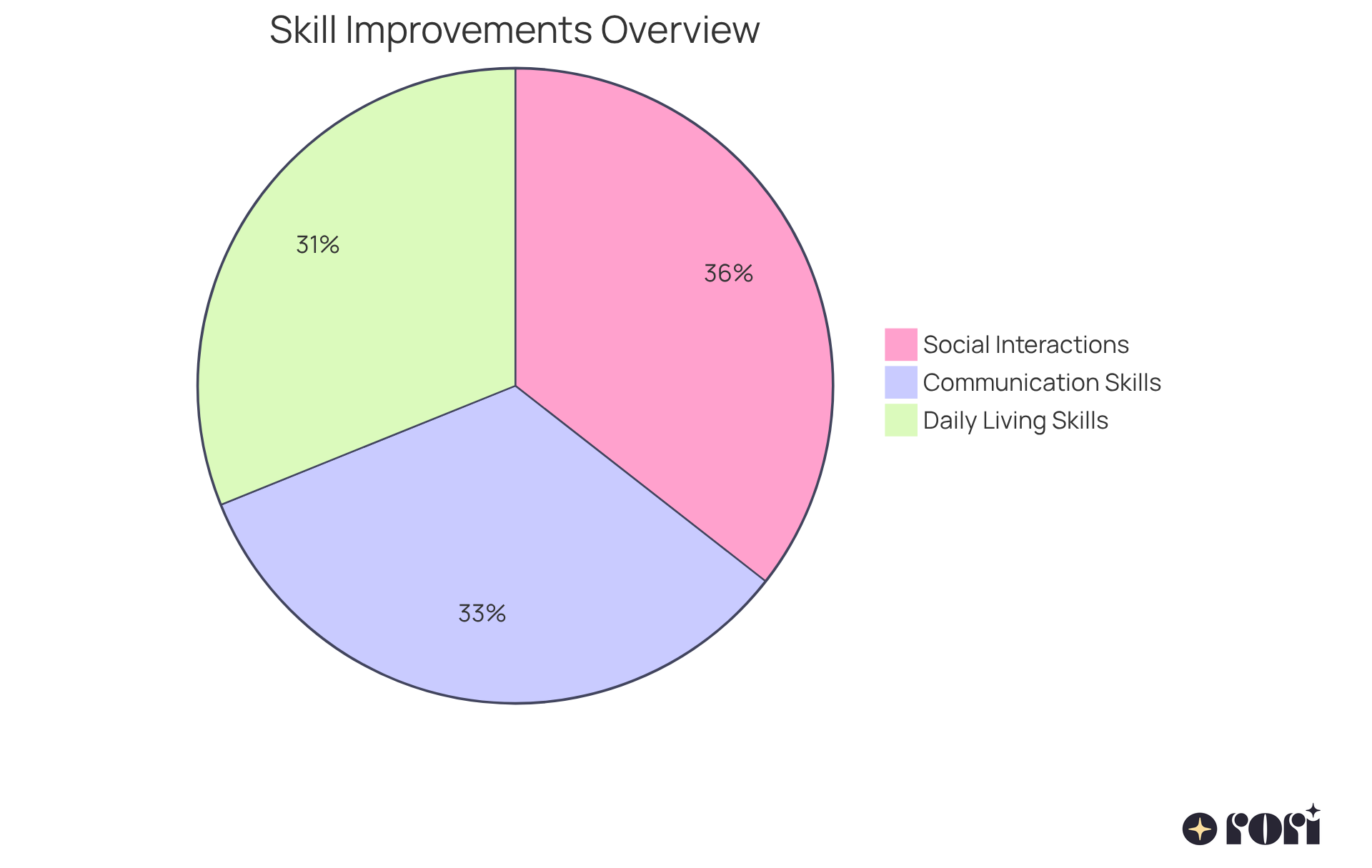
Research shows that this approach not only creates a but also boosts . For instance, studies reveal that can lead to impressive improvements in (up by 75%), social interactions (up by 80%), and daily living skills (up by 70%) for children with developmental disorders. Isn’t that amazing?
Behavior analysts stress that the timing and relevance of rewards are key. Immediate feedback helps kids connect their actions with the rewards, making it more likely they’ll repeat those desired behaviors. By , parents can create a supportive atmosphere that utilizes for preventing and de-escalating meltdowns in children with autism spectrum disorder, which .
Let’s explore this together! By understanding how works, we can all take steps toward fostering a more positive environment for our kids.
Routine Establishment: Creating Stability and Predictability
Creating a consistent daily routine is so important for young individuals with autism. It helps them feel a sense of predictability and safety. You know, research shows that implementing in children with autism spectrum disorder, such as having , can really cut down on anxiety. By clearly outlining what to expect each day, caregivers can help kids , making them feel more in control and less anxious.
Educating caregivers is key here! When they , they can make informed choices that positively impact their child’s progress and lead to better . But let’s not forget about flexibility! While it’s great to have a structured framework, caregivers should be ready to adjust things as needed. This balance allows young individuals to thrive in a stable environment, boosting their emotional well-being and overall development.
Visual aids like schedules and timers can be super helpful too! They create predictability and make transitions easier for kids with autism. Plus, when caregivers actively support their children and align with therapeutic approaches, it often results in more for preventing and de-escalating meltdowns in children with autism spectrum disorder. This is crucial for development.
To make things even more practical, caregivers might consider that outlines . This way, kids can anticipate what’s coming next, making the whole routine feel a bit more manageable. Let’s explore this together!

Cognitive-Behavioral Strategies: Teaching Emotional Regulation
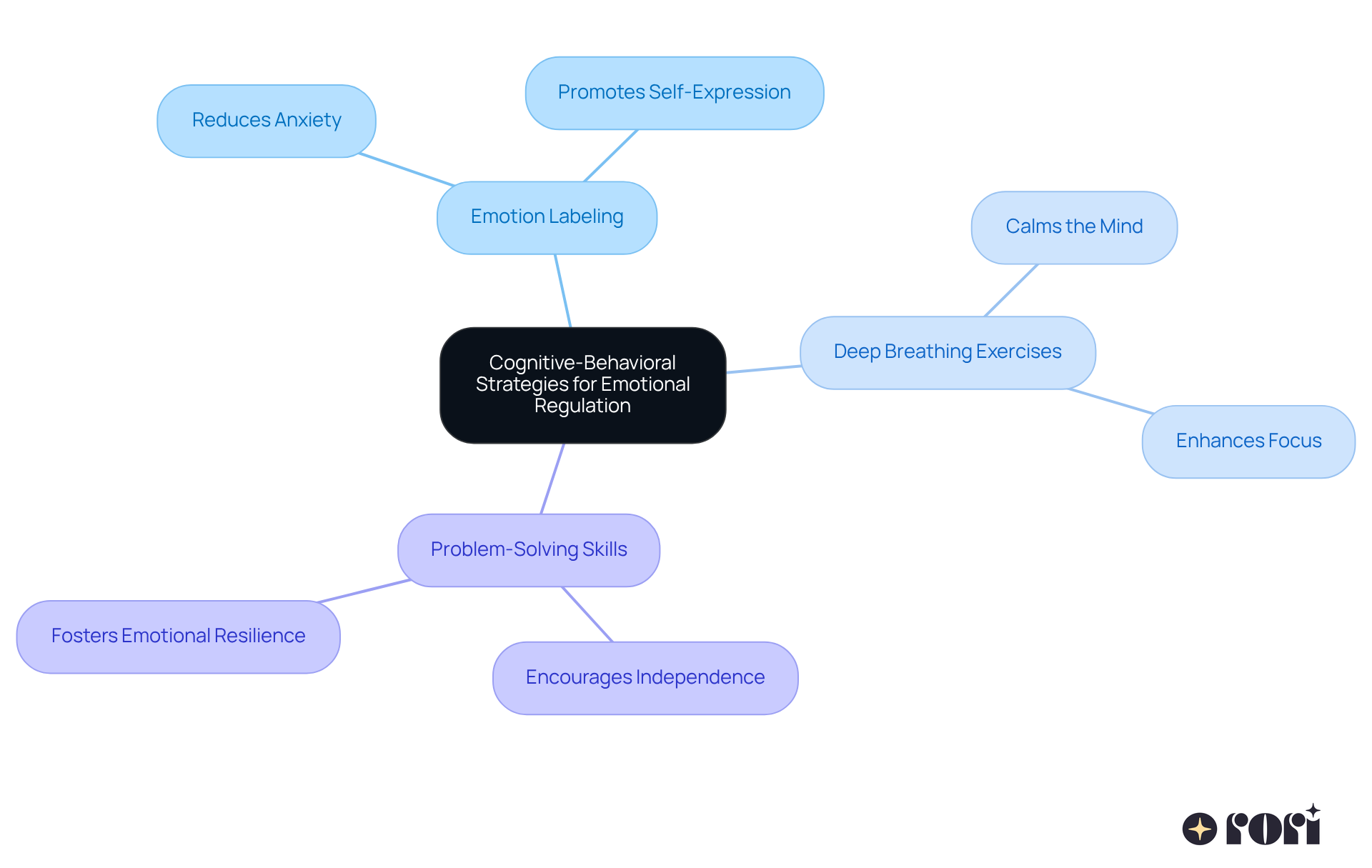
are a crucial part of , aiding kids in recognizing and managing their emotions. For instance, techniques like emotion labeling and deep breathing exercises serve as , helping to reduce their frequency and intensity. When young ones learn to , they often find it easier to understand and express themselves, which can lead to less anxiety and frustration.
Incorporating into these strategies is another great way to empower kids to handle stress better. This not only fosters but also encourages independence. By equipping those who support these children with , including , we can that promotes emotional growth and minimizes outbursts.
This approach aligns perfectly with Rori Care’s commitment to , ensuring that interventions are tailored to each child’s unique needs. Plus, transparent progress monitoring allows caregivers to as necessary. Empowering both clients and caregivers nurtures a collaborative atmosphere for achieving behavioral goals.
For kids aged 4-12, who often face challenges in social interactions and sensory sensitivities, are especially helpful. As Temple Grandin wisely said, ‘,’ reminding us of the unique strengths and challenges that individuals with autism possess. To effectively implement these strategies, parents can start by setting clear emotional goals with their children and regularly checking in on their progress together. Let’s explore this journey together!
Parent Training Programs: Empowering Caregivers for Effective Management
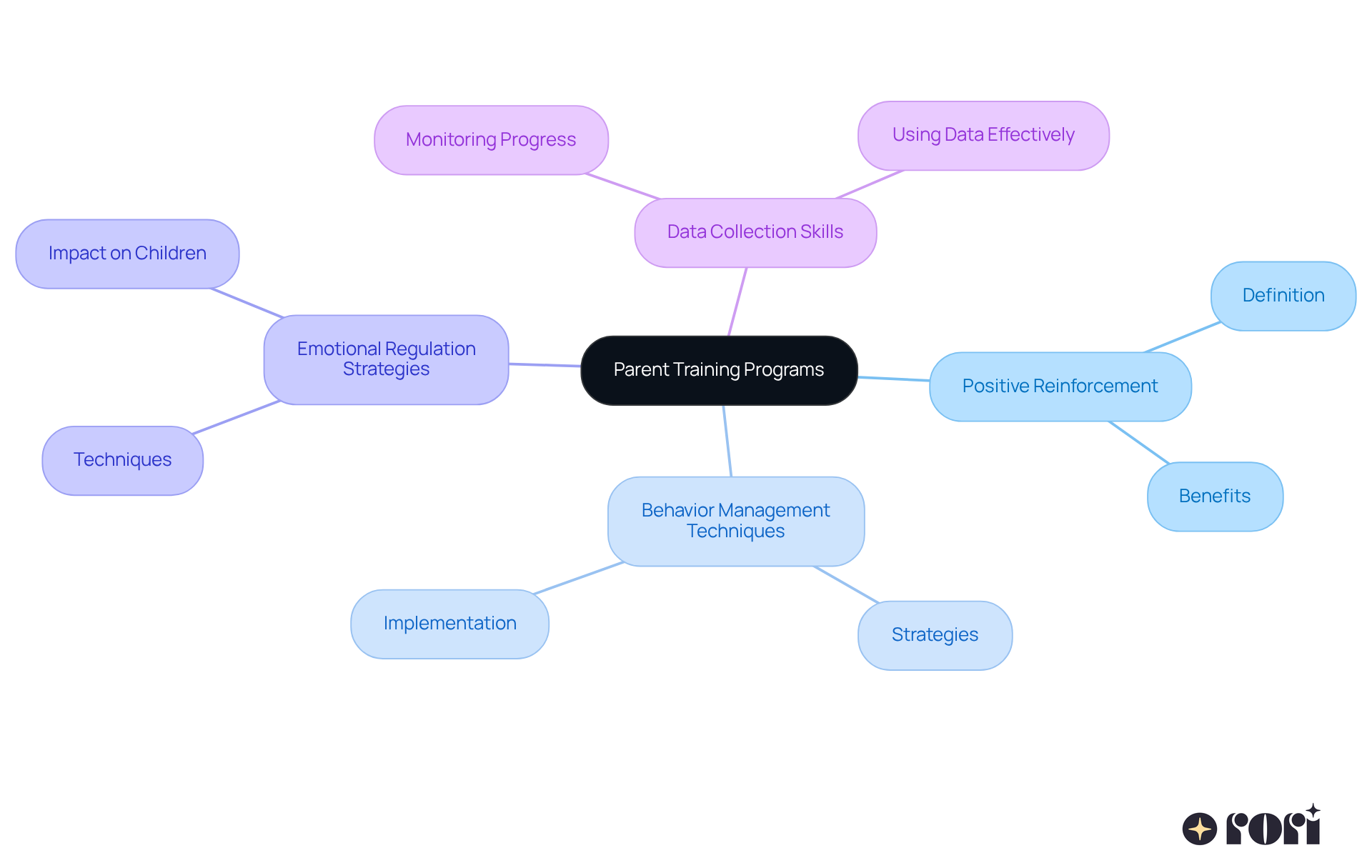
At Rori Care, we understand that parenting can be a tough journey. That’s why our are designed to offer caregivers valuable insights and approaches, specifically focusing on in children with autism spectrum disorder. Through , we focus on in children with autism spectrum disorder, covering essential topics like:
Imagine feeling empowered with the knowledge and skills that align with ABA principles! These programs not only enhance the effectiveness of interventions but also contribute to a more harmonious home environment. We’re here to help you every step of the way! Let’s explore this together!
Environmental Modifications: Reducing Triggers in the Home
Making some changes at home can really assist in implementing in children with autism spectrum disorder by reducing those pesky . Simple tweaks like:
- Lowering noise levels
- Adjusting lighting
can significantly enhance the effectiveness of in children with autism spectrum disorder. Occupational therapists often highlight how these not only ease anxiety but also .
Research backs this up, showing that can serve as for preventing and de-escalating meltdowns in children with autism spectrum disorder. When young people feel understood and supported in their surroundings, it creates a more nurturing atmosphere. By actively shaping a home that meets the sensory needs of our youth, caregivers can utilize in children with autism spectrum disorder to encourage positive behavior and assist with .
Let’s explore this together! is a journey, and every little change counts.

Professional Collaboration: Tailoring Interventions for Individual Needs
When it comes to , professional collaboration is key! 🤝 When clinicians, therapists, and educators come together, they can create that truly meet the unique needs of each person. This teamwork not only enhances the effectiveness of in children with autism spectrum disorder but also ensures that every aspect of development is taken into account, leading to better outcomes and fewer meltdowns.
Research shows that really boost -two vital ingredients for . For example, there’s a heartwarming case of a young person with Autism Spectrum Disorder (ASD) who made remarkable strides in behavior and even gained weight thanks to a . Isn’t that inspiring?
Educators and therapists often share that help create a supportive treatment environment. This teamwork ultimately benefits the child’s progress, making everyone feel more connected. By tapping into the strengths of various professionals, families can look forward to a more that includes in children with autism spectrum disorder. It really reinforces the idea that . Let’s explore this together!

Conclusion
Implementing effective behavioral interventions to prevent meltdowns in children with autism is so important for nurturing emotional regulation and overall well-being. By using personalized strategies, caregivers can create supportive environments that not only minimize triggers but also empower children to thrive. Think about it: each intervention, from visual schedules to sensory integration techniques, plays a vital role in helping kids navigate their daily challenges with greater ease.
Throughout this article, we’ve highlighted various approaches, like the significance of:
- Social stories
- Positive reinforcement
- Establishing routines
These strategies not only help reduce the frequency of meltdowns but also enhance essential skills such as communication and emotional awareness. Plus, the importance of parent training programs and professional collaboration really underscores the need for a comprehensive support system tailored to each child’s unique needs.
In conclusion, the journey to preventing meltdowns in children with autism is truly a collaborative effort. It requires understanding, patience, and the right tools. By embracing these behavioral interventions, caregivers and professionals can work together to create nurturing environments that promote emotional growth and resilience. Let’s take proactive steps today for a brighter, more manageable future for children with autism and their families. We’re here to help you every step of the way!
Frequently Asked Questions
What is Rori Care’s approach to ABA therapy?
Rori Care utilizes a data-oriented approach to Applied Behavior Analysis (ABA) therapy, focusing on personalized methods tailored to meet the specific needs of each child.
How does Rori Care help prevent meltdowns in children?
Rori Care conducts thorough evaluations to identify specific triggers that may lead to meltdowns, allowing clinicians to create personalized behavioral interventions aimed at preventing and de-escalating these situations.
What role do visual schedules play in reducing meltdowns?
Visual schedules help children navigate their daily routines by providing a visual representation of upcoming activities, which can reduce anxiety during transitions and lower the chances of meltdowns.
How do visual schedules align with Rori Care’s strategies?
Visual schedules support Rori Care’s commitment to personalized support and flexible strategies, becoming a vital part of behavioral interventions for children with autism spectrum disorder.
What are social stories and how do they assist children with autism?
Social stories are personalized narratives that help individuals with autism understand and prepare for social situations by breaking down interactions into manageable steps, which can reduce anxiety and support the development of social skills.
How does Rori Care ensure social stories are effective?
Rori Care’s clinical leadership team tailors social stories to fit each individual’s needs, enhancing their ability to recognize and respond to social cues, which boosts their confidence in social interactions.
What overall benefits do interventions like visual schedules and social stories provide?
These interventions help reduce the chances of meltdowns, support emotional management, and promote the growth of essential social skills, leading to improved overall well-being for children.
List of Sources
- Rori Care – ABA Therapy: Personalized Strategies for Meltdown Prevention
- Applied Behavior Analysis (ABA) Statistics: Data, Effectiveness, and Evidence-Based Practices (https://nexoaba.com/applied-behavior-analysis-statistics)
- The Numbers Don’t Lie: Revealing Autism Therapy Statistics | Above and Beyond Therapy (https://abtaba.com/blog/autism-therapy-statistics)
- Resources | Golden Steps ABA (https://goldenstepsaba.com/resources/success-rates-of-aba-therapy)
- Success Rates of ABA Therapy | Advanced Autism Services (https://advancedautism.com/post/success-rates-of-aba-therapy)
- supportivecareaba.com (https://supportivecareaba.com/statistics/autism-therapy-statistics)
- Visual Schedules: Enhancing Predictability to Reduce Meltdowns
- Visual Schedules for Children with Autism | Links (https://linksaba.com/visual-schedules-for-children-with-autism)
- Quotes About Autism (https://usevisualstrategies.com/quotes-about-autism)
- Strengthen Your Family with ABA-Informed Parenting (https://thetreetop.com/aba-therapy/the-visual-schedule-for-students-with-autism)
- Best Autism Quotes to Raise Awareness and Understanding (https://yellowbusaba.com/post/autism-quotes)
- The Efficacy of Visual Activity Schedule Intervention in Reducing Problem Behaviors in Children With Attention-Deficit/Hyperactivity Disorder Between the Age of 5 and 12 Years: A Systematic Review – PMC (https://pmc.ncbi.nlm.nih.gov/articles/PMC8733412)
- Social Stories: Preparing Children for Social Situations
- journals.kmanpub.com (https://journals.kmanpub.com/index.php/psychnexus/article/view/3936)
- 10 Inspiring Autism Awareness Quotes to Foster Understanding – Rori Blog (https://rori.care/post/10-inspiring-autism-awareness-quotes-to-foster-understanding)
- 107 Favorite Quotes About Autism and Aspergers (https://the-art-of-autism.com/favorite-quotes-about-autism-and-aspergers)
- Inspirational Quotes About Autism | Grateful Care ABA (https://gratefulcareaba.com/blog/inspirational-quotes-about-autism)
- Sensory Integration Techniques: Managing Overstimulation
- Weighted Blankets and Sleep Quality in Children with Autism Spectrum Disorders: A Single-Subject Design – PMC (https://pmc.ncbi.nlm.nih.gov/articles/PMC7823442)
- Inspiring Autism Quotes for Understanding and Acceptance – Kids First (https://kidsfirstservices.com/first-insights/autism-quotes)
- Effectiveness of Sensory Integration Interventions in Children With Autism Spectrum Disorders: A Pilot Study – PMC (https://pmc.ncbi.nlm.nih.gov/articles/PMC3708964)
- Managing Sensory Overload in Autism | Advanced Autism Services (https://advancedautism.com/post/managing-sensory-overload-in-autism)
- goldstarrehab.com (https://goldstarrehab.com/parent-resources/autism-quotes)
- Positive Reinforcement: Encouraging Desired Behaviors
- The Impact of Positive Reinforcement on ABA Therapy Outcomes (https://crossrivertherapy.com/articles/the-impact-of-positive-reinforcement-on-aba-therapy-outcomes)
- Autism Quotes | Intellistars – ABA Therapy (https://intellistarsaba.com/blog/autism-quotes)
- Positive Reinforcement and ABA Therapy (https://goldenstepsaba.com/resources/positive-reinforcement-in-aba-therapy)
- The Role of Positive Reinforcement in ABA Therapy for Children with Autism (https://yellowbusaba.com/post/the-role-of-positive-reinforcement-in-aba-therapy-for-children-with-autism)
- mastermindbehavior.com (https://mastermindbehavior.com/post/the-role-of-positive-reinforcement-in-autism-therapy)
- Routine Establishment: Creating Stability and Predictability
- pmc.ncbi.nlm.nih.gov (https://pmc.ncbi.nlm.nih.gov/articles/PMC12479442)
- pmc.ncbi.nlm.nih.gov (https://pmc.ncbi.nlm.nih.gov/articles/PMC10835995)
- Journal of Family Theory & Review | NCFR Family Science Journal | Wiley Online Library (https://onlinelibrary.wiley.com/doi/10.1111/jftr.12549)
- Autism Routine and Structure (https://goldenstepsaba.com/resources/autism-routine-and-structure)
- The Importance of Routines for Autistic Individuals | Advanced Autism Services (https://advancedautism.com/post/autism-routines)
- Cognitive-Behavioral Strategies: Teaching Emotional Regulation
- Inspiring Autism Quotes for Understanding and Acceptance – Kids First (https://kidsfirstservices.com/first-insights/autism-quotes)
- Cognitive Behavioral Treatments for Anxiety in Children With Autism Spectrum Disorder: A Randomized Clinical Trial – PMC (https://pmc.ncbi.nlm.nih.gov/articles/PMC6902190)
- grouporttherapy.com (https://grouporttherapy.com/blog/cbt-quotes)
- 107 Favorite Quotes About Autism and Aspergers (https://the-art-of-autism.com/favorite-quotes-about-autism-and-aspergers)
- Effectiveness of Cognitive Behavioral Therapy (CBT) on Psychological Distress among Mothers of Children with Autism Spectrum Disorder: The Role of Problem-Solving Appraisal (https://mdpi.com/2076-328X/14/1/46)
- Parent Training Programs: Empowering Caregivers for Effective Management
- The impact of parent training in ABA therapy (https://ambitionsaba.com/resources/the-impact-of-parent-training-in-aba-therapy)
- Parent Training vs Parent Education in Autism Spectrum Disorder (https://jamanetwork.com/journals/jama/fullarticle/2275445)
- sciencedirect.com (https://sciencedirect.com/science/article/abs/pii/S1750946719301837)
- Parent Training for Disruptive Behaviors in Referred Children with Autism Spectrum Disorder: A Randomized Controlled Trial – Journal of Autism and Developmental Disorders (https://link.springer.com/article/10.1007/s10803-024-06567-0)
- nature.com (https://nature.com/articles/s41599-024-02827-7)
- Environmental Modifications: Reducing Triggers in the Home
- Best Autism Quotes to Raise Awareness and Understanding (https://yellowbusaba.com/post/autism-quotes)
- 10 Inspiring Autism Awareness Quotes to Foster Understanding – Rori Blog (https://rori.care/post/10-inspiring-autism-awareness-quotes-to-foster-understanding)
- Strategies for Reducing Transition-Related Meltdowns | Links (https://linksaba.com/strategies-for-reducing-transition-related-meltdowns)
- How Environmental Modifications Improve Autism Outcomes (https://allaboutaba.com/blog/how-environmental-modifications-improve-autism-outcomes)
- Effectiveness of Sensory Integration Interventions in Children With Autism Spectrum Disorders: A Pilot Study – PMC (https://pmc.ncbi.nlm.nih.gov/articles/PMC3708964)
- Professional Collaboration: Tailoring Interventions for Individual Needs
- buildingblockstherapy.org (https://buildingblockstherapy.org/blog/the-importance-of-a-multidisciplinary-approach-to-autism-therapy)
- How Collaborative Therapy Programs Improve Outcomes for Children with Autism | Advanced Autism Services (https://advancedautism.com/post/how-collaborative-therapy-programs-improve-outcomes-for-children-with-autism)
- Interagency Collaboration for Pediatric Autism Spectrum Disorder: Perspectives of Community-Based Providers – PMC (https://pmc.ncbi.nlm.nih.gov/articles/PMC8294154)