

Introduction
Understanding the unique needs of children with Autism Spectrum Disorder (ASD) is so important for effective intervention. 🌟 When we personalize behavioral reinforcement strategies, we can really help a child thrive socially and emotionally. But let’s be honest – many caregivers struggle with picking the right techniques and keeping things consistent.
So, how can parents and educators navigate this complex landscape? It’s all about fostering positive behaviors and supporting your child’s development. Let’s explore this together! We’re here to help you every step of the way!
Rori Care – ABA Therapy: Personalized Behavioral Reinforcement for Children with ASD
At Rori Behavioral Innovations Inc., we understand that every child is unique, and that’s why we take a . Our goal is to utilize to ensure that your little one’s individual needs are met through that are personalized. By conducting thorough assessments, our clinicians craft that focus on specific actions and abilities, helping your child gain the essential skills they need to .
This tailored approach not only but also fosters greater independence and integration into their communities. Research shows that can lead to . Many young individuals often show remarkable progress in their social skills and overall development.
We’re committed to customizing therapy so that each child receives the support they need to thrive. This reflects the incredible potential of . With and insurance support, we’re proud to promote substantial advancements in 90% of youth. It’s a testament to the in this journey.
Let’s explore this together! We’re here to help you every step of the way!
Positive Reinforcement Techniques: Encouraging Desired Behaviors in Kids with ASD
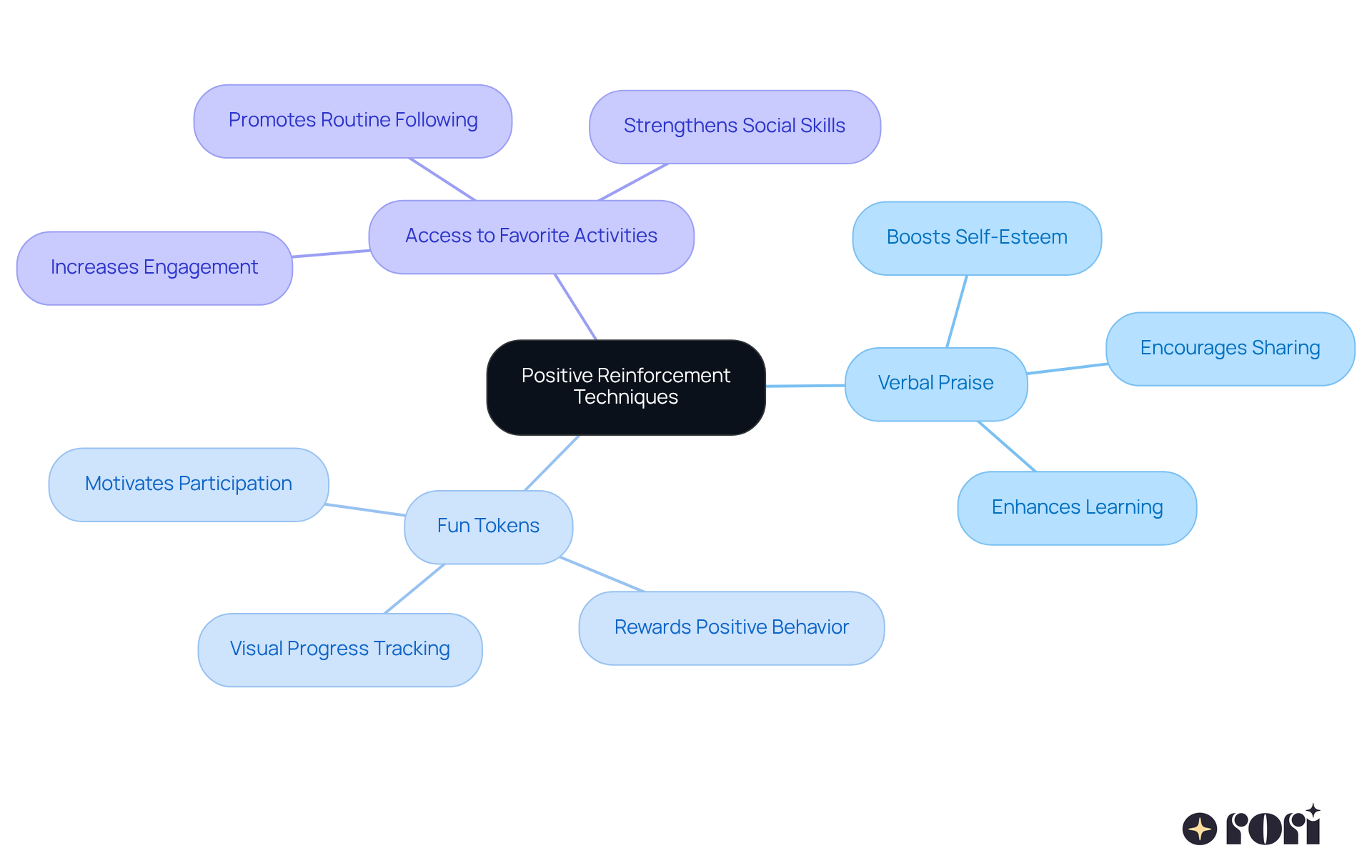
are all about celebrating those little victories! 🎉 When kids do something great, like sharing their toys, – think verbal praise, fun tokens, or even access to their favorite activities – can really make a difference. This approach, rooted in , utilizes for kids with ASD to while also .
Imagine complimenting your child for sharing their toys; that simple act can strengthen their desire to share again in the future. By tailoring these , . And let’s not forget about ! It plays a crucial role in highlighting how can enhance learning, communication, and social skills.
So, let’s explore this together! If you’re a parent navigating these challenges, remember that you’re not alone. We’re here to help you every step of the way!
Token Economy Systems: Structured Rewards for Positive Behavior Management
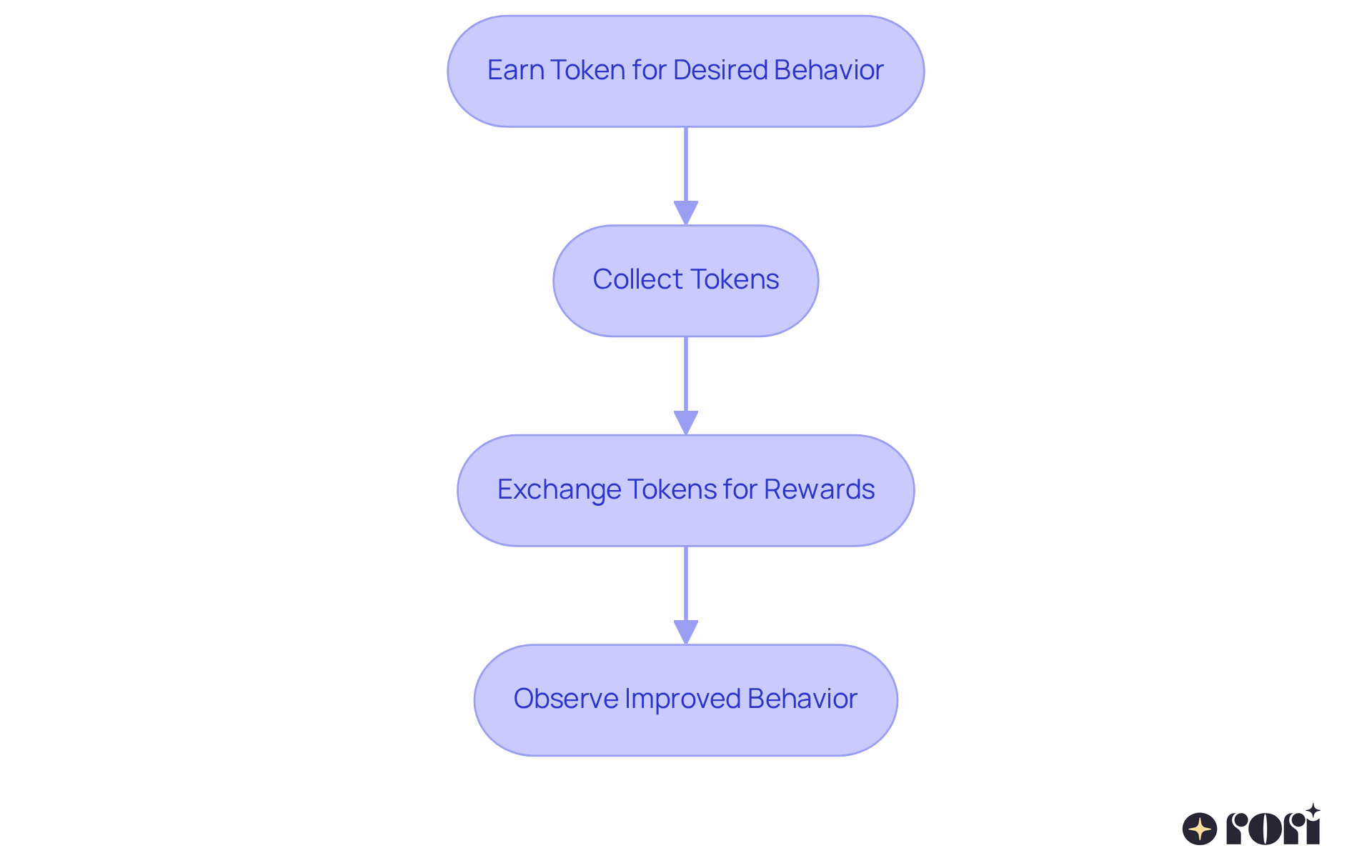
Have you ever wondered how to encourage in kids? A might just be one of the effective ! This effective strategy is one of the , for showing desired behaviors, which they can later trade for fun rewards. It’s a fantastic way to inspire young ones and help them understand how their actions lead to rewards.
For instance, imagine a child earning a token for finishing their homework. They can then exchange that token for extra playtime! This approach not only promotes good behavior but also teaches kids the valuable skill of – waiting for a reward instead of seeking instant satisfaction.
Research backs this up, too! In a study with youth in orphanages, behavioral scores improved dramatically after implementing a token economy, dropping from 34.42 to 16.34. That’s a huge difference! Plus, emphasize that implementing , such as organized rewards, helps children understand expectations and consequences better, leading to .
Before the intervention, 76% of children faced moderate behavioral challenges, highlighting how crucial can be in addressing significant issues. And let’s not forget the role of caregivers! Their active involvement in these strategies, along with careful data collection, really boosts the effectiveness of the intervention.
So, if you’re looking for a in various settings, including institutional care, a could be a great fit. Let’s explore this together and see how it can make a difference!
Differential Reinforcement: Tailoring Rewards to Shape Behavior
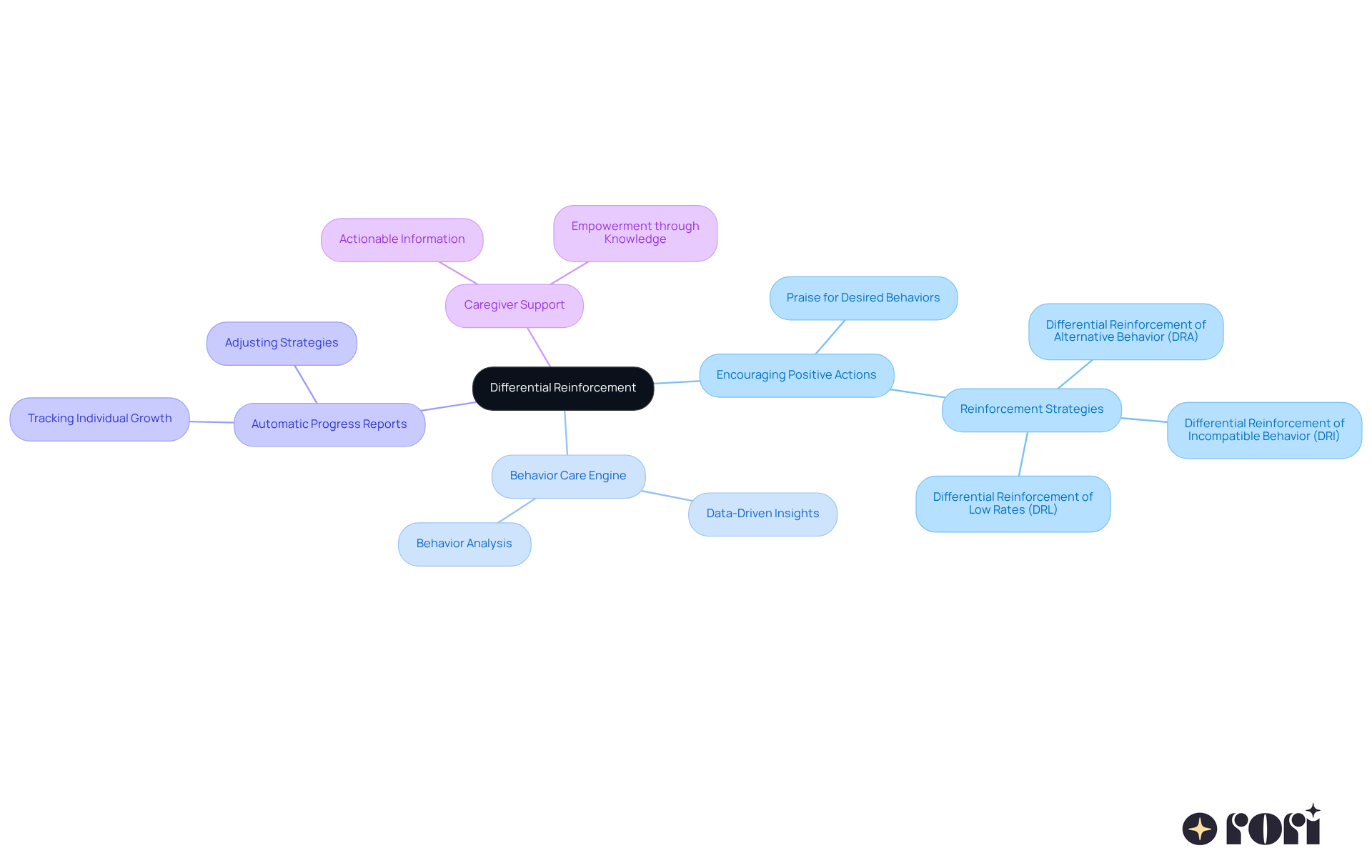
is all about while gently stepping back from those we don’t. Imagine a young person who’s learning to express themselves – when they choose to use words instead of gestures, they might get a little praise or even a reward! This approach utilizes to shape behavior by focusing on what they’re doing right, rather than punishing the not-so-great choices.
At Rori Care, we’ve developed a behavior care engine that utilizes to . It even whips up for clinicians to review. This process not only helps but also empowers caregivers by providing them with actionable information to effectively support their child’s .
These highlight individual growth over time, allowing caregivers to tweak their strategies as needed. This way, the support stays relevant and encouraging. Let’s explore this together! We’re here to !
Social Reinforcement: Building Connections Through Positive Interactions
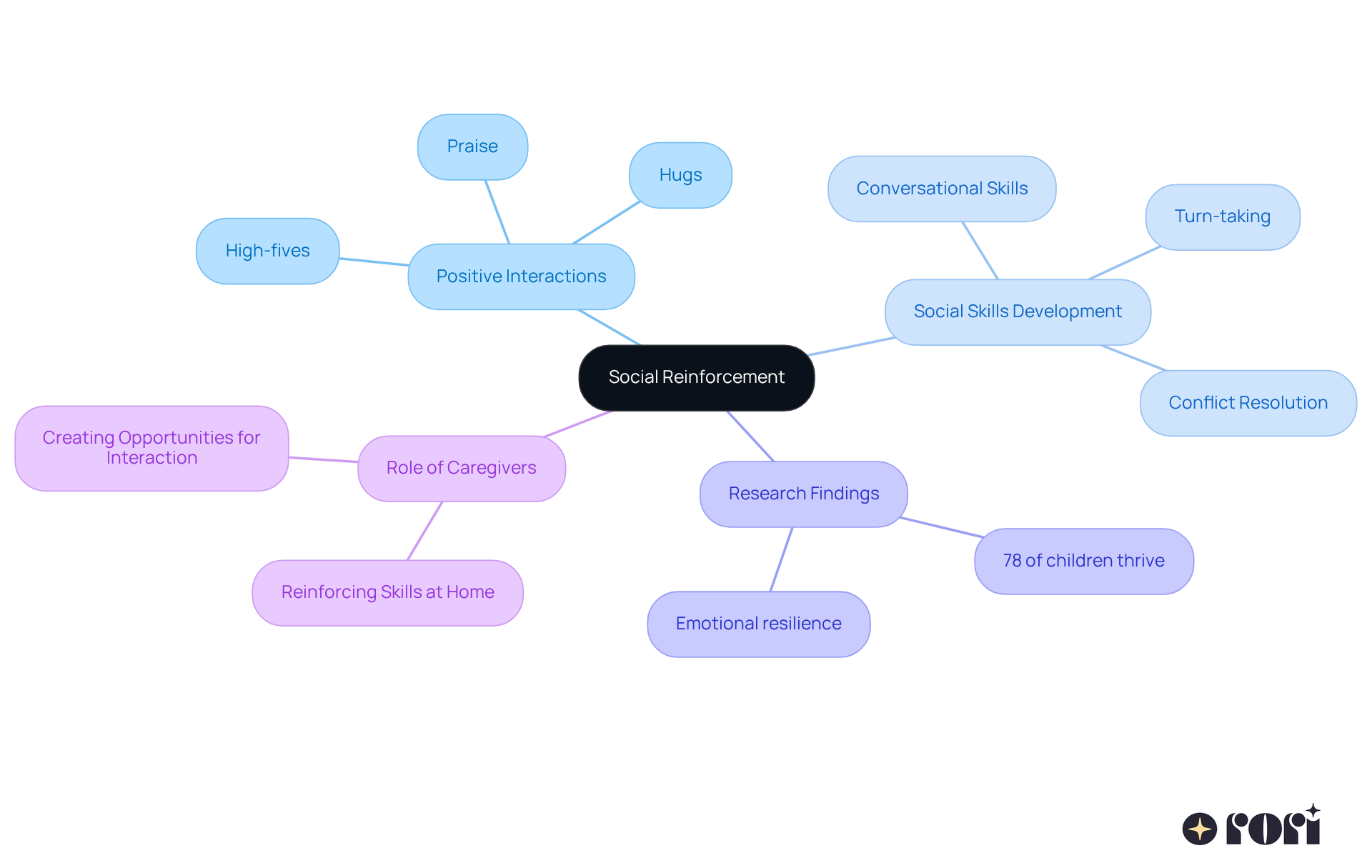
Social reinforcement is such a powerful tool! It employs , like high-fives, hugs, or even a simple word of praise, as for kids with ASD to encourage desired behaviors. Imagine a little one sharing a toy and then getting a big smile and some praise from a friend. Not only does that reinforce the sharing behavior, but it also helps them build those all-important .
Research shows that kids involved in really thrive. They get to practice conversational skills, that are crucial for effective social interaction. Isn’t that amazing?
Recent findings reveal that 78% of kids aged 6 months to 5 years show signs of thriving, which tells us that can really boost . Child psychologists often say that every . Understanding what drives these actions can lead to more . One specialist beautifully put it, ‘Discipline truly signifies teaching, not punishment.’ This highlights how important it is to guide our kids with instead of just focusing on corrections.
New discoveries are shining a light on the effectiveness of social support techniques. Young people who take part in organized therapy are often better equipped to handle social situations. By creating opportunities for , caregivers can utilize for kids with ASD to help them build confidence and competence in their . This ultimately leads to better behavior and stronger friendships with their peers.
Let’s explore this together! If you’re looking for ways to support your child, remember that you’re not alone. We’re here to help you every step of the way!
Natural Reinforcement: Leveraging Everyday Activities for Behavior Improvement
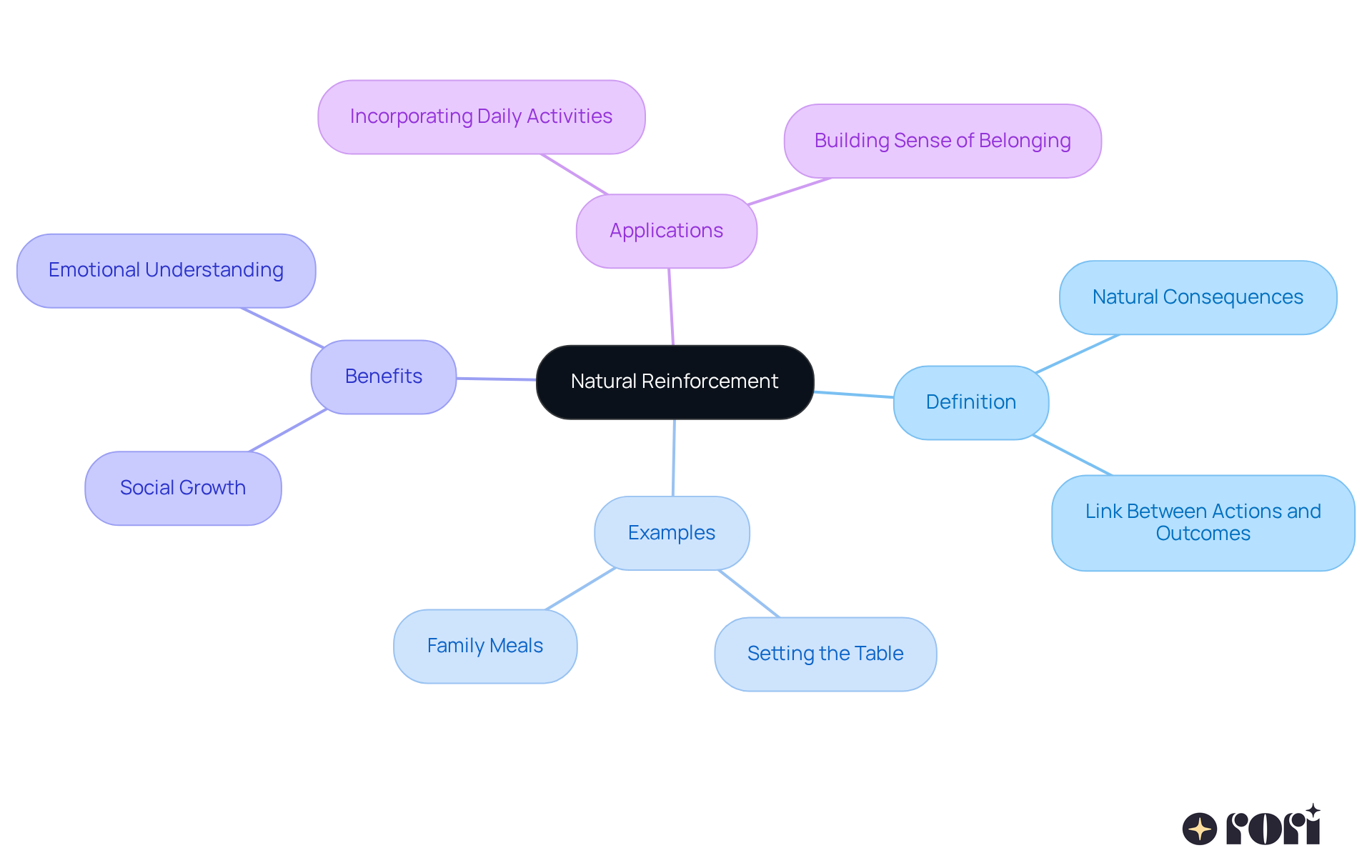
Natural reinforcement happens when a young person’s actions lead to , creating a clear link between what they do and what happens next. For example, when a child helps set the table and then gets to join the family for dinner, that act of helping is rewarded with the joy of being included in a family activity. This not only encourages but also helps kids grasp the of their actions.
Behavior specialists emphasize the significance of incorporating daily activities into . By using everyday tasks like chores or family meals, caregivers can give kids a chance to see the benefits of their positive actions. This approach builds a and responsibility, which are key for .
Recent studies show just how effective . When young people notice the immediate benefits of their actions, they’re more likely to repeat those behaviors. For instance, research suggests that getting kids involved in household activities can significantly boost their social skills and emotional understanding, as they learn to .
You can see real-world applications of these everywhere-from home to school. By incorporating into daily routines, caregivers and educators can create a nurturing environment that promotes and supports kids in thriving socially and emotionally.
Let’s explore this together! We’re here to help you every step of the way!
Consistency in Reinforcement: Key to Successful Behavior Modification
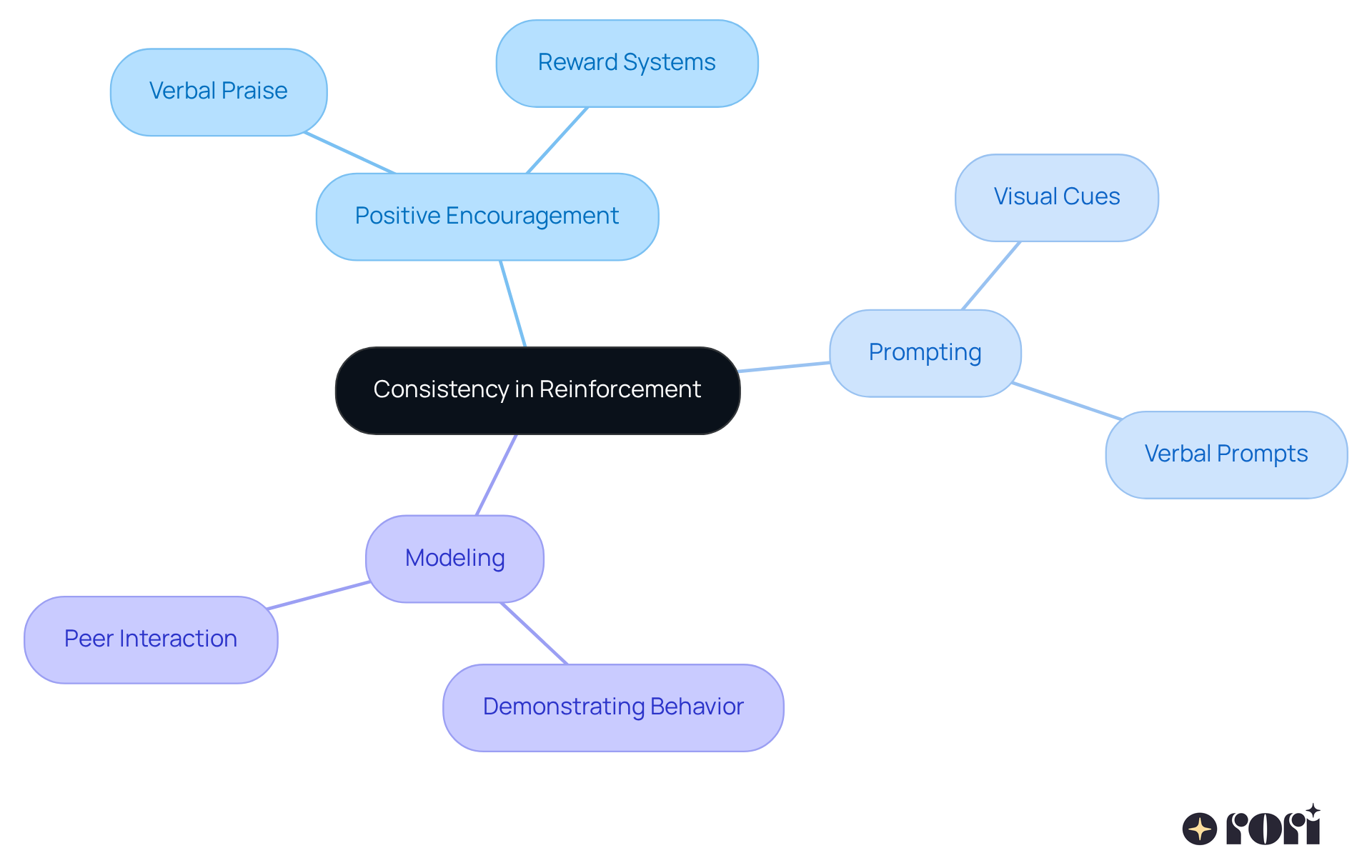
When it comes to encouraging our kids, consistency is key! It’s all about applying the same rules and rewards in different places. For example, if your child gets a pat on the back for using polite words at home, they should receive that same cheer at school. This kind of what’s expected and makes learning stick, leading to better behavior over time.
At Rori Care, we believe in with for , including:
- Prompting
- Modeling
This way, you’re equipped to provide the right support at home, which beautifully complements any professional help your child might be receiving. Feeling informed boosts your confidence and , and that’s a win-win for everyone!
So, let’s explore this together! We’re here to !
Progress Monitoring: Evaluating the Impact of Reinforcement Strategies
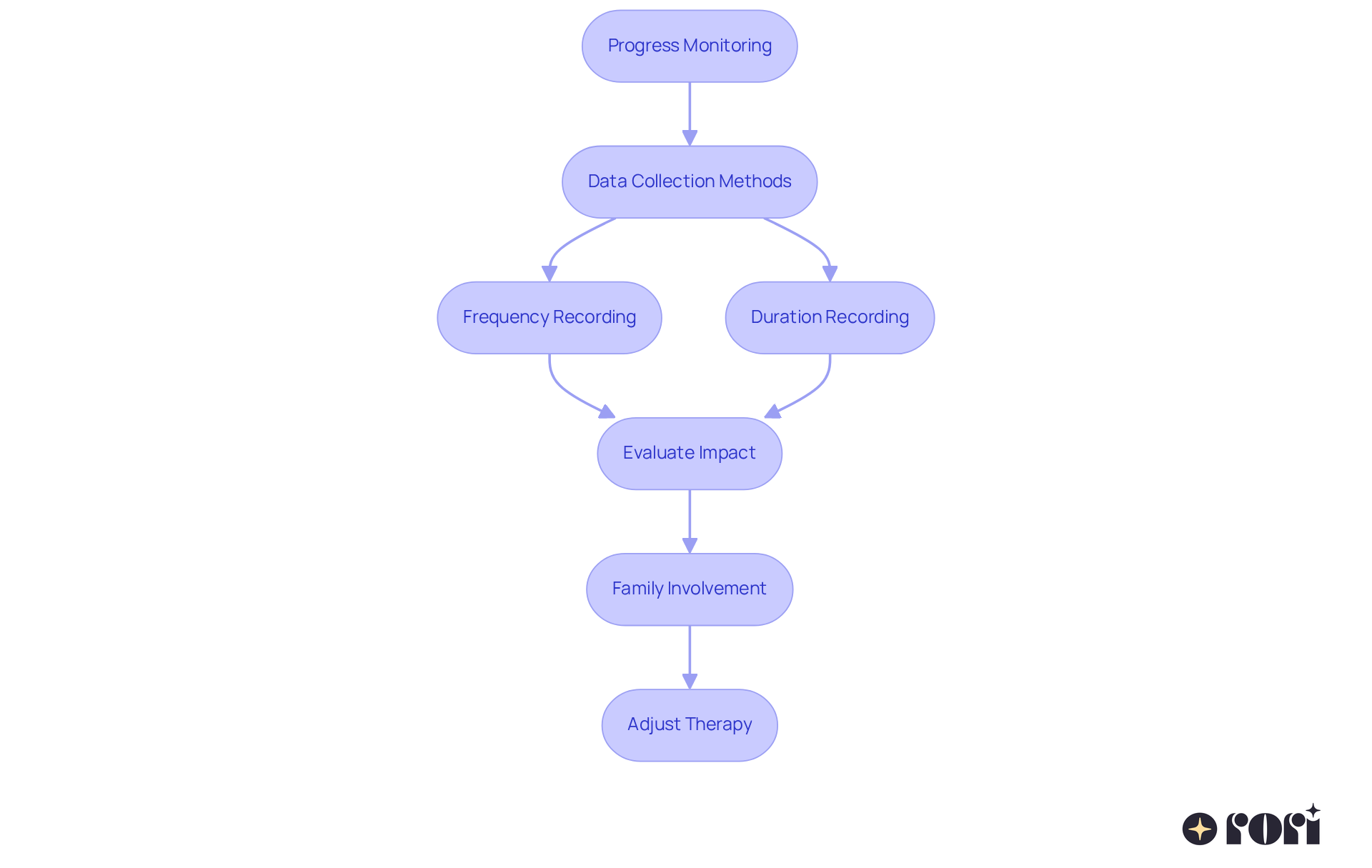
Progress monitoring is so important for understanding how a child is developing and how effective the support techniques in are. This systematic approach involves keeping a close eye on specific behaviors, noting when reinforcement is used, and . For instance, using techniques like can help caregivers count how often a behavior occurs, while looks at how long a behavior lasts. These methods provide solid evidence of progress and help caregivers see which strategies work best.
Research shows that young people who receive consistent, high-frequency ABA therapy – typically 25 to 40 hours a week – tend to show greater improvements in adaptive skills and communication. One study with 582 clients found significant gains in communication, social skills, motor skills, and daily living abilities after just 12 months of treatment. This really highlights how crucial are.
Clinicians often point out that when families actively participate in tracking , it boosts the effectiveness of therapy. By getting families involved in the , therapists can tailor their approaches to meet each child’s unique needs. This creates a collaborative environment that supports progress both in therapy and at home. Plus, ongoing data monitoring allows for quick adjustments to treatment plans, ensuring they stay in tune with the child’s evolving needs.
In summary, effective progress tracking utilizes behavioral reinforcement strategies for kids with ASD to , leading to better outcomes. And with technology playing a role in data tracking, the accuracy and reliability of these assessments are even better, making it a key part of successful ABA therapy. Let’s explore this together!
Collaboration with Behavior Specialists: Enhancing Reinforcement Strategies
Working together with specialists, especially at Rori Care, can really boost how effectively we . Our clinical leadership group, which includes amazing specialists like Dr. Jesslyn Nicole Farros, Ph.D., BCBA-D, has been focusing on ABA for since January 2013. They bring invaluable knowledge to the table, helping create that cater to each child’s unique needs.
For instance, they might suggest specific support techniques that resonate with a child’s interests and motivations. This way, we ensure a more to implementing in . Research shows that when parents actively , the consistency and effectiveness of improve, resulting in better outcomes.
We’ve seen successful examples where our BCBAs have worked closely with families to implement , resulting in . This partnership not only empowers parents but also fosters a that’s essential for the child’s development. Let’s explore this together! We’re here to help you every step of the way!
Balancing Reinforcement: Navigating Positive and Negative Approaches
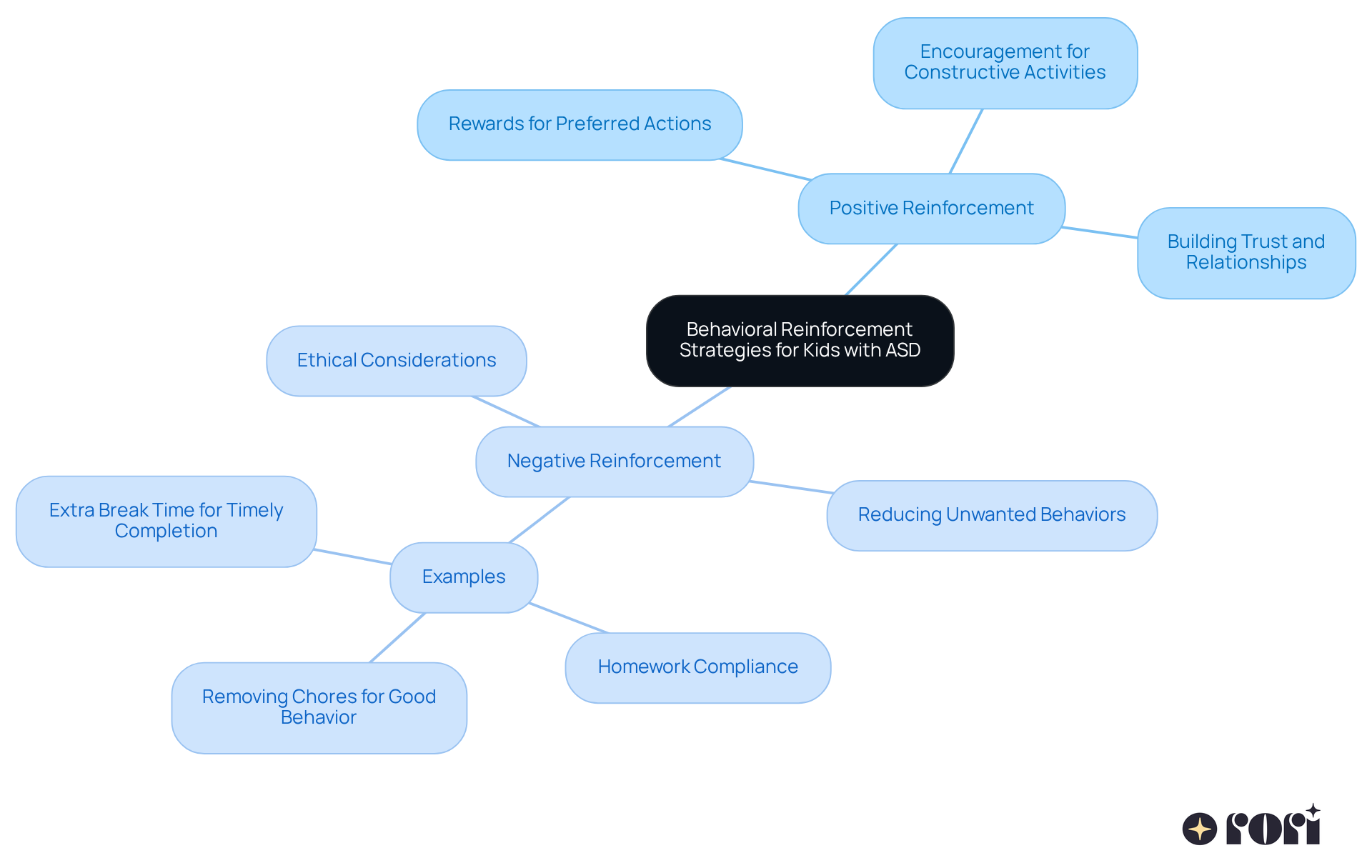
Balancing positive and negative incentives is key to effectively managing . Think about it: , like rewarding preferred actions, really helps motivate young ones to join in on constructive activities. On the flip side, by . For example, a child might finish their homework to avoid losing playtime. This shows how negative encouragement can lead to compliance.
Recent studies have found that for kids with asd and support techniques can lead to better outcomes, covering a wider range of actions and encouraging . When used wisely, for kids with asd, including both negative reinforcement and positive methods, can significantly improve behavior management. of carefully implementing these techniques to promote positive habits without creating a reliance on external rewards.
By understanding and applying , caregivers can foster a . Let’s explore this together! We’re here to help you every step of the way!
Conclusion
Exploring effective behavioral reinforcement strategies for children with Autism Spectrum Disorder (ASD) can be a game-changer for families. Personalized approaches really make a difference in encouraging positive behavior and skill development. By using tailored techniques like positive reinforcement, token economies, and social reinforcement, caregivers can create warm environments where children can truly thrive, both socially and emotionally.
It’s important to remember that consistency is key! Keeping reinforcement practices steady, monitoring progress, and collaborating with behavior specialists can really enhance the experience. Each strategy, from differential reinforcement to natural consequences, helps children understand their actions and the rewards or consequences that follow. When caregivers get involved, it amplifies the effectiveness of these strategies, ensuring kids receive the support they need in various settings.
Ultimately, implementing these behavioral reinforcement strategies not only helps children with ASD develop essential skills but also enriches family life. Watching your child grow and gain independence is such a rewarding journey! Embracing these methods can lead to wonderful improvements in communication, social skills, and overall well-being. So, let’s stay informed and actively participate in our children’s development together. The combined efforts of families and professionals can truly create transformative outcomes for children with ASD. We’re here to help you every step of the way!
Frequently Asked Questions
What is Rori Care’s approach to ABA therapy for children with ASD?
Rori Care utilizes a data-driven approach to Applied Behavior Analysis (ABA) therapy, crafting customized treatment plans through thorough assessments to meet the individual needs of each child with ASD.
How does personalized ABA therapy benefit children with ASD?
Personalized ABA therapy enhances children’s ability to handle social situations, fosters greater independence, and promotes integration into their communities. Early and consistent intervention can lead to significant improvements in communication and adaptive behaviors.
What role do caregivers play in the ABA therapy process?
Caregiver participation is crucial in the therapy process, and education for caregivers is emphasized to promote substantial advancements in the child’s development.
What are positive reinforcement techniques in the context of ABA therapy?
Positive reinforcement techniques involve celebrating small victories by rewarding children for desired behaviors, such as sharing toys, with instant rewards like verbal praise or tokens, which helps boost their self-esteem and motivation.
How does a token economy system work for managing positive behavior in kids with ASD?
A token economy system rewards children with tokens for displaying desired behaviors, which they can later exchange for fun rewards. This method promotes good behavior while teaching delayed gratification.
What evidence supports the effectiveness of a token economy system?
Research shows that behavioral scores improved significantly in children after implementing a token economy system, demonstrating its effectiveness in encouraging positive behavior and understanding expectations and consequences.
What is the importance of caregiver involvement in behavioral reinforcement strategies?
Active caregiver involvement, along with careful data collection, significantly enhances the effectiveness of behavioral reinforcement strategies for children with ASD, leading to improved emotional and social development.
List of Sources
- Rori Care – ABA Therapy: Personalized Behavioral Reinforcement for Children with ASD
- The Impact of ABA Therapy on Long-Term Outcomes for Children with Autism (https://supportivecareaba.com/statistics/the-impact-of-aba-therapy-on-long-term-outcomes-for-children-with-autism)
- Understanding Autism Therapy Success Rates (https://ambitionsaba.com/resources/understanding-autism-therapy-success-rates)
- The Numbers Don’t Lie: Revealing Autism Therapy Statistics | Above and Beyond Therapy (https://abtaba.com/blog/autism-therapy-statistics)
- Success Rates of ABA Therapy | Advanced Autism Services (https://advancedautism.com/post/success-rates-of-aba-therapy)
- Positive Reinforcement Techniques: Encouraging Desired Behaviors in Kids with ASD
- Autism Quotes – Helping Your Child Climb Higher With ABA Therapy (https://climbingstar.com/blog/autism-quotes)
- The Role of Positive Reinforcement in ABA Therapy for Children with Autism (https://yellowbusaba.com/post/the-role-of-positive-reinforcement-in-aba-therapy-for-children-with-autism)
- mastermindbehavior.com (https://mastermindbehavior.com/post/the-role-of-positive-reinforcement-in-autism-therapy)
- Inspirational Quotes About Autism | Grateful Care ABA (https://gratefulcareaba.com/blog/inspirational-quotes-about-autism)
- Token Economy Systems: Structured Rewards for Positive Behavior Management
- The Power of Positive Reinforcement in ABA Therapy – On Target ABA (https://ontargetaba.com/2025/10/22/the-power-of-reinforcement-how-positive-aba-strategies-motivate-real-change)
- Effectiveness of Token Economy Therapy in Reducing Aggressive Behaviors Among Orphanage Children: A Pilot Study – PMC (https://pmc.ncbi.nlm.nih.gov/articles/PMC12156682)
- Inspirational Quotes About Autism | Grateful Care ABA (https://gratefulcareaba.com/blog/inspirational-quotes-about-autism)
- Token Economy Systems to Increase Appropriate Behaviors – NASET (https://naset.com/publications/classroom-management-series/token-economy-systems-to-increase-appropriate-behaviors)
- Best ABA Quotes (https://testpreptech.com/post/best-aba-quotes)
- Differential Reinforcement: Tailoring Rewards to Shape Behavior
- Inspirational ABA and Autism Quotes – Mrs. Moe’s Modifications (https://mrsmoesmodifications.com/inspirational-aba-and-autism-quotes)
- Best ABA Quotes (https://testpreptech.com/post/best-aba-quotes)
- A Study to Measure The Effectiveness of Differential Reinforcement for Stereotypical Behavior in Autism Spectrum Disorder (https://biomedpharmajournal.org/vol9no2/a-study-to-measure-the-effectiveness-of-differential-reinforcement-for-stereotypical-behavior-in-autism-spectrum-disorder)
- Differential Reinforcement | Links (https://linksaba.com/differential-reinforcement)
- A Comprehensive Guide to Differential Reinforcement (DRI) in ABA | Brighter Strides ABA (https://brighterstridesaba.com/blog/differential-reinforcement-dri-in-aba)
- Social Reinforcement: Building Connections Through Positive Interactions
- cdc.gov (https://cdc.gov/children-mental-health/data-research)
- advancedautism.com (https://advancedautism.com/post/how-social-skills-groups-help-children-with-autism-build-meaningful-relationships)
- ybgr.org (https://ybgr.org/17-quotes-on-coaching-kids-through-behaviors)
- mastermindbehavior.com (https://mastermindbehavior.com/post/developing-social-skills-in-children-with-autism-through-aba-therapy)
- Natural Reinforcement: Leveraging Everyday Activities for Behavior Improvement
- Inspirational ABA and Autism Quotes – Mrs. Moe’s Modifications (https://mrsmoesmodifications.com/inspirational-aba-and-autism-quotes)
- Reward Reinforcement Creates Enduring Facilitation of Goal-directed Behavior – PMC (https://pmc.ncbi.nlm.nih.gov/articles/PMC11602007)
- 10 Great Quotes on Promoting Positive Behavior – Brookes Blog (https://blog.brookespublishing.com/10-great-quotes-on-promoting-positive-behavior)
- How ABA Therapy Encourages Social and Emotional Development | OCNJ Daily (https://ocnjdaily.com/news/2025/nov/25/how-aba-therapy-encourages-social-and-emotional-development)
- Progress Monitoring: Evaluating the Impact of Reinforcement Strategies
- Data and Statistics on Autism Spectrum Disorder (https://cdc.gov/autism/data-research)
- Success Rates of ABA Therapy | Advanced Autism Services (https://advancedautism.com/post/success-rates-of-aba-therapy)
- trueuaba.com (https://trueuaba.com/value-of-tracking-data-to-celebrate-aba-therapy-progress)
- The Numbers Don’t Lie: Revealing Autism Therapy Statistics | Above and Beyond Therapy (https://abtaba.com/blog/autism-therapy-statistics)
- Tracking and Measuring Outcomes in ABA Therapy Programs (https://mastermindbehavior.com/post/tracking-and-measuring-outcomes-in-aba-therapy-programs)
- Collaboration with Behavior Specialists: Enhancing Reinforcement Strategies
- allstaraba.org (https://allstaraba.org/blog/bcba-job-demand)
- Interdisciplinary and Collaborative Models – Transforming Autism Care Through Strategic Partnerships | Links (https://linksaba.com/interdisciplinary-and-collaborative-models-aba)
- The Numbers Don’t Lie: Revealing Autism Therapy Statistics | Above and Beyond Therapy (https://abtaba.com/blog/autism-therapy-statistics)
- Inspirational Quotes About Autism | Grateful Care ABA (https://gratefulcareaba.com/blog/inspirational-quotes-about-autism)
- Balancing Reinforcement: Navigating Positive and Negative Approaches
- Strengthen Your Family with ABA-Informed Parenting (https://thetreetop.com/aba-therapy/how-to-manage-negative-behavior-in-children-with-autism)
- Negative Reinforcement During ABA Therapy | Advanced Autism Services (https://advancedautism.com/post/negative-reinforcement-during-aba-therapy)
- Examining Negative Reinforcement in Autism (https://goldenstepsaba.com/resources/negative-reinforcement-example-in-autism)
- Effective ABA Reinforcement Techniques (https://supportivecareaba.com/statistics/effective-aba-reinforcement-techniques)
- Best ABA Quotes (https://testpreptech.com/post/best-aba-quotes)