

Introduction
Crafting social skills in children with autism can feel like a complex journey, right? Each child has their own unique needs, and finding the right approach is key. Effective group therapy strategies have emerged as wonderful tools, helping not just individual growth but also enriching those all-important peer interactions that support social development.
But what happens when traditional methods don’t quite hit the mark, or when the environment feels a bit too overwhelming? 🤔 This article dives into some innovative strategies designed to enhance social skills in autism therapy. We’ll explore how families, therapists, and even technology can come together to create a thriving support system. Let’s explore this together!
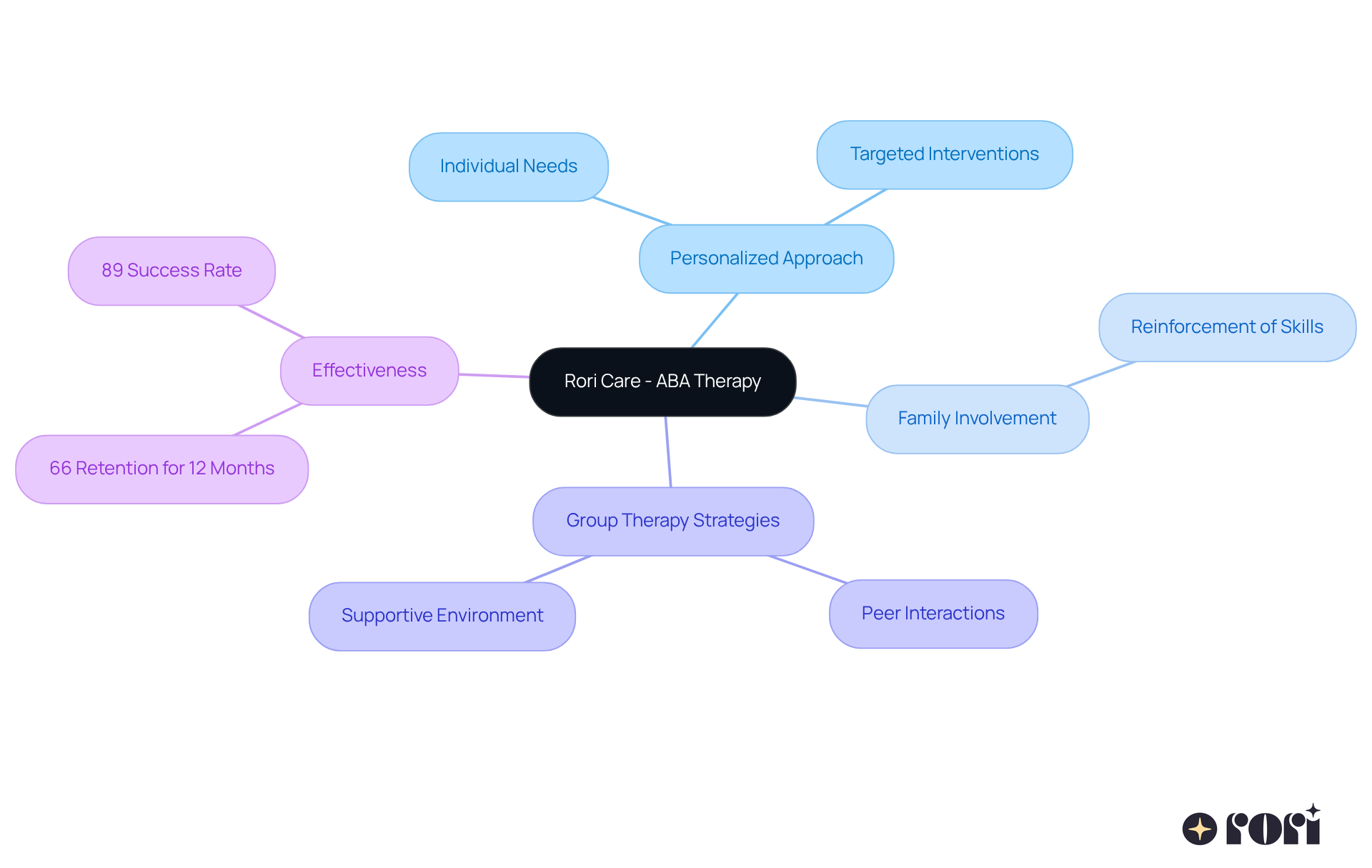
Rori Care – ABA Therapy: Personalized Group Therapy for Social Skills Development
At Rori Care, we understand that every child is unique, especially when it comes to ABA therapy. That’s why we take a tailored approach, particularly in . This means we prioritize each individual’s needs while also encouraging interactions among peers. Imagine your child thriving in a nurturing environment where their strengths are recognized, and their challenges are addressed. Our clinicians work closely with each child to design .
But that’s not all! We also use , giving our team 50% more time to focus on what really matters – your child’s treatment. are key, and with automated data gathering, we can pinpoint the ideal duration of treatment. This way, we can adjust based on how your child is progressing.
. When families engage in the process, it reinforces the and helps with generalization. This dual focus on , supported by , is vital for achieving . We aim to establish a that incorporates effective group therapy strategies for enhancing social abilities in autism, allowing young individuals to flourish together.
Did you know that 66% of individuals referred for ABA therapy start treatment and stick with it for 12 months? This really highlights how effective personalized methods can be. So, let’s explore this journey together! We’re here to help you every step of the way!
Social Skills Group Training: Evidence-Based Approach to Autism Therapy
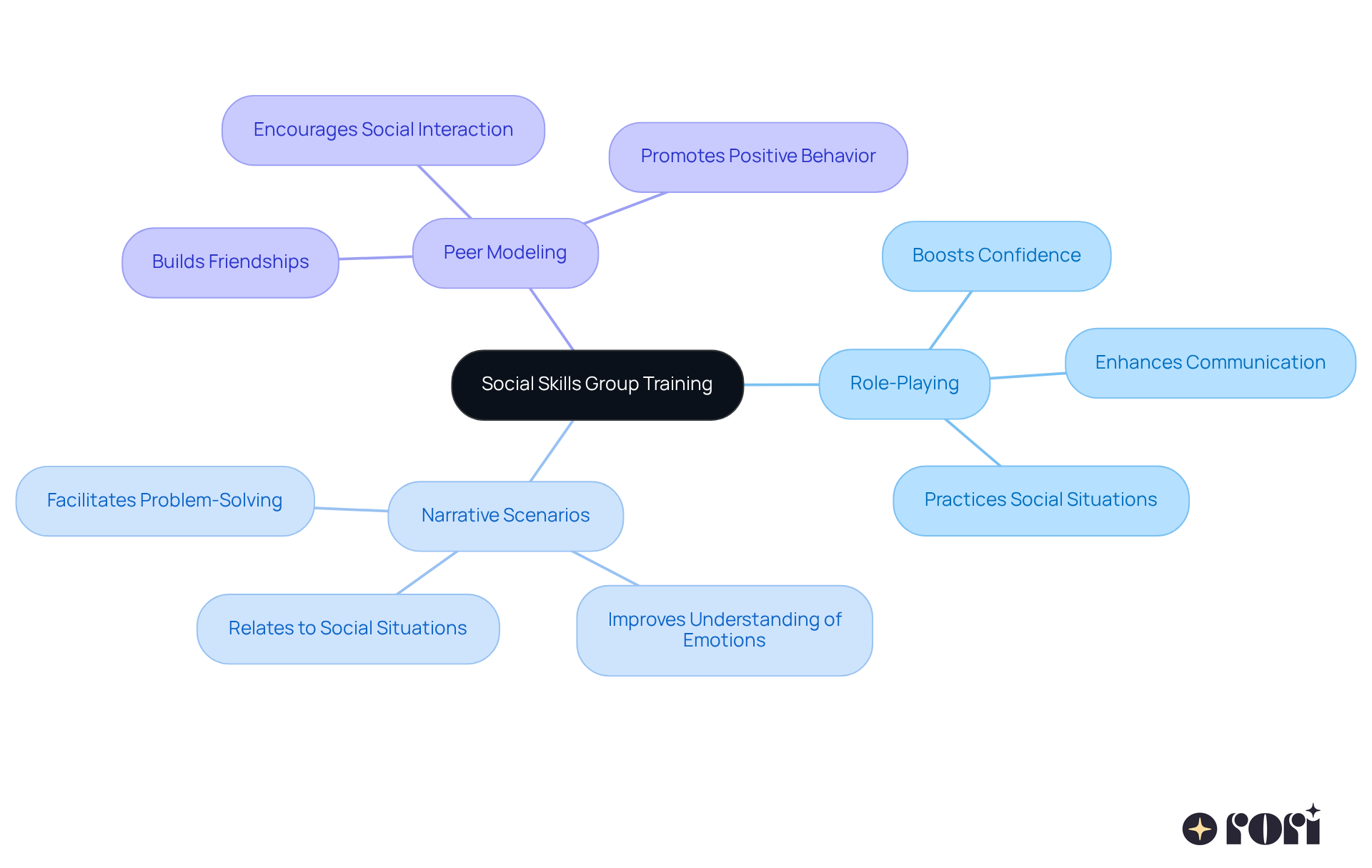
Group training in utilizes , focusing on . Think of , , and – these are key parts of the group sessions that make learning hands-on and fun! Studies show that not only boost but also assist kids in understanding emotions and .
For instance, a meta-analysis found that these training interventions have a medium to large effect size, meaning kids see significant improvements in how they interact. Plus, experts highlight how , which can really help them feel more confident when they’re out in the real world.
Adding narrative accounts helps kids relate to social situations better, making them easier to navigate. Overall, is essential for creating a supportive environment where kids can develop important interpersonal skills and form meaningful relationships. Let’s explore this together!
Technology-Enhanced Therapy: Utilizing Digital Tools for Social Skills Improvement
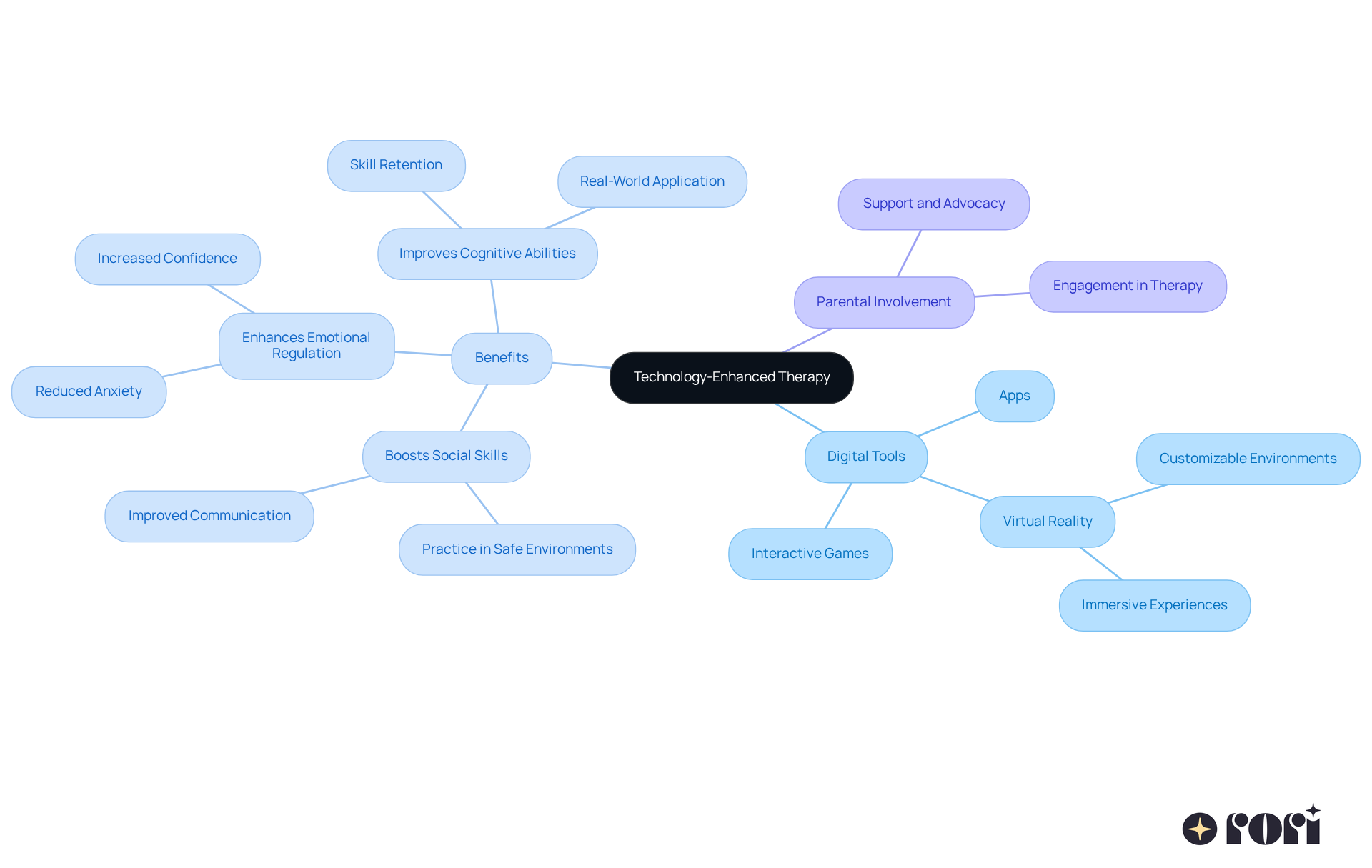
Technology-enhanced therapy represents one of the for enhancing ! By using cool digital tools like apps, , and interactive games, these therapies create fun and engaging environments where kids can practice . Imagine a VR setup that mimics real-life social situations – kids can try out their skills and build confidence before stepping into the real world.
Research shows that for enhancing , including , can significantly boost social skills, , and with autism. Studies have found that kids often feel less anxious and more confident after these immersive experiences. Not only does this method make learning enjoyable, but it also helps kids retain those important social skills, making it easier for them to apply what they’ve learned in everyday life.
So, if you’re a parent looking for ways to support your child’s growth, consider exploring these together! Let’s explore this journey together and see how !
Parent-Led Initiatives: Engaging Families in Social Skills Development
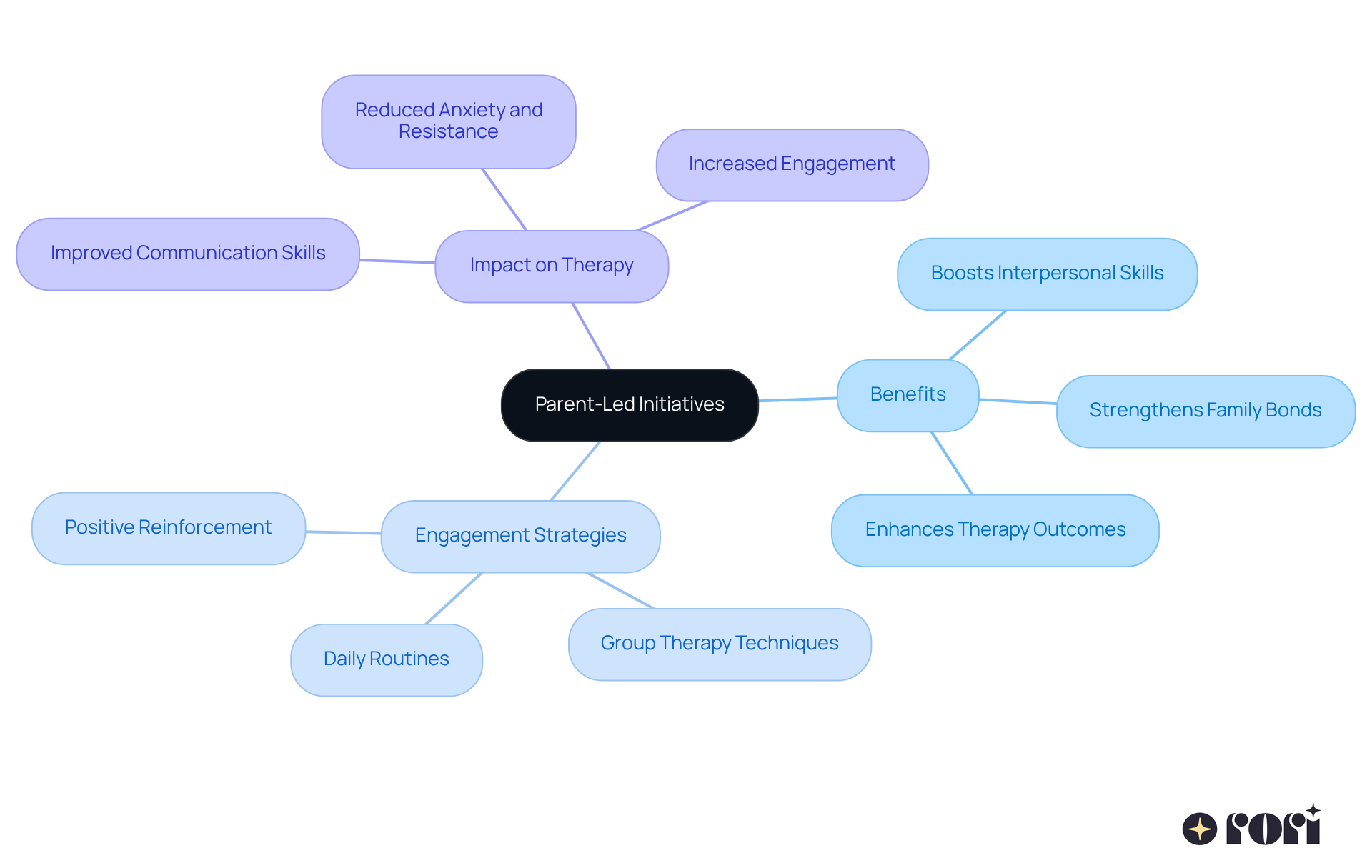
are so important for kids learn in therapy. When parents get involved in their child’s sessions, they not only show them how to behave socially but also create great chances for . 🌟 Research shows that when parents engage, it really makes a difference! Kids thrive with at home.
Programs that teach parents for enhancing can in their child’s growth. For instance, using daily routines to encourage interactions can help for practicing those skills. This teamwork not only enhances therapy outcomes but also , fostering a nurturing space for growth and learning.
Let’s explore this together! We’re here to help you every step of the way!
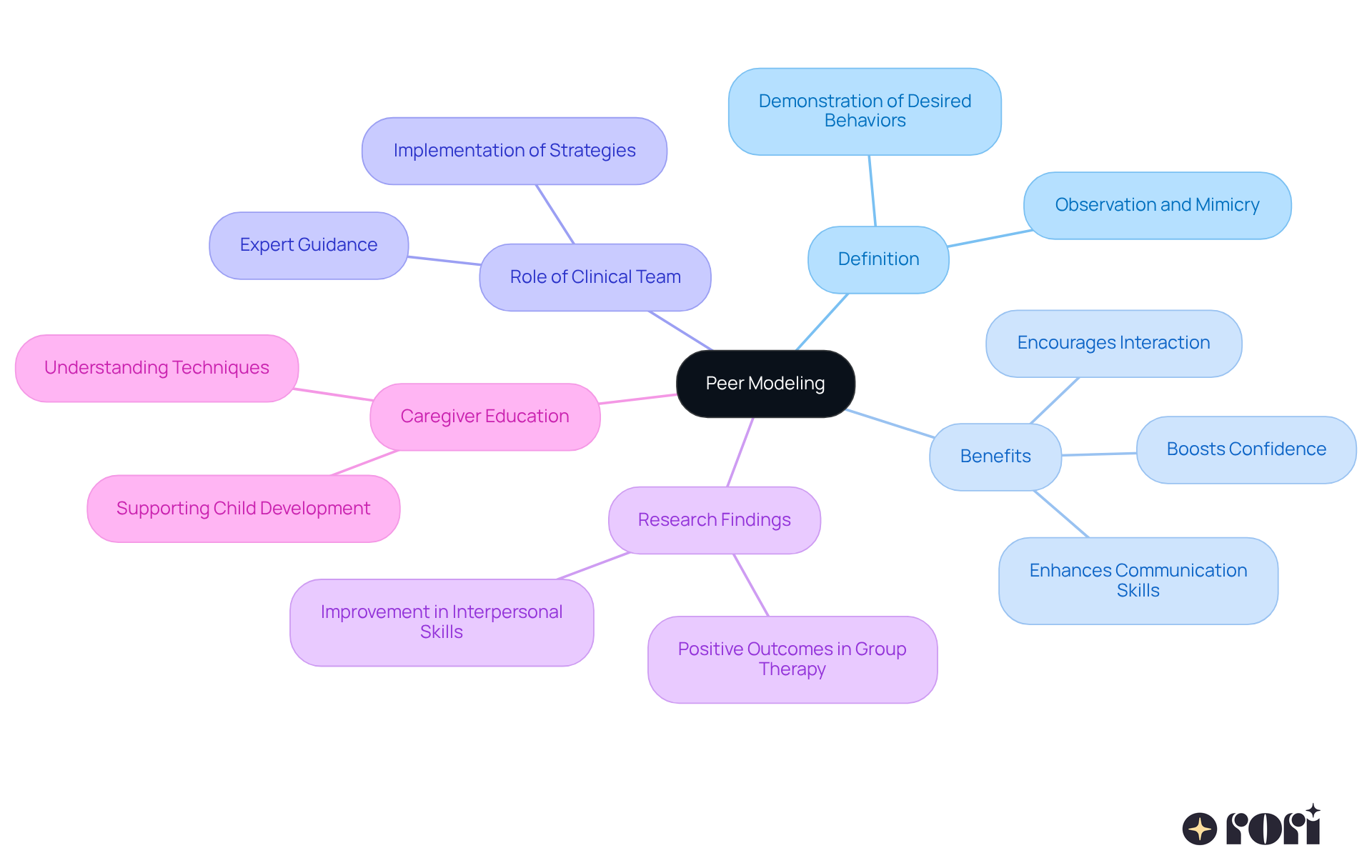
Peer Modeling: Leveraging Social Interaction for Skill Acquisition
is one of the during skills training for kids. It’s where typically developing peers demonstrate desired behaviors for their autistic friends to observe and mimic. This method not only creates a relatable learning environment but also .
At Rori Care, our is made up of seasoned professionals who truly understand ABA therapy and are dedicated to neurodiversity and the success of every individual. They use strategies like to ensure that learning experiences are effective and engaging.
Research shows that kids who participate in with peers demonstrating appropriate interactions make significant strides in their . For instance, studies have found that effective group therapy strategies for enhancing social abilities in autism, including peer interactions, can enhance communication abilities and , leading to better overall social functioning.
By being part of these , young individuals can learn and refine new skills, which ultimately supports their and boosts their confidence through effective group therapy strategies for enhancing social abilities in autism. Our compassionate experts are here to help families navigate challenges and promote through these effective strategies. They also emphasize the importance of in understanding and applying these techniques.
Let’s explore this together! We’re here to help you every step of the way!
Structured Group Sessions: Establishing Predictability for Better Outcomes
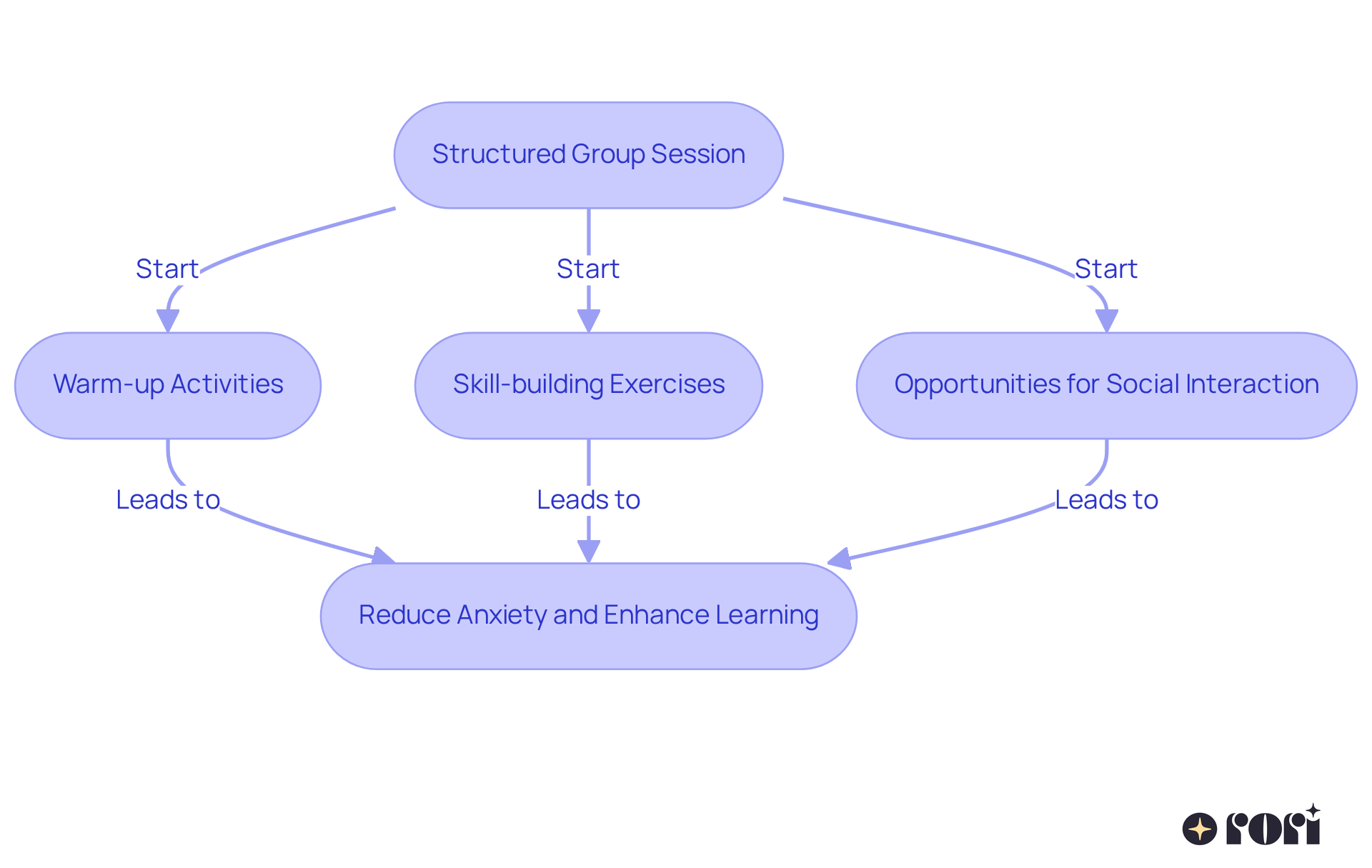
Organized group sessions serve as by that’s so important for individuals with autism. When are established, therapists can utilize to help , thereby creating a safe space for learning. Each session usually implements effective group therapy strategies for enhancing social abilities in autism, which include:
- Warm-up activities
This predictability not only aids in skill acquisition but also provides young learners with a , allowing them to focus on their education and connect with their peers through effective group therapy strategies for enhancing social abilities in autism.
Studies show that having can lead to a significant drop in anxiety levels, which improves overall therapeutic outcomes. As Temple Grandin wisely said, ‘Different, not less.’ This highlights how crucial it is to have tailored methods that recognize the . By embracing consistency in treatment, we empower kids with autism to thrive in their using effective group therapy strategies for enhancing social abilities in autism.
Let’s explore this together! We’re here to help you every step of the way!
Play-Based Activities: Making Therapy Fun and Engaging
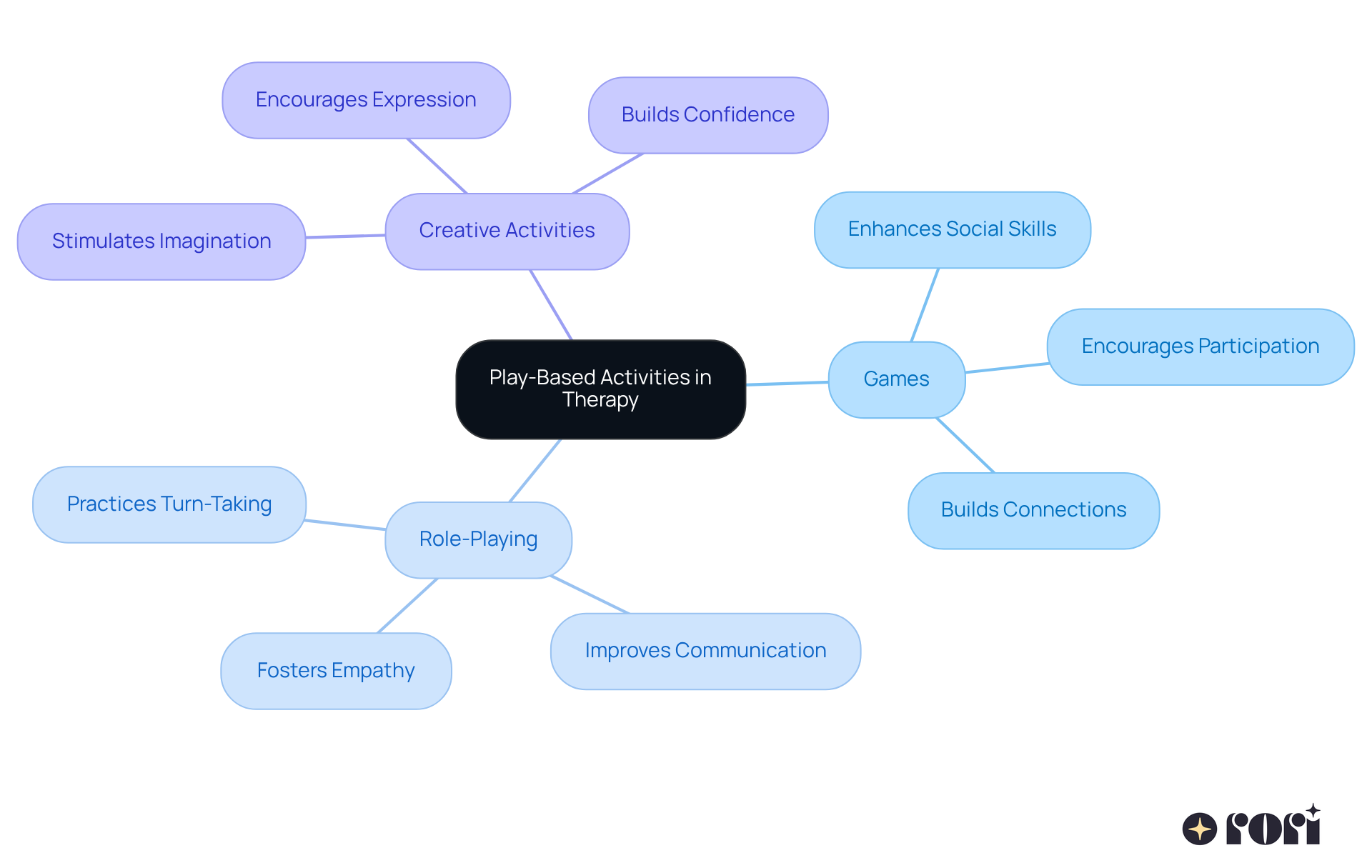
are so important for making therapy enjoyable and effective for young individuals with autism! 🎉 By integrating , such as games, role-playing, and , therapists can create a lively learning environment that really encourages participation.
Think about it: activities like are , as they not only spark interaction among peers but also help kids practice essential skills like turn-taking, sharing, and communication – all while having a blast!
Isn’t it wonderful how these fun activities can make such a difference? When kids engage in play, they’re not just having fun; they’re applying for enhancing social abilities in autism while building connections and learning in a way that feels natural and exciting.
So, let’s explore this together! If you’re looking for ways to support your child’s development, consider incorporating more play into their routine. We’re here to help you every step of the way!
Feedback and Reinforcement: Encouraging Progress in Social Skills
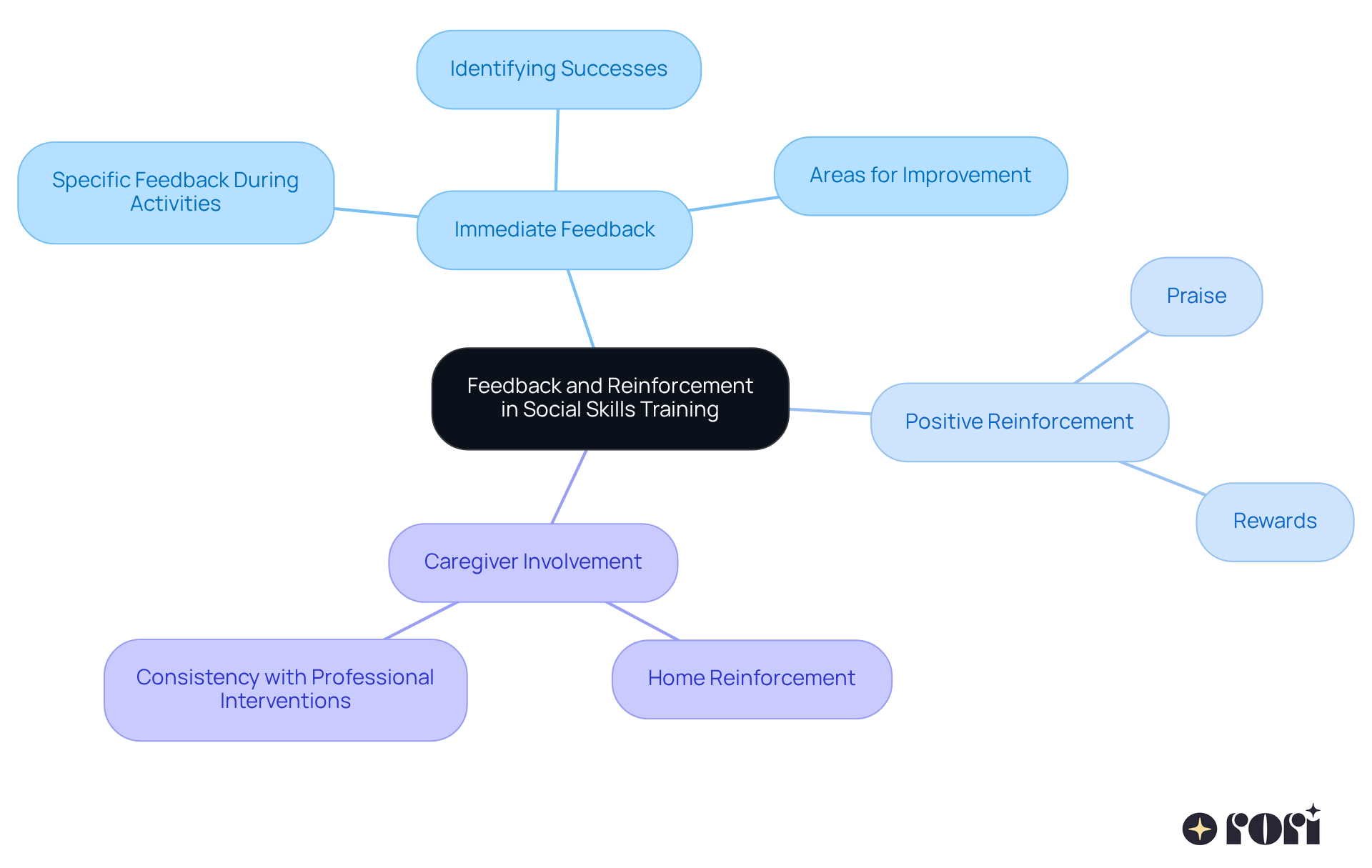
emphasize the importance of ! Therapists utilize by offering immediate, specific feedback during , helping kids identify their successes and areas for improvement. Receiving , like praise or rewards, aligns with effective group therapy strategies for enhancing social abilities in autism, as it motivates them to keep practicing those desired behaviors.
And it doesn’t stop there! By equipping caregivers with effective group therapy strategies for enhancing social abilities in autism, they can reinforce these behaviors at home, which complements professional interventions and promotes consistency. This teamwork not only but also exemplifies effective group therapy strategies for enhancing social abilities in autism by encouraging them to engage more actively in interactions. As a result, we see ongoing improvements in their due to effective group therapy strategies for enhancing social abilities in autism.
Let’s explore this together! It’s all about creating a where kids can thrive.
School Collaboration: Bridging Therapy and Classroom Environments
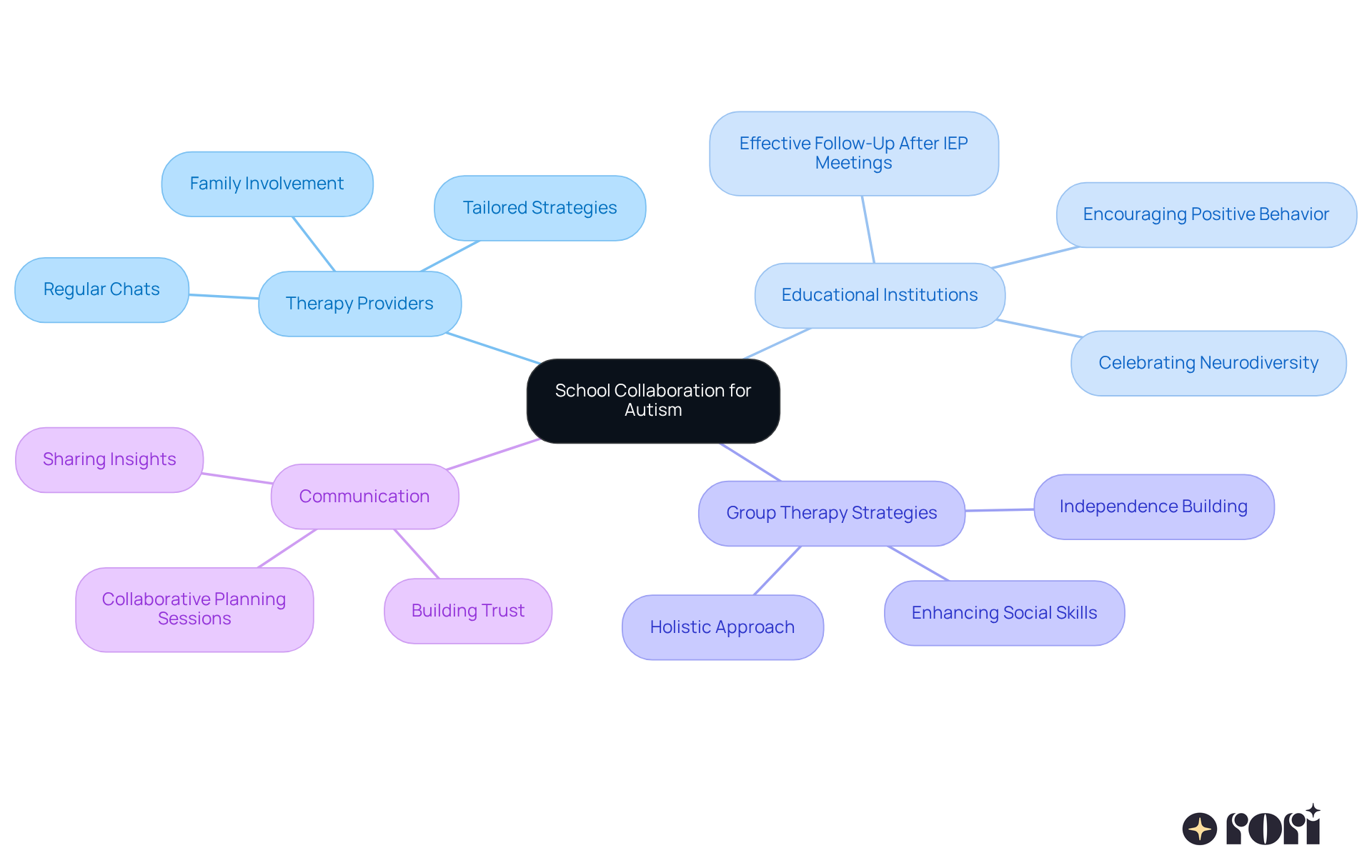
is so important for helping children with autism thrive in their classrooms. When therapists and educators work together, they can develop for enhancing social abilities in autism, which support kids in improving their in various settings. Regular chats and planning sessions are key – they help everyone stay on the same page, making it easier for kids to to school.
Research shows that kids who receive early and intensive often see big improvements in their social behaviors. And guess what? These gains can be even better when schools collaborate with therapists! At Rori Care, our is dedicated to this partnership, ensuring that neurodiversity is celebrated and that strategies are tailored to meet each child’s unique needs.
This teamwork not only helps kids gain through focused skill-building but also incorporates , creating a that enhances their overall educational experience. Let’s explore this together! We’re here to help you every step of the way!
Outcome Evaluation: Measuring the Success of Group Therapy Strategies
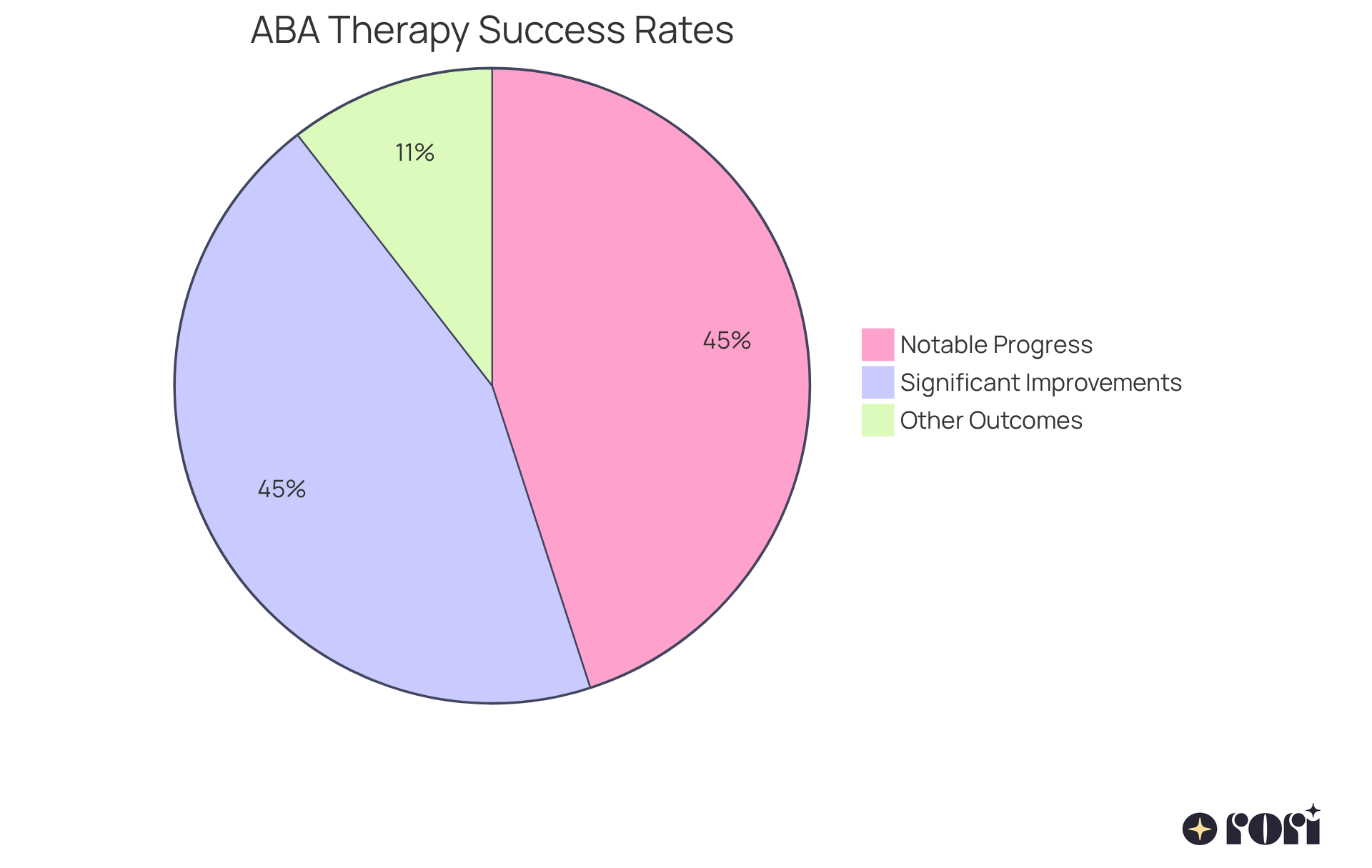
Outcome assessment is essential for evaluating how effective work to improve in children with autism. By using , therapists can really track progress and identify areas that need a little extra attention. Did you know that over 89% of studies show significant improvements in kids receiving ? That’s pretty impressive! Plus, when recommended hours are fully implemented with , about 90% of kids show .
Regular evaluations not only give us valuable insights into each child’s development but also help us make necessary adjustments to treatment plans. This way, interventions can stay responsive to each individual’s changing needs. And here’s something cool: incorporating a allows for automatic progress report creation, which boosts the effectiveness of ABA interventions and frees up 50% more time for direct child treatment.
Family participation in treatment sessions is a game-changer, too! When parents actively engage in the healing process, it really enhances the results. This , which incorporates effective , , and , is key to maximizing therapy benefits and nurturing meaningful development.
Let’s explore this together! Your involvement can !
Conclusion
Effective group therapy strategies are truly essential for boosting social skills in children with autism. By focusing on personalized approaches, these strategies create a warm and supportive environment where kids can really thrive. Think about tailored interventions, family involvement, and innovative techniques – these all play a part in making therapy effective and engaging.
Throughout this journey, we’ve highlighted some key insights, like the role of technology-enhanced therapy, the impact of parent-led initiatives, and the importance of collaboration between therapy providers and schools. Each of these strategies contributes to a holistic approach that not only promotes social skills development but also helps reduce anxiety and build confidence in our young ones. And let’s not forget the statistics – they really showcase how active engagement and consistent evaluation can lead to amazing improvements in social functioning.
Ultimately, enhancing social skills in autism is a team effort. It takes the commitment of therapists, families, and educational institutions working together. By embracing these effective group therapy strategies, we have a wonderful opportunity to empower children with autism, helping them navigate social situations with confidence and ease. So, let’s explore these strategies together and actively participate in this process! When we combine our efforts, we can create a nurturing environment where every child can flourish and develop the social skills they need for a brighter future. We’re here to help you every step of the way!
Frequently Asked Questions
What is Rori Care’s approach to ABA therapy?
Rori Care uses a personalized approach to ABA therapy, focusing on each child’s unique needs while promoting peer interactions in group therapy settings to enhance social skills development.
How does Rori Care utilize technology in therapy?
Rori Care employs advanced AI for progress report creation, allowing clinicians to focus more on treatment. They also incorporate digital tools like apps and virtual reality to create engaging environments for practicing social interactions.
What are effective group therapy strategies used at Rori Care?
Effective group therapy strategies include role-playing, narrative scenarios, and peer modeling, which help children communicate better, understand emotions, and build friendships.
What is the importance of family involvement in ABA therapy?
Family involvement is crucial as it reinforces the skills learned during therapy and aids in generalization, contributing to the overall success of the treatment process.
What evidence supports the effectiveness of group training in social skills?
Studies, including a meta-analysis, show that group training interventions have a medium to large effect size, indicating significant improvements in children’s interpersonal skills and social interactions.
How does technology-enhanced therapy benefit children with autism?
Technology-enhanced therapy, including VR interventions, helps boost social skills, emotional regulation, and cognitive abilities, while also reducing anxiety and increasing confidence in social situations.
What percentage of individuals referred for ABA therapy continue treatment for 12 months?
Approximately 66% of individuals referred for ABA therapy start treatment and continue for 12 months, highlighting the effectiveness of personalized methods in therapy.
List of Sources
- Rori Care – ABA Therapy: Personalized Group Therapy for Social Skills Development
- Resources | Golden Steps ABA (https://goldenstepsaba.com/resources/success-rates-of-aba-therapy)
- The Numbers Don’t Lie: Revealing Autism Therapy Statistics | Above and Beyond Therapy (https://abtaba.com/blog/autism-therapy-statistics)
- Success Rates of ABA Therapy | Advanced Autism Services (https://advancedautism.com/post/success-rates-of-aba-therapy)
- 10 inspiring quotes from people with autism | Autism Speaks (https://autismspeaks.org/life-spectrum/autism-quotes)
- Social Skills Group Training: Evidence-Based Approach to Autism Therapy
- Impact of social knowledge and skills training based on UCLA PEERS® on social communication and interaction skills of adolescents or young adults with autism: A systematic review and meta-analysis (https://sciencedirect.com/science/article/abs/pii/S1876201825000656)
- Social Skills Training for Autism Spectrum Disorder: a Meta-analysis of In-person and Technological Interventions – PMC (https://pmc.ncbi.nlm.nih.gov/articles/PMC7670840)
- Effect of social skills training on interpersonal interactions of children with autism: an interventional research – PMC (https://pmc.ncbi.nlm.nih.gov/articles/PMC9788721)
- Effectiveness of social skills training interventions for children with autism spectrum disorder: A systematic review and meta-analysis – PMC (https://pmc.ncbi.nlm.nih.gov/articles/PMC11918677)
- The effectiveness of social training in individuals with autism spectrum disorder (ASD): a systematic review and transfer analysis – Scientific Reports (https://nature.com/articles/s41598-024-83953-9)
- Technology-Enhanced Therapy: Utilizing Digital Tools for Social Skills Improvement
- Inspiring Autism Quotes for Understanding and Acceptance – Kids First (https://kidsfirstservices.com/first-insights/autism-quotes)
- Virtual Reality in Autism Therapy (https://buildingblockstherapy.org/blog/virtual-reality-in-autism-therapy)
- Autism Treatment With Virtual Therapy (https://ambitionsaba.com/resources/virtual-autism-therapy)
- Effectiveness of Virtual Reality Technology Interventions in Improving the Social Skills of Children and Adolescents With Autism: Systematic Review – PMC (https://pmc.ncbi.nlm.nih.gov/articles/PMC11840372)
- Parent-Led Initiatives: Engaging Families in Social Skills Development
- The Role of Parent Involvement in Autism Therapy Success | Advanced Autism Services (https://advancedautism.com/post/the-role-of-parent-involvement-in-autism-therapy-success)
- How Parent-Implemented Strategies Can Improve ABA Therapy Outcomes (https://mastermindbehavior.com/post/how-parent-implemented-strategies-can-improve-aba-therapy-outcomes)
- Effects of Parent-Implemented Interventions on Outcomes of Children with Autism: A Meta-Analysis – PMC (https://pmc.ncbi.nlm.nih.gov/articles/PMC10539413)
- Success Rates of ABA Therapy | Advanced Autism Services (https://advancedautism.com/post/success-rates-of-aba-therapy)
- Success Rate of Early Intervention for Autism | Connect n Care (https://connectncareaba.com/blog/early-intervention-autism-success-rate-statistics)
- Peer Modeling: Leveraging Social Interaction for Skill Acquisition
- pmc.ncbi.nlm.nih.gov (https://pmc.ncbi.nlm.nih.gov/articles/PMC9173870)
- teachfloor.com (https://teachfloor.com/blog/learning-and-development-quotes)
- wondirfulplay.com (https://wondirfulplay.com/blog/autism-quotes)
- The Impact of Positive Peer Models on Social Skills Development in ASD (https://mastermindbehavior.com/post/the-impact-of-positive-peer-models-on-social-skills-development-in-asd)
- Structured Group Sessions: Establishing Predictability for Better Outcomes
- 43 Inspiring Autism Quotes to Uplift and Motivate (https://goldencaretherapy.com/43-inspiring-autism-quotes)
- Best Autism Quotes to Raise Awareness and Understanding (https://yellowbusaba.com/post/autism-quotes)
- 80 Inspiring Quotes on Autism Awareness and Support – Empower ABA (https://empoweraba.com/80-inspiring-quotes-on-autism-awareness-and-support)
- 107 Favorite Quotes About Autism and Aspergers (https://the-art-of-autism.com/favorite-quotes-about-autism-and-aspergers)
- School Collaboration: Bridging Therapy and Classroom Environments
- The Numbers Don’t Lie: Revealing Autism Therapy Statistics | Above and Beyond Therapy (https://abtaba.com/blog/autism-therapy-statistics)
- blog.brookespublishing.com (https://blog.brookespublishing.com/quotes-inclusive-classroom)
- Building Partnerships to Transform Autism Services (https://behavioralhealthnews.org/building-partnerships-to-transform-autism-services)
- Outcome Evaluation: Measuring the Success of Group Therapy Strategies
- The Numbers Don’t Lie: Revealing Autism Therapy Statistics | Above and Beyond Therapy (https://abtaba.com/blog/autism-therapy-statistics)
- Success Rates of ABA Therapy | Advanced Autism Services (https://advancedautism.com/post/success-rates-of-aba-therapy)
- Group Therapy Quotes (4 quotes) (https://goodreads.com/quotes/tag/group-therapy)