
Introduction
Understanding and nurturing a child’s social skills can be one of the most rewarding yet challenging aspects of parenting, especially for those raising children on the autism spectrum. With the right strategies, parents can play a pivotal role in enhancing their child’s interpersonal abilities, fostering confidence, and creating meaningful connections. But what specific approaches can parents adopt to effectively support their child’s social development?
This article dives into ten impactful strategies that not only empower parents but also pave the way for their children to thrive socially. Let’s explore this together!
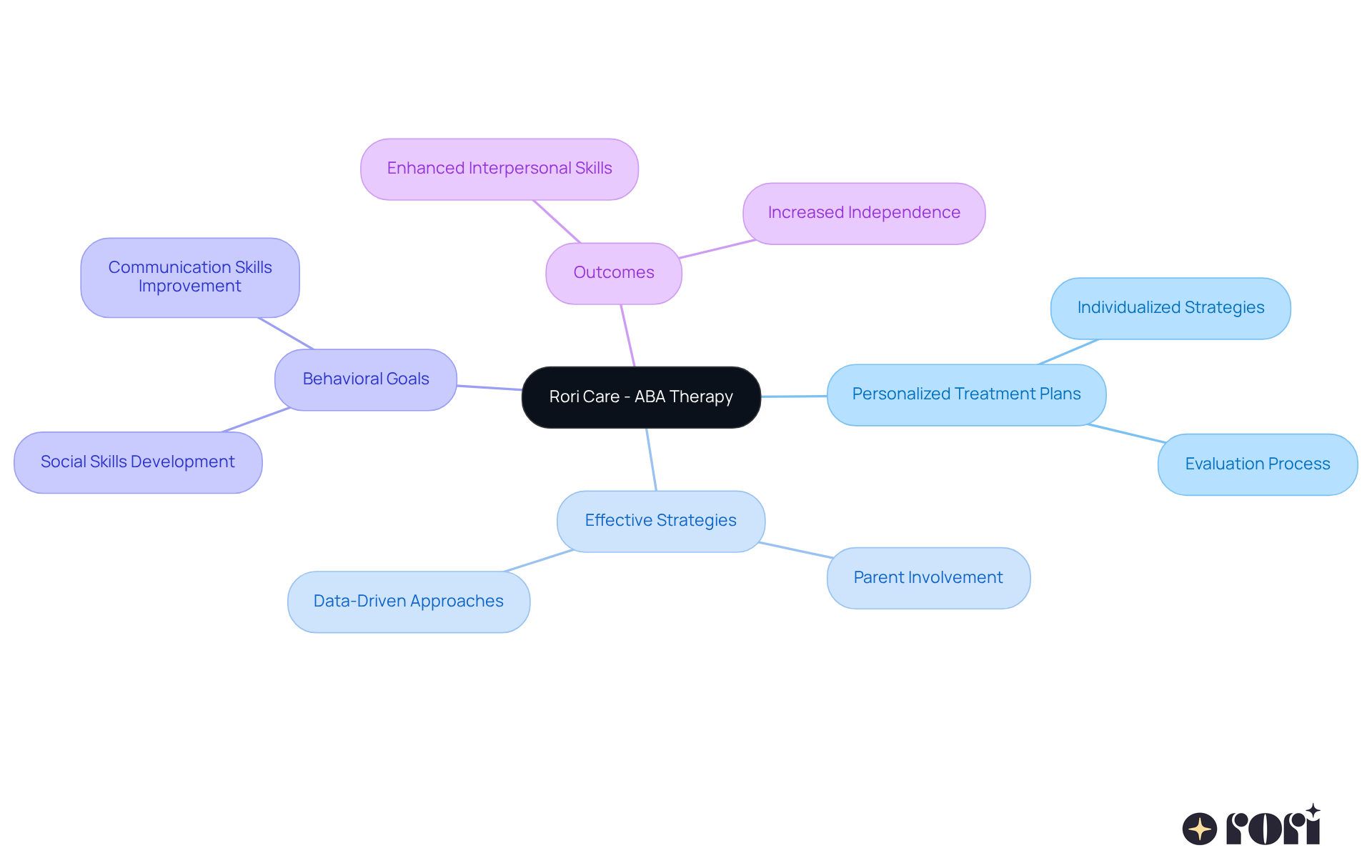
Rori Care – ABA Therapy: Personalized Treatment Plans for Social Skills Development
At Rori Behavioral Innovations, we understand the unique challenges that parents face when implementing . That’s why we use to create that focus on improving . Each plan is crafted with care, following a thorough evaluation to ensure it meets your child’s specific needs and strengths.
This incorporates , aiming to enhance interpersonal abilities while also setting and independence in social interactions. Research shows that . In fact, studies reveal that young individuals who receive intensive, tailored ABA therapy often make .
At Rori Behavioral Innovations, we’re dedicated to providing because we understand that and tailored approaches are key to effective therapy. This commitment leads to , and we’re here to support you every step of the way! Let’s explore this journey together!
Establish Routine: Create a Structured Environment for Social Interaction
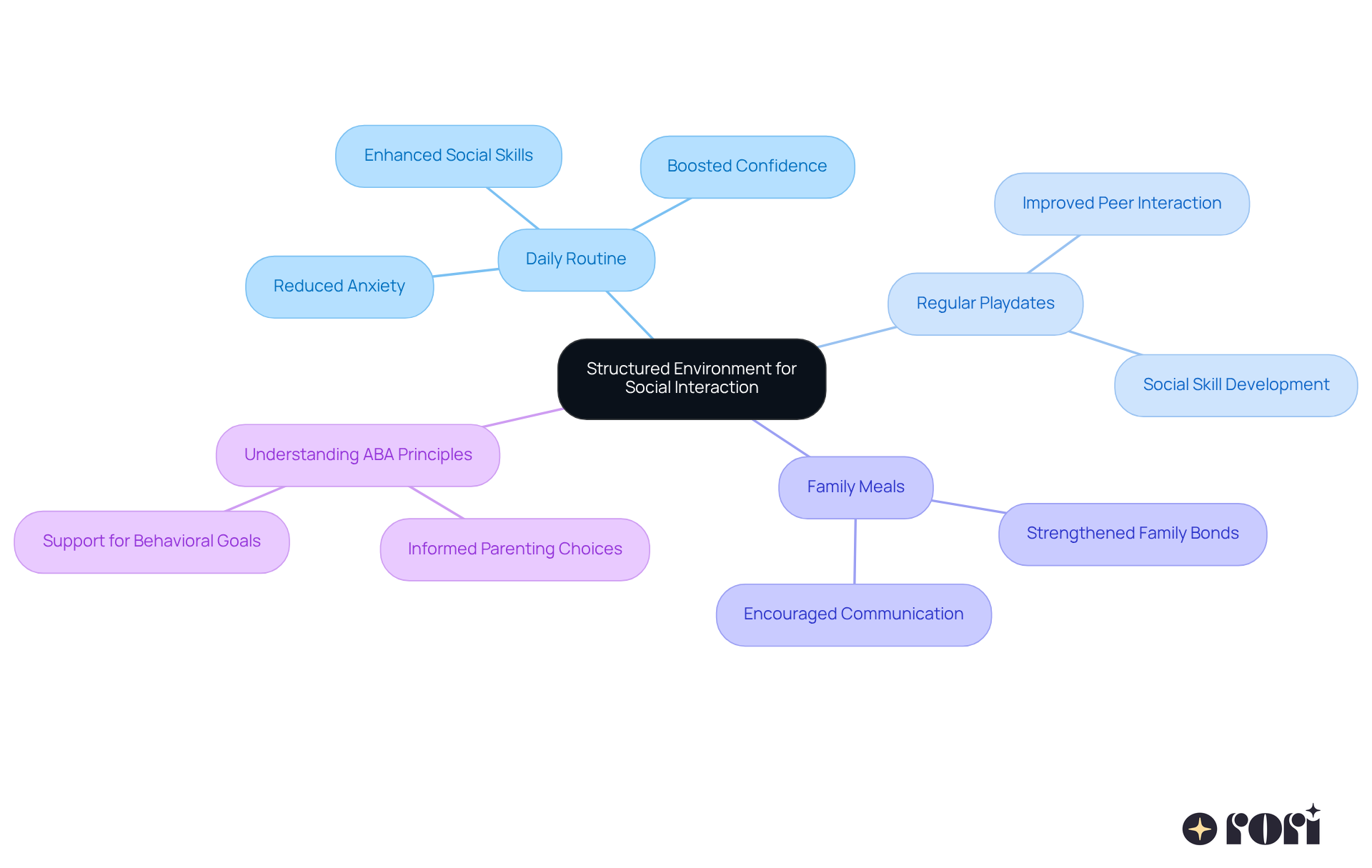
Establishing a reliable daily schedule is among the and connect with others! Routines give them a sense of structure, making it easier for them to know what’s coming next. This can really help reduce anxiety and .
Consider that regular playdates, family meals, and fun activities are . It’s all about where they can thrive. Studies show that to help their child with autism develop social skills by providing the stability they need to flourish.
Plus, having a . It’s a vital resource for parents! Experts agree that include creating a well-organized environment, which eases anxiety and encourages . This allows our young ones to develop those essential social skills they’ll need as they grow.
And let’s not forget about us, the caregivers! can really enhance our ability to . By getting involved in their therapy and understanding how learning and behavior work, we can make informed choices that lead to better outcomes and boost our confidence as parents.
So, let’s explore this together! We’re here to !
Utilize Visual Supports: Enhance Nonverbal Communication Skills
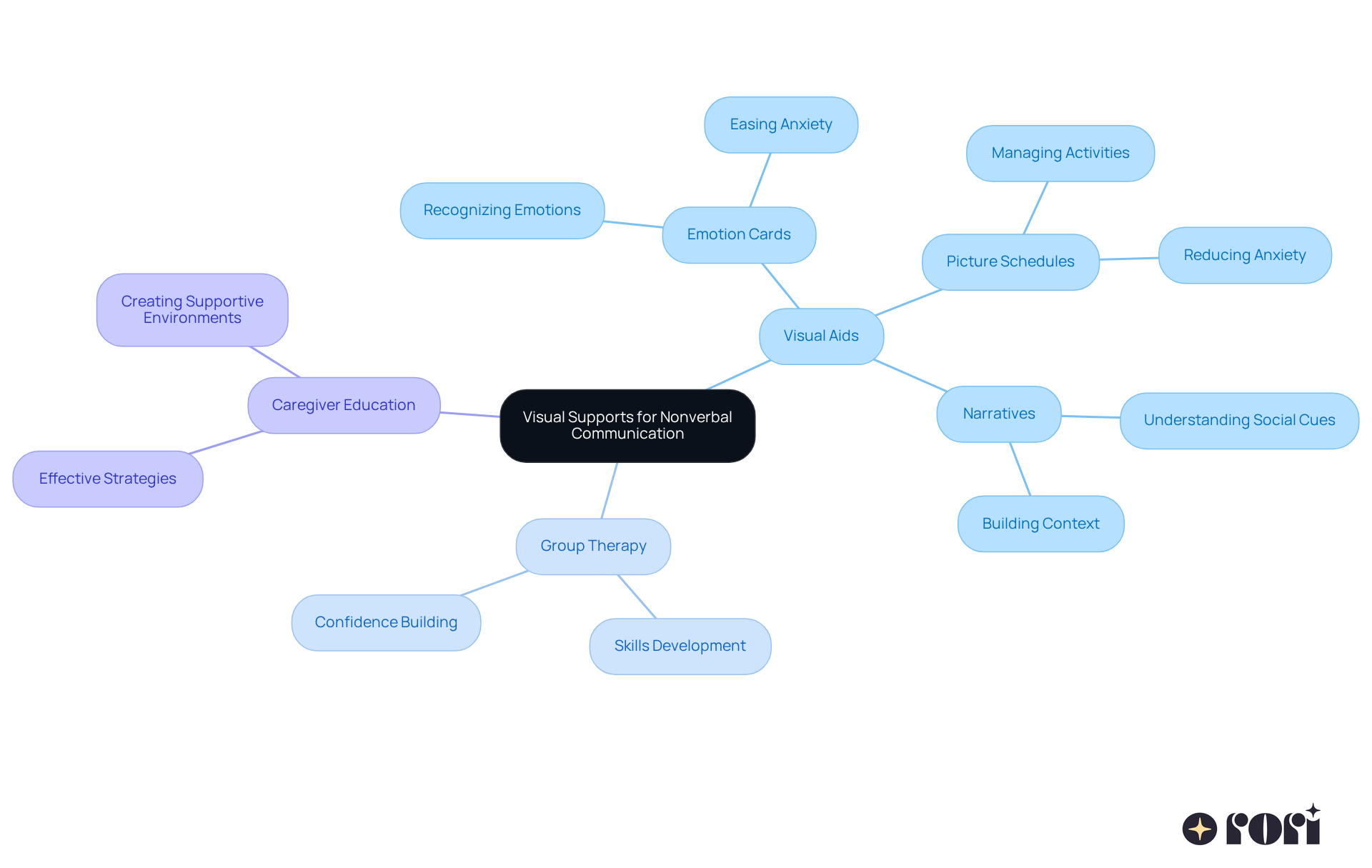
, emotion cards, and narratives are game-changers when it comes to helping young people improve their . These tools make it easier to understand social cues and expectations, which can really ease the anxiety that often comes with . For example, emotion cards help kids recognize and express their feelings, a vital part of developing those all-important . Research shows that children who regularly use emotion cards see significant improvements in identifying emotions in themselves and others, leading to better . Speech therapists highlight that these not only make communication smoother but also boost , which is key to forming meaningful relationships.
But that’s not all! Participating in led by trained therapists can take communication and relationship-building to the next level. This program is designed for individuals with Autism Spectrum Disorders, ADHD, Communication Disorders, and Anxiety Disorders, helping them build confidence and . By weaving into daily routines and joining group therapy, caregivers can create a more structured and supportive environment that empowers their kids to navigate social situations with greater confidence and ease. Plus, educating caregivers is crucial; it equips parents with to help their child with autism develop social skills to support their children’s growth.
Let’s explore this together! By embracing these tools and approaches, we can help our kids thrive in their social worlds.
Encourage Peer Interaction: Foster Relationships with Classmates
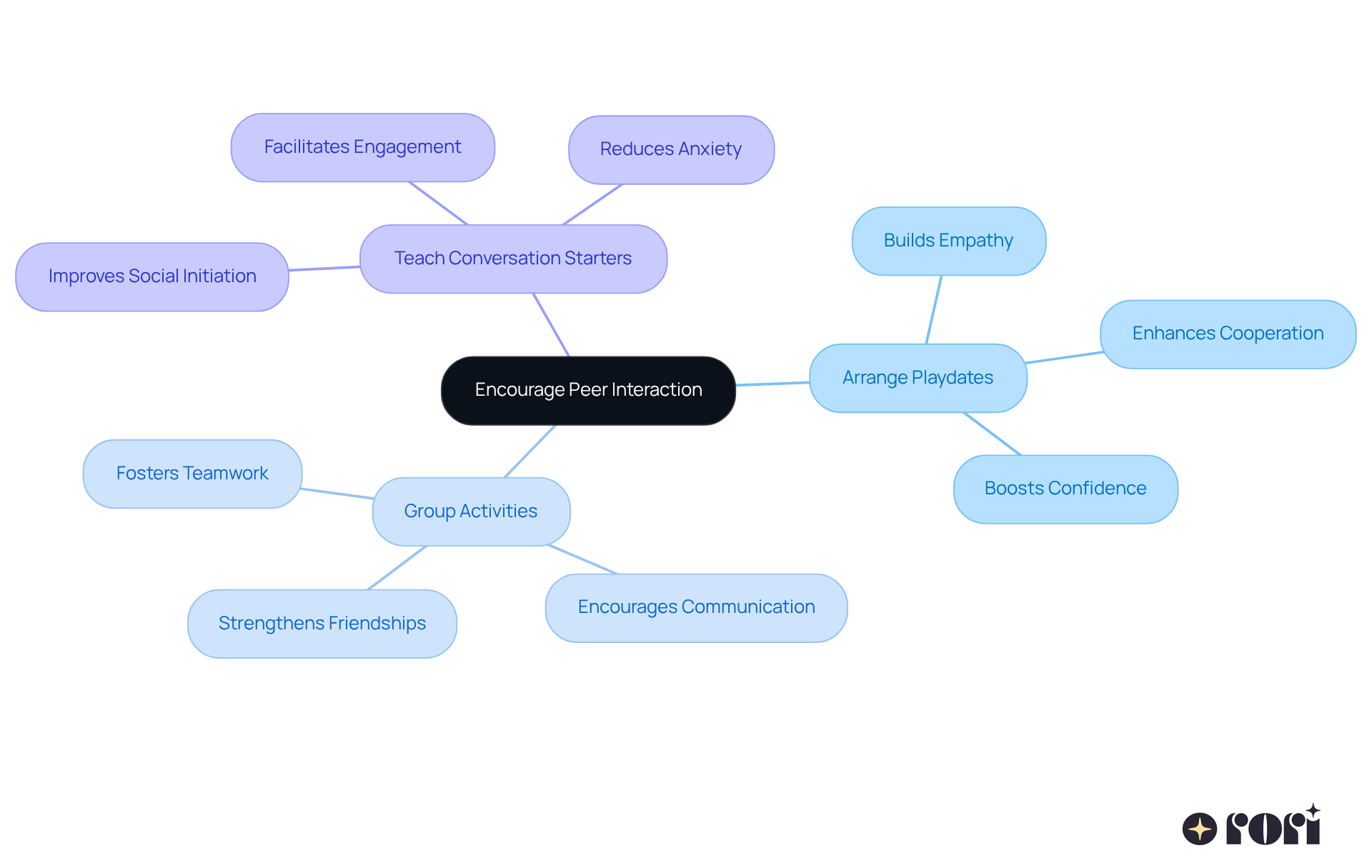
Encouraging peer interaction is among the ! Arranging that align with your child’s interests is one of the and create relaxed moments with classmates. These interactions are , as they not only assist kids in practicing starting conversations and sharing interests but also build a sense of belonging and friendship.
Research shows that . They offer a great chance to develop essential skills like empathy, cooperation, and turn-taking. Plus, kids who have regular and enjoying stronger connections with their peers. By nurturing these positive relationships, parents can utilize , which will help their children grow in confidence and lay the groundwork for meaningful friendships.
To make these interactions easier, parents can by guiding their kids on how to start conversations and that align with their interests, like collaborative games or shared hobbies. And don’t forget, can equip parents with the tools they need to support their child’s development effectively, boosting their confidence and helping them make informed choices that positively impact their growth.
Did you know that children typically start engaging in ? That’s why early playdates are so crucial for ! A handy tip for parents is to and activities to help their kids feel more prepared and confident during playdates. Let’s explore this together!
Implement Role-Playing: Practice Social Scenarios in a Safe Space
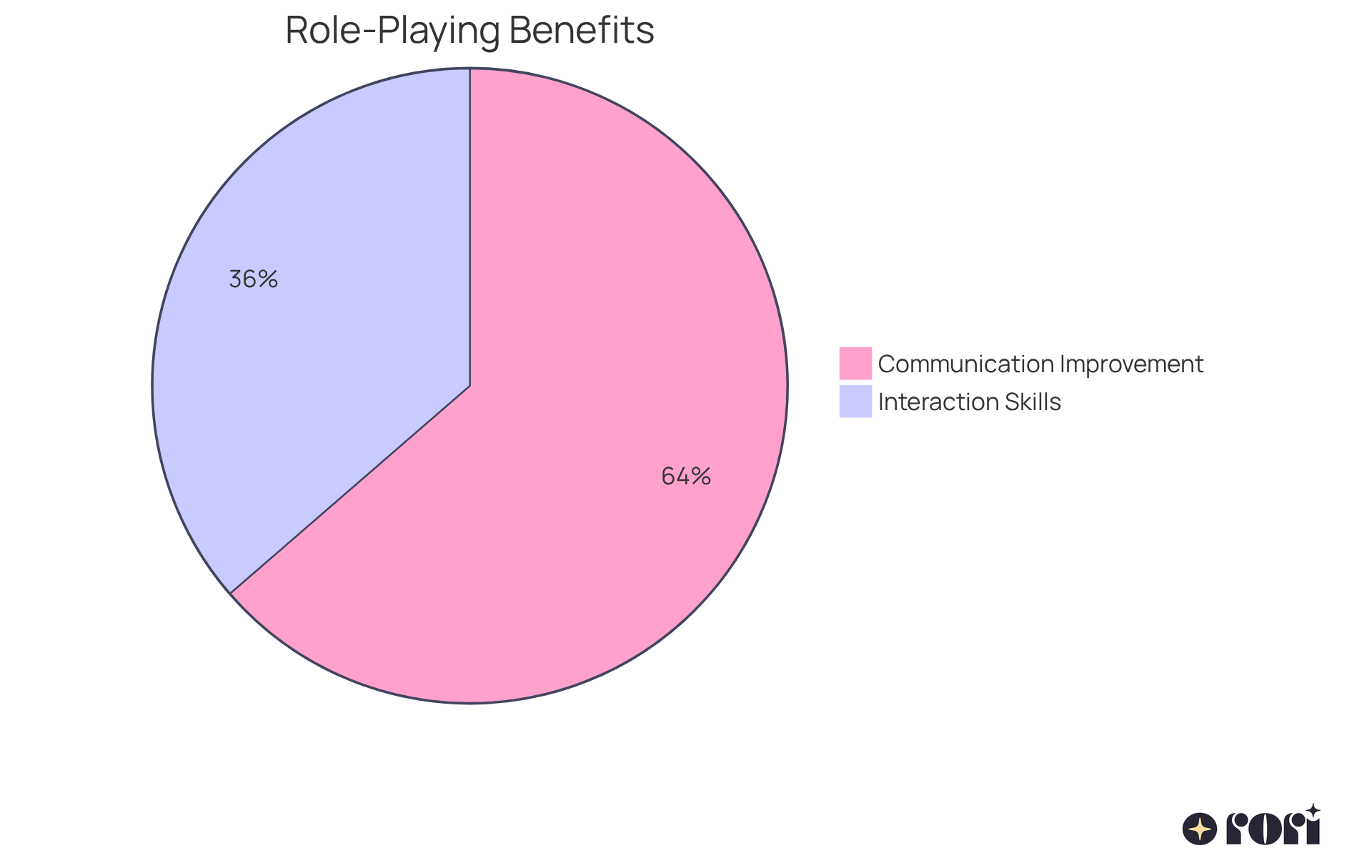
Role-playing is one of the to help their child with autism , as it is a fantastic tool for teaching . Imagine creating real-life scenarios – like greeting a friend or asking to join a game – where you can engage your child in meaningful practice. This not only builds their confidence but also helps them grasp .
Did you know that studies show by up to 40%? That’s a significant leap! Plus, about 70% of participants see improvements in their communication and behavior with regular practice. Development experts emphasize that allows kids to explore complex concepts like empathy and .
By providing constructive feedback during these , you can utilize to help their child with autism more effectively. This ultimately leads to greater self-assurance and . And if you’re looking for additional support, Rori Care offers designed specifically for parents. Together, we can and overall development. Let’s explore this journey together!
Use Social Stories: Teach Social Norms and Expectations
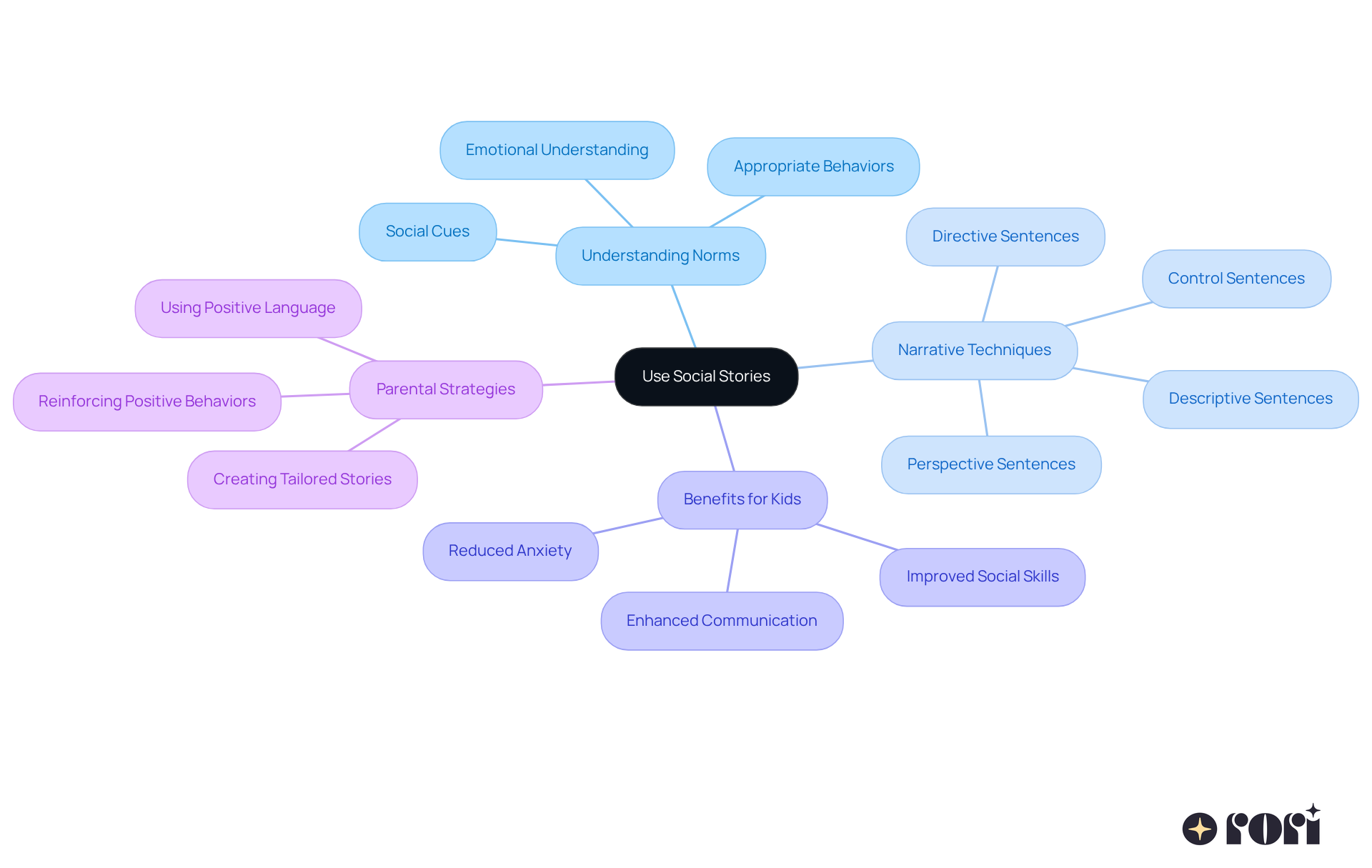
Narratives can be such powerful tools for ! These , making it easier for little ones to see what look like. For instance, a story about sharing toys can break down the steps involved and the feelings that come with sharing, helping a child grasp these concepts in real-life situations.
Research shows that using . In fact, studies have found that about half of the kids who went through narrative training showed improved interaction skills! By sharing these stories, parents can utilize to help their child with autism , , reinforcing positive behaviors, and .
Let’s explore this together! How have stories helped your child navigate their friendships? We’re here to help you every step of the way!
Leverage Technology: Use Apps and Games to Teach Social Skills
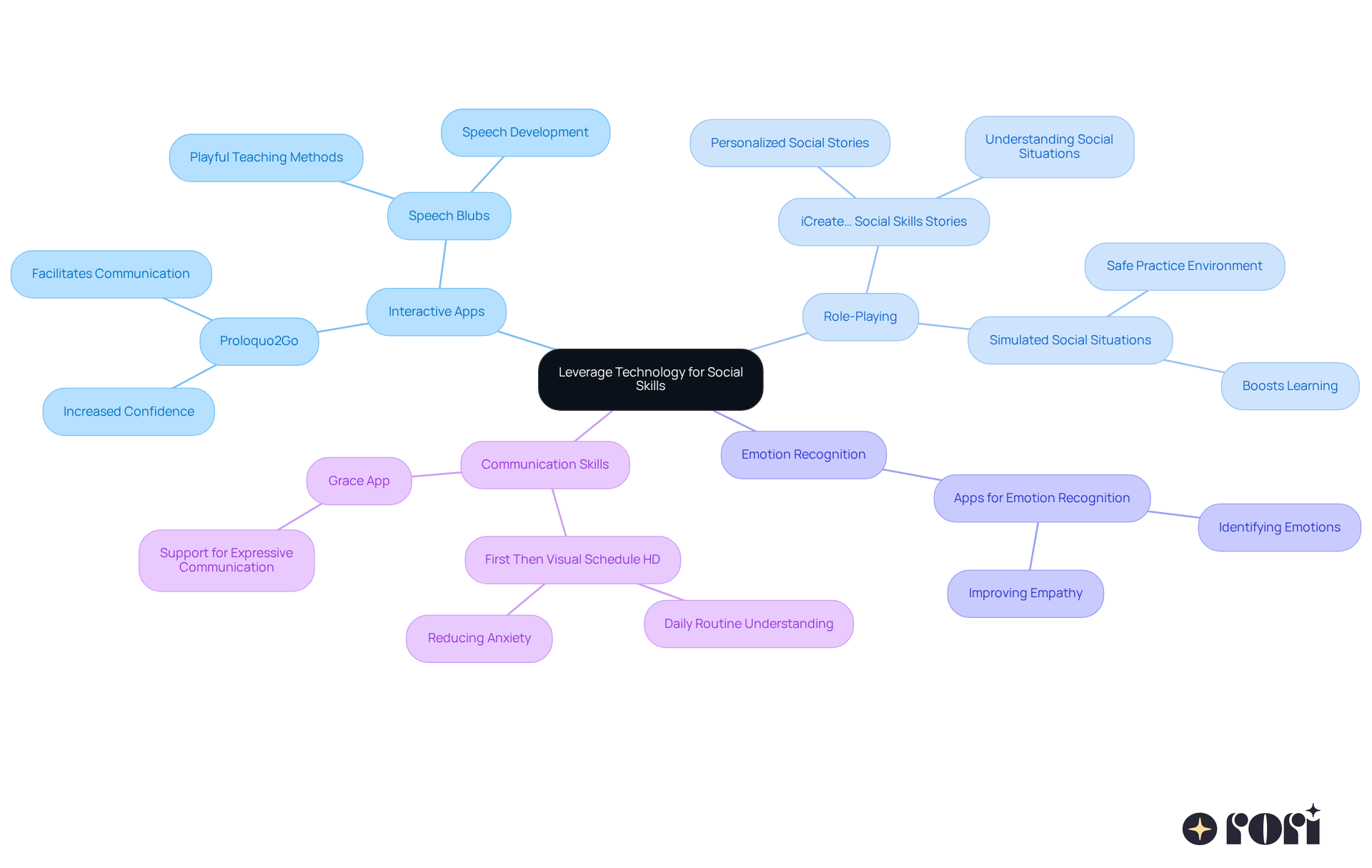
Using technology through apps and games designed for can really make learning fun for kids! 🎉 Interactive platforms that focus on role-playing, recognizing emotions, and work wonders. For example, apps that simulate social situations let kids practice their responses in a , boosting their learning and confidence.
Research shows that kids who use these often see . Many even report feeling better equipped to handle real-life interactions. Creators of educational apps, like Proloquo2Go, emphasize the importance of crafting engaging, user-friendly experiences that cater to the .
By tapping into these innovative resources, parents can utilize to help their child with autism develop . This not only fosters but also enhances their overall quality of life. Let’s explore this together and see how we can support our kids on this journey!
Engage as a Parent: Actively Participate in Social Skills Training
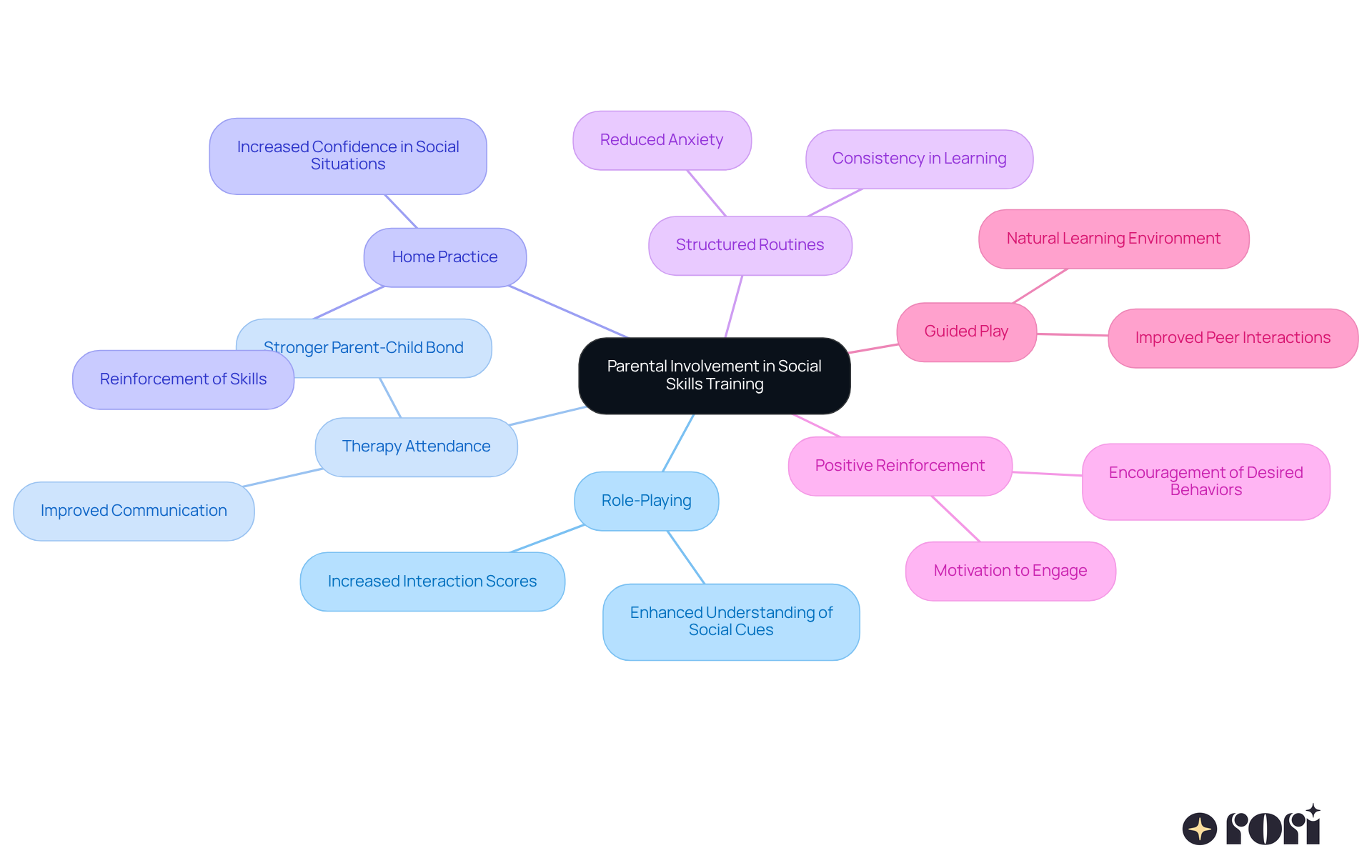
Active represents ! Research shows that can lead to . In fact, studies have noted an average increase of 6.40 points in interaction scores after treatment.
To boost this effect, parents can implement by:
- Joining in on
- Attending therapy sessions
- Practicing skills at home
By , you are using , making it more likely they’ll use them in real-life situations. Family therapists emphasize that involve parental involvement, which makes kids feel more secure and valued, thus creating a supportive learning environment.
Plus, keeping in touch with therapists about your child’s progress can really enhance the effectiveness of . Successful approaches, which are , include:
- Establishing
- Using
- Engaging in guided play activities that align with therapeutic goals
This collaborative method not only strengthens the parent-child bond but also offers .
Rori Care offers that equip parents with a solid understanding of . This empowers you to , leading to better outcomes and confident caregivers who feel great in their role. Let’s explore this together!
Seek Professional Guidance: Collaborate with Therapists for Effective Strategies
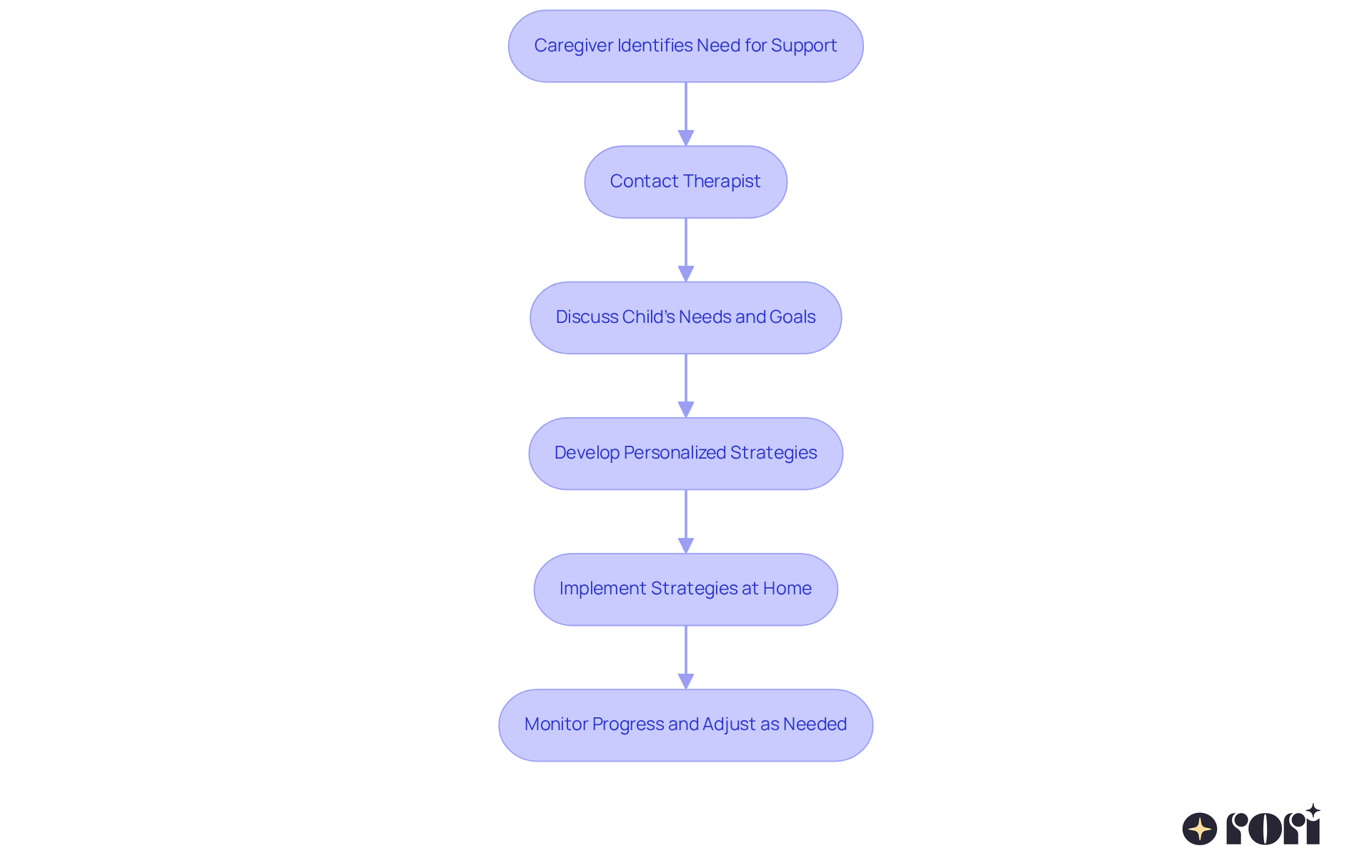
For caregivers aiming to boost their kids’ social skills, is one of the . When you , it allows for real-time tweaks to the treatment plan. Plus, it ensures that you have . This teamwork creates a in your child’s growth.
Experts emphasize that is key. It helps you to help their child with autism develop social skills at home, creating a unified approach to social development. Research shows that having for parents to help their child with autism develop social skills, significantly enhancing the effectiveness of training and leading to better outcomes. By working closely with therapists, parents can gain a deeper understanding of their child’s needs and progress, which will help them implement .
Let’s explore this together! Remember, you’re not alone on this journey. We’re here to help you every step of the way!
Celebrate Progress: Acknowledge and Reinforce Social Skills Achievements
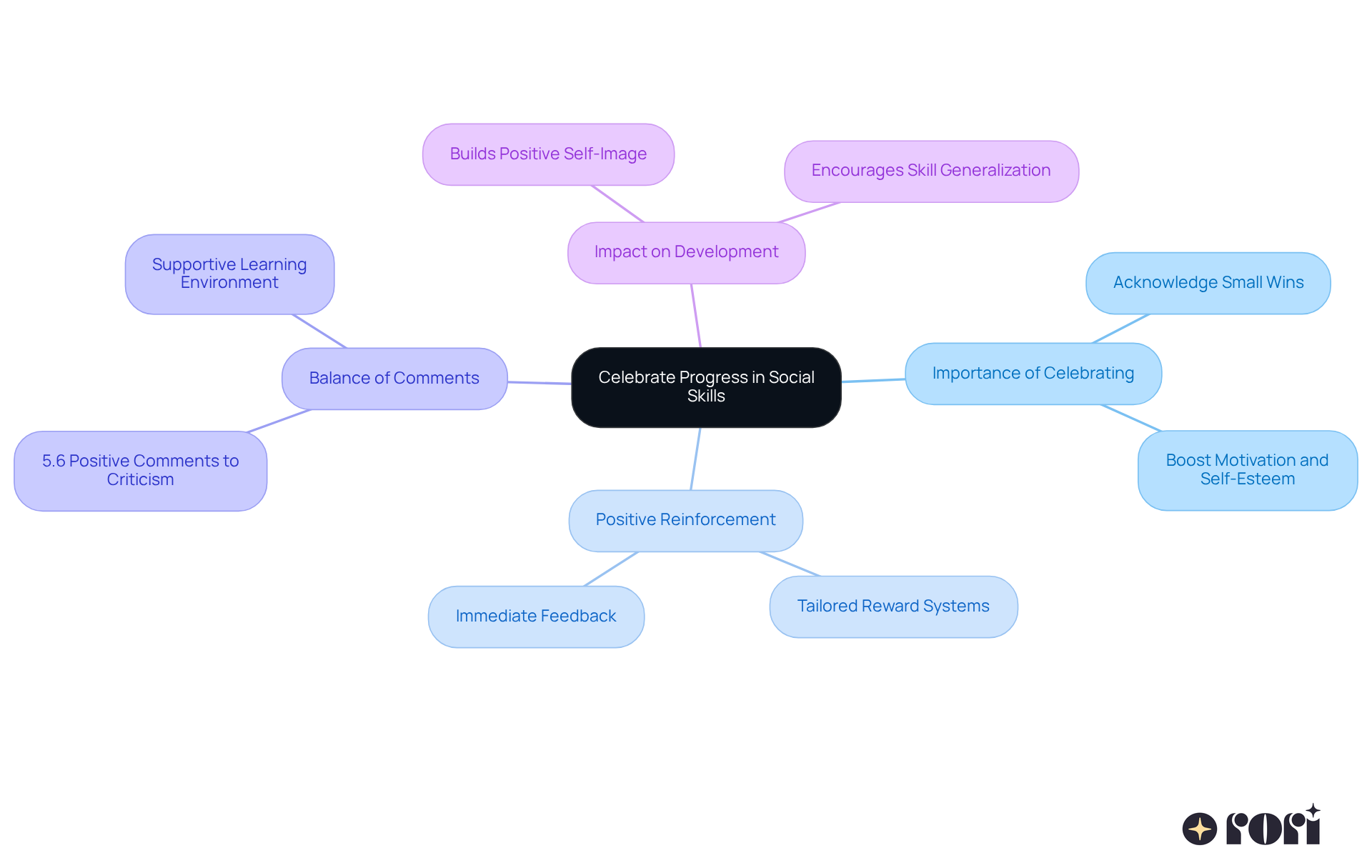
Celebrating your child’s growth in social skills is so important for ! 🎉 Even , like a , can really inspire kids to keep practicing and improving. Plus, when you set up a , these celebrations become even more meaningful and motivating.
Research shows that – especially when it’s tailored to what your child enjoys – can really enhance their engagement and encourage them to repeat those great behaviors. For the best results, try to keep a balance of about 5.6 positive comments for every piece of criticism. This kind of balance helps create a .
By – whether through kind words, fun rewards, or special activities – you’re applying , which aids in helping your child . This not only reinforces their progress but also builds a positive self-image, which is crucial for their ongoing development in social situations.
As a caregiver, being familiar with can really boost your ability to support your child’s . This knowledge can lead to better outcomes and a happier family dynamic. Let’s explore this together!
Conclusion
Boosting a child’s social skills, especially for those with autism, is a journey that calls for a thoughtful approach. It’s all about combining structured routines, visual supports, and active parental involvement. The strategies we’ve discussed highlight how personalized treatment plans, like ABA therapy, can cater to each child’s unique needs. By creating a supportive environment filled with chances for practice and reinforcement, parents can really help their children navigate social interactions with confidence.
Let’s take a moment to reflect on some key insights:
- Establishing routines can significantly reduce anxiety.
- Visual aids can enhance communication.
- Encouraging peer interactions is essential for building those all-important relationships.
- Tools like role-playing and social stories are fantastic for teaching social norms.
- Technology can offer engaging platforms for skill development.
- When parents actively participate in their child’s therapy, it not only strengthens their bond but also leads to better outcomes in social skills training.
In conclusion, enhancing a child’s social skills is truly a collaborative effort. It involves parents, therapists, and tailored strategies working together. By embracing these effective approaches, caregivers can empower their children to forge meaningful connections and thrive in social settings. Remember, celebrating progress and reinforcing achievements is key to fostering a positive trajectory for social development. Together, let’s ensure that every child has the tools and support they need to succeed in their social world! We’re here to help you every step of the way!
Frequently Asked Questions
What is Rori Care’s approach to helping children with autism develop social skills?
Rori Care utilizes Applied Behavior Analysis (ABA) therapy to create personalized treatment plans that focus on improving interpersonal skills in children with autism. Each plan is tailored to meet the specific needs and strengths of the child.
Why is a personalized approach important in ABA therapy?
A personalized approach is important because it incorporates effective strategies that enhance engagement and outcomes. Research shows that customized interventions can lead to significant improvements in communication and social skills for young individuals.
How can establishing a routine benefit children with autism?
Establishing a reliable daily schedule provides structure, reducing anxiety and boosting confidence. Regular activities like playdates and family meals create a nurturing environment that supports social skills development.
What role do visual supports play in developing nonverbal communication skills?
Visual supports, such as picture schedules and emotion cards, help children understand social cues and expectations, easing anxiety in social interactions. These tools also improve emotional intelligence, which is crucial for forming meaningful relationships.
How can group therapy enhance social skills for children with autism?
Group therapy, led by trained therapists, is designed to help children with Autism Spectrum Disorders and other communication challenges build confidence and interpersonal skills. It provides a structured environment for practicing social interactions.
What can caregivers do to support their children’s social skills development?
Caregivers can learn about ABA principles and strategies to enhance their ability to support their child’s behavioral goals. Understanding these strategies enables parents to make informed choices that lead to better outcomes for their children.
How does Rori Care support parents in this journey?
Rori Care is dedicated to providing personalized care and support for parents, guiding them through effective strategies to help their children develop social skills and encouraging their involvement in the therapeutic process.
List of Sources
- Rori Care – ABA Therapy: Personalized Treatment Plans for Social Skills Development
- Understanding Autism Therapy Success Rates (https://ambitionsaba.com/resources/understanding-autism-therapy-success-rates)
- Resources | Golden Steps ABA (https://goldenstepsaba.com/resources/success-rates-of-aba-therapy)
- Success Rates of ABA Therapy | Advanced Autism Services (https://advancedautism.com/post/success-rates-of-aba-therapy)
- The Numbers Don’t Lie: Revealing Autism Therapy Statistics | Above and Beyond Therapy (https://abtaba.com/blog/autism-therapy-statistics)
- ABA Therapy Effectiveness for Autism | Connect n Care (https://connectncareaba.com/blog/aba-therapy-effectiveness-for-autism)
- Establish Routine: Create a Structured Environment for Social Interaction
- 50 Parenting Quotes to Inspire and Guide (https://mentalhealthcenterkids.com/blogs/articles/parenting-quotes)
- Inspiring Quotes on Child Learning and Development (https://vincegowmon.com/inspiring-quotes-on-child-learning-and-development)
- Routines as a Protective Factor for Emerging Mental Health and Behavioral Problems in Children with Neurodevelopmental Delays – PMC (https://pmc.ncbi.nlm.nih.gov/articles/PMC11469585)
- How Routines Help Kids’ Mental Health (https://kidsmentalhealthfoundation.org/mental-health-resources/mental-wellness/kids-routines)
- onlinelibrary.wiley.com (https://onlinelibrary.wiley.com/doi/10.1111/jftr.12549)
- Utilize Visual Supports: Enhance Nonverbal Communication Skills
- careoptionsforkids.com (https://careoptionsforkids.com/blog/speech-therapy-quotes)
- 30 Best Quotes About Emotional Intelligence (https://thinkpsych.com/blogs/posts/30-best-quotes-about-emotional-intelligence?srsltid=AfmBOoopbhd0AUhR4t6WEFgNBL2_du_E5lVjErEXqweGRUl1IPQKKeSO)
- Unlocking Communication: Effective Use of Visual Supports in ABA | Step Ahead ABA (https://stepaheadaba.com/blog/how-to-use-visual-supports-effectively-in-aba-therapy)
- The Role of Visual Supports in Enhancing ABA Therapy Outcomes (https://mastermindbehavior.com/post/the-role-of-visual-supports-in-enhancing-aba-therapy-outcomes)
- The Benefits of Using Visual Schedules in ABA Therapy | Advanced Autism Services (https://advancedautism.com/post/the-benefits-of-using-visual-schedules-in-aba-therapy)
- Encourage Peer Interaction: Foster Relationships with Classmates
- (PDF) PLAYDATES Why They Matter and How Behavior Analysts can Support Children on the Autism Spectrum (https://researchgate.net/publication/362382284_PLAYDATES_Why_They_Matter_and_How_Behavior_Analysts_can_Support_Children_on_the_Autism_Spectrum)
- wellbeing.gmu.edu (https://wellbeing.gmu.edu/famous-quotes-on-socializing-and-well-being)
- A systematic review of peer-mediated interventions for children with autism spectrum disorder – PMC (https://pmc.ncbi.nlm.nih.gov/articles/PMC5087797)
- Inspiring Quotes on Child Learning and Development (https://vincegowmon.com/inspiring-quotes-on-child-learning-and-development)
- 10 Quotes on Boosting Young Children’s Social-Emotional Development – Brookes Blog (https://blog.brookespublishing.com/10-quotes-on-boosting-young-childrens-social-emotional-development)
- Implement Role-Playing: Practice Social Scenarios in a Safe Space
- Using role-playing to teach social situations (https://ambitionsaba.com/resources/using-role-playing-to-teach-social-situations)
- Inspiring Quotes on Child Learning and Development (https://vincegowmon.com/inspiring-quotes-on-child-learning-and-development)
- 25 Jean Piaget Quotes on Psychology, Wisdom and Human Development (https://achology.com/wisdom-for-life/jean-piaget-quotes-on-human-development?srsltid=AfmBOortjWo0QdCLQzRWkV-pTX7mqLPE3yNpyD8AeH5KGb78qWLtlI5E)
- (PDF) The Influence of Role-Playing Methods on the Social Skills and Self-Confidence of Grade V Elementary School Students (https://researchgate.net/publication/373828584_The_Influence_of_Role-Playing_Methods_on_the_Social_Skills_and_Self-Confidence_of_Grade_V_Elementary_School_Students)
- How Scripting and Role-Playing Enhance ABA Therapy Outcomes – Up & Up ABA (https://upandupaba.com/faqs-resources/how-scripting-and-role-playing-enhance-aba-therapy-outcomes)
- Use Social Stories: Teach Social Norms and Expectations
- mastermindbehavior.com (https://mastermindbehavior.com/post/the-connection-between-social-stories-and-improved-social-skills-in-asd)
- Understanding the Power of Social Stories in Autism Support | Step Ahead ABA (https://stepaheadaba.com/blog/social-stories-for-autism)
- Social Stories for Autistic Children – The Ultimate Guide (https://autismparentingmagazine.com/social-stories-for-autistic-children?srsltid=AfmBOooDQdn_nhgxTd39CvV5jtUWvITMLtudqLDwL5FkEywzNIUN2NZa)
- Strengthen Your Family with ABA-Informed Parenting (https://thetreetop.com/aba-therapy/social-stories-autism)
- Leverage Technology: Use Apps and Games to Teach Social Skills
- aheartforallstudents.com (https://aheartforallstudents.com/inspirational-autism-quotes)
- kidsfirstservices.com (https://kidsfirstservices.com/first-insights/autism-quotes)
- Quotes About Autism – Blog | Arms Wide Open ABA (https://armswideopenaba.com/blog/quotes-about-autism)
- Autism Apps For Children (https://buildingblockstherapy.org/blog/autism-apps-for-children)
- Engage as a Parent: Actively Participate in Social Skills Training
- kidsfirstservices.com (https://kidsfirstservices.com/first-insights/the-importance-of-parent-involvement-in-child-therapy)
- Play Therapy Quotes | Core Wellness (https://corewellceu.com/blog/play-therapy-quotes)
- journals.sagepub.com (https://journals.sagepub.com/doi/10.1177/10883576221110158)
- Inspiring Quotes on Child Learning and Development (https://vincegowmon.com/inspiring-quotes-on-child-learning-and-development)
- advancedautism.com (https://advancedautism.com/post/the-role-of-parent-involvement-in-autism-therapy-success)
- Seek Professional Guidance: Collaborate with Therapists for Effective Strategies
- ybgr.org (https://ybgr.org/16-quotes-on-parenting-with-empathy)
- 35 Best Therapy Quotes to Inspire and Motivate Others (https://positivepsychology.com/best-therapy-quotes)
- 150+ Quotes for speech therapists: Inspiration, Communication, and Growth (https://nataliamaganda.com/150-quotes-for-speech-therapists-inspiration-communication-and-growth)
- 50 Parenting Quotes to Inspire and Guide (https://mentalhealthcenterkids.com/blogs/articles/parenting-quotes)
- Checking your browser – reCAPTCHA (https://pmc.ncbi.nlm.nih.gov/articles/PMC11918677)
- Celebrate Progress: Acknowledge and Reinforce Social Skills Achievements
- The Role of Positive Reinforcement in ABA Therapy for Children with Autism (https://yellowbusaba.com/post/the-role-of-positive-reinforcement-in-aba-therapy-for-children-with-autism)
- mastermindbehavior.com (https://mastermindbehavior.com/post/the-impact-of-positive-peer-models-on-social-skills-development-in-asd)
- EWU Online M.Ed. Teaches the Benefits of Positive Reinforcement (https://online.ewu.edu/degrees/education/med/early-childhood-education/positive-reinforcement-in-learning)
- 10 Great Quotes on Promoting Positive Behavior – Brookes Blog (https://blog.brookespublishing.com/10-great-quotes-on-promoting-positive-behavior)
- The Importance of Celebrating Small Wins in ABA Therapy Progress (https://adinaaba.com/post/the-importance-of-celebrating-small-wins-in-aba-therapy-progress)