
Introduction
Understanding how to effectively teach alternative behaviors to children is crucial for fostering their social and emotional development. 😊 With a range of strategies available, parents and educators can create supportive environments that promote positive choices and reduce challenging behaviors. This article delves into ten effective methods, exploring how personalized approaches, technology, and collaborative efforts can significantly enhance the learning experience. But what happens when traditional techniques fall short? How can caregivers adapt their strategies to ensure every child thrives? Let’s explore this together!
Rori Care – ABA Therapy: Personalized Strategies for Teaching Alternative Behaviors
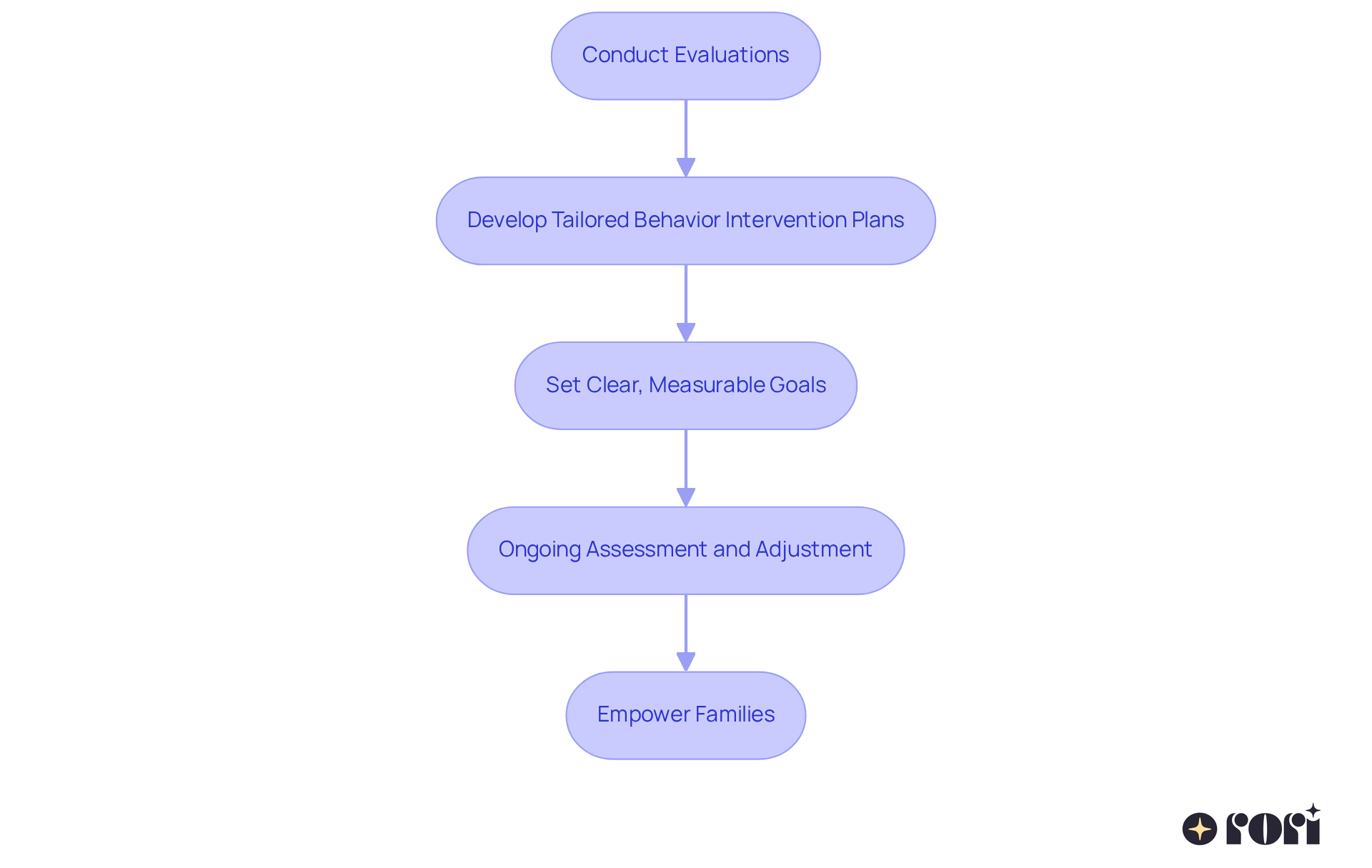
At Rori Care, we take a , focusing on to cater to the unique needs of each individual. Our skilled behavior analysts conduct thorough evaluations to create tailored that highlight each person’s . By setting clear, measurable goals, we provide families with , empowering everyone to through and alternative behavior.
This customized approach not only enhances the learning experience but also encourages alternative behavior in a nurturing environment where young individuals can truly thrive. For instance, if a child struggles to express frustration, we might teach them to use a visual signal or a specific phrase to communicate their feelings more effectively. Our commitment to ensures that we can adopt alternative behavior strategies as needed, improving outcomes for every student.
We also prioritize , equipping families with the knowledge and resources they need to support their child’s development effectively. Let’s explore this together! We’re here to !
Differential Reinforcement of Alternative Behavior: Enhancing Positive Choices
(DRA) is such a fantastic technique in ABA therapy, aimed at helping our youth make . By focusing on strengthening a favorable action while gently reducing support for the unwanted behavior, kids learn to make better decisions. For example, if a child usually shouts for attention, a clinician can encourage them to raise their hand instead. This approach not only decreases those challenging behaviors but also teaches a more to seek attention.
Recent studies have highlighted the success rates of DRA in reducing difficult conduct. Kids who often yelled for attention showed a remarkable decrease in this behavior when consistently encouraged to engage in alternative, appropriate actions. In one study, led to a staggering 90% reduction in issues when caregivers actively participated in the reinforcement process. This really shows how enhances their ability to support their children effectively, leading to informed decision-making that positively impacts their kids’ growth.
really emphasize how important DRA is for promoting positive choices. As one expert beautifully stated, “Reinforcing different actions not only helps decrease unwanted behaviors but also allows young individuals to express themselves in more constructive ways.” This method aligns perfectly with ABA principles, which focus on teaching kids effective communication strategies that enrich their social interactions.
Moreover, studies suggest that the average percentage decrease in problem behaviors across various applications of DRA is about 69%. This demonstrates its effectiveness in different contexts. However, it’s crucial to acknowledge that DRA might not always work without incorporating extinction procedures, as some studies indicate that may not achieve the desired results for everyone.
By concentrating on reinforcing , DRA not only diminishes difficult conduct but also encourages alternative behavior, nurturing an environment where young individuals can thrive both socially and emotionally. This method highlights how targeted interventions, along with caregiver training and active involvement, can lead to significant behavioral changes, ultimately helping kids make better choices. To implement DRA effectively, caregivers should consistently reinforce alternative behavior and to ensure a unified approach. Let’s explore this together!

Modeling Alternative Behaviors: Demonstrating Positive Actions for Children
is a fantastic technique that showcases positive practices for young ones to observe and emulate. Young individuals are natural observers, and they often . For example, if a child struggles with sharing, a clinician can demonstrate sharing during playtime. By witnessing positive interactions and the benefits of sharing, the child is more likely to adopt this behavior themselves. This method not only teaches the desired behavior but also strengthens essential and emotional understanding, which are crucial in .
Research shows that most learners thrive in structured environments where modeling is consistently applied. In fact, giving specific and frequent praise for positive actions can significantly enhance those actions. The foundation of constructive behavior lies in the , which increases their willingness to engage in preferred actions. This is vital in ABA, as it tailors interventions to meet individual needs.
include peer modeling, where children observe and imitate their peers demonstrating alternative behavior and desired skills. This promotes connection and motivation in a natural setting. Additionally, , allowing children to watch demonstrations of target behaviors, thereby improving their understanding and ability to imitate these actions.
The significance of modeling in ABA therapy is immense. It acts as a structured teaching tool that helps children with autism acquire new skills through observation and imitation. By breaking down complex behaviors into manageable steps, modeling fosters understanding and encourages independence. Adapting these methods to fit personal needs and learning styles is crucial for boosting engagement and achieving meaningful progress in therapy. Plus, , led by qualified therapists, enhances communication and relationships, ultimately boosting self-esteem and social competence among children. Caregiver education is also essential, equipping parents with strategies to effectively support their children’s development.
Let’s explore this together! We’re here to help you every step of the way!

Technology-Enhanced Learning: Utilizing Tools to Teach Alternative Behaviors
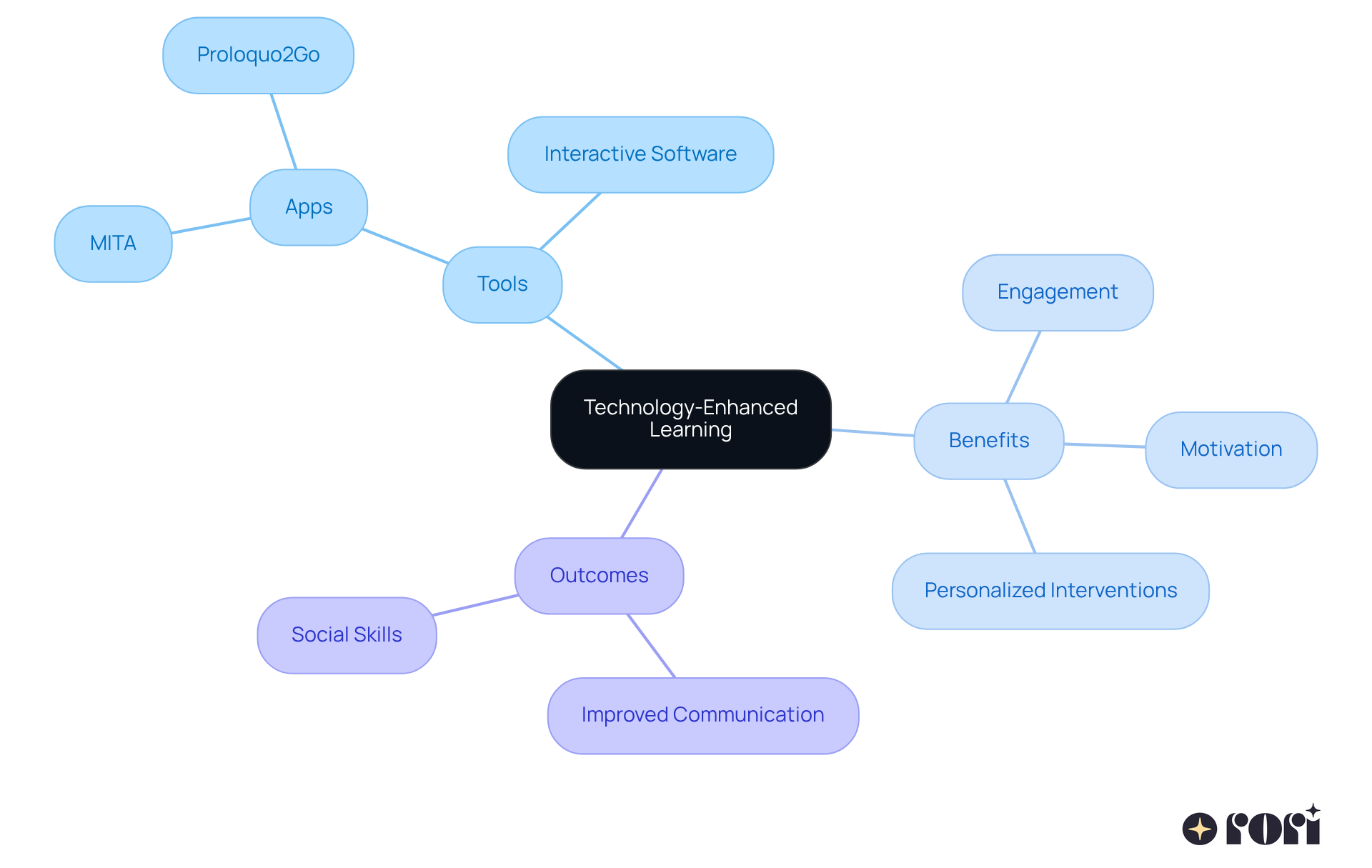
, such as apps and interactive software, are to our little ones. These tools create engaging and interactive experiences that not only capture young learners’ attention but also motivate them to learn. For instance, can help kids understand the order of activities, which can ease anxiety and encourage .
Research shows that mobile applications such as MITA and Proloquo2Go can significantly boost involvement in ABA practices, leading to . Clinicians have observed that incorporating these technologies fosters a dynamic learning environment, allowing for . This adaptability means therapy can be , ultimately resulting in better outcomes.
By effectively using , families and therapists can collaborate seamlessly, making as needed. By harnessing the power of technology, clinicians can revolutionize how alternative behavior is taught, paving the way for in our youngsters. Let’s explore this together and see how these tools can make a difference!
Parent-Led Strategies: Engaging Families in Teaching Alternative Behaviors
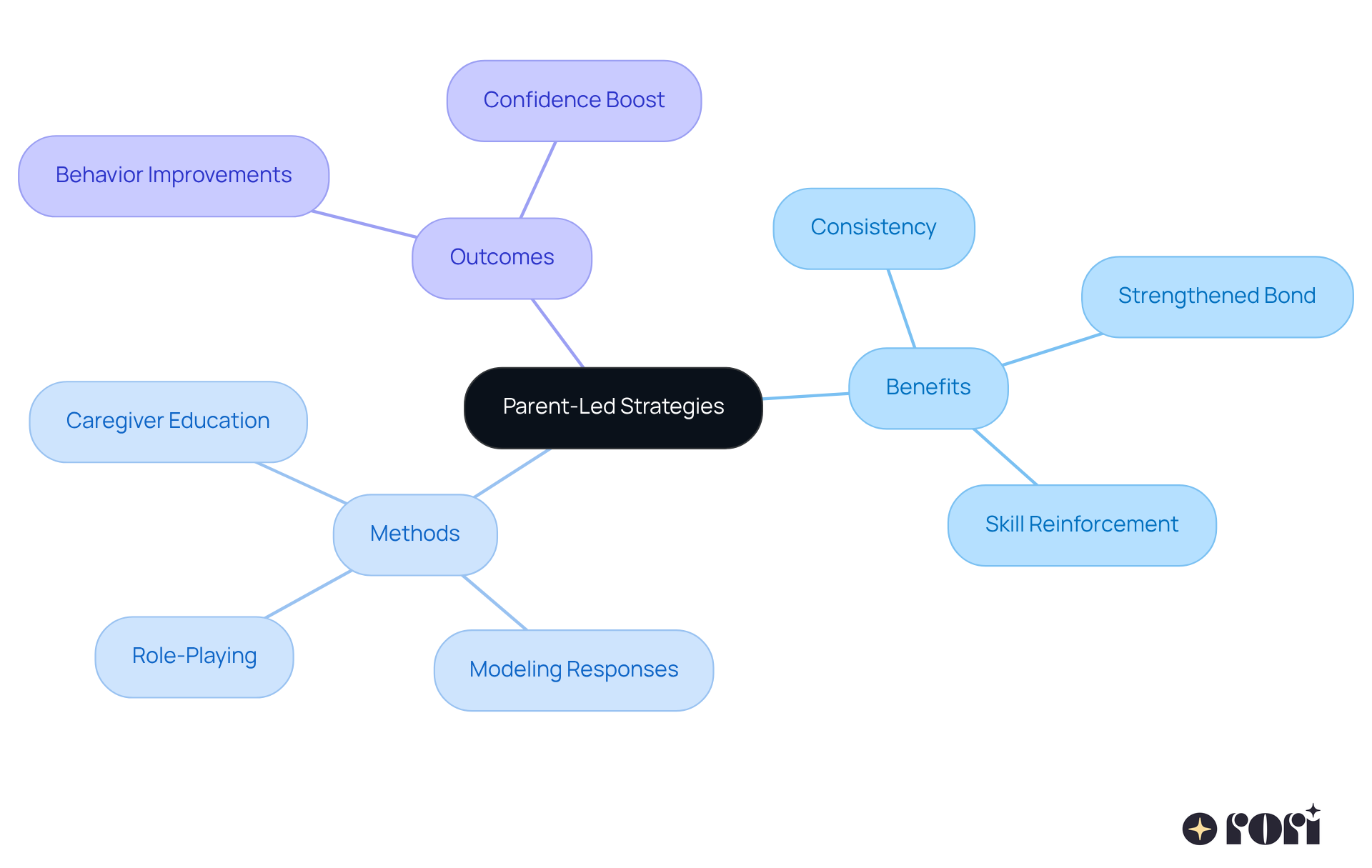
are a fantastic way for families to get actively involved in teaching alternative behavior, which can really enhance the therapy process. When parents join their children on this therapeutic journey, kids benefit from of the skills they learn. For instance, parents can engage in role-playing scenarios at home, modeling appropriate responses to frustration. This not only reinforces therapeutic skills but also strengthens the parent-child bond, creating a that promotes growth.
Studies show that when families participate in , young individuals make . This really highlights the effectiveness of ! Plus, (PIIs) have shown positive results, with research indicating an average effect size of 0.55 for behavior enhancements. By equipping parents with through , we pave the way for a more effective and comprehensive approach to ABA therapy.
This education boosts caregivers’ confidence and decision-making skills, allowing them to provide the right support at home and complement professional interventions. This is especially important since families often face challenges in accessing intensive services for youngsters with ASD. That’s why parent-led strategies are so vital in promoting . Let’s explore this together and see how we can make a difference for our kids!
Structured Environments: Setting the Stage for Learning Alternative Behaviors
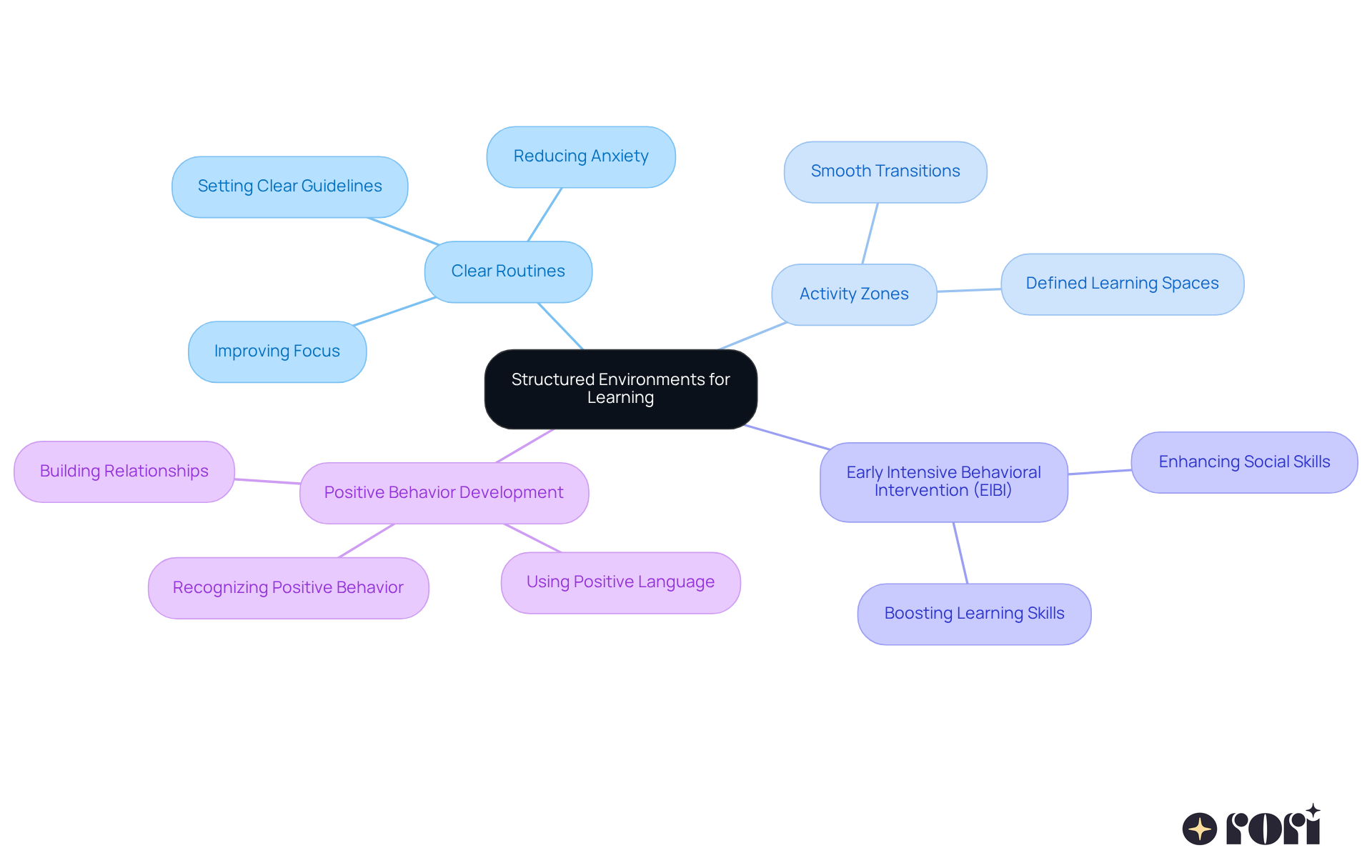
are crucial for , particularly in the field of . When we set , it really helps our little ones understand what’s expected of them. For example, think about a classroom that has specific zones for different activities—this can make it easier for students to transition smoothly between tasks. This kind of structure not only reduces anxiety but also allows kids to focus on learning new skills without the distractions of a chaotic environment.
You might be surprised to learn that studies show can significantly improve the , creating a sense of safety and consistency that enhances their educational journey. And let’s not forget the vital role of ; it’s been proven to boost learning, verbal, and social skills in children with autism. Educators often stress that crafting means setting clear rules and providing age-appropriate materials. Together, these elements help minimize disruptions and foster .
As one teacher wisely put it, “Establish clear and consistent guidelines for your kids.” By prioritizing structured environments, we can empower our young learners to flourish and develop , while fostering alternative behavior that aligns with the goals of ABA therapy. So, let’s explore this together and see how we can create those supportive spaces for our kids!
Positive Reinforcement Techniques: Encouraging Desired Behaviors
are so important for ! 🌟 When we offer right after they do something positive, it makes them more likely to repeat that behavior. For example, if a child shares their feelings instead of acting out, a clinician might give them some verbal praise or a small treat. This immediate reinforcement helps , making them want to adopt .
here! By and goals, we can really make a difference. Setting allows caregivers to track progress effectively. Plus, using , like consistent reinforcement schedules and varying the types of rewards, can boost the chances of positive results.
It’s all about of these principles. This not only supports their active involvement but also encourages informed decision-making, leading to better behavioral outcomes for their children. Let’s explore this together! We’re here to help you every step of the way! 😊

Collaborative Strategies: Working Together to Teach Alternative Behaviors
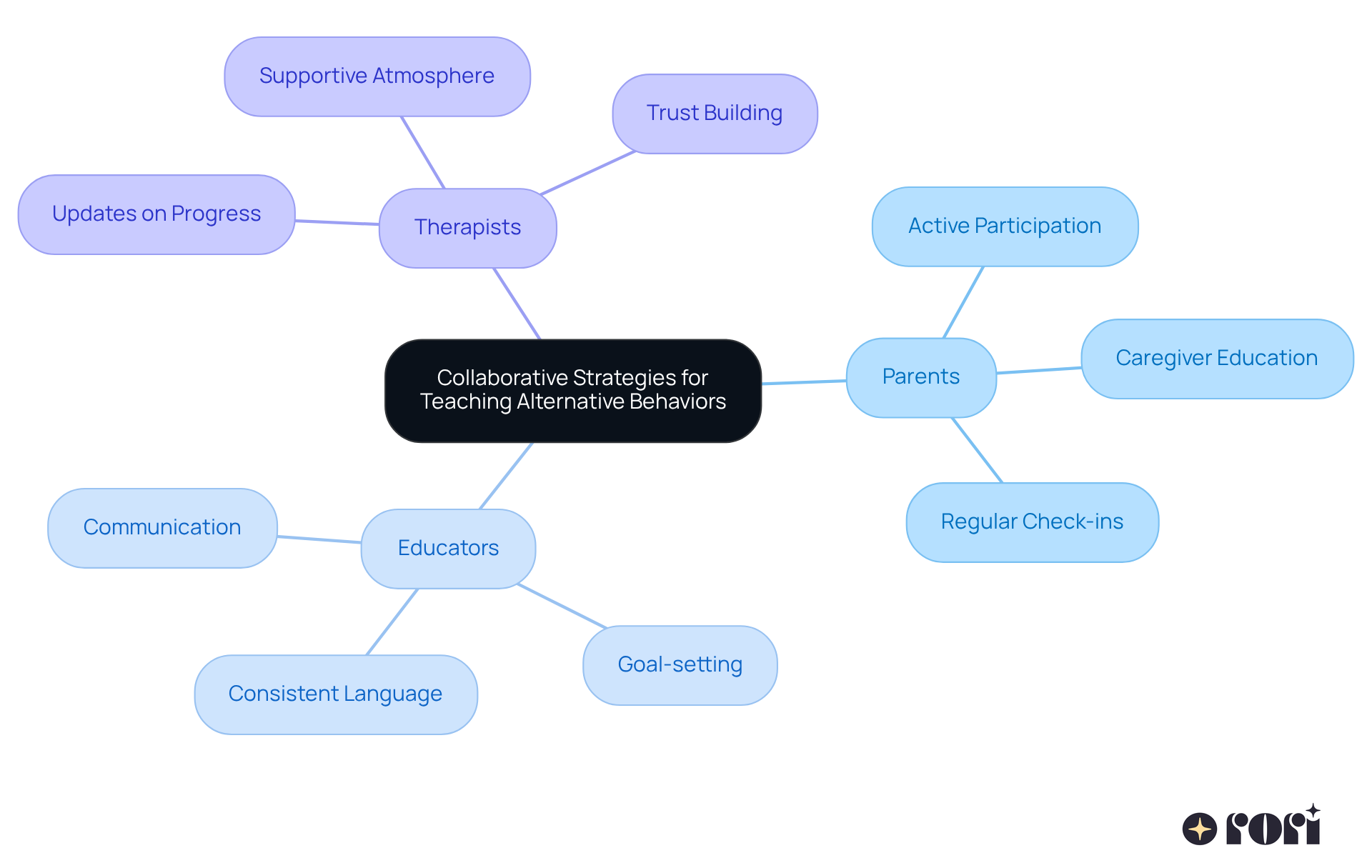
involve a to create a seamless approach to teaching . By sharing insights and strategies, everyone can ensure consistency in reinforcement and expectations. For instance, when a child is learning to ask for help instead of throwing tantrums, it’s crucial that both parents and teachers use the same language and prompts. This unified approach not only reinforces the desired behavior but also helps the child understand and apply alternative behavior in different settings.
Research shows that children with highly engaged parents make greater strides in their . When we work together, we nurture a that , leading to better outcomes. is key here; it equips caregivers with the knowledge and skills needed to provide robust support at home, complementing professional interventions and promoting consistency. Regular updates about the child’s progress build trust between parents and therapists, allowing for quick adjustments to approaches and ensuring the child’s needs are consistently met.
Successful collaboration in ABA treatment thrives on —these are essential for building trust among everyone involved. By including parents in goal-setting and encouraging their active participation in treatment sessions, we empower them to reinforce strategies at home, further boosting the child’s development. The knowledge gained through caregiver education enhances caregivers’ confidence in their ability to support their children, reducing stress and improving family dynamics. Ultimately, the success of ABA therapy heavily relies on among parents, teachers, and therapists. This teamwork not only promotes the individual’s growth but also prepares them for success in both academic and social settings.
To maximize the benefits of this partnership, parents are encouraged to to discuss progress and strategies, ensuring everyone is on the same page. By doing this, they can actively contribute to better behavioral outcomes for their child. Let’s explore this together!
Progress Monitoring: Assessing the Effectiveness of Alternative Behavior Strategies
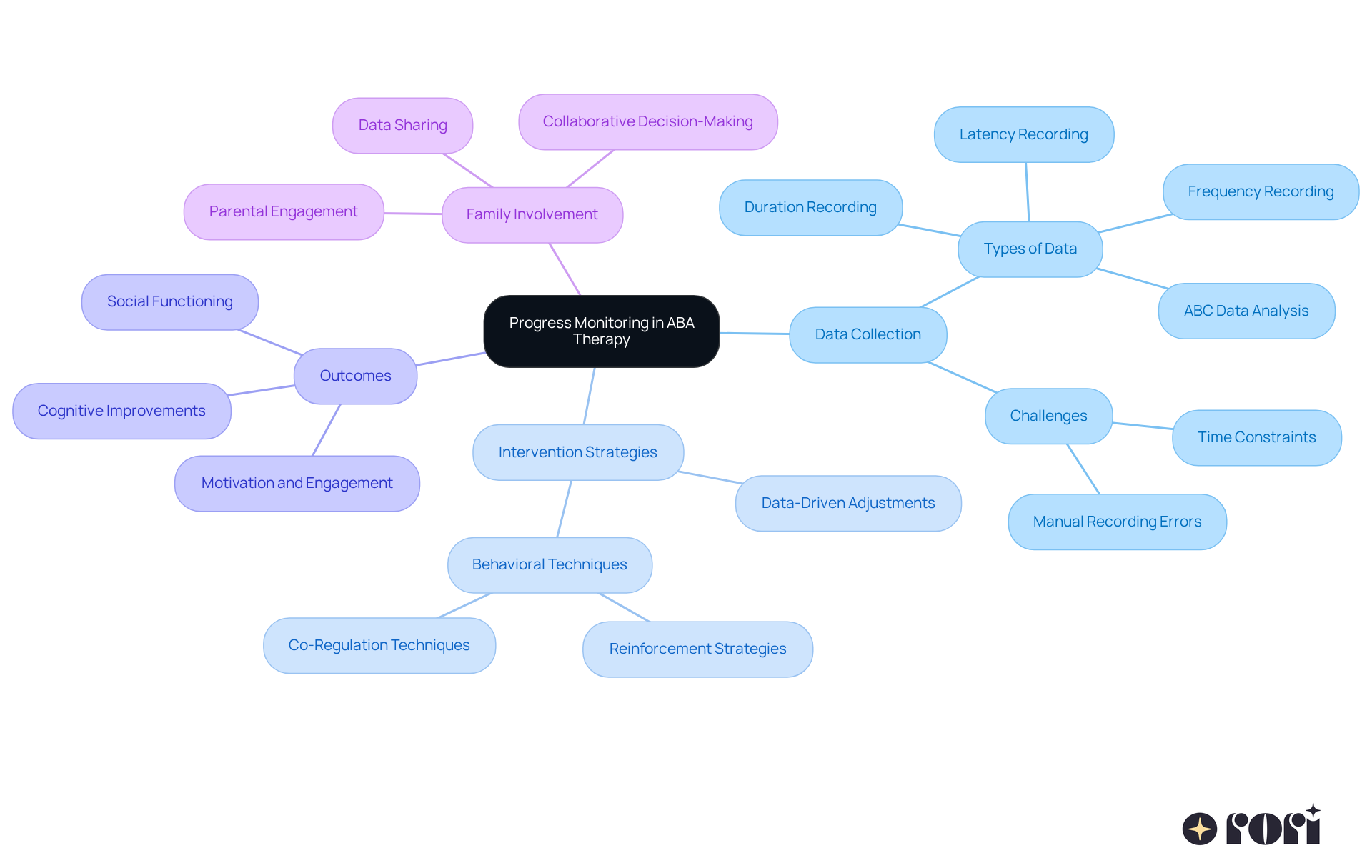
is so important in ABA therapy! It helps clinicians assess . By collecting data on specific behaviors, therapists can spot trends and make informed decisions about adjustments needed in to encourage alternative behavior. For instance, if a young person isn’t responding much to a particular strategy, clinicians can dive into the data to explore .
This ongoing evaluation ensures that treatment remains effective and adapts to the young person’s changing needs. Research shows that consistent leads to better cognitive and social functioning in individuals with . This really highlights how significant this practice is in promoting ! Plus, when therapists share data transparently with parents, it . This way, families get a , empowering them to engage actively in their child’s therapy journey. Let’s explore this together!
Replacement Behaviors: Identifying and Teaching Functional Alternatives
are a form of alternative behavior that meet the same needs as challenging actions but are more socially acceptable. Identifying these is crucial for effective . For instance, if a young person screams to get attention, a clinician might teach them to say, ‘Excuse me,’ instead. This not only helps the child express their needs appropriately but also encourages and outcomes. By systematically teaching these functional alternatives, caregivers can significantly reduce and encourage alternative behavior for healthier communication patterns.
As behavior analysts have observed, implementing alternative behavior directly influences modification results, shaping individuals’ responses and habits. Understanding the role of challenging actions is essential; it allows caregivers to choose that fulfill the same function, ultimately leading to better conduct and well-being. At Rori Care, the care engine conducts , enabling clinicians to generate automated progress reports that track the effectiveness of these approaches.
It’s important to incorporate and evidence-based strategies in created by certified analysts. This ensures that the alternative behavior is effectively taught and monitored. However, it’s also vital to recognize that setbacks are a natural part of the behavior modification journey. Ongoing monitoring and adjustments to strategies for alternative behavior, guided by qualified behavior analysts, are key to fostering long-term positive change. Let’s explore this together! We’re here to help you every step of the way!

Conclusion
Teaching alternative behaviors to children can feel like a complex journey, but it’s one that can be navigated with a thoughtful and personalized approach. By using effective strategies like differential reinforcement, modeling, and technology-enhanced learning, caregivers and educators can create an environment where positive choices flourish. It’s all about collaboration among parents, therapists, and educators—this teamwork is essential to ensure consistency and reinforce the skills being taught.
Throughout this article, we’ve explored various techniques, such as the importance of structured environments, positive reinforcement, and parent-led strategies. Each method plays a vital role in a holistic approach to teaching alternative behaviors, emphasizing tailored interventions that meet individual needs. Plus, the data-driven methods and ongoing progress monitoring we discussed highlight the importance of adapting strategies to maximize their effectiveness.
Ultimately, teaching alternative behaviors isn’t just about reducing challenging actions; it’s about empowering children to communicate and interact positively with their peers and families. By joining forces in this collaborative effort, families and professionals can build a supportive network that nurtures growth, independence, and emotional well-being in children. Embracing these strategies can lead to meaningful changes and a brighter future for young individuals as they learn to navigate their world with confidence and skill. Let’s explore this together—your journey is important, and we’re here to help you every step of the way!
Frequently Asked Questions
What is Rori Care’s approach to ABA therapy?
Rori Care uses a data-driven approach to ABA therapy that focuses on personalized strategies to promote alternative behavior tailored to each individual’s unique needs.
How does Rori Care develop behavior intervention plans?
Skilled behavior analysts conduct thorough evaluations to create tailored behavior intervention plans that highlight each person’s strengths and challenges, setting clear, measurable goals for progress.
What is differential reinforcement of alternative behavior (DRA)?
DRA is a technique in ABA therapy that helps youth make positive choices by strengthening a favorable action while gently reducing support for unwanted behavior, teaching more socially acceptable ways to seek attention.
How effective is DRA in reducing challenging behaviors?
Studies have shown that DRA can lead to significant reductions in difficult conduct, with one study reporting a 90% reduction in issues when caregivers actively participated in the reinforcement process.
What role do caregivers play in the success of DRA?
Caregiver education and active involvement are crucial, as they enhance the ability to support their children effectively, leading to informed decision-making that positively impacts their growth.
How does modeling alternative behaviors work in ABA therapy?
Modeling involves demonstrating positive practices for children to observe and emulate, helping them learn desired behaviors and strengthen social skills through observation.
What are some effective modeling methods used in ABA therapy?
Effective methods include peer modeling, where children imitate their peers, and video modeling, which allows children to watch demonstrations of target behaviors.
Why is caregiver education important in ABA therapy?
Caregiver education equips parents with strategies to effectively support their children’s development, enhancing the overall effectiveness of the therapy.