

Introduction
Understanding and nurturing executive functioning skills in children with Autism Spectrum Disorder (ASD) is so important for their growth and daily success. 🌟 In this article, we’ll explore ten effective strategies that parents, educators, and caregivers can use to support these essential skills. From personalized ABA therapy techniques to integrating technology and collaborative play, there’s a lot to consider!
But here’s the thing: with so many approaches out there, it’s natural to wonder which methods truly resonate with your unique child. How can you tailor these strategies to foster meaningful progress? Let’s dive in together and find out!
Rori Care – ABA Therapy: Personalized ABA Strategies for Executive Functioning Development
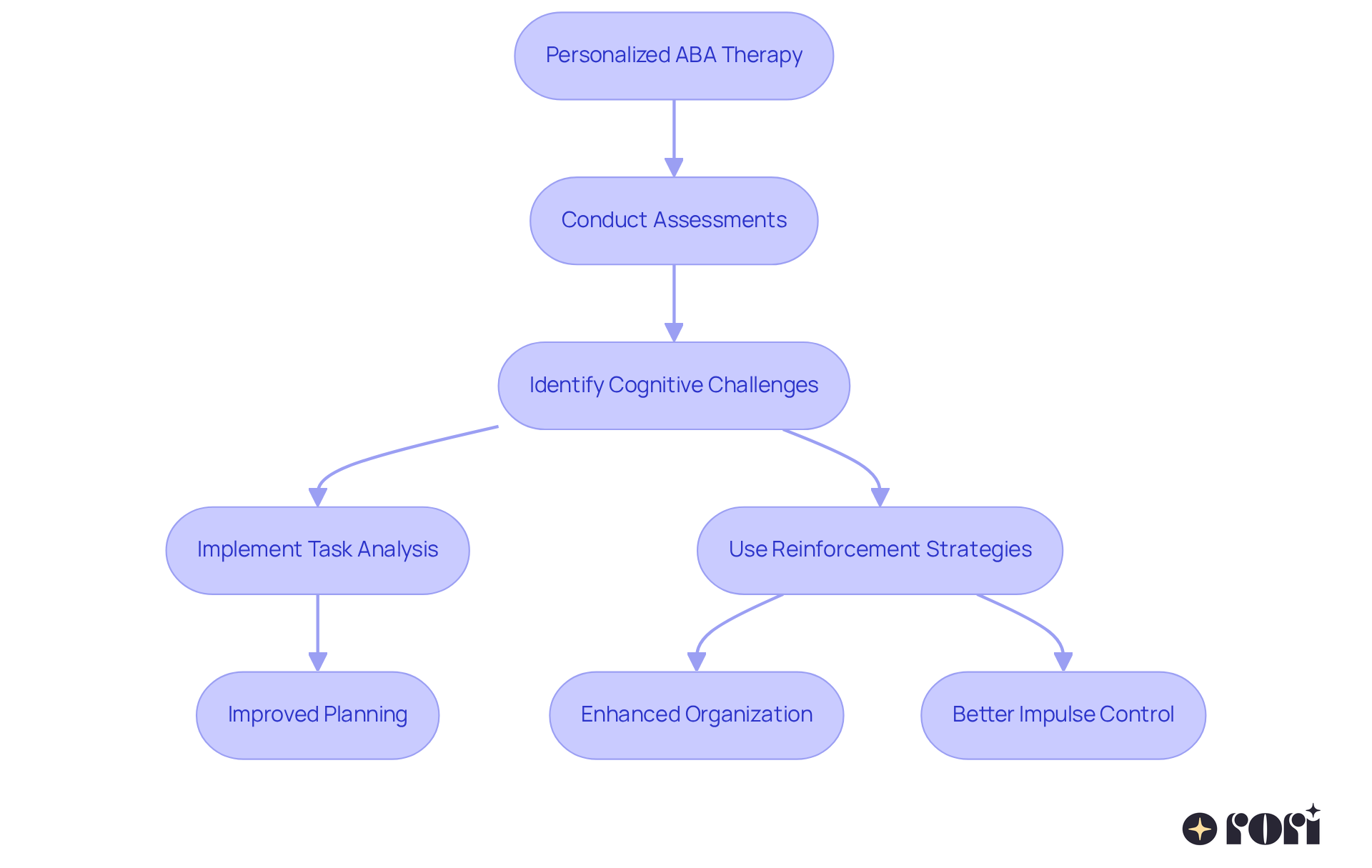
At Rori Behavioral Innovations, we believe in a personalized approach to that truly caters to the unique needs of each child. 🌟 Our clinicians take the time to conduct thorough assessments, helping to pinpoint specific . This way, we can create that really make a difference.
For instance, techniques like . It’s all about making things easier and more achievable! Plus, our reinforcement strategies provide . This combination helps improve like:
- Planning
- Organization
- Impulse control
These are effective ways to develop in children with ASD and support their .
We understand that navigating these challenges can feel overwhelming at times. But remember, you’re not alone in this journey! Let’s explore this together and find the best path forward for your child. We’re here to !
Virtual Training Programs: Enhancing Executive Functioning Skills through Interactive Learning
Virtual training programs are becoming a game-changer as in children with ASD. These interactive platforms offer fun games and activities designed to boost , , and self-regulation. Research shows that when individuals engage with these programs, they see real improvements in and impulse control. Isn’t that encouraging?
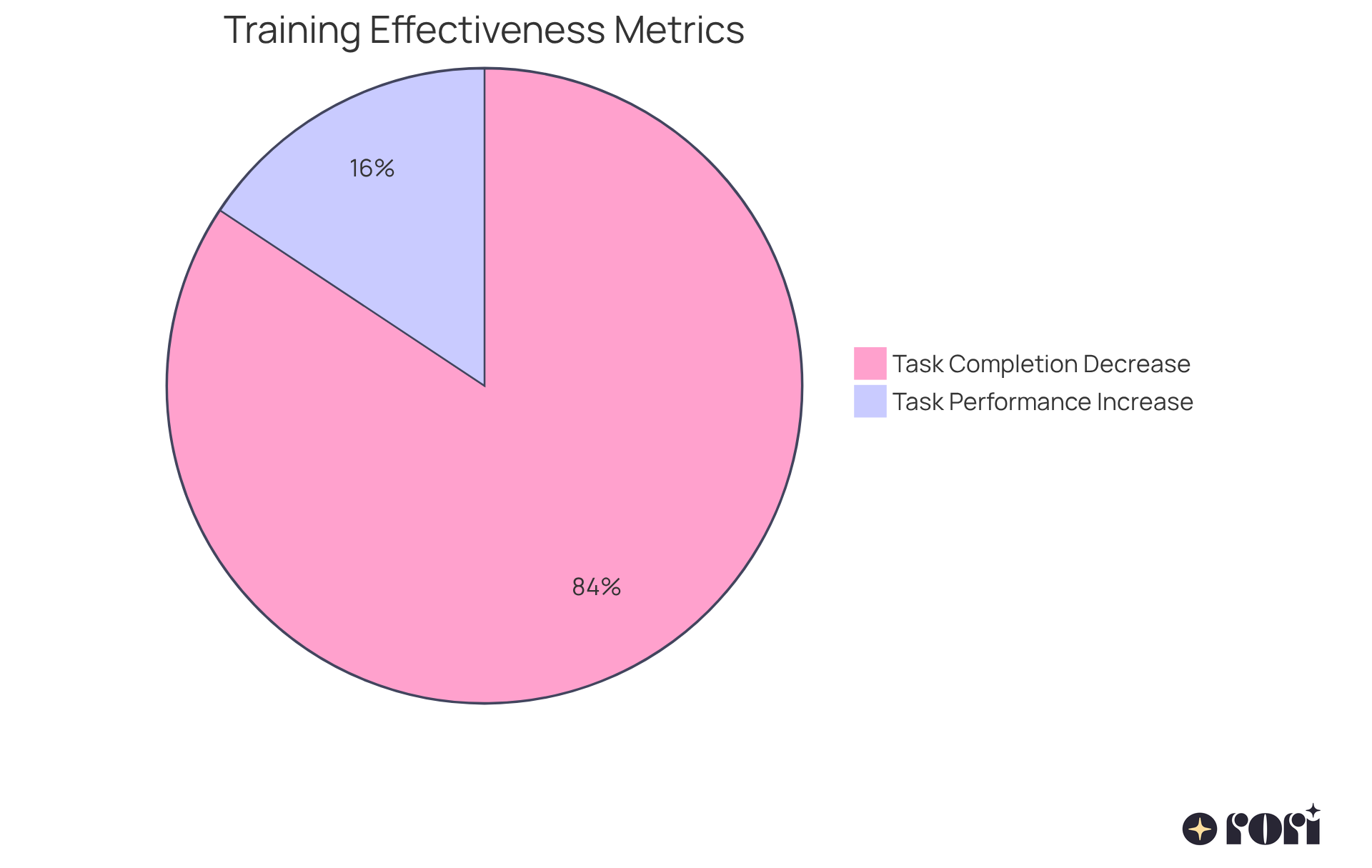
For example, studies reveal a 5.5% increase in task performance scores and a 29.59% decrease in task completion times after immersive virtual reality (IVR) training. This highlights how these interactive learning environments can lead to significant cognitive advancements. Plus, caregivers have shared in and , which reinforces the value of exploring in children with ASD through the integration of technology into therapeutic practices.
At Rori Care, our clinical leadership team is passionate about neurodiversity and the success of youth. We’re utilizing AI-driven progress report automation to make our more efficient. This innovative approach not only frees up 50% more time for youth treatment but also ensures that our behavioral intervention services effectively support individuals of all ages facing challenges like , ADHD, and learning disabilities.
As these platforms continue to evolve, they promise to play a vital role in providing in children with ASD, paving the way for better daily living and social integration. Let’s explore this together and see how we can support our youth in their journey!
Physical Exercise: Boosting Executive Functioning through Active Engagement
Did you know that getting kids moving can really boost their brainpower, especially for those with autism? 🧠 Activities like team sports, martial arts, or even just some fun aerobic exercises can really get the blood pumping to the brain, which is super important for . Not only do these activities keep our kids physically fit, but they also serve as effective ways to develop in children with asd, including focus, memory, and emotional control, which are key for managing daily challenges.
At Rori Care, we truly believe in the power of neurodiversity and are dedicated to . Our clinical leadership team actively uses to support their behavioral goals. By incorporating led by experienced therapists, we’re enhancing communication and building relationships. It’s all about creating a well-rounded approach to .
Let’s explore this together! We’re here to !

Structured Routines: Establishing Predictability to Enhance Executive Functioning
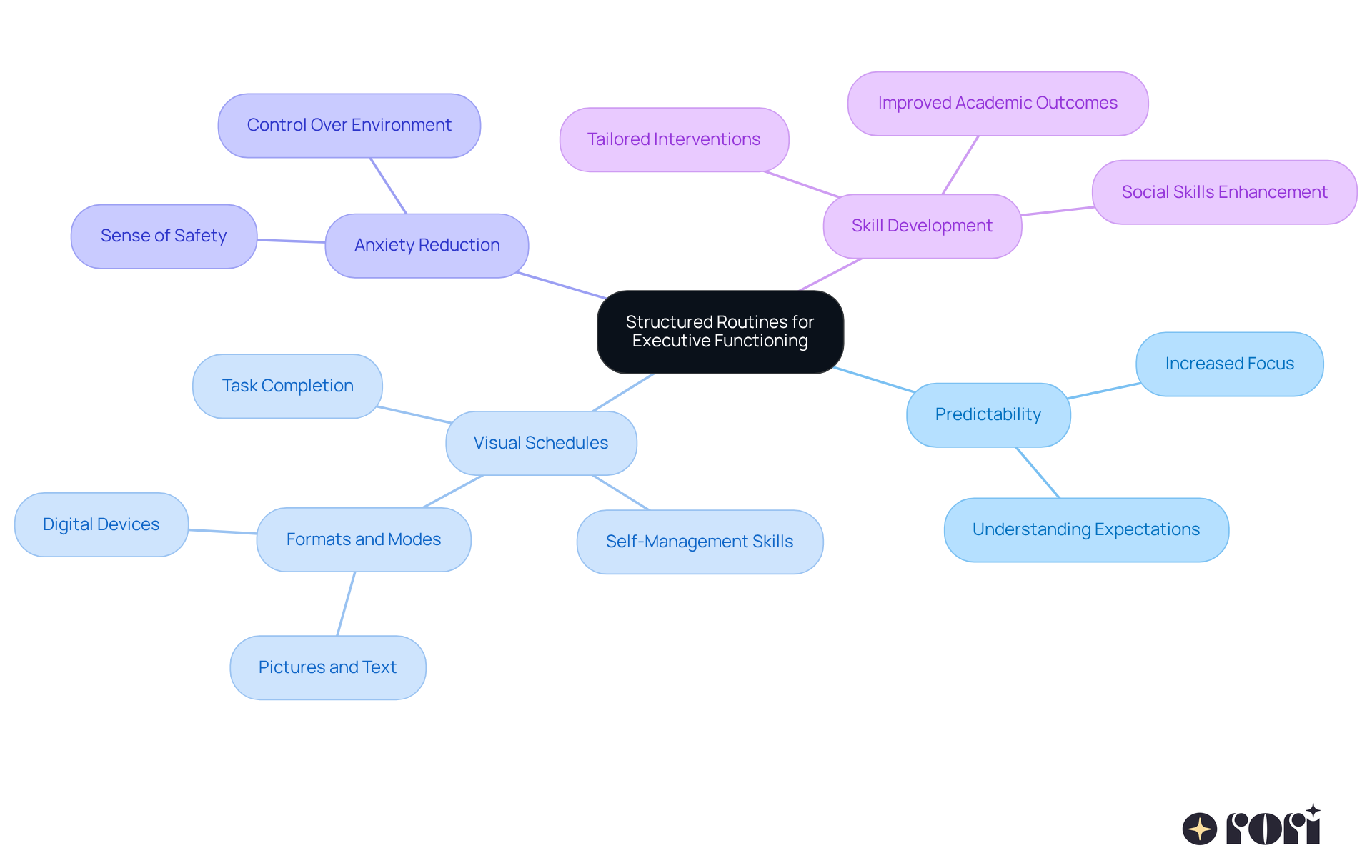
Establishing structured routines is one of the . Predictable daily routines can really help reduce anxiety, making it easier for young individuals to grasp what’s expected of them. Research shows that , as they work wonders in boosting task completion and self-management skills.
Imagine a child who knows exactly what comes next in their day – this predictability can lead to increased focus during academic activities. Psychologists who specialize in youth emphasize that having a routine is key to easing anxiety, as it creates a sense of safety and control. By using visual schedules and sticking to , young individuals can learn effective ways to develop , enabling them to navigate their daily lives more smoothly, which can lead to better outcomes in both school and social settings.
At Rori Care, our Board Certified Behavior Analyst offers free consultations for families after an autism diagnosis. This is a great opportunity for parents to learn about the benefits of . With 1 in 36 youth in the United States diagnosed with autism, like visual schedules are truly essential.
Plus, systematic reviews have shown that in children with ASD, as they help with . This makes them a vital resource for both parents and educators. Rori Care’s personalized program creation includes measurable objectives and evidence-based strategies, ensuring that interventions are customized to meet each individual’s unique needs. Let’s explore this together!
Mindfulness Techniques: Cultivating Focus and Self-Regulation for Better Executive Functioning
Mindfulness techniques, like deep breathing exercises and guided imagery, can really make a difference for individuals with autism. These practices are some , aiding them in , which allows for better focus and impulse management. At Rori Care, our clinical leadership team is all about empowering caregivers with ABA principles and strategies that support the . We believe in active involvement and data collection to track progress together.
Consistent practice of mindfulness in kids can lead to , particularly by improving their attention spans and stress management skills. These are crucial for effective leadership! Our behavioral intervention services cater to individuals of all ages facing challenges, including those with Autism Spectrum Disorders, ADHD, and learning disabilities. We’re dedicated to providing personalized support and clear progress tracking.
Let’s explore this together! We’re here to !

Social Skills Training: Building Interpersonal Skills to Support Executive Functioning
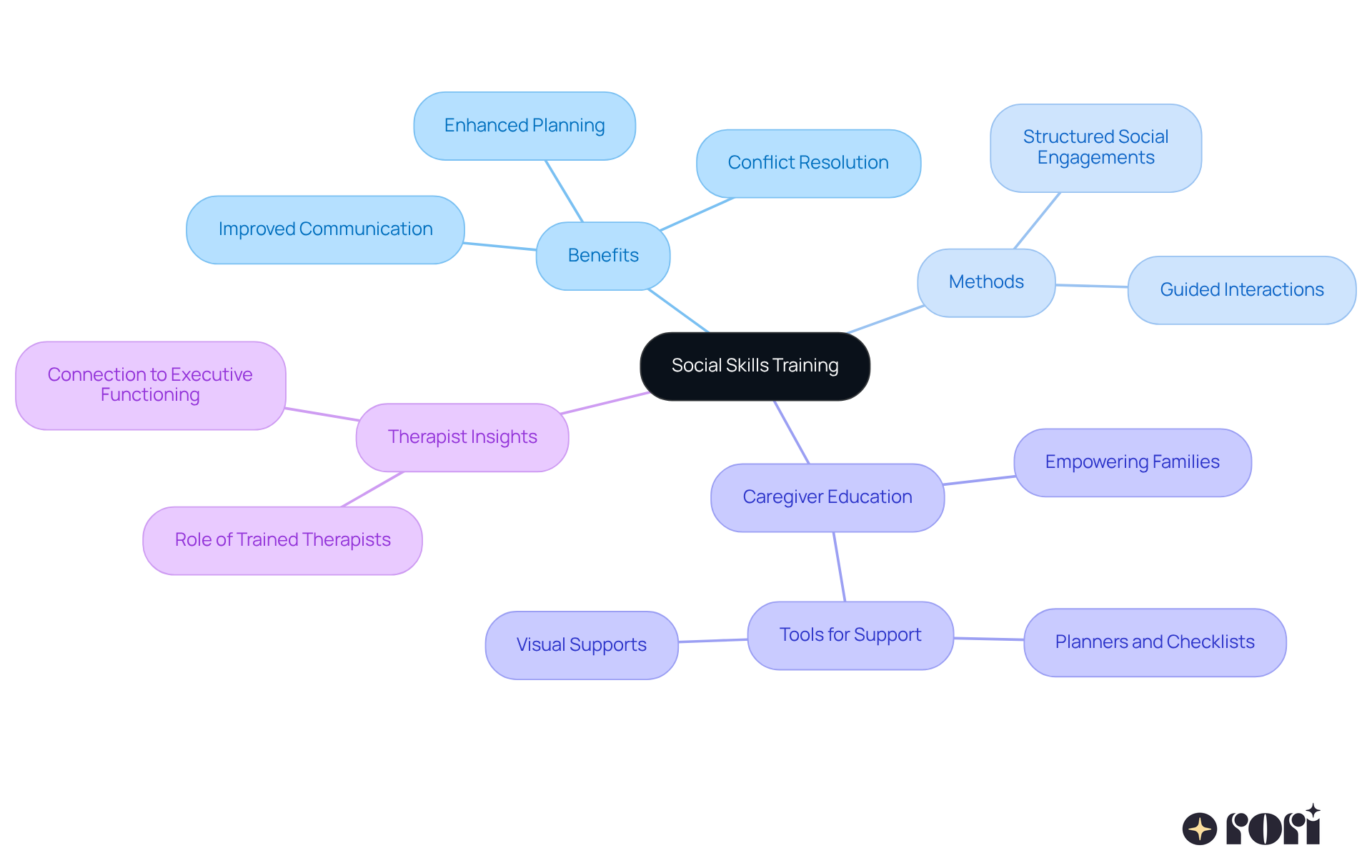
training is one of the effective ways to develop in children with ASD. At Rori Care, our clinical leadership team is all about promoting neurodiversity and supporting the success of these young individuals through organized social interactions. With the guidance of trained therapists, these interactions help kids learn , take turns, and develop strategies for resolving conflicts.
These experiences not only boost their but also enhance their planning and execution abilities, which are key for effective social engagement. Recent research highlights effective ways to develop in children with ASD, showing that can significantly improve their communication and . This really highlights how vital these interventions are for fostering overall cognitive performance.
By focusing on , we empower families to support their children’s development, leading to better and greater independence. As therapists often point out, there’s a strong connection between and cognitive processes. When kids master , they become more adept at handling various situations, which ultimately leads to greater success in their everyday lives.
Let’s explore this together! We’re here to help you every step of the way!
Visual Aids: Supporting Task Management and Executive Functioning Development
Visual aids like charts, checklists, and schedules are in children with ASD, significantly improving . These tools offer effective ways to develop by helping young ones visualize their tasks and understand the order of activities, which can really ease anxiety and boost focus. Research shows that using is among the in children with ASD, as it can lead to more on-task behaviors and smoother transitions, making them super effective in school settings.
Parents and educators can utilize effective ways to develop by weaving , helping kids stay organized and complete tasks more easily. This approach aligns beautifully with , a personalized therapy that caters to each child’s unique needs, tapping into the science of learning and behavior. is particularly crucial for enhancing learning, verbal, and social skills in children with autism.
By setting and using evidence-based strategies, parents can truly support their child’s growth and tackle . Let’s explore this together! We’re here to !

Technology Integration: Utilizing Apps and Tools for Executive Functioning Skill Development
Incorporating technology can provide effective ways to develop in children with ASD, which can be a game changer for individuals with autism. At Rori Care, our clinical leadership team is all about and empowering caregivers with . There are so many apps and digital tools out there designed to help with organization, time management, and task initiation.
For instance, think about applications that offer reminders, visual schedules, and even . These tools not only captivate young learners but also make practicing essential skills fun and interactive! 🌟 Recent trends show a growing focus on integrating technology, with developers really honing in on creating user-friendly interfaces that cater to the specific needs of individuals with ASD.
These tools can provide in children with ASD by helping them tackle their tasks more efficiently, and boosting their overall functioning abilities. As Chaoxin Ji wisely points out, ‘Children’s cognitive control is malleable,’ which means that with the right tools, we can see some amazing improvements. Plus, research has shown that both virtual training and physical exercise are effective ways to , highlighting how vital .
Let’s explore this together! We’re here to !

Parent-Led Interventions: Empowering Families to Enhance Executive Functioning Skills
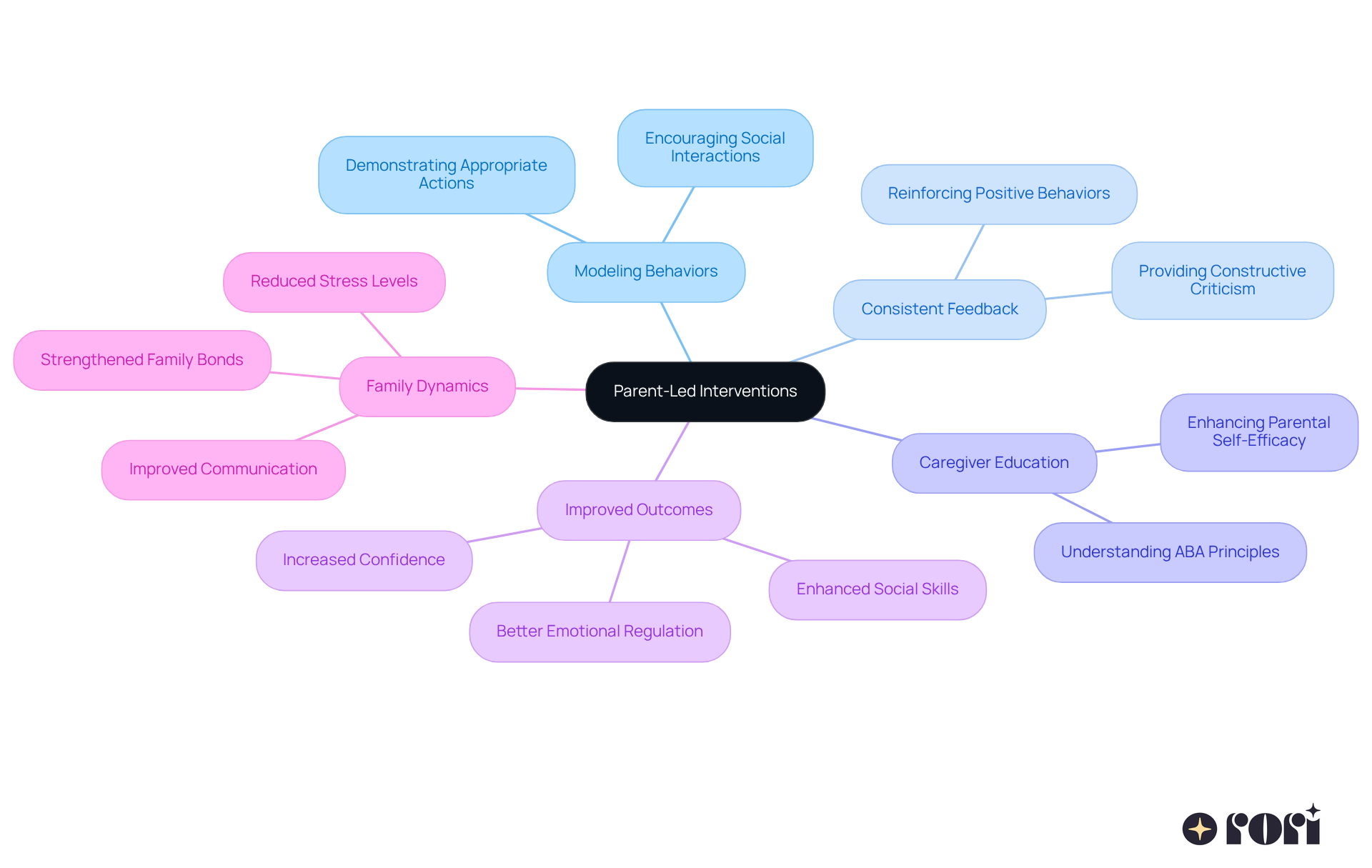
are considered effective ways to develop in children with ASD. When parents get , it can really make a difference! They help reinforce what’s learned during sessions, creating a at home.
Think about it: when parents model appropriate behaviors, give consistent feedback, and work together on problem-solving, they’re helping their child manage tasks and regulate emotions more effectively. Plus, gives parents a better grasp of ABA principles, which means they can make informed choices that positively impact their child’s progress.
Research shows that kids whose parents are actively involved in their therapy often see significant improvements as they explore . The effect sizes suggest that this engagement really pays off! Family therapists emphasize that when parents participate, it not only enhances learning but also .
By prioritizing their involvement and using along with clear progress tracking, parents can truly support their child’s development. This approach can help reduce stress and improve family dynamics, leading to lasting positive outcomes. So, let’s explore this together! We’re here to help you every step of the way!
Collaborative Play Activities: Fostering Teamwork and Problem-Solving for Executive Functioning
can be a game-changer for , ADHD, and Social Communication Disorders. When children engage in group games and projects, they not only learn to communicate better but also negotiate and work together towards shared goals. These interactions boost their social skills and serve as effective ways to develop in children with ASD, including planning, flexibility, and impulse control.
You might be surprised to learn that studies show kids involved in group activities see , which are crucial for building relationships throughout life. Plus, as kids tackle challenges together, sharpening their critical thinking and problem-solving skills. The dynamic nature of group play also nurtures resilience and emotional confidence, .
As they learn to appreciate different perspectives and collaborate, they lay the groundwork for successful interactions in both school and personal life. And let’s not forget about ! Conducted by qualified therapists, these sessions are , ADHD, and Social Communication Disorders while boosting their social competence and confidence.
It’s also important for caregivers to get involved. Educating parents on how to foster these skills at home ensures that the benefits of collaborative play extend beyond therapy sessions. So, let’s explore this together! We’re here to help you every step of the way!

Conclusion
Helping children with Autism Spectrum Disorder (ASD) develop executive functioning skills is so important for their independence and overall happiness. In this article, we’ve shared a variety of strategies that come together like pieces of a puzzle. Think personalized ABA therapy, virtual training programs, physical exercise, structured routines, mindfulness techniques, social skills training, visual aids, technology integration, parent-led interventions, and collaborative play activities. Each of these methods plays a vital role in tackling the unique challenges that children with ASD face, leading to better cognitive functioning and social integration.
You know, personalized interventions – whether it’s through structured routines or fun tech tools – really boost essential skills like planning, organization, and impulse control. And let’s not forget about the incredible impact of caregiver involvement! When parents actively participate in therapy, it creates a nurturing environment that reinforces learning and builds resilience. Plus, engaging kids in collaborative play not only hones their social skills but also fosters critical thinking and teamwork, which are so crucial for their growth.
Ultimately, enhancing executive functioning skills in children with ASD is a team effort. Caregivers, educators, and therapists all play a part in this journey. By embracing these effective strategies, families can empower their children to tackle daily challenges with more confidence and ease. Committing to these skills sets the stage for a brighter future, helping children thrive both academically and socially. Let’s explore this together! We’re here to help you every step of the way!
Frequently Asked Questions
What is Rori Care’s approach to ABA therapy?
Rori Care employs a personalized approach to ABA therapy, conducting thorough assessments to identify specific cognitive challenges in each child and creating focused interventions to address those needs.
What techniques does Rori Care use to improve executive functioning skills?
Rori Care uses techniques such as task analysis to break down complex tasks into manageable steps and reinforcement strategies to provide structured feedback that encourages positive behaviors.
What executive functioning skills does Rori Care aim to develop in children?
Rori Care aims to improve skills such as planning, organization, and impulse control in children with Autism Spectrum Disorder (ASD).
How do virtual training programs enhance executive functioning skills?
Virtual training programs offer interactive games and activities that boost working memory, cognitive flexibility, and self-regulation, leading to improvements in task management and impulse control.
What are the reported outcomes of immersive virtual reality (IVR) training?
Studies show a 5.5% increase in task performance scores and a 29.59% decrease in task completion times after IVR training, indicating significant cognitive advancements.
How does Rori Care incorporate technology into their therapy?
Rori Care utilizes AI-driven progress report automation to enhance the efficiency of their ABA therapy, freeing up 50% more time for youth treatment while effectively supporting individuals facing challenges like ASD, ADHD, and learning disabilities.
What role does physical exercise play in developing executive functioning skills?
Physical exercise, such as team sports and martial arts, boosts brainpower and helps develop executive functioning skills like focus, memory, and emotional control, which are essential for managing daily challenges.
How does Rori Care support social skills development?
Rori Care incorporates social skills group therapy led by experienced therapists to enhance communication and build relationships among children, contributing to a well-rounded approach to developing executive functioning skills.
List of Sources
- Rori Care – ABA Therapy: Personalized ABA Strategies for Executive Functioning Development
- Success Rates of ABA Therapy | Advanced Autism Services (https://advancedautism.com/post/success-rates-of-aba-therapy)
- Success Rate of ABA Therapy for Autistic Children | Blue Jay (https://bluejayaba.com/blog/success-rate-of-aba-therapy)
- How ABA Therapy Helps Build Executive Functioning Skills | Discovery ABA (https://discoveryaba.com/aba-therapy/how-aba-therapy-helps-build-executive-functioning-skills)
- How ABA Therapy Supports Executive Functioning Skills in Children with Autism | Intellistars – ABA Therapy (https://intellistarsaba.com/blog/how-aba-therapy-supports-executive-functioning-skills-in-children-with-autism)
- Virtual Training Programs: Enhancing Executive Functioning Skills through Interactive Learning
- researchild.org (https://researchild.org/blog/10-engagement-and-executive-function-quotes-for-educators)
- Frontiers | Effects of immersive virtual reality training on the adaptive skills of children and adolescents with high functioning autism spectrum disorder: a mixed-methods pre-post study (https://frontiersin.org/journals/psychiatry/articles/10.3389/fpsyt.2025.1570437/full)
- Research on the improvement of daily living skills of children with autism in virtual campus environments – Scientific Reports (https://nature.com/articles/s41598-025-08224-7)
- Virtual reality based executive function training in schools: The experience of primary school-aged children, teachers and training teaching assistants (https://sciencedirect.com/science/article/pii/S2451958824001337)
- Structured Routines: Establishing Predictability to Enhance Executive Functioning
- The use of visual schedules to increase academic-related on-task behaviors of individuals with autism: a literature review (https://tandfonline.com/doi/full/10.1080/20473869.2024.2402124)
- Best Autism Quotes to Raise Awareness and Understanding (https://yellowbusaba.com/post/autism-quotes)
- The Efficacy of Visual Activity Schedule Intervention in Reducing Problem Behaviors in Children With Attention-Deficit/Hyperactivity Disorder Between the Age of 5 and 12 Years: A Systematic Review – PMC (https://pmc.ncbi.nlm.nih.gov/articles/PMC8733412)
- Best Inspirational Autism Quotes (https://ambitionsaba.com/resources/autism-quotes)
- Inspiring and Insightful Autism Quotes | Advanced Autism Services (https://advancedautism.com/post/autism-quotes)
- Social Skills Training: Building Interpersonal Skills to Support Executive Functioning
- researchild.org (https://researchild.org/blog/10-engagement-and-executive-function-quotes-for-educators)
- Executive Dysfunction in Autism: Causes & Support (https://supportivecareaba.com/aba-therapy/executive-dysfunction-in-autism)
- Social Skills Training for Autism Spectrum Disorder: a Meta-analysis of In-person and Technological Interventions – PMC (https://pmc.ncbi.nlm.nih.gov/articles/PMC7670840)
- Effectiveness of social skills training interventions for children with autism spectrum disorder: A systematic review and meta-analysis – PMC (https://pmc.ncbi.nlm.nih.gov/articles/PMC11918677)
- Visual Aids: Supporting Task Management and Executive Functioning Development
- researchild.org (https://researchild.org/blog/10-engagement-and-executive-function-quotes-for-educators)
- Visual Schedules for Children with Autism | Links (https://linksaba.com/visual-schedules-for-children-with-autism)
- The use of visual schedules to increase academic-related on-task behaviors of individuals with autism: a literature review (https://tandfonline.com/doi/full/10.1080/20473869.2024.2402124)
- Technology Integration: Utilizing Apps and Tools for Executive Functioning Skill Development
- Teaching Executive Function Skills: A Comprehensive Guide For Teachers | Life Skills Advocate (https://lifeskillsadvocate.com/blog/teaching-executive-function-skills)
- Executive Function Improvement for Children with Autism Spectrum Disorder: A Comparative Study between Virtual Training and Physical Exercise Methods (https://mdpi.com/2227-9067/9/4/507)
- Parent-Led Interventions: Empowering Families to Enhance Executive Functioning Skills
- rori.care (https://rori.care/post/10-positive-proud-autism-quotes-to-inspire-and-empower-parents)
- Effects of Parent-Implemented Interventions on Outcomes of Children with Autism: A Meta-Analysis – PMC (https://pmc.ncbi.nlm.nih.gov/articles/PMC10539413)
- intellistarsaba.com (https://intellistarsaba.com/blog/the-role-of-parent-led-practice-in-strengthening-aba-therapy-outcomes)
- gratefulcareaba.com (https://gratefulcareaba.com/blog/inspirational-quotes-about-autism)
- Collaborative Play Activities: Fostering Teamwork and Problem-Solving for Executive Functioning
- The Benefits of Group Play for Young Children – Kids First (https://kidsfirstservices.com/first-insights/the-benefits-of-group-play-for-young-children)