

Introduction
Parenting a child with autism can feel like a rollercoaster ride, can’t it? It’s a journey filled with unique challenges that often leave parents feeling overwhelmed. But don’t worry, you’re not alone! In this article, we’ll explore ten essential self-care strategies designed just for you. These practical tools and insights aim to enhance your well-being while supporting your child’s growth.
So, how do you balance your own needs while advocating for your child’s success in such a complex educational and therapeutic landscape? It’s a tough question, but exploring these strategies together might just hold the key to creating a nurturing environment that benefits your entire family. Let’s dive in and discover how you can take care of yourself while being the amazing advocate your child needs!
Rori Care – ABA Therapy: Personalized Support for Autism Self-Care
At Rori Care, we truly understand the unique challenges that parents of children with autism face. Our is designed just for your little one, focusing on their specific needs. Through thorough evaluations, our caring clinicians craft that empower you to implement right at home.
This tailored approach not only helps but also creates a . By honing in on each child’s individual strengths and challenges, we ensure that families can thrive together, .
We’re here to empower your young one with the skills they need to navigate the world independently. And remember, your active involvement as a caregiver is crucial in making significant progress. Let’s explore this journey together! Your family deserves the , and we’re here to help you every step of the way!
Self-Advocacy: Equip Parents to Champion Their Child’s Needs
Self-advocacy is such an important skill for parents of youth with autism! It helps you . When you understand your rights and the resources available, you can really .
Participating in meetings is key. Studies show that . By actively communicating with teachers and seeking necessary accommodations, you can create a more for your child.
Workshops and can be incredibly helpful, too! They equip you with the . These resources not only empower you but also promote a collaborative approach to education, ensuring that young learners receive the .
Let’s explore this together! We’re here to help you every step of the way!

Establish Routines: Create Predictable Environments for Children
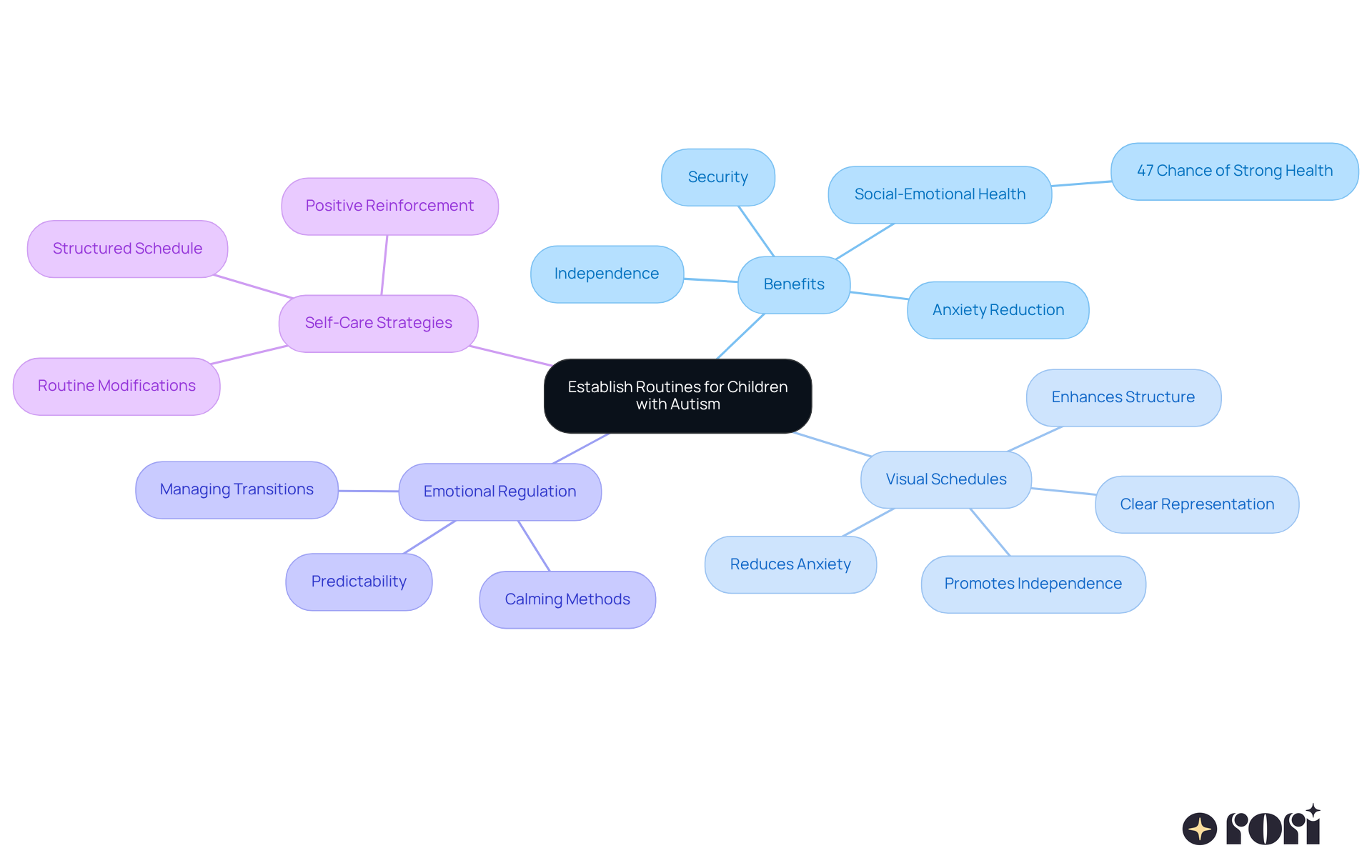
Creating consistent is essential for individuals with autism, as it supports their . These routines provide a sense of security and help kids know what to expect throughout the day. are a fantastic tool in this journey! They give a clear picture of daily activities, adding structure and .
Did you know that research shows kids with established routines have a 47% chance of maintaining strong social-emotional health as they grow older? By setting specific times for activities and including calming methods during transitions, caregivers can use to create a predictable environment that supports . This predictability not only eases anxiety but also helps young individuals tackle their daily tasks with more confidence.
Experts agree that autism self-care strategies, including having a , bring order and stability, which is especially helpful in managing those . So, are truly vital resources for parents looking to and well-being. Let’s explore this together! We’re here to help you every step of the way!
Mindfulness Practices: Enhance Emotional Regulation for Families
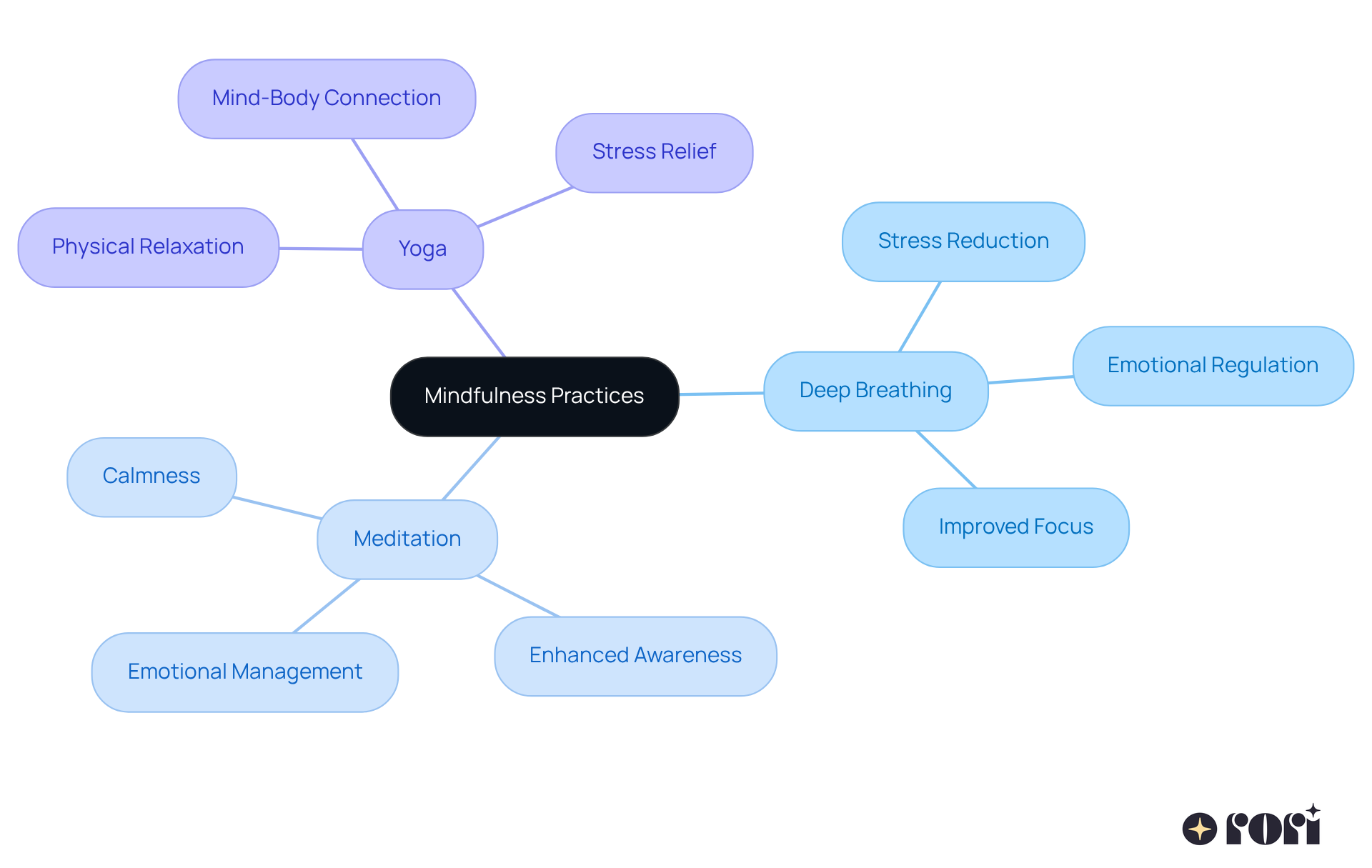
Mindfulness practices, including , meditation, and yoga, can greatly support families utilizing . These assist both caregivers and kids in , resulting in a more . When you set aside time for mindfulness, you might notice improvements in focus, a reduction in impulsivity, and a greater sense of calm. This can make tackling feel a bit easier.
Research shows that , along with autism self-care strategies, can lead to for caregivers, while also helping kids with developmental disorders regulate their emotions better. By weaving these practices into your daily routine, you can and within your family.
Let’s explore this together! Imagine a moment where you and your child take a few deep breaths, feeling the tension melt away. It’s these little moments that can lead to big changes. We’re here to !
Build Support Networks: Connect with Other Parents and Professionals
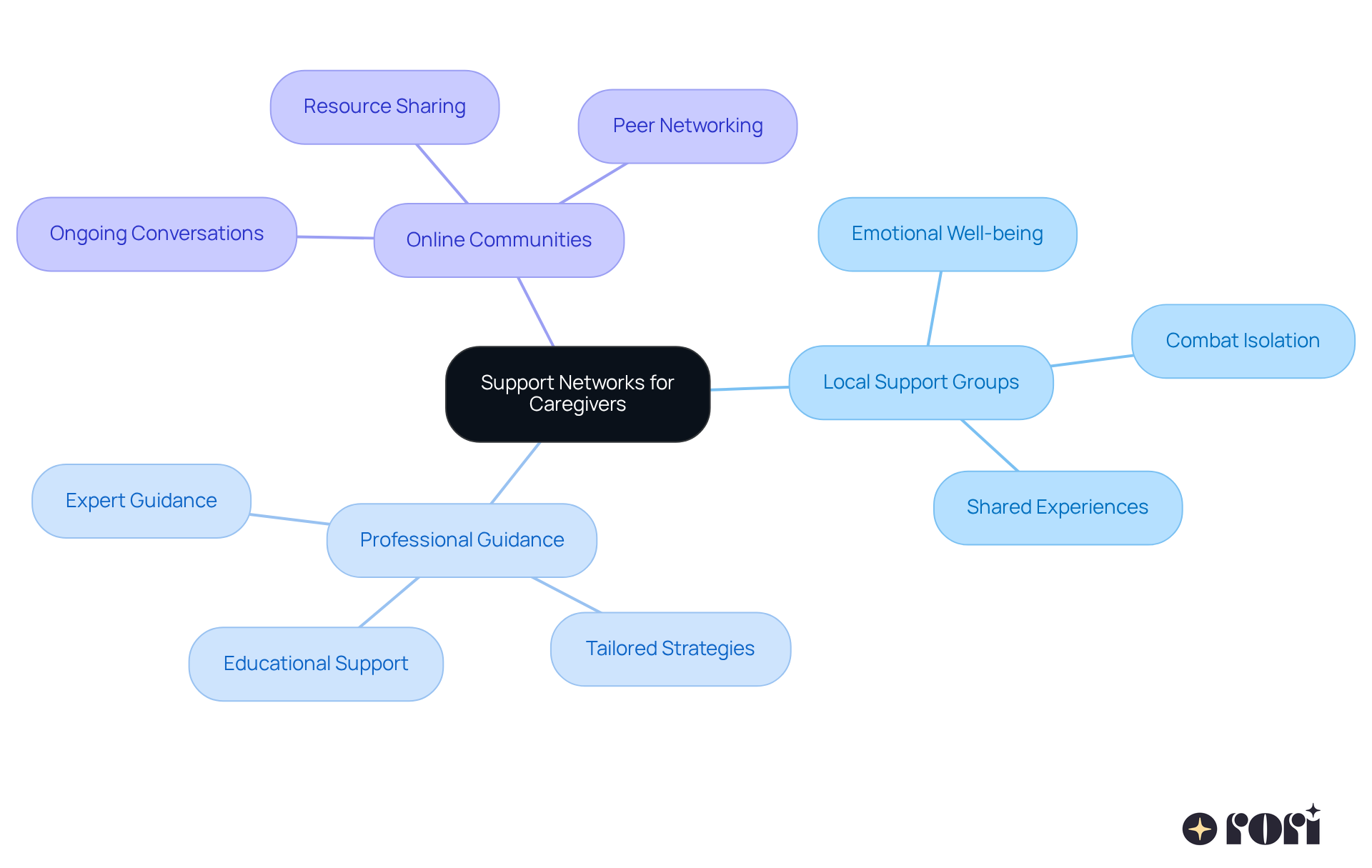
Creating a strong support network is so important for caregivers of children as they implement . Connecting with other caregivers through local can really boost . In fact, more than two-thirds of households have found comfort and practical guidance in these communities. Being part of these groups not only helps combat feelings of isolation but also builds resilience. Caregivers can share experiences and .
, like therapists and educators, adds another layer of support for kids, ensuring families get . Plus, online forums and social media platforms play a crucial role, allowing parents to connect and share insights no matter where they are. These digital spaces create , fostering a and mutual understanding that can make raising a child with autism feel a bit less overwhelming.
As one support group leader beautifully put it, ” is about creating connections that empower families to thrive together.” By actively participating in these networks, caregivers can create a that supports both their well-being and that of their children. Let’s explore this together!
Prioritize Self-Care: Maintain Parental Well-Being for Better Support
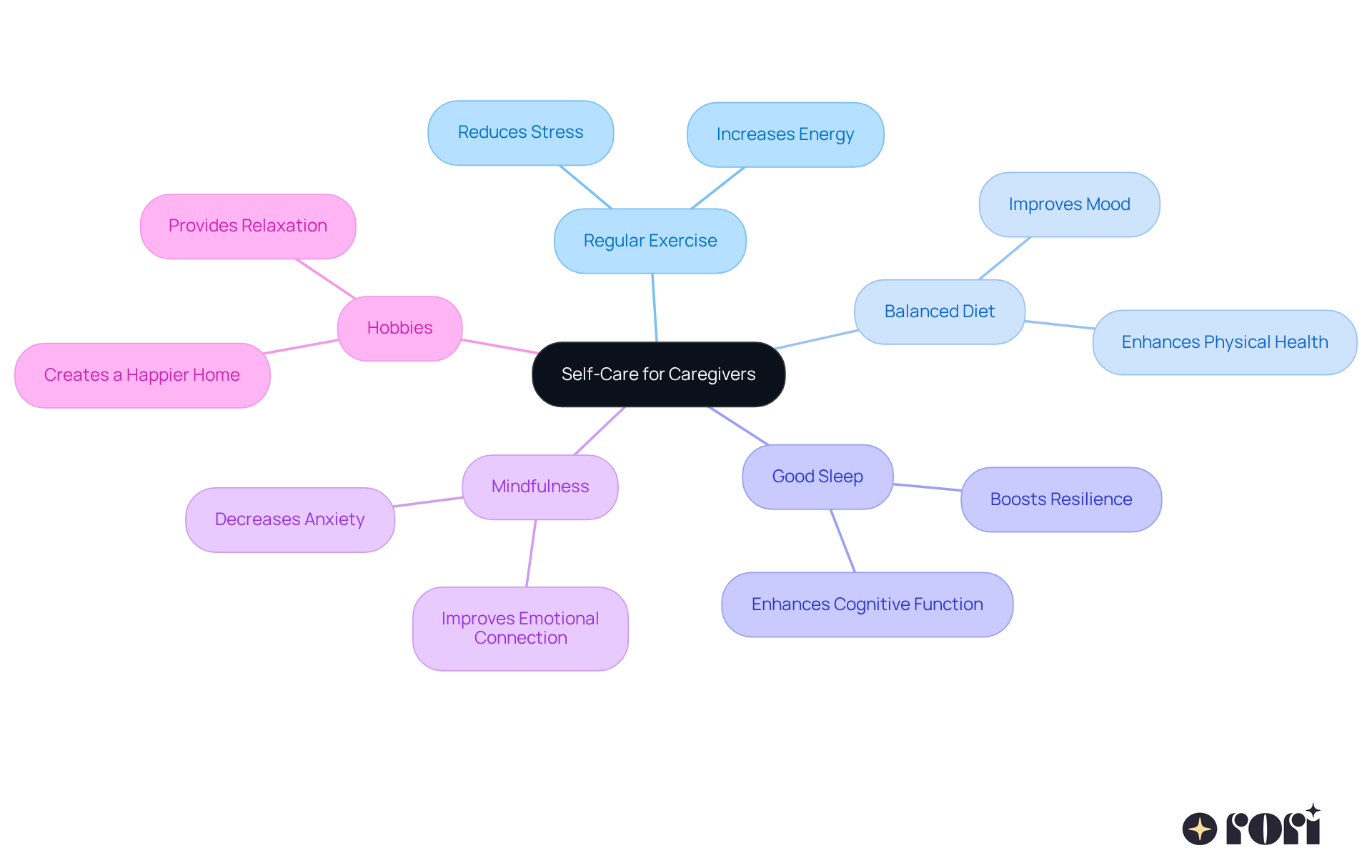
Taking care of yourself is so important for caregivers of individuals with autism, especially when utilizing . It really impacts how well you can . Incorporating , a , and good sleep are vital that can work wonders in . 🌟
You know, studies show that often feel less anxious and depressed. This not only helps them but also enhances their with their kids. Imagine carving out time for hobbies or just relaxing a bit – this not only recharges your batteries but also creates a .
By prioritizing your own well-being and incorporating autism self-care strategies, you’re setting the stage for a supportive atmosphere that can lead to with developmental disorders. Let’s explore this together! Remember, you’re not alone in this journey.
Participate in Workshops: Gain Knowledge and Skills for Advocacy
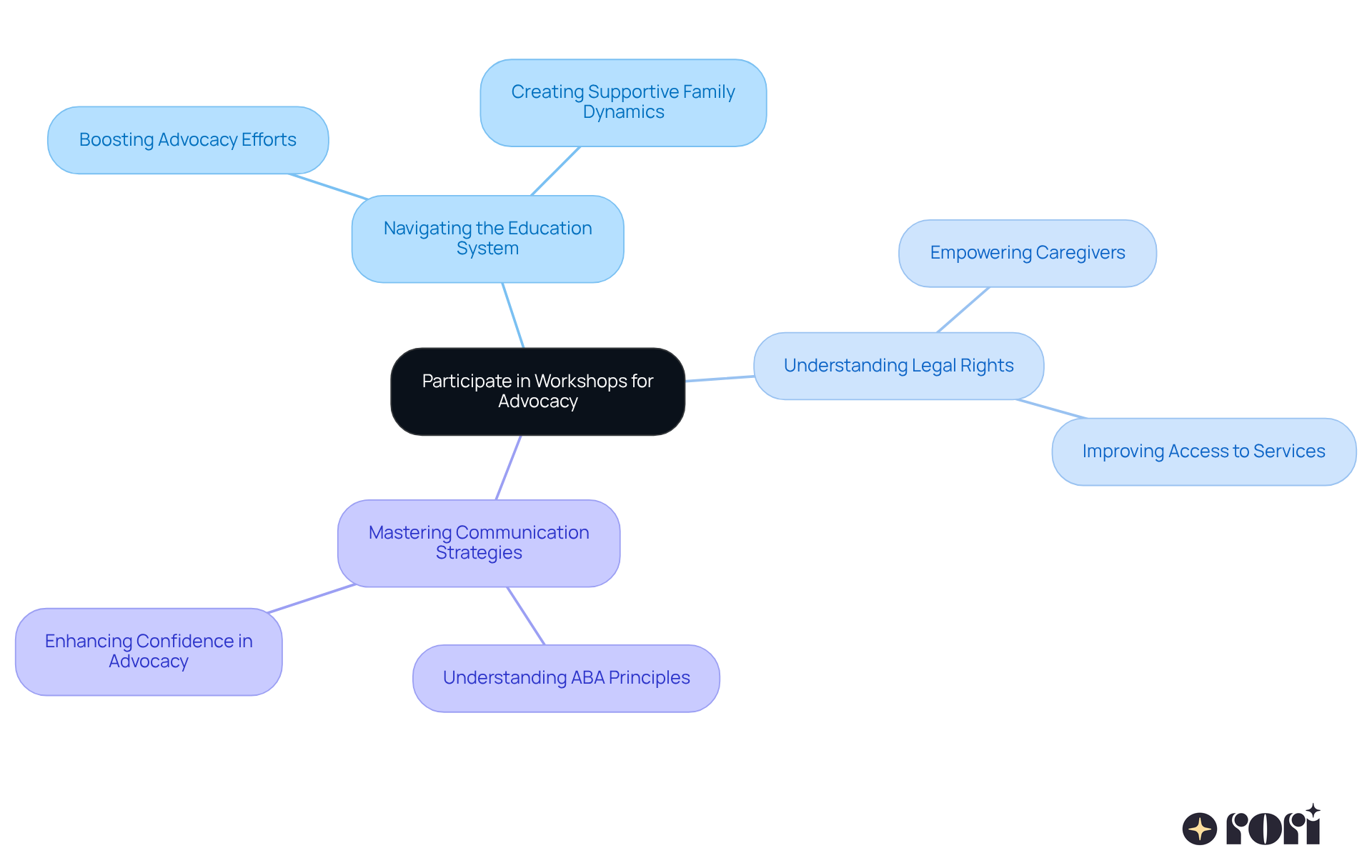
Engaging in workshops focused on autism advocacy is a fantastic way for caregivers to gain the knowledge and skills they need to . These workshops dive into important topics like:
By learning from experts and connecting with other parents, you can and better meet your child’s needs.
Plus, being actively involved and aligning with is key to this journey. When caregivers understand , they can make informed choices that positively influence their child’s progress. This active participation not only leads to but also empowers you as a caregiver, boosting your confidence and easing stress. It creates a more , which is so important!
To really get the most out of these workshops, parents are encouraged to engage with the material and apply what they learn in their daily lives. Let’s explore this together! Your involvement can !
Celebrate Small Victories: Foster Positive Reinforcement in Growth
is so important when raising a youth with autism, particularly when utilizing in conjunction with strategies. ABA is all about personalizing therapy to fit each individual’s unique needs, tapping into the science of learning and behavior. When we – like mastering a new skill or handling a tough situation – it can really .
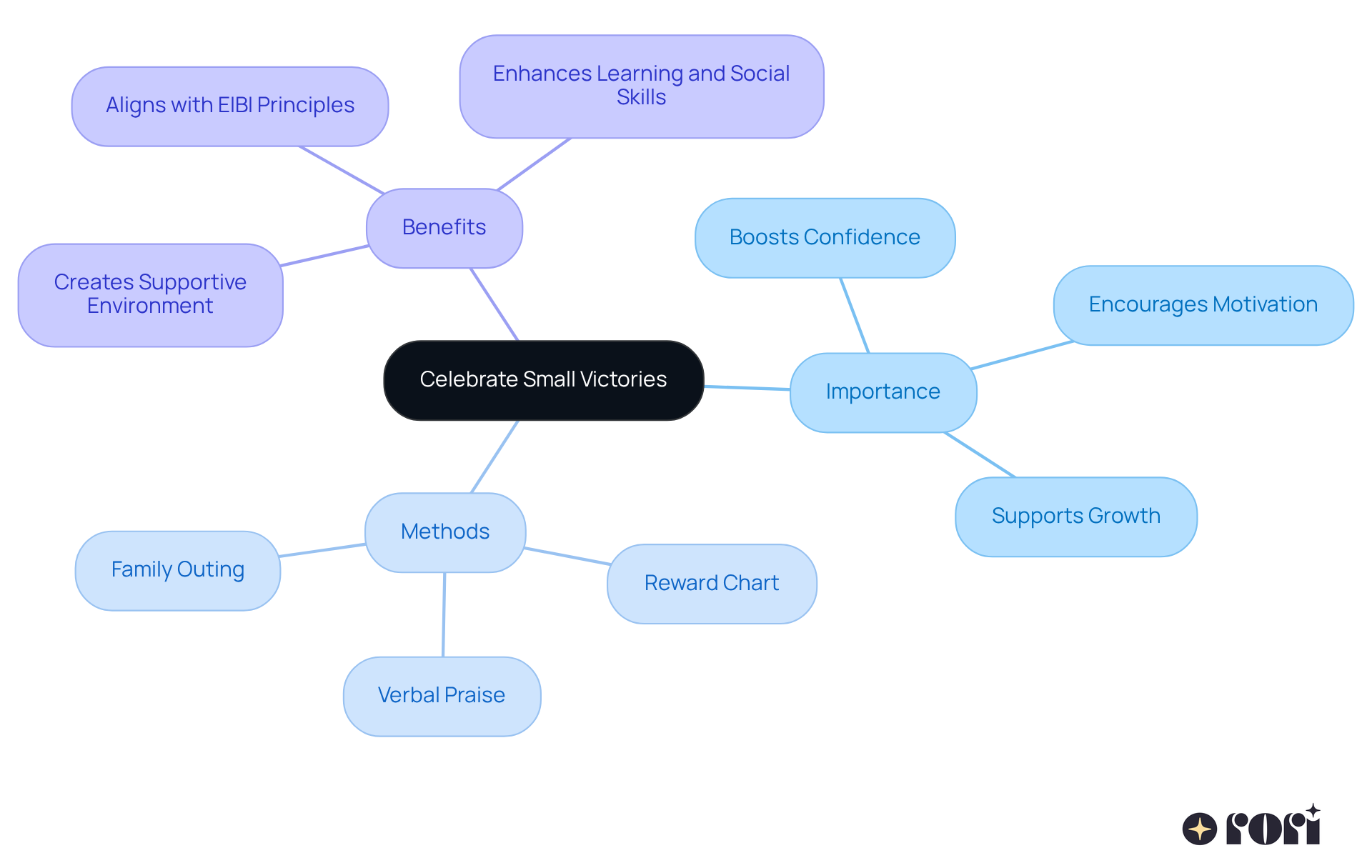
Parents can create a culture of celebration at home! Simple things like verbal praise, tangible rewards, or fun activities can reinforce those . For example, you might:
- Set up a to visually track progress
- Plan a fun to celebrate milestones
This not only supports the individual’s growth but also aligns beautifully with the principles of , which is key for enhancing learning, verbal, and social skills, as well as implementing effective .
Let’s explore this together! By celebrating these moments, we’re not just marking progress; we’re building a .
Communicate with Educators: Stay Informed and Engaged in Education
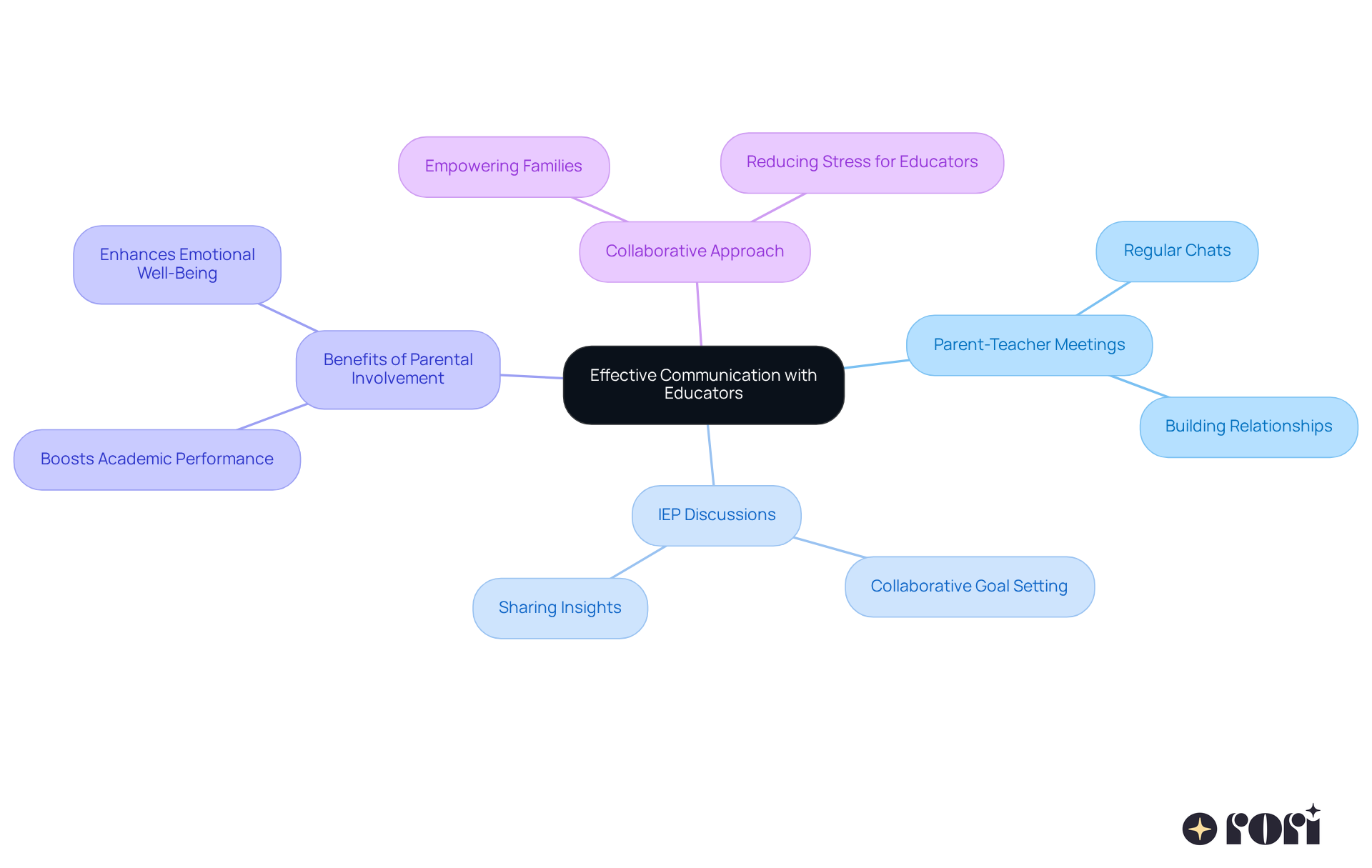
Effective communication with educators is so important for parents of kids with autism. help ensure that the right support is in place in the classroom. At Rori Care, our clinical leadership team is all about . We’re dedicated to !
Joining and engaging in discussions is crucial, especially for individuals with autism. Research shows that when parents get involved, it really boosts students’ . By sharing insights about their child’s strengths and areas for improvement, parents help tailored to each child’s unique needs.
This partnership not only enhances but also empowers parents to be , ensuring their voices are heard in the decision-making process. Plus, . It really highlights how proactive engagement in the educational journey makes a difference. Let’s explore this together!
Utilize Technology: Leverage Tools for Autism Self-Care Management
Navigating autism can be quite a journey for families, and harnessing technology can make a world of difference in . There are so many apps and tools out there designed to help track behaviors, manage schedules, and . For example, can really help kids grasp their . This not only eases but also gives them a comforting sense of security.
are another great resource, allowing parents to keep an eye on their child’s progress and pinpoint areas that might need a little extra attention. Research shows that using these tools consistently can lead to , as they help everyone involved understand and engage more effectively in daily activities.
By incorporating into their everyday routines, families can streamline their efforts and ultimately boost the and support for their children. Let’s explore this together! We’re here to !

Conclusion
Empowering parents of children with autism is all about embracing a multifaceted approach that focuses on effective self-care strategies. By honing in on personalized support, self-advocacy, and establishing routines, parents can create nurturing environments that truly foster growth and independence for their children. These strategies not only enhance the quality of life for kids with autism but also uplift the entire family’s well-being.
As we wrap up, some key insights stand out:
- Building support networks is vital.
- Prioritizing self-care for caregivers is essential.
- Utilizing technology can really streamline autism management.
Engaging in workshops and celebrating those small victories can further strengthen parents’ advocacy efforts, ensuring they feel equipped to navigate the complexities of educational and therapeutic systems. These elements are crucial for creating a collaborative and supportive atmosphere that benefits both parents and children.
Ultimately, the journey of raising a child with autism is enriched by the active involvement of parents in their child’s development and well-being. By implementing these essential self-care strategies, parents not only advocate for their children’s needs but also cultivate a positive environment that encourages growth and resilience. Embracing these practices can lead to transformative outcomes, making the path forward not just manageable but also rewarding. Let’s explore this together! We’re here to help you every step of the way!
Frequently Asked Questions
What is Rori Care’s approach to ABA therapy for children with autism?
Rori Care offers personalized ABA therapy tailored to each child’s specific needs. Clinicians conduct thorough evaluations to create customized treatment plans that empower families to implement effective autism self-care strategies at home.
How does Rori Care’s therapy benefit children with autism?
The therapy helps improve children’s behavior and social skills while fostering a nurturing environment that promotes meaningful relationships. It focuses on each child’s individual strengths and challenges, aiming to enhance their overall quality of life and promote independence.
Why is caregiver involvement important in the therapy process?
Active involvement from caregivers is crucial for making significant progress in therapy. Caregivers play a key role in supporting their child’s development and implementing the strategies learned during therapy.
What is the significance of self-advocacy for parents of children with autism?
Self-advocacy helps parents navigate educational and therapeutic systems effectively. Understanding their rights and available resources enables them to advocate for their child’s needs, leading to better educational outcomes.
How can parents participate in their child’s education?
Parents can participate by attending Individualized Education Program (IEP) meetings and actively communicating with teachers to seek necessary accommodations, creating a more supportive learning environment for their child.
What resources are available to help parents advocate for their children?
Workshops and training sessions are available to equip parents with the skills and confidence needed to voice their concerns and advocate for their child’s unique needs.
Why are consistent daily routines important for children with autism?
Consistent daily routines provide a sense of security and predictability, which supports autism self-care strategies. They help children know what to expect throughout the day, easing anxiety and promoting emotional regulation.
What tools can help establish routines for children with autism?
Visual schedules are an effective tool for creating predictable environments. They give a clear picture of daily activities, add structure, and promote independence, which is vital for children’s growth and well-being.
What impact do established routines have on children’s social-emotional health?
Research indicates that children with established routines have a 47% chance of maintaining strong social-emotional health as they grow older, highlighting the importance of structured schedules in their development.
List of Sources
- Rori Care – ABA Therapy: Personalized Support for Autism Self-Care
- connectncareaba.com (https://connectncareaba.com/blog/aba-therapy-effectiveness-for-autism)
- Success Rates of ABA Therapy (https://yellowbusaba.com/post/success-rates-of-aba-therapy)
- Understanding Autism Therapy Success Rates (https://ambitionsaba.com/resources/understanding-autism-therapy-success-rates)
- The Numbers Don’t Lie: Revealing Autism Therapy Statistics | Above and Beyond Therapy (https://abtaba.com/blog/autism-therapy-statistics)
- The Impact of ABA Therapy on Long-Term Outcomes for Children with Autism (https://supportivecareaba.com/statistics/the-impact-of-aba-therapy-on-long-term-outcomes-for-children-with-autism)
- Self-Advocacy: Equip Parents to Champion Their Child’s Needs
- 20 Inspiring Quotes About Autism Every Parent Must Read Today (https://circlecareservices.com/20-quotes-about-autism-and-parenting)
- Inspiring and Insightful Autism Quotes | Advanced Autism Services (https://advancedautism.com/post/autism-quotes)
- kidsclubaba.com (https://kidsclubaba.com/autism-quotes)
- Best Autism Quotes to Raise Awareness and Understanding (https://yellowbusaba.com/post/autism-quotes)
- Establish Routines: Create Predictable Environments for Children
- 43 Inspiring Autism Quotes to Uplift and Motivate (https://goldencaretherapy.com/43-inspiring-autism-quotes)
- Why Is Routine Important for Autism (https://riseupforautism.com/blog/autism-and-routine)
- Autism Routine and Structure (https://goldenstepsaba.com/resources/autism-routine-and-structure)
- 107 Favorite Quotes About Autism and Aspergers (https://the-art-of-autism.com/favorite-quotes-about-autism-and-aspergers)
- Mindfulness Practices: Enhance Emotional Regulation for Families
- 20 Inspiring Quotes About Autism Every Parent Must Read Today (https://circlecareservices.com/20-quotes-about-autism-and-parenting)
- Inspiring Autism Quotes for Understanding and Acceptance – Kids First (https://kidsfirstservices.com/first-insights/autism-quotes)
- The Benefits of Mindfulness Practices for Autism Therapy Programs | Advanced Autism Services (https://advancedautism.com/post/the-benefits-of-mindfulness-practices-for-autism-therapy-programs)
- rori.care (https://rori.care/post/10-positive-proud-autism-quotes-to-inspire-and-empower-parents)
- pmc.ncbi.nlm.nih.gov (https://pmc.ncbi.nlm.nih.gov/articles/PMC12245922)
- Build Support Networks: Connect with Other Parents and Professionals
- Who joins support groups among parents of children with autism? – PMC (https://pmc.ncbi.nlm.nih.gov/articles/PMC2861432)
- Inspiring and Insightful Autism Quotes | Advanced Autism Services (https://advancedautism.com/post/autism-quotes)
- How Support Groups Benefit Families of Children with Autism | Advanced Autism Services (https://advancedautism.com/post/how-support-groups-benefit-families-of-children-with-autism)
- rori.care (https://rori.care/post/10-positive-proud-autism-quotes-to-inspire-and-empower-parents)
- Prioritize Self-Care: Maintain Parental Well-Being for Better Support
- Local Support for Young People with a Neurodiversity Diagnosis – Bedfordshire, Luton and Milton Keynes Integrated Care System (https://blmkhealthandcarepartnership.org/case_studies/local-support-for-young-people-with-a-neurodiversity-diagnosis)
- journals.sagepub.com (https://journals.sagepub.com/doi/10.1177/21582440241235033)
- linksaba.com (https://linksaba.com/self-care-tips-for-parents-of-autistic-children)
- Study Suggests Parents Benefit When They Lead Care for Autistic Children – Catalight (https://catalight.org/press-release/study-suggests-parents-benefit-when-they-lead-care-for-autistic-children)
- Participate in Workshops: Gain Knowledge and Skills for Advocacy
- Journal of Child Psychology and Psychiatry | ACAMH Pediatric Journal | Wiley Online Library (https://acamh.onlinelibrary.wiley.com/doi/10.1111/jcpp.70036?af=R)
- 2026 Autism Statistics – Insights for Families and Advocates (https://prosperahealthcare.com/autism-statistics)
- Self-reported evaluation of competencies and attitudes by physicians-in-training before and after a single day legislative advocacy experience – BMC Medical Education (https://bmcmededuc.biomedcentral.com/articles/10.1186/1472-6920-12-47)
- supportivecareaba.com (https://supportivecareaba.com/statistics/autism-therapy-statistics)
- Celebrate Small Victories: Foster Positive Reinforcement in Growth
- 20 Inspiring Quotes About Autism Every Parent Must Read Today (https://circlecareservices.com/20-quotes-about-autism-and-parenting)
- Inspiring Autism Quotes for Understanding and Acceptance – Kids First (https://kidsfirstservices.com/first-insights/autism-quotes)
- Inspirational ABA and Autism Quotes – Mrs. Moe’s Modifications (https://mrsmoesmodifications.com/inspirational-aba-and-autism-quotes)
- gratefulcareaba.com (https://gratefulcareaba.com/blog/inspirational-quotes-about-autism)
- Communicate with Educators: Stay Informed and Engaged in Education
- The Impact of Parental Involvement on the Educational Development of Students with Autism Spectrum Disorder (https://mdpi.com/2227-9067/11/9/1062)
- The Best Autism Awareness Quotes (https://autism360.com/autism-awareness-quotes)
- How to Collaborate with Parents of Autistic Students: A Comprehensive Guide for Educators | Links (https://linksaba.com/how-to-collaborate-with-parents-of-autistic-students)
- Family Involvement and Educational Outcomes in Students Diagnosed with Autism Spectrum Disorder (ASD) – NASET (https://naset.com/publications/autism-spectrum-disorders-series/family-involvement-and-educational-outcomes-in-students-diagnosed-with-autism-spectrum-disorder-asd)
- Utilize Technology: Leverage Tools for Autism Self-Care Management
- Autism Quotes | Intellistars – ABA Therapy (https://intellistarsaba.com/blog/autism-quotes)
- gratefulcareaba.com (https://gratefulcareaba.com/blog/inspirational-quotes-about-autism)
- Journey to Progress: Handpicked Autism Apps for Children (https://alumacare.com/blog/handpicked-autism-apps-for-children)
- Patterns and impact of technology use in autistic children (https://sciencedirect.com/science/article/pii/S1750946723001538)