

Introduction
Navigating the complexities of autism therapy can feel overwhelming for parents. Understanding the role of Registered Behavior Technicians (RBTs) in your child’s treatment is just one of many challenges. But don’t worry! Essential tools like RBT supervision feedback forms can really help bridge the gap between caregivers and therapists, making a significant difference in the effectiveness of Applied Behavior Analysis (ABA) therapy.
In this article, we’ll explore ten indispensable feedback forms that empower you to take an active role in your child’s therapeutic journey. How can these resources transform the way families interact with autism care? Together, we can ensure that every child’s unique needs are met. Let’s dive in!
Rori Care – ABA Therapy: RBT Professional Feedback Form
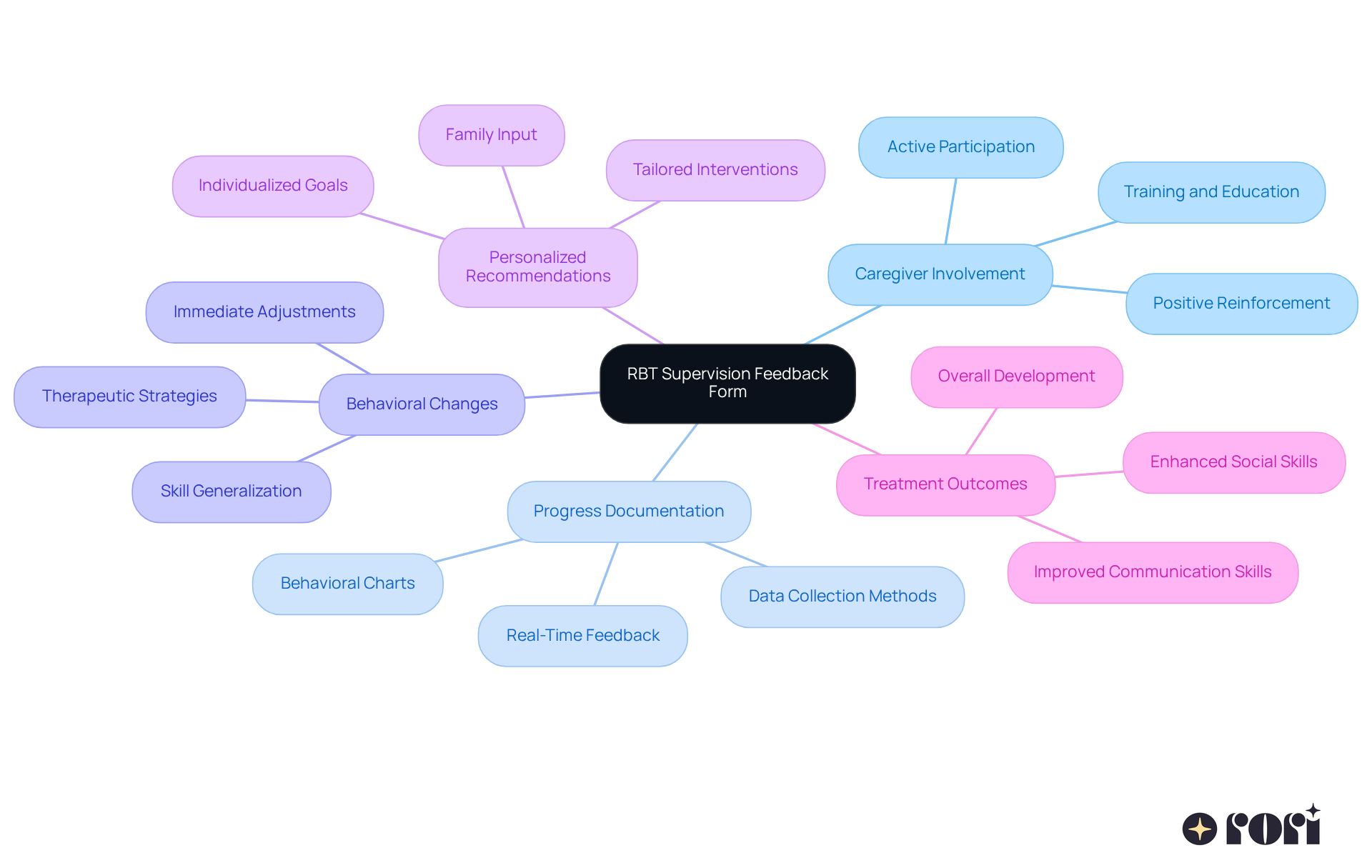
The provided by Rori Care is a wonderful resource for encouraging in their family member’s treatment sessions. The RBT supervision feedback form enables to document progress across various skill areas, note behavioral changes, and provide personalized recommendations for future sessions. By sharing detailed information about their child’s development, the form empowers parents to actively participate in the .
This engagement is so important! Research shows that when parents are involved, the effectiveness of improves significantly. It helps ensure that the skills learned during sessions are reinforced at home. Plus, organized feedback promotes open conversations between parents and therapists, allowing for immediate adjustments to treatment strategies based on the child’s evolving needs.
Ultimately, the RBT supervision feedback form not only assists parents in understanding their child’s journey but also . It truly highlights the . Let’s explore this together! We’re here to help you every step of the way!
Precious Care ABA: RBT Supervision Documentation Form
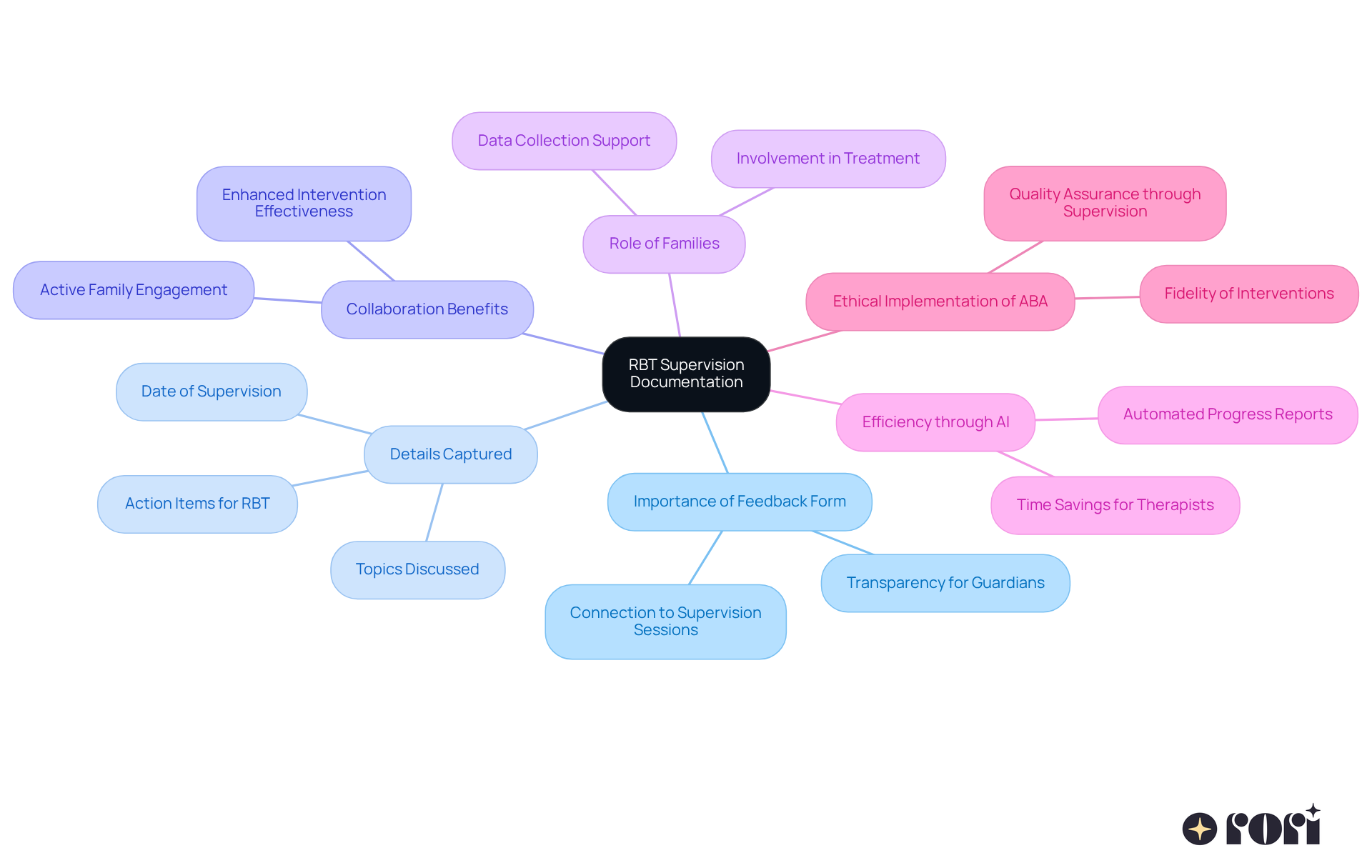
The from Rori Care – ABA Therapy is more than just a record; it’s a vital connection between you and the supervision sessions led by . This rbt supervision feedback form captures all the important details, including the date of supervision, topics discussed, and specific action items for the Registered Behavior Technician (RBT). This openness is so crucial! It allows you, as guardians, to see how your child’s treatment is being overseen and adjusted based on ongoing evaluations.
By documenting these sessions, you can actively engage in your child’s . This collaboration creates an environment that enhances the effectiveness of the interventions. Plus, with the integration of and advanced AI technology, we can automatically create progress reports. This means 50% more time for focusing on your child’s treatment! How great is that?
This efficiency not only supports your child’s progress but also empowers you with . You can play an active role in helping your child achieve their behavioral goals through your involvement and data collection.
Moreover, this documentation aligns perfectly with current trends that highlight the importance of clear communication and accountability in . It ensures that families like yours are well-informed and involved in the therapeutic process. .
Additionally, . This provides a system of checks and balances, ensuring the ethical application of ABA principles. Ultimately, this comprehensive approach leads to for your little ones and peace of mind for you as guardians. Let’s explore this together!
Teachers Pay Teachers: RBT Monthly Supervision Log
The RBT Monthly Supervision Log, available on Teachers Pay Teachers, is a fantastic tool for parents wanting to keep an eye on the supervision activities of their child’s . This log is designed to help you using the . By using this log, you can stay informed about your child’s RBT’s professional development, ensuring they receive .
Having consistent oversight through these records not only boosts transparency but also encourages a collaborative approach to . It allows you, as a parent, to actively engage in your child’s development. Understanding the —like improved behavioral outcomes and enhanced support—is crucial for you. Plus, remember, at least one 15-minute meeting each month is necessary to discuss any challenges and plan the next steps. This highlights the importance of .
Active participation is key to achieving better behavioral results and nurturing the overall growth of individuals with autism. Treatment strategies are continually adjusted based on progress report data, so your involvement makes a real difference. Let’s explore this together and ensure we’re all on the same page for your child’s success!

Behavior Analyst Resource Center: RBT Competency Rubric
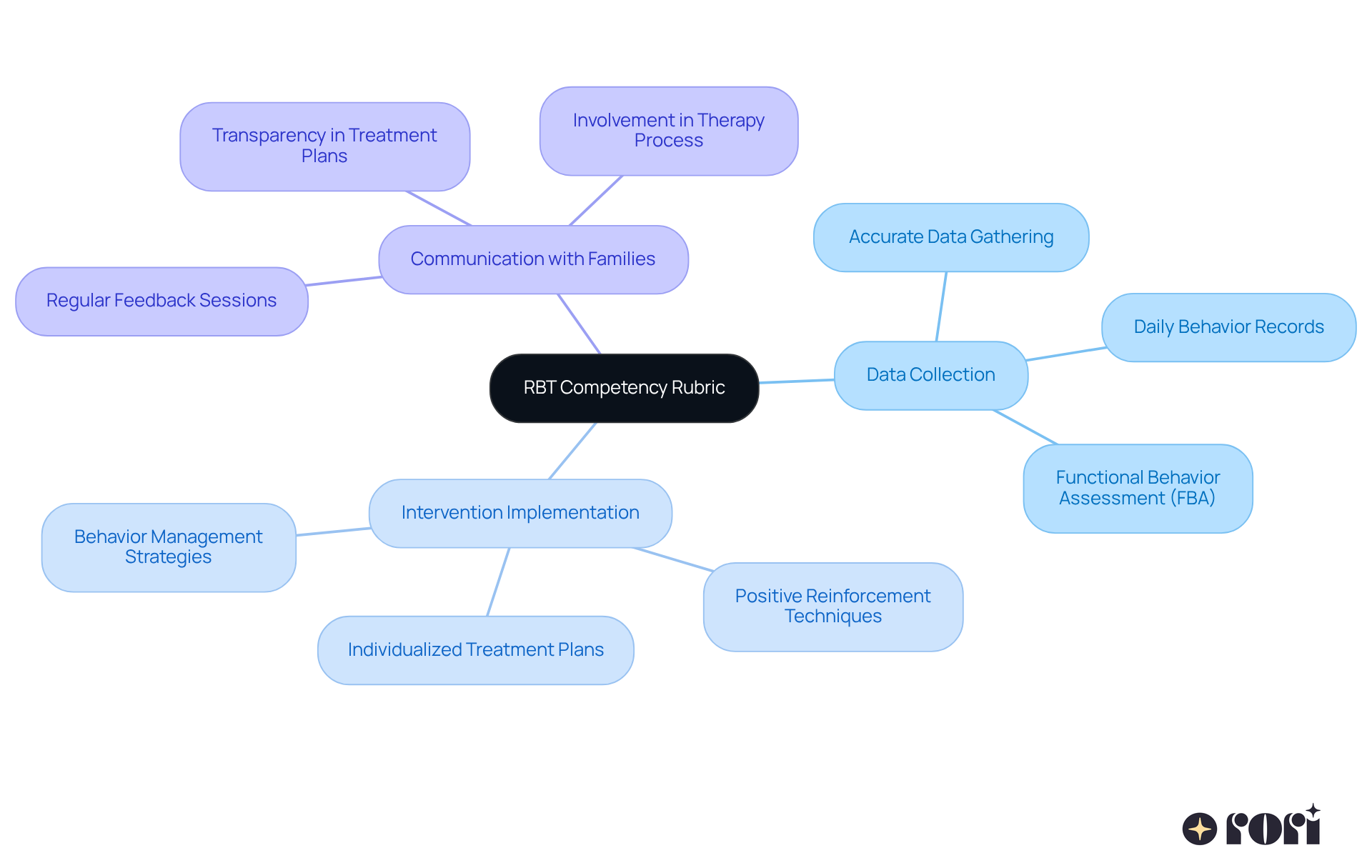
The from the Behavior Analyst Resource Center outlines the essential skills that should have. This handy resource is perfect for caregivers, as it highlights key standards for assessing RBT skills in areas like:
By using this rubric, parents can easily check their child’s , helping to ensure that their little ones receive top-notch, . Plus, understanding these competencies allows parents to be more involved in their child’s therapy, which can lead to better outcomes and an overall improvement in .
Let’s explore this together! Knowing what to look for in an RBT can make a world of difference in your child’s journey.
Teachers Pay Teachers: RBT Supervision Tracker
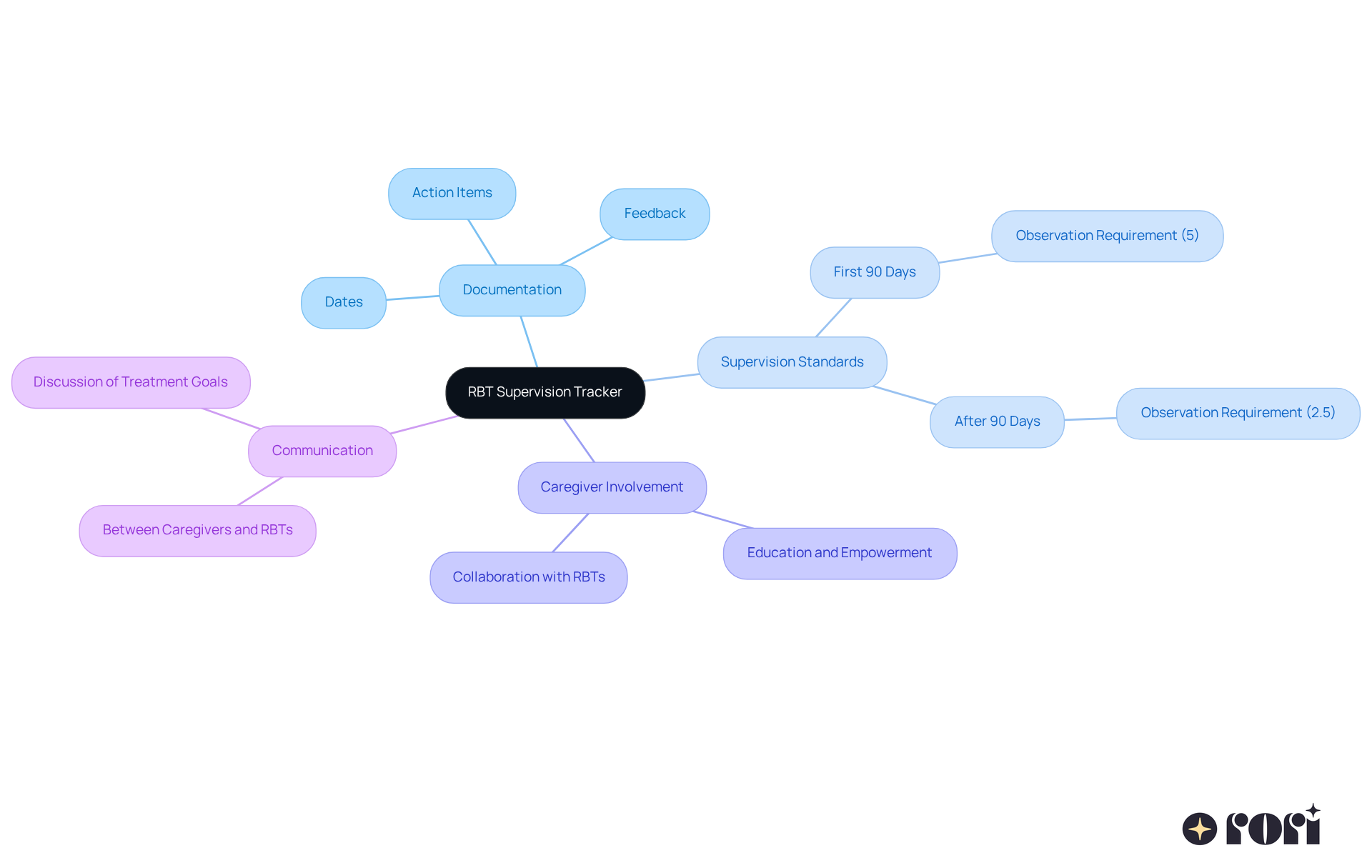
The available on Teachers Pay Teachers is a fantastic resource for parents wanting to keep track of each their child’s Registered Behavior Technician (RBT) has. This tool includes important fields for documenting dates, feedback, and action items, which not only helps keep things organized but also significantly enhances about the child’s progress as recorded in the [RBT supervision feedback form](https://rori.care/ai-behavior-analysis).
Effective documentation is key! It allows parents to monitor how often and how well supervision is happening, ensuring that RBTs meet the noted in the RBT supervision feedback form of at least 5% of their direct service hours each month. After the first 90 days of supervision, this minimum requirement drops to 2.5%. So, it’s really important for parents to stay updated on these changing standards as highlighted in the RBT supervision feedback form.
By using trackers like this, parents can create a collaborative environment that supports their child’s growth, leading to better treatment outcomes. Plus, organized documentation fosters clearer communication between families and RBTs, making discussions about and progress much easier when using the RBT supervision feedback form. This is crucial for optimizing .
And let’s not forget about ! It empowers parents with the knowledge and skills to make informed decisions, actively participate in their child’s treatment, and support behavioral goals through consistent involvement and data collection.
As the experts say, “To ensure your child is receiving , check that their RBT supervisor is meeting the required and keeping records.” Let’s explore this together!
Teachers Pay Teachers: RBT Observation Tool
The on Teachers Pay Teachers is a fantastic resource for caregivers! It allows you to actively by observing and documenting the (RBTs). With handy checklists for various strategies and interventions, you can easily being employed.
By fostering a collaborative approach to , this tool enhances your participation as a parent and strengthens the partnership between you and the RBTs by utilizing the . This partnership is so important! The rbt supervision feedback form enables real-time feedback and adjustments to treatment plans, ultimately boosting the effectiveness of the interventions.
When you’re equipped with these insights, you can reinforce learned behaviors at home, ensuring consistency and maximizing the benefits of . Plus, focused training sessions for caregivers like you , helping you make informed choices that positively impact your child’s development.
This active involvement is crucial! Studies show that when suggested hours are fully executed with caregiver participation, leading to better behavioral outcomes and improved family dynamics. Continuous evaluation and modification of treatment plans based on progress reports can be recorded in the rbt supervision feedback form to further optimize these results.
Let’s explore this together! Your .

Teachers Pay Teachers: RBT Experience & Supervision Hours Tracking Form
The RBT Experience & Supervision Hours Tracking Form, available on Teachers Pay Teachers, is such a helpful tool for caregivers looking to keep track of their child’s . This form allows you to document the RBT’s qualifications, training, and supervision hours carefully. It’s a great way for guardians to verify the professional’s credentials and ongoing development. Since RBTs need to complete at least 40 hours of training and maintain a minimum of 5% of their service hours in supervision each month, keeping track is essential for meeting the .
You know, studies show that parents who actively and supervision hours are often more satisfied with the services provided. This satisfaction comes from the peace of mind that their child is receiving care from a well-trained professional who adheres to established guidelines. Plus, experts highlight how crucial are in delivering , as these professionals play a vital role in implementing behavior intervention plans under the guidance of .
By using the RBT supervision feedback form, you can maintain a detailed record of your child’s RBT’s professional journey. This not only helps you stay informed but also enhances the overall quality of care your child receives in . So, let’s explore this together and ensure your child is getting the best support possible!

Teachers Pay Teachers: RBT Feedback for Daily Session
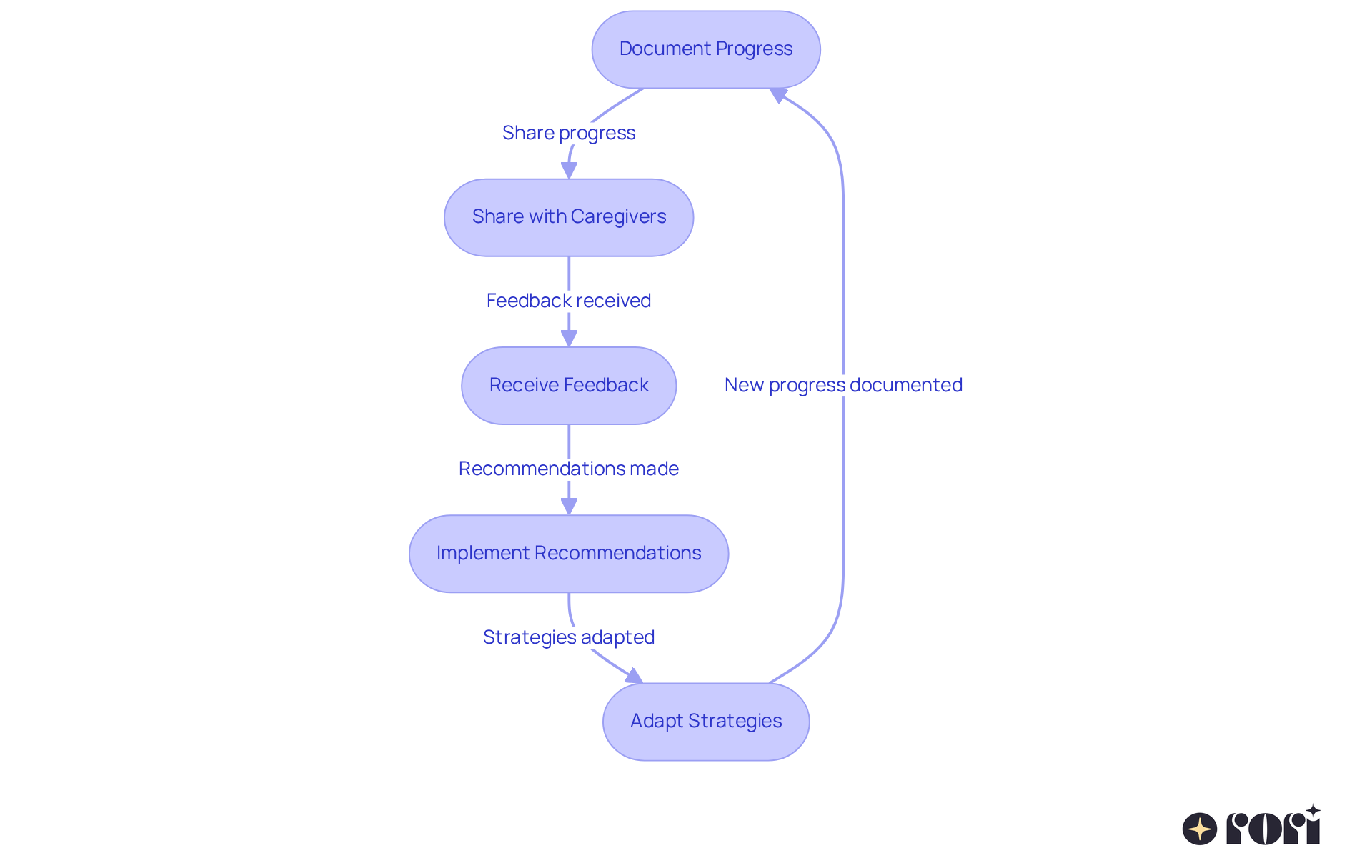
The available on Teachers Pay Teachers is a fantastic resource for Registered Behavior Technicians (RBTs) to share daily progress with caregivers. This handy rbt supervision feedback form contains sections for documenting successes, challenges, and . By creating a , it ensures that caregivers remain actively involved and well-informed about their child’s therapeutic journey.
This ongoing communication not only boosts transparency but also utilizes the rbt supervision feedback form to help caregivers support strategies at home, fostering a that is so important for effective . Regular updates on progress keep the momentum going and motivate parents to engage actively in their child’s development, leading to better outcomes. As Monique McGovern wisely says, “, which is essential for a successful therapeutic relationship.”
And did you know that ? This highlights how crucial . Plus, when caregivers are educated about ABA principles and strategies, it enhances the process, empowering them to help achieve their child’s .
Of course, some parents might face challenges in fully participating in this feedback process, like time constraints or feeling overwhelmed. Addressing these hurdles is key to improving the effectiveness of daily communication, especially since our behavior care engine continually adapts treatment strategies based on progress report data, ensuring that each child’s unique needs are met.
Let’s explore this together! We’re here to !
Teachers Pay Teachers: RBT Supervision Bundle
The RBT Supervision Bundle from Teachers Pay Teachers is here to make your life a little easier! 🎉 This bundle is packed with a variety of forms and tools, such as the , that streamline the supervision process for RBTs. You’ll find the , along with —all designed to help parents like you ensure that your child’s treatment is effective and well-supervised.
By equipping caregivers with knowledge and skills aligned with , this bundle empowers you to actively engage in your loved one’s behavioral goals. Imagine being part of their journey! Plus, the adaptive treatment strategies based on progress reports mean that care is tailored just for your child’s unique needs. This responsiveness can really boost the overall effectiveness of the intervention. Let’s explore this together!
Behavior Analyst Resource Center: BCBA Fieldwork Supervision Curriculum
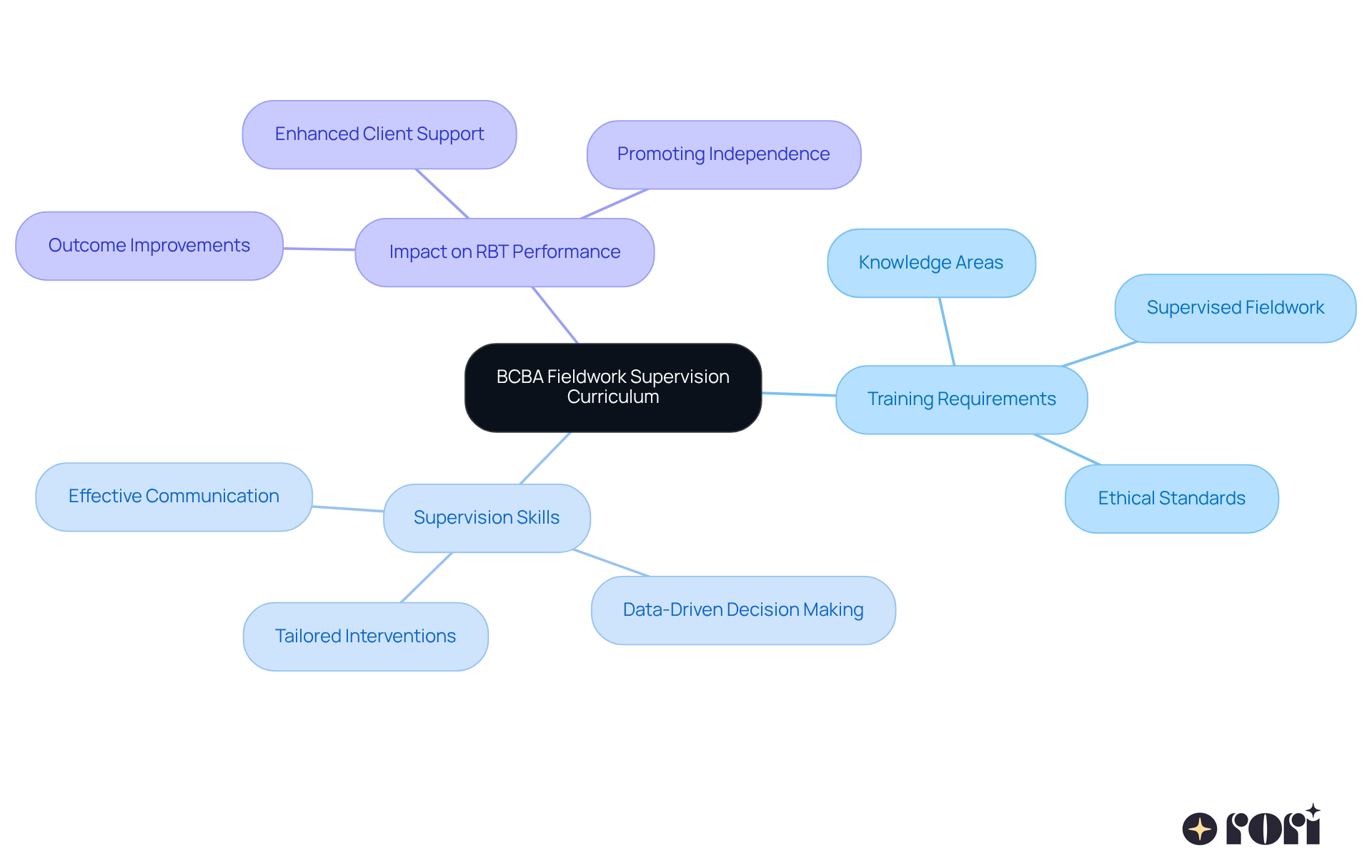
The BCBA Fieldwork Supervision Curriculum from the Behavior Analyst Resource Center outlines the for (RBTs). This curriculum is designed to equip BCBAs with the needed to provide , which is crucial for enhancing RBT performance in .
Research shows that when BCBAs receive thorough training, they can significantly , leading to better outcomes for the youth receiving support. As a parent, this information can help you assess the expertise of those guiding your child’s therapy, ensuring they’re backed by well-trained professionals dedicated to fostering positive behavioral changes.
Moreover, the is essential. It enables the implementation of that cater to each child’s unique needs, ultimately promoting their independence and development. Let’s explore this together and see how these connections can make a difference!
Conclusion
The integration of effective RBT supervision feedback forms is crucial for creating a collaborative space between parents and therapists in autism treatment. These forms are more than just documentation tools; they are essential links that empower caregivers to actively participate in their child’s therapeutic journey. By using these resources, parents can greatly enhance their understanding of the treatment process, ensuring that the skills learned during sessions are effectively reinforced at home.
Throughout the article, we’ve explored various essential feedback forms and tools, such as the RBT supervision feedback form from Rori Care, the RBT Monthly Supervision Log, and the RBT Competency Rubric. Each of these resources plays a vital role in promoting transparency, communication, and accountability, ultimately leading to better treatment outcomes. The focus on caregiver involvement highlights the positive impact of collaboration between families and RBTs, which is key to achieving successful behavioral goals.
In conclusion, we can’t overstate the importance of utilizing RBT supervision feedback forms. They not only offer parents insights into their child’s progress but also empower them to take an active role in their treatment. By embracing these tools and fostering open communication with therapists, families can create a nurturing environment that supports the growth and development of individuals with autism. Engaging in this process is essential for optimizing care and ensuring that each child’s unique needs are met effectively. Let’s explore this together!
Frequently Asked Questions
What is the purpose of the RBT supervision feedback form provided by Rori Care?
The RBT supervision feedback form encourages caregiver involvement in treatment sessions, allows RBTs to document progress, note behavioral changes, and provide personalized recommendations for future sessions.
How does caregiver involvement impact ABA treatment effectiveness?
Research shows that when parents are involved, the effectiveness of ABA treatment improves significantly, helping to reinforce skills learned during sessions at home.
What information does the RBT supervision feedback form capture?
The form captures important details such as the date of supervision, topics discussed, and specific action items for the Registered Behavior Technician (RBT).
How does the RBT supervision feedback form enhance communication between parents and therapists?
The organized feedback promotes open conversations, allowing for immediate adjustments to treatment strategies based on the child’s evolving needs.
What benefits does the RBT Monthly Supervision Log provide for parents?
The log helps parents document important details like dates, topics discussed, and feedback from supervision sessions, ensuring they stay informed about their child’s RBT’s professional development.
Why is ongoing communication important in the supervision process?
Ongoing communication is crucial for discussing challenges and planning next steps, which enhances collaboration and improves behavioral outcomes.
How does BCBA supervision contribute to the treatment process?
BCBA supervision ensures that interventions are implemented with fidelity, providing checks and balances for the ethical application of ABA principles.
What role does documentation play in the therapeutic journey of a child with autism?
Documentation creates an environment that enhances the effectiveness of interventions and empowers families with ABA principles and strategies for active participation in their child’s progress.