

Introduction
Educators today are navigating the exciting challenge of engaging diverse learners and meeting individual behavioral needs. 🌟 Applied Behavior Analysis (ABA) is like a treasure chest filled with tools that can help create personalized strategies for student success in the classroom. By diving into real-world examples of ABA techniques, such as:
- Discrete Trial Training
- Natural Environment Teaching
Educators can unlock the door to improved learning outcomes. How can these methods transform classroom dynamics and support every child’s unique journey? Let’s explore this together!
Rori Care – ABA Therapy: Personalized ABA Strategies for Classroom Success
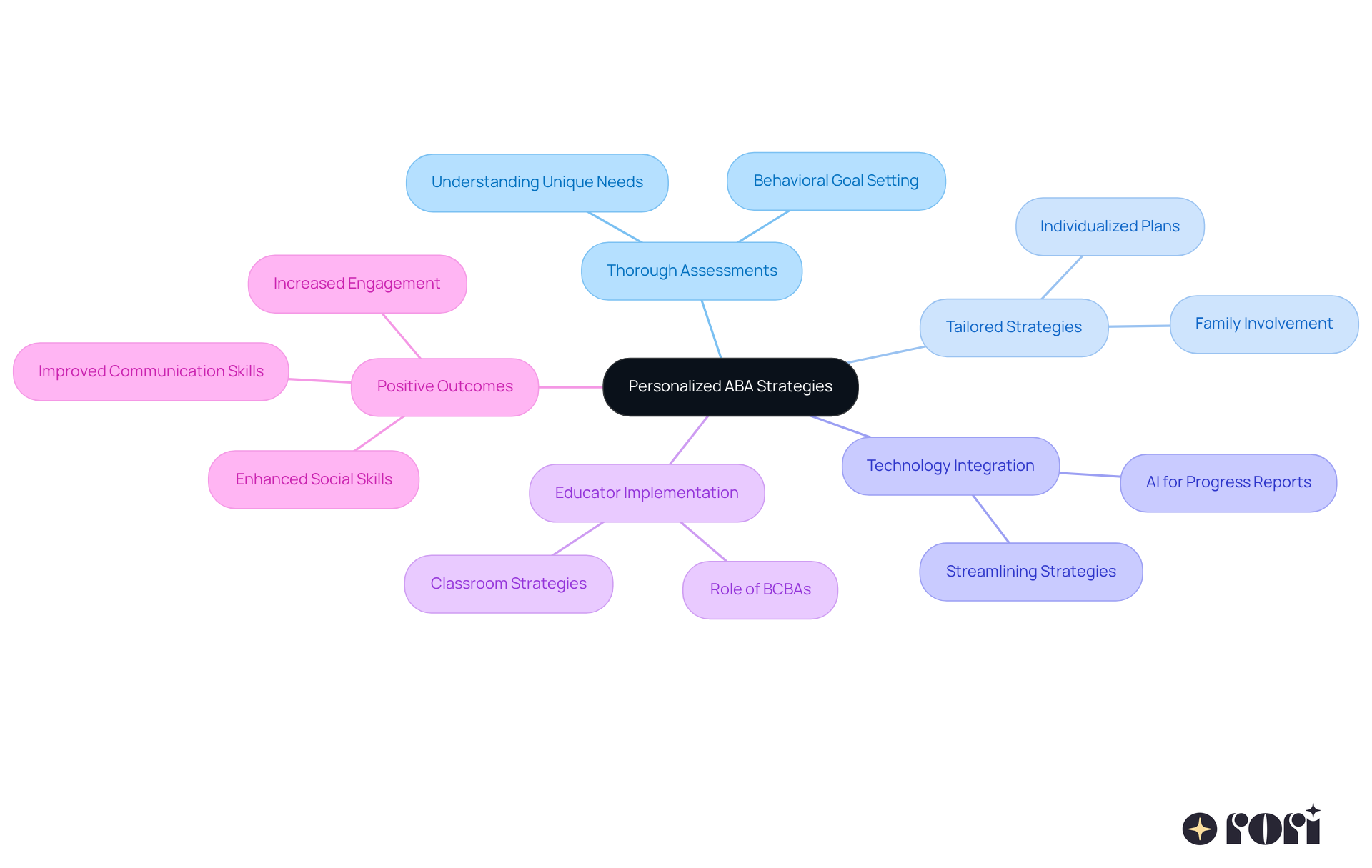
At Rori Care, we believe in a personalized approach to . We take the time to really understand each child’s . This thoughtful process leads to with how each child learns and their specific behavioral goals. Plus, with our advanced AI technology, we’re able to streamline these strategies, making progress report generation a breeze and freeing up 50% more time for direct treatment! This means less time on paperwork and more time focused on what truly matters: your child’s progress. We provide , measurable objectives for behavior changes and development.
Educators can easily implement to create a nurturing learning environment that boosts student engagement and success. One educator shared, ‘The is crucial for maximizing the .’ This highlights just how vital customized interventions are. And when we weave , we see . Case studies show remarkable advancements in social skills and academic achievements among children benefiting from personalized interventions. This innovative approach empowers educators to , utilizing examples of applied behavior analysis in the classroom and ongoing evaluations to ensure the best possible outcomes. Let’s explore this journey together!
Discrete Trial Training (DTT): Structured Learning for Enhanced Student Engagement
(DTT) is a friendly, systematic way to teach skills, and it includes examples of in the classroom by breaking them down into smaller, more manageable parts. Each trial has a simple structure: it starts with a clear instruction (antecedent), followed by the learner’s response (behavior), and wraps up with immediate feedback (consequence). This approach not only gets learners involved but also allows for repeated practice, which is super important for mastering new skills.
Research shows that when DTT is done well, it of applied behavior analysis in the classroom, boosting learning outcomes by and helping with . Educators can make DTT work effectively by:
- Setting
- Using consistent reinforcement strategies
This organized method serves as , helping learners focus on specific skills and leading to .
Let’s explore this together! With DTT, you’re not just teaching; you’re where kids can thrive and truly shine!

Natural Environment Teaching (NET): Integrating Learning into Everyday Activities
really emphasizes the importance of teaching skills in the contexts where they’ll be used, like during play or daily routines. This approach fosters spontaneous learning, allowing learners to apply their skills effectively in real-life situations. Studies show that when learners engage in NET, they can make . In fact, about 90% of young people show visible progress when they complete the suggested therapy hours!
NET is especially helpful for those facing . Educators can make NET work by , ensuring that lessons are not only relevant but also engaging. For instance, imagine a therapist teaching counting or color recognition while a child plays with blocks. Learning becomes a fun part of play, which not only boosts engagement but also provides examples of , helping kids retain skills and making it easier for them to apply what they learn beyond the classroom.
To effectively implement NET in classrooms, educators can focus on a few key strategies:
- Identify natural opportunities for learning during daily routines and playtime.
- Collaborate with families to understand each child’s interests and strengths, tailoring activities accordingly.
- Use to encourage participation and motivation.
- Incorporate visual aids, like checklists or sequence cards, to help learners grasp task steps.
By weaving learning into daily activities, educators can significantly enhance the relevance and retention of skills for individuals with autism. This ultimately fosters . Let’s explore this together and see how we can make a difference!

Positive Reinforcement: Encouraging Desired Behaviors in Students
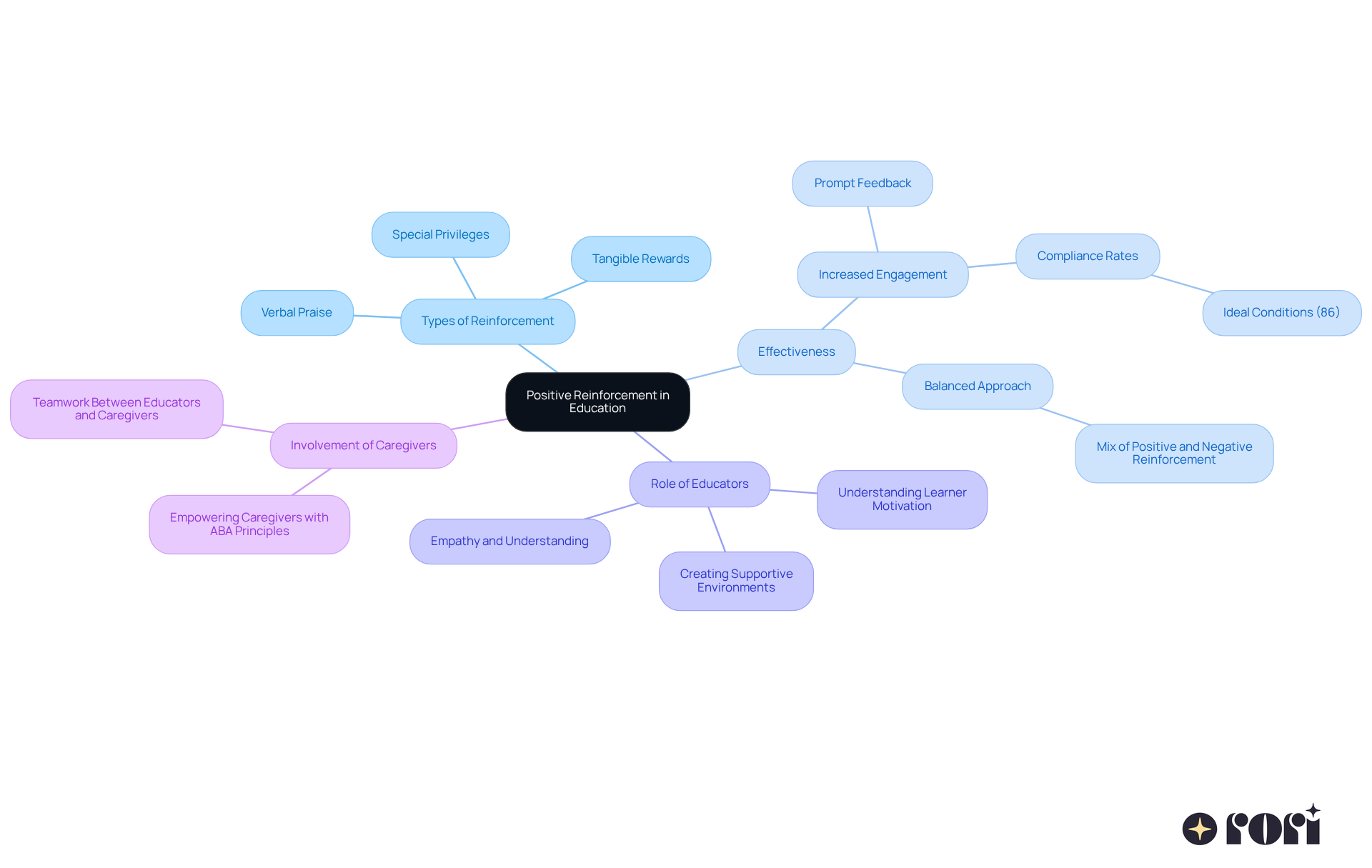
is such a wonderful approach! It involves offering , which helps increase the chances of those actions being repeated. In educational settings, examples of can include verbal praise, , or even special privileges. To really make positive reinforcement work, educators need to figure out what motivates each learner since individual preferences can vary quite a bit. When these reinforcements are applied consistently, they not only encourage but also create a .
Research shows that targeted and regular praise can significantly boost engagement among learners and reduce disruptive behaviors. For instance, studies indicate that when learners receive prompt feedback—like commendation for sticking to a task—compliance rates can soar, sometimes reaching as high as 86% in ideal conditions! This really highlights how important .
Additionally, recent findings emphasize the role of positive reinforcement in improving overall conduct among learners. A mix of positive and negative reinforcement has proven to be particularly effective in achieving treatment goals, suggesting that a balanced approach can lead to even better outcomes. By showing empathy and understanding learners’ perspectives, educators can create an environment where examples of applied behavior analysis in the classroom are not just encouraged but celebrated, leading to improved academic performance and social interactions.
Moreover, it’s crucial to continuously assess and adjust reinforcement strategies to ensure they stay effective and meet each learner’s needs. and strategies boosts their ability to through active involvement and data collection. This teamwork between educators and caregivers can lead to better behavioral outcomes, as caregivers become more equipped to provide the right support at home, complementing professional interventions and ensuring consistency.
In summary, effectively leveraging positive reinforcement can truly transform classroom dynamics. It’s essential for educators to grasp and apply these principles to enhance student learning experiences while also engaging caregivers in the journey. Let’s explore this together! We’re here to help you every step of the way!
Functional Behavior Assessments (FBAs): Identifying and Addressing Behavioral Challenges
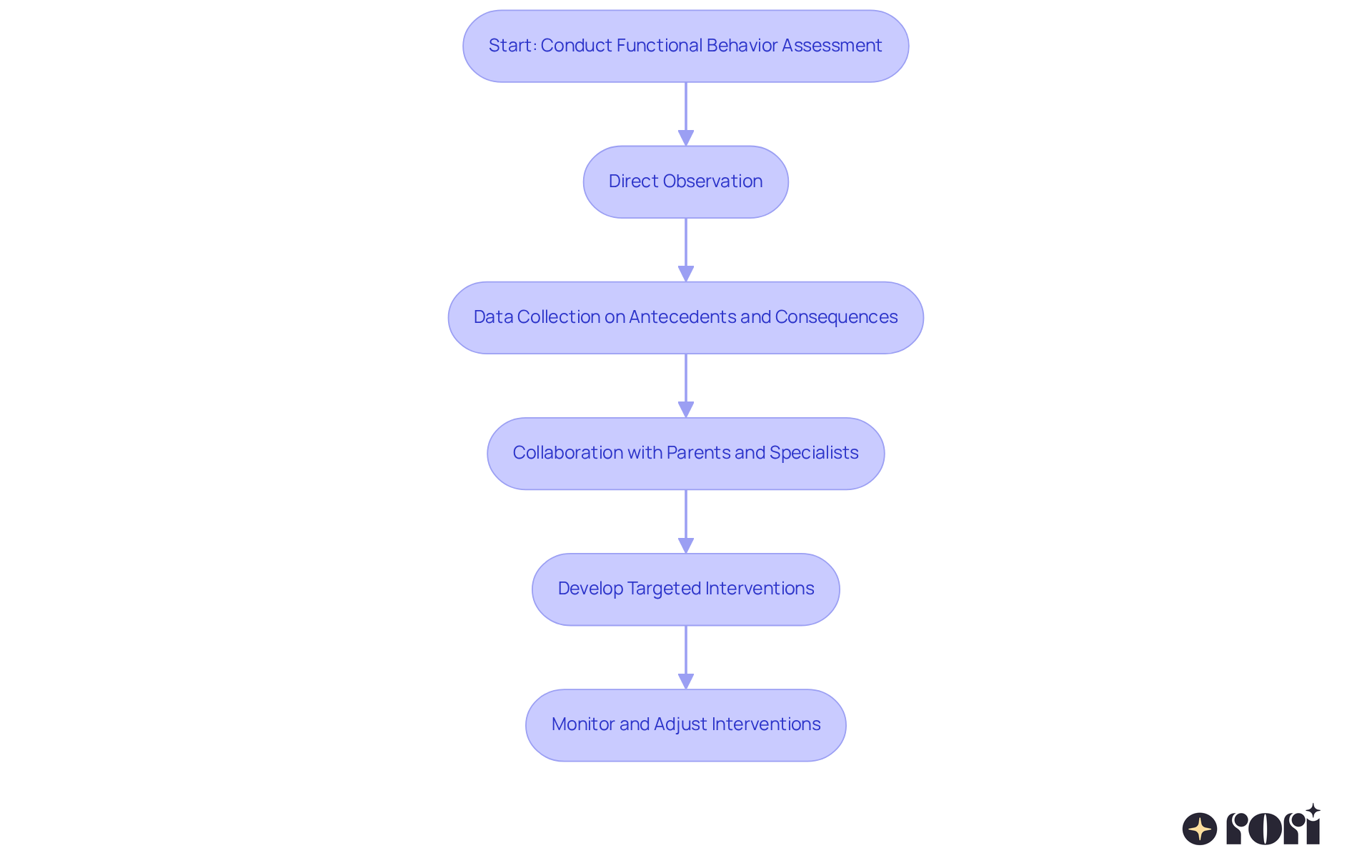
are systematic processes designed to uncover the underlying reasons for challenging actions in educational settings. By carefully collecting data on the context and triggers of these actions, educators can create that address root causes rather than just symptoms. Research shows that , with studies revealing a mean decrease of 99.6% in challenging behavior among participants who underwent comprehensive assessments.
Implementing FBAs in the classroom helps educators build a that minimizes disruptions and encourages positive changes. This proactive strategy is vital for fostering a nurturing learning environment, allowing educators to understand the reasons behind actions and tailor interventions accordingly. As experts point out, the ; they lay the groundwork for effective intervention plans (BIPs) that boost engagement and academic success.
To carry out FBAs effectively in the classroom, educators should follow a that involves:
- Direct observation
- Data collection on antecedents and consequences
- Collaboration with parents and specialists
This teamwork not only deepens the understanding of student actions but also ensures that interventions are informed by data and relevant to the context. By prioritizing FBAs, schools can significantly improve classroom behavior and help students reach their fullest potential. Let’s explore this together!
Behavior Intervention Plans (BIPs): Tailored Approaches for Individual Student Needs
(BIPs) are tailored strategies designed to tackle specific behavioral challenges that learners face. These plans not only set clear goals and intervention strategies but also outline . Teamwork among educators, analysts, and parents is key to developing BIPs that meet each student’s unique needs. A qualified behavior analyst plays an important role in this process, crafting that include measurable objectives and to foster positive changes and skill development.
Studies show that when parents actively engage in creating BIPs, the chances of achieving positive behavior outcomes soar. In fact, when caregivers are involved, about 90% of children make significant strides in their behavioral goals. This highlights just how crucial caregivers are in this journey!
Current trends underscore the importance of personalized BIPs, especially for individuals with autism. —like behavioral data and parental input—have proven to enhance student engagement and reduce disruptive behaviors. For example, one case study revealed that a BIP tailored to address attention-seeking behaviors included examples of , leading to a remarkable improvement in conduct for a student with autism.
Moreover, integrating evidence-based practices in BIPs, such as the ABC model (Antecedent-Behavior-Consequence), empowers educators to analyze and refine interventions based on real-time data. This keeps BIPs relevant and effective, adapting to the changing needs of each child. The care engine also steps in by generating automatic progress reports after each session, enabling timely adjustments to intervention strategies.
As we move forward, the collaboration between educators and behavior analysts continues to evolve, fostering a more supportive environment for learners and their families. However, it’s important to note that around 50% of the records evaluated in a past study didn’t meet expectations regarding key FBA/BIP components. This emphasizes the need for high-quality BIPs! are vital for the success of BIPs, ensuring that interventions are effective and truly cater to each individual’s needs. Let’s explore this together!

Visual Supports: Enhancing Understanding and Communication in the Classroom
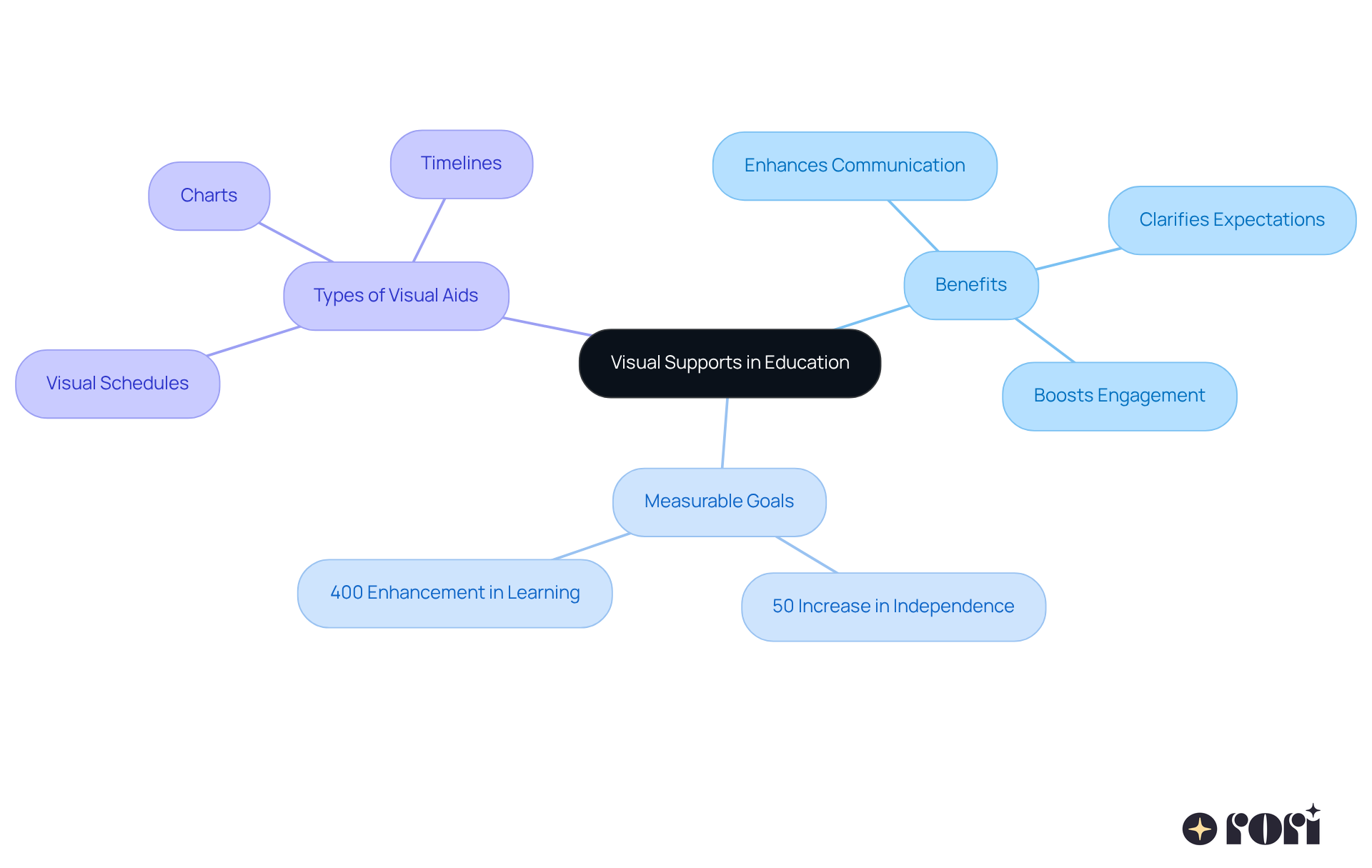
like charts, images, and timelines are truly essential for enhancing among individuals with autism. They help clarify expectations and provide , which can really boost engagement and lower anxiety. For example, imagine a child being able to follow a independently—what if we could increase that ability by 50% in just a month? That’s a goal worth striving for!
Research shows that can by up to 400%, making it easier for information to stick. Educators can make a big difference by using that fit right into classroom routines, like visual schedules that outline daily activities. This not only but also helps all learners navigate their educational journey with more confidence and independence.
As one educator shared, ‘Having a visual schedule can facilitate transitions for learners, making them easier and less stressful.’ By prioritizing visual aids and setting measurable goals, teachers can create a and understanding for every student. So, let’s explore this together and see how we can make a positive impact on our children’s learning experiences!
Task Analysis: Simplifying Skill Acquisition for Students
is a fantastic way to break down , making it easier for everyone to learn and master new tasks. This method shines when teaching , , and . By clearly laying out each step and providing plenty of practice opportunities, educators can really boost how quickly learners pick up new skills.
Research has shown that task analysis not only simplifies the learning journey but also helps learners , allowing them to tackle various tasks with more ease. For instance, when teaching everyday tasks like brushing teeth, educators can split the process into bite-sized steps—like picking up the toothbrush, putting on toothpaste, and rinsing. Cooking a meal can also be broken down into simple steps, showcasing how versatile task analysis can be in different situations.
This organized approach not only aids in skill mastery but also fosters a sense of achievement, empowering learners to take charge of their education and daily routines. Experts in the field agree that when task analysis is effectively implemented, it can lead to significant improvements in learners’ ability to generalize skills across various contexts, ultimately enhancing their quality of life.
Plus, incorporating , personalized planning, and measurable goals within task analysis ensures that each learner’s . Ongoing evaluation helps make necessary adjustments for the best outcomes. And don’t forget the importance of involving caregivers! Their participation enhances support at home, leading to better decision-making and improved behavioral outcomes, as they can actively engage in data collection and reinforcement strategies.
is key to gauging how well task analysis is working, ensuring that each step is mastered before moving on to the next. Let’s explore this together and see how we can support our learners every step of the way!

Modeling: Demonstrating Positive Behaviors for Student Learning
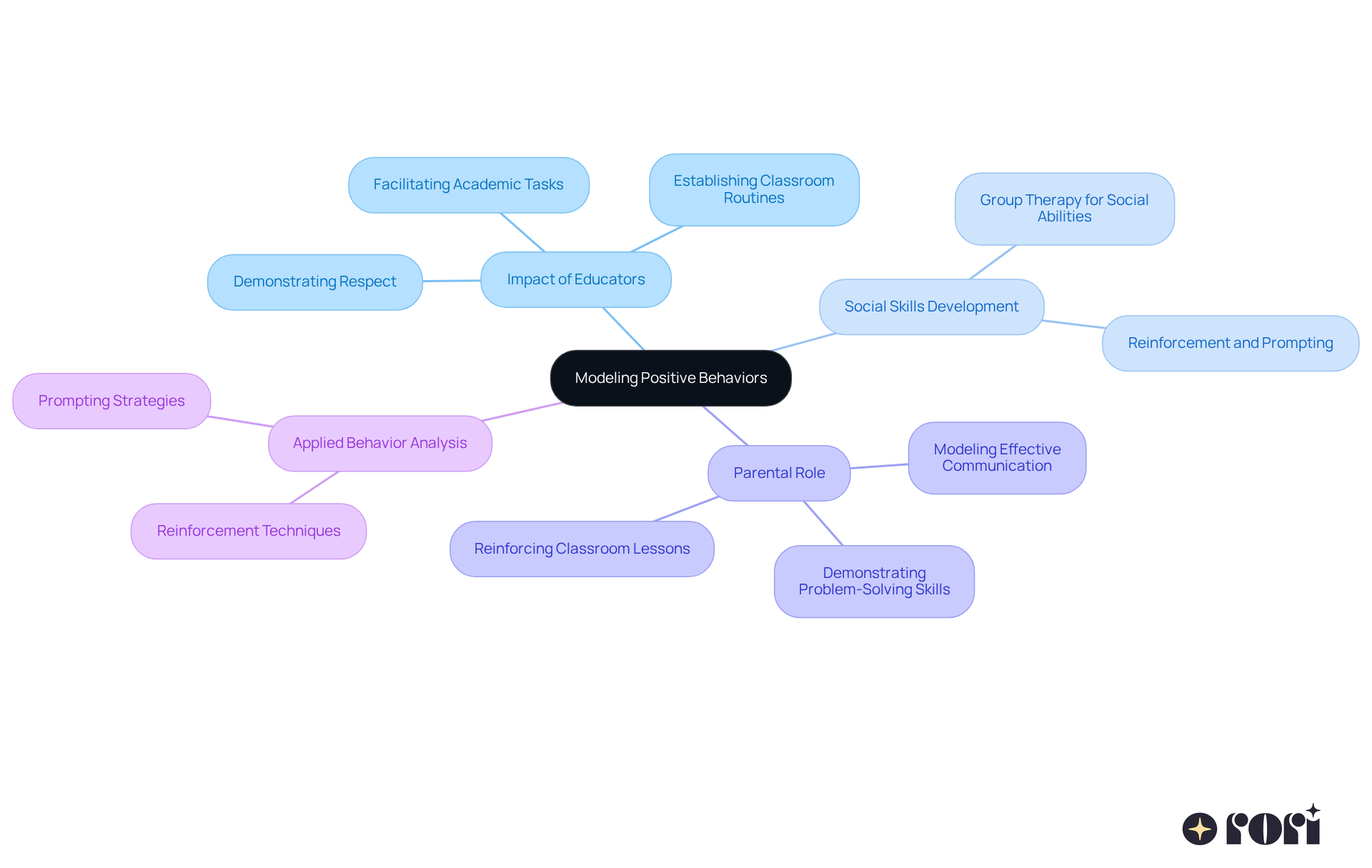
Modeling is such a powerful method! It involves showcasing desired actions for students to watch and replicate. This approach works wonders, especially when teaching , establishing , and facilitating academic tasks. Educators can really enhance their modeling by sharing their thought processes and providing clear examples of the actions they want to instill.
For instance, when educators consistently , they create a classroom environment that promotes these values among learners. Isn’t it fascinating how young learners are incredibly perceptive? They often imitate the attitudes and actions they see around them, making it essential for educators to exemplify the traits they wish to encourage.
By being mindful of their actions and consistently , teachers can significantly influence student learning and engagement. This ultimately leads to a more respectful and collaborative classroom atmosphere! Plus, using examples of in the classroom, like reinforcement and prompting, can really boost the effectiveness of modeling.
, guided by a qualified therapist, can also support these efforts. It creates a where youngsters can practice and improve their social interactions. Parents, you play a crucial role too! By intentionally demonstrating in your daily interactions with your kids, you can reinforce the lessons learned in the classroom.
For example, showing at home can really support your child’s development of social competence. Let’s explore this together! We’re here to !
Data Collection: Monitoring Progress and Effectiveness of ABA Techniques
Gathering data is super important in ! It helps educators keep track of how learners are doing and see how effective different interventions are. We use methods like:
- Frequency counts
- Duration recording
- Anecdotal notes
to gain valuable insights into student actions.
At Rori Care – ABA Therapy, we’re excited to use to automate creation. This innovation gives us 50% more time for direct treatment, which is fantastic! Plus, our conduct management system regularly updates , ensuring that .
before starting any intervention. It also helps us assess how effective those interventions are over time. By analyzing this data systematically, educators can make informed decisions about instructional strategies and adapt interventions to better meet individual needs.
This ongoing assessment not only aligns ABA techniques with each student’s goals but also includes , fostering an environment of accountability and responsiveness. As one educator wisely noted, ‘ and what requires modification, ensuring that each student receives the assistance they need to succeed.’
And guess what? The objective tracking of progress can be shared with families, which enhances collaboration and support in the child’s learning journey. Let’s explore this together and see how we can make a difference!

Conclusion
Exploring Applied Behavior Analysis (ABA) in educational settings shows just how transformative it can be for boosting student engagement and success! By using personalized strategies, educators can really meet the unique needs of each learner, creating an inclusive environment where every child can thrive. Plus, with technology like AI-driven progress tracking, the process becomes even smoother, leading to more focused and effective interventions.
Key insights from the article share various ABA techniques, such as:
- Discrete Trial Training (DTT)
- Natural Environment Teaching (NET)
- Positive reinforcement
Each of these plays a role in improving learning outcomes. When educators use structured approaches like Functional Behavior Assessments (FBAs) and Behavior Intervention Plans (BIPs), they can effectively identify and tackle behavioral challenges. And let’s not forget about visual supports and task analysis—they’re vital tools that simplify skill acquisition and enhance communication, helping students navigate their educational journeys with confidence.
Ultimately, we can’t underestimate the importance of implementing ABA strategies in the classroom. By prioritizing personalized interventions and fostering collaboration between educators, caregivers, and behavior analysts, we can create a supportive learning environment. This holistic approach empowers students to reach their full potential and encourages a community of understanding and growth. Let’s embrace these strategies together! They’ll ensure that all learners are equipped with the skills they need to succeed both academically and socially.
Frequently Asked Questions
What is the approach of Rori Care towards ABA therapy?
Rori Care utilizes a personalized approach to Applied Behavior Analysis (ABA) therapy by thoroughly assessing each child’s unique needs, leading to tailored strategies that align with their learning styles and behavioral goals.
How does Rori Care utilize technology in ABA therapy?
Rori Care employs advanced AI technology to streamline strategies and simplify progress report generation, which allows for 50% more time to be dedicated to direct treatment rather than paperwork.
What benefits do caregivers gain from Rori Care’s ABA therapy?
Caregivers receive practical insights that help them track clear, measurable objectives for behavior changes and development in their children.
How can educators implement ABA strategies in the classroom?
Educators can apply examples of ABA in the classroom to create a nurturing environment that enhances student engagement and success, with individualized attention from a Board Certified Behavior Analyst (BCBA) being crucial for maximizing therapy success.
What is Discrete Trial Training (DTT)?
DTT is a systematic teaching method that breaks down skills into smaller parts, involving clear instructions, learner responses, and immediate feedback to enhance engagement and skill retention.
What are the key components for effective DTT?
Effective DTT involves setting clear goals, using consistent reinforcement strategies, and creating a distraction-free learning environment.
What is Natural Environment Teaching (NET)?
NET emphasizes teaching skills in real-life contexts, such as during play or daily routines, to foster spontaneous learning and help learners apply skills effectively.
What are the benefits of NET for children?
NET has shown significant improvements in communication, social interaction, and adaptive skills, with about 90% of young people making visible progress when therapy hours are completed.
How can educators effectively implement NET in the classroom?
Educators can implement NET by identifying natural learning opportunities during daily routines, collaborating with families to tailor activities, using positive reinforcement, and incorporating visual aids to support learning.
What is the overall goal of using ABA strategies like DTT and NET?
The goal is to create engaging learning environments that enhance skill retention, promote independence, and foster social integration for children, particularly those with Autism Spectrum Disorders and ADHD.