

Introduction
Understanding the nuances of behavior change in children, especially those with autism, is so important for effective parenting and therapy. You might find extinction bursts—those puzzling moments when a child’s challenging behaviors temporarily escalate after reinforcement is removed—quite perplexing. Yet, they are pivotal in the journey toward positive behavioral change. In this article, we’ll dive into ten essential examples of extinction bursts that every parent should know about. This knowledge will equip you with the insights needed to navigate these challenging moments.
How can we transform these seemingly daunting episodes into opportunities for growth and learning? Let’s explore this together!
Rori Care – ABA Therapy: Understanding Extinction Bursts in Autism Treatment
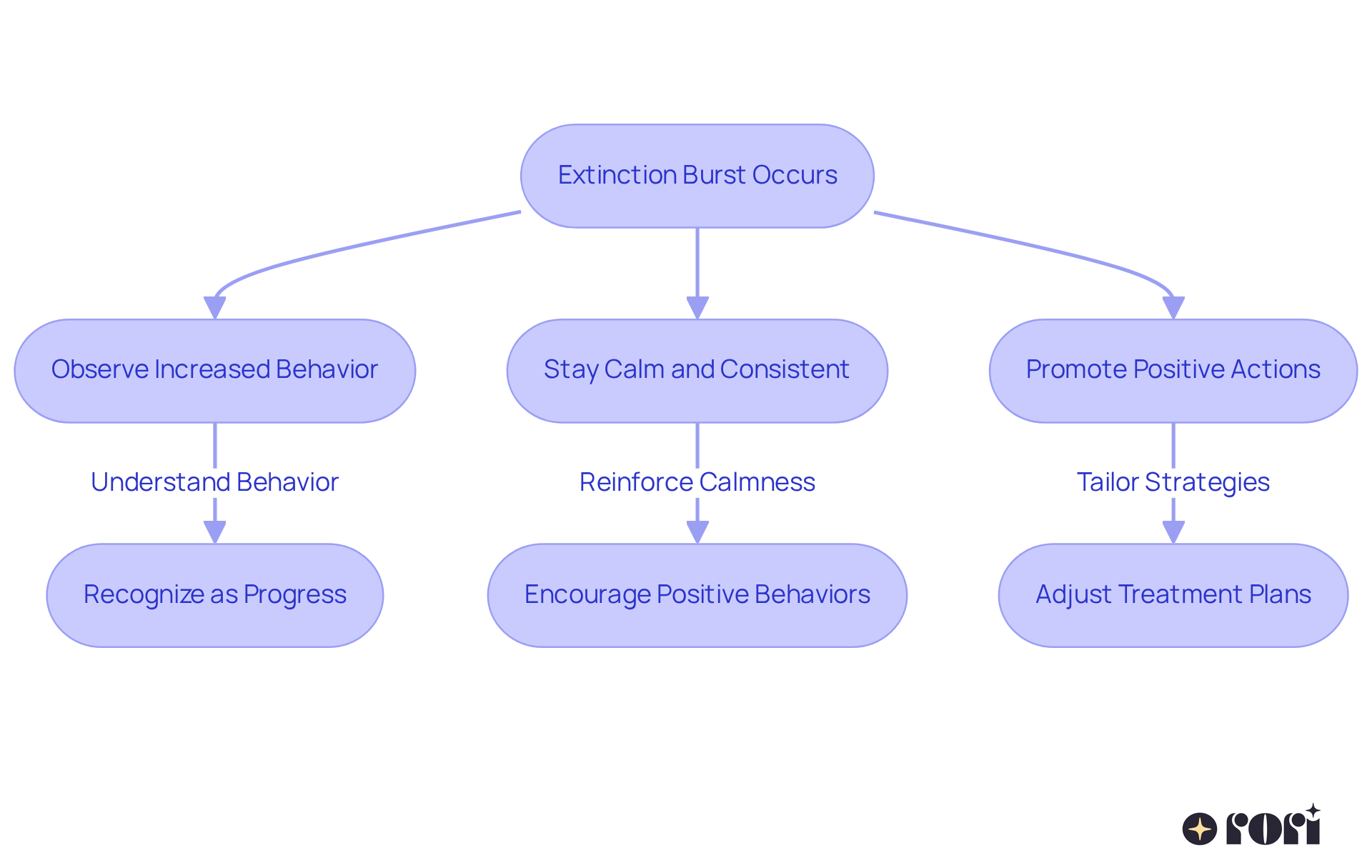
An refers to those moments when you might notice a short-term rise in how often, how intensely, or how long a behavior occurs when reinforcement is taken away. An can occur in when a child who used to receive attention for a certain behavior suddenly realizes that it’s not working anymore. For instance, the illustrates that if a child has been throwing tantrums to get attention, stopping that reinforcement might initially lead to even more tantrums before the behavior starts to fade away. is super important for parents, as it helps them stay calm and consistent during therapy sessions.
Understanding is key, as they are a normal part of the behavioral change journey. They show that your child is figuring out that their previous strategies aren’t working anymore. Instead of viewing these bursts as setbacks, parents should see them as signs of progress. It’s a signal that your child is adjusting to new expectations. By keeping a steady approach and encouraging positive behaviors, you can , leading to better outcomes in your child’s treatment.
Additionally, empowering caregivers with boosts their ability to support their child’s behavioral goals. Being actively involved and making informed decisions is crucial. When caregivers are equipped with knowledge, they can based on progress reports, ensuring that interventions are tailored to their child’s changing needs. This collaborative approach not only enhances but also strengthens family bonds, reducing stress and improving overall support for individuals with autism.
To handle effectively, parents should remain consistent in their responses and promote positive actions. This consistency will help your child adapt to new expectations, ultimately leading to more successful . Let’s explore this together! We’re here to help you every step of the way!
Tantrums: A Common Extinction Burst Example in ABA Therapy
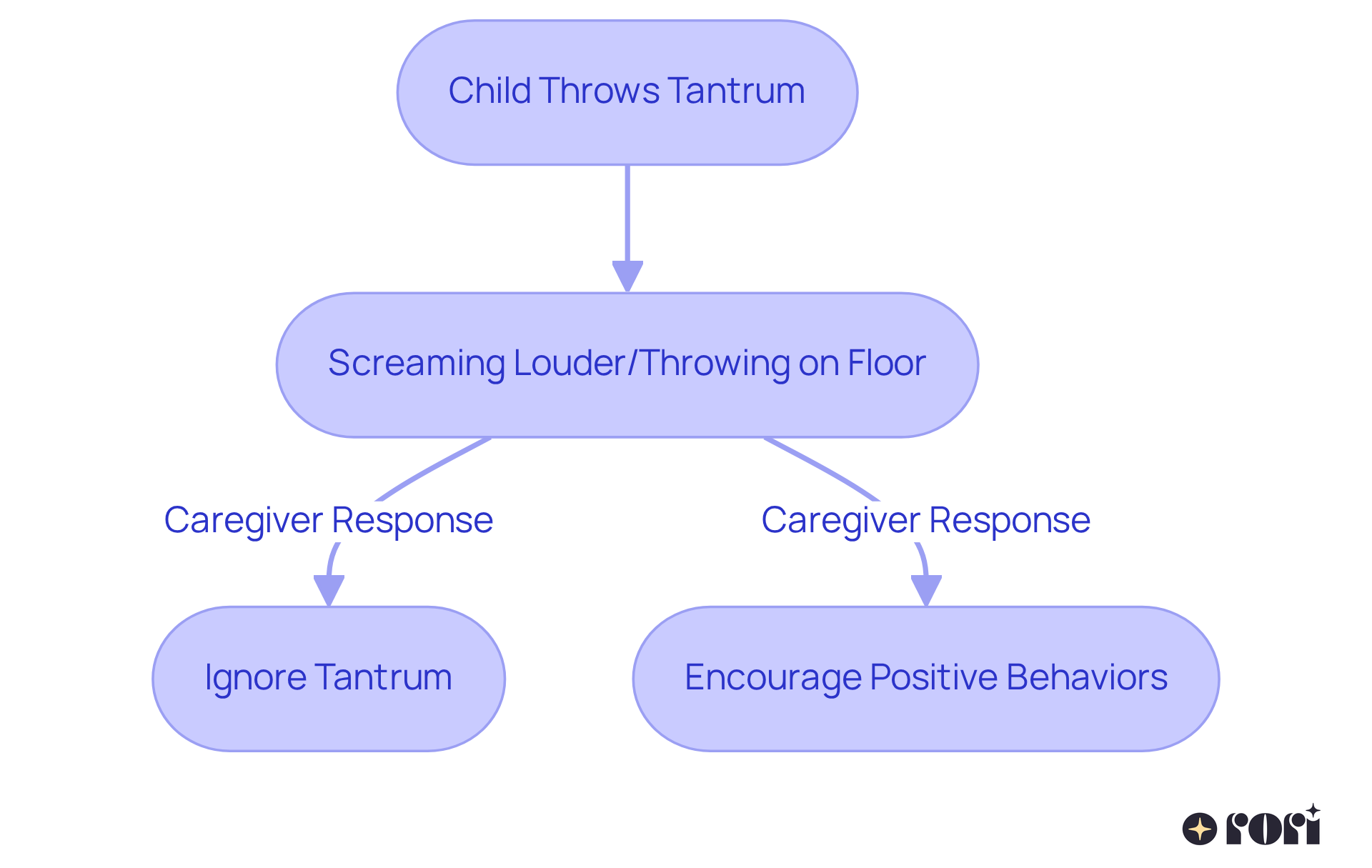
Tantrums can be one of the most recognizable behaviors seen in an . Imagine your little one has learned that throwing a tantrum gets them a toy or some attention. When that reinforcement is taken away, it might lead to an . You might notice your child or throwing themselves on the floor when they don’t get the expected response. This escalation is a typical , showing that your child is testing the limits of their actions.
Research shows that around 62% of cases provide an when reinforcement is withdrawn. This can be tough for both kids and parents! During this phase, it’s super important for caregivers to stay calm and consistent. Ignoring the tantrum while encouraging can really help lessen the intensity of the outburst.
Child psychologists highlight the importance of understanding ABA example for . They recommend that parents prepare for these moments by anticipating potential escalations and creating a . By doing this, you can help your child navigate this tricky adjustment period, leading to more . Let’s explore this together!
Aggression: Recognizing Extinction Bursts in Challenging Behaviors
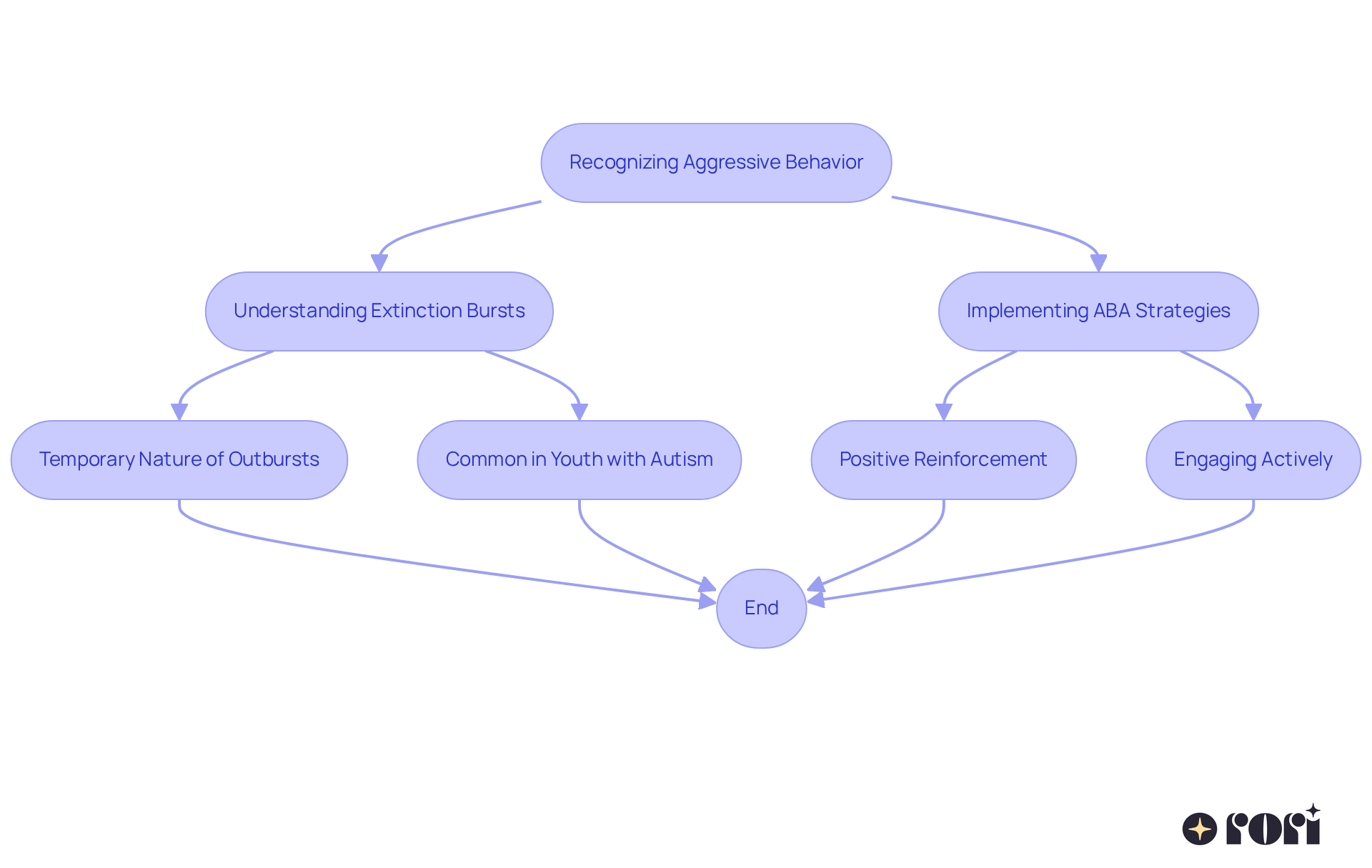
Aggression can sometimes appear as an , especially in younger individuals who have learned that such actions result in specific responses. For example, an can be observed when a young person, who has previously received attention or access to a favorite item by hitting or pushing, experiences the removal of that reinforcement, which might lead to more . It’s important to note that studies indicate nearly , highlighting how common this challenge is.
As parents, it’s essential to recognize that these are often temporary and signal a young one’s struggle to adapt to new expectations. Staying steady and composed in your reactions is key to managing these behaviors effectively. By embracing the principles of , you can empower yourself to support your child’s . Remarkably, progress is observed in 90% of youth when the recommended hours are fully implemented with active participation from caregivers.
Implementing strategies like can be a game changer, helping to redirect focus away from aggression. Remember, these outbursts are part of the learning journey, so staying patient and supportive as your child navigates these changes is crucial. Engaging actively and gathering data can further enhance the effectiveness of interventions, creating a consistent and nurturing environment for your child’s growth.
And here’s something to keep in mind: is the only that insurance covers, making it an accessible option for families. Let’s explore this together and ensure you have the support you need every step of the way!
Attention-Seeking Behaviors: Identifying Extinction Bursts in Daily Life
, like interrupting or whining, can often serve as an . When a child discovers that whining brings attention, might lead to an initial increase in those behaviors. For instance, if a parent stops responding to whining, the child might whine even more intensely or frequently, trying to get that attention back. It’s important for caregivers to understand that these escalations are a normal part of the and don’t reflect on their caregiving abilities.
Did you know that make up about 35% of all ? Recognizing these actions as an can help caregivers respond more effectively. Consistency in responses is key; when parents stick to a steady approach, they can significantly of these behaviors over time. By encouraging alternative, more appropriate actions, parents can guide their children to learn that attention can be earned through rather than disruptive ones.
Let’s explore this together! Remember, you’re not alone in this journey. We’re here to help you every step of the way!

Stay Calm: Essential Strategies for Managing Extinction Bursts
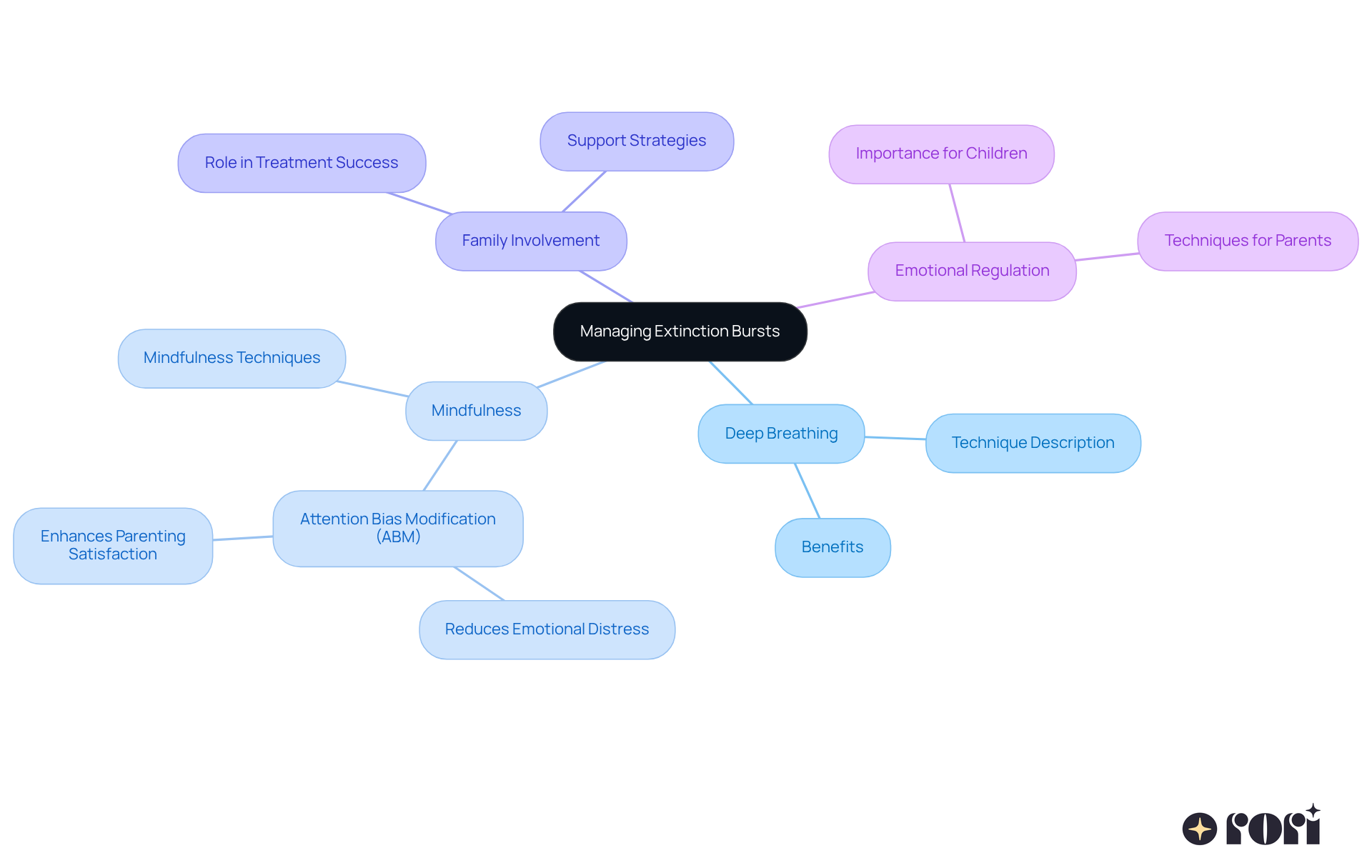
Maintaining is crucial for effective conduct management. Parents can try techniques like deep breathing and mindfulness to stay calm. As Rori Care – points out, “,” which really emphasizes how important it is for parents to manage their emotions during these tough times. When guardians react emotionally, it can unintentionally reinforce , making things even trickier. By staying composed, parents create a that helps their child better navigate their feelings.
Active involvement from caregivers, guided by ABA principles, not only boosts support but also leads to . During an , you may observe tantrums or aggression, highlighting the importance for caregivers to manage their emotional reactions. can really help parents find , leading to better outcomes during these challenging moments. Research shows that parents who engage in report feeling less emotional distress, which highlights how effective mindfulness practices can be in .
Empowering caregivers with knowledge and skills through education can build their confidence, ultimately benefiting their child’s development. Let’s explore this together! We’re here to help you every step of the way!
Be Consistent: The Role of Consistency in Addressing Extinction Bursts
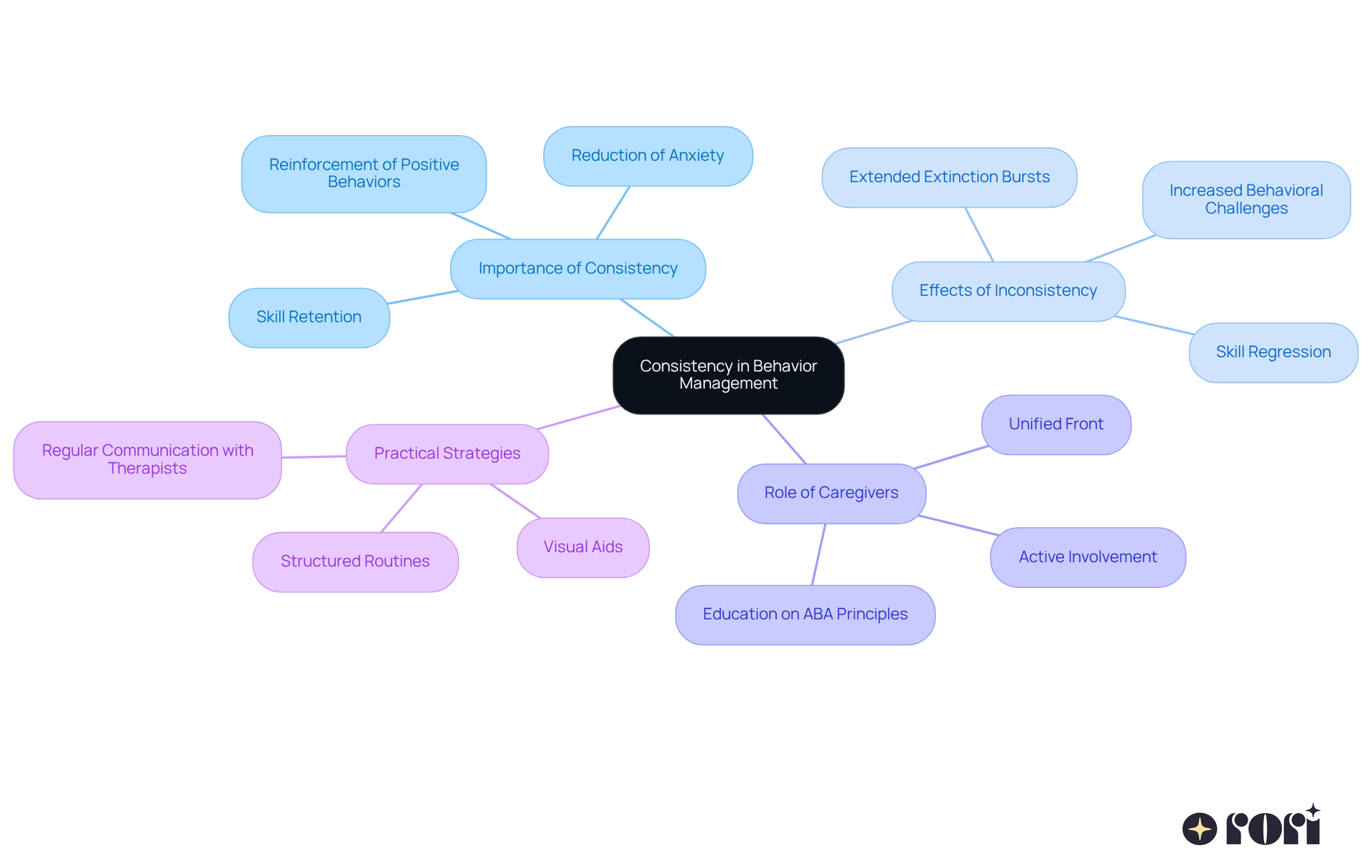
Consistency in responses is crucial when managing tricky situations, as illustrated by the during therapy. As a parent, sticking to the created with your therapist is key. Even small deviations can unintentionally reinforce behaviors you’re trying to change. For example, if your little one throws a tantrum to get a toy, it’s important to consistently hold off on giving them the toy until the tantrum passes. This approach teaches them that their previous tactics aren’t effective, helping them learn during those .
Inconsistent responses can stretch out these bursts, making it crucial for caregivers to , which can be illustrated by an . Analysts often highlight that . Plus, when caregivers are actively involved and educated about , they’re better equipped to implement these strategies. Research shows that and more behavioral challenges at home and school. By sticking to the , parents not only support their child’s learning but also create a nurturing environment for positive changes.
Think about incorporating and to help manage those extinction episodes. Kids thrive on predictability! This approach empowers you as a caregiver, giving you the tools and knowledge to make informed choices that positively affect your child’s progress. Let’s explore this together! Remember, we’re here to help you every step of the way!
Provide Alternative Behaviors: Redirecting During Extinction Bursts
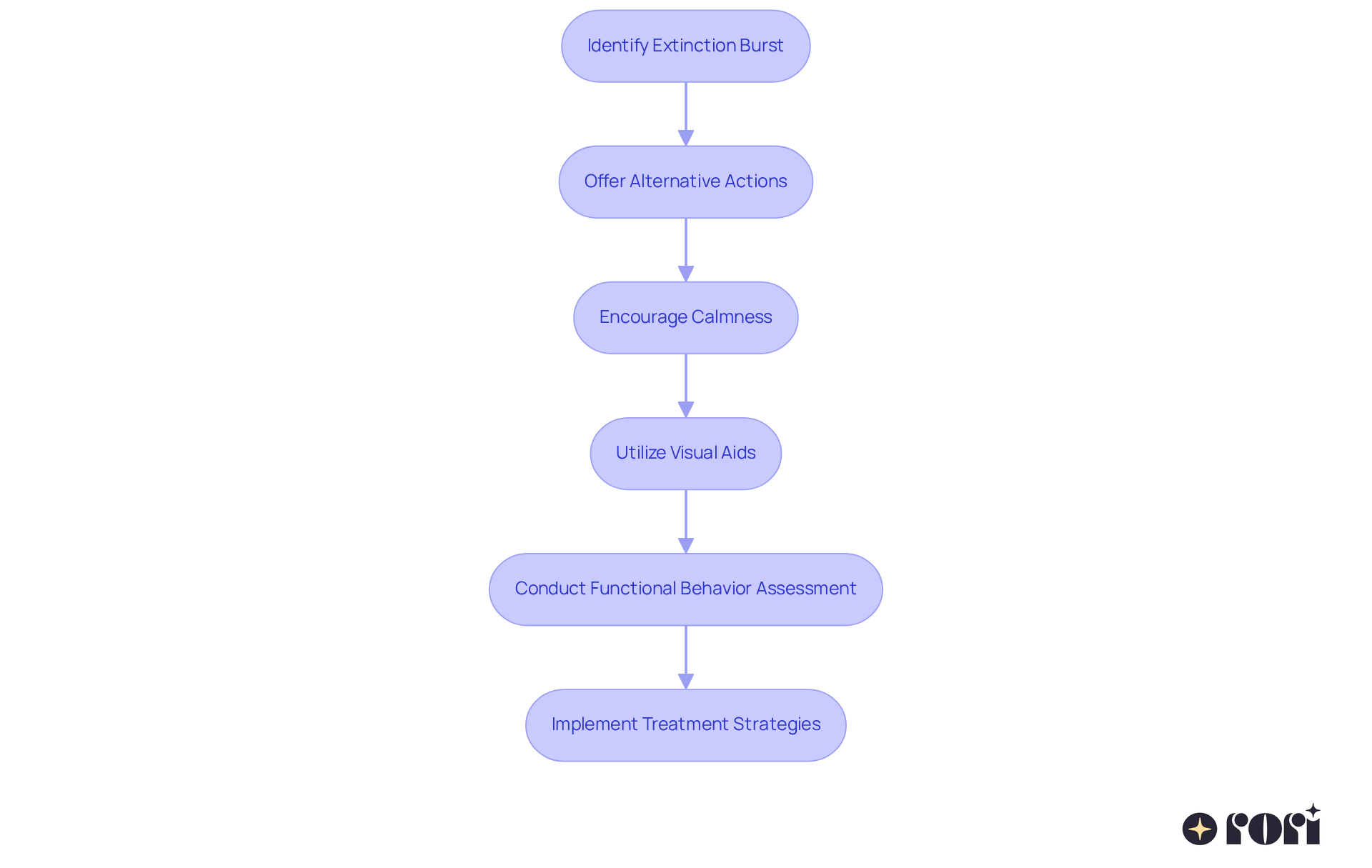
Handling can be challenging, but offering alternative actions is a great way to . Parents can gently redirect their little ones’ attention to more suitable activities. For example, if a child is throwing a tantrum to get attention, encouraging them to draw or play with a toy can work wonders. This redirection helps kids learn that there are and can reduce those pesky tantrums.
When parents fully implement , they often see amazing results—90% of young ones show significant progress! It’s also super important for guardians to stay calm and consistent during these times. This creates a stable environment that nurtures . Plus, incorporating can really help kids understand what’s expected during those tricky extinction episodes.
Conducting a (FBA) can provide valuable insights into why a child is acting out. This understanding allows parents to develop more to manage those . By actively participating in the treatment process and utilizing insights from , parents can better grasp their child’s needs and contribute to more adaptive treatment plans. Let’s explore this together! We’re here to help you every step of the way!
Reinforce Positive Behaviors: Encouraging Desired Actions Amid Extinction Bursts
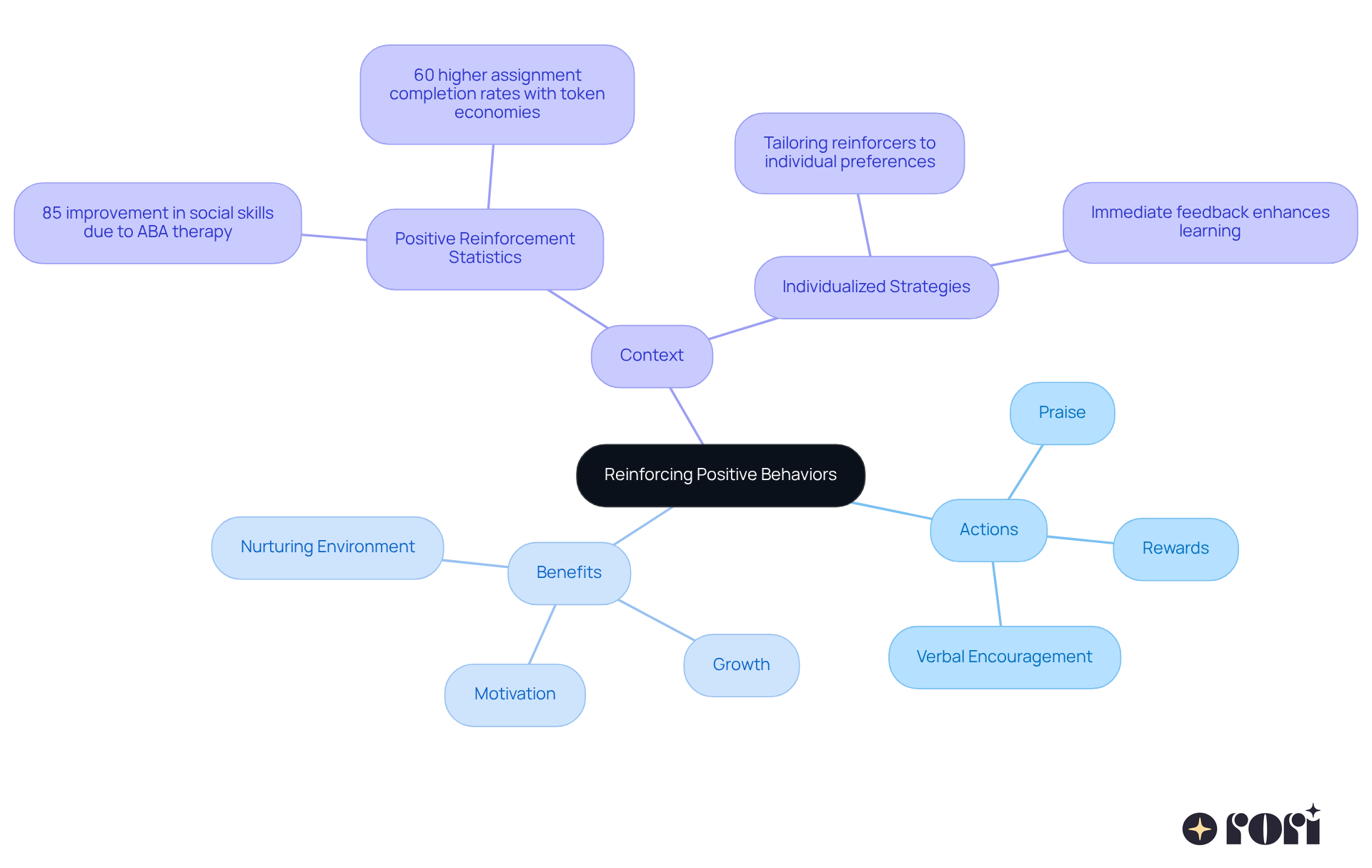
Reinforcing positive actions is so important during those tricky ! It really helps keep our young ones engaged in the right activities. As parents, let’s actively look for chances to , even for their tiniest achievements. For instance, if your child manages to stay calm in a tough situation, offering a little verbal encouragement or a small treat can really boost . 🌟 Research shows that can lead to over time.
Consistent reinforcement not only but also mitigates the impact of , . By focusing on , we can guide our children through challenging times, enhancing their overall growth and well-being. Let’s explore this together!
Conduct a Functional Behavior Assessment: Understanding the Causes of Extinction Bursts
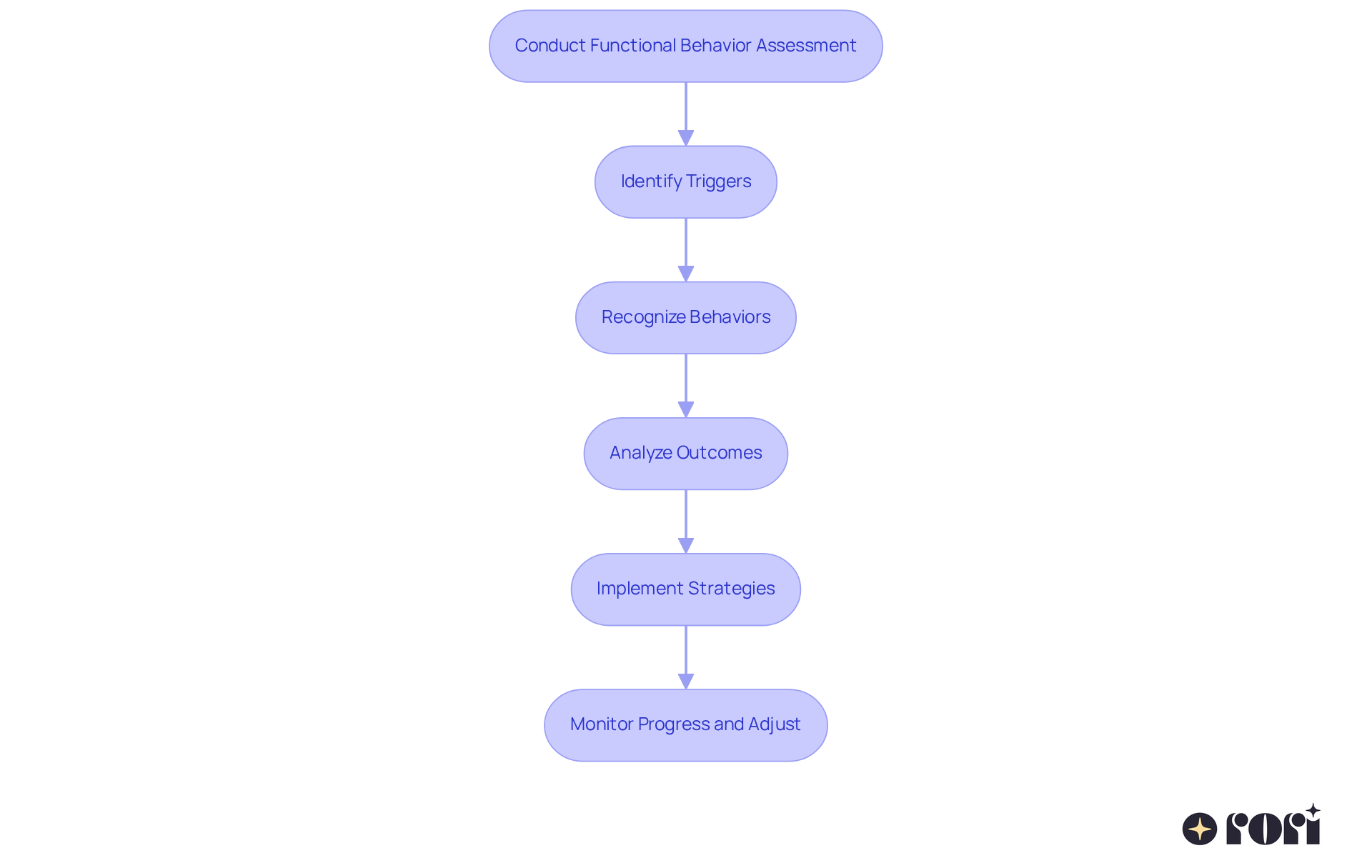
Carrying out a is a structured method that helps parents understand the reasons behind their child’s actions. By recognizing the triggers, behaviors, and outcomes, caregivers can gain valuable insights into what might lead to those frustrating moments. For example, if a child often throws tantrums when they’re tired, spotting this pattern allows parents to implement .
Recent studies highlight that effective FBAs can significantly enhance our understanding of child behavior. Research shows that lead to better outcomes. In fact, treatment for participants in the functional analysis (FA) group resulted in an average reduction in challenging behaviors of 98.7%, compared to 99.6% in the non-FA group.
Our conduct care engine performs and skills, generating to review. This enables flexible treatment plans that evolve with the individual’s progress and caregiver involvement. By focusing on the role of behaviors, parents can create specific and that meet their child’s unique needs, fostering a more positive behavior environment.
As Gregory P. Hanley wisely states, ‘ honors the treatment development process by essentially asking the individual why he or she is involved in problematic actions before creating a treatment.’ This really emphasizes the importance of to develop effective interventions. Let’s explore this together and see how we can support your journey!
Involve Parents and Caregivers: Collaborative Strategies for Managing Extinction Bursts
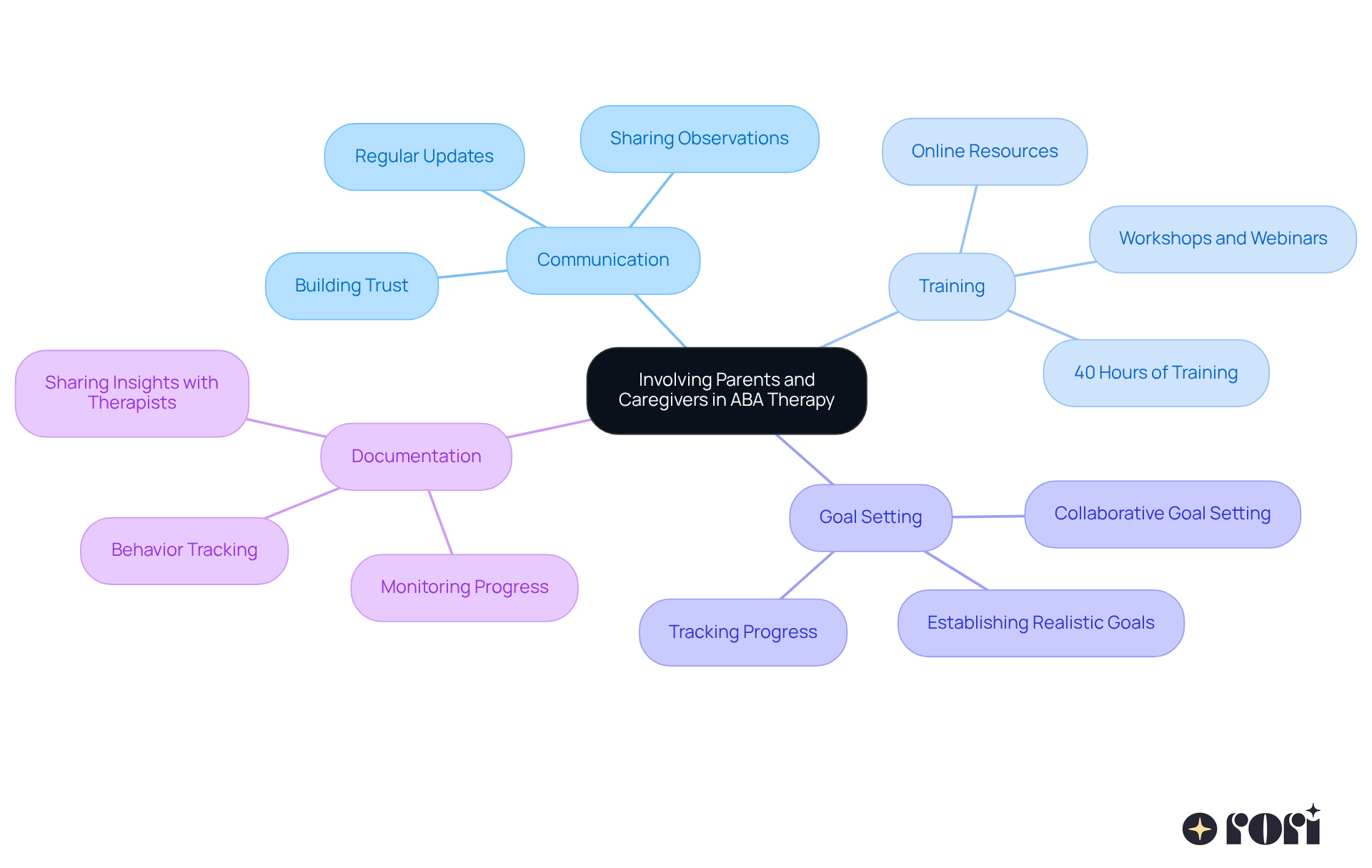
Engaging guardians and caregivers in the process is essential for effectively managing an . At Rori Care, our world-class clinicians are here to guide families through . We ensure that strategies are consistently applied across various environments, enhancing the overall effectiveness of interventions.
Consistent communication is key! It allows applied at home, nurturing a supportive environment for the youngster. This partnership not only enhances the therapeutic approach but also significantly aids in the individual’s . By actively participating in the process, caregivers can develop a unified strategy that aligns with the individual’s unique needs, ultimately leading to more favorable outcomes.
Did you know that parents engaging in a minimum of 40 hours of training can greatly improve their child’s therapy experience? This strengthens their role as active participants instead of passive observers. is crucial, as it helps set a positive tone for therapy and manage expectations. Plus, integrating can promote desired behaviors, further aiding the young one’s development.
We encourage parents to . This provides valuable insights for therapists and enhances their engagement in the therapeutic process. Through our educational programs, caregivers gain foundational knowledge of ABA principles, strategy alignment, and data collection skills. This empowers them to effectively support their children’s behavioral goals. Let’s explore this journey together—we’re here to help you every step of the way!
Conclusion
Understanding extinction bursts in the context of ABA therapy is so important for parents navigating the ups and downs of behavioral change in children with autism. These moments, where challenging behaviors temporarily spike when reinforcement is taken away, actually signal progress rather than setbacks. By viewing these instances as part of the learning journey, caregivers can keep their cool and create a nurturing environment that supports their child’s growth.
Throughout this discussion, we’ve seen various examples of extinction bursts—from tantrums and aggression to attention-seeking behaviors. These highlight the need for consistency, emotional regulation, and positive reinforcement. Strategies like:
- conducting Functional Behavior Assessments
- offering alternative behaviors
- actively involving parents in the therapy process
are essential tools for managing these tough episodes. The teamwork between caregivers and therapists not only improves behavioral outcomes but also strengthens family bonds.
Ultimately, embracing the journey of behavioral change with patience and understanding can lead to wonderful improvements in a child’s development. By staying informed and actively engaging in the therapy process, parents can foster an environment where positive behaviors flourish, paving the way for their child’s success. Remember, committing to understand and manage extinction bursts is a crucial step in supporting children with autism, ensuring they receive the guidance and encouragement they need to thrive. Let’s explore this together!
Frequently Asked Questions
What is an extinction burst in ABA therapy?
An extinction burst refers to a short-term increase in the frequency, intensity, or duration of a behavior when reinforcement is taken away. For example, a child who previously received attention for tantrums may initially throw more tantrums when that attention is withdrawn.
Why do extinction bursts occur during ABA therapy?
Extinction bursts occur as a child realizes that their previous behaviors are no longer effective in gaining reinforcement. It signals that the child is adjusting to new expectations and is a normal part of the behavioral change process.
How should parents respond to extinction bursts?
Parents should remain calm and consistent in their responses, while also encouraging positive behaviors. This approach helps the child adapt to new expectations and can lead to improved behavioral outcomes.
What role do caregivers play in managing extinction bursts?
Caregivers are crucial in supporting their child’s behavioral goals by being actively involved and informed. They can adjust treatment plans based on progress reports, ensuring interventions are tailored to the child’s needs.
What are some common behaviors associated with extinction bursts?
Common behaviors include tantrums and aggression. For example, a child may escalate their tantrums when they no longer receive the expected reinforcement, or they may exhibit aggressive behaviors when previously rewarded for such actions.
How prevalent are tantrums during extinction bursts?
Research indicates that approximately 62% of cases exhibit tantrums as a response to the withdrawal of reinforcement, highlighting the commonality of this behavior during extinction bursts.
What strategies can help manage tantrums during extinction bursts?
Caregivers should anticipate potential escalations, remain calm, ignore the tantrum, and encourage positive behaviors. Creating a supportive environment is also important for helping the child navigate this adjustment period.
How can aggression manifest as an extinction burst?
Aggression may occur when a child who previously received attention or access to items through aggressive actions experiences the removal of that reinforcement, potentially leading to increased aggressive behaviors.
What is the effectiveness of ABA therapy for children with autism?
ABA therapy is the only scientifically proven treatment for autism that is covered by insurance, and it shows significant progress in 90% of youth when caregivers are actively involved and the recommended hours are implemented.
How can parents support their child during extinction bursts?
Parents can support their child by staying patient, implementing positive reinforcement for appropriate behaviors, and actively engaging in the treatment process to create a consistent and nurturing environment for growth.
List of Sources
- Rori Care – ABA Therapy: Understanding Extinction Bursts in Autism Treatment
- crossrivertherapy.com (https://crossrivertherapy.com/aba-therapists/extinction-bursts)
- brightbridgeaba.com (https://brightbridgeaba.com/what-is-extinction-burst-in-aba)
- mastermindbehavior.com (https://mastermindbehavior.com/post/extinction-bursts-in-aba)
- bigdreamersaba.com (https://bigdreamersaba.com/blog/extinction-bursts-in-aba)
- Tantrums: A Common Extinction Burst Example in ABA Therapy
- brightbridgeaba.com (https://brightbridgeaba.com/what-is-extinction-burst-in-aba)
- aprilaba.com (https://aprilaba.com/resources/extinction-bursts-in-aba)
- goldenstepsaba.com (https://goldenstepsaba.com/resources/extinction-bursts)
- What Are ABA Therapy Quotes? Understanding Their Role and Importance – Rori Blog (https://rori.care/post/what-are-aba-therapy-quotes-understanding-their-role-and-importance)
- Inspirational ABA and Autism Quotes – Mrs. Moe’s Modifications (https://mrsmoesmodifications.com/inspirational-aba-and-autism-quotes)
- Aggression: Recognizing Extinction Bursts in Challenging Behaviors
- Inspirational ABA and Autism Quotes – Mrs. Moe’s Modifications (https://mrsmoesmodifications.com/inspirational-aba-and-autism-quotes)
- goldenstepsaba.com (https://goldenstepsaba.com/resources/aba-therapy-for-aggressive-behaviors)
- 60+ ABA Therapist Statistics & Demographics (https://ambitionsaba.com/resources/aba-therapist-statistics-demographics)
- mastermindbehavior.com (https://mastermindbehavior.com/post/extinction-bursts-in-aba)
- Attention-Seeking Behaviors: Identifying Extinction Bursts in Daily Life
- brightbridgeaba.com (https://brightbridgeaba.com/what-is-extinction-burst-in-aba)
- createbehaviorsolutions.com (https://createbehaviorsolutions.com/practicing-the-art-of-non-reaction-and-selective-ignoring)
- linksaba.com (https://linksaba.com/teaching-functional-replacement-behaviors-in-aba)
- goldenstepsaba.com (https://goldenstepsaba.com/resources/extinction-bursts)
- mastermindbehavior.com (https://mastermindbehavior.com/post/extinction-bursts-in-aba)
- Stay Calm: Essential Strategies for Managing Extinction Bursts
- 7 Strategies for Effective Extinction Behavior Modification – Rori Blog (https://rori.care/post/7-strategies-for-effective-extinction-behavior-modification)
- integratedbehavioralhealthct.com (https://integratedbehavioralhealthct.com/learn-how-to-be-a-calmer-and-more-loving-parent-emotional-regulation)
- goldenstepsaba.com (https://goldenstepsaba.com/resources/extinction-burst-aba)
- mentalhealthcenterkids.com (https://mentalhealthcenterkids.com/blogs/articles/parenting-quotes)
- yellowbusaba.com (https://yellowbusaba.com/post/how-to-teach-emotional-regulation-through-parent-training)
- Be Consistent: The Role of Consistency in Addressing Extinction Bursts
- news.fsu.edu (https://news.fsu.edu/news/health-medicine/2024/02/13/bay-health-foundation-awards-15000-to-fsu-panama-city-early-childhood-autism-program)
- agbehavioralservices.com (https://agbehavioralservices.com/the-impact-of-missed-aba-sessions-strategies-to-stay-on-course)
- magnetaba.com (https://magnetaba.com/blog/the-importance-of-consistency-in-aba-therapy)
- intellistarsaba.com (https://intellistarsaba.com/blog/the-importance-of-consistency-in-aba-interventions)
- The Importance of Sticking to Consistent ABA Therapy – LEARN Behavioral (https://learnbehavioral.com/blog/the-importance-of-sticking-to-consistent-aba-therapy)
- Provide Alternative Behaviors: Redirecting During Extinction Bursts
- mastermindbehavior.com (https://mastermindbehavior.com/post/extinction-bursts-in-aba)
- brighterstridesaba.com (https://brighterstridesaba.com/blog/extinction-bursts-in-aba)
- rori.care (https://rori.care/post/understanding-and-managing-extinction-bursts-in-aba-therapy-ffee8)
- thetreetop.com (https://thetreetop.com/aba-therapy/extinction-burst-aba)
- Reinforce Positive Behaviors: Encouraging Desired Actions Amid Extinction Bursts
- The Impact of Positive Reinforcement on ABA Therapy Outcomes (https://crossrivertherapy.com/articles/the-impact-of-positive-reinforcement-on-aba-therapy-outcomes)
- 30 Thought-Provoking B. F. Skinner Quotes to Elevate your Perspective (https://achology.com/psychology/burrhus-frederic-skinner-quotes)
- ABA Therapy and Positive Reinforcement (https://yellowbusaba.com/post/aba-therapy-and-positive-reinforcement)
- positivepsychology.com (https://positivepsychology.com/positive-reinforcement-psychology)
- linksaba.com (https://linksaba.com/key-principles-of-aba-reinforcement-prompting-and-shaping)
- Conduct a Functional Behavior Assessment: Understanding the Causes of Extinction Bursts
- A comparative effectiveness trial of functional behavioral assessment methods – PMC (https://pmc.ncbi.nlm.nih.gov/articles/PMC10843530)
- pmc.ncbi.nlm.nih.gov (https://pmc.ncbi.nlm.nih.gov/articles/PMC3546636)
- mastermindbehavior.com (https://mastermindbehavior.com/post/understanding-functional-behavior-assessments-and-their-role-in-aba-therapy)
- iris.peabody.vanderbilt.edu (https://iris.peabody.vanderbilt.edu/module/fba-elem)
- Involve Parents and Caregivers: Collaborative Strategies for Managing Extinction Bursts
- The Role of Parent Involvement in Autism Therapy Success | Advanced Autism Services (https://advancedautism.com/post/the-role-of-parent-involvement-in-autism-therapy-success)
- intellistarsaba.com (https://intellistarsaba.com/blog/how-parent-involvement-impacts-aba-therapy-outcomes)
- Effects of Parent-Implemented Interventions on Outcomes of Children with Autism: A Meta-Analysis – PMC (https://pmc.ncbi.nlm.nih.gov/articles/PMC10539413)
- The Best Autism Quotes (https://adinaaba.com/post/autism-quotes)