

Introduction
ABA therapy shines as a beacon of hope for children with autism, offering personalized strategies that nurture communication, social skills, and independence. As families embark on this transformative journey, it’s essential to understand how ABA therapy can truly support their child’s growth. But amidst this promise, questions often arise:
- What specific techniques lead to success?
- How can parents get involved in this process?
Exploring these dynamics not only highlights the potential of ABA therapy but also emphasizes the crucial role families play in their child’s thriving journey. Let’s dive in together!
Rori Care – ABA Therapy: What Is the Purpose of ABA Therapy?
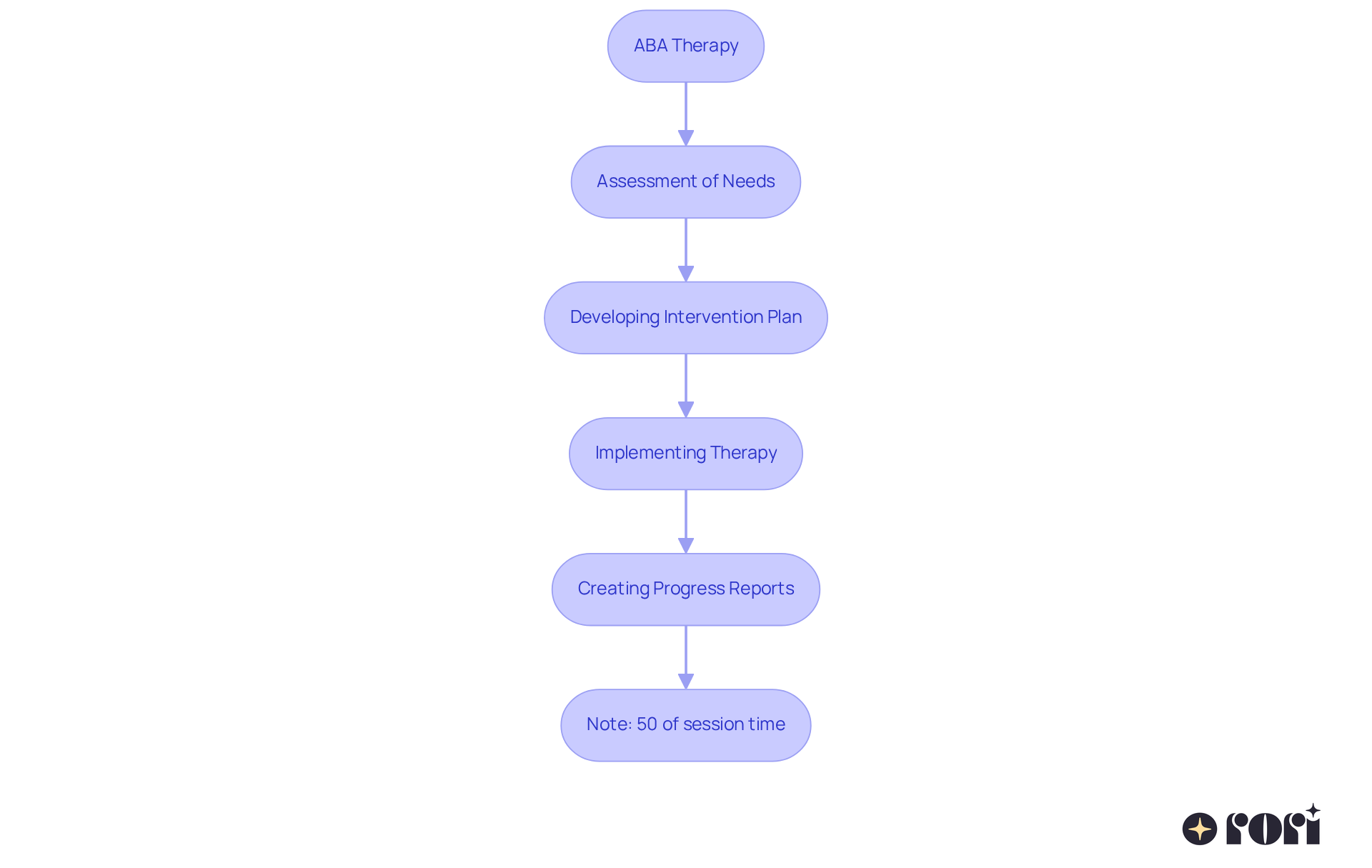
ABA, or Applied Behavior Analysis, is a scientifically validated method that aims to enhance specific behaviors in youth with autism. It’s all about improving communication, social skills, and daily living skills while also reducing challenging behaviors. By using , tailors interventions to meet the unique needs of each child, ensuring they receive that promotes their overall growth.
At Rori Care, we’re excited to leverage to make the creation of progress reports easier. Did you know that this represents 50% of the time spent in ABA sessions? By streamlining this process, we can dedicate 50% more time to direct treatment! This not only boosts the effectiveness of our care but also provides caregivers with valuable insights and strategies to actively support their child’s .
We understand that navigating this journey can be challenging, but you’re not alone! Let’s explore this together and empower your child to thrive. We’re here to !
What Are the Typical Goals of ABA Therapy?
At Rori Care, we understand that the journey of , , and increasing independence can feel overwhelming for parents. Each goal in ABA treatment is tailored to meet the unique needs of your child, particularly in , ensuring that the therapy is both relevant and impactful. For example, a young person might focus on initiating conversations or following multi-step instructions—skills that are vital for their social integration and personal growth.
Our approach emphasizes . is crafted to highlight the individual’s strengths while addressing their challenges. We set clear, , creating a transparent standard for progress that empowers parents to effectively address regarding their child’s development. Our qualified behavior analysts use grounded in the latest research to effectively address , ensuring that the methods we employ are the most effective for behavior change. Plus, we consistently assess and adjust the intervention based on how your child responds, enhancing results and supporting families every step of the way. Let’s explore this journey together!

How Does ABA Therapy Improve Social Skills in Children?
is a wonderful way to enhance through organized interactions and role-playing situations. These activities teach young individuals how to interact effectively with their peers. By modeling suitable behaviors, offering reinforcement for successful interactions, and utilizing , children can better grasp social cues and develop empathy.
When caregivers are informed about , they feel more prepared to at home. This active involvement not only complements professional interventions but also leads to informed decision-making, which can improve . Over time, these strategies, along with empowered caregivers, pave the way for more and enhanced social competence.
Let’s explore this together! By understanding how questions aba, you can support your child’s social and emotional thriving. We’re here to help you every step of the way!
What Techniques Are Commonly Used in ABA Therapy?
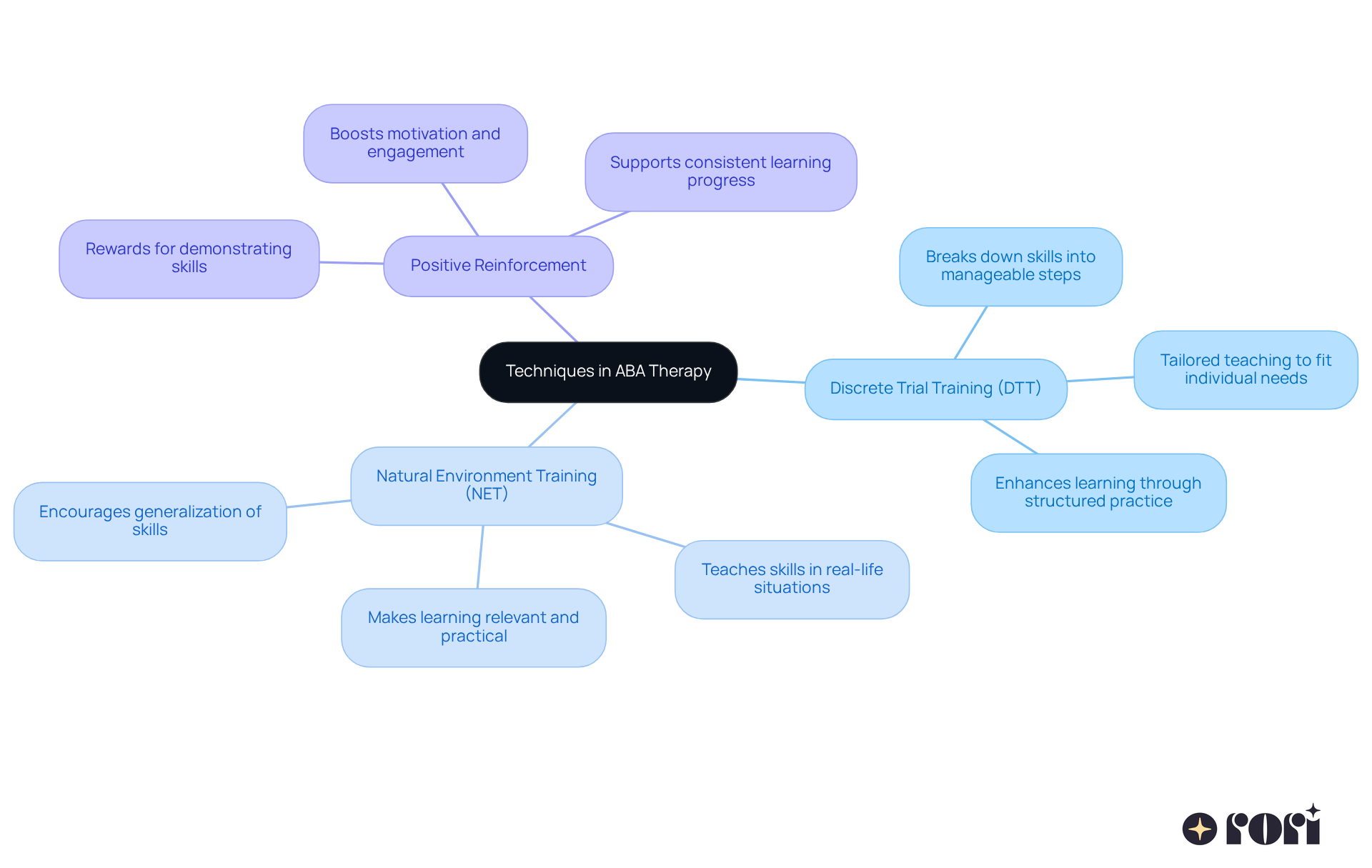
When it comes to ABA therapy, there are some common techniques that can really make a difference, like:
DTT breaks down skills into small, manageable steps, which means teaching can be tailored to fit each child’s unique needs. How great is that? On the other hand, NET focuses on teaching skills in , making sure that learning feels relevant and practical.
And let’s not forget about ! This technique encourages kids to show off their skills by rewarding them when they do, which helps boost their motivation and keeps them engaged. These strategies often work best when combined, creating a well-rounded approach that not only respects individual learning styles but also highlights the vital role of .
This is key to making real progress, especially when you stick to the recommended hours. It can significantly enhance learning, verbal, and social skills for individuals with autism. So, let’s explore this together and see how we can support your child’s journey!
How Long Does It Typically Take to See Results from ABA Therapy?
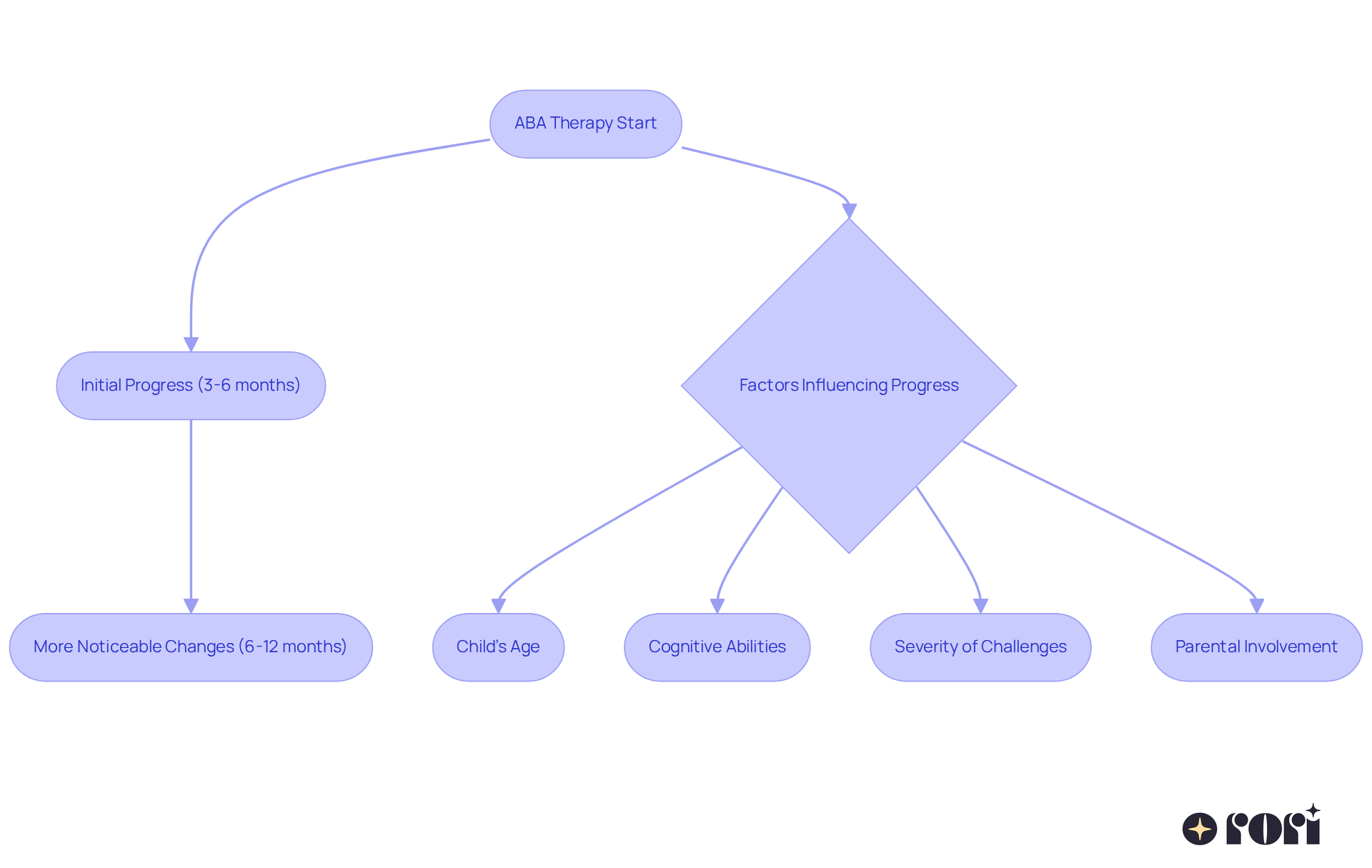
The timeline for noticing outcomes from can really vary, depending on factors like your child’s unique needs, how intense the intervention is, and the specific goals set. Typically, families might start to see some . More noticeable changes often appear between 6 to 12 months of consistent treatment. For instance, kids may become more independent in daily routines, like dressing or feeding themselves, after 6 to 12 months of therapy.
In some cases, a young person diagnosed with level 3 autism expanded her vocabulary from just five words to over 100 in just 2.5 months of ABA intervention! Isn’t that incredible? The effectiveness of intensive can be substantial, with . Factors that can influence how quickly progress happens include your child’s age, cognitive abilities, and the severity of their challenges.
is key! It goes beyond just attending sessions—it’s about teaming up with ABA practitioners to reinforce learning, which can really boost outcomes. Regular evaluations every 3 to 6 months help track progress and make any necessary adjustments, strengthening that collaborative aspect of . Plus, can help kids focus and adjust more easily during therapy.
Our clinical team documents sessions, which allows for automatic data gathering that’s securely stored and anonymized, ensuring caregivers have insights to . By understanding how questions aba and the principles of ABA, and actively participating in the process, caregivers can make informed decisions that further support their child’s development. Let’s explore this together—we’re here to help you every step of the way!
Is ABA Therapy Too Tough on Children?
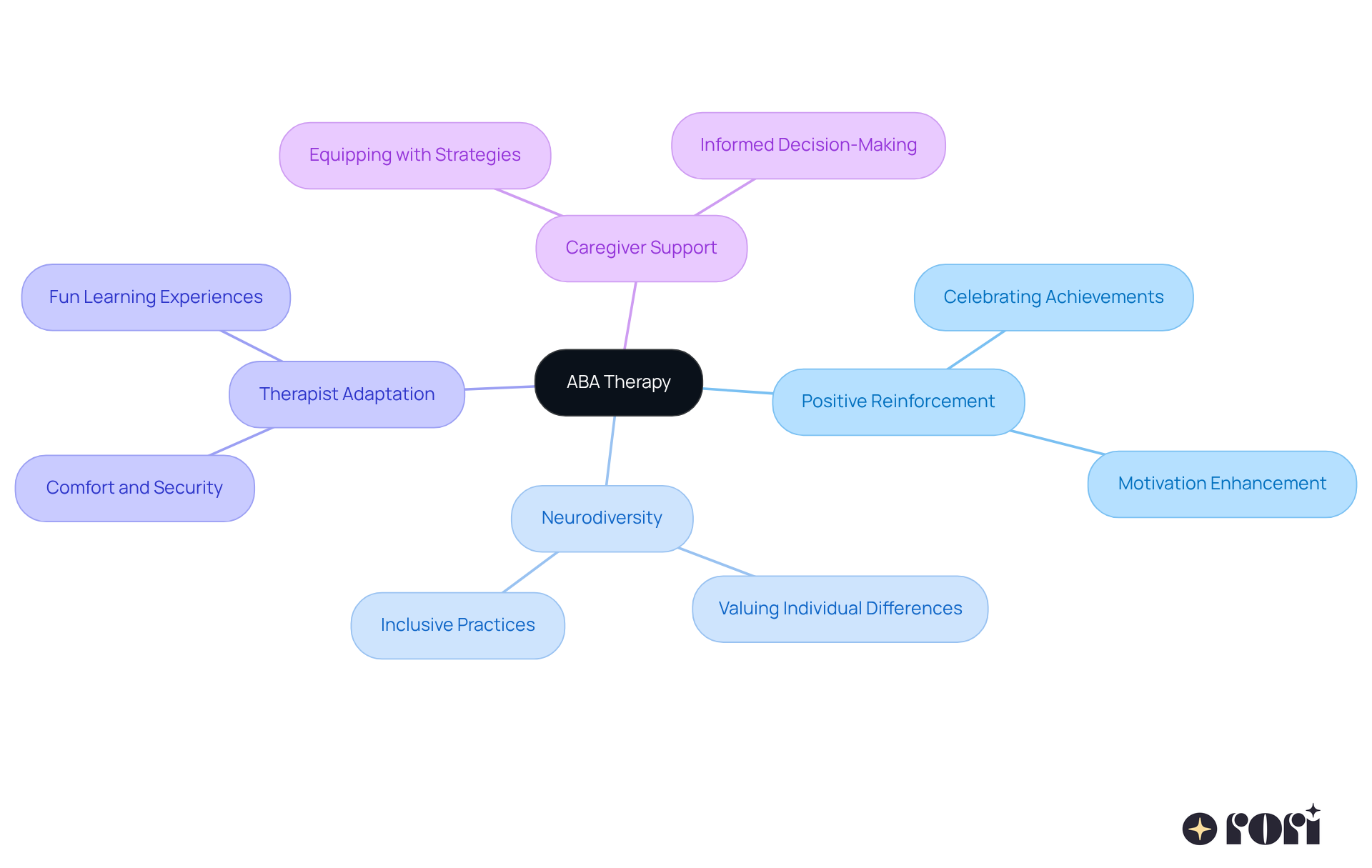
isn’t about being tough on kids; it’s all about being engaging and supportive! 🌟 The focus is on , where young individuals are celebrated for their achievements, nurturing a sense of accomplishment and motivation.
At Rori Care, our clinical leadership team truly values and is dedicated to . Our therapists are trained to adapt their approaches, ensuring that kids feel comfortable and secure. This way, rather than a daunting one.
By , ABA principles, and strategies, we enhance support and informed decision-making. Ultimately, this leads to better for our youth. Let’s explore this journey together—we’re here to help you every step of the way! 😊
What Are the Ethical Concerns Related to ABA Therapy?
When it comes to , often revolve around the potential for coercive practices and the importance of respecting a . It’s crucial for of each young individual, ensuring that interventions are respectful and consensual. This means actively involving young people in their treatment decisions, creating a space where their voices are truly heard and appreciated.
Families are encouraged to seek out therapists who follow established , emphasizing dignity and rights throughout the therapeutic journey. Recent conversations highlight the significance of . When young individuals and their families are fully informed and engaged, they tend to make that align with their values and the best interests of the young person.
Educating caregivers plays a vital role in this process. By empowering them with ABA principles and strategies, caregivers can enhance their ability to support their child’s . Understanding these principles enables caregivers to provide better support, make informed decisions, and contribute to improved behavioral outcomes.
Navigating ethical dilemmas in ABA practices can be manageable when there’s , respect for cultural norms, and tailored interventions to meet individual needs. By fostering an environment of openness and responsibility, practitioners can face these challenges while encouraging positive outcomes for youth. Let’s explore this together and ensure that every young person receives the care and respect they deserve!

How Can Families Support Their Child’s ABA Therapy Journey?
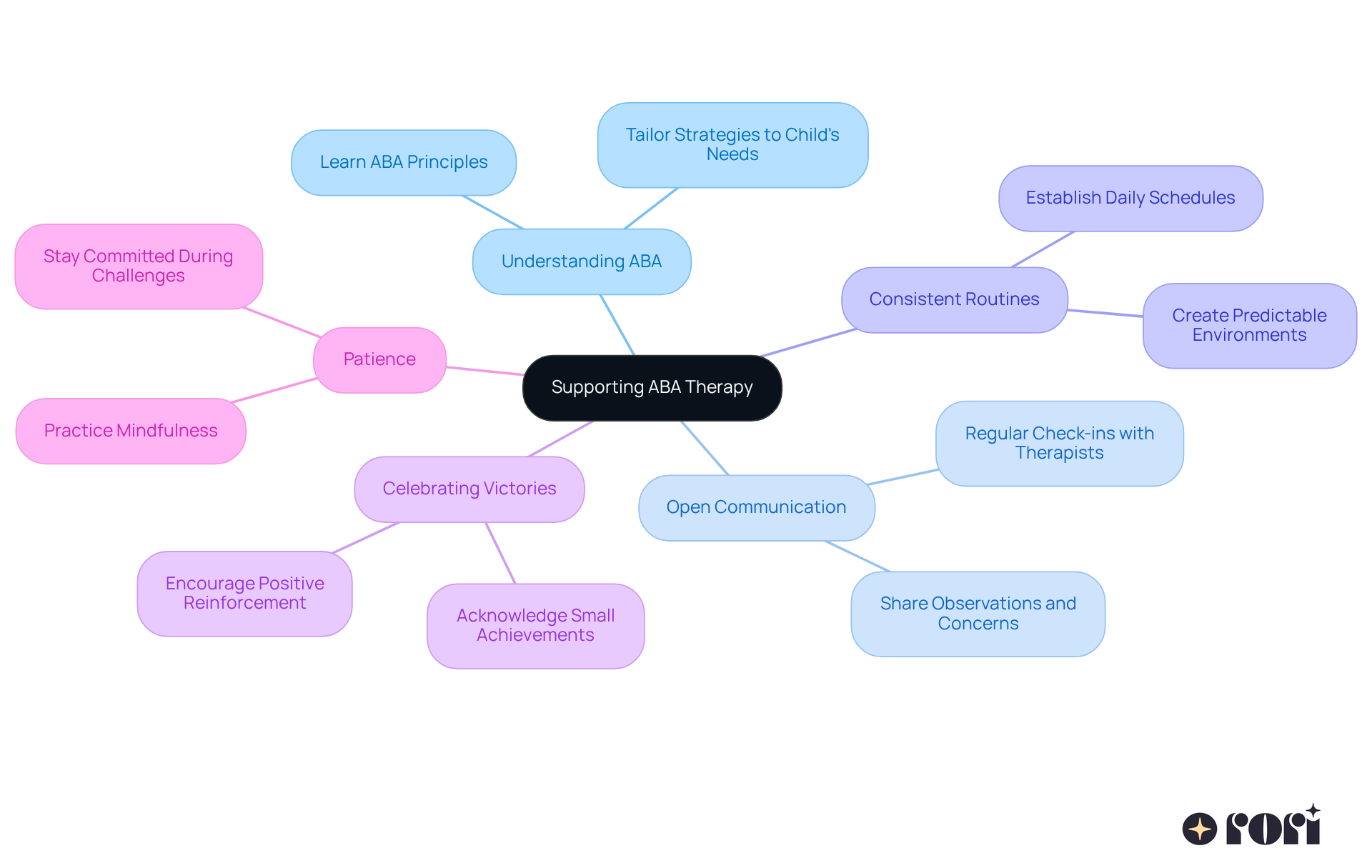
Families can truly make a difference in their children’s therapy journey by understanding can be integrated into sessions and reinforcing the skills learned at home. At Rori Care, our are here to provide top-notch , guiding families every step of the way. Research shows that at home can lead to better outcomes, with 67% of caregivers feeling more fulfilled through . Plus, our equip families with essential principles and strategies tailored to their child’s unique needs.
Open communication with therapists is vital; it builds collaboration and ensures that strategies are put into practice effectively. Establishing consistent routines for daily activities creates a sense of stability, which is so important for individuals on the spectrum. And don’t forget to celebrate those ! They can really boost motivation and confidence. Remember, patience during tough times is key for long-term success.
As one therapist beautifully said, ‘ in ; when families are engaged, youngsters thrive.’ This highlights just how can be. By nurturing a caring and encouraging atmosphere, families play a crucial role in their children’s development and overall experience in treatment. Let’s explore this journey together!
What Long-Term Benefits Can Be Expected from ABA Therapy?
Long-term advantages of ABA treatment can include , improved social interactions, increased independence in daily living, and a decrease in challenging behaviors. , our clinical leadership team truly values neurodiversity and is dedicated to helping young individuals succeed. 🌟
Many young individuals who undergo develop skills that enable them to thrive in both academic and social environments. This often leads to and a better quality of life. By empowering caregivers with ABA principles and strategies, we enhance their ability to support their children’s through active involvement and data collection.
Research has shown that can significantly change the course of a young person’s development. This makes it a valuable investment for families. Let’s explore this together and see how we can support your journey! We’re here to help you every step of the way!
How Can Parents Find Qualified ABA Therapists for Their Child?
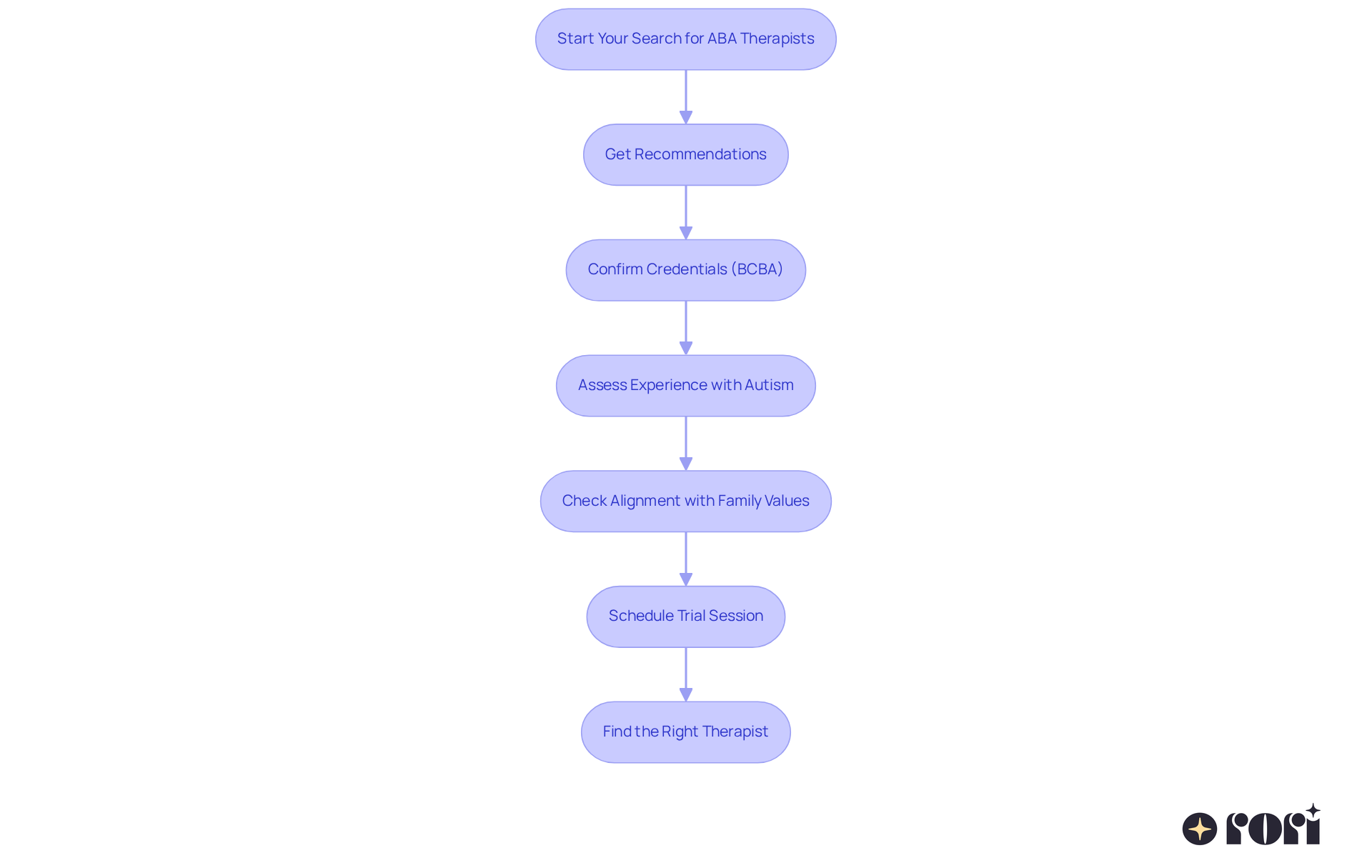
can feel like a daunting task for parents, but starting with recommendations from trusted sources—like pediatricians, schools, and autism support organizations—can make it easier. It’s really important to confirm credentials, especially the . This certification is a strong indicator of a therapist’s knowledge and effectiveness in ABA. Studies show that young individuals receiving therapy from BCBA-certified professionals often see more significant improvements in their behavior and skills.
, we’re all about valuing with ABA principles and strategies. This commitment means that parents are equipped to support their children’s behavioral goals through active involvement and data collection. It’s also a good idea for parents to inquire about the therapist’s experience, especially with youth on the autism spectrum, and to ensure that the with the unique needs of their child and the family’s values. A strong therapeutic alliance between the therapist and the young client is key to .
These days, many families are turning to online platforms and community resources to find ABA therapists, making the search process more accessible than ever! highlight the who not only has the right qualifications but also resonates with the family’s philosophy on care. Our clinical leadership team believes that ‘Autism is not a tragedy. Ignorance is the tragedy,’ which underscores the need for understanding and acceptance in the therapeutic relationship.
Ultimately, finding the right match between the therapist and the child can lead to , empowering children to thrive and develop essential skills. To make the search process even smoother, parents might consider scheduling a trial session with potential therapists. This way, they can assess compatibility and ensure a good fit. Let’s explore this together and find the best support for your child!
Conclusion
ABA therapy is a wonderful resource for enhancing the lives of children with autism, focusing on key areas like communication, social interactions, and daily living skills. By using data-driven approaches tailored to each child’s unique needs, this therapy not only aims to reduce challenging behaviors but also encourages significant personal growth and independence. With a commitment to personalized support, children receive the attention they truly deserve, paving the way for a brighter future.
Throughout our discussion, we’ve seen how ABA therapy can effectively boost social skills through structured interactions. It’s also crucial to highlight the importance of caregiver involvement and the ethical considerations that guide this practice. Techniques like discrete trial training and positive reinforcement play an essential role in fostering engagement and motivation. Plus, ongoing assessments help track progress and adapt strategies as needed. Families are encouraged to actively participate in their child’s journey, reinforcing the skills learned during therapy and celebrating those small victories along the way.
Ultimately, the impact of ABA therapy goes beyond immediate behavioral changes; it lays the groundwork for long-term success and fulfillment. By empowering caregivers with knowledge and strategies, the collaborative effort between families and therapists can lead to profound transformations in children’s lives. Embracing this journey together not only enhances individual development but also cultivates a supportive environment where children can truly thrive. Let’s explore this together! We’re here to help you every step of the way!
Frequently Asked Questions
What is the purpose of ABA therapy?
The purpose of ABA therapy, or Applied Behavior Analysis, is to enhance specific behaviors in youth with autism. It aims to improve communication, social skills, and daily living skills while reducing challenging behaviors through data-driven, personalized interventions.
How does Rori Care utilize technology in ABA therapy?
Rori Care leverages advanced AI technology to streamline the creation of progress reports, which traditionally takes up 50% of the time spent in ABA sessions. This allows for more time to be dedicated to direct treatment, enhancing the effectiveness of care and providing caregivers with valuable insights.
What are the typical goals of ABA therapy?
Typical goals of ABA therapy include improving communication skills, enhancing social interactions, and increasing independence. Each goal is tailored to meet the unique needs of the child, with a focus on developing skills like initiating conversations and following multi-step instructions.
How are behavioral plans developed in ABA therapy?
Behavioral plans in ABA therapy are crafted to highlight the individual’s strengths while addressing their challenges. They include clear, measurable objectives to track progress, and are consistently assessed and adjusted based on the child’s responses to enhance results.
How does ABA therapy improve social skills in children?
ABA therapy improves social skills through organized interactions, role-playing, and modeling suitable behaviors. These methods help children understand social cues, develop empathy, and interact effectively with peers.
What role do caregivers play in ABA therapy?
Caregivers play a crucial role in ABA therapy by being informed about ABA principles and strategies. Their active involvement complements professional interventions and leads to better decision-making, ultimately improving behavioral outcomes for their children.
List of Sources
- How Long Does It Typically Take to See Results from ABA Therapy?
- affinityabc.com (https://affinityabc.com/how-long-does-aba-therapy-take-to-work)
- supportivecareaba.com (https://supportivecareaba.com/aba-therapy/how-long-does-aba-therapy-take-to-show-results)
- magnetaba.com (https://magnetaba.com/blog/how-long-does-it-take-to-see-progress-with-aba-therapy)
- achievingstarstherapy.com (https://achievingstarstherapy.com/blog/what-to-do-when-aba-therapy-progress-seems-slow)
- epicmindstherapy.com (https://epicmindstherapy.com/blog/how-do-i-know-if-aba-therapy-is-working)
- What Are the Ethical Concerns Related to ABA Therapy?
- Understanding the ethics of ABA therapy (https://mastermindbehavior.com/post/understanding-the-ethics-of-aba-therapy)
- discoveryaba.com (https://discoveryaba.com/aba-therapy/aba-therapy-ethics?8936781b_page=17)
- ABA Ethical Considerations (https://goldenstepsaba.com/resources/aba-ethical-considerations)
- ambitionsaba.com (https://ambitionsaba.com/resources/understanding-the-ethical-considerations-in-aba-therapy)
- yellowbusaba.com (https://yellowbusaba.com/post/aba-ethical-considerations)
- How Can Families Support Their Child’s ABA Therapy Journey?
- Best Autism Quotes to Raise Awareness and Understanding (https://yellowbusaba.com/post/autism-quotes)
- kidsclubaba.com (https://kidsclubaba.com/autism-quotes)
- The Best Autism Quotes (https://adinaaba.com/post/autism-quotes)
- brighterstridesaba.com (https://brighterstridesaba.com/blog/autism-quotes-quotes-that-illuminate-the-world-of-autism)
- How Can Parents Find Qualified ABA Therapists for Their Child?
- Best Autism Quotes to Raise Awareness and Understanding (https://yellowbusaba.com/post/autism-quotes)
- supportivecareaba.com (https://supportivecareaba.com/aba-therapy/understanding-autism-quotes)
- 10 inspiring quotes from people with autism | Autism Speaks (https://autismspeaks.org/life-spectrum/autism-quotes)
- astraaba.com (https://astraaba.com/blog/30-autism-motivation-quotes)