Introduction
It can feel overwhelming when you’re trying to decipher your newborn’s cues, especially when it comes to recognizing early signs of autism. Knowing that early detection can really make a difference, let’s look at some signs to watch for, like:
- Lack of social smiles
- Delayed babbling
- Infrequent gesturing
So, what if you miss these milestones? How can you navigate the ups and downs of your child’s development? By exploring these signs, you’re not just empowering yourself; you’re also paving the way for timely support that can truly change your child’s life.
Lack of Smiling as a Sign of Autism
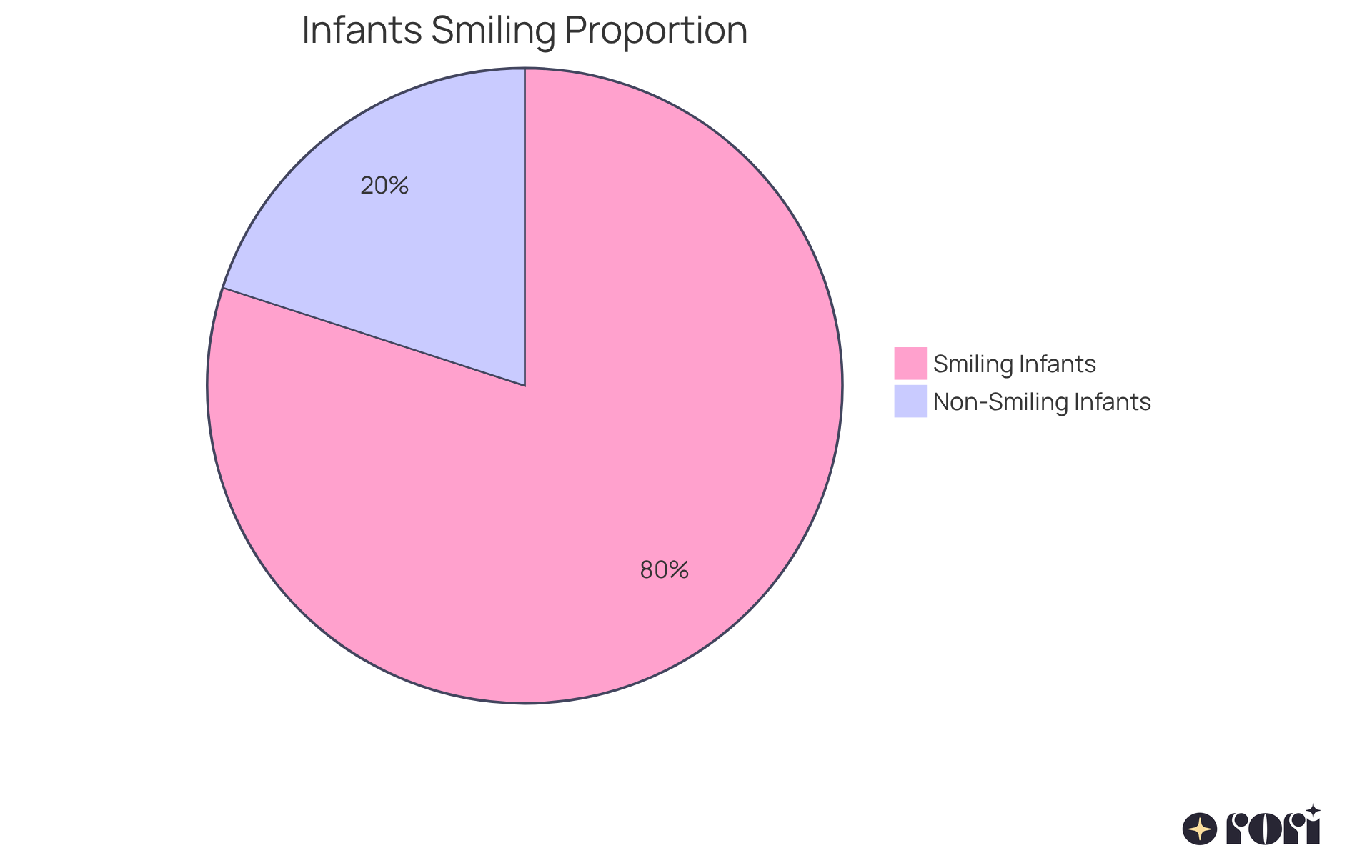
Did you know that most babies start smiling socially between 6 to 8 weeks? Research shows that about 80% of infants are smiling back at their caregivers by this age. If your baby isn’t smiling back at you, it might be a sign to pay attention to. A lack of those joyful smiles during interactions can sometimes hint at signs of autism in newborn babies.
Dr. Temple Grandin reminds us that kids need different experiences to grow, highlighting how important those early social interactions are. It’s natural to feel a bit anxious if your little one isn’t responding with smiles like you’d expect. Kerry Magro points out that spotting the signs of autism in newborn babies early can really aid in obtaining the support your child needs.
Here at Rori Care, we’re all about supporting families and celebrating neurodiversity through education and guidance. Understanding the signs of autism in newborn babies is key to helping your child thrive, so don’t hesitate to reach out to our Board Certified Behavior Analysts for tailored support. Reaching out for support can be the first step toward ensuring your child thrives.
Rare Imitation of Social Cues
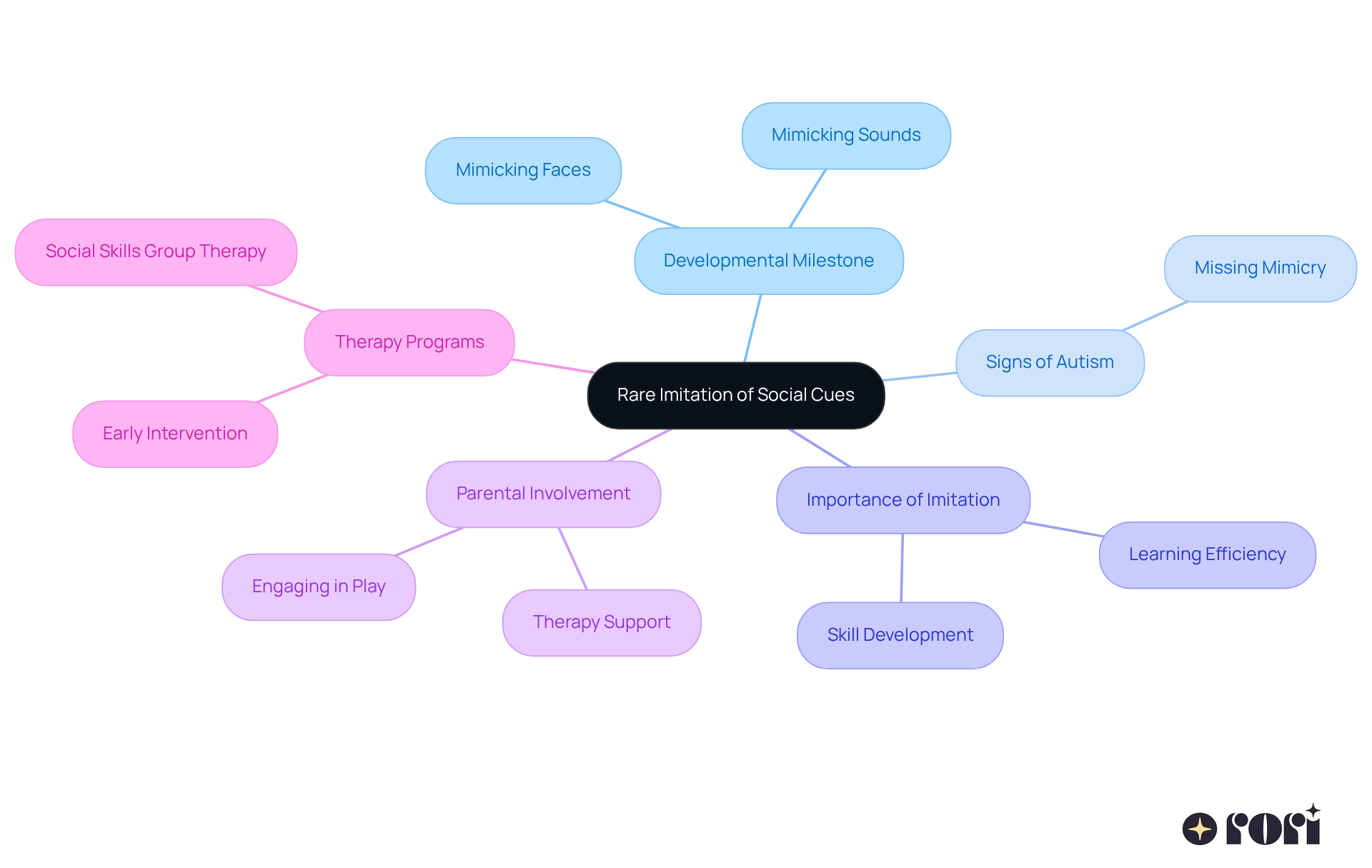
Did you know that by six months, many babies start to mimic the faces and sounds around them? This is a big milestone in their social development! If your little one isn’t mimicking smiles or sounds, it could be a sign of signs of autism in newborn babies that you should pay attention to. As Jenna Garvey, Clinical Director at the May Center for Autism and Developmental Disabilities, shares, “Imitation is a crucial aspect of skill development, because it allows us to learn new things quickly and efficiently by watching those around us.” This ability is essential for developing social skills and effective communication. Keep an eye on how your child engages with these behaviors; if you notice they’re missing, it might be time to reach out for some help.
You can help your child learn by making funny faces and sounds during playtime – it’s a fun way for them to mimic you! At Rori Care, we focus on a caring approach that meets each child’s unique needs through our therapy programs. We’ve seen amazing progress in 90% of kids when families get involved in our early intervention programs. Plus, we offer social skills group therapy led by qualified therapists to help improve communication and relationships. We’re here to help you every step of the way!
Delay in Babbling and Cooing
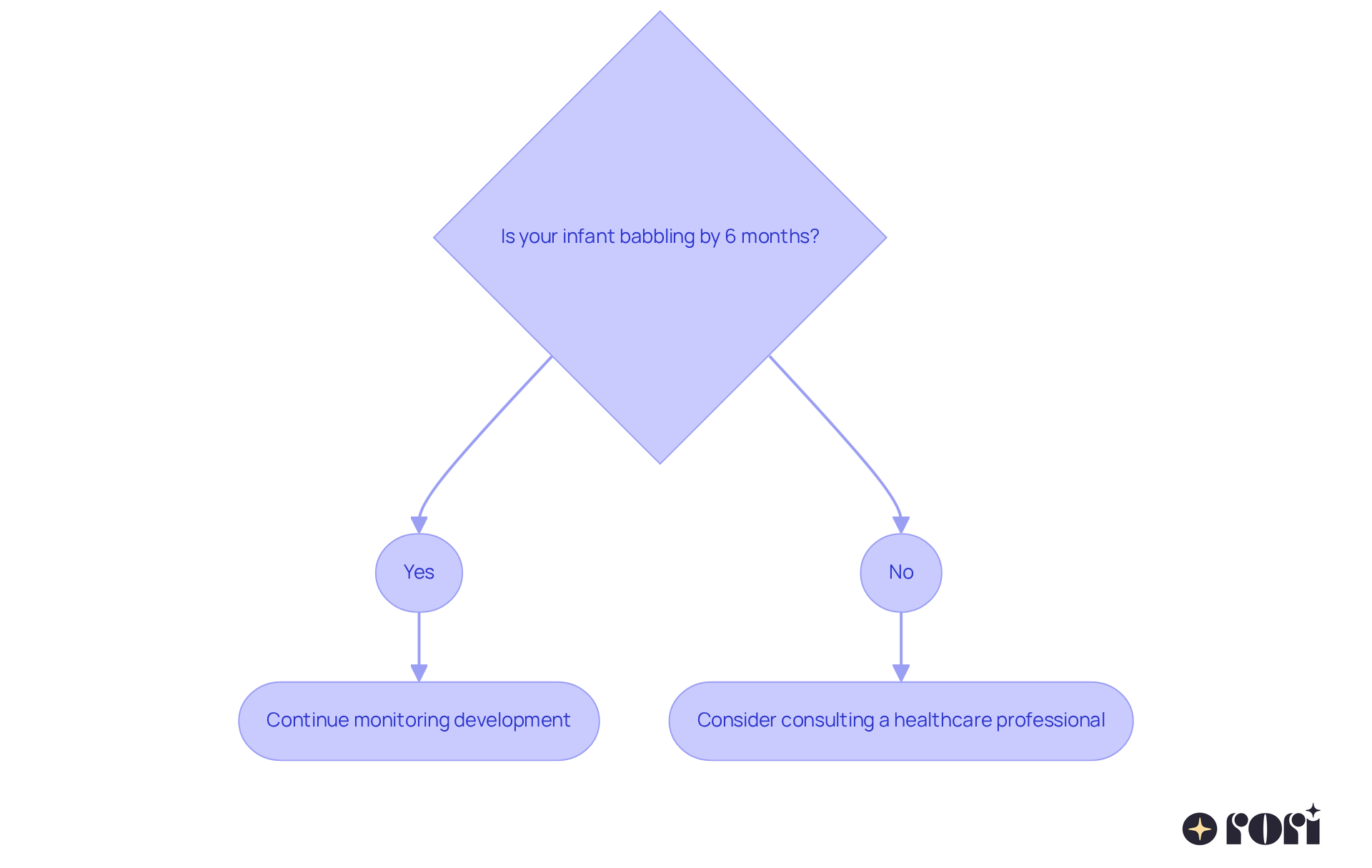
Did you know that most infants start babbling between 4 to 6 months? If your little one isn’t babbling by six months, it might be a sign to look for signs of autism in newborn babies. Research shows that signs of autism in newborn babies often manifest as less babbling compared to their peers.
As a parent, it’s natural to feel concerned if your child isn’t making those cute cooing sounds. Keep an ear out for your child’s sounds; if you notice they’re not cooing or babbling, it might be time to chat with a healthcare professional. Early detection can make a world of difference in your child’s development, leading to timely interventions that really help.
Taking action now can pave the way for a brighter future for your child. Let’s explore this together!
Unresponsiveness to Name
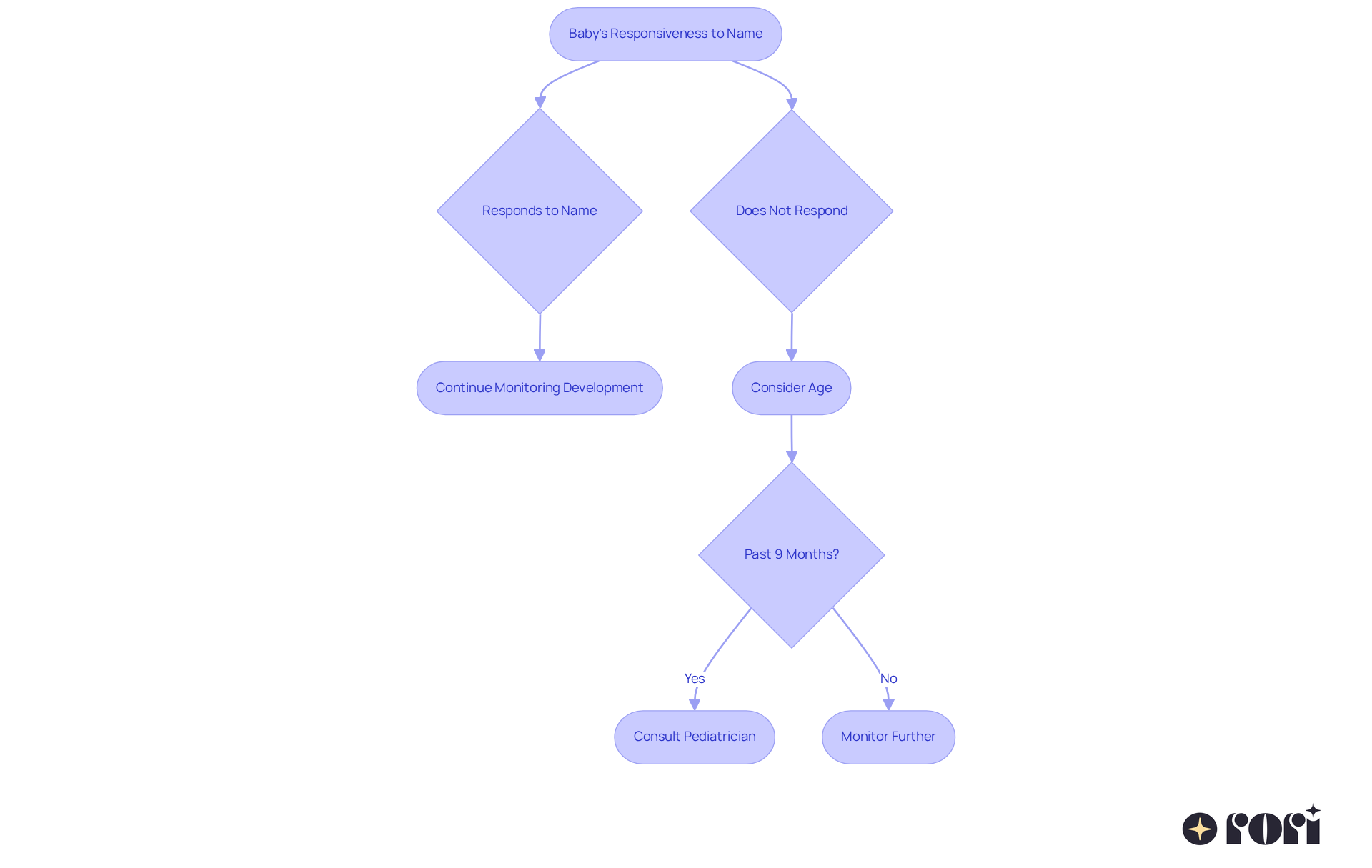
Have you noticed your baby not responding to their name? It can be a bit concerning, can’t it? By around 9 months, many babies start to respond when you call their name! If they don’t respond, it might raise some flags about their social skills, which can be linked to autism spectrum disorders. Research shows that some infants who don’t respond may later receive an autism diagnosis. If this behavior continues past the typical age, it’s a good idea to chat with your pediatrician. Experts say that if your little one consistently doesn’t respond, it’s something to keep an eye on! Taking action now can make a world of difference for your child’s future. Getting help early on can really make a difference in how your child gets the support they need!
Poor Eye Contact
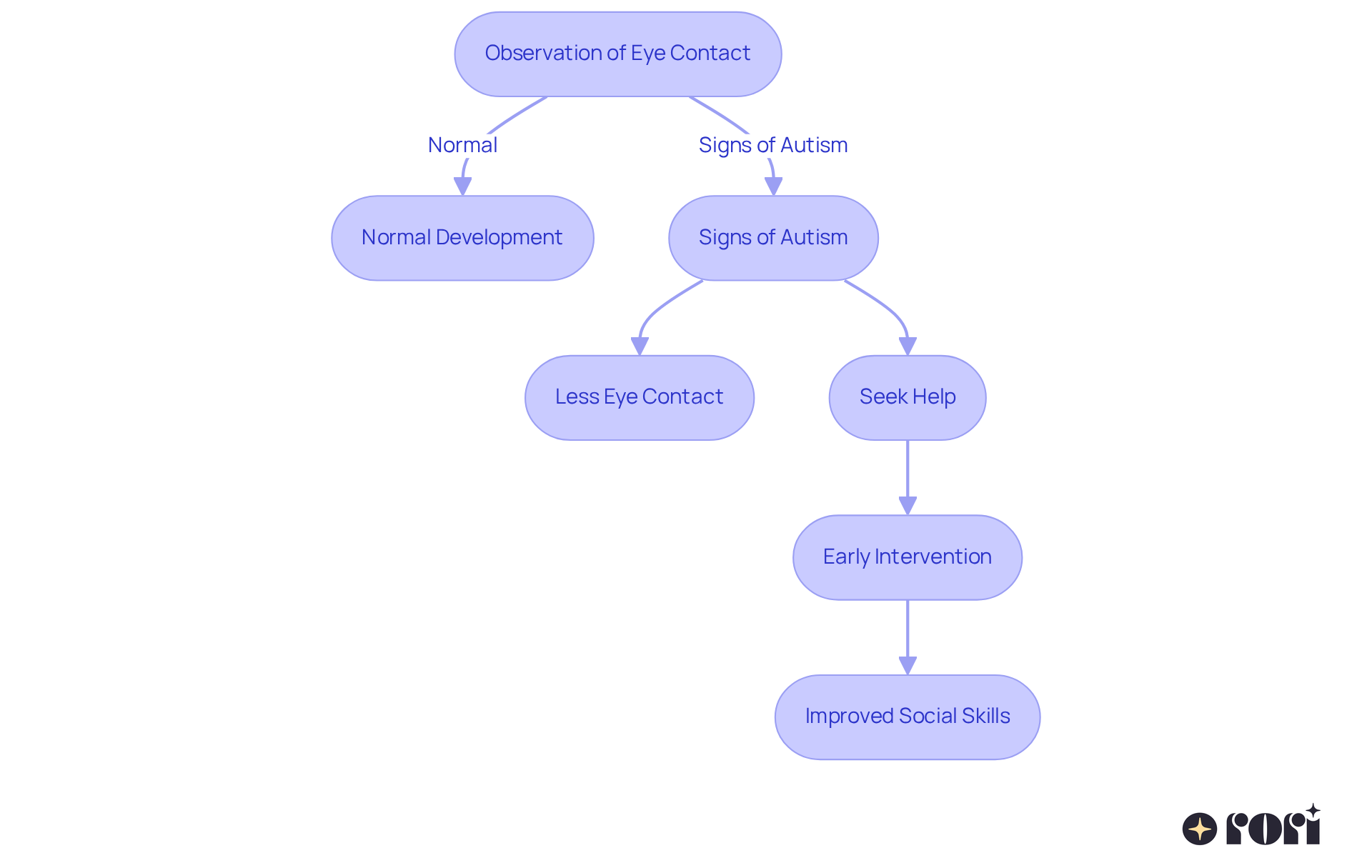
Have you ever noticed how your little one looks into your eyes, and how that simple gaze can mean so much? Infants typically start making eye contact from a young age, and this is so important for building social skills and emotional connections. If you notice your little one isn’t making eye contact as much, it could be one of the signs of autism in newborn babies, and that’s worth paying attention to. Studies show that signs of autism in newborn babies can be indicated by their tendency to look away from others’ eyes more and more as they grow, particularly between 2 and 6 months. By the time they reach 24 months, those who will be diagnosed with autism often exhibit signs of autism in newborn babies, as they tend to focus on their caregiver’s eyes for only about half the time compared to their peers.
As a parent, it’s essential to keep an eye on how your child interacts with you; if you observe any signs of autism in newborn babies, such as struggling to make eye contact, don’t hesitate to reach out for help. Early intervention can make a world of difference! At Rori Care, we believe in the power of early intervention, like Applied Behavior Analysis therapy, which is tailored just for your child’s unique needs. Working with a Board Certified Behavior Analyst can really help your family learn new ways to boost your child’s social skills and development. Plus, learning more about your child’s needs can empower you to make the best choices and support their growth.
And guess what? When parents actively participate in therapy, kids show amazing progress – up to 90% of them! By staying attentive to the signs of autism in newborn babies and seeking support, you can truly make a difference in your child’s journey.
Infrequently Seeking Attention
Have you ever noticed your little one not reaching out for attention? It can be concerning! Infants usually make sounds or reach out to grab their caregivers’ attention. But if your child rarely does this, it might signal some challenges with social engagement, which can be among the signs of autism in newborn babies. Did you know that about 25 to 30% of kids with autism might not use many words at all? They often express their needs in different ways.
Understanding why your child might not be seeking attention is key. These behaviors often come from a deep desire for connection, not manipulation. It’s natural to worry when your child isn’t reaching out or engaging with others. But don’t worry-early support can make a world of difference! Encourage your child to interact socially by teaching them simple ways to gain attention, like saying ‘excuse me’ or giving a gentle tap. If you’re noticing your child isn’t reaching out much, it might be a good idea to chat with a professional. Early intervention can really help your child’s development.
At Rori Care, we focus on a caring approach with our Applied Behavior Analysis (ABA) therapy, tailored to each child’s unique needs. With active involvement from caregivers, we see great progress in 90% of kids when the recommended hours are followed. Plus, ABA therapy is the only scientifically validated treatment for autism that insurance covers!
We also offer social skills group therapy, which helps kids build communication and relationships with their peers. This support is essential for developing those important social skills. Remember, seeking help early can pave the way for your child’s brighter future!
Lack of Gesturing
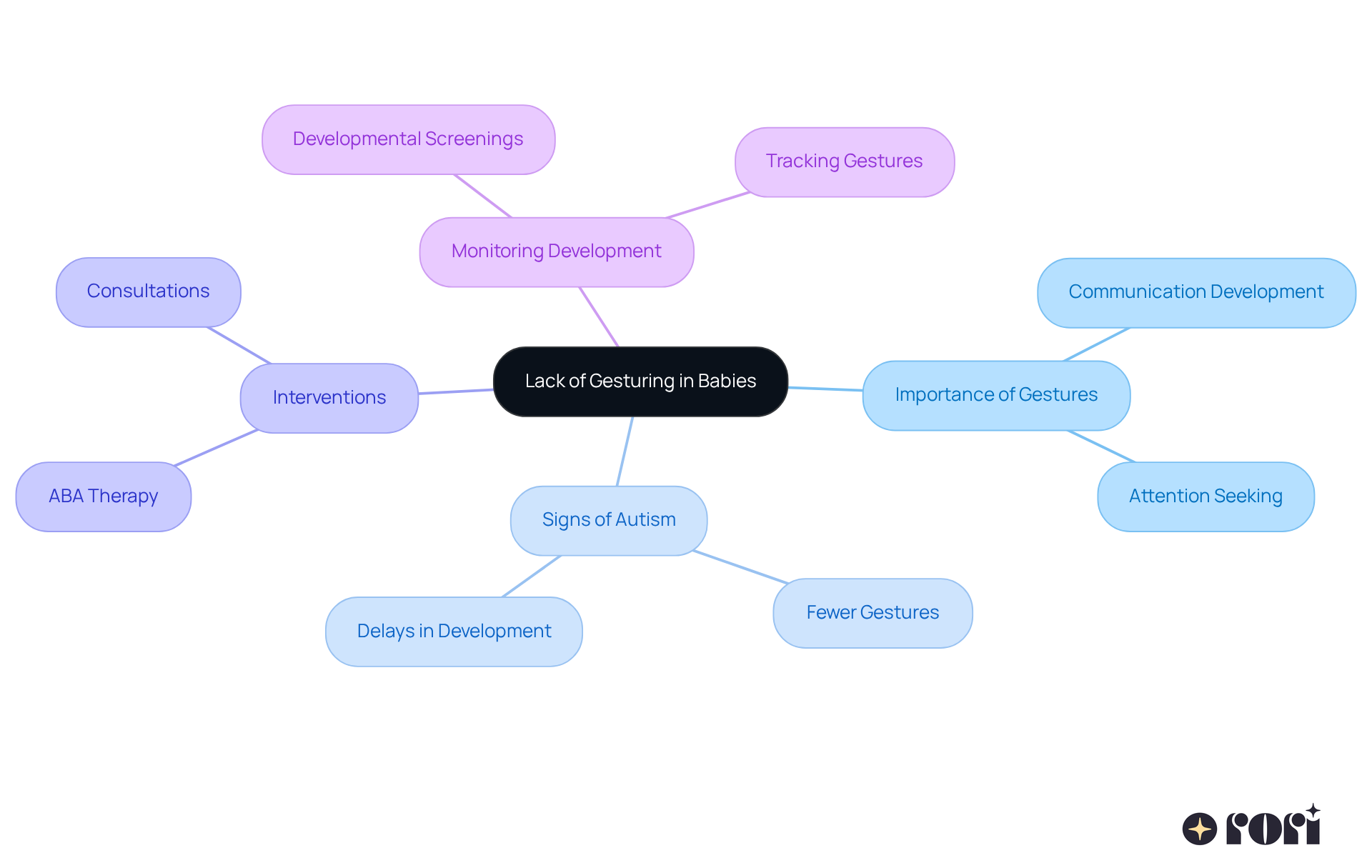
Have you ever noticed how your baby tries to get your attention with little waves or pointing? Gestures like these are super important for their communication development! By around 12 months, most babies start using gestures to let us know what they want. If you notice signs of autism in newborn babies, like your little one not gesturing as other babies their age do, it can be worrying. But don’t worry, there’s plenty of support available to help your child thrive!
Studies show that signs of autism in newborn babies can be observed through the fewer gestures they use, particularly in pointing and other forms of communication. So, it’s a good idea to keep an eye on your child’s gestures. If you see any delays, chatting with your healthcare provider can make a big difference. Early intervention can really enhance developmental outcomes!
Now, let’s talk about Applied Behavior Analysis (ABA) therapy. It’s a friendly and flexible approach that focuses on improving specific behaviors and skills through structured interventions. And guess what? It’s been shown to help 90% of young individuals when parents get involved! The American Academy of Pediatrics recommends regular developmental evaluations, including assessments for signs of autism in newborn babies at 18 and 24 months, to ensure kids get the help they might need.
To keep track of your child’s gestures, consider jotting them down and discussing any concerns with your pediatrician during check-ups. And remember, you can always reach out for a free consultation with Rori Care’s Board Certified Behavior Analyst to explore tailored interventions that support your child’s unique needs. So, keep an eye on those adorable gestures, and don’t hesitate to reach out for help if you have any concerns!
Repetitive Behaviors
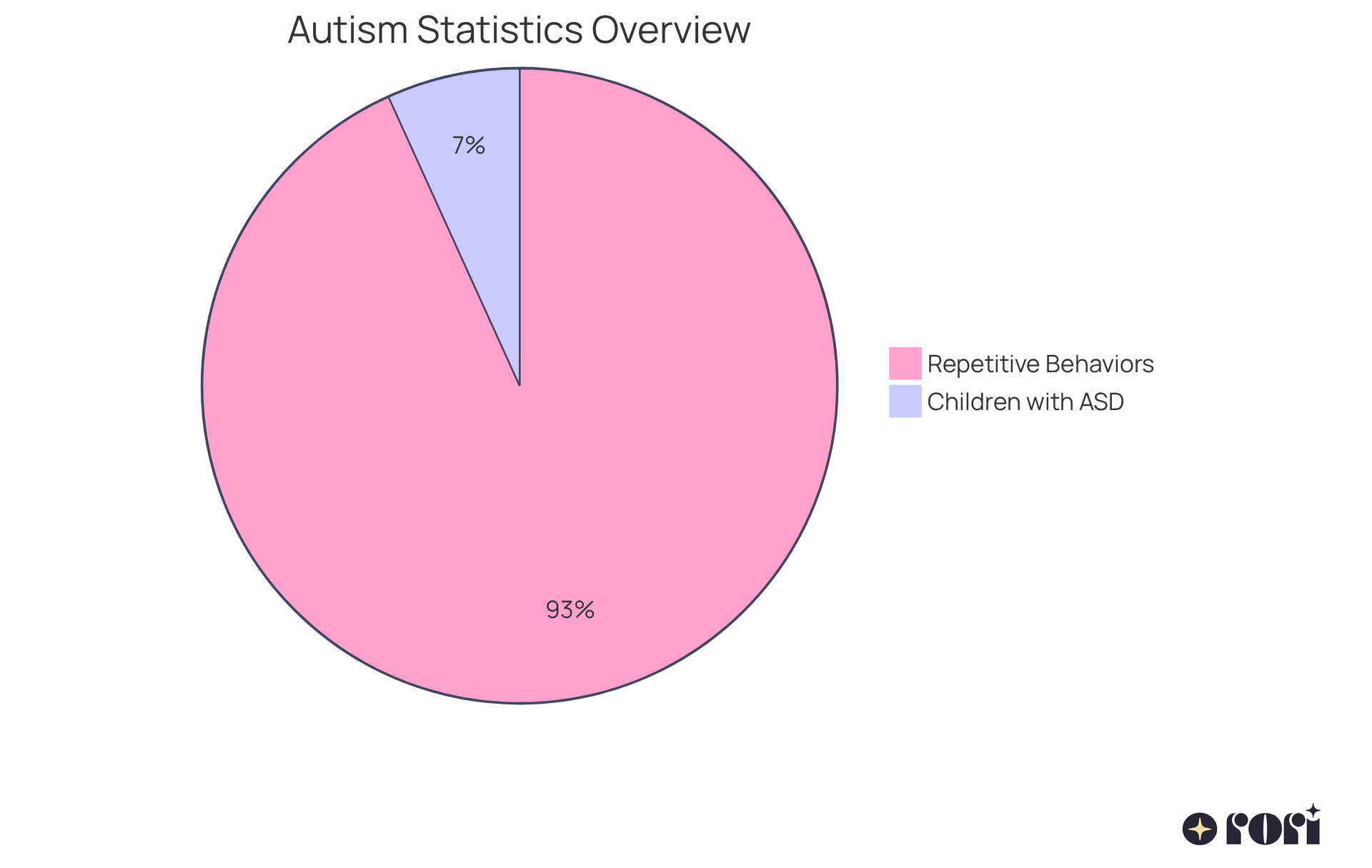
Have you ever noticed your little one flapping their hands or rocking back and forth? Repetitive actions like these can sometimes indicate signs of autism in newborn babies and might serve as ways for your child to self-soothe or cope with sensory input. It’s quite common – around 44% of autistic individuals show these kinds of behaviors. So, if you spot any unusual repetitive actions, it’s important to keep an eye out. Early recognition can make a big difference in getting the support your child needs.
Research shows that about 3.2% of kids aged 8 years are identified with ASD, which highlights how crucial it is to monitor developmental milestones and behaviors. Talking to your pediatrician or a child psychologist can really help you understand what’s going on. Remember, you’re not alone in this journey, and reaching out for support can be the first step toward understanding your child’s unique needs.
Delayed Motor Development
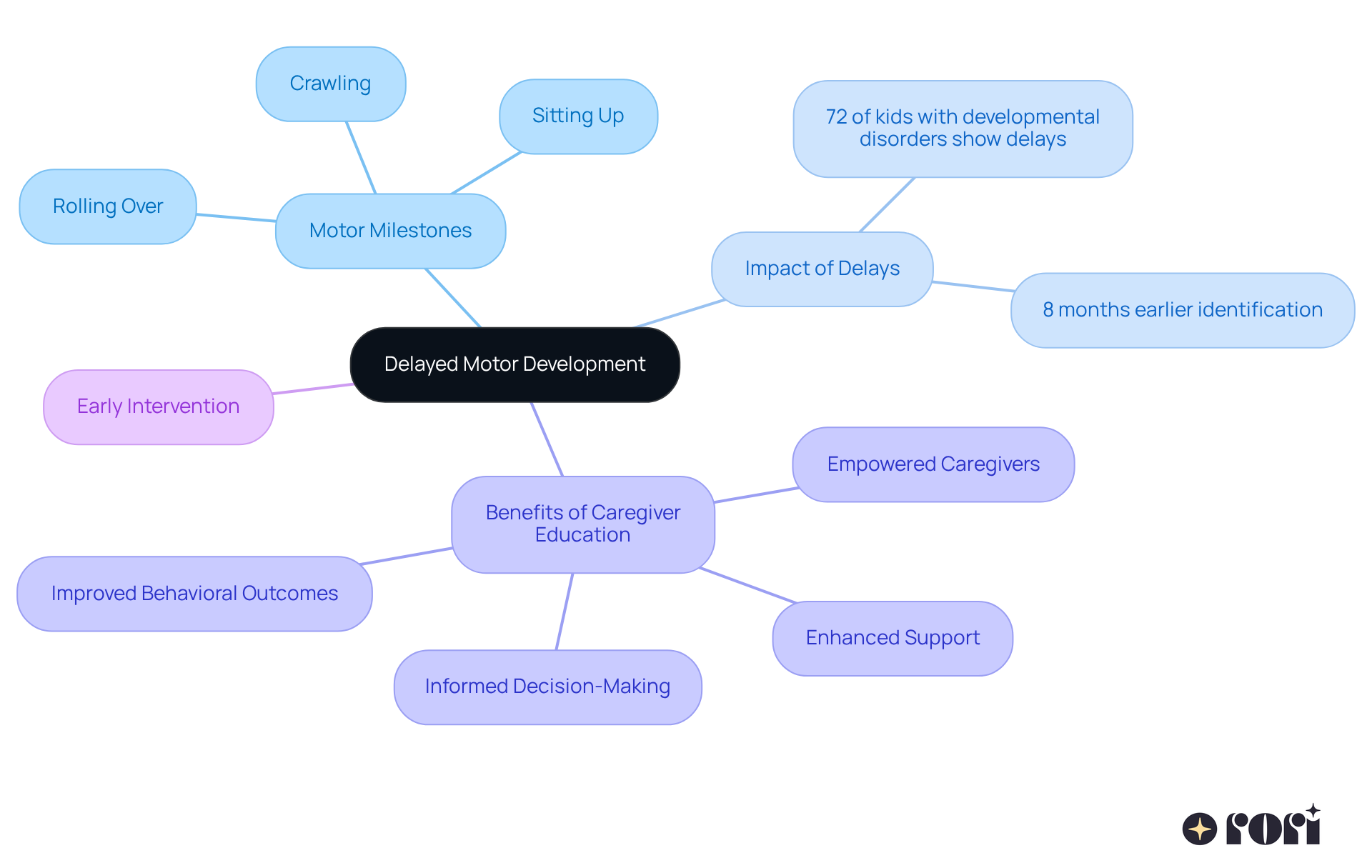
Keeping up with your child’s motor milestones can feel like a juggling act, especially when you’re not sure what to look for! Motor milestones like rolling over, sitting up, and crawling usually happen within specific age ranges. Did you know that 72% of kids diagnosed with developmental disorders show delays in these motor skills? This can be one of the signs of autism in newborn babies. It’s important to note that kids with motor delays are often identified with the condition about eight months earlier than those without delays. So, if you notice your little one struggling with rolling over or sitting up, don’t hesitate to reach out for help! Monitoring their motor development closely can lead to timely support and resources, which can really make a difference.
Getting involved in Applied Behavior Analysis (ABA) therapy can really boost your child’s learning and social skills! And guess what? When caregivers are actively involved, 90% of kids show amazing progress! As Natalia Mesa puts it, ‘Early intervention can make a significant difference in a young person’s development and quality of life.’
Plus, learning about how to support your child can make a world of difference! Here are some key benefits of caregiver education:
- Enhanced Support: You’ll feel more equipped to provide the right support at home, which helps reinforce what your child learns in therapy.
- Informed Decision-Making: With a better grasp of ABA principles, you can make choices that positively impact your child’s progress.
- Improved Behavioral Outcomes: When you’re involved and aligned with therapeutic strategies, you’ll likely see more effective and lasting improvements in behavior.
- Empowered Caregivers: Gaining knowledge and skills boosts your confidence, making it easier to support your child and reducing stress for the whole family.
By staying proactive and informed, you can be the best advocate for your child’s development and well-being.
Seek Professional Evaluation with Rori Care – ABA Therapy
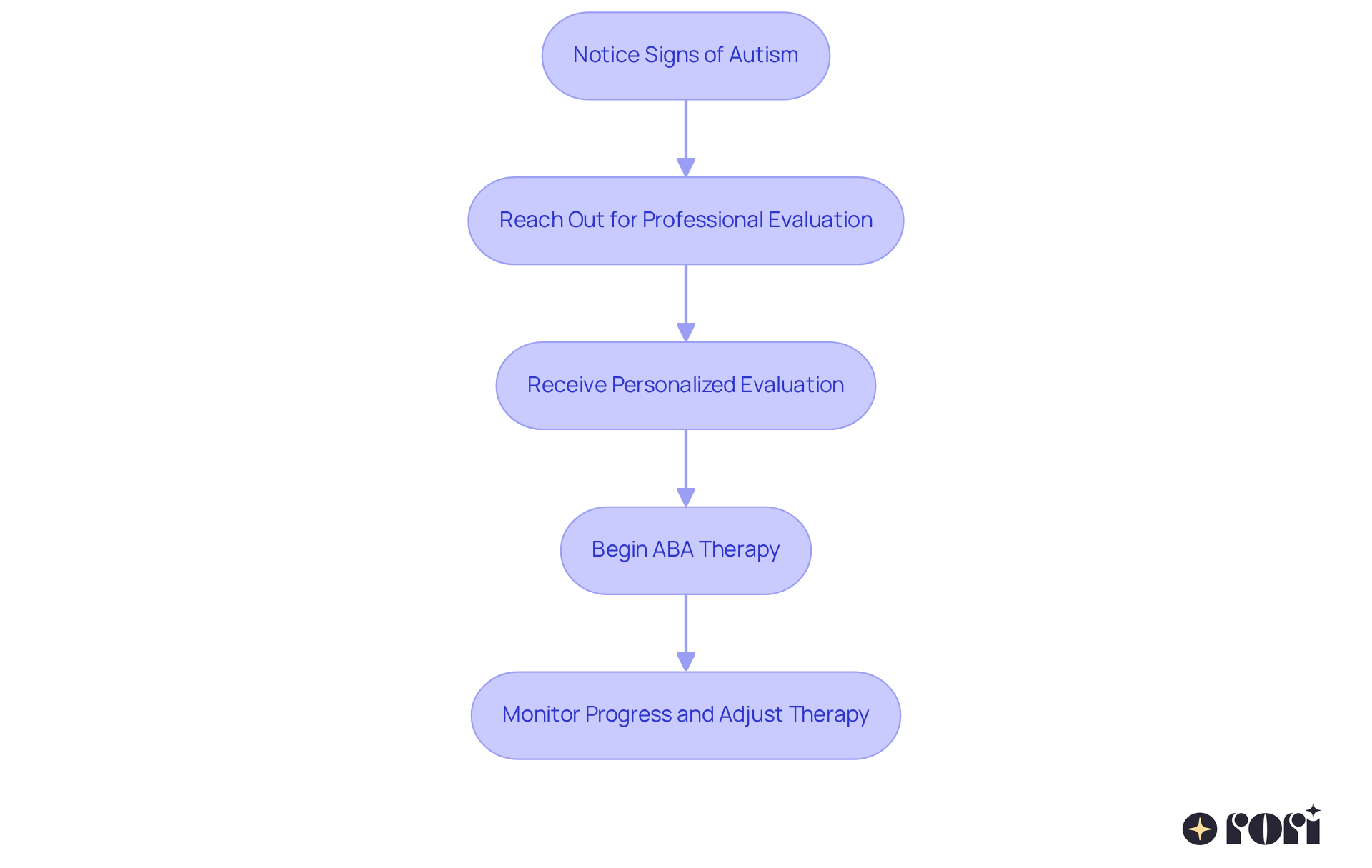
Noticing signs of autism in newborn babies can be overwhelming, but you’re not alone in this journey. If you notice any signs of autism in newborn babies, it can really make a difference to reach out for a professional evaluation! At Rori Care, we provide personalized evaluations and ABA therapy designed just for your child’s unique needs.
You might be surprised to learn that early intervention can really boost your child’s development! Studies show that kids who receive intensive ABA therapy for two or more years often see significant improvements in their cognitive and adaptive skills. Plus, those who start therapy before age three can experience an average 17-point increase in IQ scores compared to those who begin later.
We’re here to help you every step of the way at Rori Care, guiding you through the evaluation process! Connecting with us means ensuring your child receives the best possible care to develop essential skills and improve their quality of life. Let’s explore this together!
Conclusion
It can be tough to know what to look for when it comes to your baby’s development, especially with autism signs that can be subtle. Being aware of key indicators like:
- a lack of smiling
- rare imitation of social cues
- delays in babbling
can really help you understand your little one better. These signs can provide valuable insights into their developmental journey and might mean it’s time to seek a little extra support.
When you spot these signs, you can take steps to get the support your little one needs! Early detection and intervention, especially through methods like Applied Behavior Analysis (ABA) therapy, can make a world of difference in enhancing your child’s social skills and overall development. Connecting with professionals, like those at Rori Care, can empower you to navigate this journey with confidence, ensuring your child receives the tailored care that fits their unique needs.
Staying informed and keeping an eye out for these early signs can really help your child have a brighter future! Encouraging open conversations with healthcare providers and seeking professional evaluations can truly change the course of your child’s life. Remember, every child deserves the chance to shine, and your awareness can be the first step toward that brighter future.
Frequently Asked Questions
What is a lack of smiling in babies a potential sign of?
A lack of smiling during interactions in babies can sometimes indicate signs of autism.
At what age do most babies start smiling socially?
Most babies start smiling socially between 6 to 8 weeks of age.
Why is it important to recognize signs of autism early?
Recognizing signs of autism early can help in obtaining the necessary support for the child, which is crucial for their development.
What role does imitation play in a baby’s social development?
Imitation is essential for skill development as it allows babies to learn new things quickly and efficiently by observing those around them.
When do babies typically start mimicking faces and sounds?
Many babies start to mimic faces and sounds by six months of age.
What should parents do if their baby isn’t mimicking smiles or sounds?
If a baby isn’t mimicking smiles or sounds, it may be a sign to seek help and monitor their social engagement.
When do most infants begin to babble?
Most infants start babbling between 4 to 6 months.
What should parents do if their child isn’t babbling by six months?
Parents should consult a healthcare professional if their child isn’t babbling by six months, as this could be a sign of autism.
How can early detection of autism signs benefit a child?
Early detection can lead to timely interventions that significantly aid in the child’s development and future growth.
What type of support does Rori Care offer for families?
Rori Care offers tailored support through therapy programs, social skills group therapy, and guidance from Board Certified Behavior Analysts to help children thrive.
List of Sources
- Lack of Smiling as a Sign of Autism
- 10 inspiring quotes from people with autism | Autism Speaks (https://autismspeaks.org/life-spectrum/autism-quotes)
- Best Inspirational Autism Quotes (https://ambitionsaba.com/resources/autism-quotes)
- The Best Autism Awareness Quotes (https://autism360.com/autism-awareness-quotes)
- 30 Quotes from 30 People with Autism (https://elsforautism.org/30-quotes-from-30-people-with-autism)
- Rare Imitation of Social Cues
- the-art-of-autism.com (https://the-art-of-autism.com/favorite-quotes-about-autism-and-aspergers)
- 30 Quotes from 30 People with Autism (https://elsforautism.org/30-quotes-from-30-people-with-autism)
- 10 inspiring quotes from people with autism | Autism Speaks (https://autismspeaks.org/life-spectrum/autism-quotes)
- Expert Columns: What is Imitation and Why is it Important? (https://mayinstitute.org/news/acl/asd-and-dd-child-focused/what-is-imitation-and-why-is-it-important)
- Delay in Babbling and Cooing
- Babbling delay may be early marker of autism (https://thetransmitter.org/spectrum/babbling-delay-may-be-early-marker-of-autism)
- “Could My Child Have Autism?” Ten Signs of Possible Autism-Related Delays in 6- to 12-Month-Old Children (https://kennedykrieger.org/stories/press-releases/could-my-child-have-autism-ten-signs-possible-autism-related-delays-6-12-month-old-children)
- Delay in Babbling Could Indicate Autism – (iLs) (https://integratedlistening.com/blog/delay-babbling-indicate-autism)
- 30 Quotes from 30 People with Autism (https://elsforautism.org/30-quotes-from-30-people-with-autism)
- Unresponsiveness to Name
- What Does It Mean if a Child Doesn’t Respond to Their Name? (https://leader.pubs.asha.org/do/10.1044/what-does-it-mean-if-a-child-doesnt-respond-to-their-name/full)
- Child not responding to their name? It could be an early sign of autism (https://theweek.in/news/health/2026/04/01/child-not-responding-to-their-name-it-could-be-an-early-sign-of-autism.html)
- the-art-of-autism.com (https://the-art-of-autism.com/favorite-quotes-about-autism-and-aspergers)
- Why Don’t Children with Autism Respond to Their Name? (https://bluegemsaba.com/why-dont-children-with-autism-respond-to-their-name)
- Inspiring Quotes on Child Learning and Development (https://vincegowmon.com/inspiring-quotes-on-child-learning-and-development)
- Poor Eye Contact
- NIH Study Finds Attention to Others’ Eyes Declines in 2 to 6-Month-Old Infants Later Diagnosed with Autism (https://autismspectrumnews.org/nih-study-finds-attention-to-others-eyes-declines-in-2-to-6-month-old-infants-later-diagnosed-with-autism)
- The Best Autism Awareness Quotes (https://autism360.com/autism-awareness-quotes)
- 10 inspiring quotes from people with autism | Autism Speaks (https://autismspeaks.org/life-spectrum/autism-quotes)
- Study: Eye contact declines early in babies who later develop autism | Autism Speaks (https://autismspeaks.org/news/study-eye-contact-declines-early-babies-who-later-develop-autism)
- 30 Quotes from 30 People with Autism (https://elsforautism.org/30-quotes-from-30-people-with-autism)
- Infrequently Seeking Attention
- Managing Attention-Seeking Behavior in Autistic Children – Pops ABA Therapy (https://popstherapy.com/attention-seeking-behavior-in-autism)
- 10 Quotes on Boosting Young Children’s Social-Emotional Development – Brookes Blog (https://blog.brookespublishing.com/10-quotes-on-boosting-young-childrens-social-emotional-development)
- Motivational Quotes for Kids That Help Build Positive Relationships (https://rootsofaction.com/motivational-quotes-kids)
- 10 Quotes to Inspire Early Childhood Professionals (https://zerotothree.org/quotes-to-inspire-early-childhood-professionals)
- Inspiring Quotes on Child Learning and Development (https://vincegowmon.com/inspiring-quotes-on-child-learning-and-development)
- Lack of Gesturing
- Estimated growth trajectories for gestures and actions with and without… (https://researchgate.net/figure/Estimated-growth-trajectories-for-gestures-and-actions-with-and-without-objects-depicted_fig3_340728218)
- Autism in babies: Signs, diagnosis, and next steps (https://medicalnewstoday.com/articles/autism-in-babies)
- 80 Inspiring Quotes on Autism Awareness and Support – Empower ABA (https://empoweraba.com/80-inspiring-quotes-on-autism-awareness-and-support)
- 10 Autism Quotes For Special Needs Parents – Achieve Beyond (https://achievebeyondusa.com/10-autism-quotes-for-special-needs-parents)
- 59 Inspirational Quotes About Autism – Hidden Talents ABA (https://hiddentalentsaba.com/autism-quotes)
- Repetitive Behaviors
- Repetitive Behaviors in Autism: Examples & Causes – Pops ABA Therapy (https://popstherapy.com/what-are-some-repetitive-behaviors-in-autism)
- Data and Statistics on Autism Spectrum Disorder (https://cdc.gov/autism/data-research)
- Hand flapping autism: Signs and support strategies (https://heartlinksaba.com/hand-flapping-in-children-with-autism)
- 10 inspiring quotes from people with autism | Autism Speaks (https://autismspeaks.org/life-spectrum/autism-quotes)
- Delayed Motor Development
- Identifying motor milestone delay can lead to earlier autism diagnosis | Contemporary Pediatrics (https://contemporarypediatrics.com/view/identifying-motor-milestone-delay-can-lead-to-earlier-autism-diagnosis)
- New study reveals motor delays as possible key early indicator for autism diagnosis (https://waisman.wisc.edu/2025/04/24/motor-delays-as-possible-key-indicator-for-autism-diagnosis)
- Motor difficulties in autism, explained (https://thetransmitter.org/spectrum/motor-difficulties-in-autism-explained)
- 10 Autism Quotes For Special Needs Parents – Achieve Beyond (https://achievebeyondusa.com/10-autism-quotes-for-special-needs-parents)
- Seek Professional Evaluation with Rori Care – ABA Therapy
- Success Rate of Early Intervention for Autism | Connect n Care (https://connectncareaba.com/blog/early-intervention-autism-success-rate-statistics)
- ABA Therapy Success Rate | How Successful Is ABA Therapy (https://stepforwardaba.com/what-is-the-success-rate-of-aba-therapy)
- The Numbers Don’t Lie: Revealing Autism Therapy Statistics | Above and Beyond Therapy (https://abtaba.com/blog/autism-therapy-statistics)
- Success Rates of ABA Therapy | Advanced Autism Services (https://advancedautism.com/post/success-rates-of-aba-therapy)